
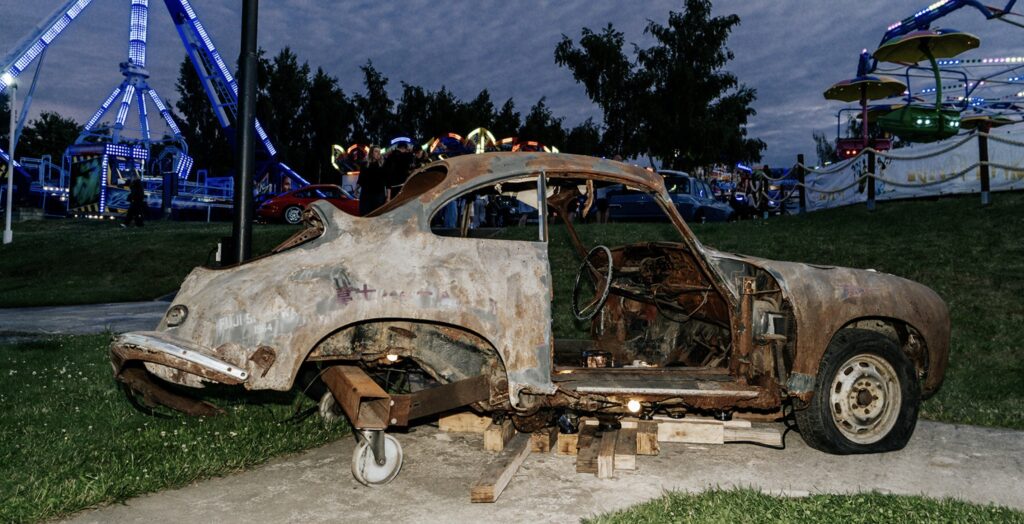
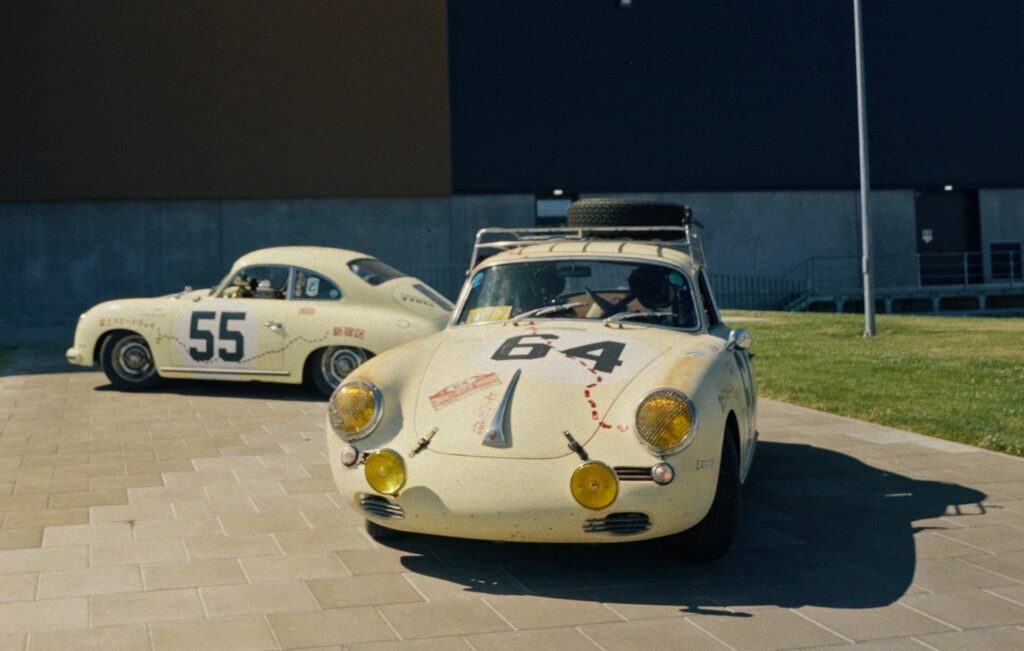
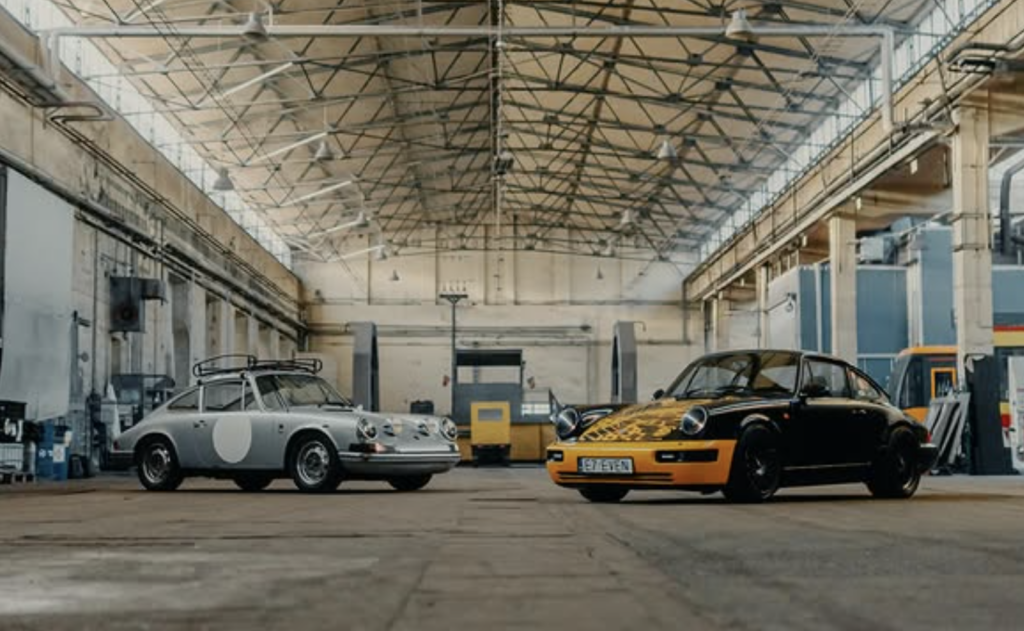
It happens often: when presented with a new art project, our jaded eyes roll, because it’s all been done before. But genuine creation is never done, is always radical, and is prone to bursting like a flowering weed through cracks in the expected. For example; Luftgekühlt, the air-cooled Porsche extravaganza, is cool for what it is, even within its boundaries of ‘acceptable’ creativity – ‘outlaw’ cars stickered with old racing graphics, rally cars that never existed, etc. We smile, we enjoy, but rarely do a double-take. But when something new demands a triple-take, and begs more questions the longer you look, then you’ve found a gem.
Paul dOrléans (PDO): So your primary business is graphic design?
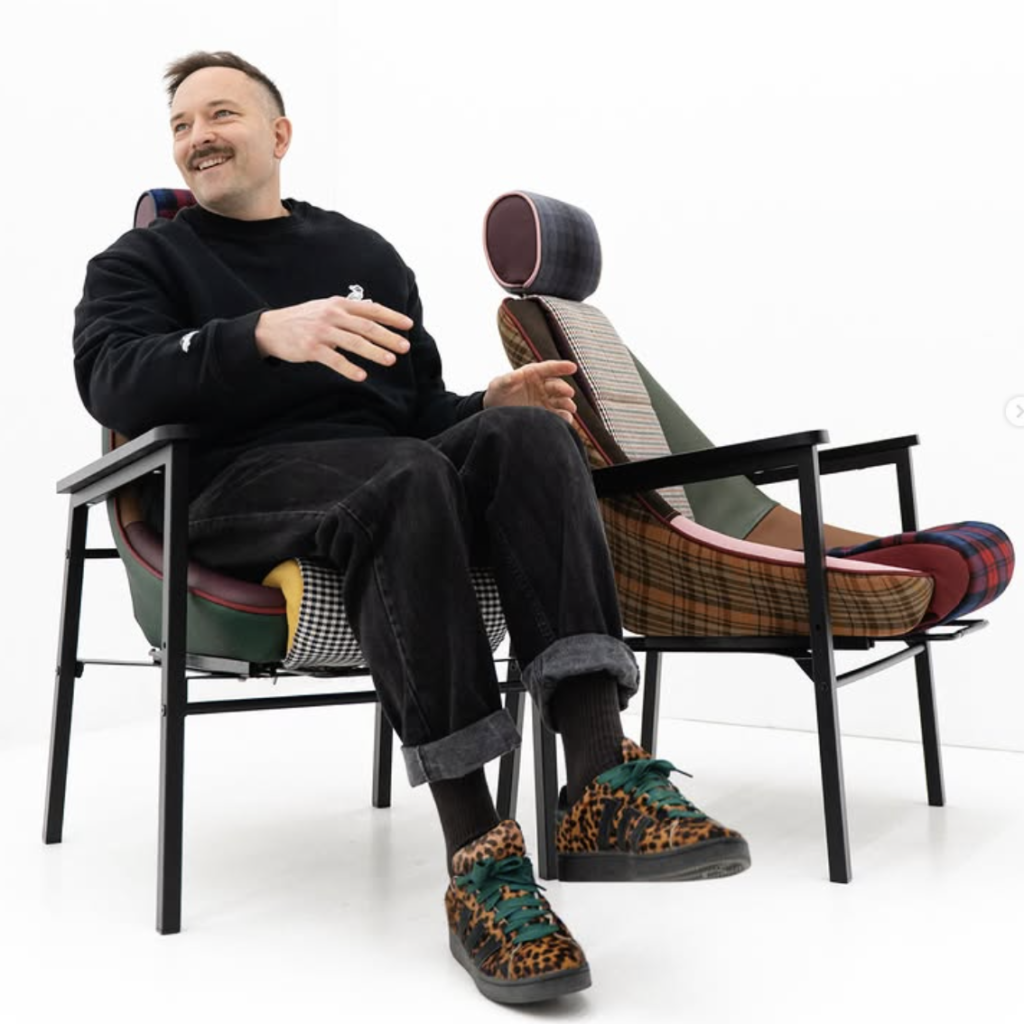
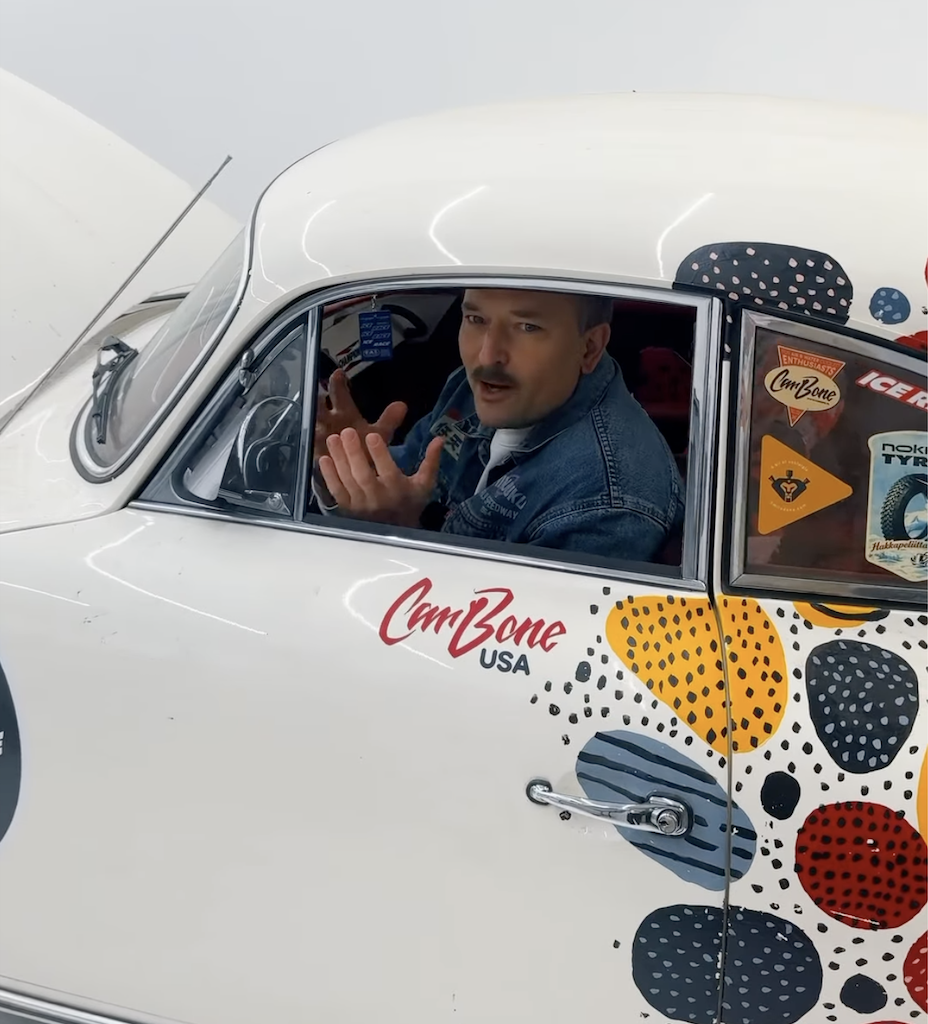
Pawel Kalinowski (PK): I’m the founder and creative director for CarBone. We design and produce parts and interiors for classic Porsches. I’m also a classic Heuer stopwatches collector, probably the biggest in Europe. Probably it is a mental issue.
PDO: Isn’t all collecting a mental issue?
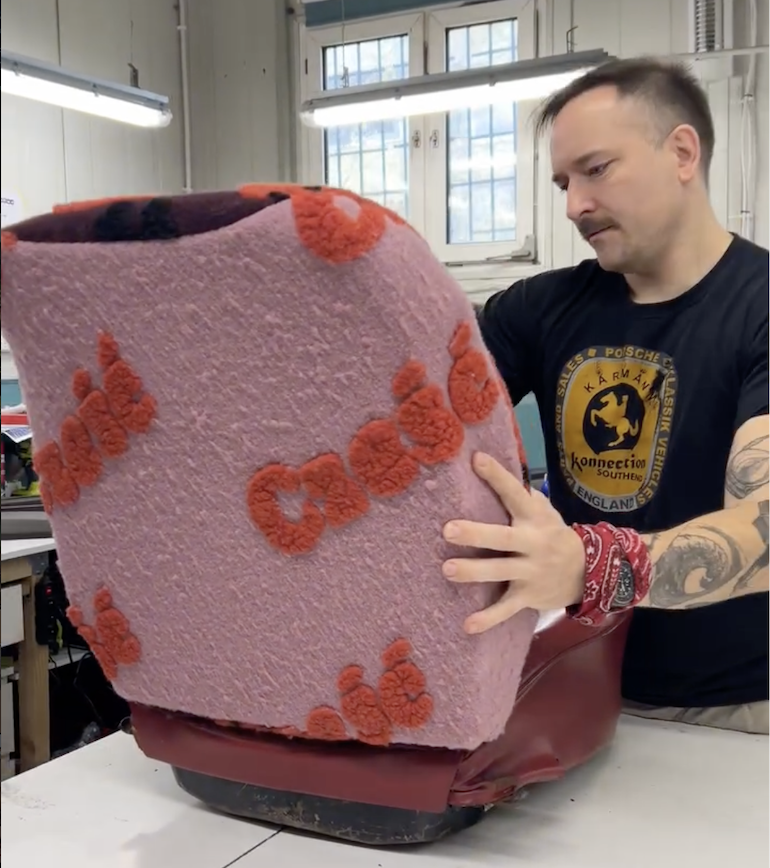
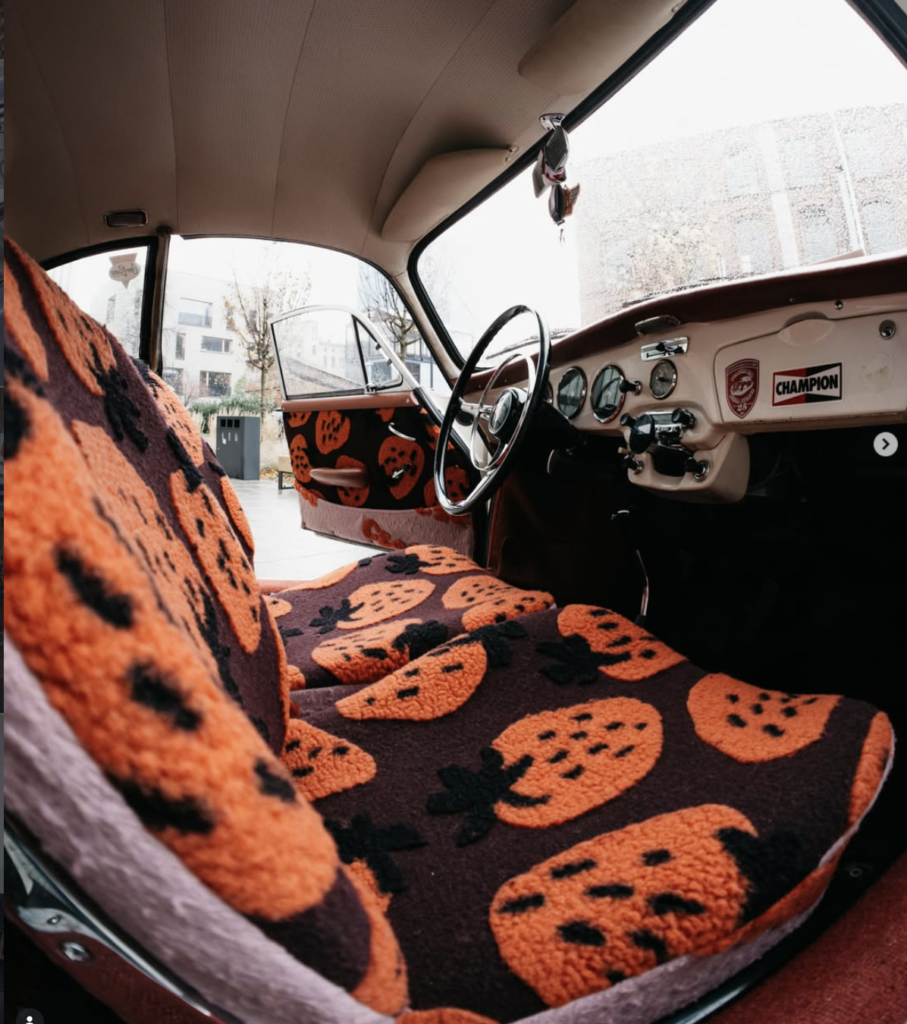
PDO: I spent 5 weeks in Poland in 1987, so I caught the ‘cześć‘ (hi/bye) on the seat of your strawberry Porsche – so charming and really different. Did you design all that?
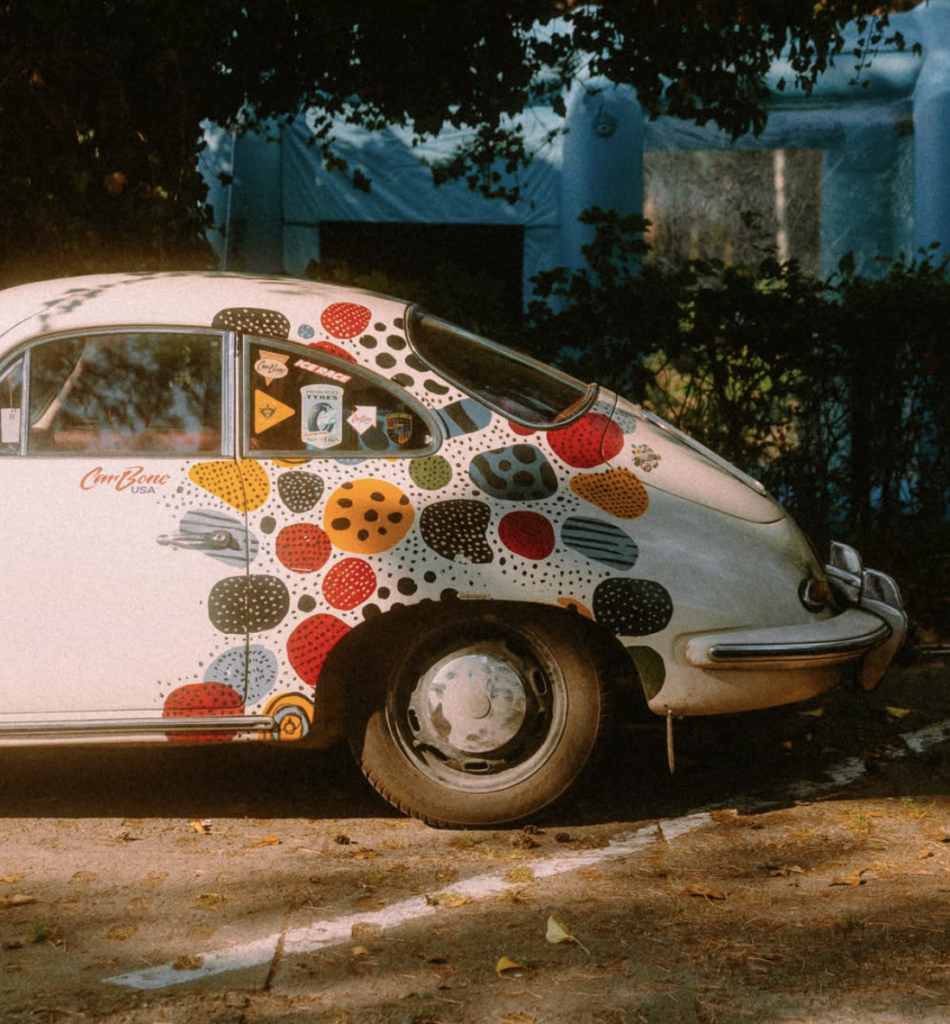
PDO: Oh yeah, I stood in the queue for pivo (beer) every Thursday.
PK: So, Pan Tu Nie Stał basically means ‘you were not here in that line’.
PDO: I love it, what a reference.

PDO: Nobody ever made a strawberry-themed Porsche, especially with that bouclé / fleece interior! It’s really cheeky.
PDO: I also went to art school, and my bent on The Vintagent is towards art history and culture. I think it’s really important to explore the impact of culture in both directions; motoring on culture, culture on motoring, and all the subcultures that develop around vehicles. That’s been a fascination of mine, as explored in my books Ton Up! and The Chopper: the Real Story. So I’m fascinated with what’s happening with Porsche culture now, with all these little spin-off subcultures: rally, outlaw, racer, etc. How interesting that this brand became a medium for expression and adventure – and Porsche the company is the lucky recipient. You can see something like that with Harley-Davidson; you’ve got Sturgis and so many spin-off subcultures that keep that brand alive. No other American motorcycle brand survived the 1950s, but H-D did partly because they had all this cultural support. So I really resonated with what you’re doing – it’s fascinating to me. I also write fiction, so I see you as creating manga or a novel with the Shinjuku project. Are you planning to create a corollary piece, like a book or animated film?
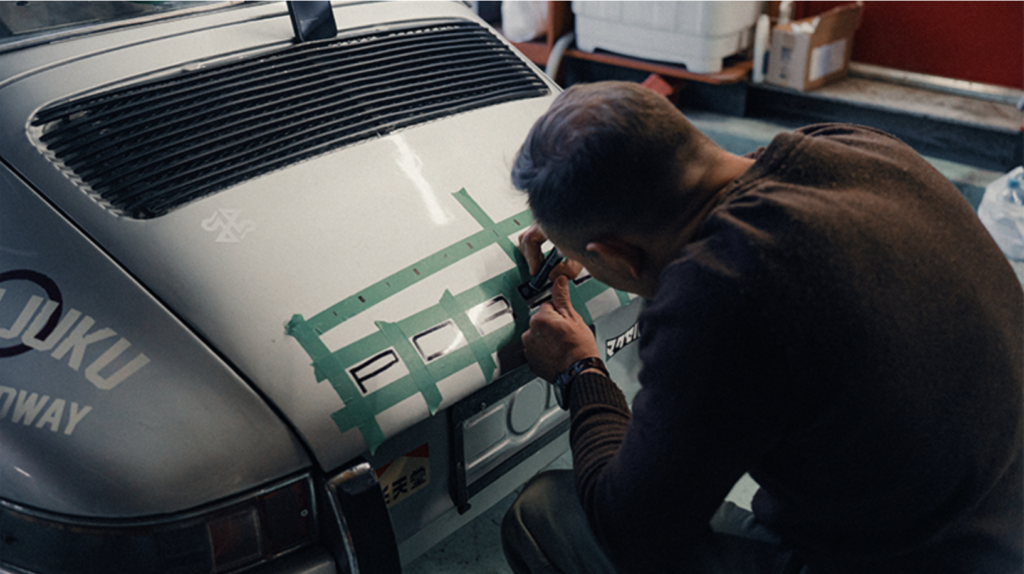
PDO: I saw a 911 that you were hand-painting in Japan, with guys in a shop, is that them?
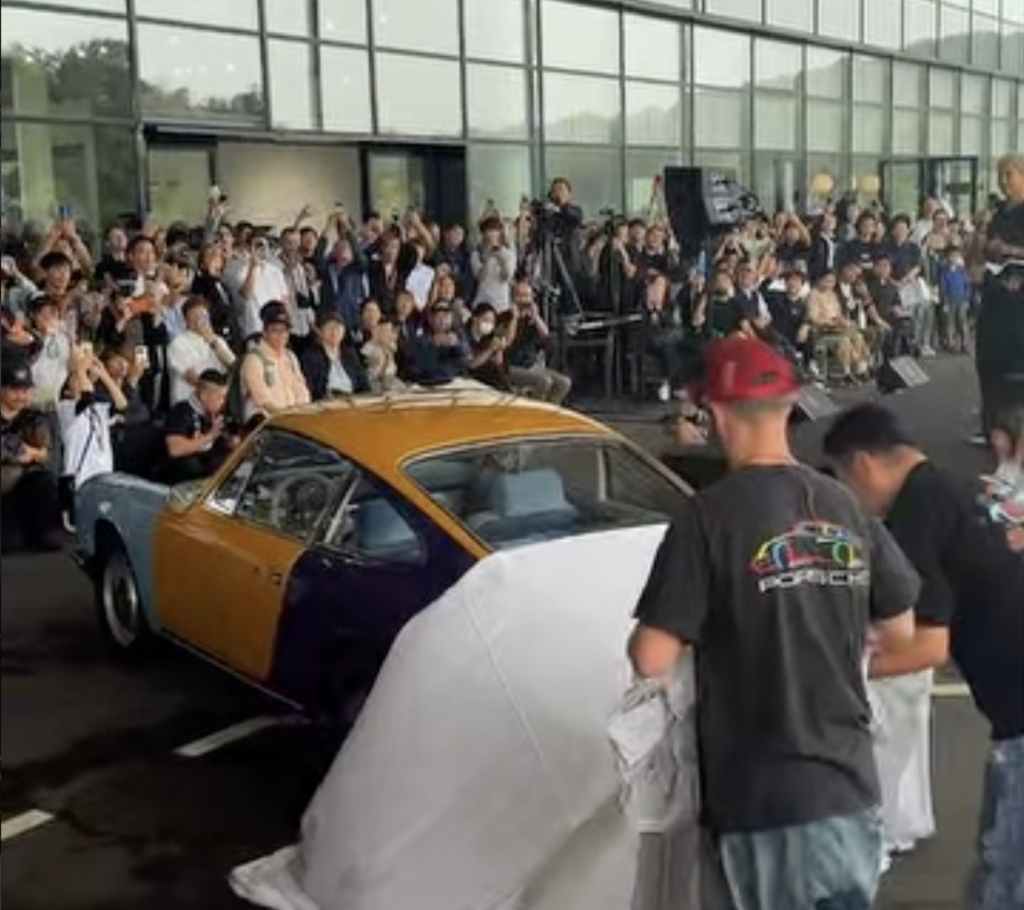
PK: Yes, they invited me for a world premiere of a car project by Yoshizawa-san, based on a Porsche 912. Sneaker designer Sean Wotherspoon was invited to redesign the interior of that car, plus the chassis, colorfully combining materials: jeans, corduroy, leather etc. A beautiful build. They invited me, and I’ve learned when a Japanese person from that crowd invites you, you do not say no. You have to go.
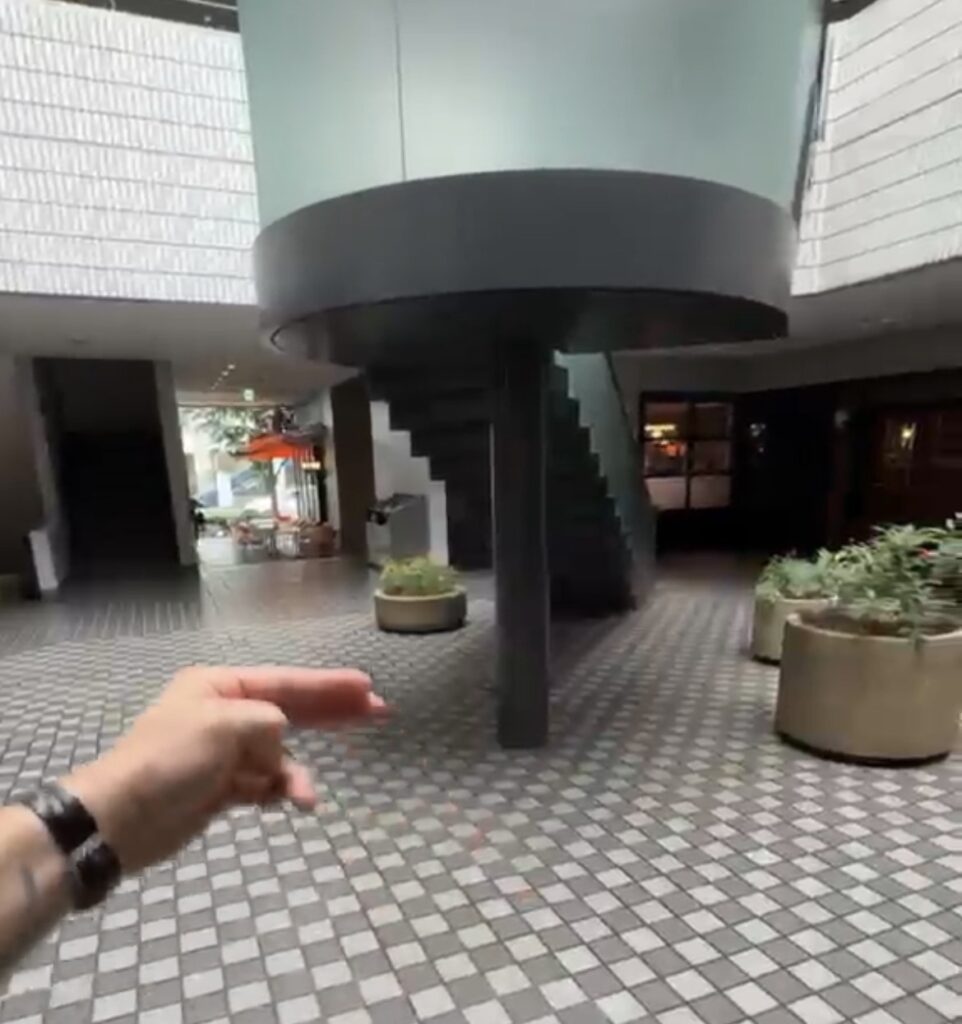
I found a home for Contact Layer during Tokyo Art Week, at at Le Garage, November 4-8. Even better, the installation will sit next to a staircase designed by Shiro Kuramata, which feels like a wonderful accident considering the design/cultural layer of the whole project. Plus I will meet a manga artist there.
PK: In Japan they understand this is not just for kids, this impacts everyone. It’s incredibly popular so they understand how important it is, it’s almost like national identity, it’s not belittled. It’s like, ‘this is something we created and it’s massive’.
PDO: There was a fabulous Art of Manga exhibit at the DeYoung museum here, with all the important manga artists from the very start of the genre. The show explored how critical this art form has become in Japan, it impacts everything, it’s in conversation everywhere. And part of their culture is acknowledging the things that are important; a person can become a national treasure supported by the state, I mean this is inconceivable in the United states, here it’s like ‘you make your own money, you make your own reputation.’
So, given that you’ve laid the foundation for a story, it seems so natural to fill out that story. But when you tell that story, for better or worse it becomes fixed; I like the poetry of there really isn’t a story in Shinjuku, you just installed suggestive phrases in the car, and let people’s imaginations take over. Once you define the story well, it becomes fixed, but still leaves open the possibility of other characters, or even other viewpoints. Kind of like Rashomon (I worship Kurosawa’s films) – the same story told from 7 perspectives.
PDO: So why Porsche in particular?
PK: That is a good question; probably because of my older brother. When I was six years old, he was 12, and he told me once a Porsche 911 is the best car in the world. From my perspective, being six years old, he was an adult. And you know, the location is crucial; in that story, we were in a communist country, with nothing, with no hopes. I remember the lines to get meat, I remember my brother in the line with our mother, crazy long lines. And everything was always about to be sold out. You stayed in line and you waited, because maybe there will be a miracle and something will appear. Money wasn’t a problem, because there was nothing to buy. Because we had nothing, we didn’t have hope for anything to change. My father spent two nights in jail because he made a pair of jeans by himself!
PDO: When I was in Poland in 1987, literally everyone we met had spent time in jail for something stupid like that.
PK: Just in case, just a friendly reminder!
PK: A fun fact, you didn’t need any money but somehow everything appeared by itself. You could always find people who were able to help. The next chapter of that story is when I was 33, in 2014, my partner and I had a creative agency. We worked on boring stuff for big companies, for stupid money. Believe me, nobody needed this stuff, but they paid well. We used to design apps, we used to make websites – for KFC, Pepsi, Roche, all of those brands. But I felt ‘this is not what I was born to do.’ This is not my thing, but the money’s good. Golden handcuffs.
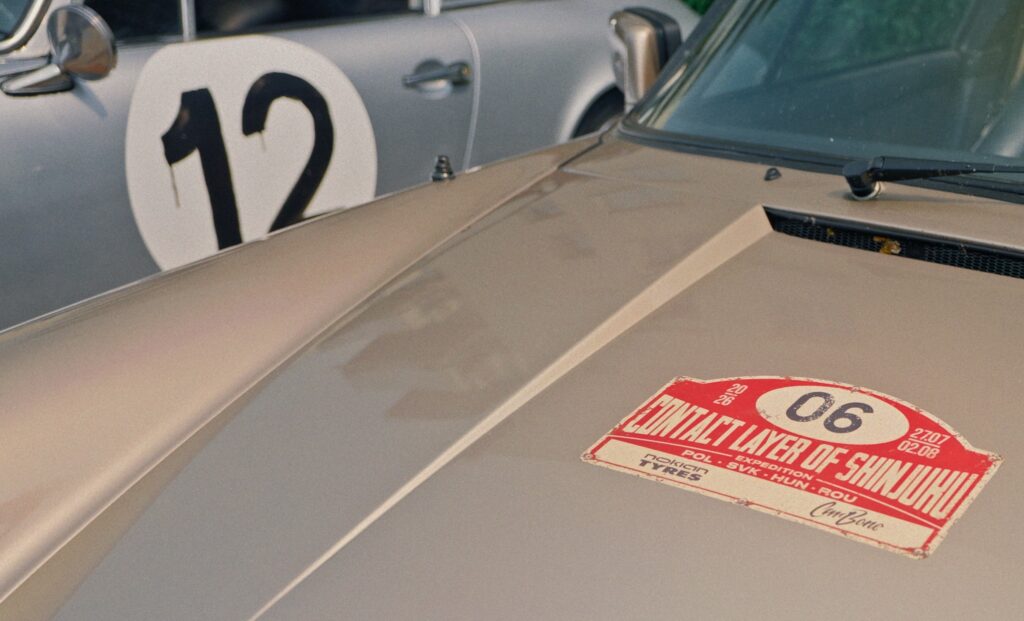
PDO: So you pulled on a thread to see where it led.
We still do a lot of stickers for Porsches, and we don’t have our own printer because I always say ‘if you want to sell milk you don’t need to have a cow’. Imagine all of those problems when need to fix your printer – that takes a specialist. We do 3D print a lot of parts, including aluminum and stainless steel, titanium, we print using resin, we send those parts all over the world, but we do not have a production printer, we just have a small shitty $200 printer to do simple prototypes.
So sticker printing was the first manifestation. We are strong at finding needs, or what would be cool, and people somehow think that our work is cool.
PDO: Because you’re an artist and know what’s aesthetically appealing.
When you’re 20 years old you’re different than 30, and now I’m in my 40s, and our business is stable. We hire bright people, and built from scratch a new structure for the company, and I am not in charge anymore. Our organism works without us, but we spent a lot of time creating those processes. We tried amazing ideas that didn’t work, we had stupid ideas that worked, and finally I started having time for feeding that other part of me. That’s when the Shinjuku series appeared.
PDO: What was the trigger for Shinjuku?
I’ll tell you a secret – there will be a teaser of the next chapter of Shinjuku at Luftgekühlt in Atlanta on Oct 10, and I will show a car under a white cloth, but what is under the tarp will never be revealed. I’ll project images from Contact Layer of Shinjuku from the interior, onto the windows.
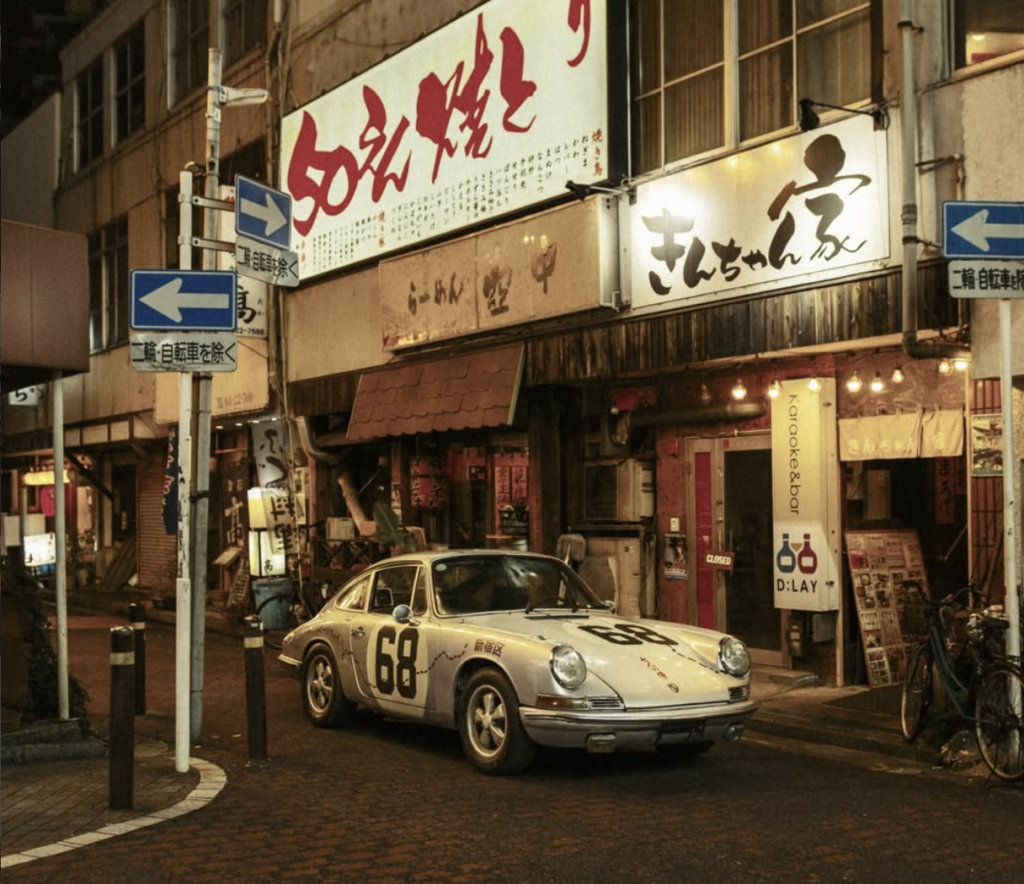
PDO: I saw a photo from your installation, with the 356 covered in TV monitors, and there was another car with some kind of projection from the inside; very cool. I love the presentation of this story as an art installation, it’s amazing.
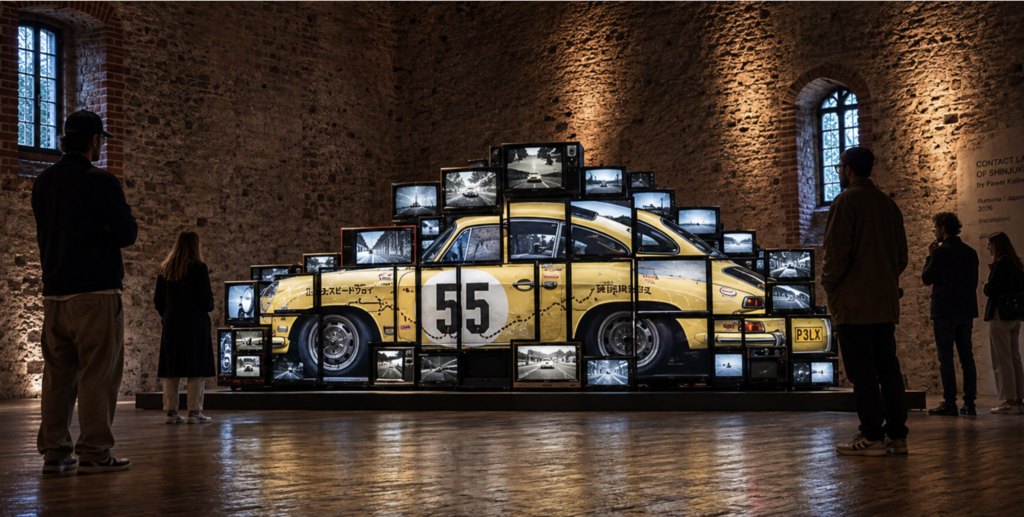
I can tell you another secret: the last chapter of the Shinjuku project will involve a rally next year. The plan is just a few cars, we want to go from Europe through Mongolia to Japan.
PDO: Whoa, that’s like the Peking to Paris Rally in reverse.
PK: The opposite way, yes similar. A big difference between a Slavic culture and American culture is when we say things like that, it is a statement, it will happen.
PDO: That’s a fair criticism. We talk a lot, and sometimes it happens.
PK: I don’t mean it is good or bad, it is just different, because our cultures are different. and it’s the key to understand each other. I mean, you’ve probably traveled everywhere in the world, I assume?
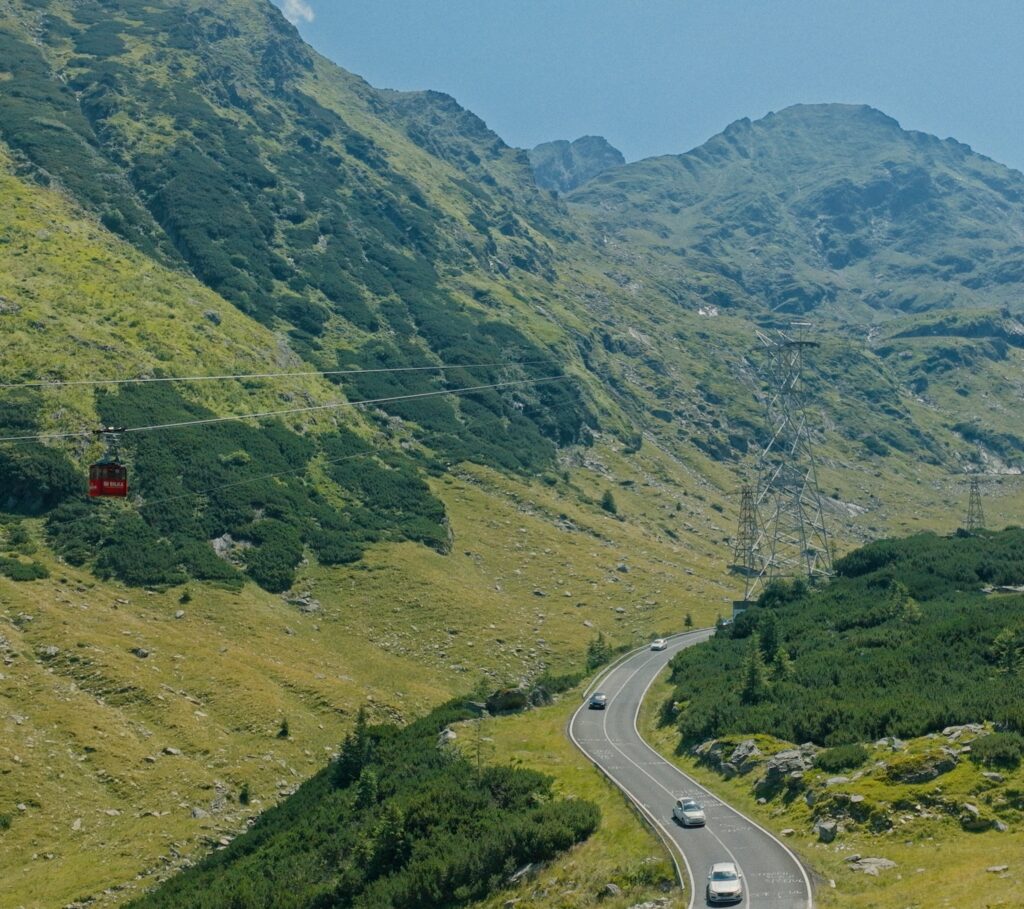
PK: It helps to understand the cultures; why people are how they are.
PDO: We live half the year in Mexico, mostly because we love Mexican culture and are fascinated by this place that’s right next door to the United States, and is looked down upon by both the government and by a lot of the Americans. But when you actually go there, you discover Mexico City is like Athens or Cairo or Rome – it’s built on top of thousands of years of history. The Mexicans are finally taking ownership of their own history, with a real pride in their mix of cultures, and it’s a really interesting time to be in Mexico; in Poland you know your medieval history, it’s deep in your consciousness, but that’s not really so true in Mexico because of the intense colonial period, where all that was erased. But there’s 63 actively spoken languages in Mexico, and they’re just really digging in on that. The United states is a country of immigrants with this terrible attitude towards immigration, it’s kind of self-hating.
PK: I’m Slavic, I do not soften anything; Europe has its own issues the same way. It is a shit show. We have a saying in Poland, ‘I am not tomato soup,’ meaning I’m not for everybody.
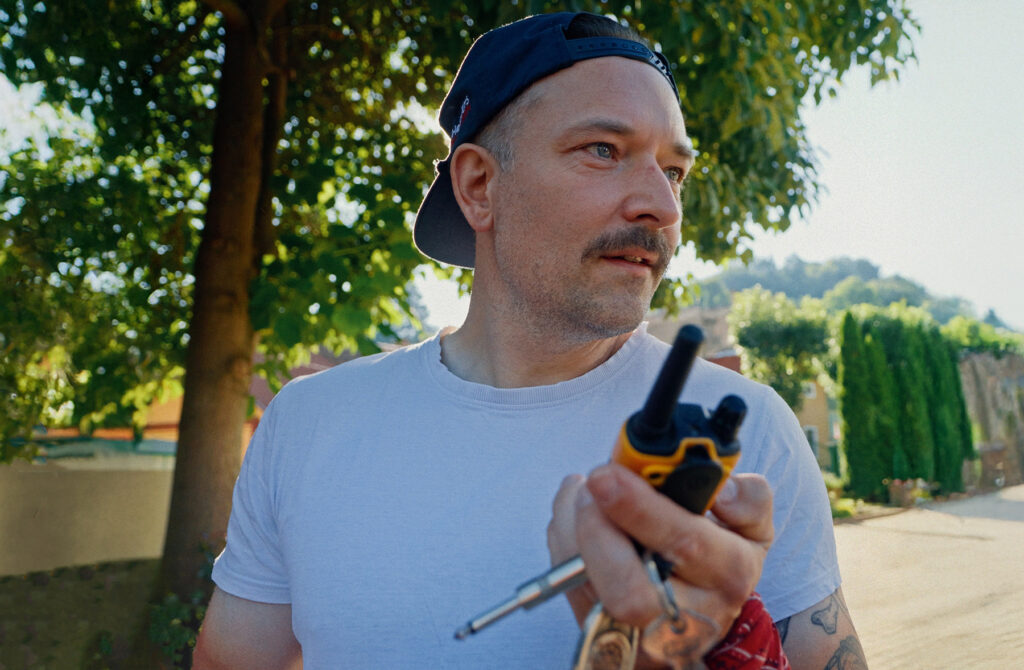
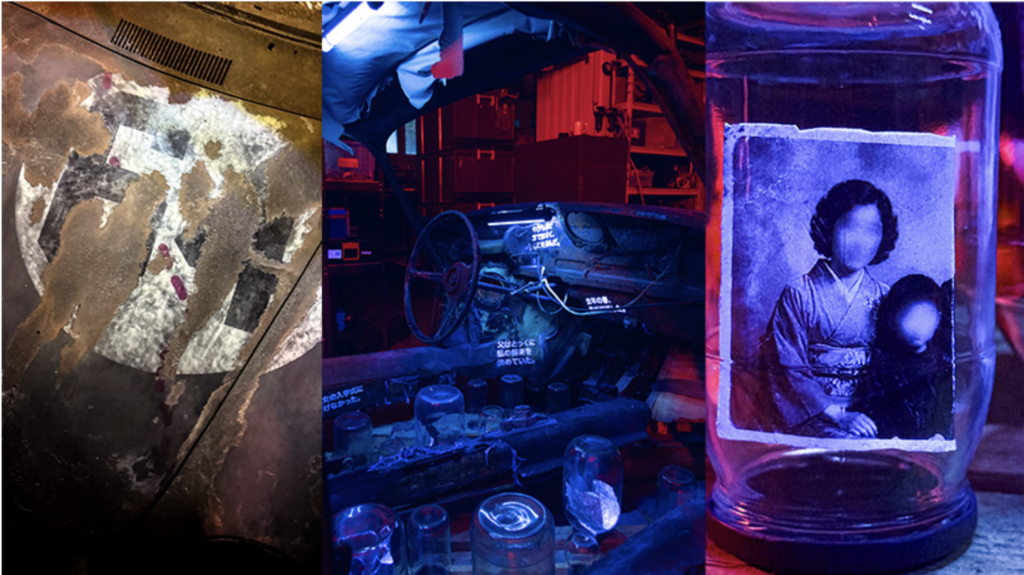
PK: My latest project is about collecting those moments; when someone smokes cigarettes in a forest, or remembering the smell of the mountains. What you remember is never what you expect to remember, and often it’s in insignificant details, but they’re profound, like touchstones, like magic keys to the past. That is Shinjuku.
Related Posts
The Vintagent Selects: Two-Stroked: A Love Story
A short documentary that looks to…
The Amazing Zelocette!
Paul Zell builds amazing 'bigger…
San Francisco Art Deco Day, 2006
The Legion of Honor Museum of San…
There’s a couple pretty decent videos about this guy and his Porsches online I’ve run across … suffice it to say …. I likes em …. fact is … customized and restomodded Porsches … fact is Porsches of all ilks have been in dire need of a bit of levity , humor and jocularity .. with this guy adding just the right amount … not too much … not too little … just enough to scrub off some of the attitude Porsche owners have been cultivating for decades ..
So two thumbs up PdO … with a bullet ( music biz idiom ) for posting this !
T
😎