Text and Photos by Sven Freund

1926 Condor 250 TT DOHC

What should a 102-year-old racing motorcycle look like?  Surely, not like when it was new from the factory, but as it sits today, after surviving more than a century, and being mechanically brought back to life. That question became central to an extraordinary Swiss Condor works racing motorcycle from 1924 that I recently had the privilege of working with.  The motorcycle is a 1926 Condor, manufactured in Courfaivre in the Swiss Jura. It is powered by a Motosacoche factory racing engine (MAG, Geneva), built in 1923. MAG sold its engines (for road and racing) to various other manufacturers, and in that era it was common practice to install racing engines in commercially available road-going motorcycle frames.
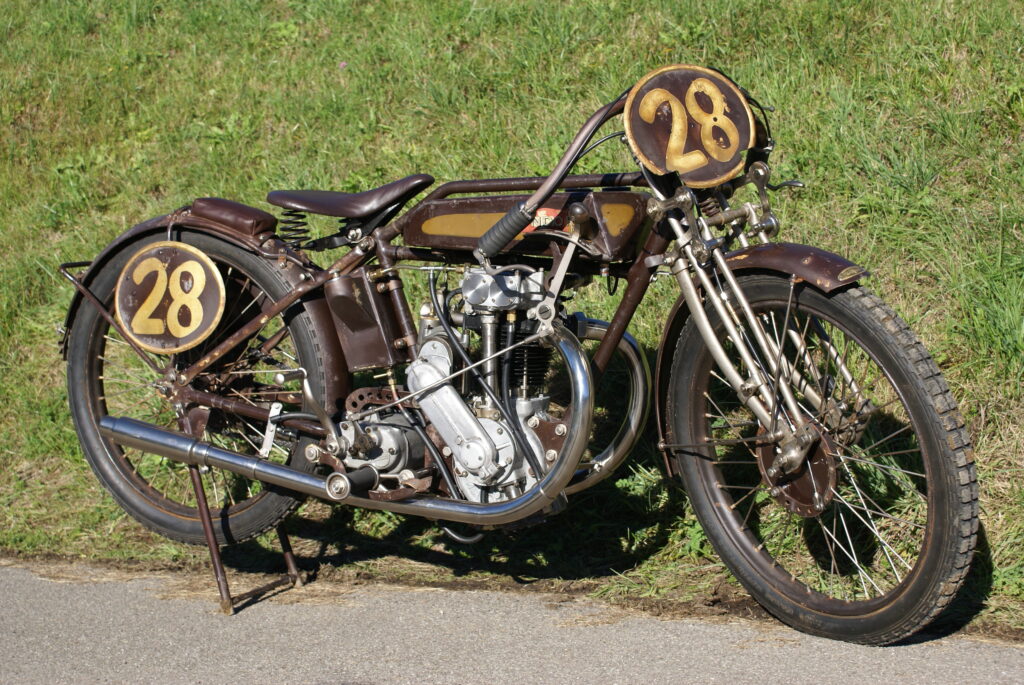
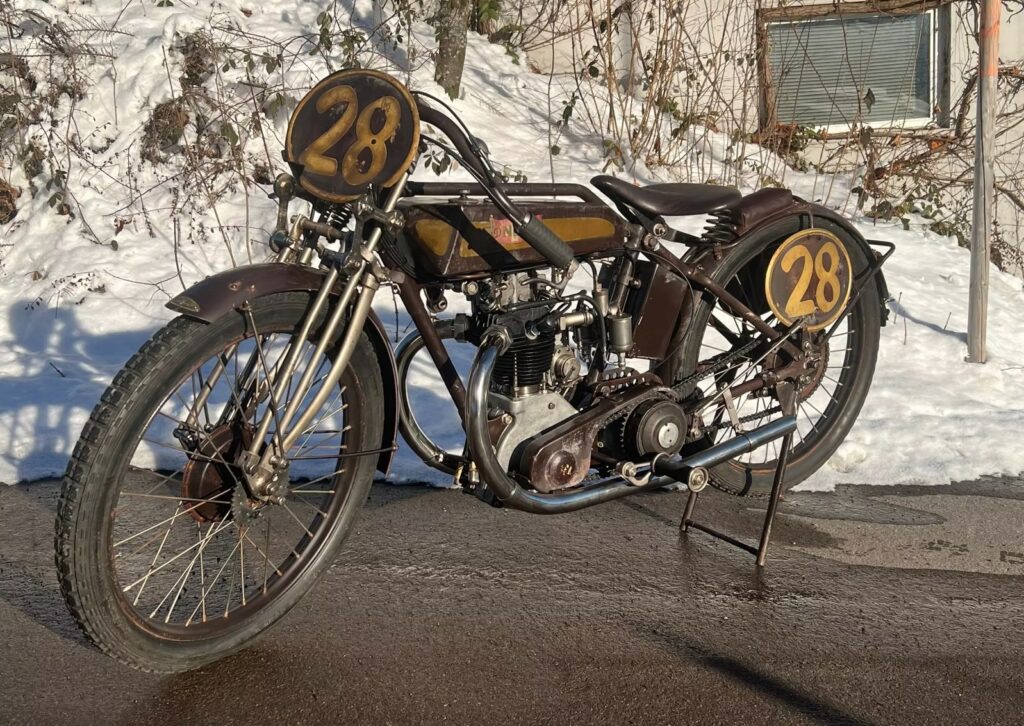
An apparently unique 1926 Condor DOHC racer, looking original paint, but read on…[Sven Freund]
This particular machine is also equipped with a special Condor factory racing fork and a Hurth three-speed gearbox. The engine is a genuine factory racing unit, of which only two examples are known to survive. One of these engines, as fitted to this motorcycle, is housed in a frame with a tank mounted between the frame tubes, whilst the second is installed in a frame with a saddle-type fuel tank. The Hurth gearbox was selected primarily for its reliability. The original Condor gearbox featured a so-called Z-drive arrangement, meaning that the final drive to the rear wheel was positioned on the opposite side of the motorcycle from the primary drive. The resulting torsional stresses within the gearbox frequently led to mechanical failures, making the Hurth three-speed gearbox a more dependable alternative.

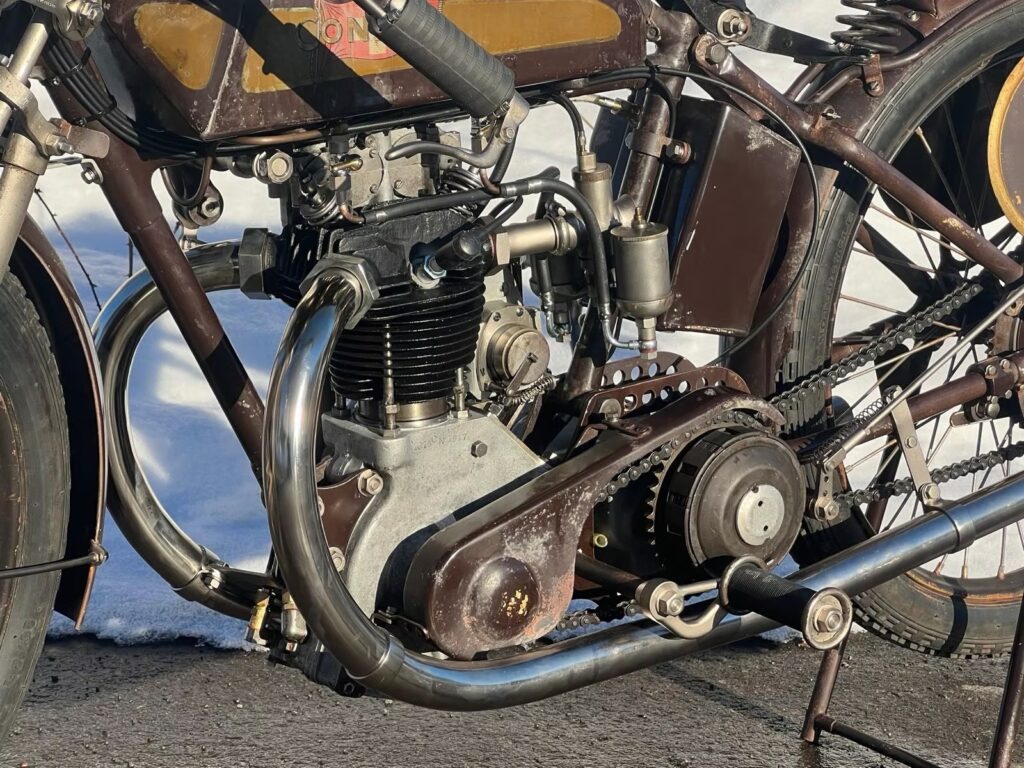
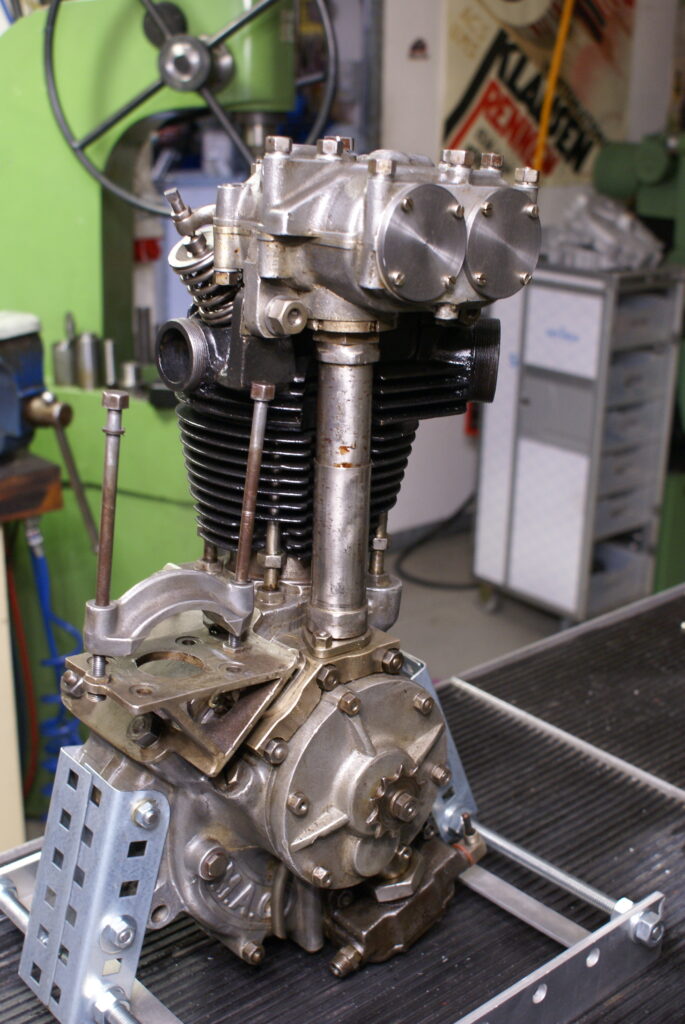
The exquisite MAG DOHC 250cc racing motor, as used in the Condor.  As with most OHC motorcycle engines of the 1920s, the rockers and valves are exposed. Overhead-camshaft flat-tankers are very rare, and DOHC examples even more rare! Very few companies experimented with this ultimate engine layout, starting with Peugeot in 1914, JAP in 1922, Motosacoche…perhaps others: none were built in significant numbers. Simpler OHC flat-tankers, produced in series, include the AJS K7, Velocette K series, Moto Guzzi C4V, Koehler-Escoffier, etc. [Sven Freund]
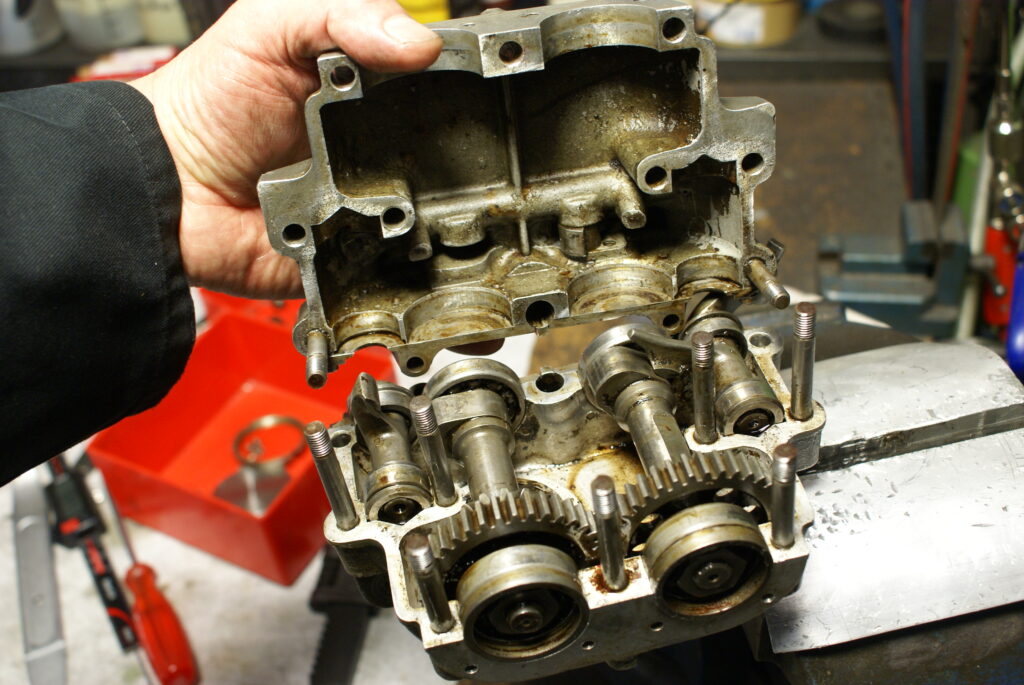
The engine features a double overhead camshaft (DOHC) arrangement, with the valves operated by two camshafts and rocker arms. The camshafts are driven by a vertical shaft and bevel-gear arrangement, like a Velocette KTT or (later) Ducati bevel-drive. A dry-sump lubrication system, incorporating a double-plunger oil pump, provides lubrication to the crankshaft, connecting-rod bearings and the entire valve train. Closer examination of the engine reveals that the crankcase was originally designed to accommodate a twin-cylinder configuration, specifically for the Type 2C 15 C TT racer, a V-twin with a displacement of 494 cc.

The cambox of the 250cc DOHC motor revealed – a tidy bit of work. [Sven Freund]
At the time, Motosacoche itself competed with this twin-cylinder machine in the 500 cc class, whilst Condor raced the single-cylinder version in the 250 cc category. This arrangement allowed the two manufacturers to avoid direct competition whilst making broader use of the engine design. One of Condor’s most celebrated factory racing riders of the period was Léon Divorne from Courfaivre, Switzerland. Together with fellow factory riders Hans Dinkel and Paul Wuillemin, he secured numerous Swiss championship titles throughout the 1920s.

The drive side of the Condor DOHC racer, showing its lightweight construction and purposeful stance. [Sven Freund]
The machine itself deserves attention, and according to the documentation currently available to its owner, and information from experienced collectors, another surviving Condor works racer in precisely this early configuration has so far not been documented: it is apparently unique. But rarity is only one part of its story. What fascinated me was the relationship between restoration, memory and authenticity. A mechanical restoration can return a motorcycle to running condition. Yet if every visible surface is subsequently returned to perfection, something less tangible can disappear: the sense that this object has actually travelled through more than a century.

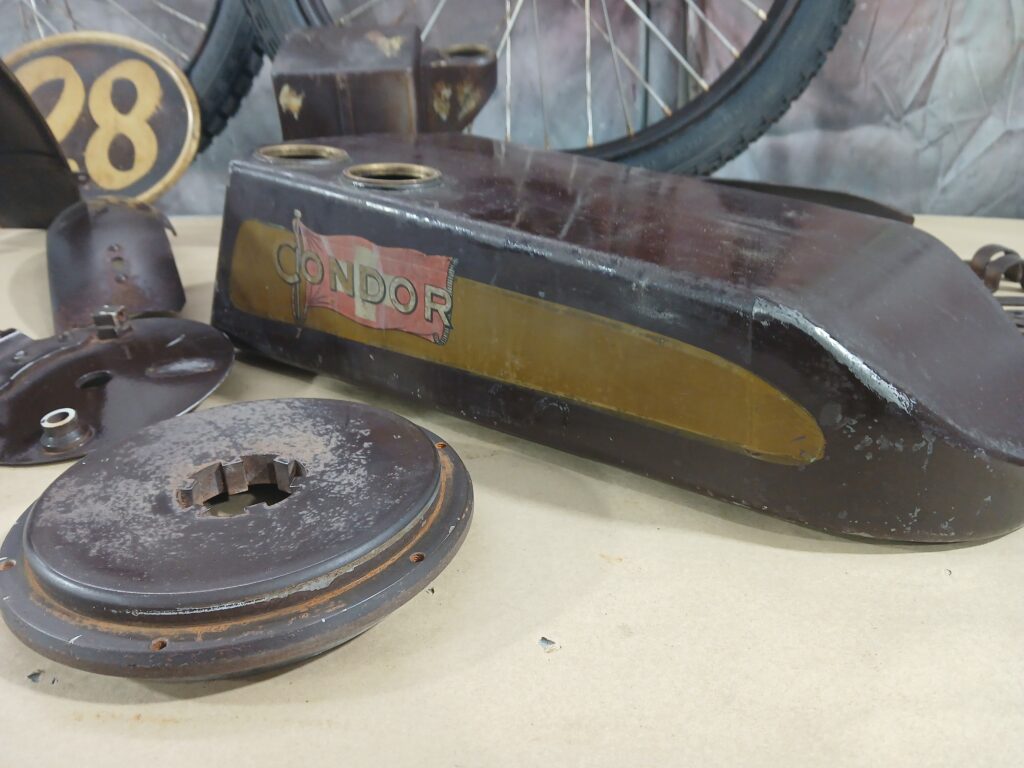
The master’s art: it is difficult to make a convincing patina finish, and Sven has done a superb job. [Sven Freund]
My objective was therefore never simply to make the Condor “look old”. Before beginning the surface work, the owner and I discussed what history this particular motorcycle should be allowed to tell. How would different materials have aged? Where would a racing motorcycle have been touched, worked on or exposed to fuel, oil, heat and weather? How should paint, metal, structure, gloss and tactile qualities relate to one another so that the motorcycle is perceived as one coherent historical object rather than a collection of deliberately aged components? For me, the distinction is fundamental: age is not a decorative effect. On a significant historic vehicle, it forms part of its identity.

The motor installed in a fully patinated chassis: a motorcycle over 100 years old, looking like it has earned its patina. [Sven Freund]
The Condor now runs again, but visually it does not pretend that the intervening 102 years never happened. I thought of The Vintagent because this story sits somewhere between early motorcycle history, craftsmanship, preservation, collecting, and our responsibility as temporary custodians of objects that will outlive us. There are also unanswered questions surrounding the machine itself. If your international network of historians and collectors recognised comparable Condor competition motorcycles or further evidence concerning this early configuration, that could add another fascinating dimension to its story.

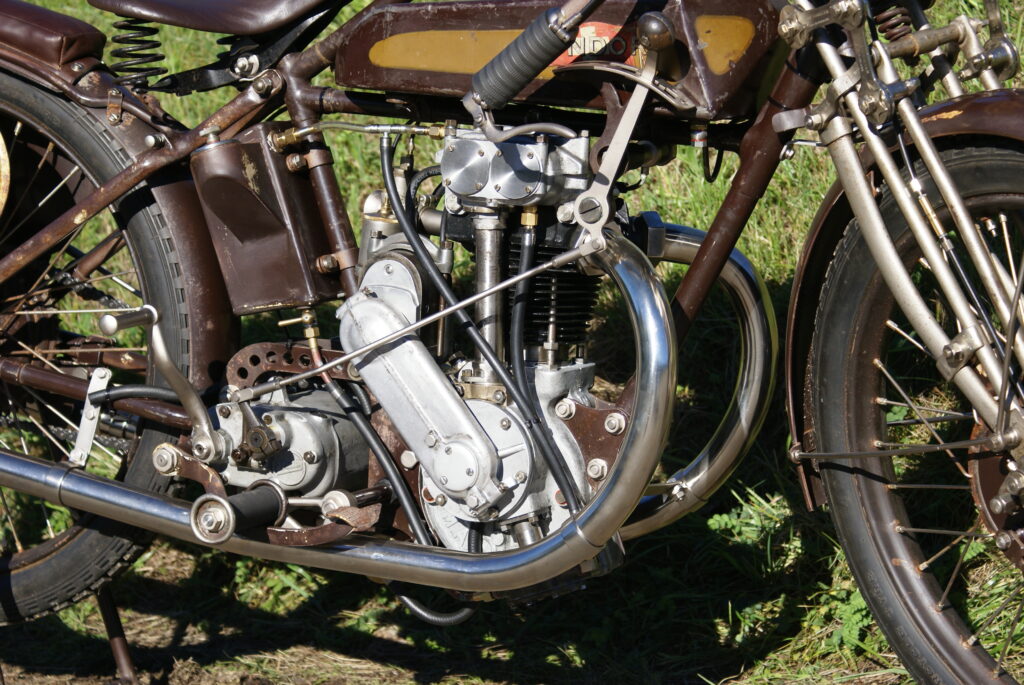
A closer view of the drive side, showing the exposed chains and clutch, with all details convincingly matched on this rare and important machine. [Sven Freund]
Sven Freund is the proprietor of JackSeven Fine Patina Art in Friedberg, Germany.  Follow him on Instagram and Facebook.