
Words and (some) photos by Greg Shamieh
In Which The Father of the BMW G/S is Compared to Its Great Grandson
Do you miss the old Motorcycle Magazine ‘Motorcycle Comparo’ feature? For those that might need refreshing, the Compare featured an arbitrary classification made up by the magazine’s editors: for example, ‘Mid-displacement Club Racing Bikes’, or ‘Big Bore Crotch Rocketry’, or ‘Micro Displacement Retro Classic Singles’. They then gathered as many different currently-produced examples that met the criteria…and that manufacturers could be schmoozed into providing, and set them mano-a-mano to see which of them is Thee Most Worthy. These Comparos had multiple sections – Street! Track! Reeeeealy Hard Enduro! – that, taken together, give us an understanding of The Whole Motorcycle. Enlightenment Ensues.
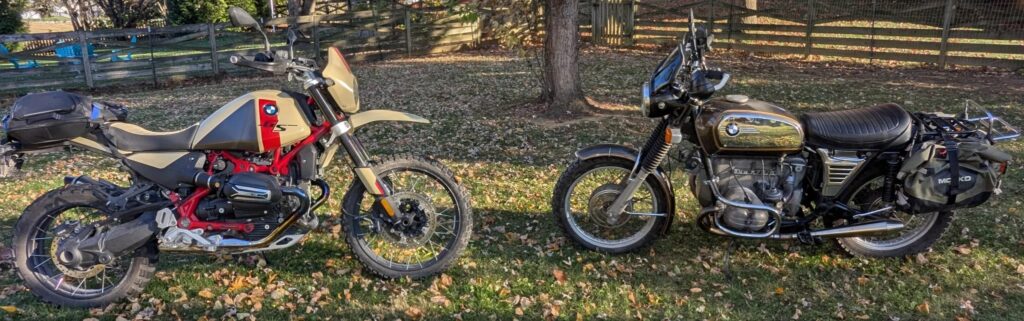
Well, that’s kinda what we’re doing here, only, in the tradition of the best magazine editors, we’ve done it with a new twist. Instead of comparing two currently-sold motorcycles, we’re comparing a ground-breaking motorcycle that was the first of its type – one that created a whole new riding category – with a motorcycle produced by the same manufacturer, that represents the current endpoint of development, after a 50-year+ development process of a ground-breaking genre. As if the laws of physics and good humanistic values would permit you to have an Extreme Cage Death Match with your Great Grandpa. Exciting, huh? So who are our competitors?
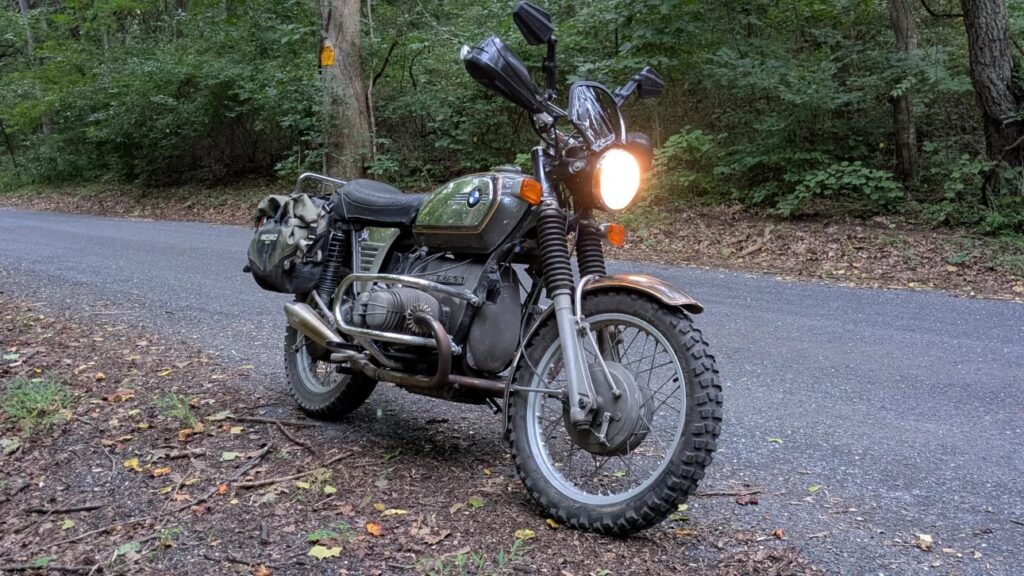
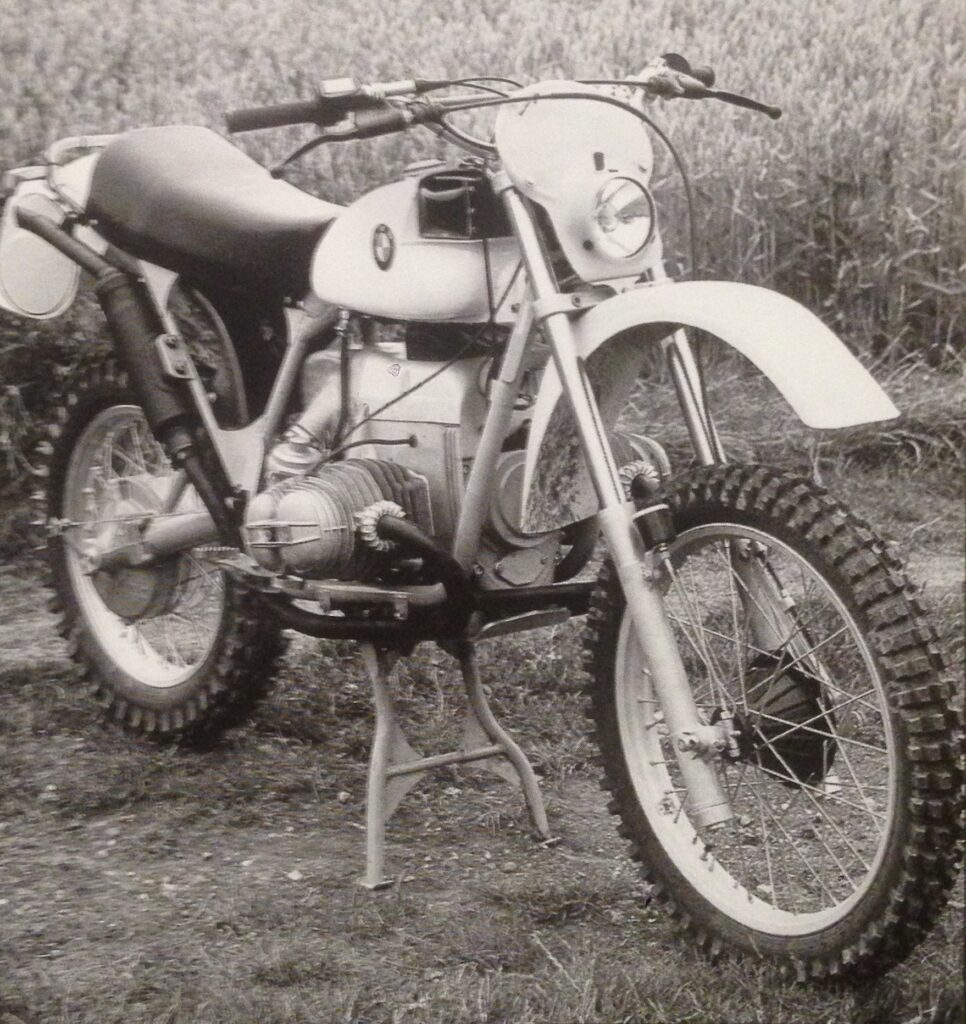
1973 R75/5 ISDT Tribute
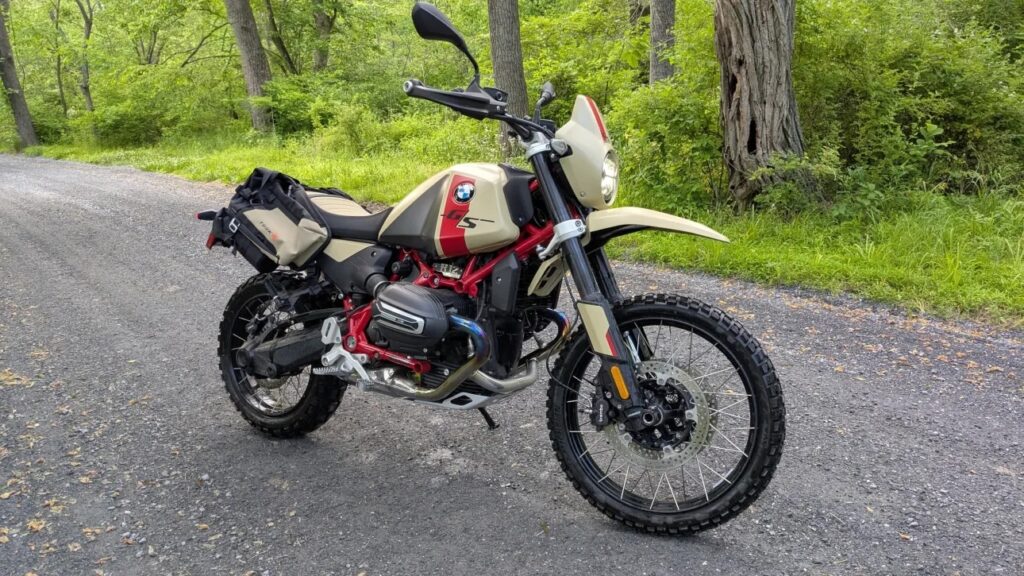
2026 R12 G/S
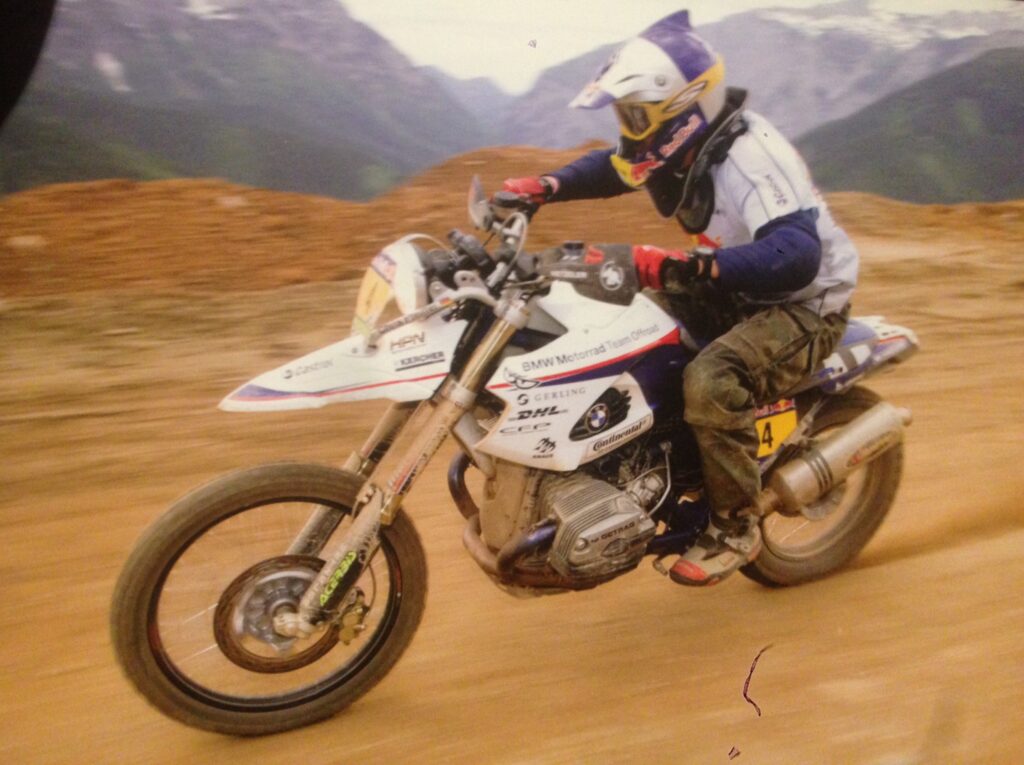
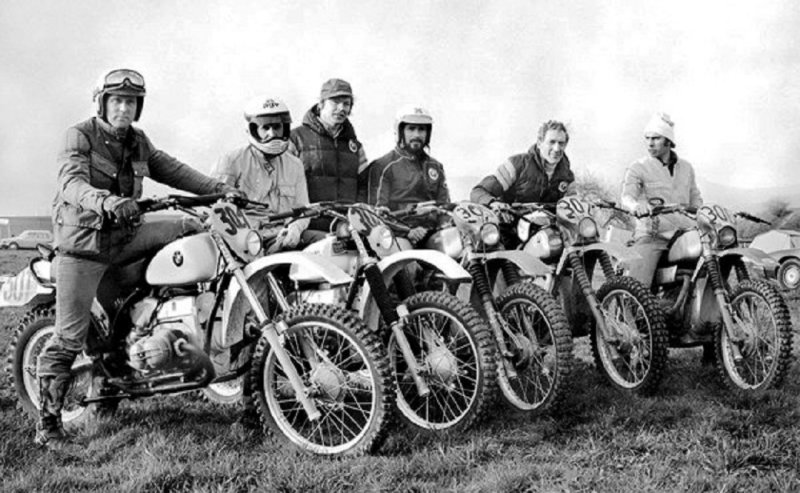
Fifty years is a long, long time to refine a motorcycle’s design. BMW, though, is known for methodical refinement of their designs across years, decades, and with the G/S series, in fractional centuries. BMW had of course been competing in enduros and trials since their founding, and occasionally surprised the world with, for example, using a supercharged grand prix motor in off-road competition in teh 1930s. In fact, BMW began developing their /5 series in enduro and ISDT competition while still producing their heavy /2 series in the mid-1960s, creating a new full-loop welded chassis with telescopic forks that would soon appear on the final /2s as the ‘US’ models. BMW carried on developing the /5 chassis and motor for ISDT work, and the success of these early factory ISDT/enduros encouraged the factory to produce a version for the public in 1980, as the R80 G/S. More than a million and a half G/S motorcycles have been sold since then: proof of concept indeed. The G/S platform has been continuously evolved, making forward leaps in suspension, powertrain and rider assistance technology. Bikes like the current R1300 GS Adventure – with telelever a-arm front suspension, a water-cooled engine, a full crash cage and aluminum expedition cases, a relocated front of engine wet clutch, and just under 8 gallons of onboard fuel – are as far away from the original R80 G/S as a new Ford GT is from a 1962 Falcon.
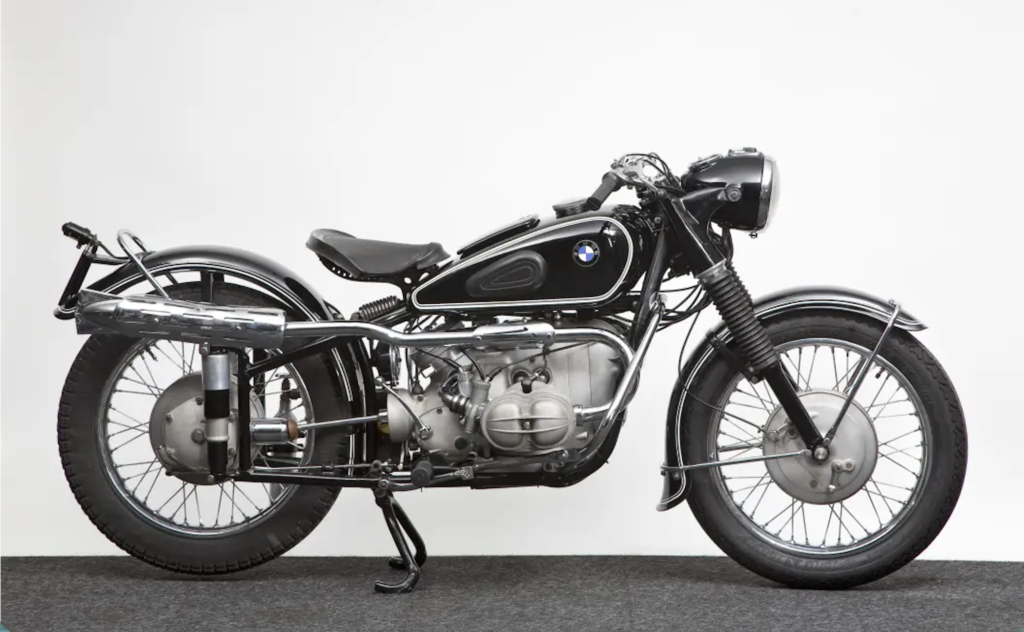
Many riders with long memories, though, feel the increased mass and complexity of the newer GS Models is a kind of loss. And that feeling of loss – of simplicity, of mechanical character — is what led BMW to try recreate the spirit of those early bikes by returning to the formula that brought them to the party – air cooling, single-plate dry clutch between the engine and gearbox, conventional forks, and the lightest weight possible using the components that BMW currently had available to work with. The result of that effort is the R12 G/S. After fifty years, the most significant evolution of the G/S series is the engine. The 1196 cc opposed-twin is a DOHC design: BMW had never produced an overhead-cam boxer except for its Rennsport racing engines (with shaft-driven cams) built in the 1930s through 50s. The costs and complexity required to build those engines precluded them from ever being made in quantity, or for sale to the public. In the late 2000s, though, BMW was reaching the end of the line for its air (and oil) cooled motors, and it was time for a last hurrah of the airhead: the HP-series used an air- and oil-cooled, counterbalanced DOHC motor, first used in the 2008 HP2 Sport. It was the most highly developed air-cooled boxer BMW would ever sell to the public. The ‘Camhead’, as it was known, was punchy and had just a hint of lack of refinement, and would prove to be a remarkably durable and flexible motor, and BMW used it in a whole slew of models, especially to appeal to BMW’s ‘heritage’ enthusiasts – the Airhead Faithful. That engine is coming up on its 20th anniversary of production.
What the philosopher Frank Zappa referred to as ‘Cheepnis’ does not fully explain why the Camhead has hung around so long. What does explain it: it’s a good motor, that in G/S tune makes 109 HP and 89lb’ of torque, delivers with an analog character. Despite the counterbalancer, the Camhead has some shake and rumble, especially at higher RPMs. It’s hot cooling fins have a certain smell. It isn’t perfect – on tentative or trailing throttle the fuel injection is a tad befuddled – but folks that yearn for bikes with ‘soul’ don’t care about perfect, they want personality, and they are definitely getting that here. On the G/S, the motor is also entirely too big: 109hp on a loose surface is something you can’t entirely use. The structure needed to support, suspend and deliver power from that motor to the ground resulted in a 523lb naked motorcycle with a too-small fuel tank. In my dream scenario, one could type “0.66 x” into one’s mechanical design software, and the 1200cc engine would pop out as an 800cc (just like the original G/S), with a 350-pound motorcycle built around it.
Sadly, that isn’t how it works in production: on boxers one swaps the cylinders and pistons for displacement changes, and the rest of the engine stays the same. This was the engine BMW had. Somehow, though, against all odds and reasonable expectations, BMW made it work; on a twisty road the new G/S is a revelation. On a loose surface, the degree of control available is astounding. The G/S is peak boxer goodness, but bulkier and way more muscular than grandpa. The rest of the G/S is top-shelf modern motorcycle practice: a stability control system with a six-axis Inertial Management Unit, and ride modes that tailor power, traction and antilock braking settings, including off-road optimized settings. Suspension is monoshock with inverted forks by Marzocchi, paired with a single-sided swingarm, with a torque management link. The optional off-road package provides a 21-inch front and 18-inch rear in spoked tubeless rims, enduro pegs and a handlebar riser, with a taller, flatter, one piece ‘rally saddle’.
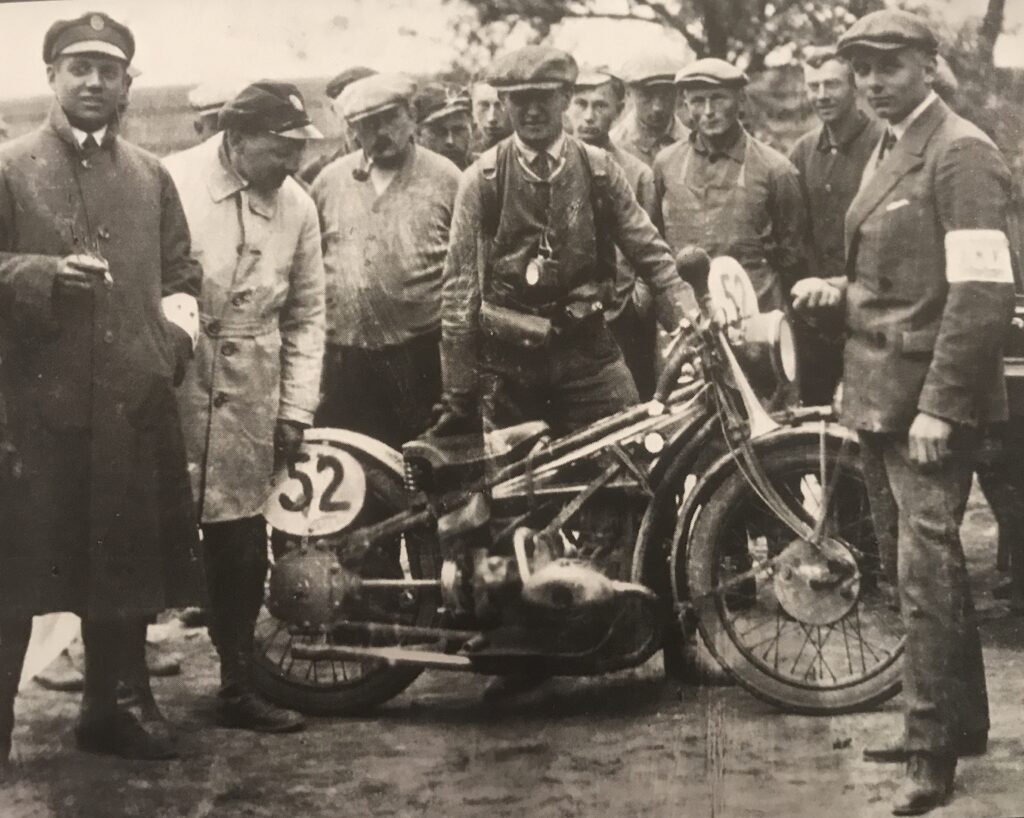
The resulting motorcycle seems staggeringly large. People I’ve shown it to all seem to say something like “Whoa. That bike is f…..”. Funny thing is, it isn’t really. The base dimensions – wheelbase, motor width, handlebars – are all pretty close to the old airhead. The expanded cooling fins required to dispense with all the heat resulting from all that horsepower do visually bulk things up. What isn’t close is the saddle height or the ground clearance – the new boy is just a taller motorcycle. So I don’t think of the new airhead G/S as larger, really. I come down on the side of ‘muscular’.
Rider Accommodations
Riding the two motorcycles back-to-back shines a bright light on how much they have in common, rather than how different they might be.
1973 ISDT Tribute
People have told me they think that 1970s vintage BMW boxers are tall motorcycles. After riding bikes like this /5 for forty years, if they are tall, I’ve long ago ceased to notice. With its 33-inch saddle height, I can stand on the ground and swing my leg over – even with a bag on the cargo platform. Both boots end up solidly on the ground once aboard. The bike’s stock wheel sizes of 19-inch front, 18-inch rear position the bike with ground clearance of just over 7 inches. The /5’s bars are also raised and moved rearward via a set of billet ROK risers – the bars are the same width as the cylinder heads as a result of an odd superstition of mine that if the heads made it though a gap one could be confident everything else would too. Leg room is ultra, with about 23 inches from the seat to the peg, although foot room is a problem: wearing a set of boots like a Tech7 is possible, but is a matter of some delicacy, as carb float bowls want to occupy the same space as those big enduro boots.
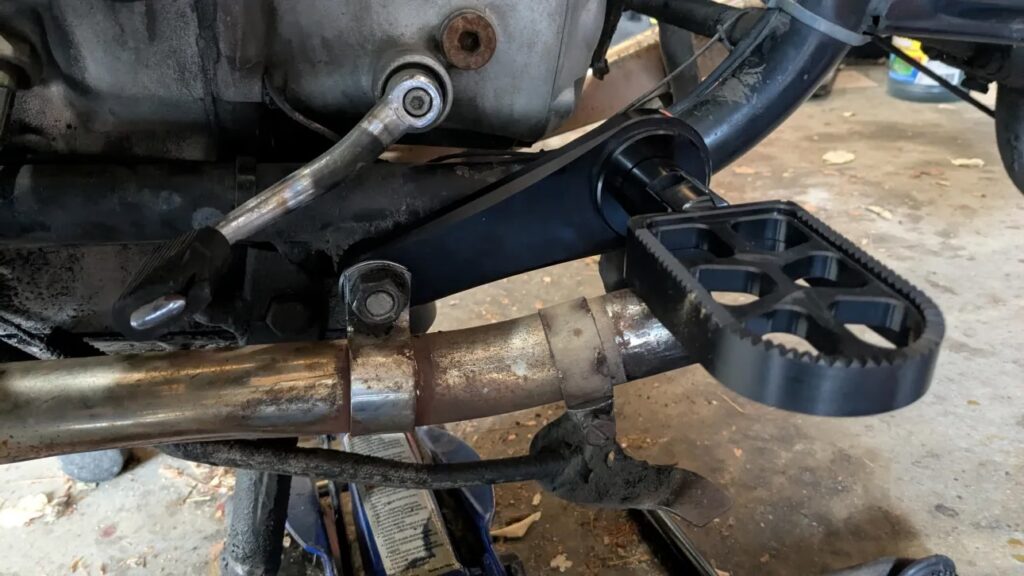
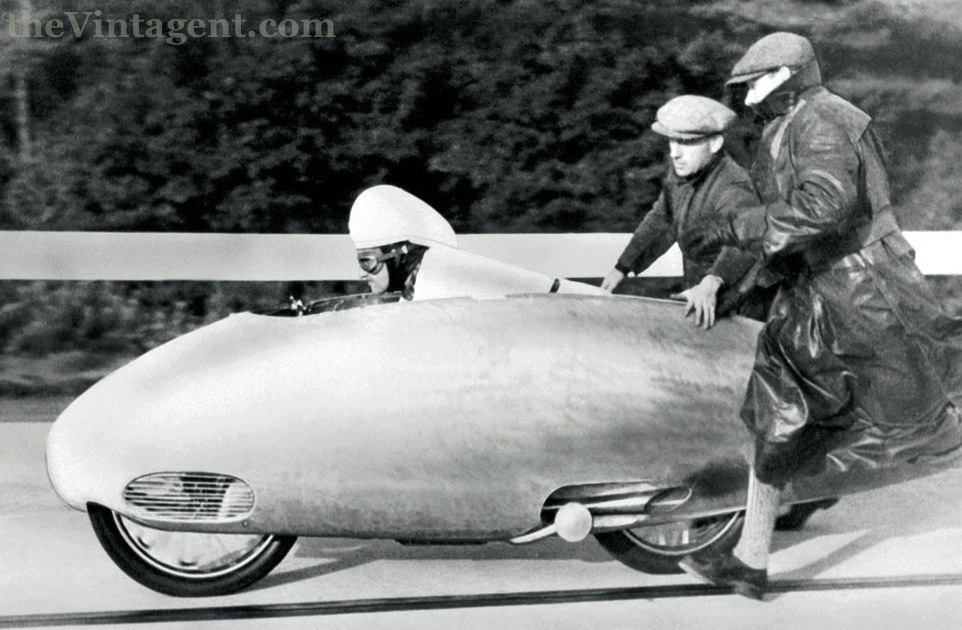
The instrumentation is Spartan. There’s a single Motometer instrument with road speed around the top of the dash, and a tiny inset tachometer at the bottom. There are four jeweled lamps to alert the rider to neutral, charging, oil pressure and high beam. The ignition is operated by a single pin that is common to every BMW motorcycle made between the mid-1930s and 1974. That ignition pin is fancy, with a teardrop-shaped cover that looks suspiciously like World Speed Record holder Ernest Henne’s helmet. If you’re one of those trendy people who is looking to ‘go analog’, this is exactly what that looks like: push that pin down into the covered socket in the center of the headlamp nacelle, and all the jeweled lamps light up. Turn on one of the two fuel taps, activate the enrichener lever that is mounted to the left side of the engine’s airbox, pull in the high-effort mechanical clutch, and press the starter button on the right handlebar. When the engine fires, the pushrod-operated valves will clatter a little until oil flow reaches the heads, with the engine getting a progressively quieter valvetrain as the heat expands the motor. After closing the enrichener after 15 seconds or so, on giving the throttle a gentle twist, you’ll also feel the engine twist to the right underneath you: no counterbalancer, no torque control – analog. The Cone Engineering exhausts lend a basso profundo quality no stock BMW exhaust ever had. Add a little throttle, feel the clutch into motion, and roll on up the road.
R12 G/S
It’s startling how much of a difference two inches can make, but with the Enduro Package options of 21-inch front and 18-inch rear spoked wheels, and the flat one-piece Rally Saddle, a motorcycle with a 35-inch+ saddle height feels a lot bigger. Inseam-challenged me can throw a leg over the unladen G/S, but I can forsee a future day when maybe I can’t, and it’s easier to use a footpeg for a ladder, step up and step over. Once aboard, I can get one boot solidly on the ground without resorting to a dirtbike buttcheek slide. The new G/S’s pegs are knee-bendingly higher – with only 21 inches of legroom – but the whole setup provides 10 inches of ground clearance, as well as tons more foot room than the old Type 247 airhead. The camhead motor is materially shorter from front to back, and in this chassis it’s pushed forward and higher up in the frame. Result? Miles of room for your AlpineStar Tech 7s, and great access to the foot controls.
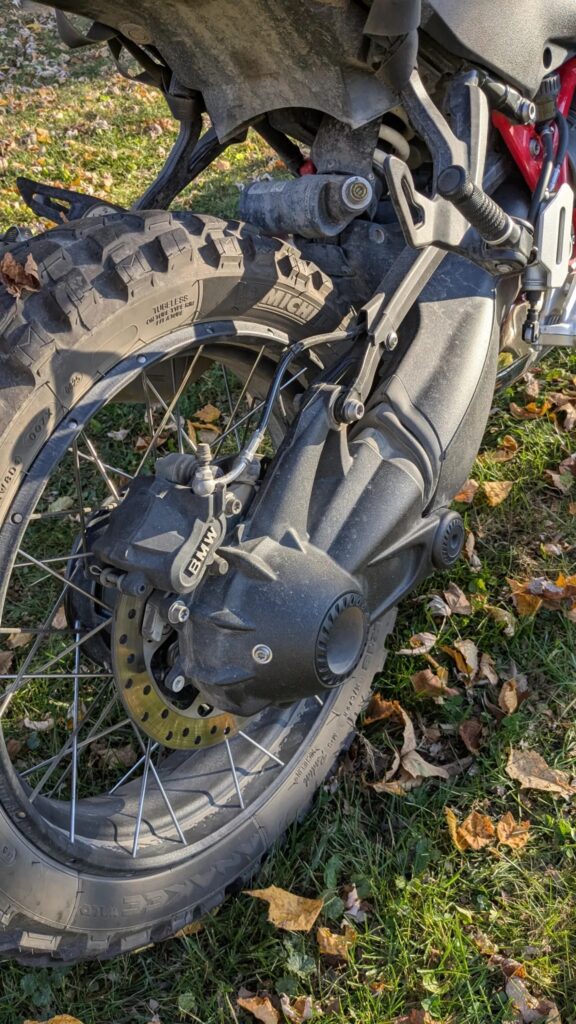
To bring the beast to life … requires no key. If the fob is stashed in a pocket of one’s riding gear, press the right handlebar’s ‘Power’ button, which wirelessly detects the fob, and initializes the bike’s electronic systems. If by chance in the wild world someone steals your jacket and you lose the fob, well, it’s time to call the dealer on whatever continent you’re on. The view in the saddle seems familiarly simple, but there’s modern complexity beneath the surface – many LED icons in the single, analog speedometer’s face provide status of antilock braking, auto-hillholder, and tire pressure status. There’s an LCD display trying to be inconspicuous at the bottom of the instrument – toggling through it with a menu button on the left grip provides time, temperature, engine temperature, battery voltage, odometer, two trip meters, and a menu setup system that allow the rider to configure and customize both the display system and the bike.
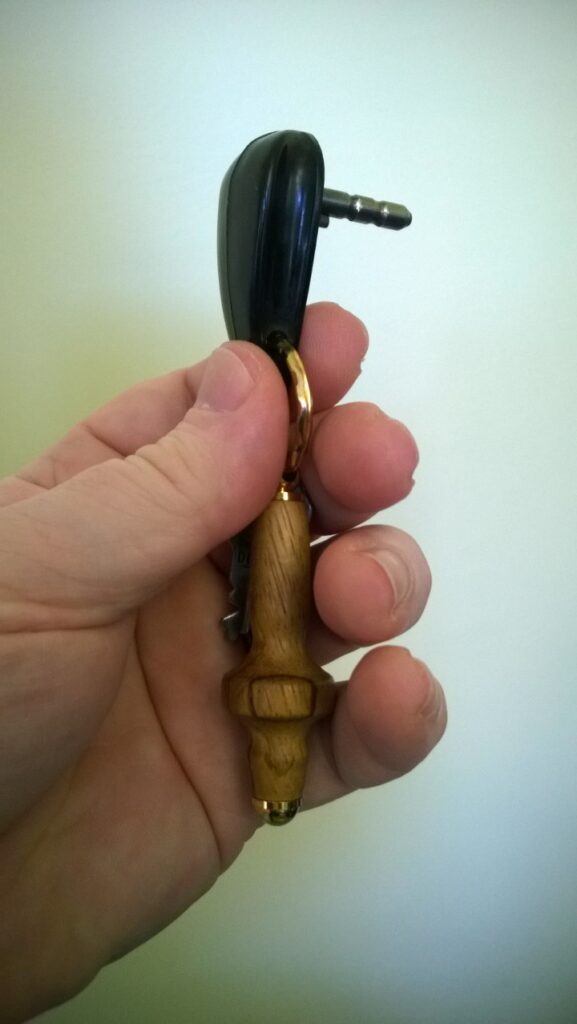
Pull the clutch in and press the starter; the sound of the engine is startlingly different. The overhead cams and their chain drive replace the pushrod motor’s clatter with a tighter sounding and omnipresent whir, and the high idle driven by the bike’s digital fuel injection starts at about 1500 rpm, and drops back to 1000 rpm as the engine gets some heat. Blip the throttle and the engine seems largely bereft of the old airheads’ ‘rocking under throttle’ quirk – it just ain’t there. If you came to the R12 looking for an unabashed vintage experience, you’ve come to the wrong place. The bike’s exhaust note is also sanitized for your protection – the exhaust is typical BMW quiet, and when the throttle is blipped it really does sound like the big John Deere combines that run in the fields around my house. The BMW that made a bunch of Formula racing car engines and the R1000RR during the last half century has learned more than a few things, and those things are toothpaste that can’t be put back in the tube. That very notion is immediately reinforced by the G/S’ gearbox, as the gearshift throw is a fraction of the old airhead ‘boxes; the amount of mass being moved is optimized, and the entire process of selecting a gear is a far more refined and positive experience. There’s also a bidirectional electronic quick-shifter, but the gearbox is so nice, why let the robot have all the fun? Snick down into first, let the light hydraulic clutch bite, and the R12’s torque gets the whole business quickly rolling: stalling it seems nearly impossible.
On The Road
Like it or not, both of these knobby-equipped warriors will spend at least some time on pavement, so we need to talk about how capable they are there.
1973 ISDT Tribute
The ISDT Tribute has smooth, solid and seamless throttle response – modern fuel injection has a difficult time replicating the experience of a well-tuned set of Bing CV carburetors. From a standing start the clutch bites well, and the 900 cc modified engine pulls hard, allowing for deliberate but precise shifts from the modernized 5-speed transmission: shift at 5500 to 6000 rpm and you’re well past interstate speeds by the time you upshift to 4th. Adopt a 5th gear cruise at 65 mph and the Tribute is eerily smooth – the Toaster Tank’s 3.8 gallons of usable fuel before having to turn the ’reserve’ tap can go away before one knows it, on a machine this serene. Get the Tribute on a twisty bit of pavement and a gear or two down and the bike carves like it wants to be a road racer – weight the inside peg on a corner entrance and the frame adopts the selected line and stays exactly there. Hit the apex and roll the throttle open, and the bike exits with authority, on the hunt for the next one. Modern dual sport tires, I should state for the record, handle better on road than the road tires of three or four decades past.
In stopwatch terms, the Tribute isn’t truly fast, but the sensation of torque is always there; most roads can be ridden entirely with the throttle and by weighting the pegs, and the sensation of balance and control is something that results entirely from pieces made of steel; a symphony of moving elements in equilibrium, without a single line of software code in sight. Should one need to actually shed speed, things are not as dire as you’d been led to believe, and with a modern set of brake shoes installed, the /5 dual-leading shoe front brake can – when properly adjusted — generate really meaningful stopping force. The rider can hear the front tire’s contact patch howling, and having the rear wheel with air showing underneath is not unprecedented. Just don’t try it five times in a row in rapid succession, as heat will quickly reduce the friction on tap.
R12 G/S
If the ISDT Tribute is smooth and serene, the R12 is a different animal entirely; the new G/S is not relaxing but stimulating, requires focus, and is happiest when the rider is demonstrative with the controls. On pavement, with the revs elevated, the new G/S takes its place (much like the original GS) as one of the most confidence-inspiring road motorcycles BMW has produced. There is torque available all over the rev range, and the bike can be thrown into corners with a verve that makes no sense for a motorcycle with a 21-inch front wheel. A hard run up through the gears throws everything into focus – the gearbox shifts positively and with far less effort than the old airhead box, and the Camhead engine has a top end rush that the pushrod engines could never achieve. The G/S’s hydraulically activated single plate dry clutch requires lever effort that is a level of magnitude less than the cable-operated, competition-strength diaphragm set up in the ISDT Tribute. By the time 4th gear has been wrung out, the bike is already travelling faster than the bike’s minimal bodywork makes comfortable, and there are two gears left yet.
The G/S’s larger displacement – despite the engine’s counterbalancer – means there is more vibration communicating with the rider than the older, more softly tuned bikes. The acceleration is a rush, but knowing when to let the bike eat is a matter of some delicacy. In sections of twisty pavement, finding the optimum pace means demonstrating some roadcraft and situational awareness, as the bike’s 109 horsepower stirs up levels of acceleration and velocity out of alignment with road-riding realities. It’s possible to go faster in the twisties, but both the rider and bike will be working harder, braking more frequently, and the payback in section timing may not amount to much. The brakes on the new G/S are one place where technological development takes a clear win – the bike’s Brembo dual disks have far lower lever effort, and generate far higher levels of stopping power, backed up by modern anti-lock systems. On road, the bike’s inverted fork and monoshock are far superior to their antique brethren; pavement imperfections are mostly erased, although even with compression damping settings backed all the way off, they are still a bit more harsh than I’d prefer. Still, for what appears to be an enormous dirt bike, the G/S’s handling on twisty pavement is snack food for the inner hooligan in us all.
Off The Road
There’s been a bad joke around for almost as long as we’ve had an Internet that the majority of GSs registered for use (at least in the US, anyway) are in transit either to or from their local Starbucks Coffee shop, rather than the nearest field or forest. That’s not how I use BMW’s enduros. Knobby tires, skid plates, long-travel suspensions paired with balanced, torquey shaft-drive boxer twins have always had stability and rideability advantages in all manner of sloppy conditions: gravel, dirt, mud, stones and sand are all G/S’s natural habitat. And how these bikes work off-piste isn’t the entire story, but it might be the most important chapter.
1973 ISDT Tribute
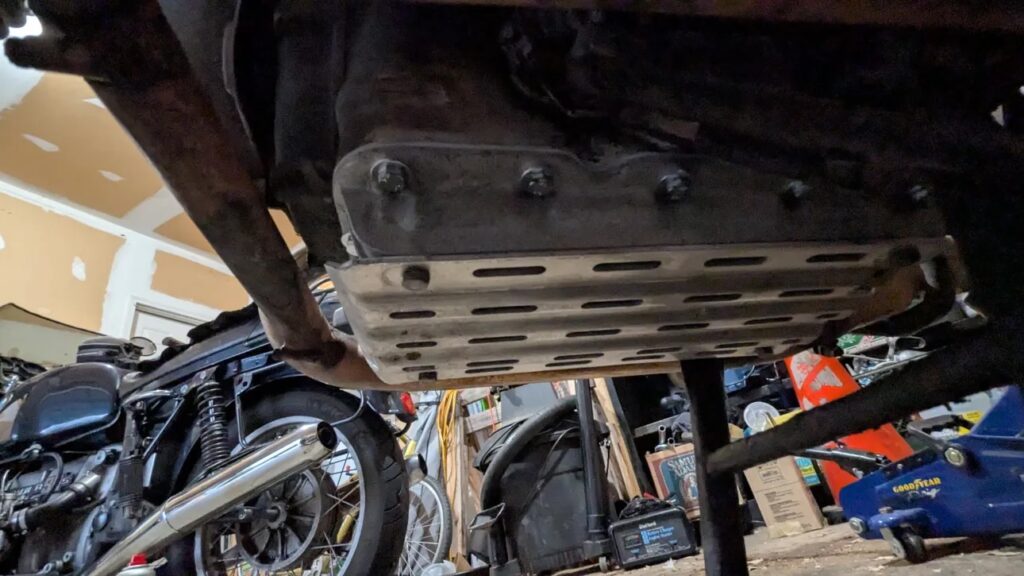
That a 53-year-old motorcycle can rip this confidently out in the backcountry is a big surprise to a lot of riders. On the dirt, this /5 is in its groove. The old bike’s Norton Featherbed-derived twin-loop steel tube frame carries the engine weight low, doesn’t leave a great deal of plumbing or hard bits too exposed to trail objects, and the entire deal is still close enough to the ground that a rider can get a boot solidly down when the situation requires it. The engine’s throttle response is perfect for the application – the 900 cc big-bore kit combined with the stock 750 engine’s smaller valves makes for optimized low rpm operation. The Tribute is a motorcycle that can be almost entirely controlled with the throttle; the granularity of control provided by the old Bing constant velocity carbs, both accelerating and decelerating, is a model that even the current generation fuel injection struggles to replicate.
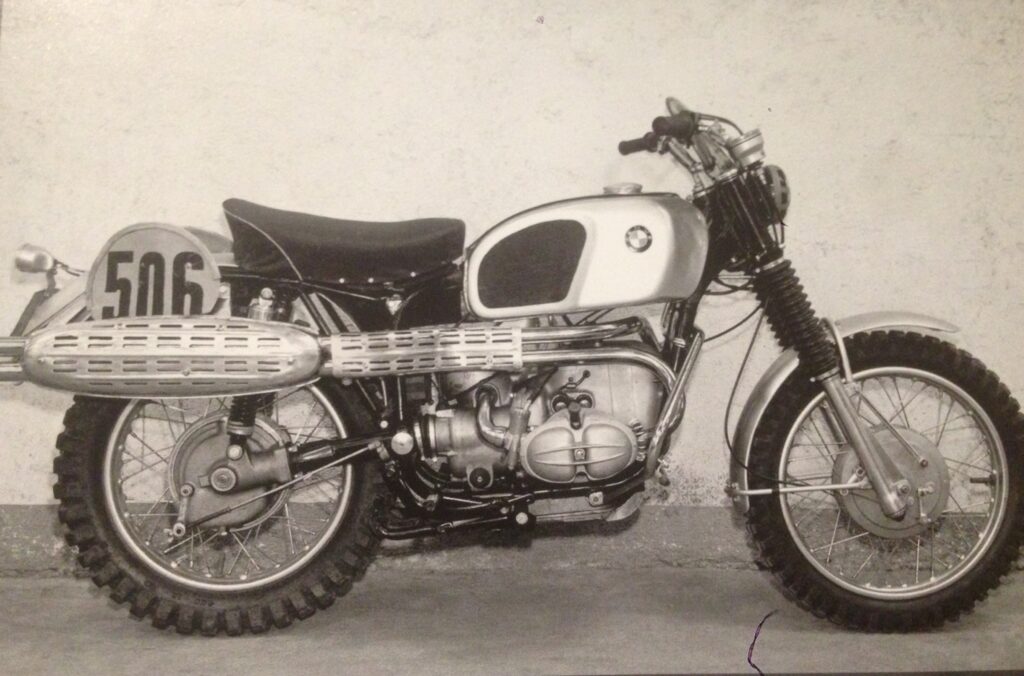
Out on a rolling Creekside trail, a standing up posture fits 5’ 8” me perfectly – the Cognito Moto enduro platforms are a roomy and supportive place to stand for a while, the raised bars come exactly to hand, and the rider’s weight is largely over the front axle. Relatively subtle shifts of weight on the footpegs are effective at getting the bike to crisply change direction and the Bridgestone Adventurecross front tire – when properly weighted – tracks well in the softish stuff, freeing the rider to care a little less about what’s happening at the back. There’s plenty of urge under throttle – if one’s preference is to slide, a flick of the right hand makes that easy to access. The updated fork does not perform as the 1930’s-vintage ribbed and sculpted fork stanchions would have you to believe. Compliance is very modern – stiction is minimal – likely a result of another Cognito Moto gem – a 26 mm billet upper triple clamp. Virtually no shock gets through to the rider’s hands. On really big hits – you know, the ‘I wish I had anywhere else to go but Imma run over this rock’ shots – the RaceTech valving may even be better than the new bike’s Marzocchis. Out back, the reworked vintage dual KONIs just work – the tire stays planted, even under large throttle at low speeds – and there’s no input that upsets the rear subframe as the tire tracks even rougher surfaces. It all may be very Old School, but its technology that has been fully wrung out so that what works is well understood.
R12 G/S
The muscular new G/S acquits itself far better off the macadam than one would reasonably expect. I’ve been textually assaulted from dark corners of the Internet by people who are absolutely sure that 500+ pounds of shaft drive boxer can’t possibly function well in the muddy corners of the forest. Those people are simply wrong. On tighter, technical trails, the R12 is startlingly responsive, both in terms of the manageability of the power, and the low effort and fluidity with which the bike changes direction. The chassis and suspension keep the bike balanced and let the Anakee Wild tires do their job. Everyone expects – I expected – that the G/S would be physically demanding, like a bull ride. In reality, it’s more of a pussycat. The rider has tons of leverage on the wide bars, tons more of traction, the frame and suspension geometry is on the stable side, and the motor is flexible enough and tractable enough to either launch the bike or spin the tire, depending on how much traction is available. At sustained low motor speeds, the fuel injection has a tendency to hunt and surge less using mid-grade fuel – choosing Premium makes the fault more pronounced. Winding on the power over washboards can get the rear tire hopping, but otherwise the cycle bits work swimmingly.
The offroad package on the new G/S includes an ‘Enduro Pro’ power and stability profile that loosens the traction control intervention, turns off the rear ABS, and includes a special offroad stability profile that keeps the bike making progress down the trail and on its tires when sketchy rider decisions might not. With the information provided by the G/S’s Inertial Management Unit, the bike’s stability systems are able to modulate wheelslip and chassis drift angle and attitude in the event that the rider is not able to. On a more rolling, open section of dirt it’s easy to land in that flow state where everything is just working – wheels sucking up the surface, setting corner speeds on some trailing brake, and lighting up a pretty slide coming out. Rinse and repeat. What’s there in the G/S’s metal and shape is already a pretty balanced motorcycle. Anyone riding it, though, has a great deal of electronic assistance. There’s something about it that feels almost too easy, like the rougher bits have been sanded off.
On the motorcycles like the /5, safe operation is managed in the greyware and right hand of the rider: any rough bits are a feature, and not a bug. Still, over long days on the trails and plenty of miles, the new G/S puts good tools in the hands of the rider. Over wet stones, big rocks, deep mud and fearsome climbs, what BMW‘s marketers call the ‘new airboxer’ punches above its not insignificant weight. In those places where there’s room to stir up a tad more speed, it’s great to know there’s plenty available. On the flip side, it isn’t the easiest bike to turn around on a narrow track. There are riding days when I just love it. There are others where it just feels too ruthlessly efficient.
The Stuff You Take With You
By now, you may have noticed that not everything is about you. If you haven’t, though, let me offer some concrete illustrations that might help you get there. When one hops on a motorcycle and heads for the backcountry, there are some things that most everyone will take with them to facilitate the experience of off-grid riding. The things that come immediately to mind are motor fuel, tools, and some way to carry some minimal stuff, like a clean tee shirt, a sleeping bivy and a breakfast bar. The /5’s chrome-sided ‘Toaster Tank’ carries a 4.5 gallon fuel load, complete with gravity-fed fuel lines, switchable petcocks with a reserve setting, and a balance line that connects the two sides of the fuel tank. The tank can be removed by simply unscrewing a set of two bronze thumbscrews at the tank’s rear and lifting the tank off the frame backbone. The R12 is a fuel-injected setup, with a tank that carries a total of 4.1 gallons of fuel, and taking it off requires a shop manual or a BMW Service Center. That a bike positioned for off-pavement travel can only travel little more than 130 miles at a whack is counterintuitive, but I have already stocked up on supplemental fuel bottles.
Tools are also something foundational should one be planning to end up somewhere 50 miles from the nearest paved road. The /5 has the time-tested flip-up ¾ saddle, under which sits an almost entirely waterproof toolbox, which holds a traditional BMW Sport Tool kit, containing a full set of wrenches, special sockets for spark plugs, fork caps and steering head and fork top nuts, pliers, screwdriver kit, tire irons, tommy bars, as well as a few other maintenance tricks gathered along the way like wiring tools and supplies and a hooked dental pick for removing a used oil filter from its tiny cavity in the side of the engine. If one requires more tools than this to fix something, you were going to be walking anyway. As a bonus, the motorcycle’s battery is accessed by simply lifting the tool box off the frame rails, and everything is right there. Need to get or give a jump and it’s not going to make things any more stressful by having to find the bike’s battery.
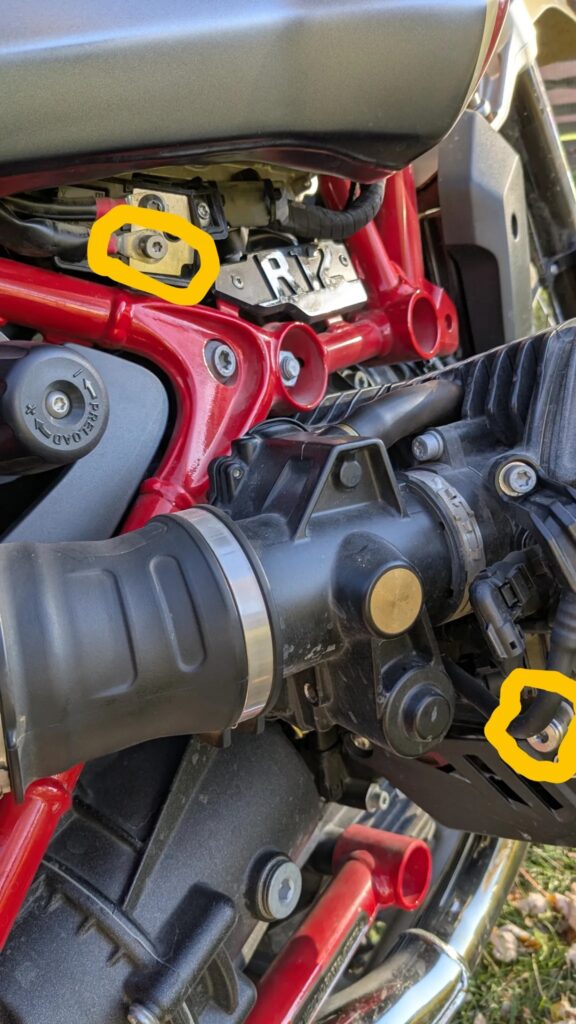
The R12, on the other hand, starts from the assumption that you’re just never going to have to lay your hands on the machine. And assuming that to be true, then needing tools isn’t really necessary, right? Have you seen how few new cars include a spare tire? Things change. But assuming you – against all odds and expectations – actually do need to lay hands on the machine, then pay close attention. The relatively minimal toolkit – screwdriver, and a single dogbone wrench — fit into recesses in the underside of the plastic saddle pan. Getting the saddle off requires…the use of a tool. That tool – a #15 torx driver – is attached to the back of a small black plastic cover on the side of the engine. Pop that cover out of its rubber mounts, remove the torx driver, and then find the single torx fastener that sits inside the top of the rear fender. If one should have to do this after encountering mud while riding, it will be somewhat less fun. If you need to access the battery, more bodywork needs be removed. BMW, fortunately, has included some accessible ‘jump points’ – a hot stud under another small plastic engine cover and a negative stud on the right cylinder head — that allow the battery to be jumped or charged easily. It is also possible to connect a battery charger through the bike’s accessory socket, but it requires a special BMW-branded charger that speaks the necessary CANBUS protocols in order to be recognized and given access to the battery. People that plan on taking an R12 far from civilization will need to assemble a more serious toolkit. That, and also figure out a way to carry it.
One of the significant innovations of the original GS was the use of a ¾ saddle – originally designed for use on Authority Motorcycles – with a substantial cargo platform placed in the location normally used for a passenger saddle. The /5 ISDT Tribute followed that original GS as a model. With an original set of BMW chromed-steel pannier mounts and the FlatRacer cargo rack, there is robust structure that allows the attachment of soft panniers, the use of a drybag duffle on the rack, as well as other soft bags that can be secured to the primary bags. This ability to carry clothes, camping gear and minimal kitchen and food means that the bike can easily be used for longer distance travel.
The R12, on the other hand, makes a very different set of design decisions. The R12’s standard and Rally saddles are one-piece bench saddles, designed to carry a passenger, while the bike comes equipped with passenger pegs. Personally, I can’t imagine carrying a passenger on any version of the motorcycle with the offroad option package fitted. That the bike didn’t adopt – or at least provide as an orderable option – the GS’s signal ¾ saddle is a major unforced error. The bike doesn’t come with any kind of cargo rack or pannier accommodations. While BMW does list some soft luggage options and some securing points in their accessory catalog, they have not been in stock or orderable since the bike was first shipped nearly a year ago. For the major offroad sections of the R12 G/S tests, I resorted to use of a small set of soft throwover panniers made by Tusk, that they position as intended for use by small dirtbikes and dual sports like the Honda CRF300L. These bags, half the capacity of the soft bags fitted to the /5, use a padded connector section that rides on the rear saddle and tailpiece of the motorcycle, and straps to the passenger peg mounts and rear turn signals.
The Skinny
So is there a real winner or loser in this comparison? To the extent that there is a loser, the major failure is that the R12 G/S was built as a powerful and capable offroad motorcycle, and then deliberately provided with a fuel tank with very limited range and a chassis with no current OEM luggage support. So what should be a motorcycle with continent-crossing capabilities is instead delivered as the world’s biggest playbike – great for an afternoon of dirt road hooning, but not the choice for a TransAmerica Trail trip. Don’t misunderstand me; the G/S is a straight-up hoot to ride, flinging gravel, sliding out of corners, and charging up hills like the irresistible force. The new G/S is a technically superior motorcycle in terms of capability and riding dynamics. It’s just not positioned as a backcountry traveling machine. Maybe team orders were to build an ‘Airboxer Heritage G/S’ that didn’t provide direct competition to the company’s cash cow Waterboxer GSs. That’s a pity, because this bike could be so much more.
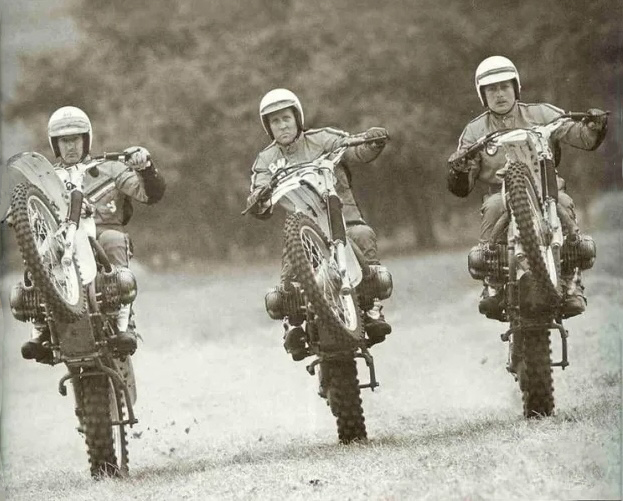
The winner here: the bike with half the horsepower/torque and no safety systems turns out to be the more usable and more practical backcountry traveler. It’s a bike that is somewhat less challenging to ride, that may give up some extreme use case capabilities (like wheelying over downed trees and genuinely deep water crossings), but can be fully serviced with the included toolkit, that can be loaded up, if desired, like a rented mule, has longer fuel range, and is robust enough to ride day after day on the trail. Both bikes, though, draw on the same balance and toughness that gives their riders the confidence to ride in places that – to one extent or another – look like they’re places where one shouldn’t be riding. And after you’ve gotten to the other side – whether blasting around with one’s front wheel in the air, or finishing the fourth straight hundred-mile day before you set camp – it’s hard for anyone riding a boxer-powered off-road motorcycle to feel anything other than a winner.

Related Posts

The Vintagent Selects: Hand Built – Brough Superior
Aesthetics crossing over with insane…
The Vintagent Classics: Riding High
a bored young motorcycle messenger…

The Vintagent Trailers: 21 Days Under The Sky
Adventure Begins with Risk. An…