
Story and Photos by Charlotte Croney
My documentary series ‘The Grampian Motorcycle Club‘ lead me on a journey around the northeast coast of Scotland, where the Rivers Dee and Don meet the North Sea. My series explores themes of age, heritage and passion within vintage motorcycle riders.
Let me introduce myself: I am Charlotte Croney, a commercial photographer based in the UK. I explore all types of photography, from editorial to advertising, but nothing beats documentary. I love the opportunity to step into someone else’s world, hear their stories and capture something really real and personal.
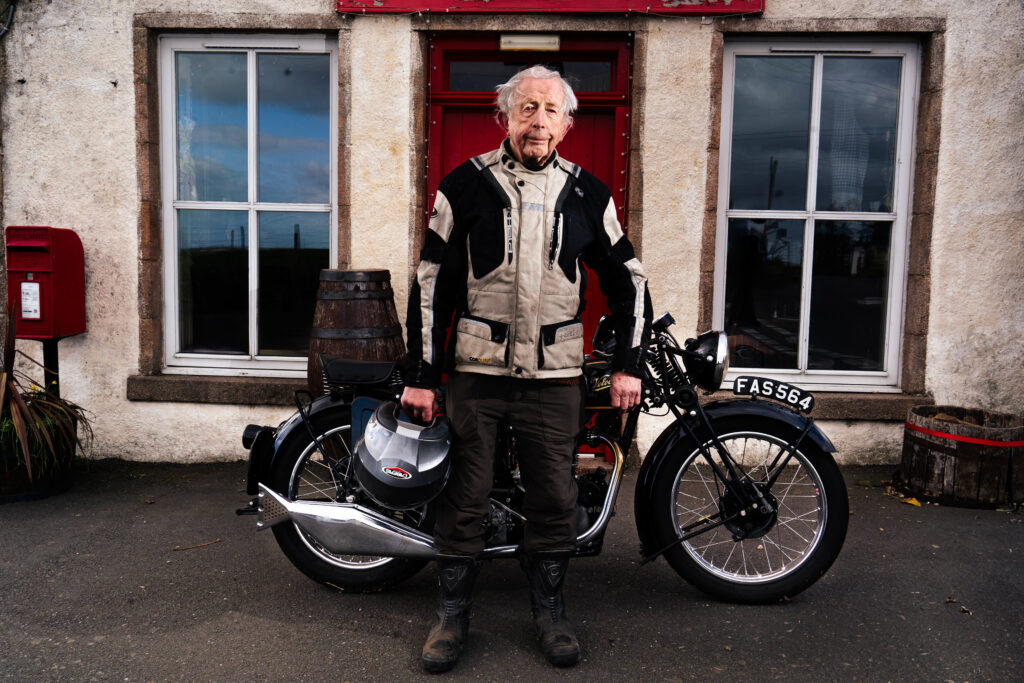
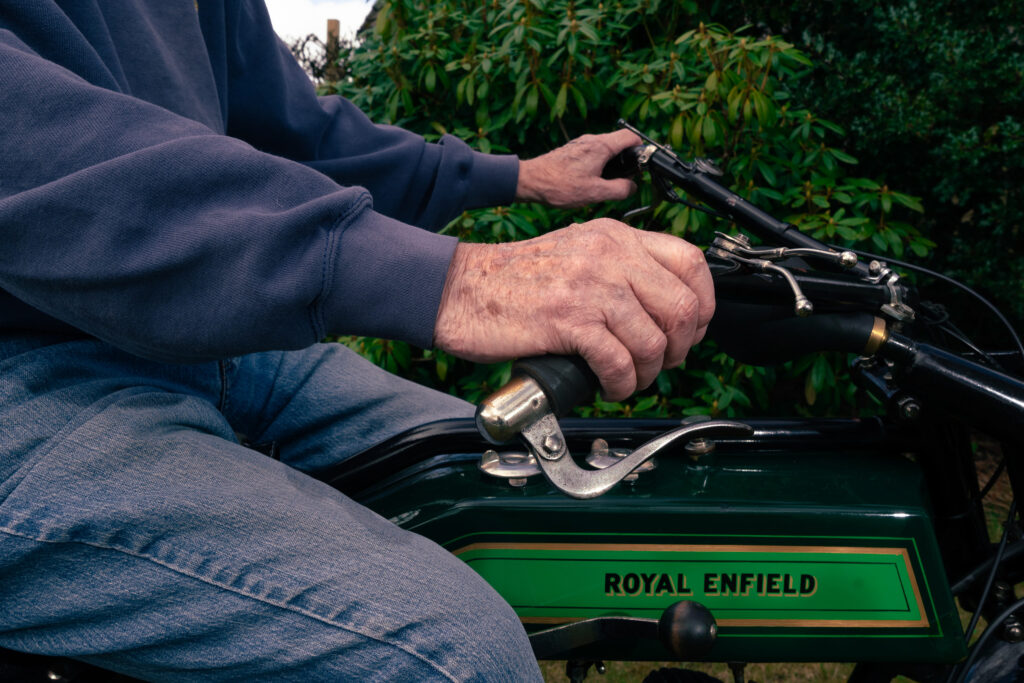
My Grandad has always been passionate about motorcycles. When I was younger, his love of for two wheels was such a defining part of who he was that, to differentiate my two grandads, he became known as “Grandad Motorbike.” He started riding at just 14 and continued for decades, but as he’s grown older, he he’s had to stop riding. Seeing someone I know so well lose the ability to do something that has been such a huge part of his identity spurred my curiosity. I was interested in the relationships people build with their motorcycles, and what happens to that connection when they can no longer ride. My Grandad’s love for motorcycles has continued through his membership in the Grampian Motorcycle Club, and I became interested in how that same passion lives on for other people. I felt it was important to document these journeys; not just the motorcycles themselves, but the memories, friendships and sense of identity that have been built around them over many years.
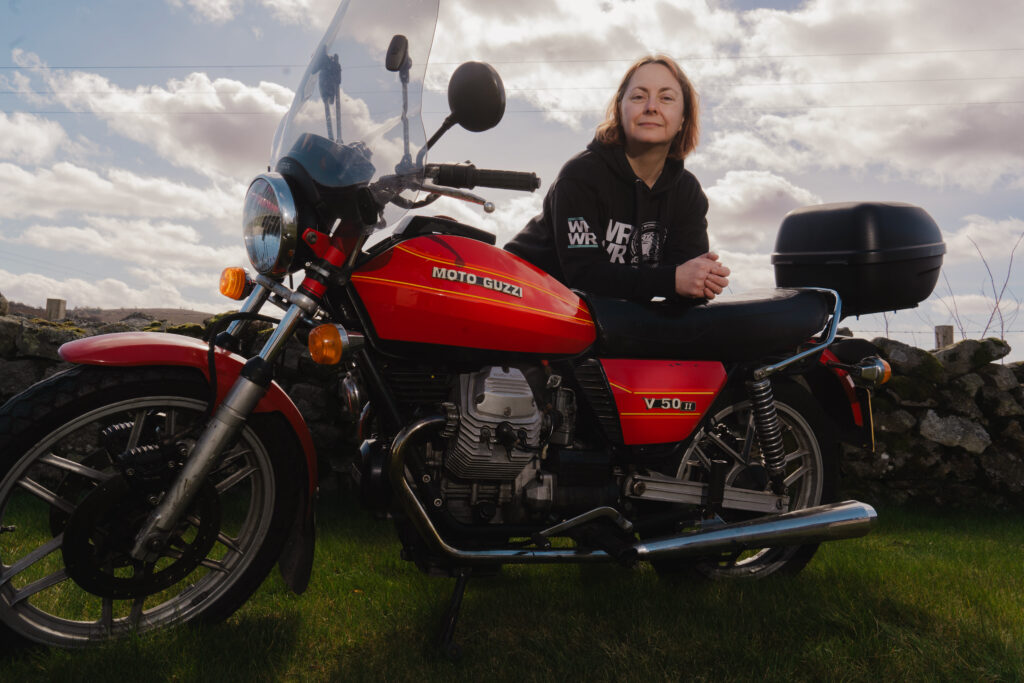
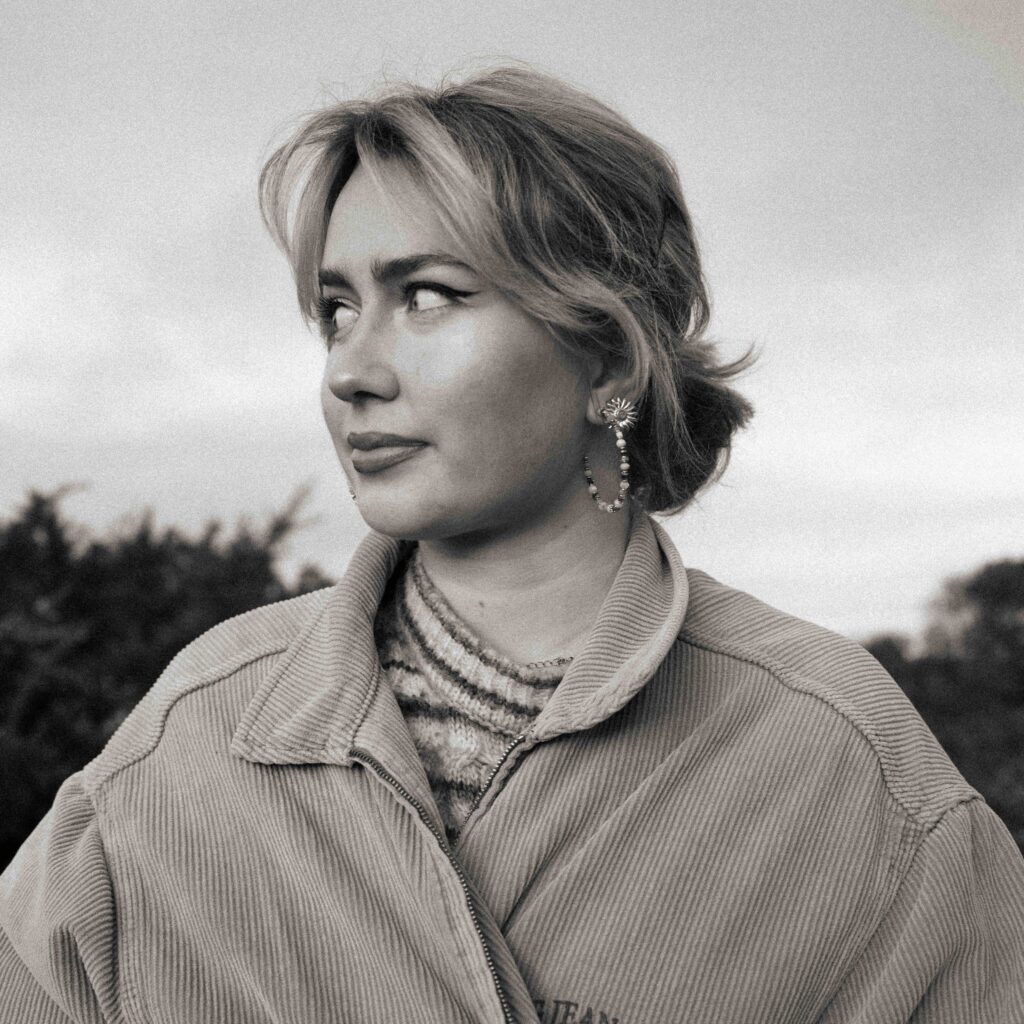
For my project on the Grampian Motorcycle Club I wanted to document age, heritage and history surrounding the vintage motorcycle riders in Scotland whilst also exploring how biker identity is represented through photography. Motorcycle culture is often associated with ideas of freedom, rebellion and masculinity. This made me think critically about how masculinity is represented within motorcycle photography and whether my own work challenges or continues these stereotypes. This is why it was undoubtedly important for me to use this opportunity to find and photograph at least one female figure within the group, to not only dismantle the harsh sense of masculinity in biker photography – through the way I photograph – but also to dismantle it by who I photograph.
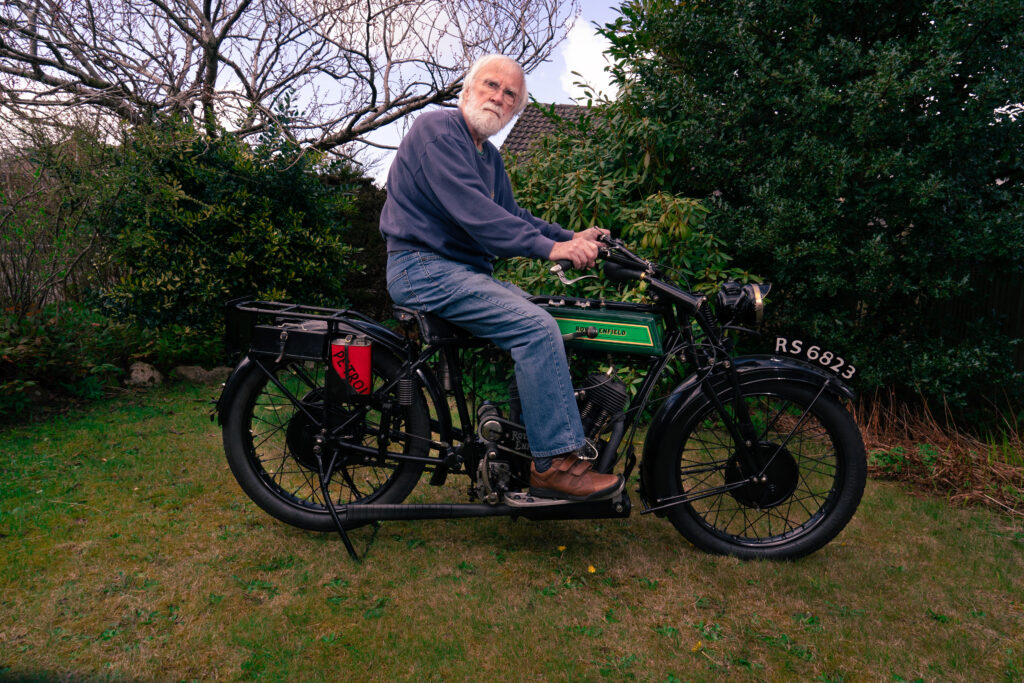
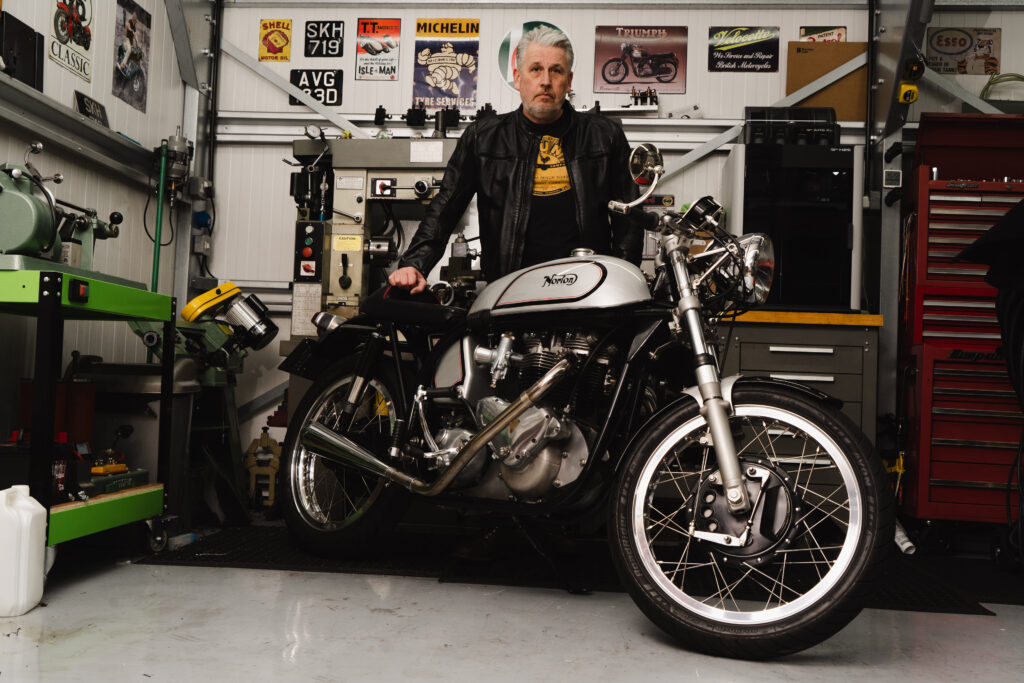
I wanted to move away from the stereotypical representation of biker culture that often focuses purely on rebellion and hyper-masculinity. Instead of photographing my subjects as distant or intimidating figures, I used close portraiture and more natural interactions to create a sense of intimacy and emotional connection. By photographing riders posed it creates a sense of stillness and so presents biker culture as more human and emotionally layered rather than performative or intimidating. I wanted my photographs to not simply record biker culture but actively shape how identity and belonging are understood; through my use of composition, direct eye contact, body language, and cinematic lighting.
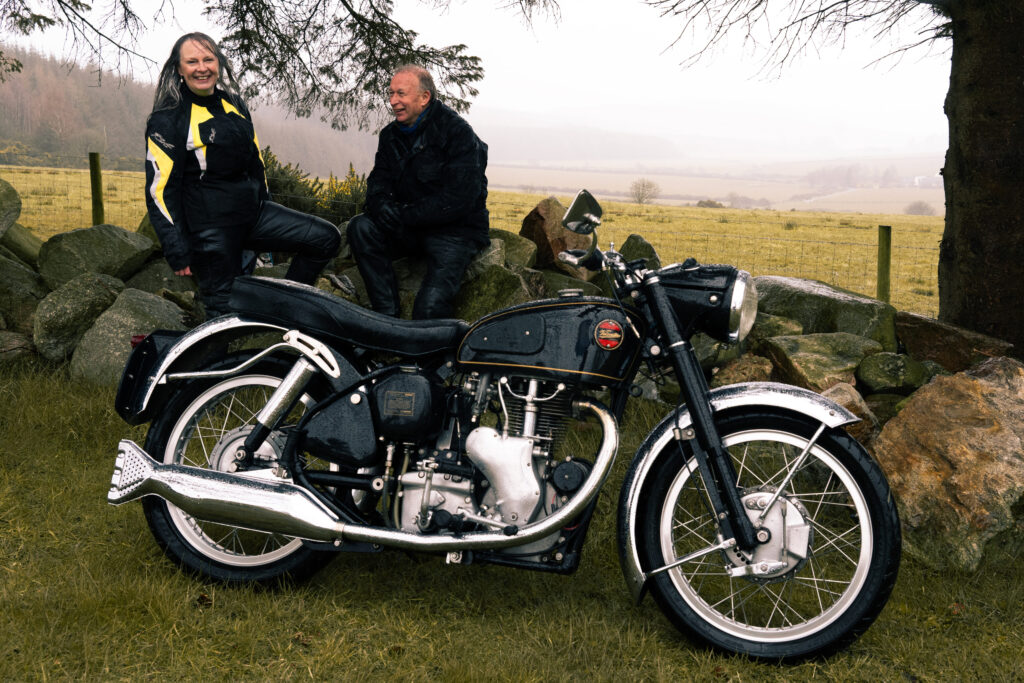
And to add another layer of meaning within my photographs I was particularly interested in how nostalgia is utilized within motorcycle culture. Bikes often symbolize freedom, and I wanted to link this with the theme of age. A few of my subjects do not ride their bikes anymore and motorbikes once consumed their whole lives, and so I wanted to contrast the idea of a bike that symbolizes movement, independence, and escape with the stillness and physical limitations that come with aging. By photographing older riders posed beside their motorcycles rather than actively riding them, the images become more reflective and emotionally driven, suggesting memory, loss and the lasting emotional connection people have with their bikes as well as how the love of bikes can still exist without the ability to ride and the love can be lived through the community of the Grampian Motorcycle Club.
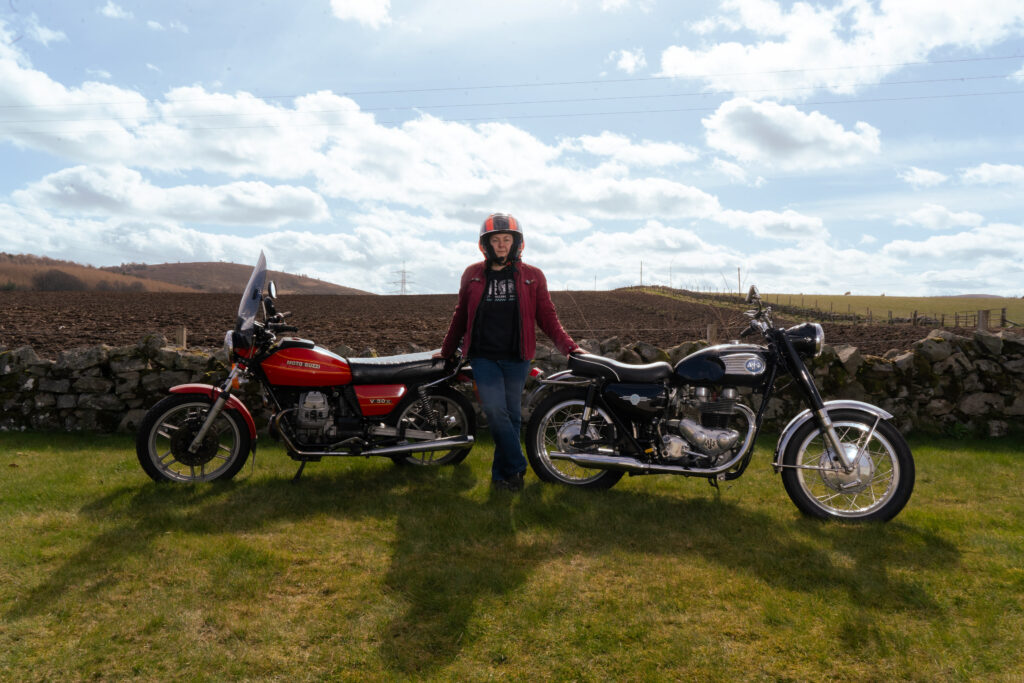
What I personally learned on my journey with the club is that riding is only one part of their relationship with motorcycles. Traveling around Scotland, I not only saw some very cool bikes, but also the amazing garages and sheds, where members spend hours working on them. I became fascinated by the knowledge and skill involved in diagnosing, repairing and maintaining their bikes, and how this hands-on relationship with the machines is another way their passion continues. One of my favourite takeaways from the project was understanding just how much the motorcycle community means to the people within it. Before starting the project, I understood my Grandad’s passion for motorcycles, but spending time with the club gave me a much better understanding of why that passion stays with people for so many years. I felt as though I had stepped into a community that had existed long before I arrived, with friendships and stories that had been built over decades.
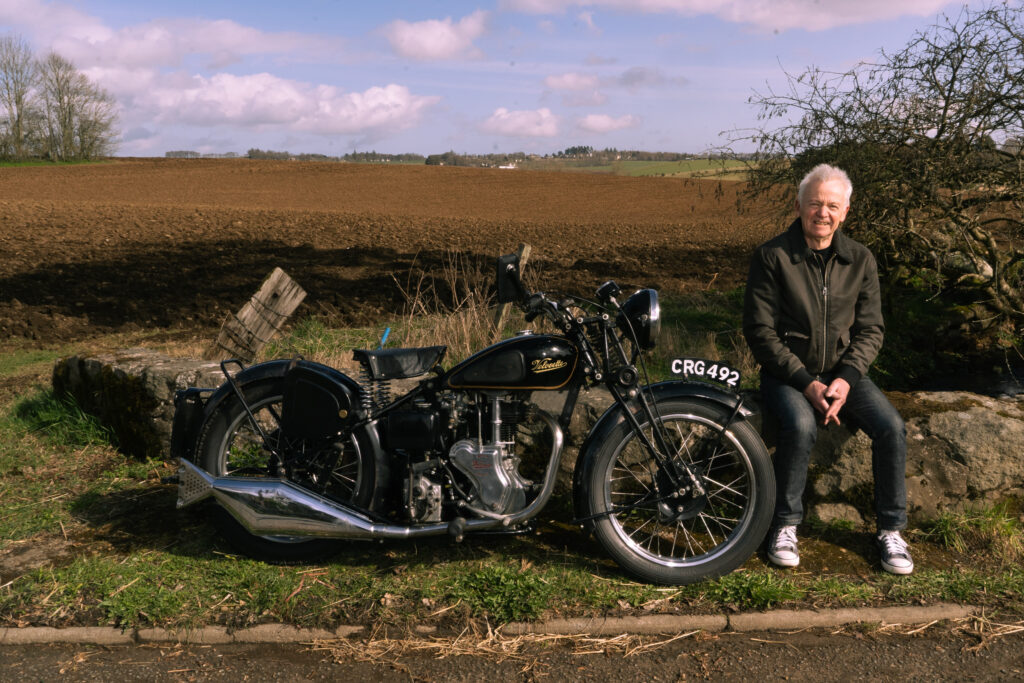
One story that really stayed with me was hearing about Bryan and Tony spending so much time together in the shed that they ended up staying there until 1am, and when Tony woke up in the morning, Brian was still there. It sounds like a small, funny moment, but to me it perfectly captured the kind of friendship that exists within the club. I came away realizing that motorcycles are not just about riding; they create a community, friendships and memories that can last a lifetime.
Related Posts
The Vintagent Classics: Death Riders
The best part of the Death Riders…
The Vintagent Selects: Riding The Wall Of Death
I knew there and then, that was it.
Biker Chic
Leather forever, people, never forget.