
Republished from Paul d’Orléans’ ‘Wandering Eye’ column in Cycle World
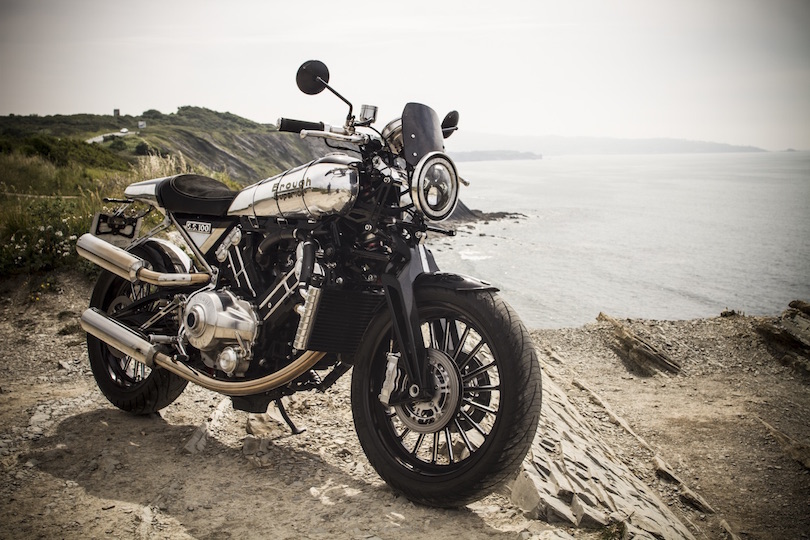
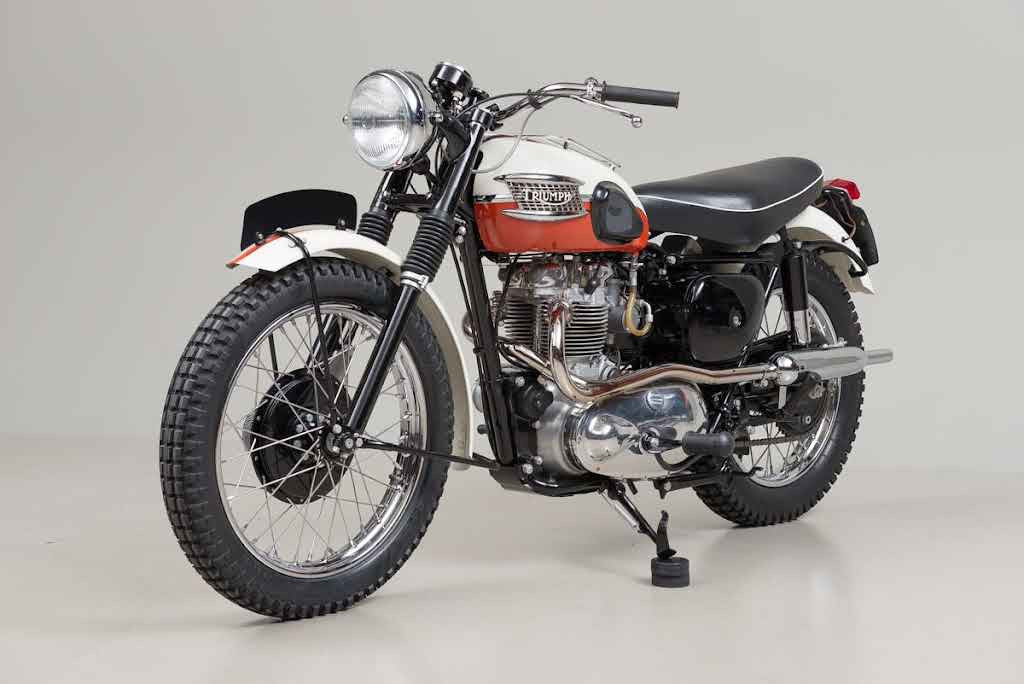
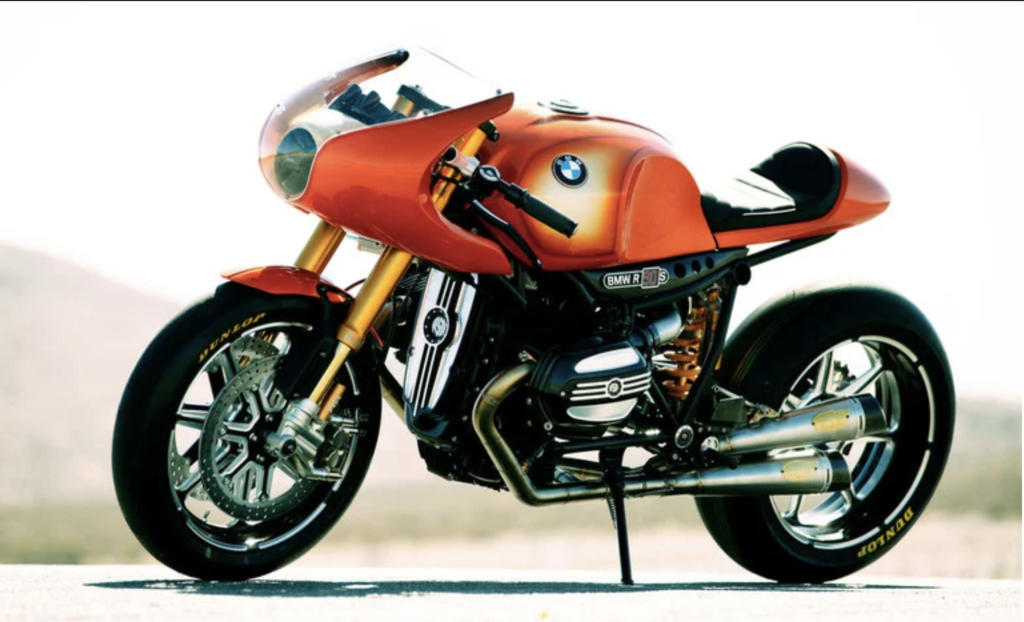
[Note: this column was written in 2017, and while the situation hasn’t changed much in the USA, motorcycle sales in Europe are actually on the increase, and the same is true in India. The rest of the world carries on as always, buying small utility machines (based on the Honda C110) in their millions, although in China, one of the biggest markets in the world, the ubiquitous small motorcycles are almost exclusively electric. I republish this mostly for my thoughts on design, which remain consisistent – ed.] Motorcycle sales have been on a downward slope for a generation now. Has the world changed, or has the industry changed – or, even, have bikes themselves reached a stage of maturity? The internal-combustion motorcycle seems to have reached a point of diminishing returns technologically, as even a small capacity machine is capable of double any speed limit, with good suspension and brakes. Electric motorcycles are different; they face big hurdles compared to an internal combustion bike, with issues around riding range and battery size. They can be made wicked fast but not for long.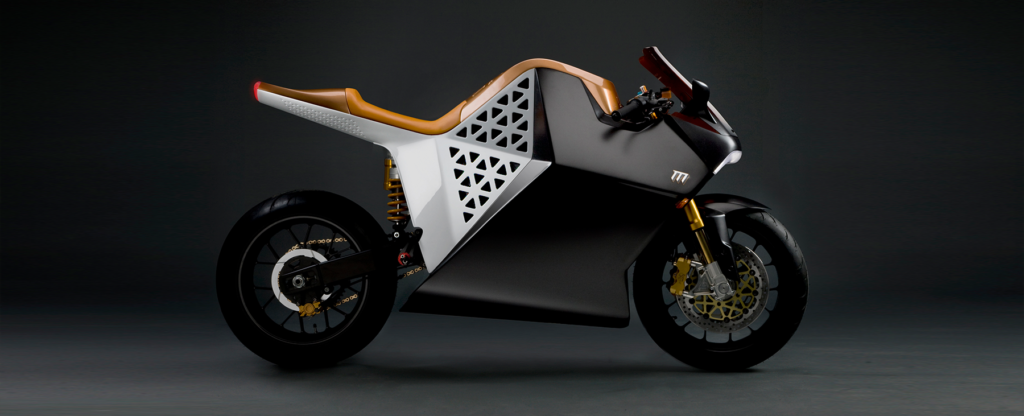
By the numbers:
149 custom builders featured in Gestalten’s The Ride (2013) and The Ride: 2nd Gear (2015)
1,923 Harley-Davidson XLCRs cafe racers built in 1977-78, and considered a failure
800 Ducati 900SSs built in 1975-76, which saved the company
Related Posts
The Vintagent Original: Custom Revolution
Custom Revolution is the first major…
The Vintagent Original: Montlhéry
The most historic autodrome in the…
The Vintagent Original: Neander
Paul d'Orleans rides Ernst…
Correction Paul ole bean !!!!
Motorcycle sales are down in THE US … and to a lesser extent Canada . Whereas in Central / South America.. the EU ( yeah don’t believe the BS about the EU’s decline .. READ the economic news.. ) near East – Middle East and East .. sales are not only doing just fine … they’re booming ! With the majority of sales in Scooters and the 125 to under 500cc range …
The fact that sales are in the toilet here .. is due to ;
1) The young up and coming riders today ( with the exception of a very few deluded wanna live in a past they know nothing about hipsters ) couldn’t give a rats posterior about brand , heritage etc . All they care about when considering a motorcycle is … affordability …. ease of use ..and the fun factor
Which is to say … the likes of BMW etc trying to sell RS or anyone else’s designs ,,, is an exercise in abject futility .
2) The pricey heritage brands ( BMW Ducati but mostly H-D and dead in the water Indian ) main problem is the unwillingness to comprehend sales growth aint in their future … at least for this point in history .
What they all need to do ( and btw unlike the stupid US brands Ducati BMW etc GET IT .. and are acting accordingly ) is to focus on producing to a sustainable number … while manufacturing more efficiently … and focusing their advertising on the individuals able and willing to spend $$$ on a heritage brand due to loyalty image .. what ever … instead of promoting to todays SnowFlake generations a product they’ll never buy
[ FACT Oh so deluded H-D …. the boom days of the 90’s are done and dusted … and have been for over a decade and a half ]
And with the likes of Honda etc … not to mention the heads stuck in the sand dealers …. bringing in more small capacity lower priced FUN bikes … that both beginners and experts alike can enjoy … like they do in the rest of the world
Suffice it to say … this being a .. hmm .. lets call it a well informed to a certain extent insider knowledge hobby of mine ( both the automotive and M/C industry ) …. PdO … Y’alls got the corner on classic and vintage M/C’s .. and to a point the sales / prices thereof …
.. but when it comes to todays market … well good sir … ya’s outta yer depth .. five ways sideways upside downside up .
So instead of paying attention to the BS coming out of the likes of H-D / Indian’s bitching moaning and groaning about the problems THEY created for themselves …
.. not to mention the US M/C market … err … cough … hack …. ‘ news ‘ .. which aint … .. news that is ( more like blatant under reported – overly biased luke war effluence )
Start listening / reading the likes of Micheal Uhlarik and the GLOBAL M/C news
Cause my friend … we in the US when it comes to M/C news … gots our collective heads in the sand … up our posteriors … or floating in some distant cloud never to land on earth
Oh … and BTW … did you know …. that here in the Heads up our collective posteriors US … Electric M/C’s of all prices and power … are NOT counted in overall sales ?
And oh yeah .. H-D may wanna reconsider their corporate cronyism … which has paid them back ZIP ( in fact its kicked them in the ass each and every time ) … and has … COST them a lot of sales …. both in new bikes and parts/repair … as many walk away from the brand !
So yeah … we’s great alright … in some delusional micro dosed alcohol addled past that never existed … yeah .. we’s just effin brilliant !
PS; Sorry ’bout the harshness of this comment ole bean … but in this case .. twas justified !
Thanks for your comment, I added a note to clarify this 2017 article was republished for my thoughts on design.
Sad thing is …. damn near nothing has changed since you originally wrote this article . Hell .. if anything … its SSDD to the power of ten here in the not so U of S
Oh …. and by the way … apologies for not noticing the date . Mea Culpa
It’s right there in the first paragraph.
Thanks for confirming what I already suspected.
You don’t even read the articles you blather on about. 🙊😜🙉😛🙈🤪🤡👻
Gee,I wonder whatever happened with the spaghetti Harleys like the Leggero or Rapido.I guess they must have really sucked though I heard Sprints were good bikes
Actually, as Harley-Davidson owned Aermacchi in the 1960s, all their small bikes were built in Italy. And they were excellent. They got a bad rep as ham-fisted ‘Merkans pummeled them into rust piles. The Sprints killed though, both on the street, in road races, and on the dirt tracks. Still do. Also, Harley-Davidson got its ONLY Grand Prix points/wins/championships via Aermacchi.
Fun side story
A rather famous photographer friend of mine owned a couple of well tuned mildly hot rodded Aermacchi’s
And … so …. in light of the fact that I had a couple a 1%er friends …( to back our asses up just in case ) we decided to show up to a Harley Davidon M/C show … riding the bikes in with full leathers … me with my very custom ‘ art’ vest done by the same artist that did most of CREAM BOC and Iron Maiden’s leathers ( mine had the HST Freak Nation fist on the back with other art work to accompany it )
When we got to the gate keeper … the big dude in charge yelled … ‘ this is fer Harley’s only you ***holes ” …. where upon we politely reminded him …. those little bikes were Harleys … said so right on the tank … well … ultimately my two friends came to the rescue … reminding gate keeper who I was in the grand scheme of things .. as well as confirming the bikes were Harley’s … so we got in … took our place … and had a ball explaining to damn near everyone why those lil stinkers were Harley’s … if in name only
And by the end of the day …. they brought us a ****load of free beers … we all had a good laugh … and then headed on home . A bit wobbly but what the hell .
Top that anyone … if ya can ( and if ya can … I’m dying to hear it )
Rock On – Ride On – F*** em if they can’t take a Joke – Remain Calm ( despite the rampant Enshitocene we’re in ) … and do .. Carry On
😎
OK … since I seem to be in a story telling mode … hmm … lets title this
What Customer Service Use to Look Like in M/c shops across the country
So …. back in the day …. with full intent of coming home with a BMW R1200GS … I took a cab over to the local dealership . BMW only ! About maybe … 1800 sq. feet total …. nothing but BMW’s used and new on the floor . Family owned … customer service being their mantra
So … I take the GS out for a test spin … and you know what ? Compared to my R100GS … I hated it . Too damn big .. too damn heavy … too damn tall ( even for me at 6’4″ ) just … too !
Over in the corner though … they had … oh y’alls gonna hate me fer this one … an R1200C … cream …. just like the freaking Bond movie . I sit on it . Damn this things comfortable … and knowing I was about to walk away without making a purchase … the owner comes over with a set of tools … adjusts everything that is adjustable on the bike … raises the pillion to backrest mode … and suggests I take a spin on it
And damn … ten minutes on the bike and my butt is saying ” hey … I could do this for a 1000 miles or so .. easy ” Yeah … just that damn comfortable . And you know what ? Paid cash for the beast right then and there … and is the only bike I’ve ever owned that I still kick myself in the butt for selling
Customer service ? Yup !!! Sale made cause of it ? Damn right !!! A pretty damn big sale at that !
Now try and find anything even close these days to that experience !
Shopping mall sized dealerships … ten brands or more on the floor …. corporate owned … customer service … that aint ( service that is ) arrogant pricks sales people … etc etc … et al … ad nauseam …
And they wonder why their sales are in the toilet today ?
And BTW ….despite H-D dealerships having only H-D’s on the floor … its worse … not better .. in ALL respects !
Ahhhh …… ye of much complaint …. ye of little or no faith ( in The Motor Company ) …. there’s this new CEO … having taken the place of the idiot formerly in charge …
Hmmmm….
.. Now I ain’t a gonna claim this new fella’s gonna solve over three decades of burgeoning now coming home to roost problems H-D for the most part has created for itself …. but …
… at least from what he’s saying …. the dealers in direct contact …. the what the Dealer20 groups are saying etc ?
Hmmm … well …. at least I’d have ta give him the benefit of the doubt till proven otherwise .
Which is to say ….. quoting Agatha Christie’s grand mother ;
” I’ll hope for the best but be prepared for the worst ”
Or in the common vernacular …. we’ll see …
😎