
[Written and researched by Riley Ward, edited by Paul d’Orléans]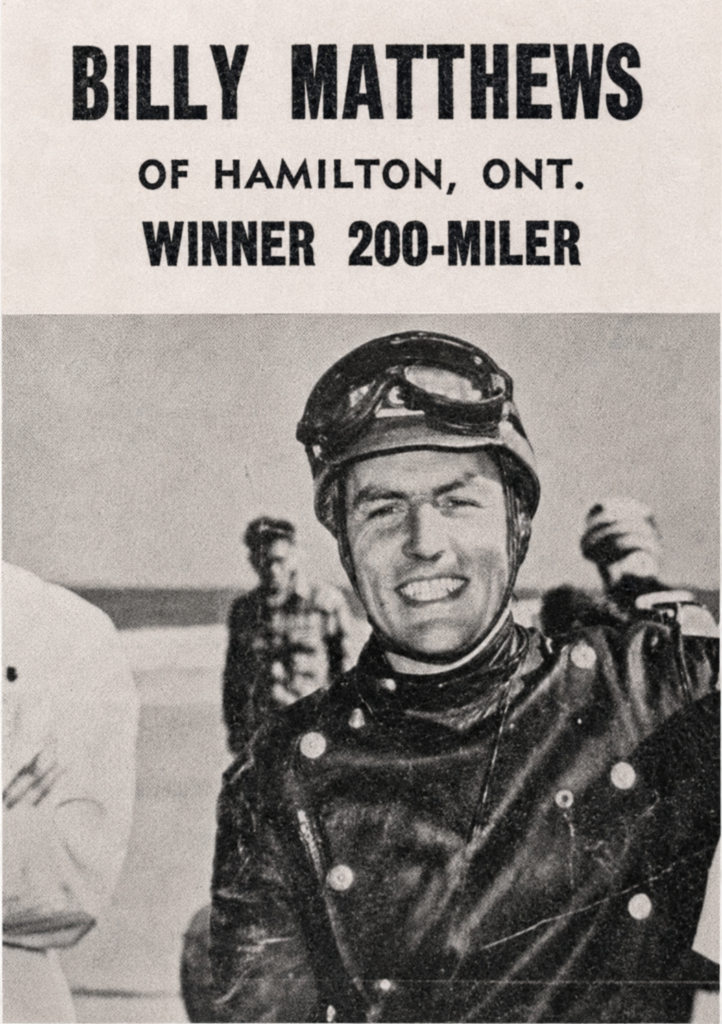
The Leathertogs Legacy
During World War II, restrictions on certain materials were imposed by the U.S. government, in support of the hundreds of thousands of soldiers needing clothing, equipment, and weaponry. Materials shortages strained operations for many small civilian-oriented manufacturers, and Leathertogs was no exception.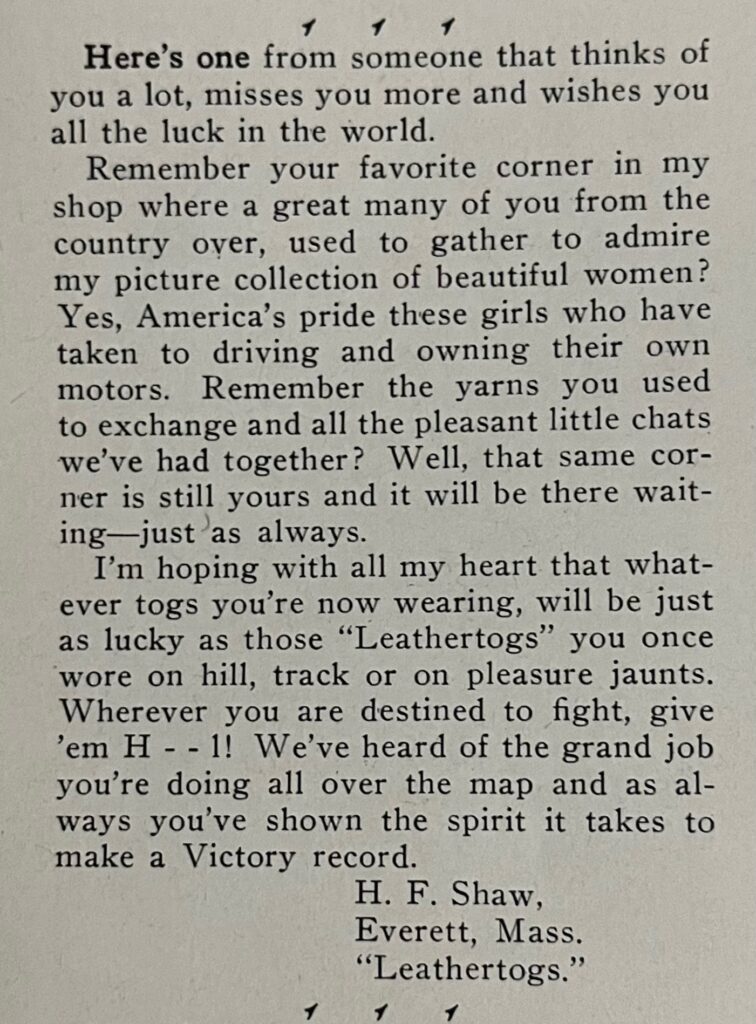
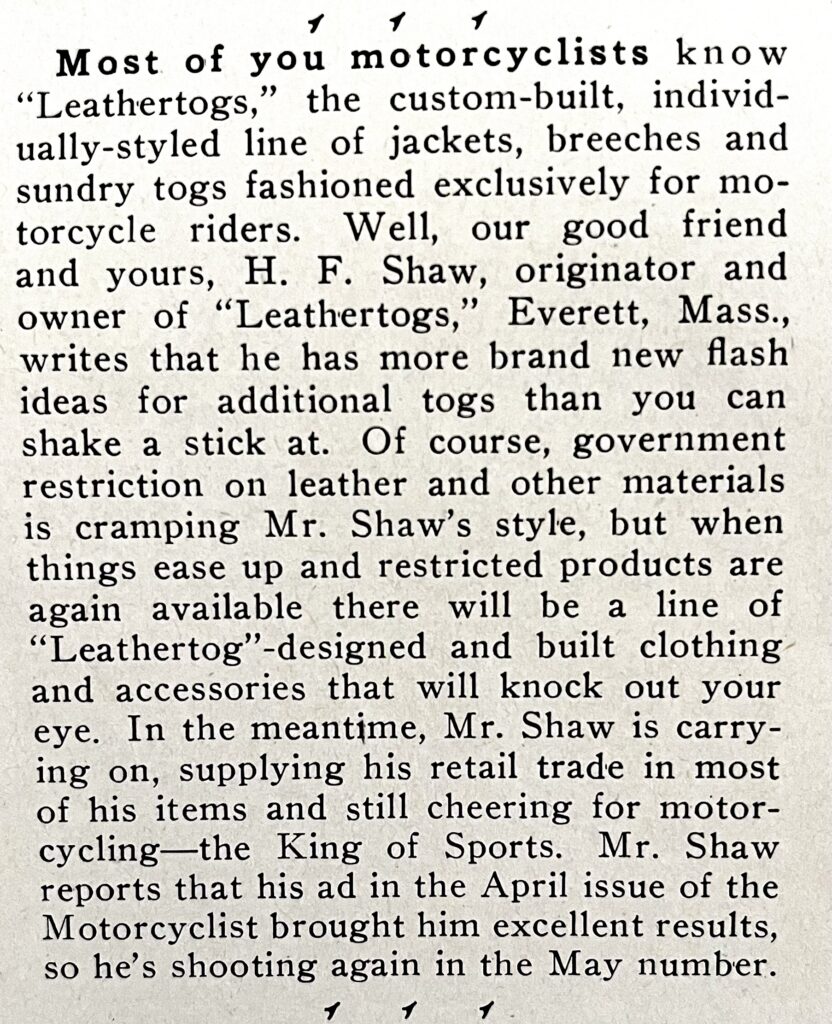
“Of course, government restriction on leather and other materials is cramping Mr. Shaw’s style, but when things ease up… there will be a line of ‘Leathertogs’-designed and built clothing and accessories that will knock out your eye.”
The End of an Era: Henry Shaw’s Passing
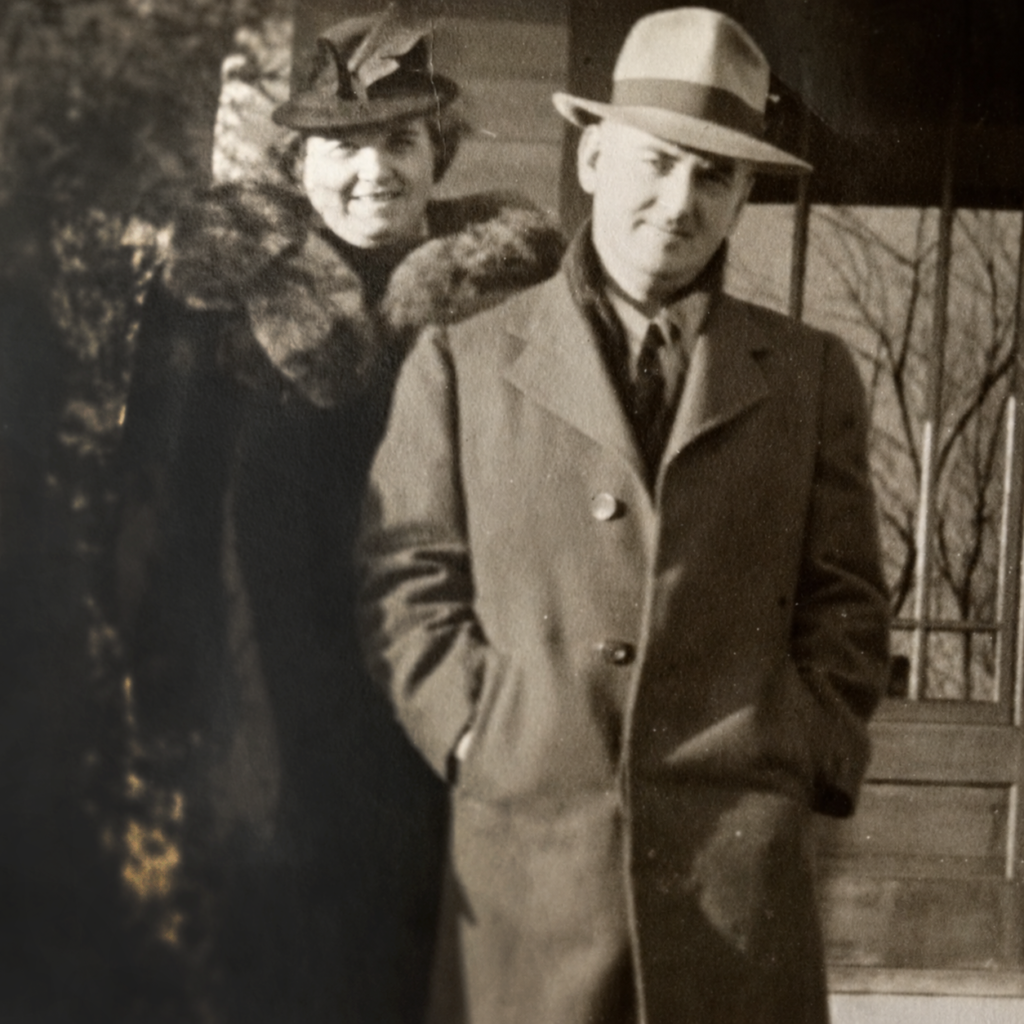
The sudden death of H.F. Shaw, Everett, Massachusetts, on February first has taken from our ranks another of the grand old men of motorcycling – though H.F. wasn’t really old in years, only 56 years of age, and in his heart he was as young as the newest rider.
Mr. Shaw was best known to the motorcycle fraternity as manufacturer of the famous brand of “Leathertogs” cycle clothing and as the man in his community who was the friend and confidant of every motorcycle rider, old or young, boy or girl. His heart was great. His spirit bright. He suffered serious business reversed during his career of manufacturing, yet he never broke or soured under hi adversities.
Those whose privilege it was to be his close friends best know the indomitable spirit of this fine man, his charitable heart, happy temperament and his keen interest in everything that pertained to the realm of motorcycling.
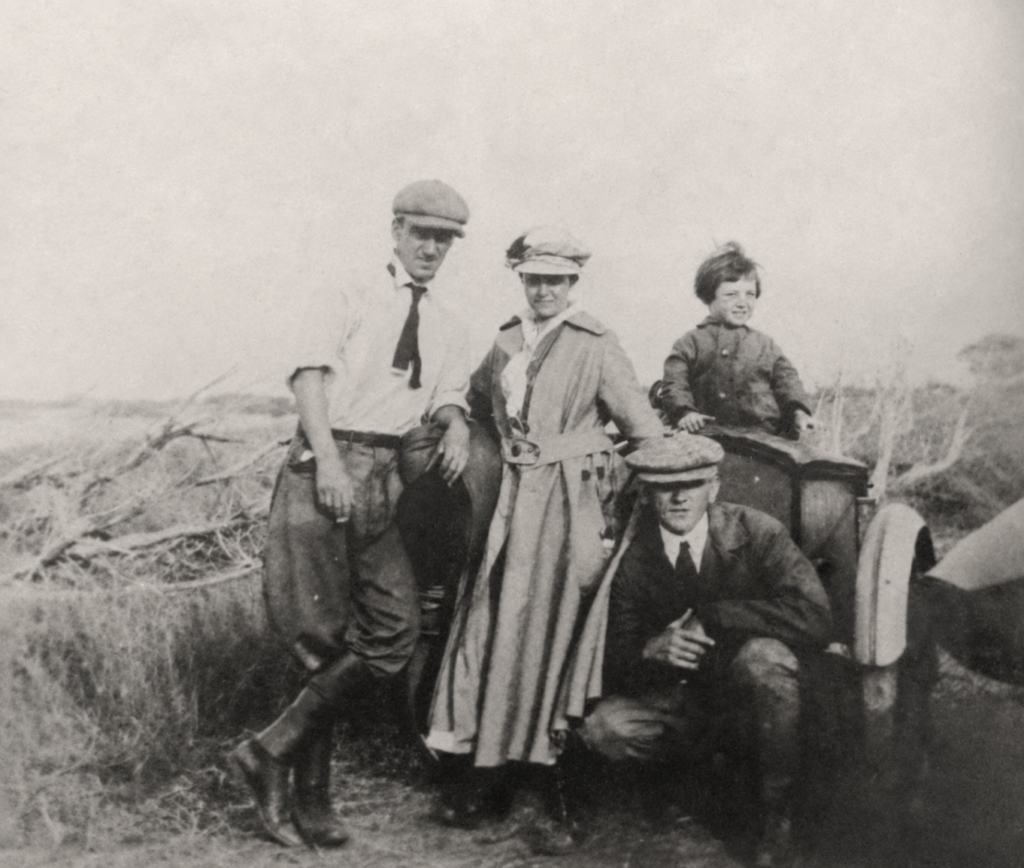
With Henry’s death, Leathertogs ceased operations. The fate of the factory, equipment, and materials remains unknown. Following the closure, Henry’s son Elwin embarked on a career as a magician and ‘pick-pocket specialist’ entertainer, performing for servicemen and police audiences; he died in 1966. Dorothy pursued careers in nursing and aviation, eventually settling in Denton, Texas, to raise a family. Henry’s wife Helen passed away a few years after him, though the exact date remains unknown.
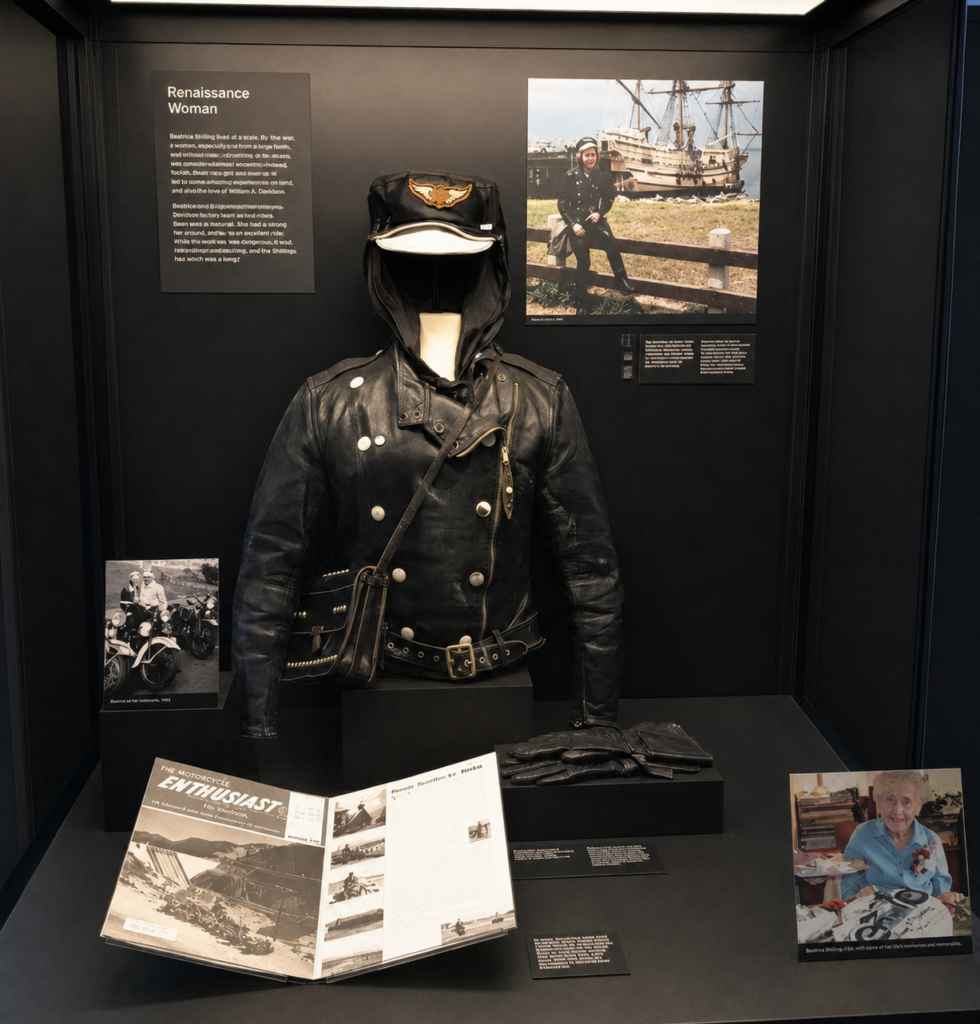
Leathertogs is remembered today as a premier innovator in motorcycle apparel, blending practical design with rugged style. Surviving examples are considered ‘holy grails’ among collectors and enthusiasts. Their iconic design, custom labels, snap fasteners and hardware, and high-grade horsehide distinguish these pieces, drive collectors crazy with curiosity, and have inspired many more recent replicas from various manufacturers.
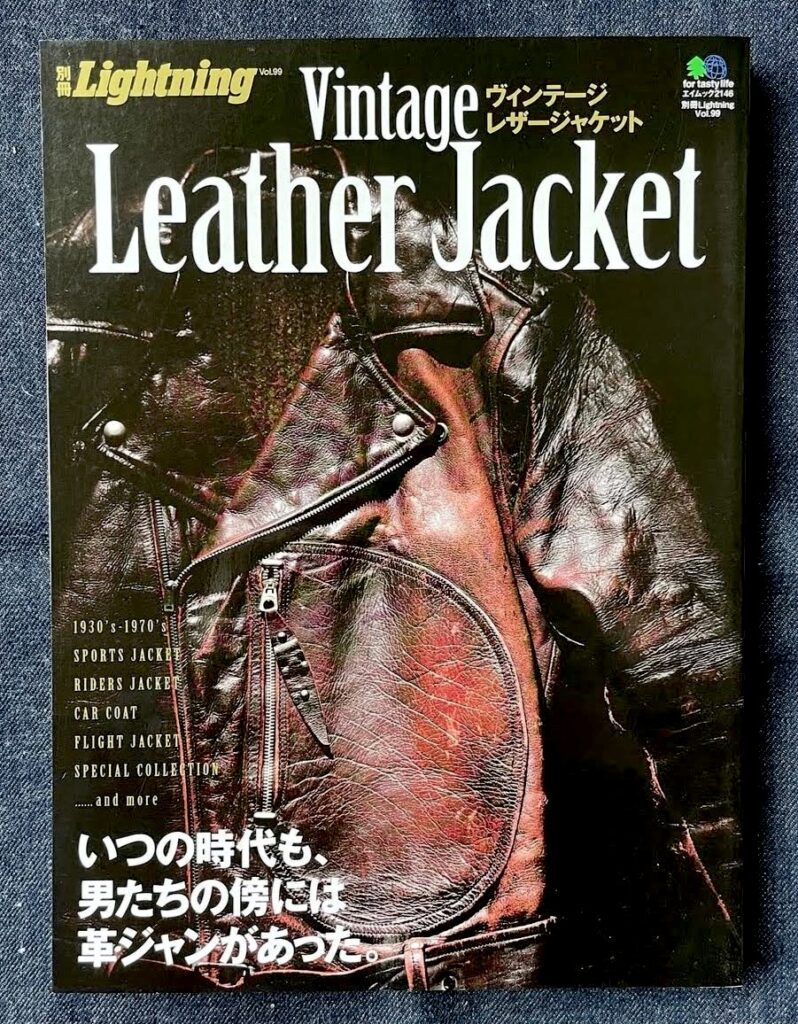
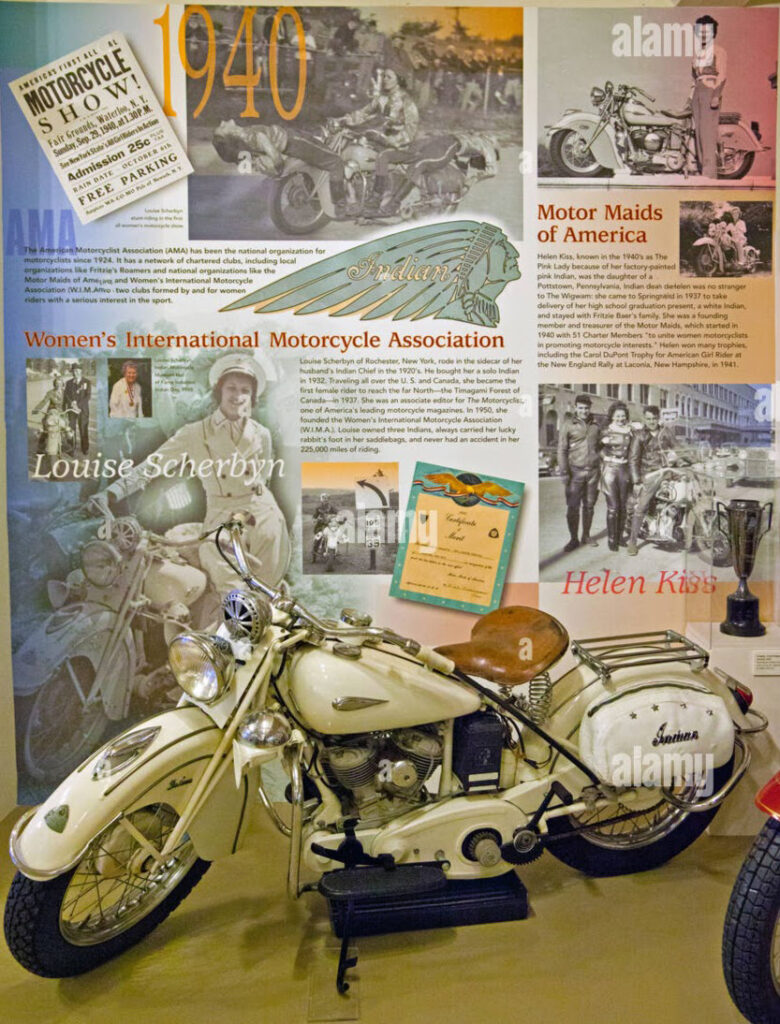
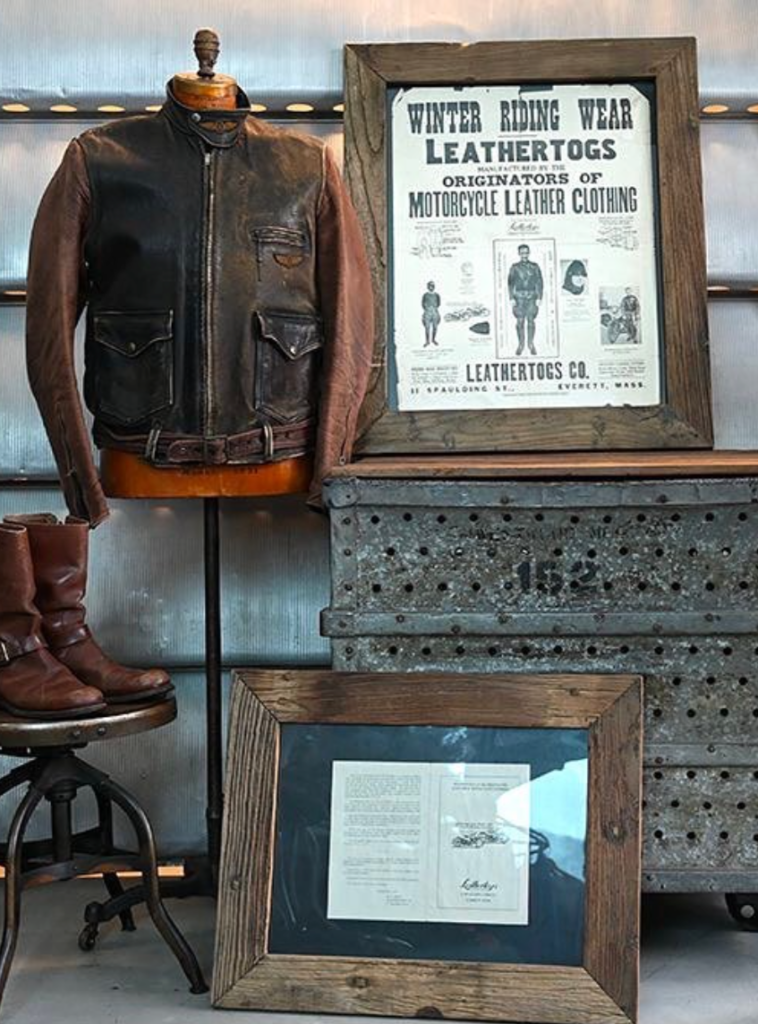
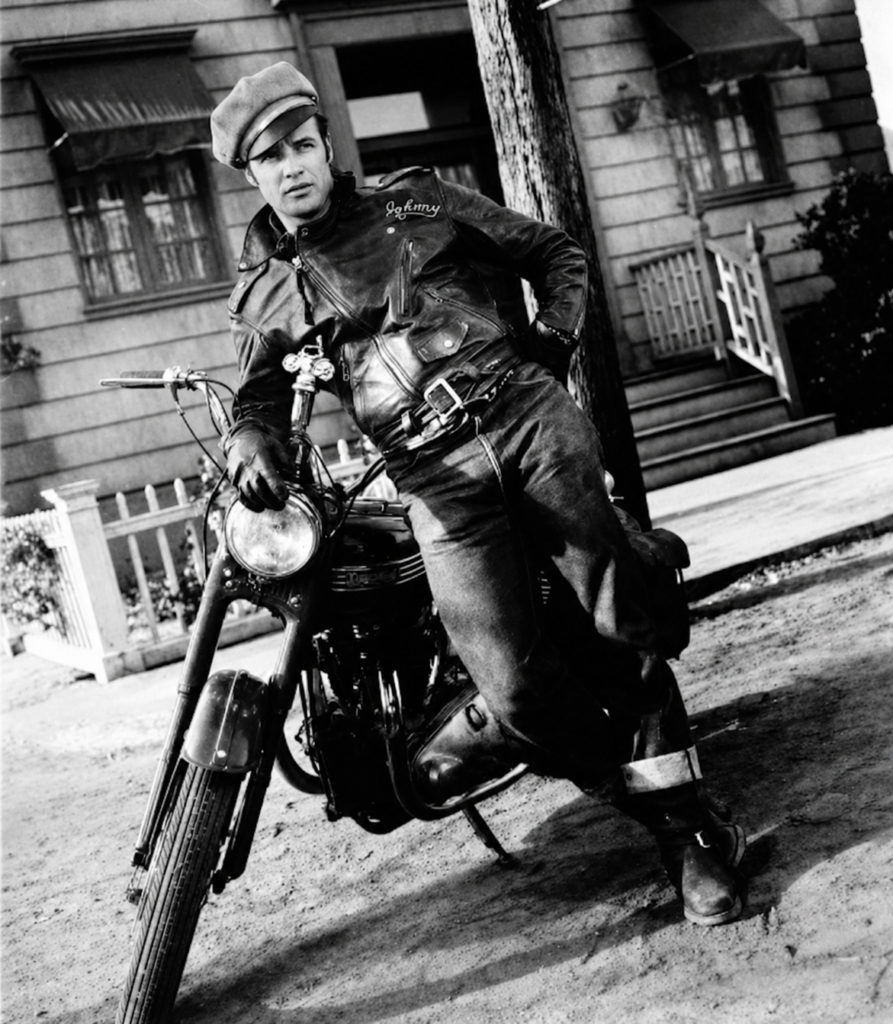
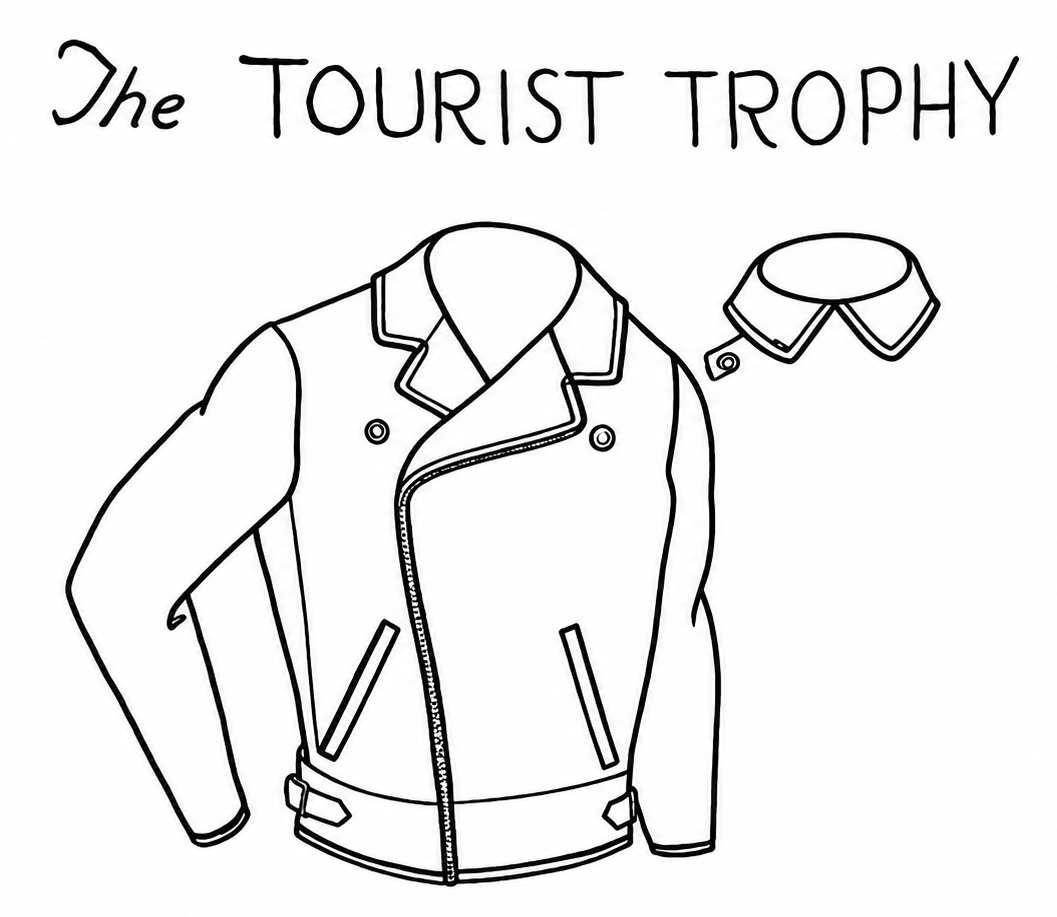
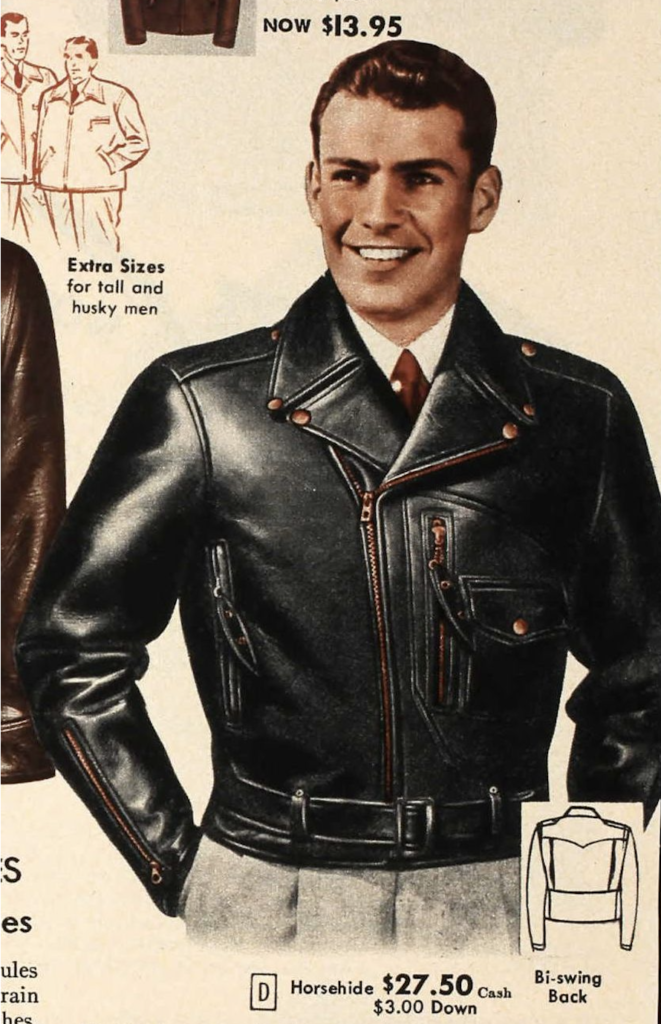
The postwar years ushered in a new generation of leather manufacturers with stronger production capabilities, wider distribution, and aggressive marketing. Brands such as Buco, Harley-Davidson, Beck, Sears, and Montgomery Ward began offering competitively-priced motorcycle-specific jackets and breeches on a much larger scale. These companies filled the market vacuum left by Leathertogs, producing in greater volume and adapting to changing tastes in rider’s apparel. With many soldiers (especially aviators) being issued leather gear during the war, it became more commonplace to see citizens wearing leather on motorcycles, and leather became everyday riding gear, rather than specialist or competition apparel.
Most surviving Leathertogs pieces and period photographs trace back to the late 1930s through the early 1940s—likely the company’s height in both creativity and output. Many riders who once wore Leathertogs had aged out of competition or daily motorcycling by the late 1940s, settling into family life and leaving their once-prized jackets stored away. As time passed, those garments—built for the lean, sporting bodies of their youth—no longer fit, both literally and figuratively, the lives of their owners who had outgrown them.
Read the whole Leathertogs saga in Parts 1-5 of The Lost Empire of Leathertogs.
Related Posts
The Vintagent Classics: Wild Zero
Trash and chaossss!!!
The Vintagent Classics: Death Riders
The best part of the Death Riders…
The Vintagent Classics: Motorcycle Gang
You’ve got a one cylinder mind.