
The Lost Empire of Leathertogs, Part 5
[Written and researched by Riley Ward, edited by Paul d’Orléans]
Clarifying Historical Misconceptions
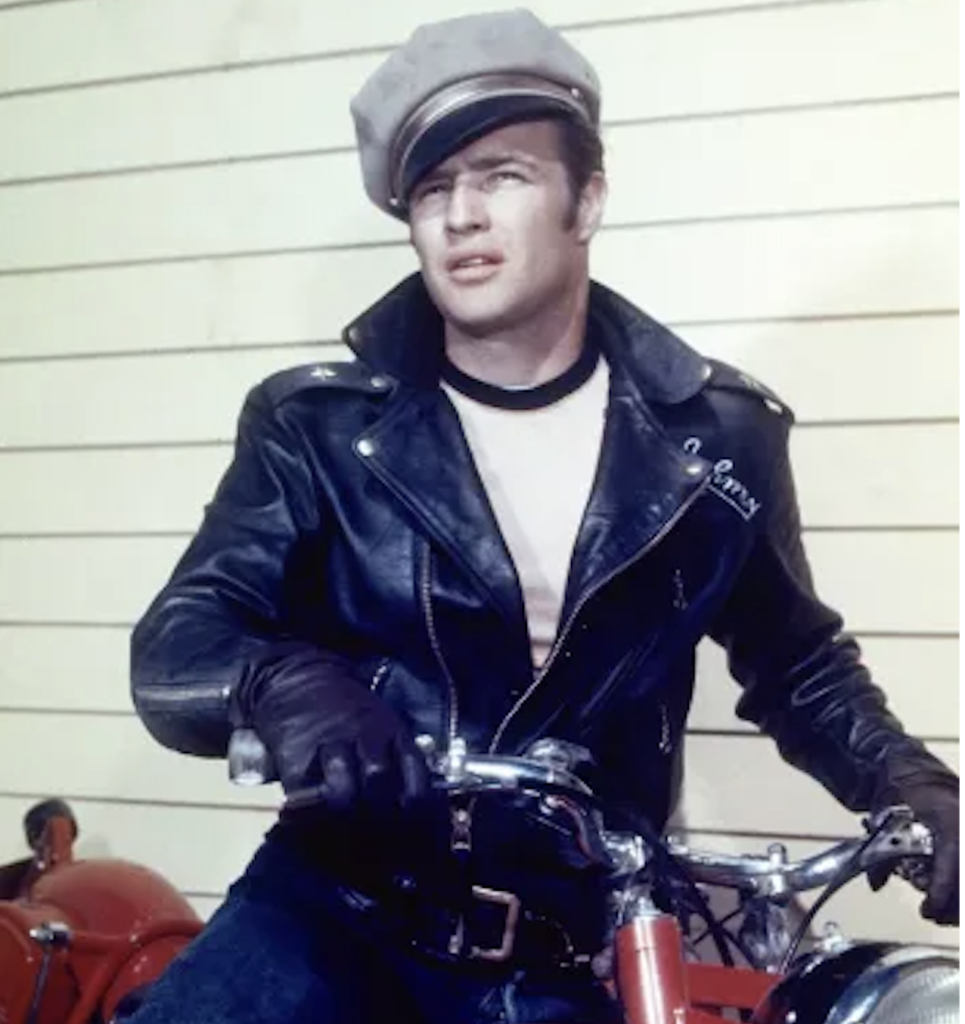
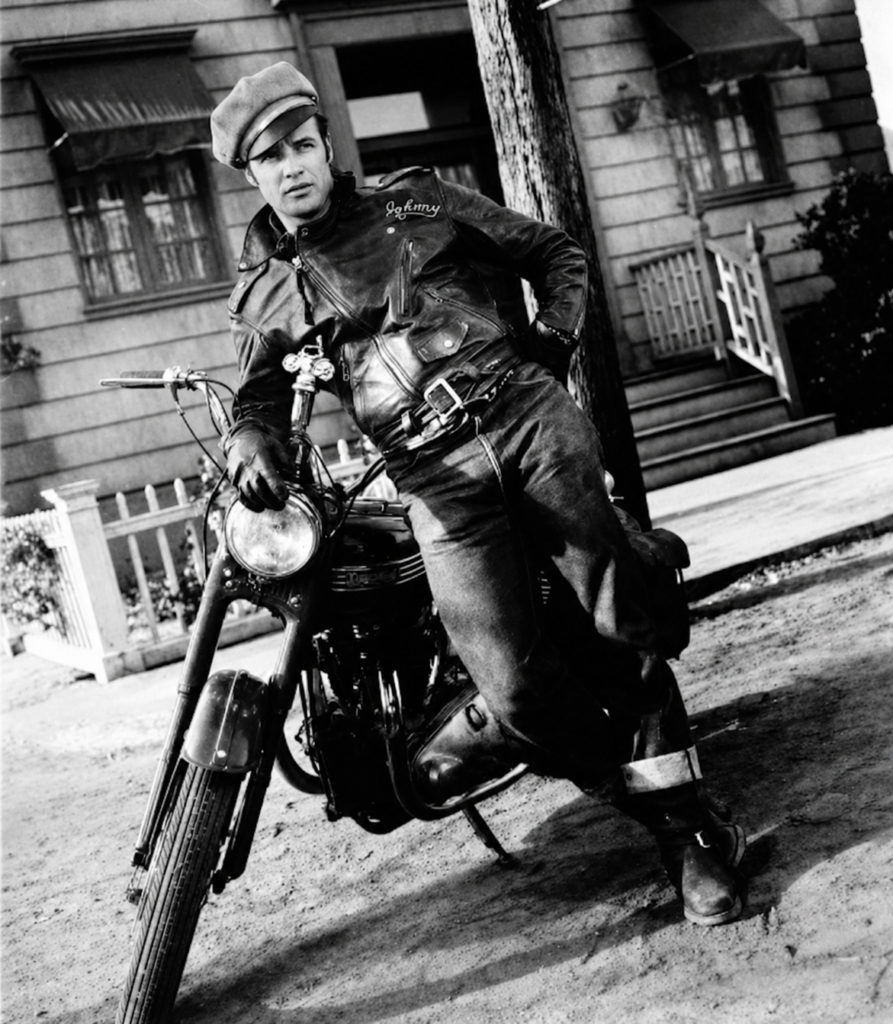
There are plenty of brands that would love to be known as the originators of the biker jacket. Some have famously claimed as much, as well as for famous jackets made iconic in the movies, but turning up actual evidence for such claims has proved problematic. Leather fans and amateur historians have formed different opinions on the matter, which typically contradict what has become the 'official' narrative (ie, 'Schott invented the biker jacket, and provided Marlon Brando's jacket in The Wild One'). With what is essentially crowdsourced research, we seem to be closer to an accurate picture of the history of leather motorcycle gear, and who provided what to whom, though the actual cross-connections between brands has caused considerable confusion.
The Beck connection
Leathertogs lives on...through Sears
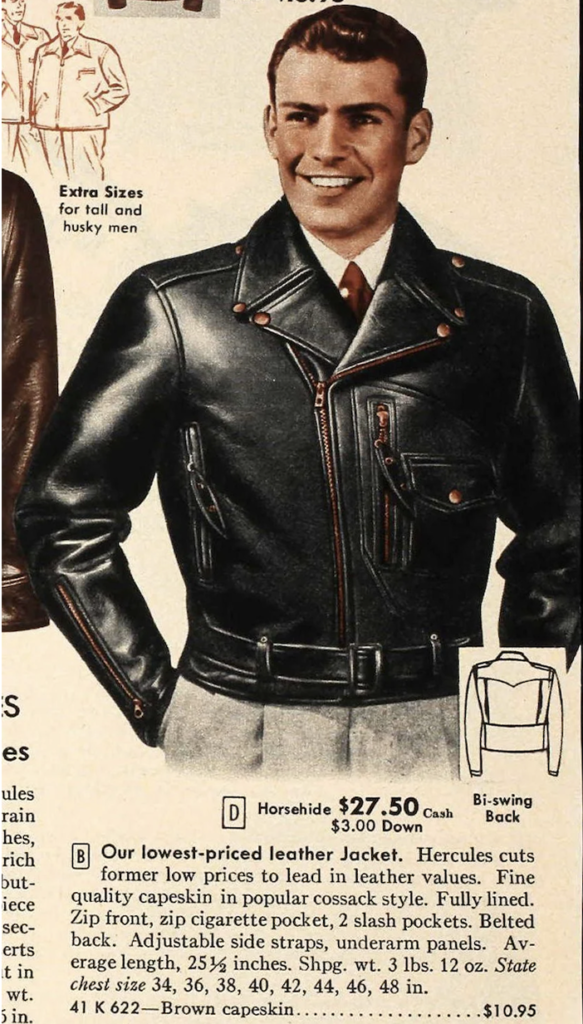
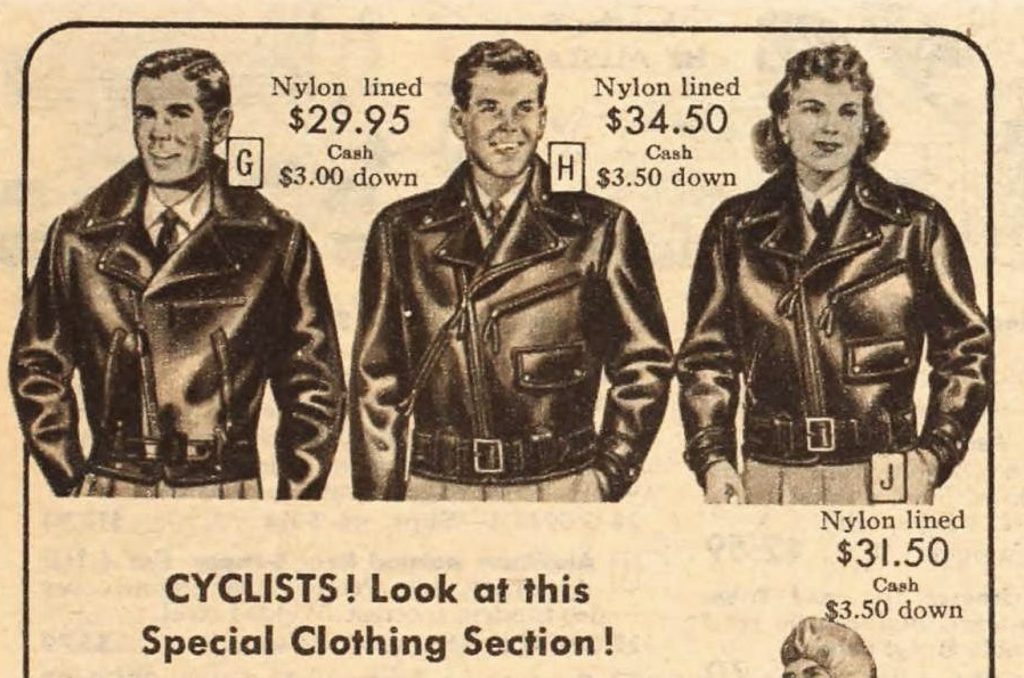
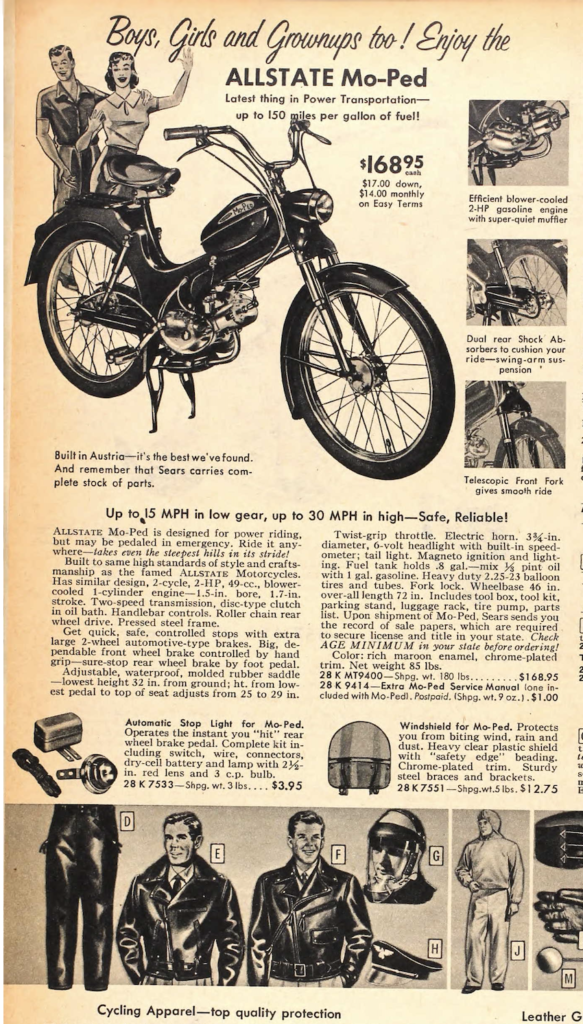
Leathertogs in the Vintage World Today: The Phantom Grails
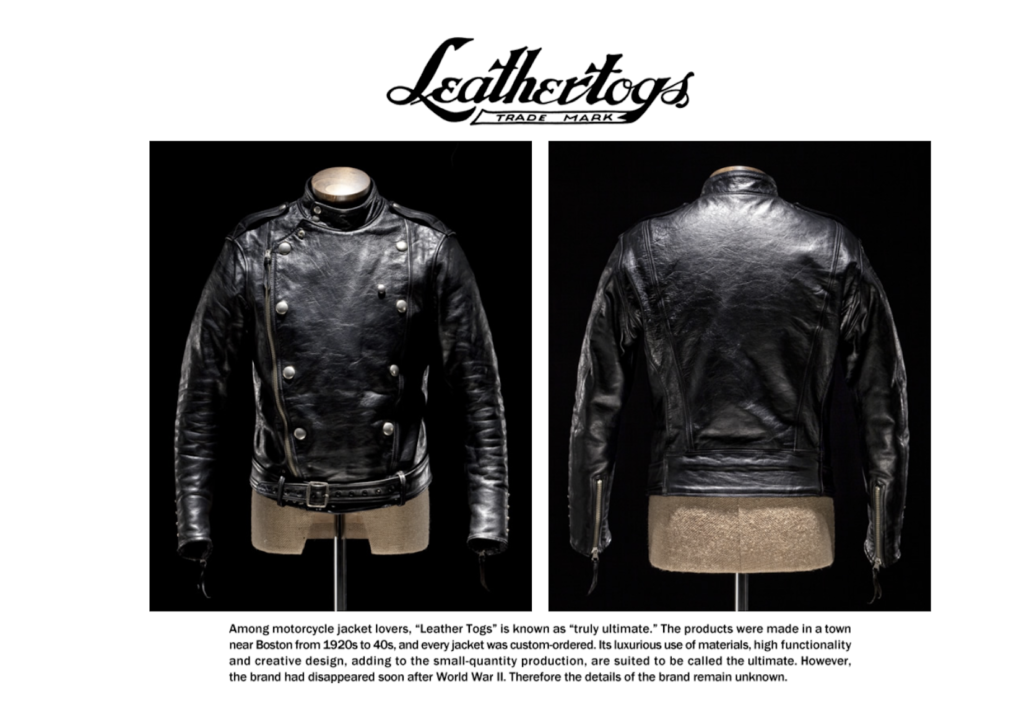
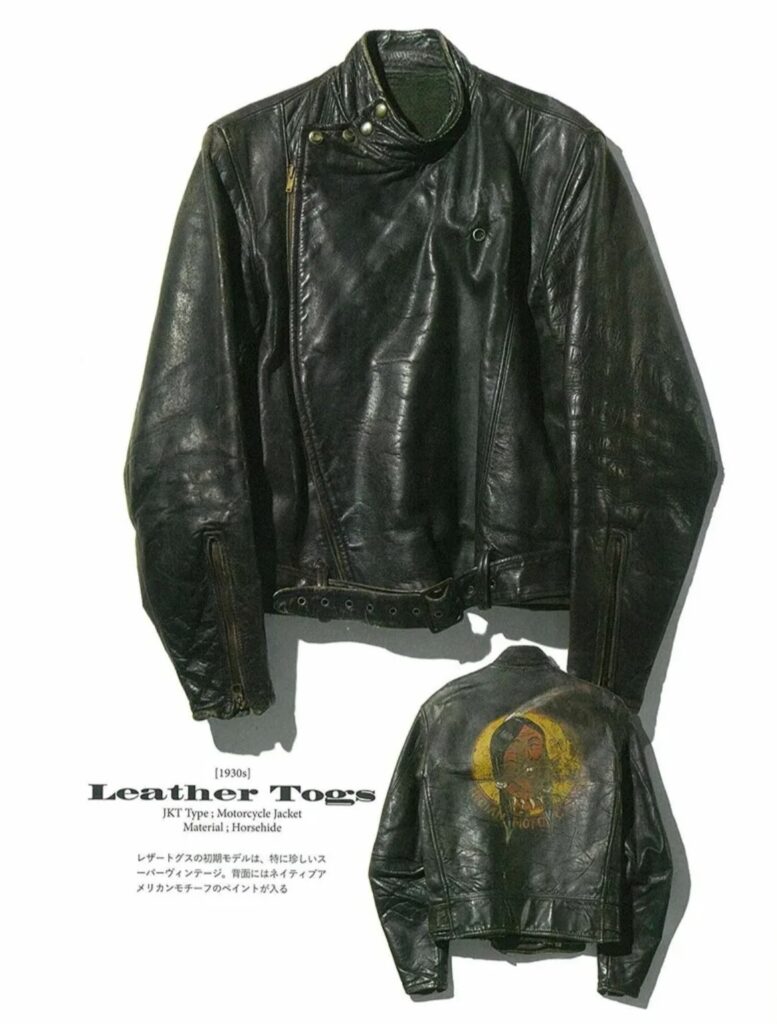
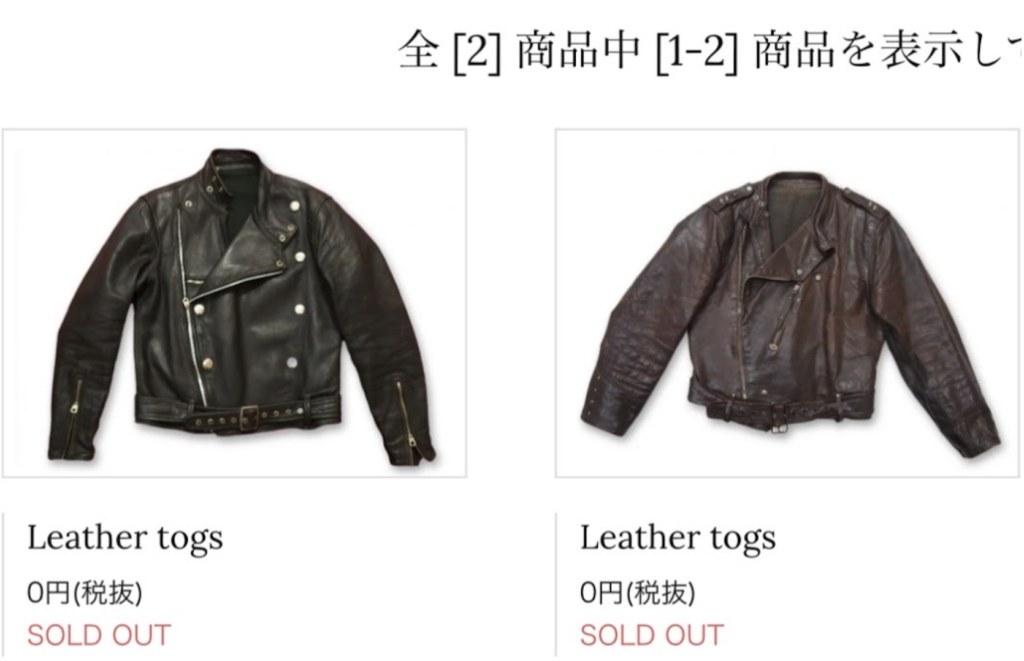
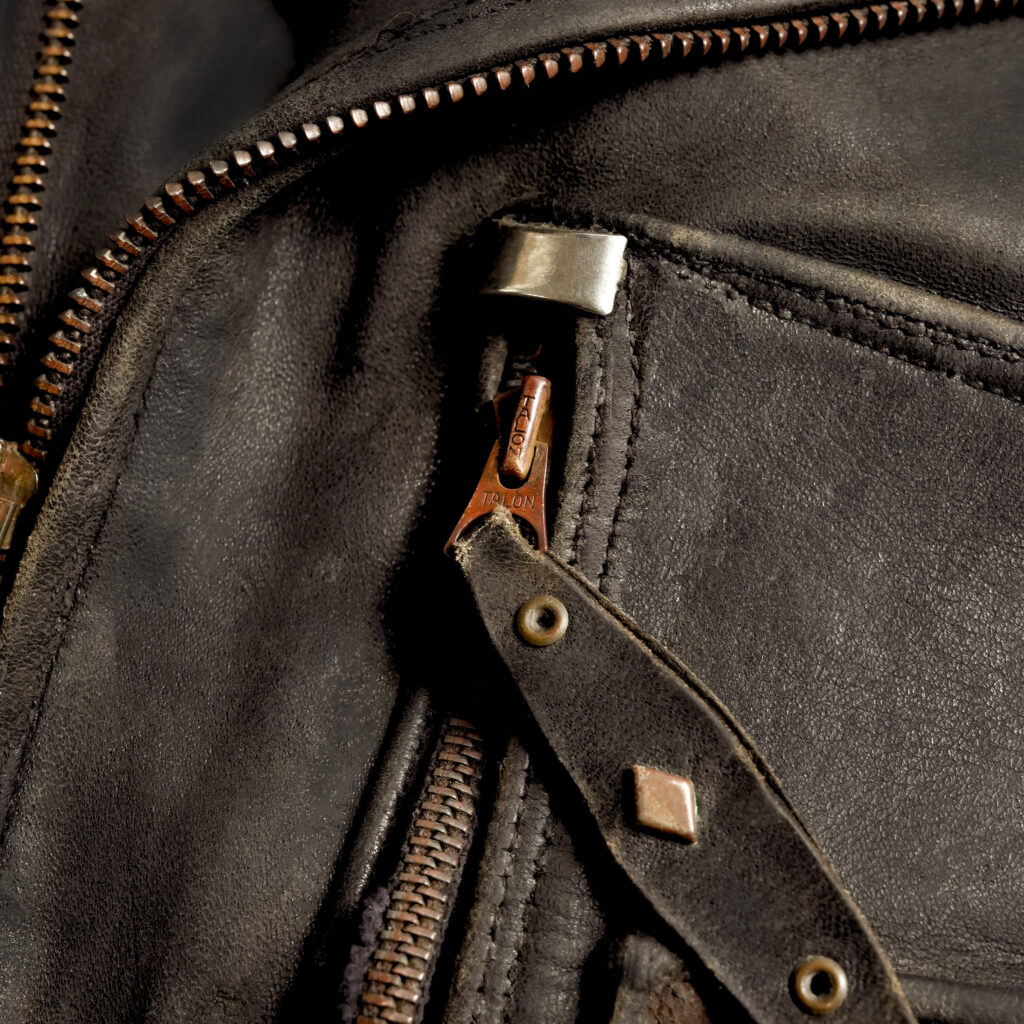
Last Thoughts from the Author
Although this article is now published, I want readers to know that this is still a living, ongoing project. My research into Leathertogs and the legacy of Henry Franklin Shaw continues, and any new, credible information I uncover—or that readers may wish to share—will be added to a master record. My hope is to periodically update the historical record and keep expanding what's known and accessible about this unique and pioneering company and Henry Shaw's life.
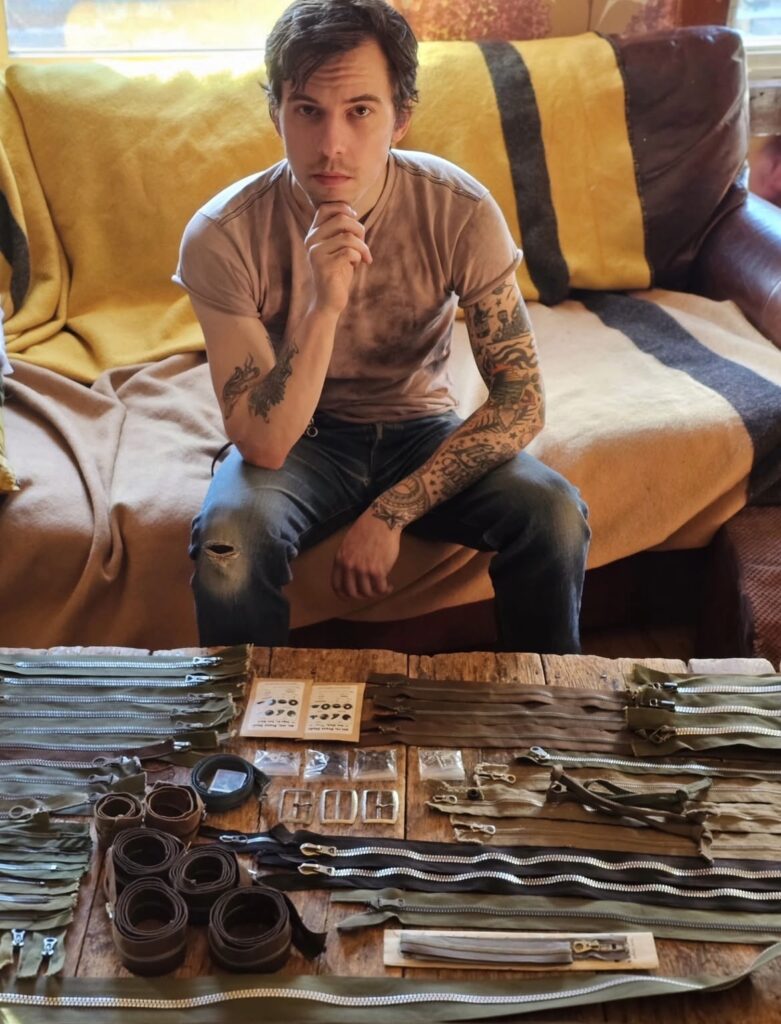
Thank you very much for reading. I hope this work has illuminated the historical importance of
Leathertogs and helped you come to admire Henry Shaw as I do—for his innovation, creativity,
and enduring craftsmanship.
Warmly,
Riley Ward
Acknowledgments
I would like to thank everyone who inspired and helped along the way, including David Himel of Himel Bros. Leather (himelbros.com), author Rin Tanaka (myfreedamn.com), Jonathan Evenchen (@vintageleatherjawn on Instagram), Stuart Clurman of Lost Worlds NYC (lostworldsinc.com), Johnny (@us.blues on Instagram), and many others who generously shared knowledge, photographs, and pieces from their private collections. I am also deeply grateful to my dear friend MJ Quinn, who contributed to the research of Henry Shaw’s life and background.
A very special thank you goes to Henry’s living granddaughter, Kerry, who warmly and graciously shared personal stories about her grandfather, as well as never-before-seen photographs of Henry, his wife Helen, their son Elwin, and daughter Dorothy.
Read the whole Leathertogs saga in Parts 1-5 of The Lost Empire of Leathertogs.

The Lost Empire of Leathertogs, Part 4
[Written and researched by Riley Ward, edited by Paul d’Orléans]
The Leathertogs Legacy
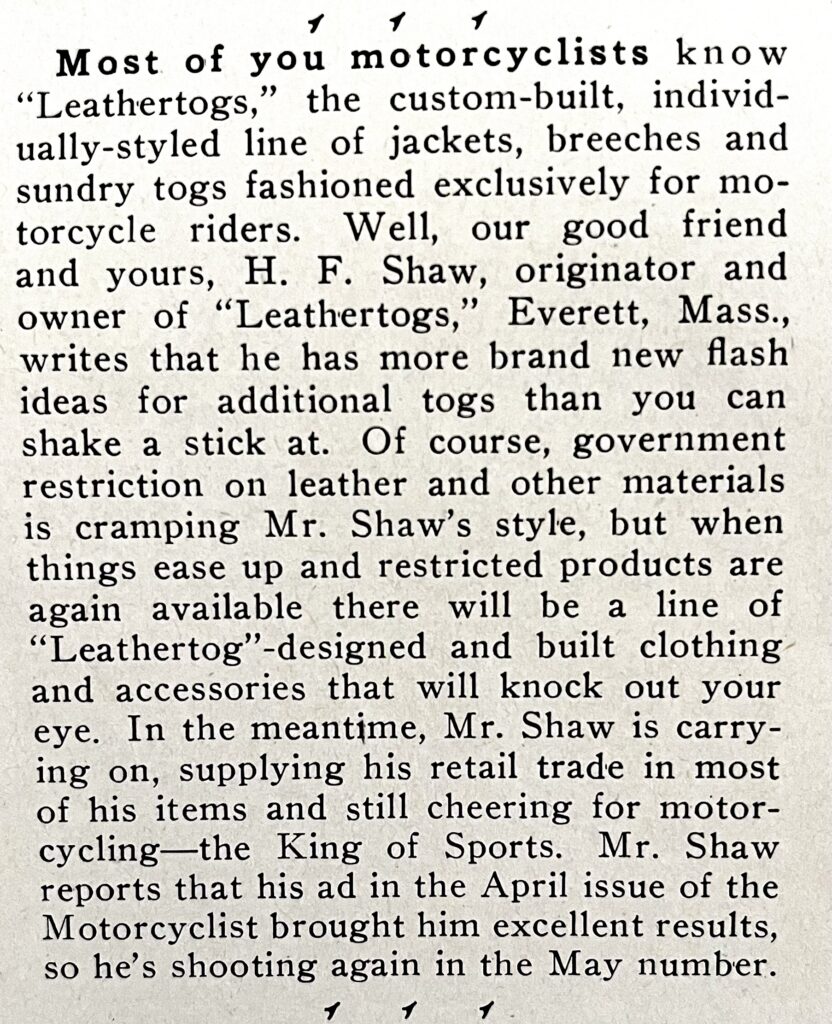
During World War II, restrictions on certain materials were imposed by the U.S. government, in support of the hundreds of thousands of soldiers needing clothing, equipment, and weaponry. Materials shortages strained operations for many small civilian-oriented manufacturers, and Leathertogs was no exception.
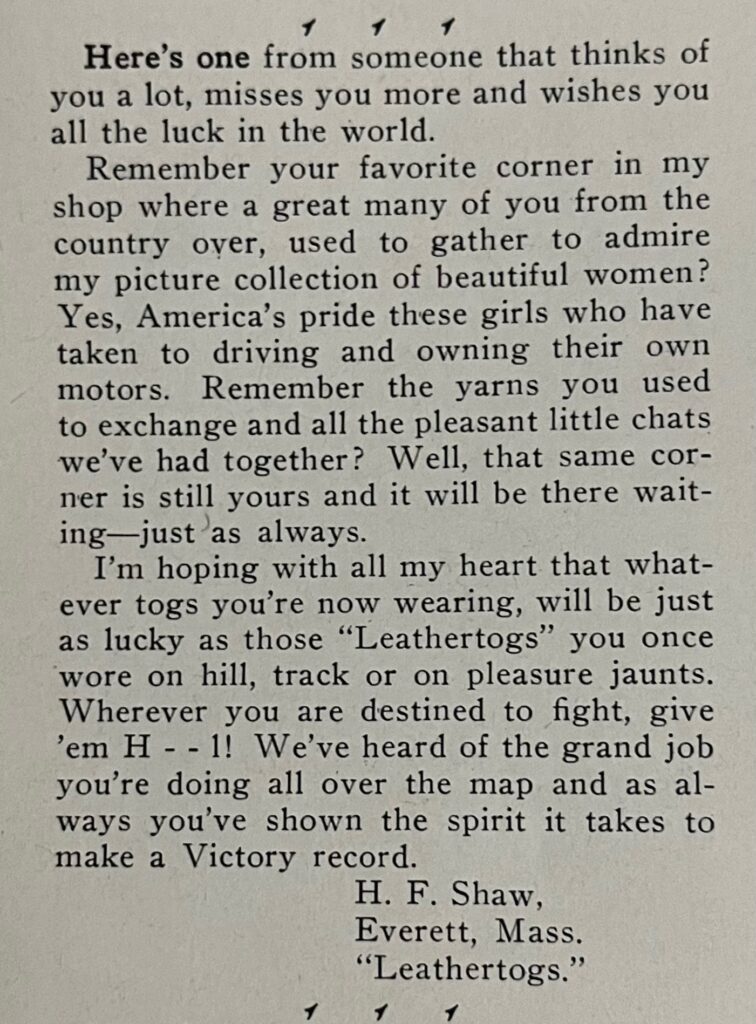
“Of course, government restriction on leather and other materials is cramping Mr. Shaw’s style, but when things ease up… there will be a line of ‘Leathertogs’-designed and built clothing and accessories that will knock out your eye.”
The End of an Era: Henry Shaw’s Passing
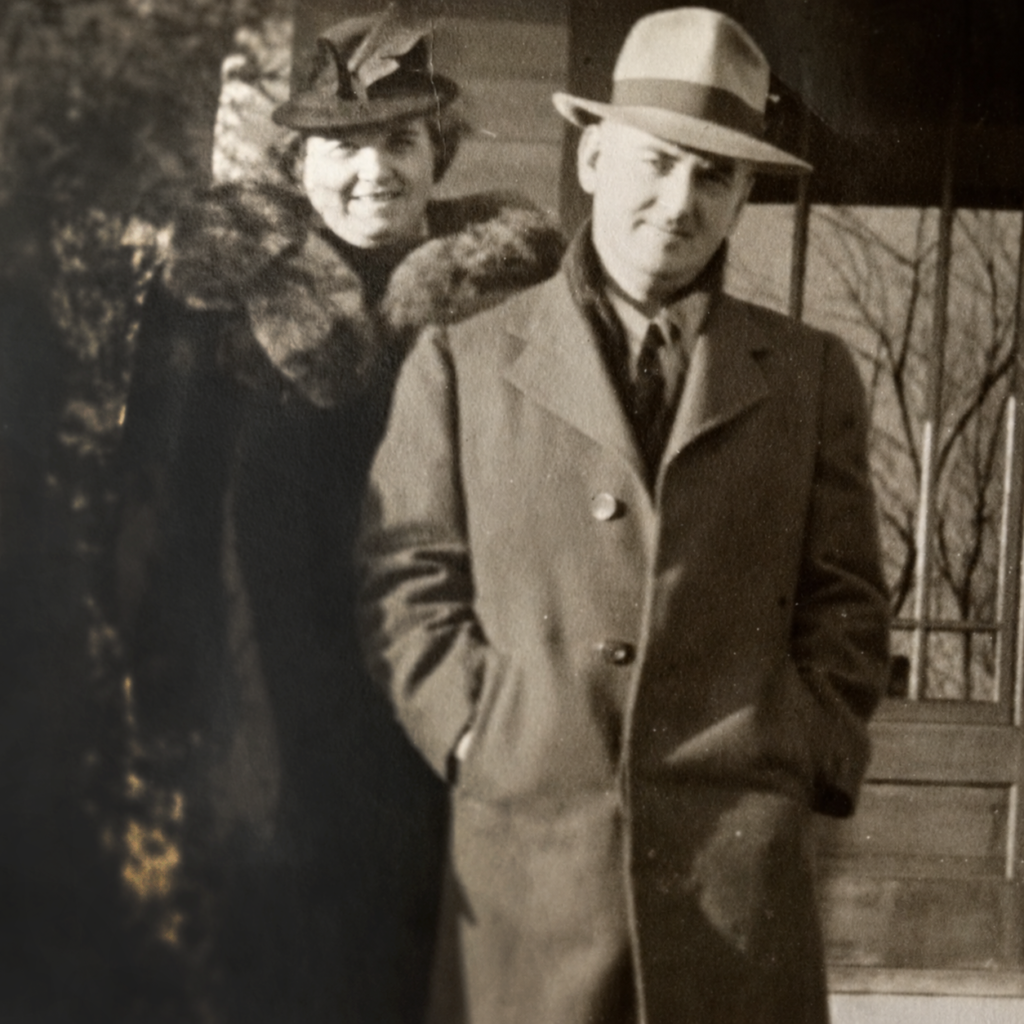
The sudden death of H.F. Shaw, Everett, Massachusetts, on February first has taken from our ranks another of the grand old men of motorcycling - though H.F. wasn't really old in years, only 56 years of age, and in his heart he was as young as the newest rider.
Mr. Shaw was best known to the motorcycle fraternity as manufacturer of the famous brand of "Leathertogs" cycle clothing and as the man in his community who was the friend and confidant of every motorcycle rider, old or young, boy or girl. His heart was great. His spirit bright. He suffered serious business reversed during his career of manufacturing, yet he never broke or soured under hi adversities.
Those whose privilege it was to be his close friends best know the indomitable spirit of this fine man, his charitable heart, happy temperament and his keen interest in everything that pertained to the realm of motorcycling.
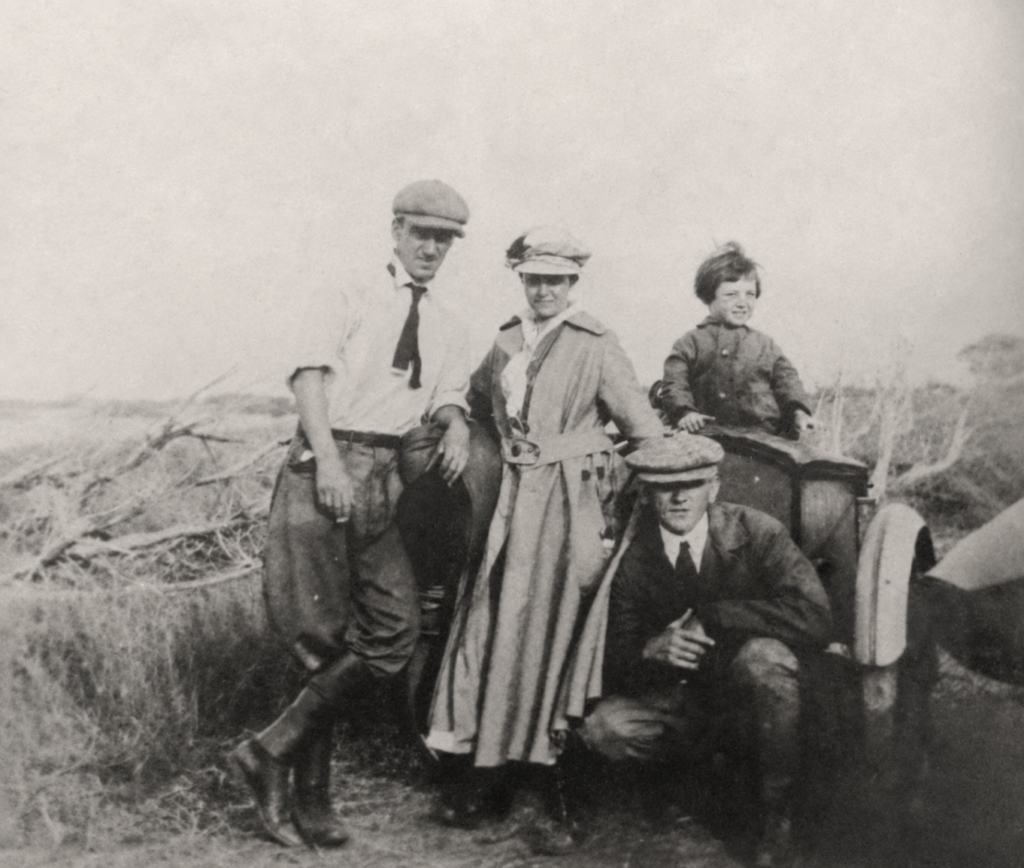
With Henry’s death, Leathertogs ceased operations. The fate of the factory, equipment, and materials remains unknown. Following the closure, Henry's son Elwin embarked on a career as a magician and 'pick-pocket specialist' entertainer, performing for servicemen and police audiences; he died in 1966. Dorothy pursued careers in nursing and aviation, eventually settling in Denton, Texas, to raise a family. Henry's wife Helen passed away a few years after him, though the exact date remains unknown.
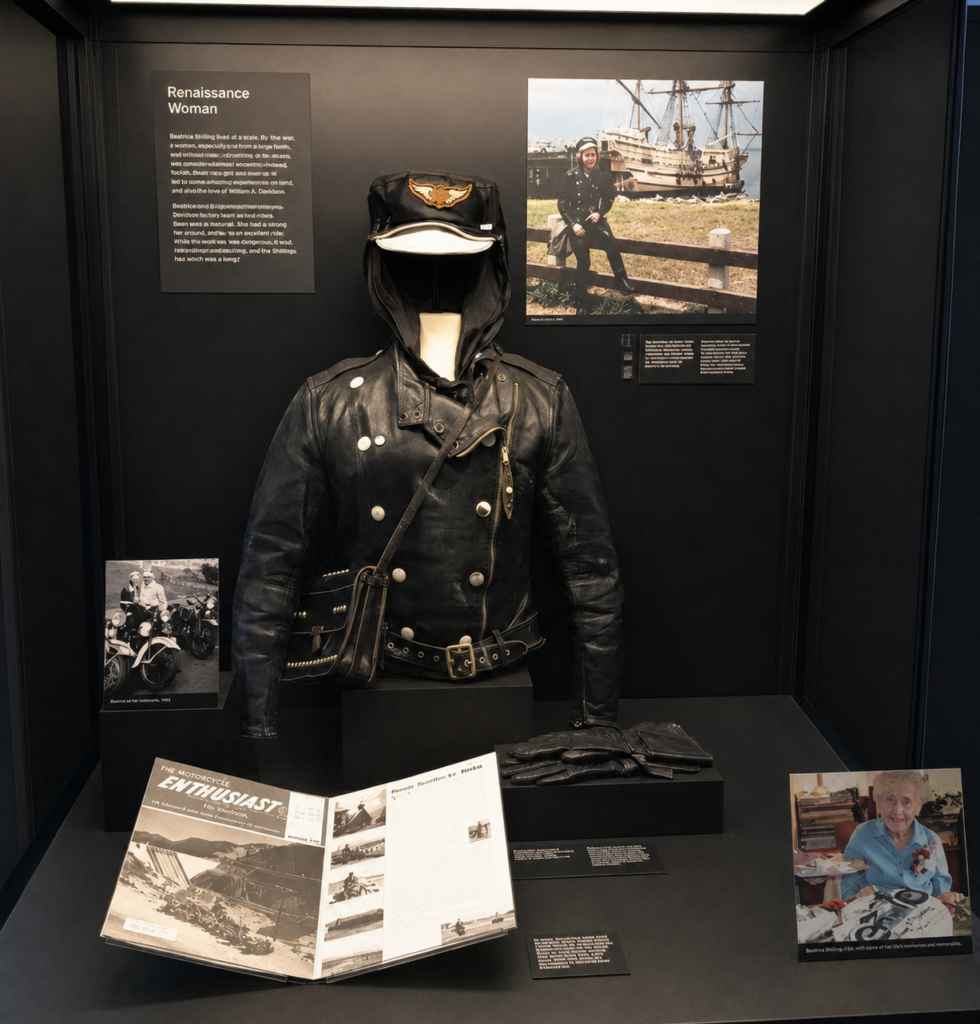
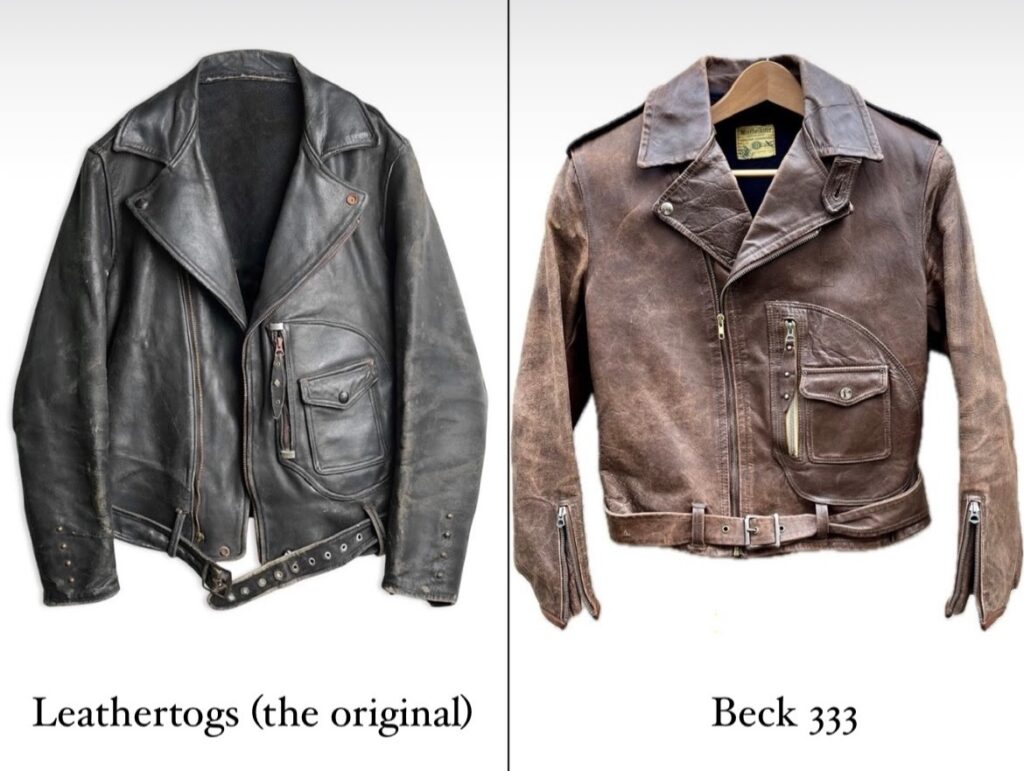
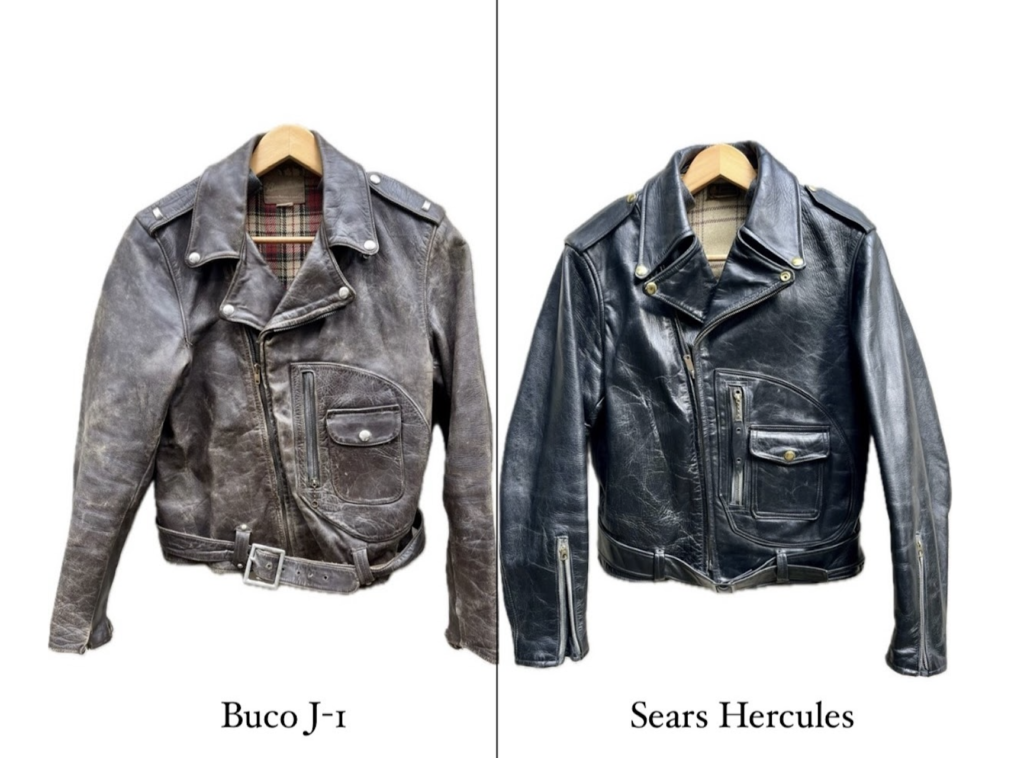
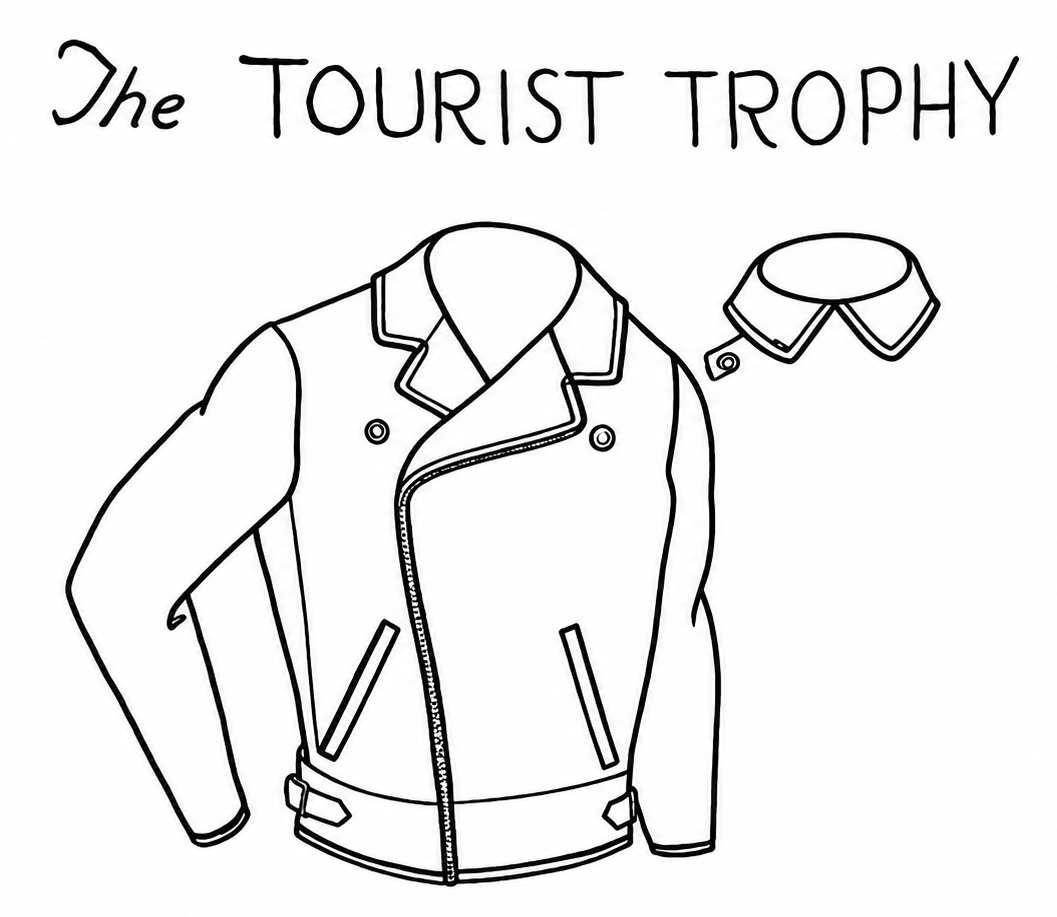
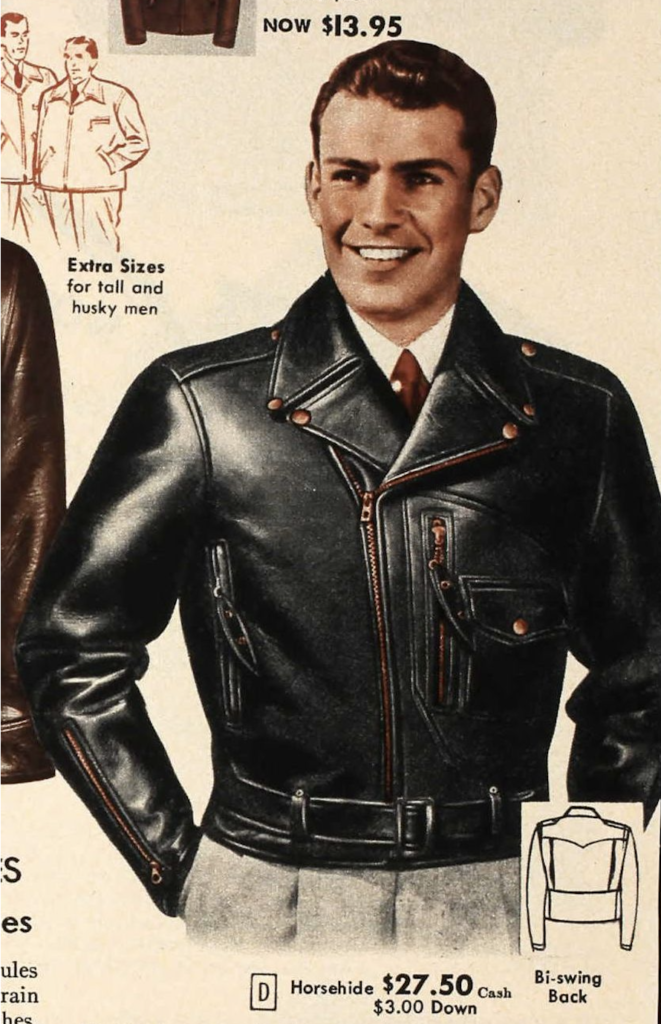
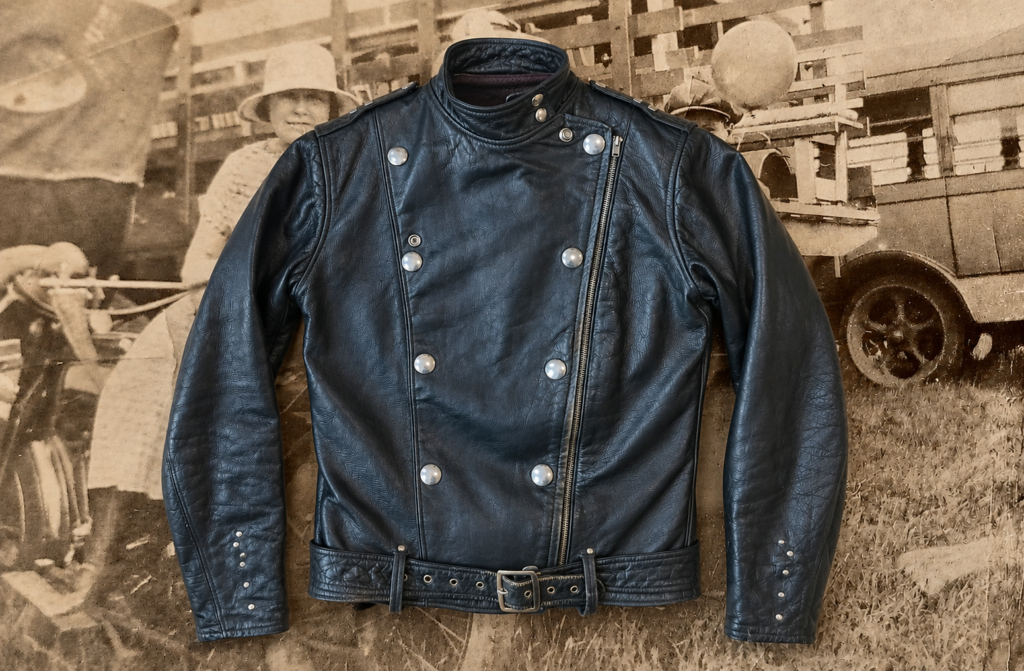
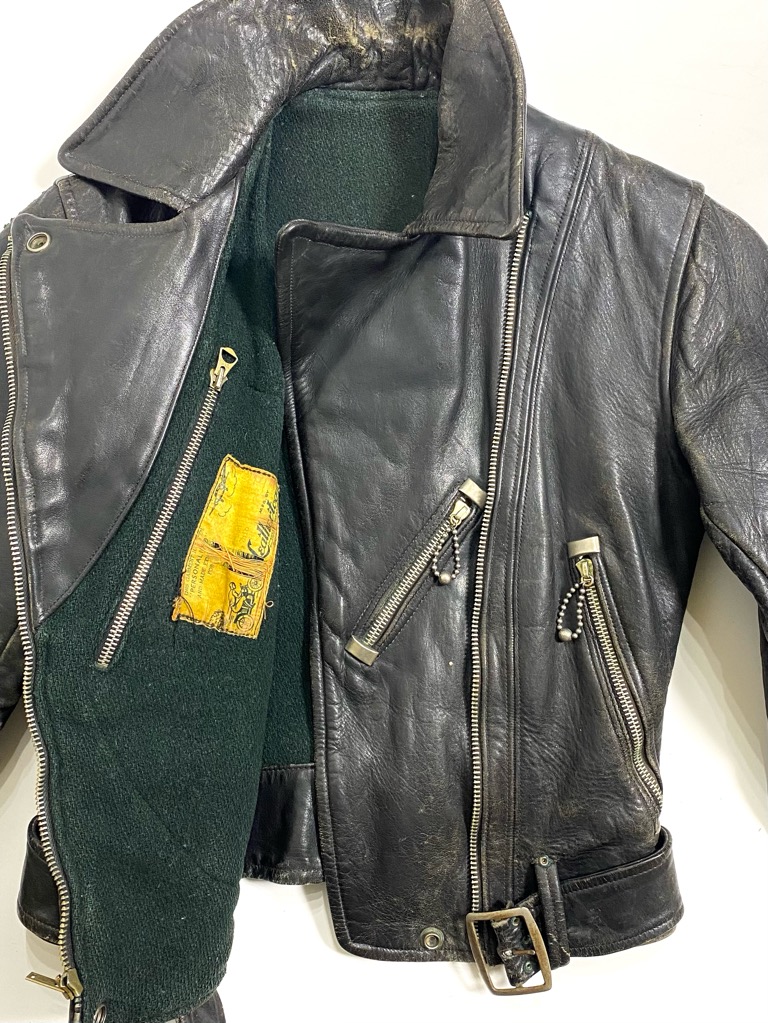
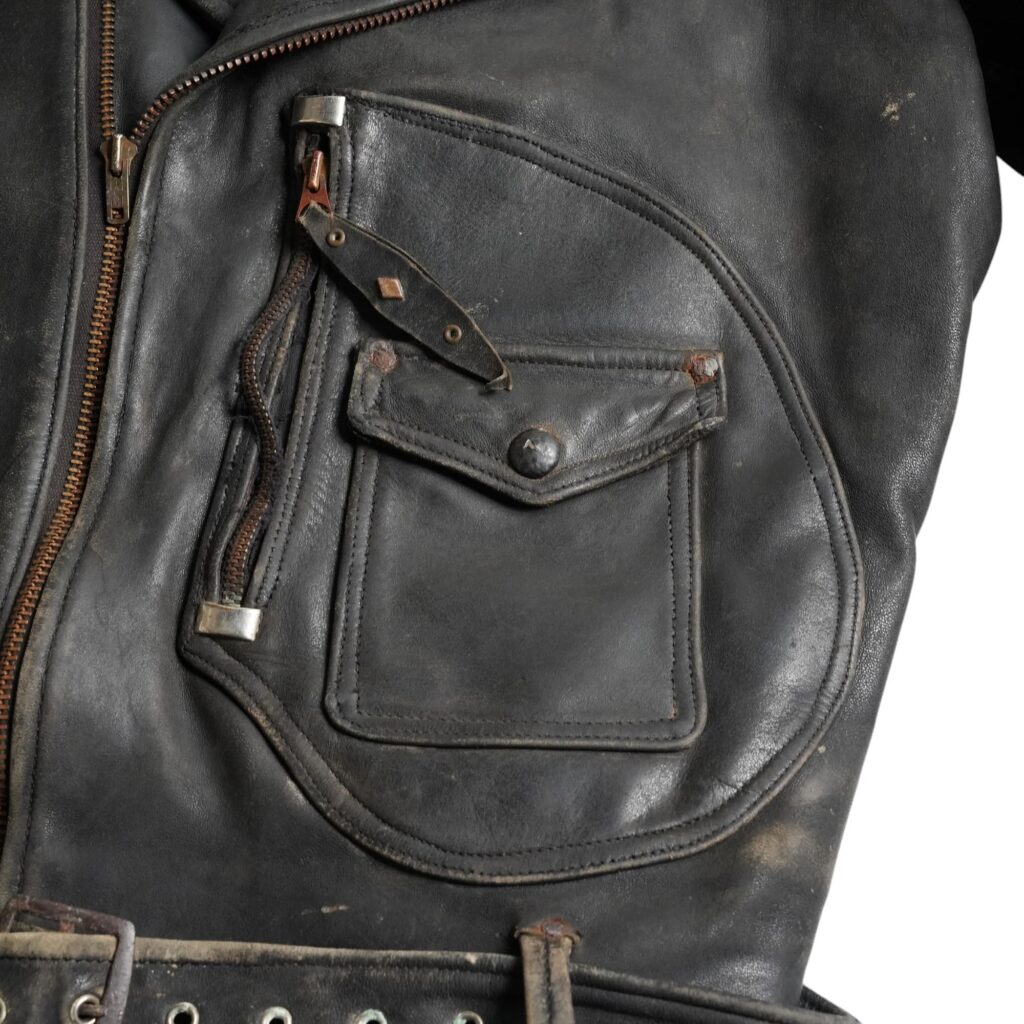
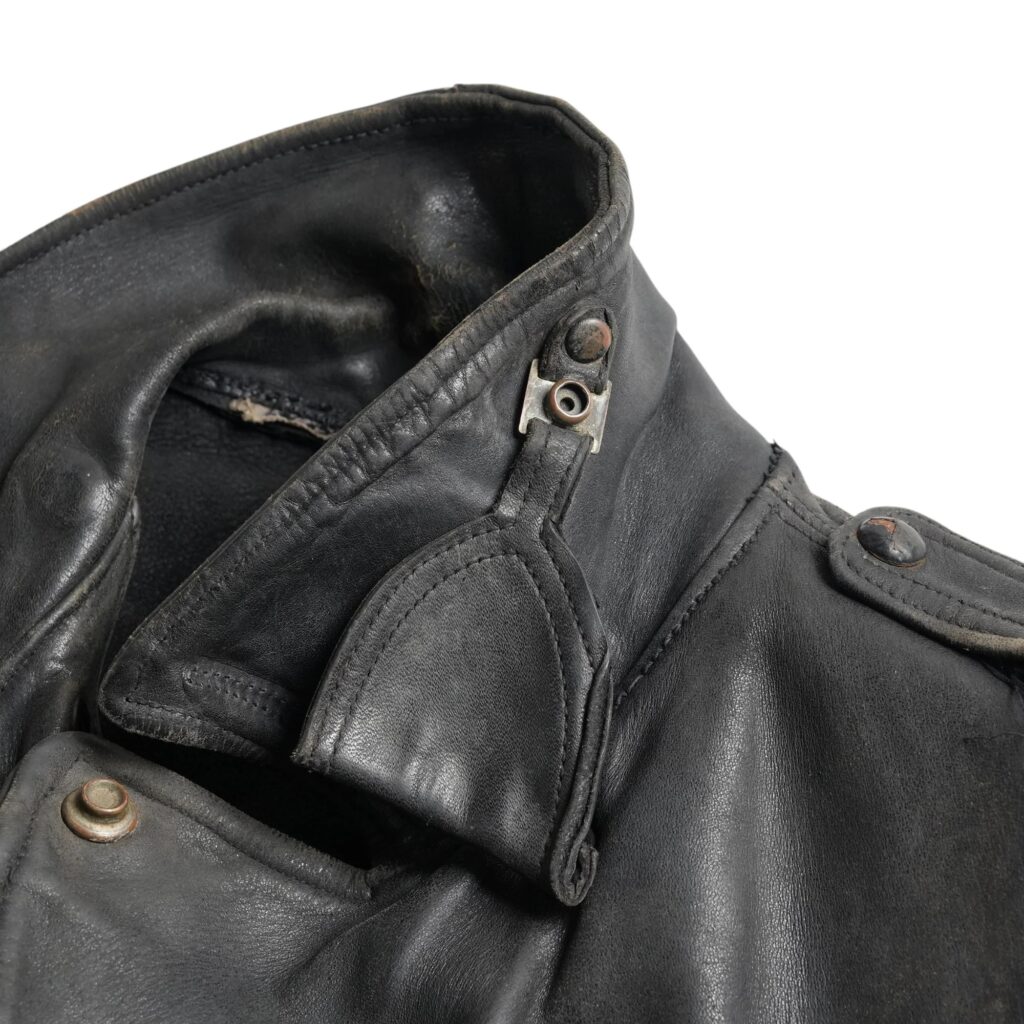
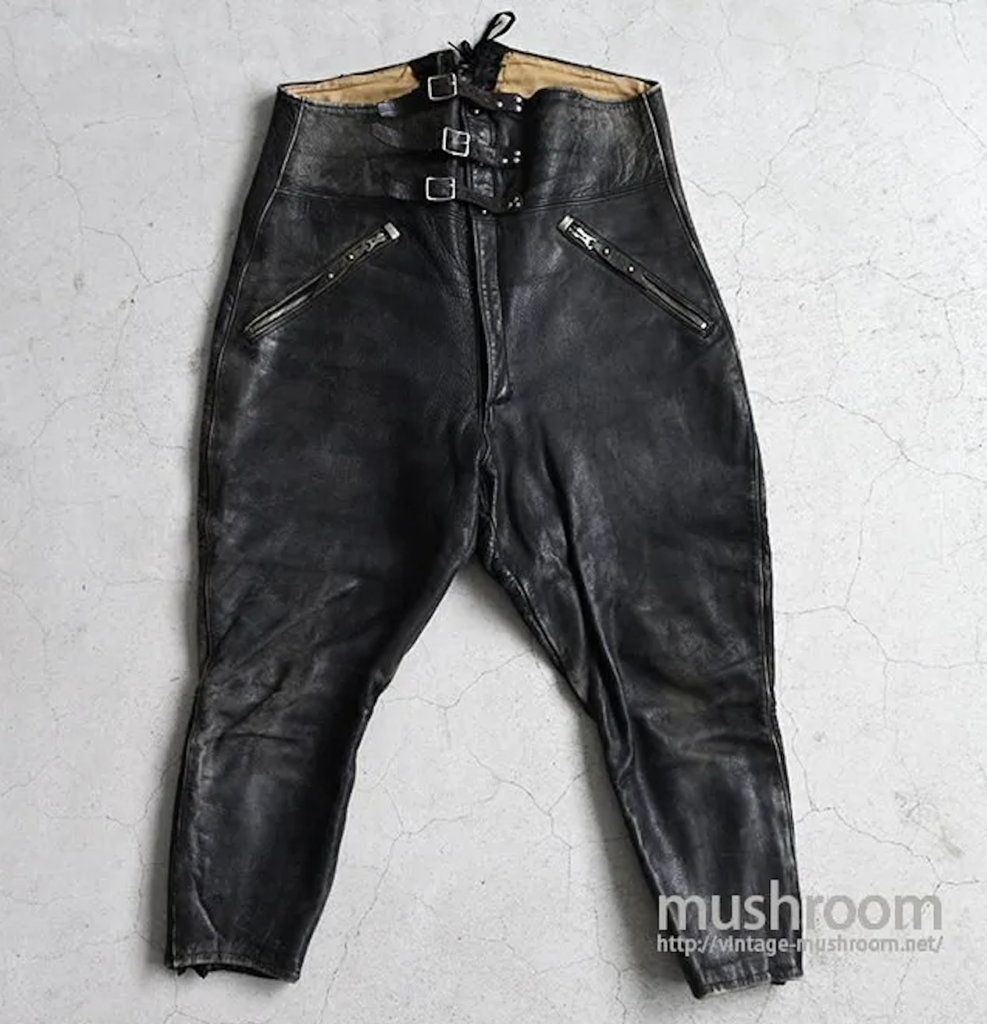
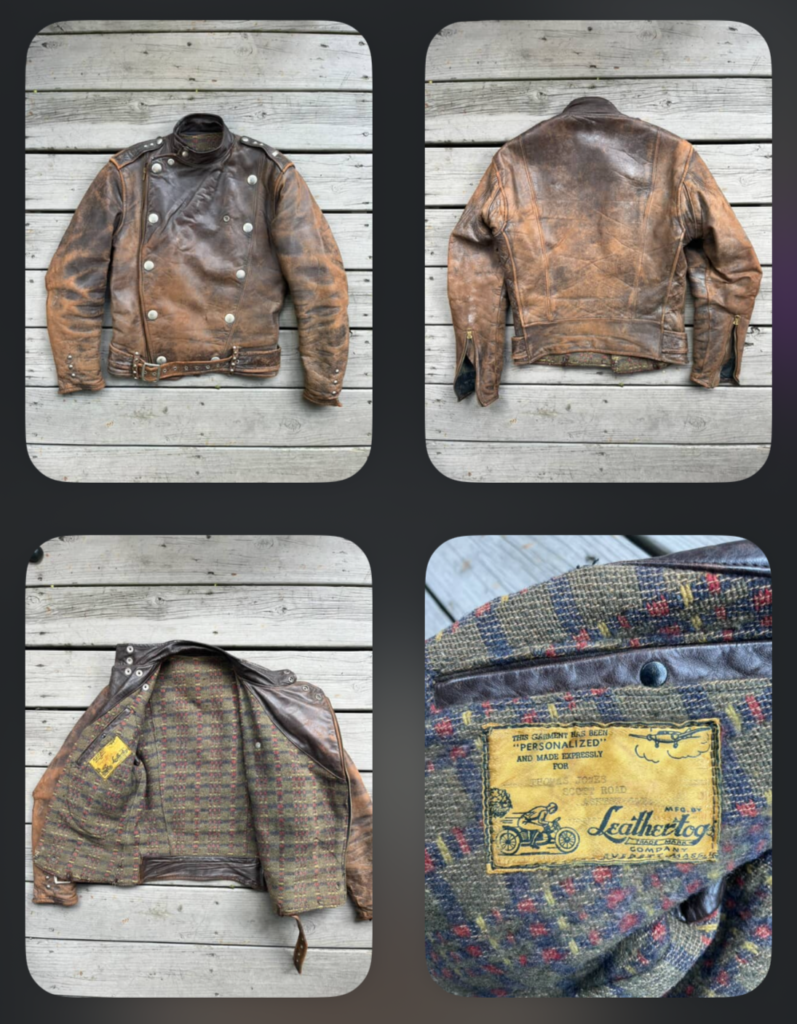
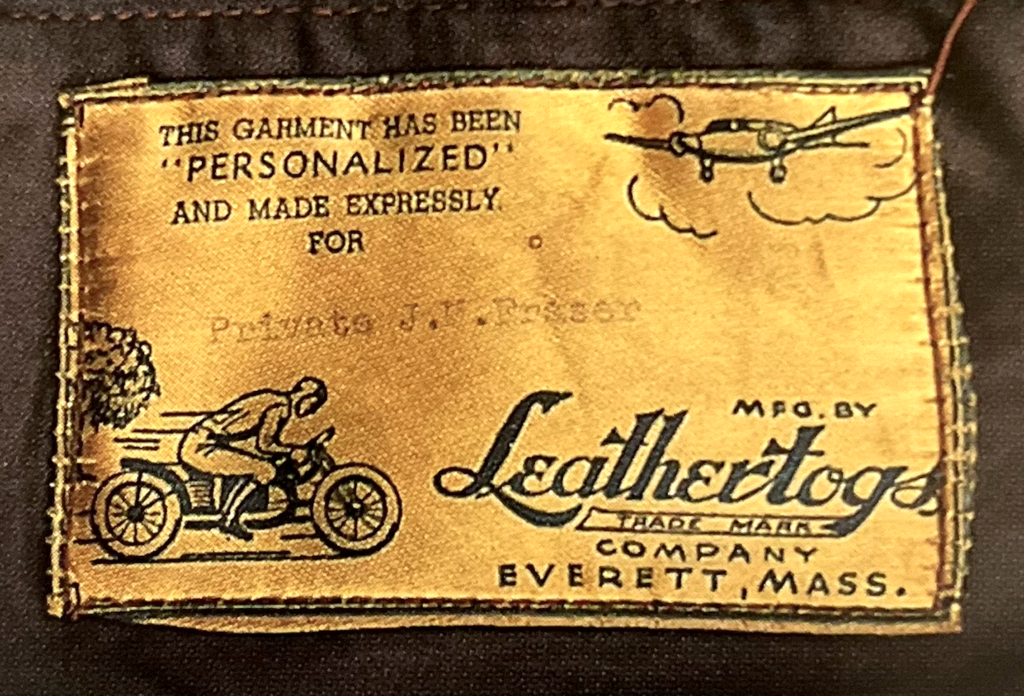
Leathertogs is remembered today as a premier innovator in motorcycle apparel, blending practical design with rugged style. Surviving examples are considered 'holy grails' among collectors and enthusiasts. Their iconic design, custom labels, snap fasteners and hardware, and high-grade horsehide distinguish these pieces, drive collectors crazy with curiosity, and have inspired many more recent replicas from various manufacturers.
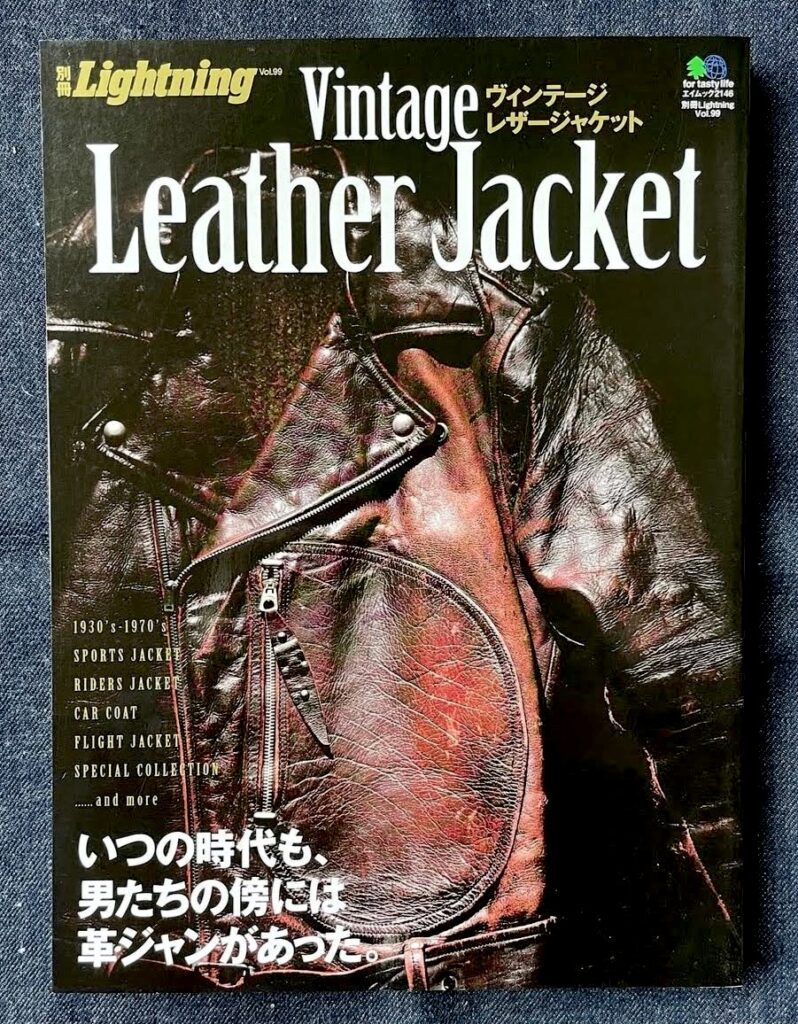
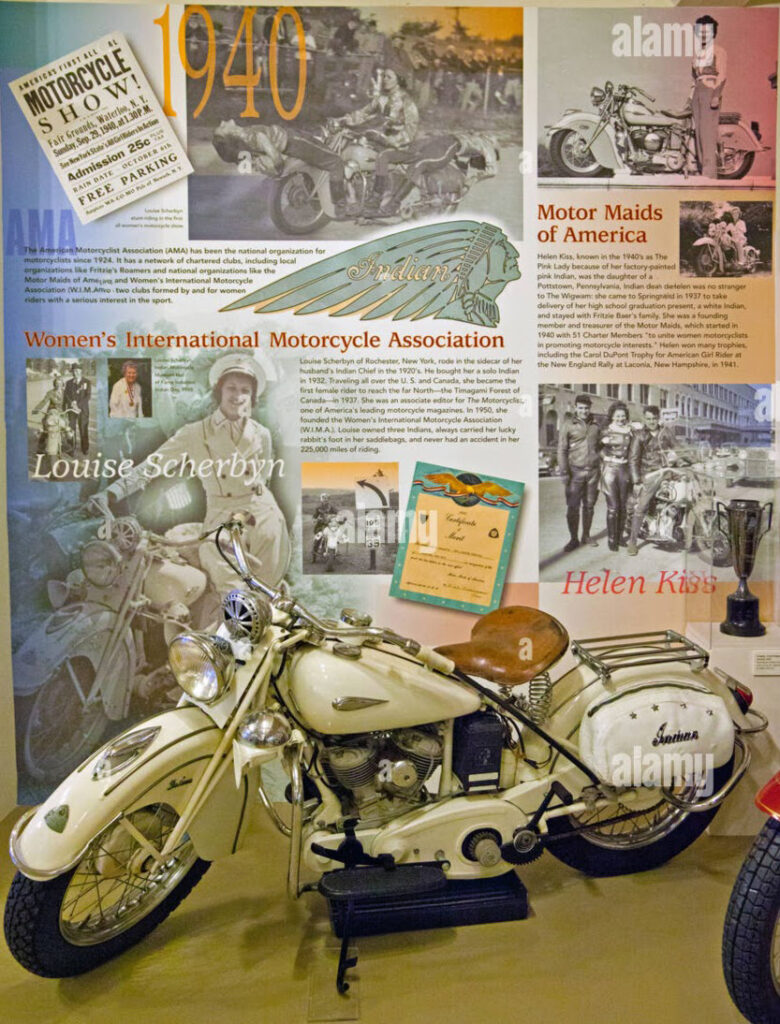
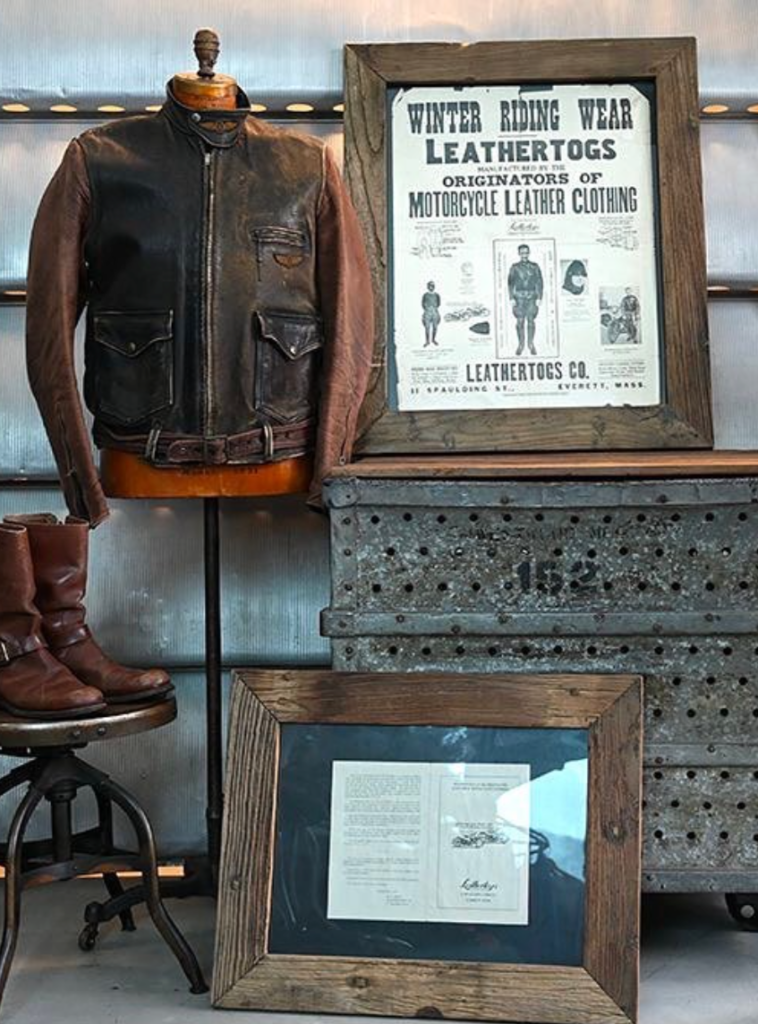
The postwar years ushered in a new generation of leather manufacturers with stronger production capabilities, wider distribution, and aggressive marketing. Brands such as Buco, Harley-Davidson, Beck, Sears, and Montgomery Ward began offering competitively-priced motorcycle-specific jackets and breeches on a much larger scale. These companies filled the market vacuum left by Leathertogs, producing in greater volume and adapting to changing tastes in rider's apparel. With many soldiers (especially aviators) being issued leather gear during the war, it became more commonplace to see citizens wearing leather on motorcycles, and leather became everyday riding gear, rather than specialist or competition apparel.
Most surviving Leathertogs pieces and period photographs trace back to the late 1930s through the early 1940s—likely the company’s height in both creativity and output. Many riders who once wore Leathertogs had aged out of competition or daily motorcycling by the late 1940s, settling into family life and leaving their once-prized jackets stored away. As time passed, those garments—built for the lean, sporting bodies of their youth—no longer fit, both literally and figuratively, the lives of their owners who had outgrown them.
Read the whole Leathertogs saga in Parts 1-5 of The Lost Empire of Leathertogs.
The Lost Empire of Leathertogs, Part 3
[Written and researched by Riley Ward, edited by Paul d’Orléans]
Who Wore Leathertogs
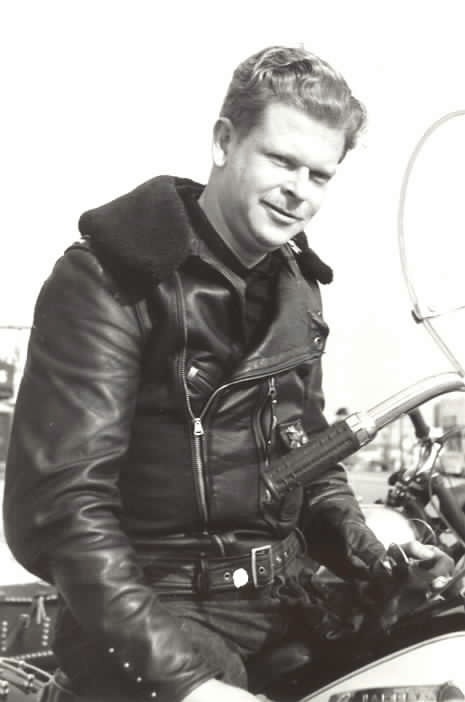
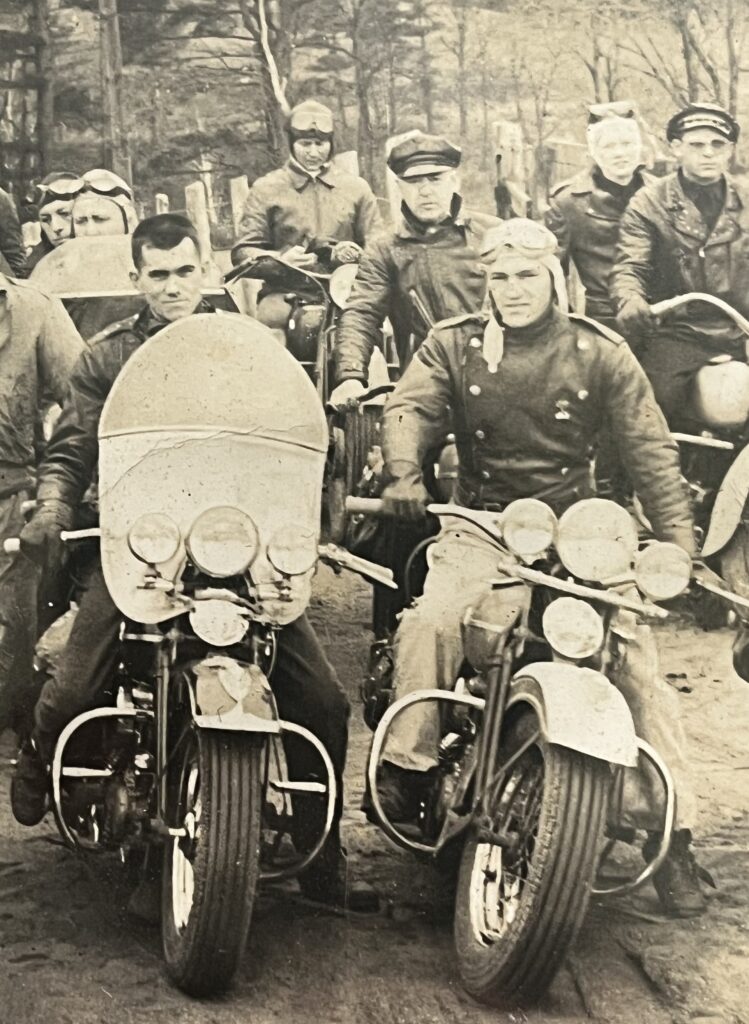
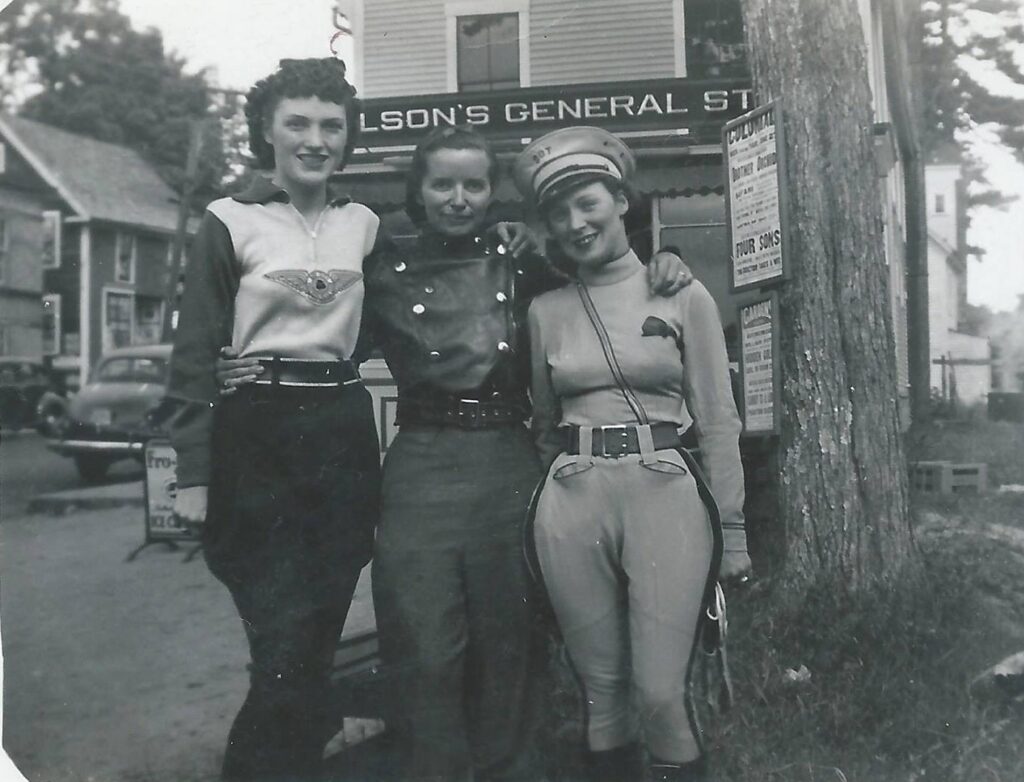
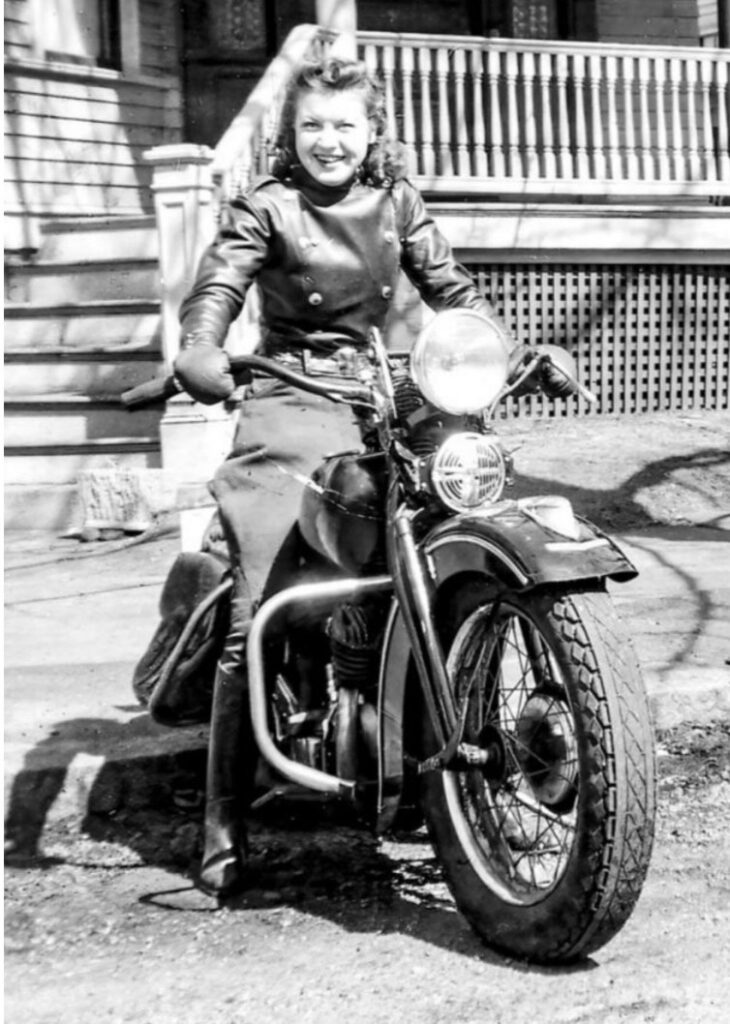
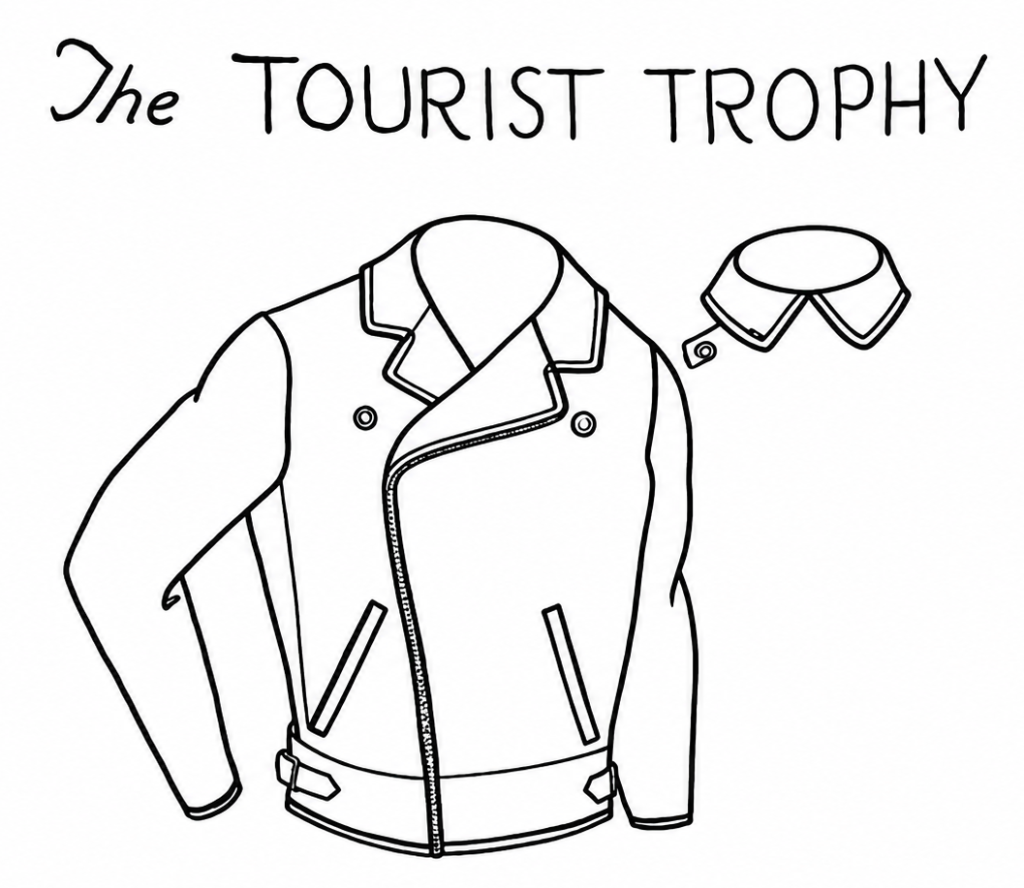
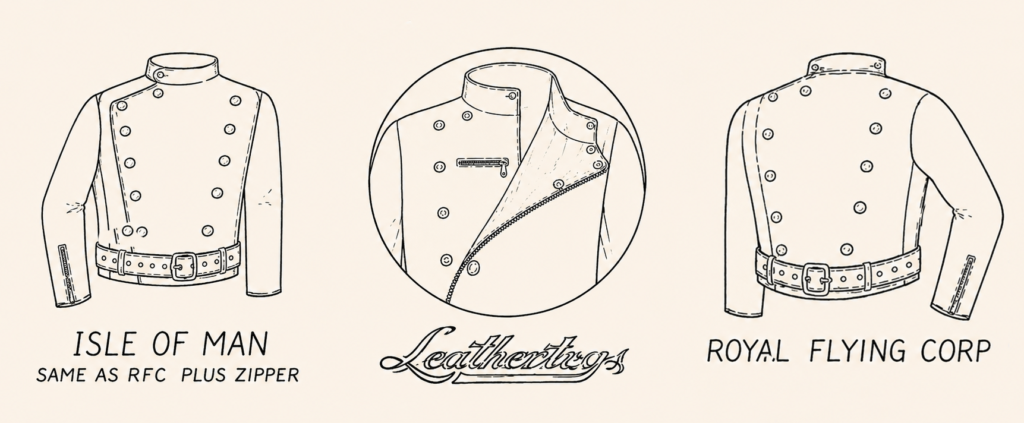
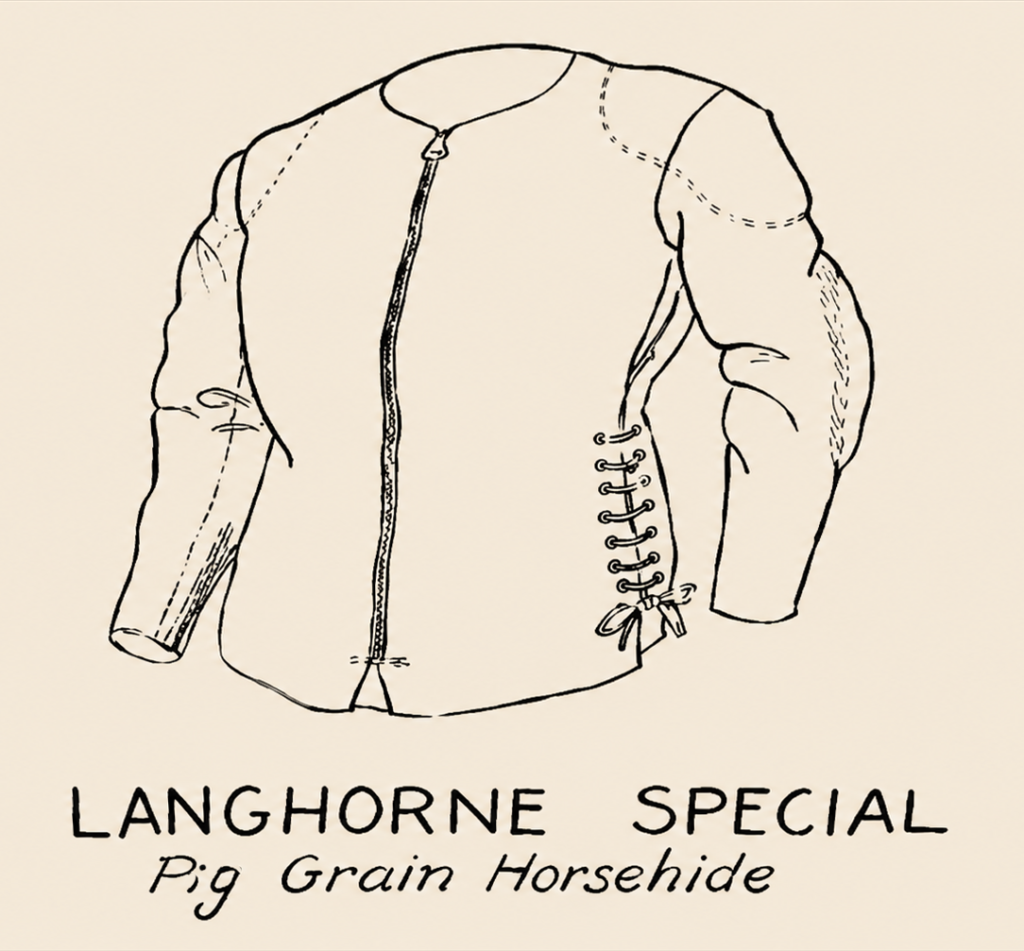
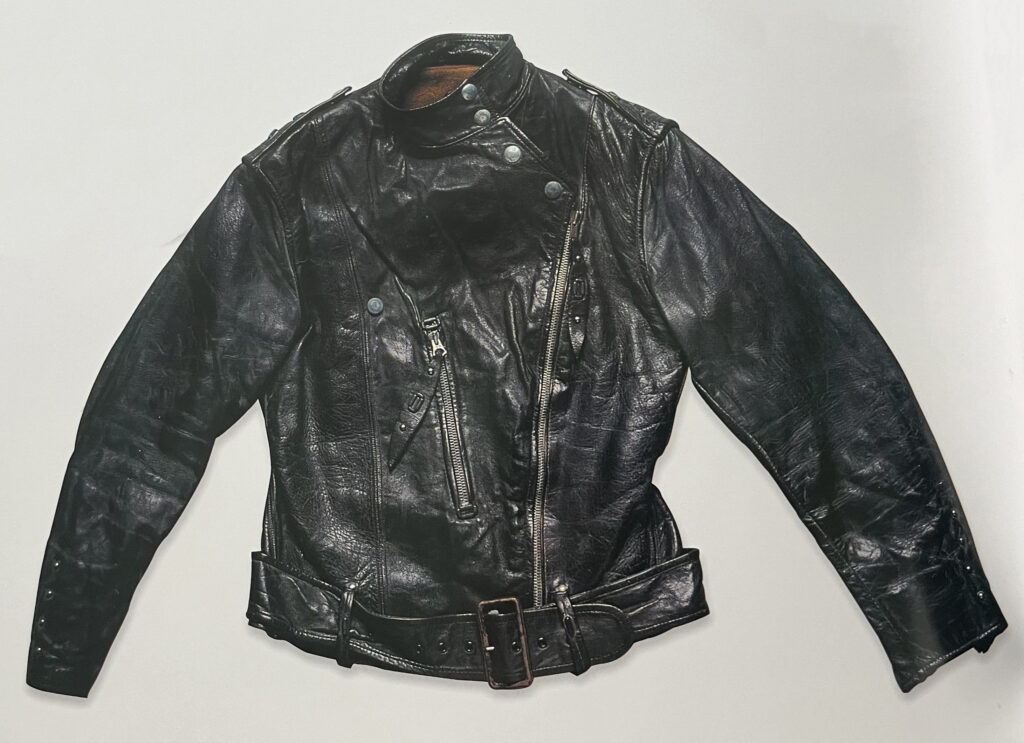
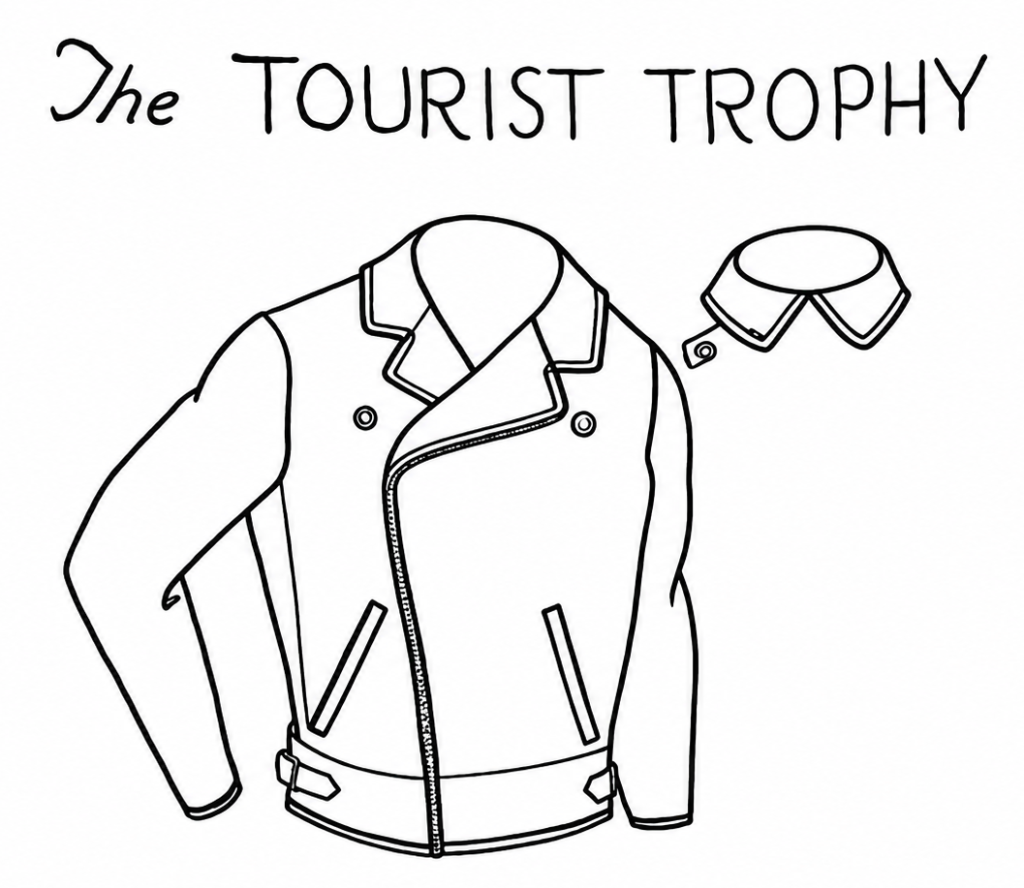
Henry Shaw’s design approach was comprehensive, meticulous, and rider-focused. At the core of his philosophy was the need for a tight but comfortable fit—one that could shield motorcyclists from chafing, wind, rain, and the varied elements of the open road. His garments balanced form and function, rooted in real-world needs and shaped by a sharp eye for detail. Beyond his own riding requirements, Shaw likely drew inspiration from a variety of contemporary garment industries. Aviation, still a relatively new frontier in the early 20th century, appears to have been a key influence. Many of Shaw’s jackets featured double lapels, outer “map” pockets, and epaulets—stylistic and functional hallmarks of aviator attire. Breeches, too, echoed cavalry and horseback-riding gear, with wide peg-style hips narrowing to snug ankles, ideal for tucking into tall leather boots.
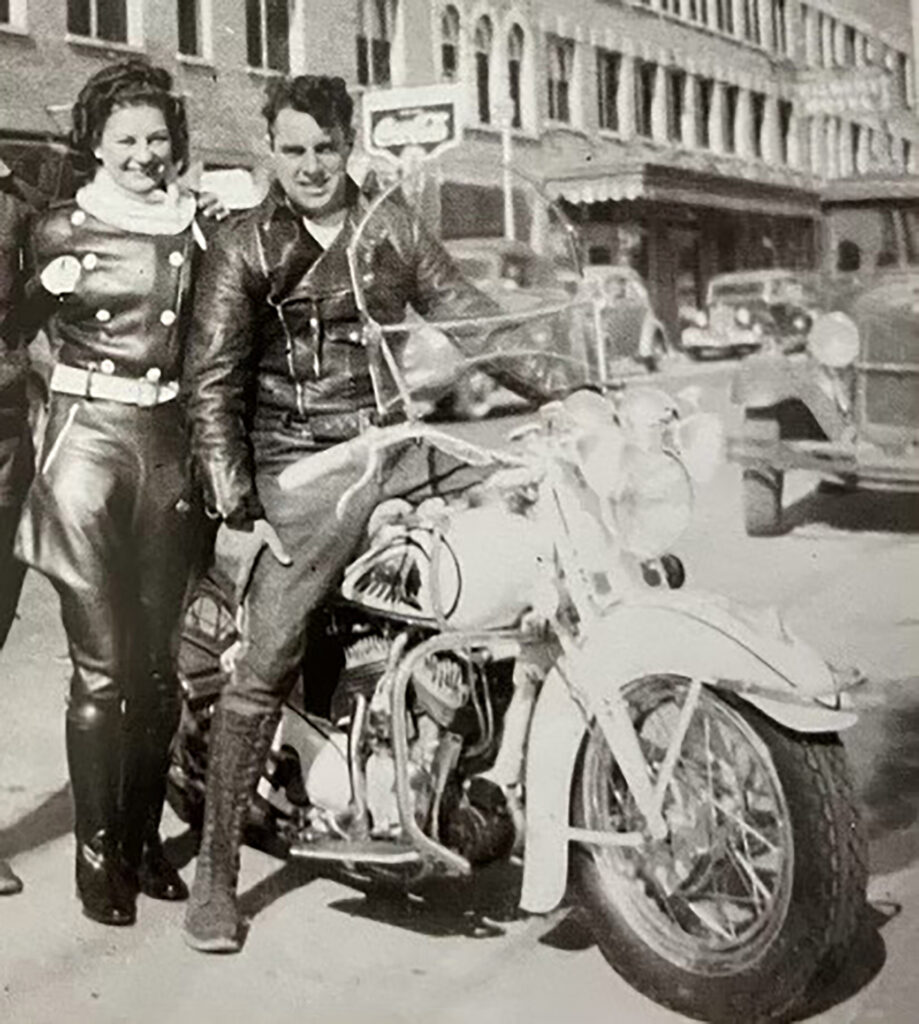
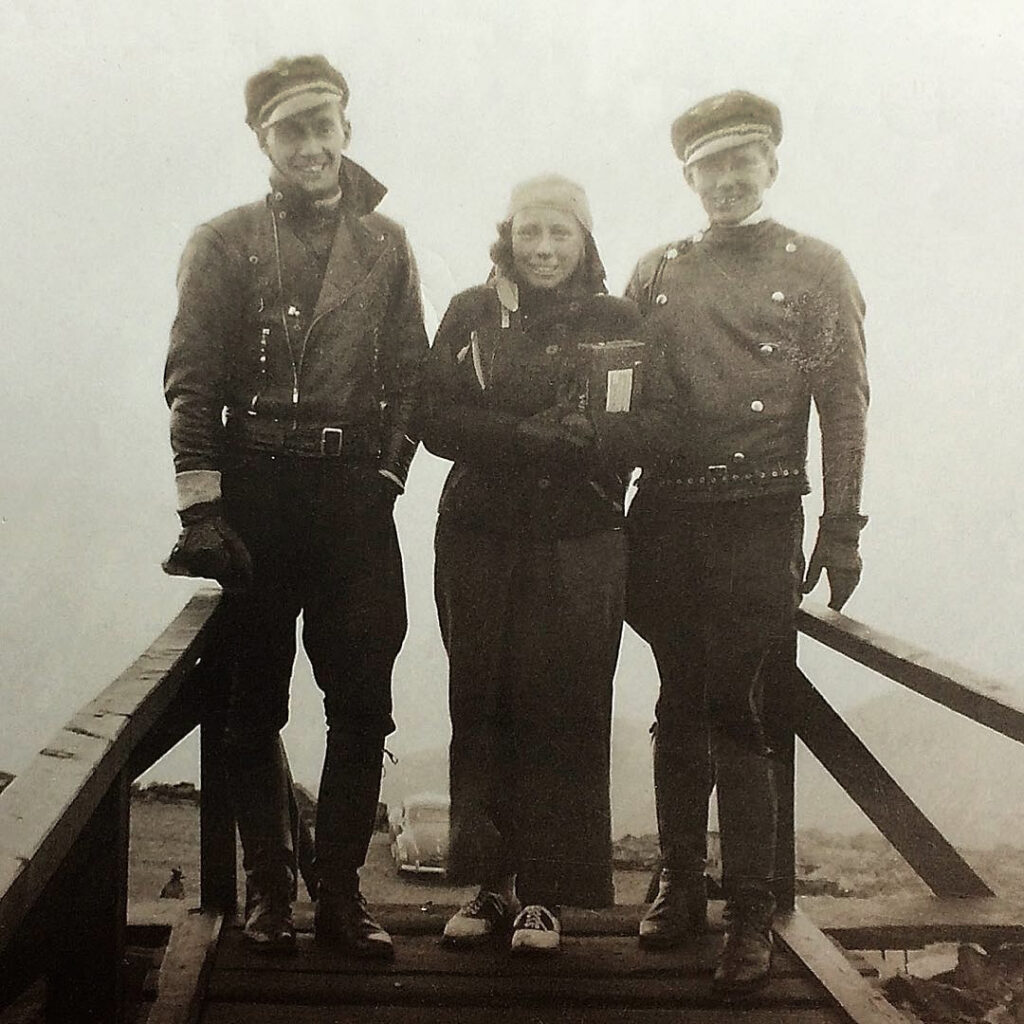
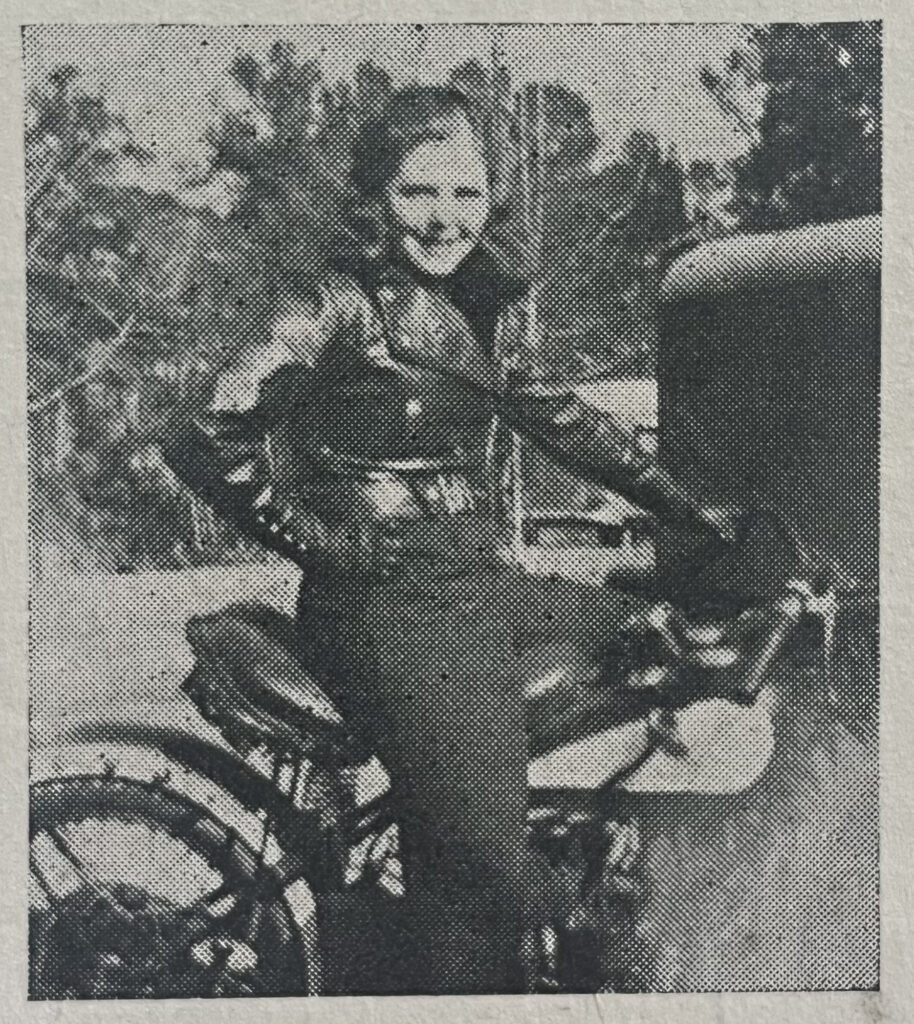
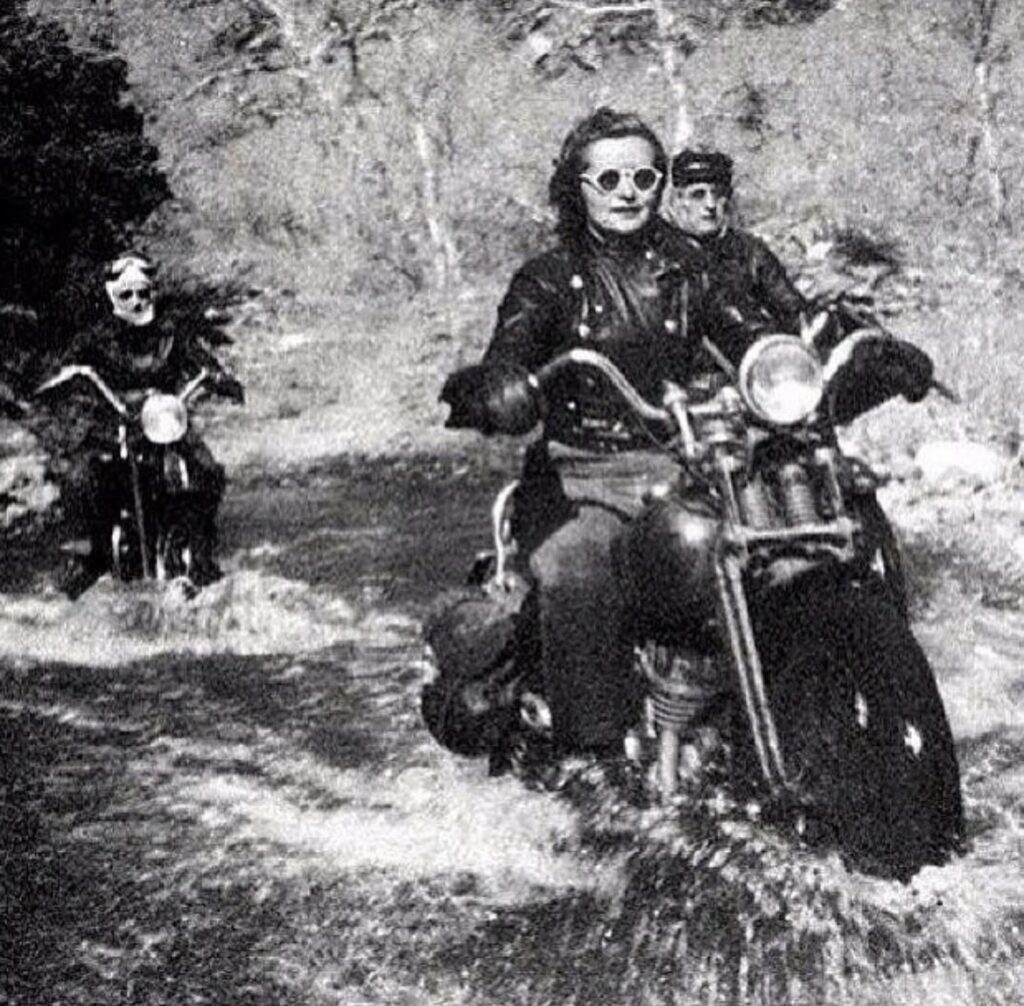
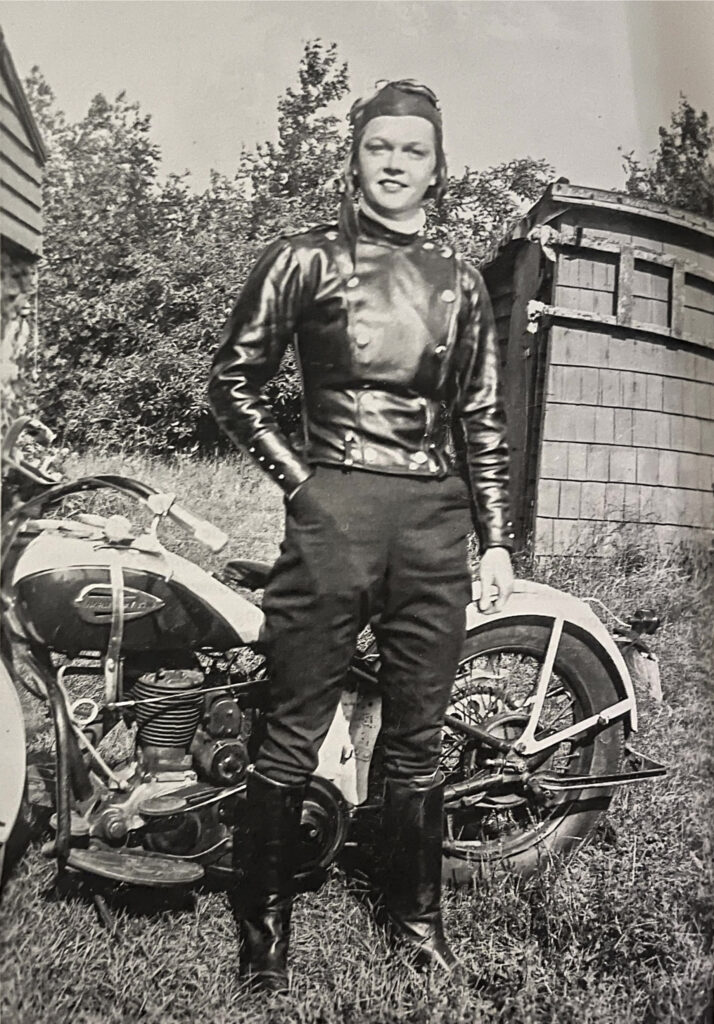
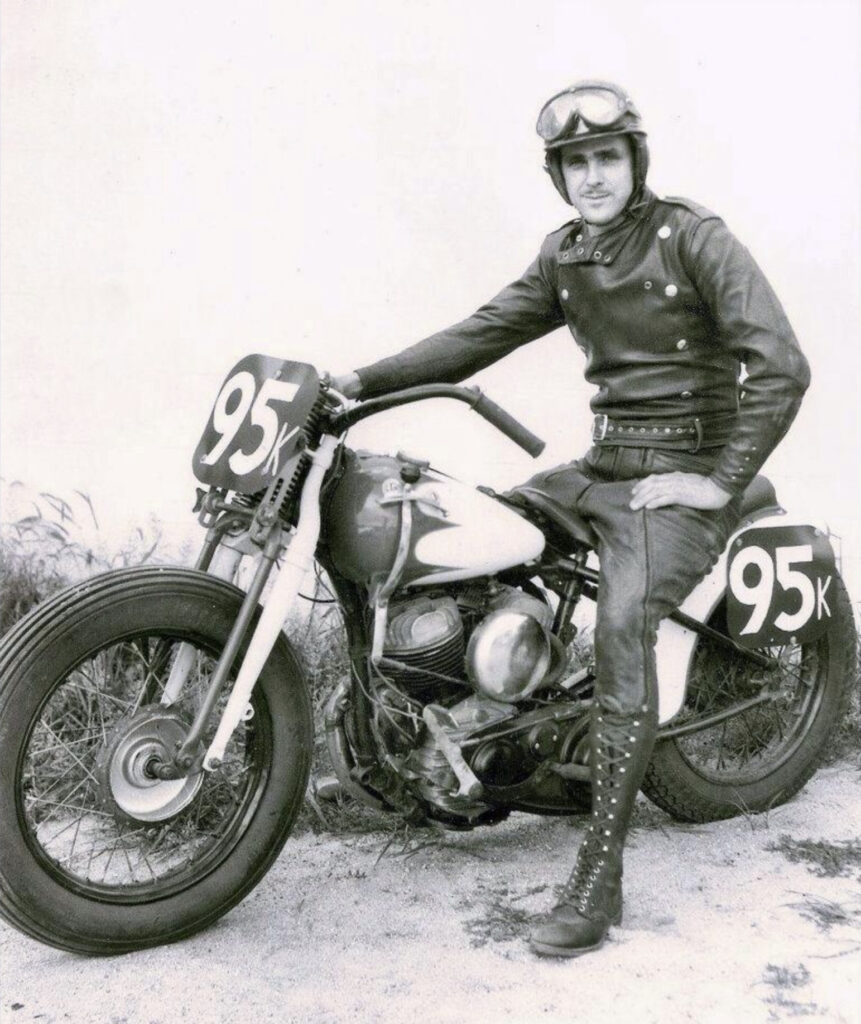
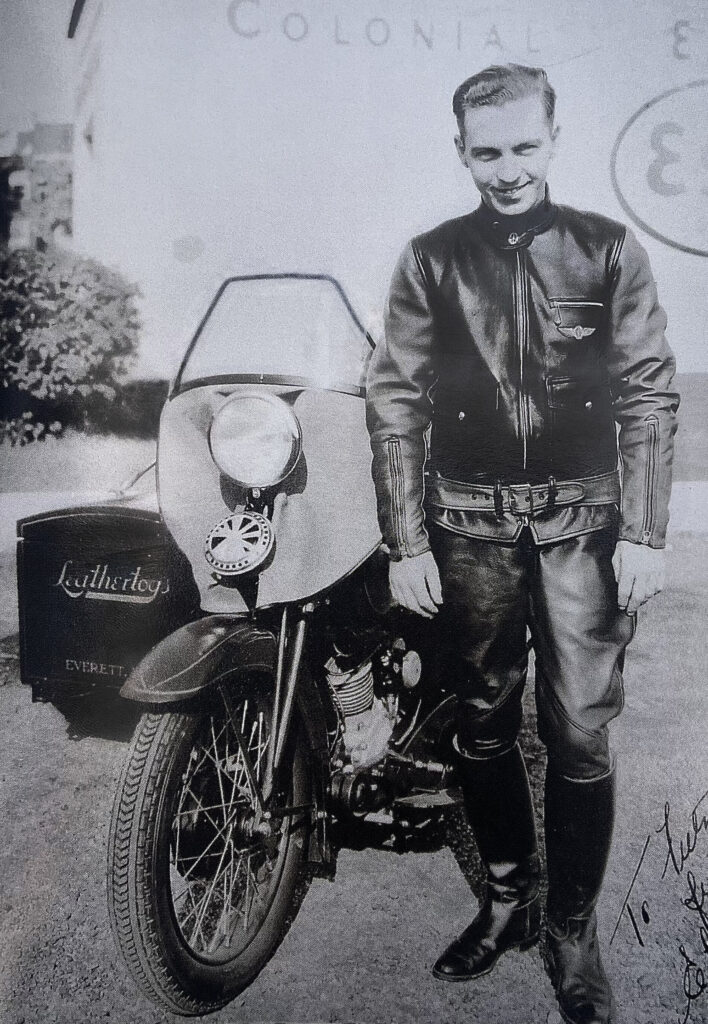
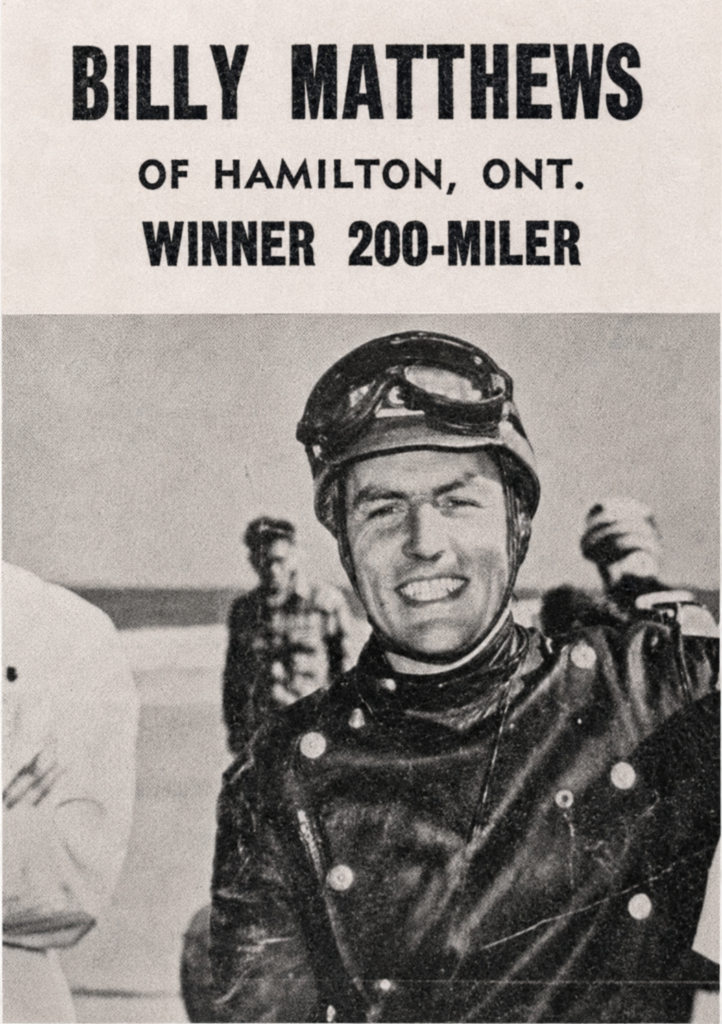
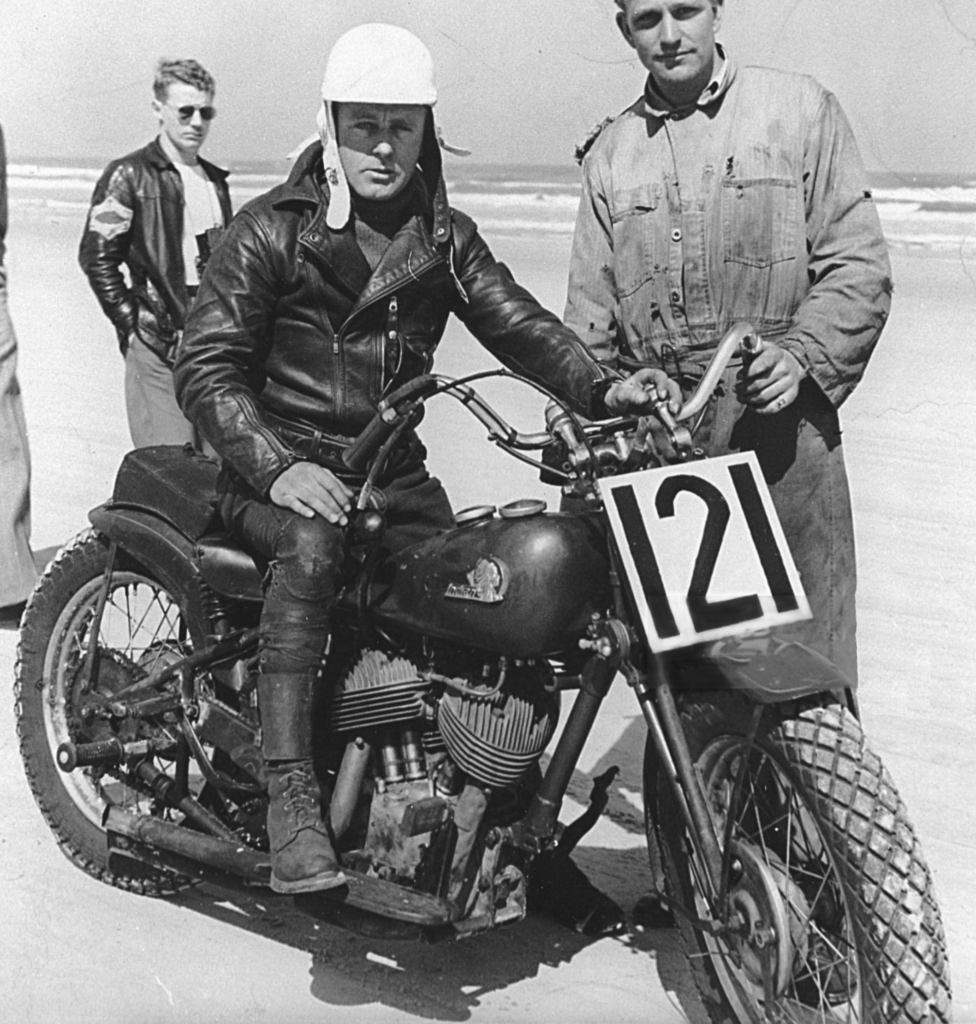
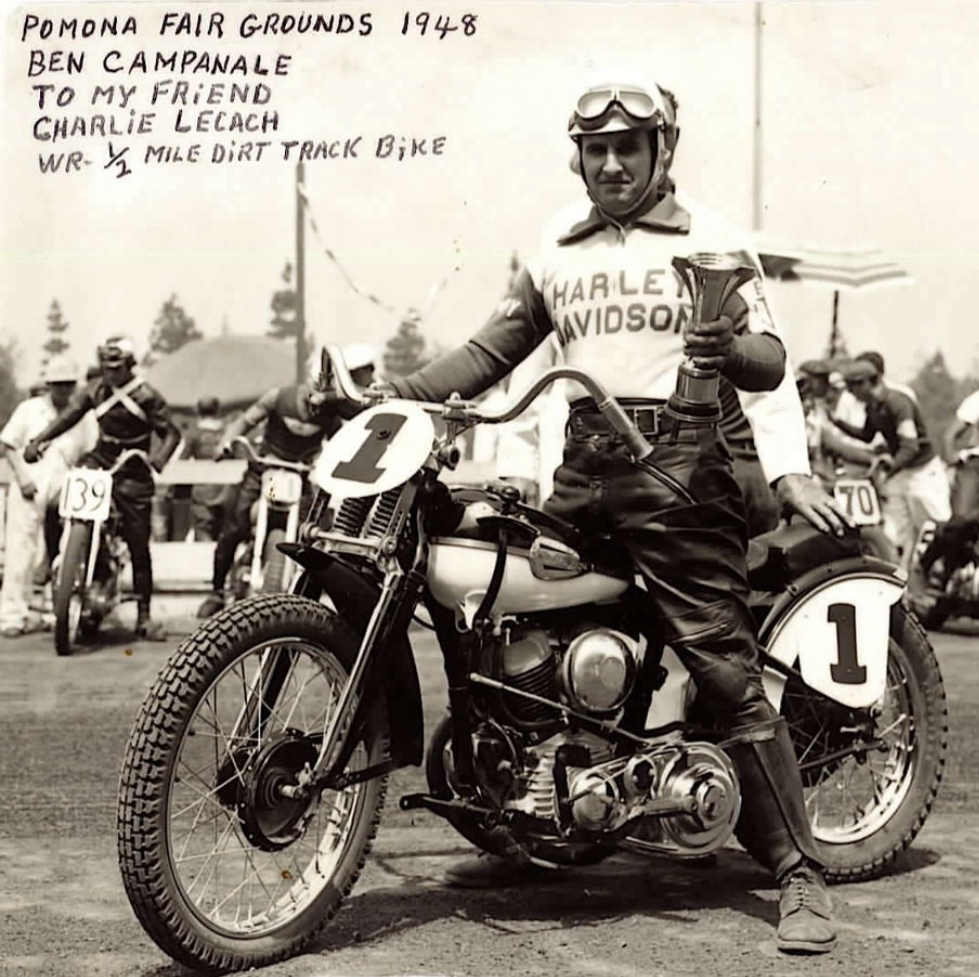
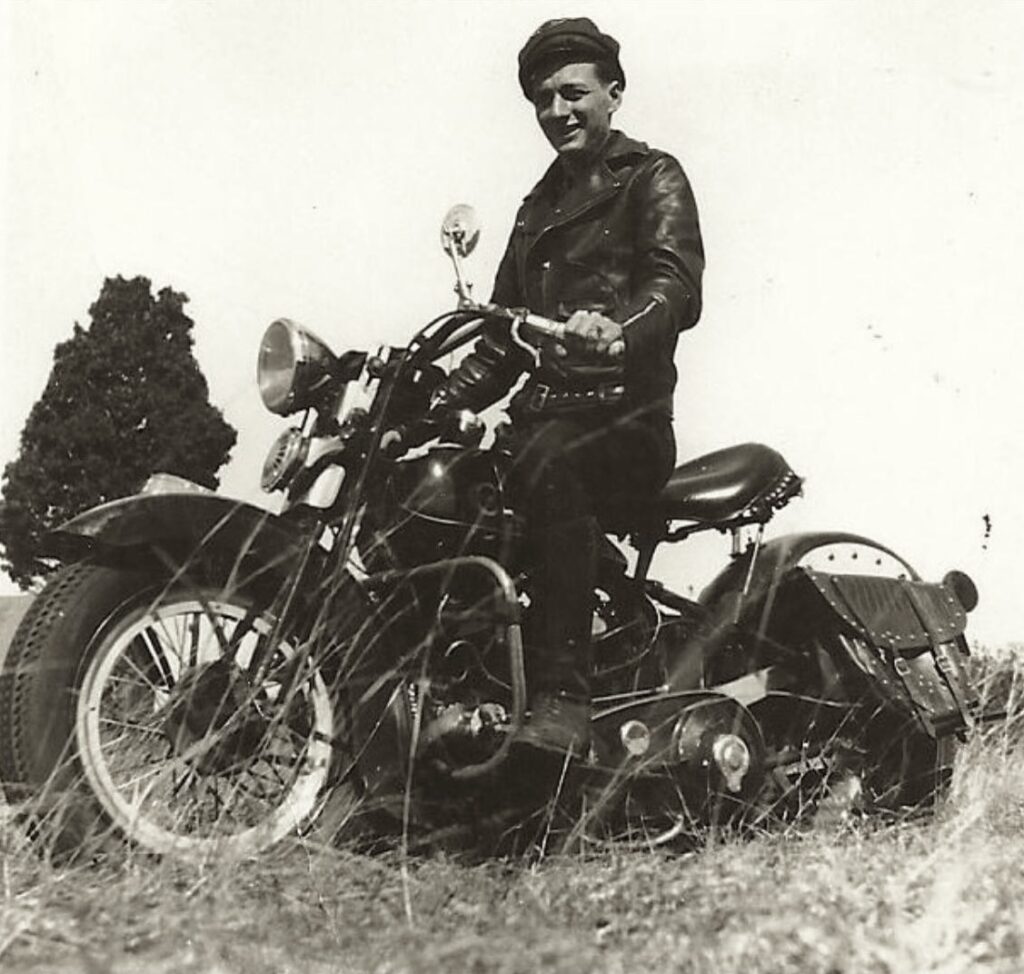
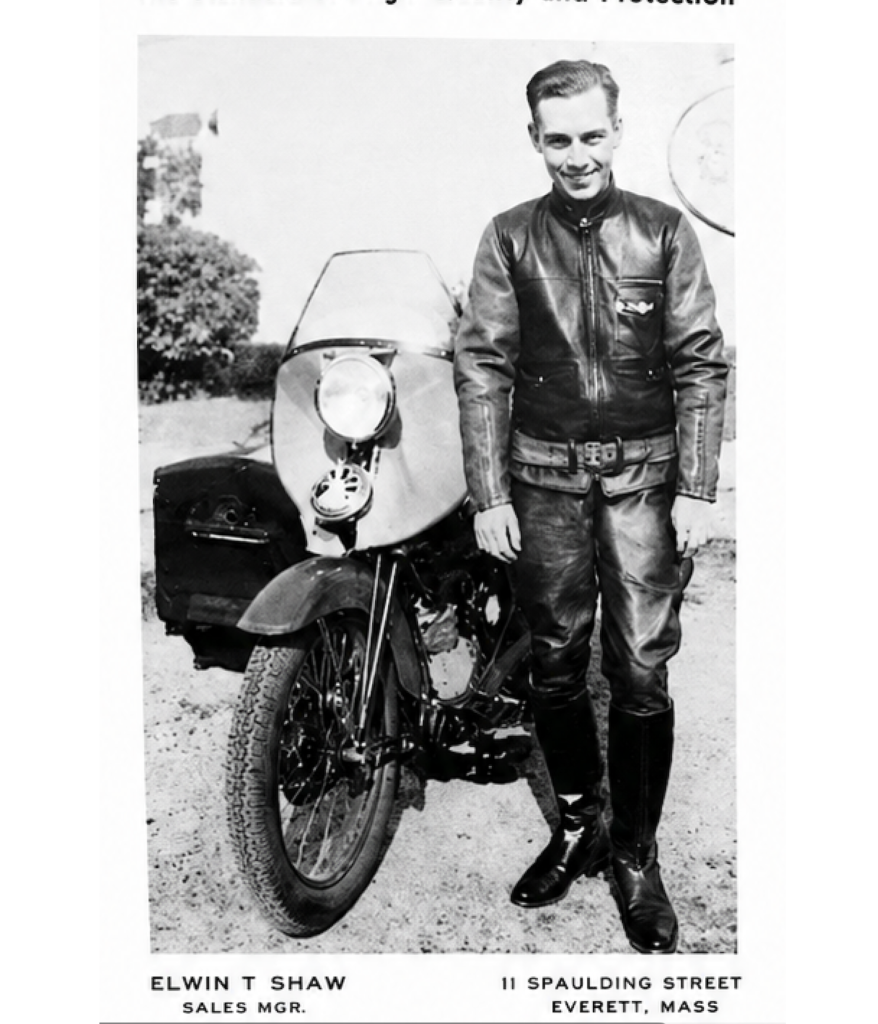
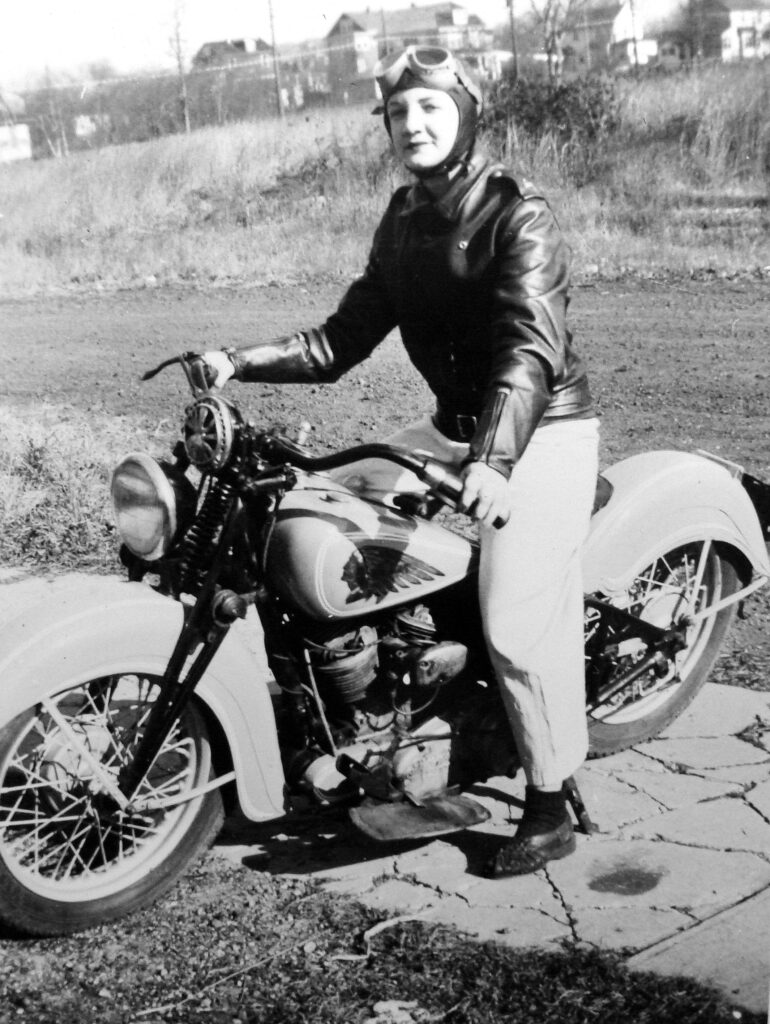
Many top motorcyclists, including Ben “Benny” Campanale (Daytona 200 winner, 1938 and 1939), Arthur “Babe” Tancrede (Daytona 200 winner, 1940), Rod Coates, Johnny Spiegelhoff, and Ray Janelle, wore custom Leathertogs gear. The Motor Maids, a prominent women’s motorcycling club, also favored Leathertogs, as seen in period photographs and in the book Iron Horse Cowgirls by Linda Back McKay and Kate St. Vincent Vogl.
Read the whole Leathertogs saga in Parts 1-5 of The Lost Empire of Leathertogs.
The Lost Empire of Leathertogs, Part 2
[Written and researched by Riley Ward, edited by Paul d'Orléans]
Building the First Leather Motorcycle Jackets
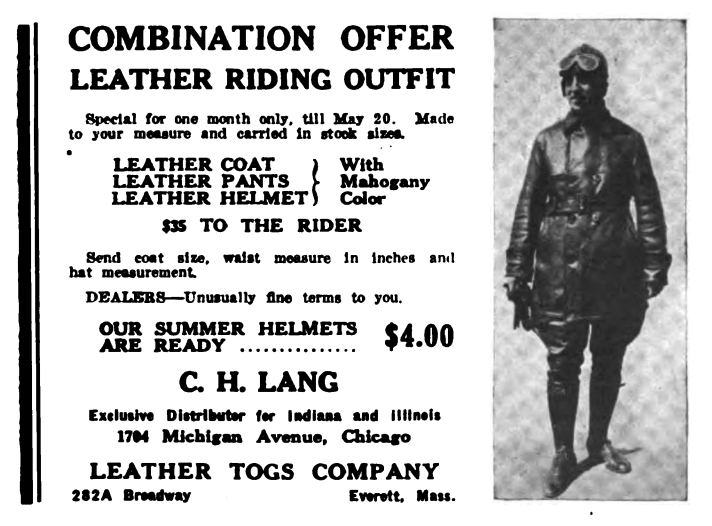
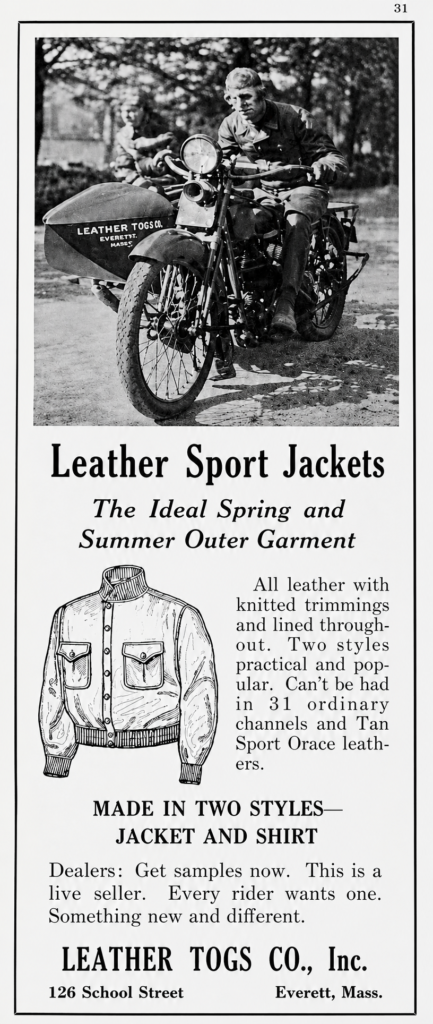
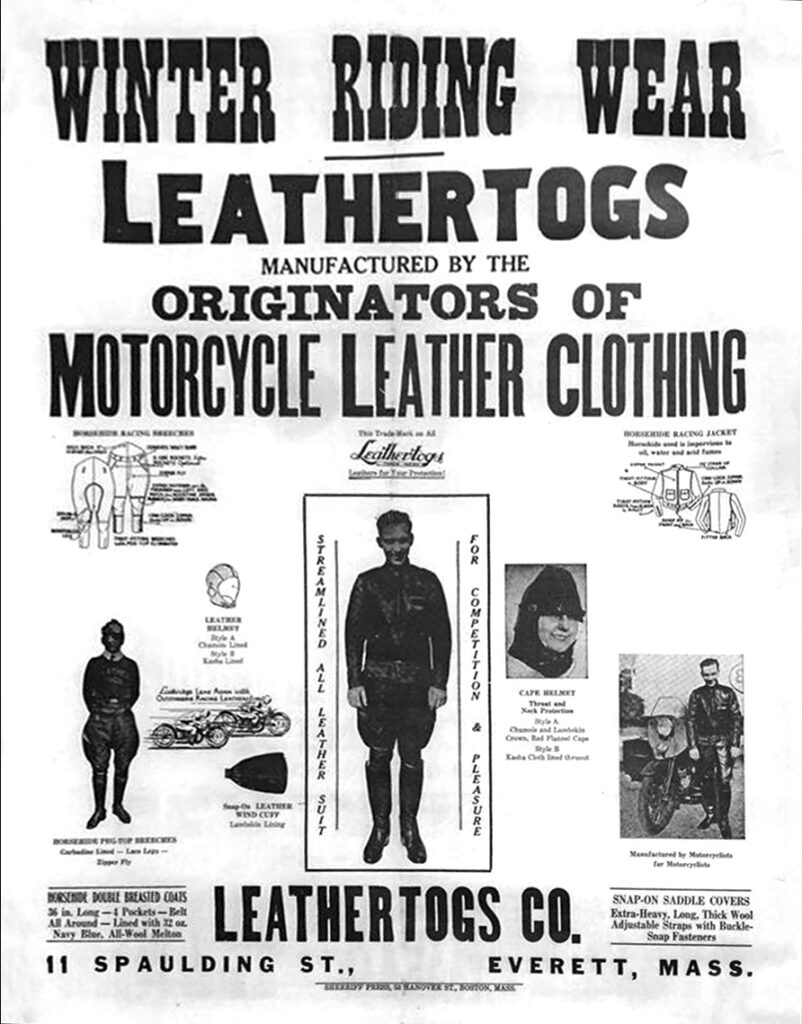
The exact founding date of Leathertogs remains uncertain, though some evidence supports an establishment year of 1919, based on an extant company catalogue bearing the original logo and trademark. A conflicting source is a 1928 newspaper advertisement celebrating Leathertogs’ "five-year anniversary", suggesting 1923 as the year of formation, but they had been advertising in magazines a year before that, so perhaps the anniversary was only at the Malden location. The earliest known Leathertogs advertisements appeared in various issues of American Motorcycle & Bicycle Illustrated in 1922, suggesting the 1919 origin date is the accurate one.
Leathertogs: Innovation and Quality
Leathertogs' earliest known factories and showrooms were located at 282-A Broadway in Everett, Massachusetts (1922) and at 38 Commercial Street in Malden, Massachusetts (circa 1927), which later moved to 115 Centre Street (circa 1929). By the mid-to-late 1930s, operations had relocated permanently to Everett, Massachusetts, at 11 Spaulding Street—a location confirmed by numerous surviving company labels and print advertisements bearing the “Leathertogs” name and the location mark “Everett, Mass.”
Design Details
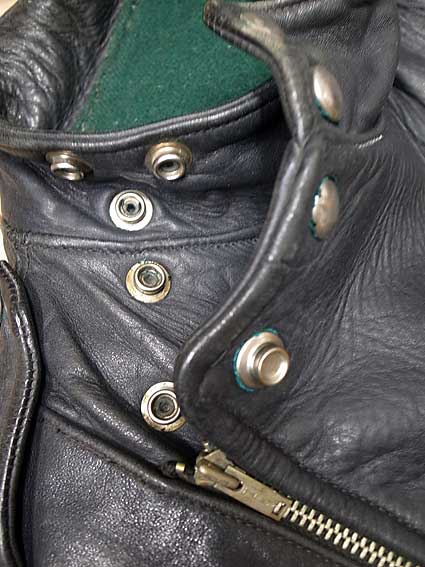
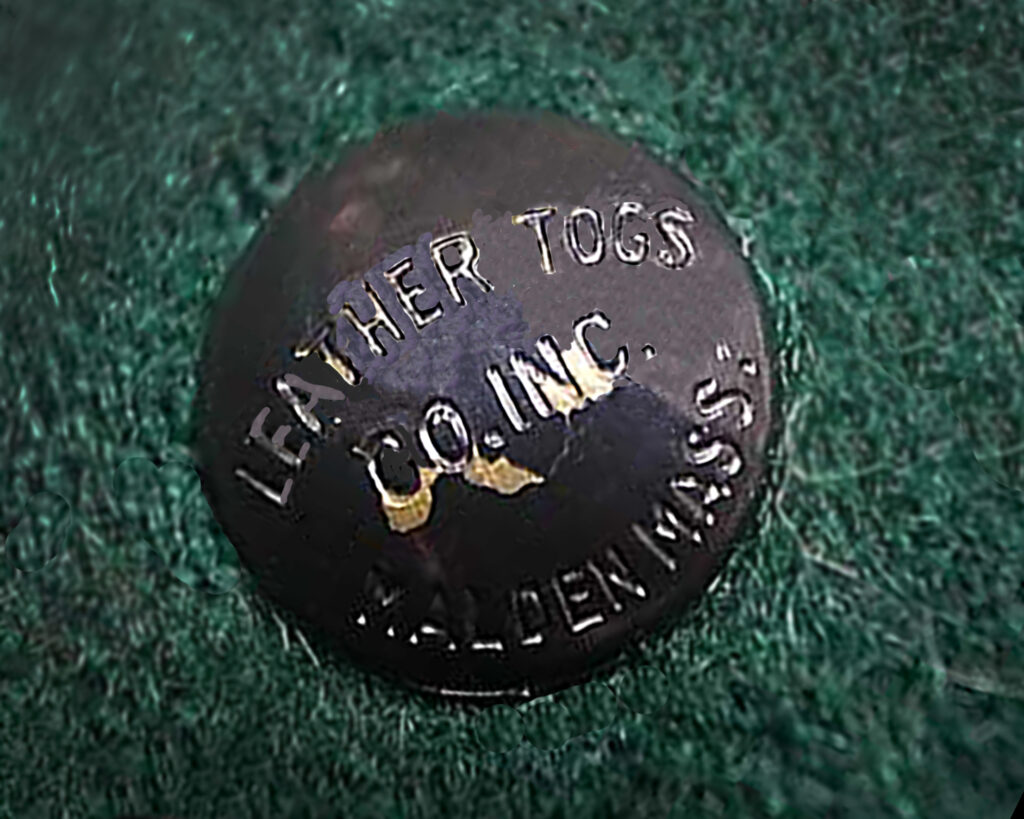
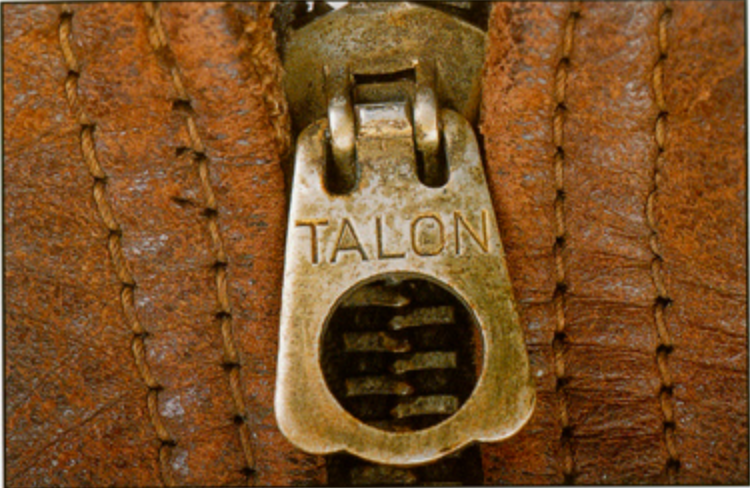
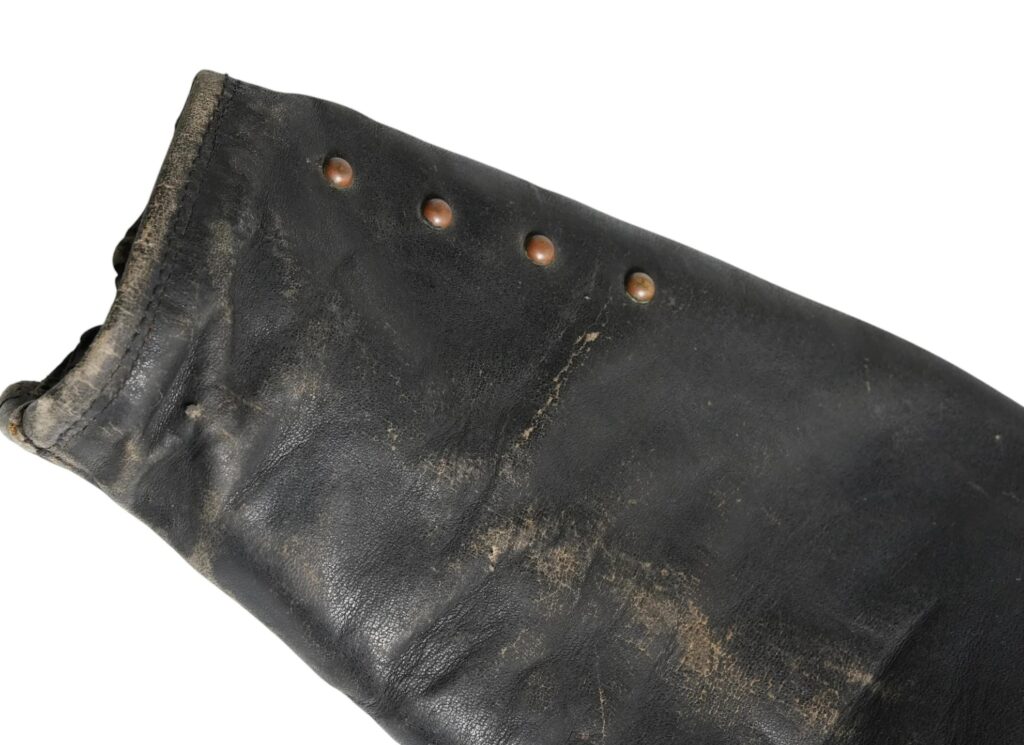
Read the whole Leathertogs saga in Parts 1-5 of The Lost Empire of Leathertogs.
The Lost Empire of Leathertogs, Part 1
[Written and researched by Riley Ward, edited by Paul d'Orléans]
Henry Shaw, The Man Who Invented Motorcycle Leathers
If you've ever wondered 'who invented the biker jacket', you're not alone. Many brands have laid claim to that distinction, often giving credit to the Schott 'Perfecto', but anyone who's really dug into leather history knows the story goes much deeper, into brands that did not survive WW2, and whose products are hallowed objects to fanatical collectors of historical motorcycle gear. We think the proper credit belongs to a long-forgotten man and brand from Everett Massachusetts called Leathertogs, and its founder Henry Franklin Shaw. To understand why Henry Shaw’s work was so significant, and how his Leathertogs brand emerged, it’s important to step back and look at the broader cultural landscape of America between the 1890s and the 1910s. This was a period of rapid industrial growth and transformation—a time when manufacturing, innovation, and a spirit of adventure defined the American ethos.

The late 19th and early 20th centuries saw the rise of major industries: steel, railroads, and the booming automotive sector all helped shape a modernizing nation. Massive mills, tanneries, and metal forgeries sprang up near ports and inland industrial cities, attracting inventors, entrepreneurs, and workers eager to be part of this new American age. One of the most revolutionary inventions of the era was the airplane. The Wright brothers achieved the first controlled, powered flight in late 1903, although Glenn H. Curtiss built the first proper airplane in the world in 1908, which was capable of taking off under its own power, flying in a circle, and returning to its landing strip. It was no surprise Curtiss was so far ahead of the industry, as he had been building the fastest motorcycles in the USA since 1903, setting speed records, winning races, and generally trouncing his much better financed opposition. By 1907 Curtiss began supplying engines for lighter-than-air craft, one of which he famously and controversially installed on a motorcycle for a land speed record attempt. By 1911 Curtiss was totally transfixed by flying, and handed his Curtiss motorcycle company over for others to run, although it didn't last long without his input. Tales of his and others' aviation exploits rapidly captured the public's imagination - especially among the wealthy elite- who saw flight as an exciting future, an exhilarating sport, and a status symbol.
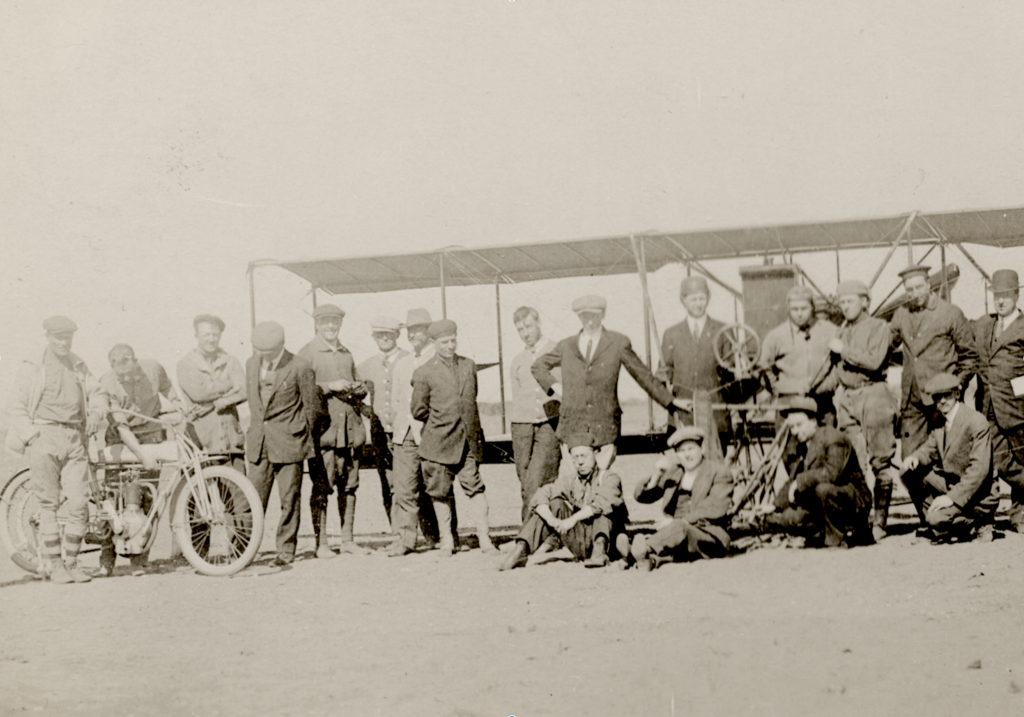
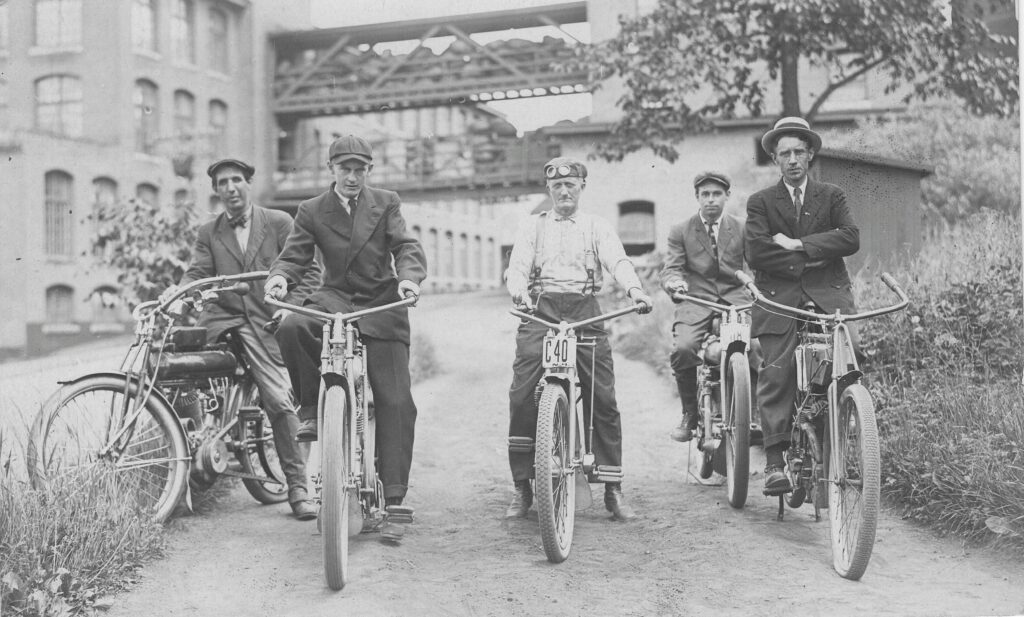
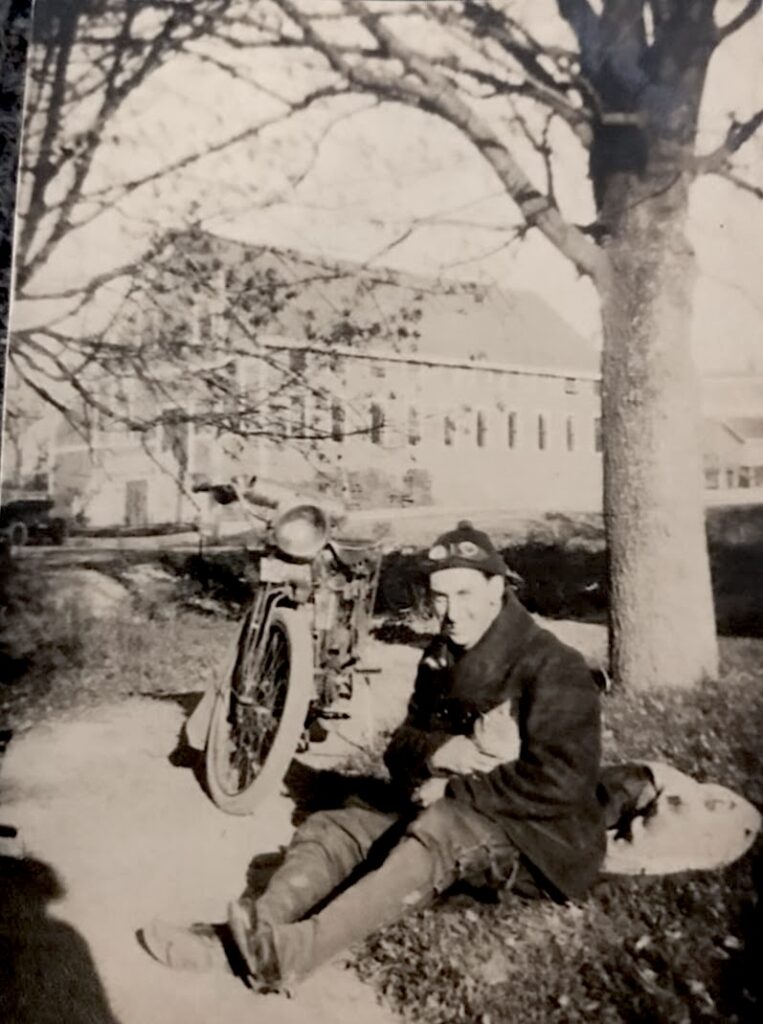
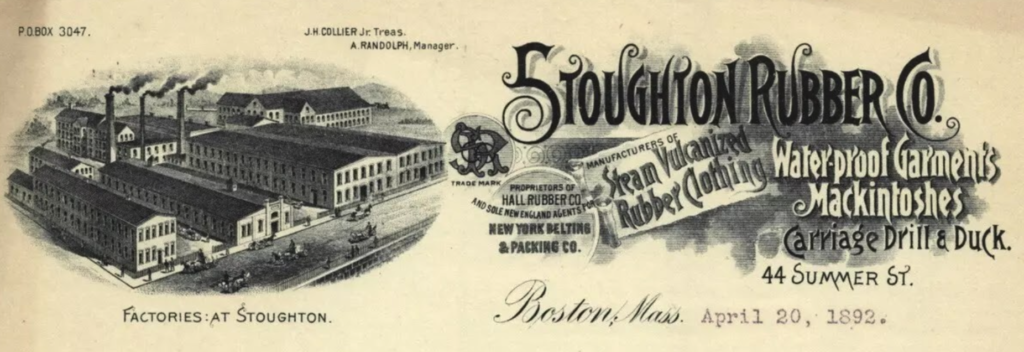
Born on January 26, 1888, in Canton, Massachusetts, to William Franklin Shaw (1865–1956) and Lila Pierce Shaw (1866–1950), Henry Franklin Shaw was the first of seven children, four of whom did not survive childhood, and a third-generation Massachusetts-born member of the Shaw family. It is possible that Henry had English and/or other European ancestors further back in his lineage, based on his surname and information recorded on an official registration card from 1917. Some of the earliest known facts about Henry’s life indicate that he gained formative experience in garment construction at the Stoughton Rubber Company, where he worked as a raincoat cutter.
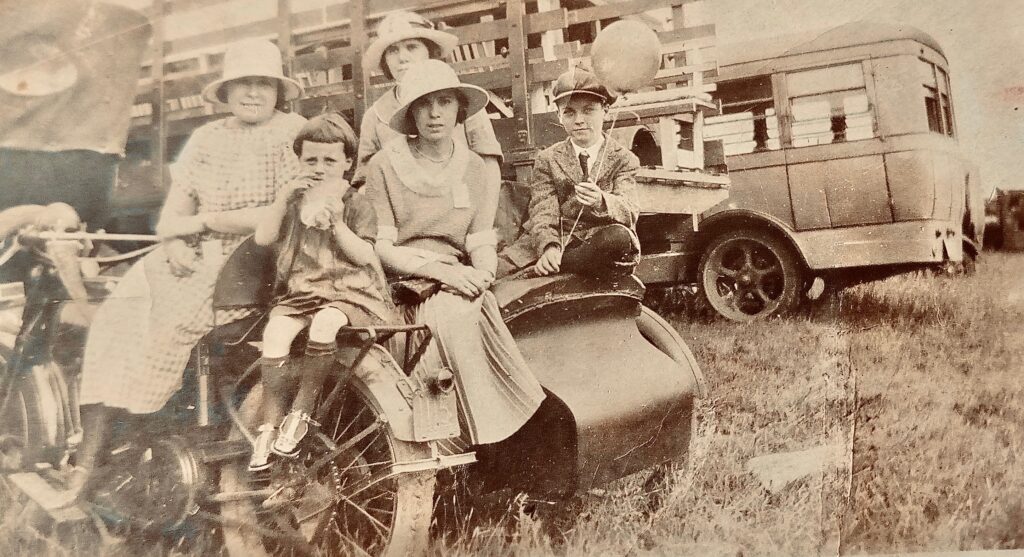
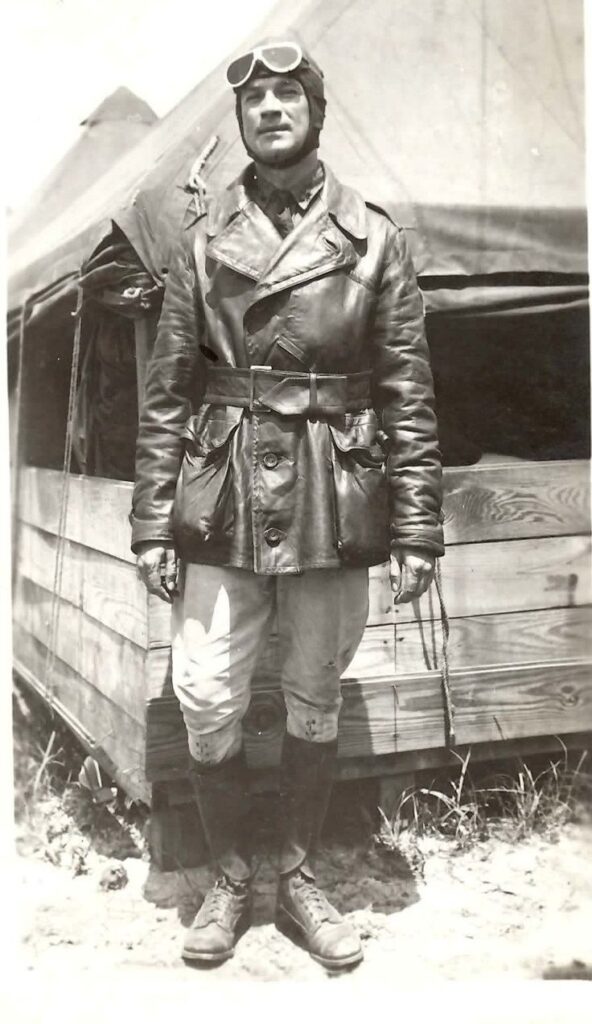
McCabe also notes, “Riding gear and aviation gear were very similar in the 1920s and ’30s, before flying suits became more specialized. Pilots were dashing and usually wealthy, setting the standard for suitable outfits. This young woman (pictured) in the 1920s wears high flying style, with a cinched leather coat and leather jodhpurs, a classic flying helmet with goggles, and high boots with speed laces—Flapper Chic!”
In Part 2, we'll look inside the jackets themselves, see why they worked so well, and discover why collectors now call them "phantoms."
Read the whole Leathertogs saga in Parts 1-5 of The Lost Empire of Leathertogs.