
[Written and researched by Riley Ward, edited by Paul d’Orléans]
Who Wore Leathertogs
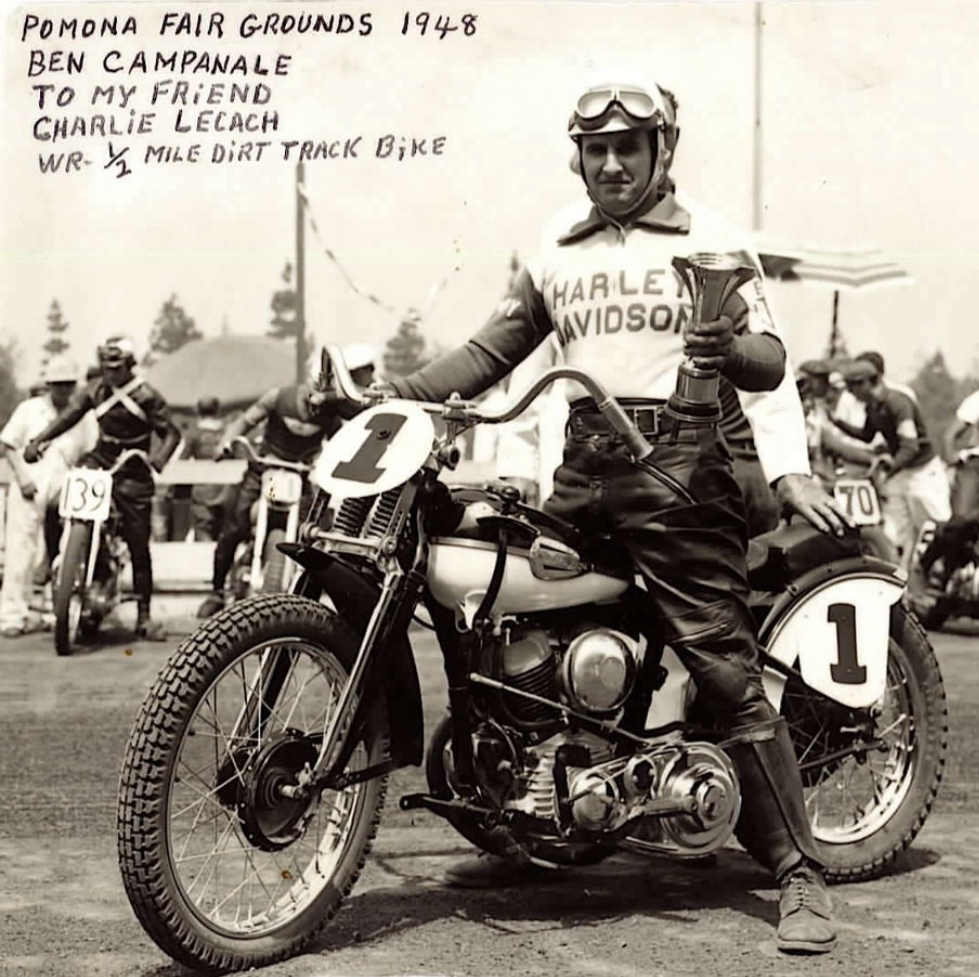
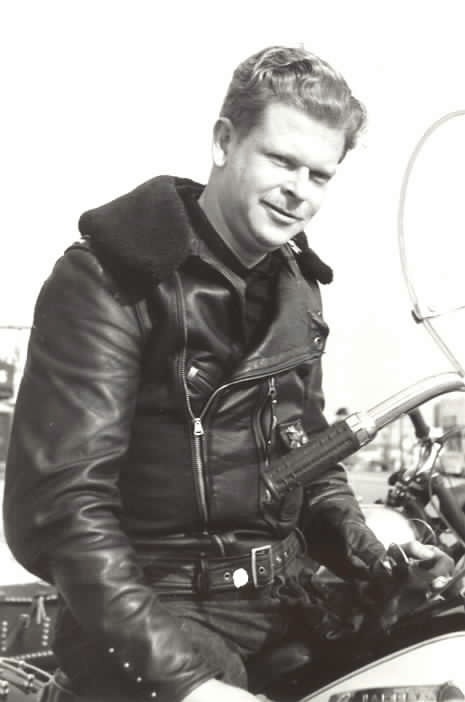
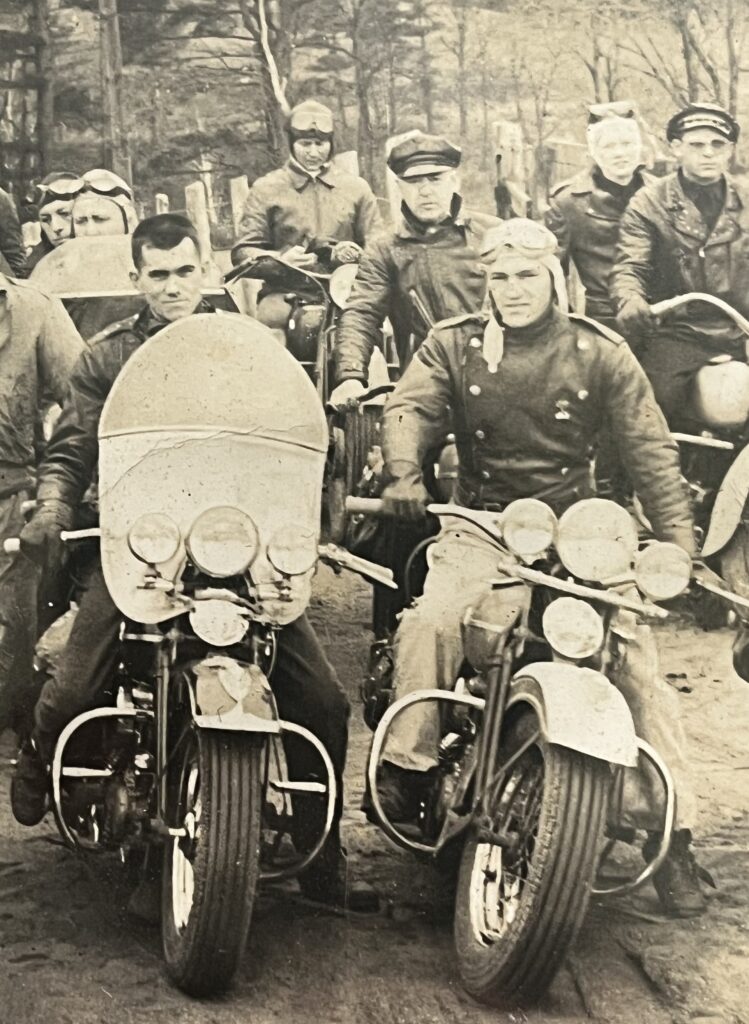
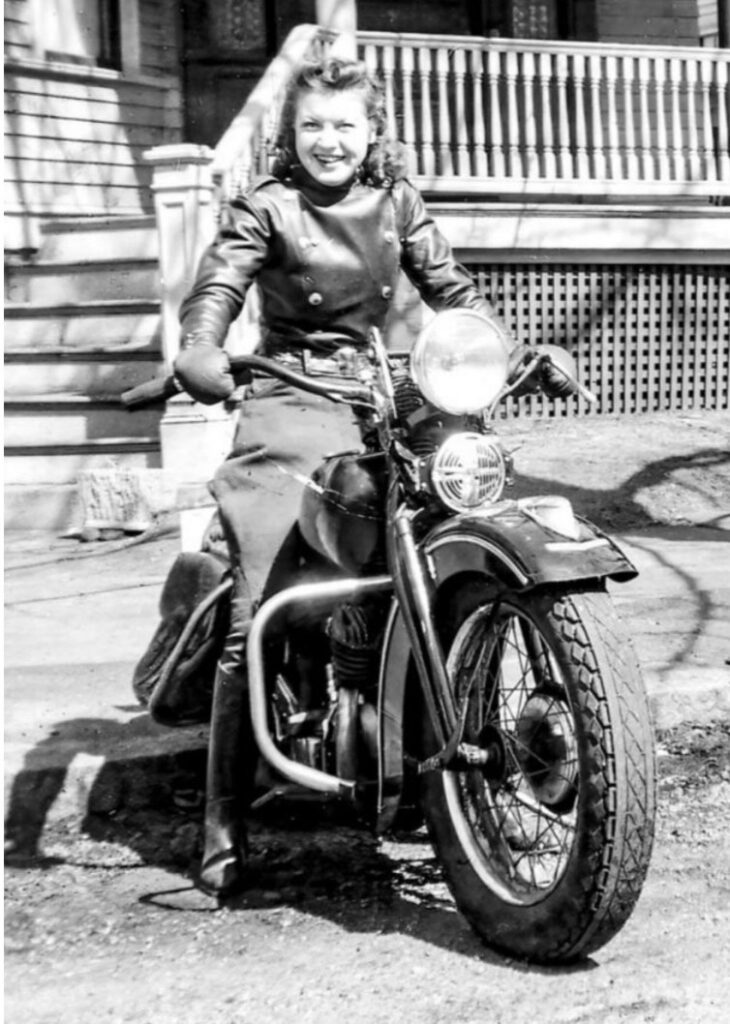
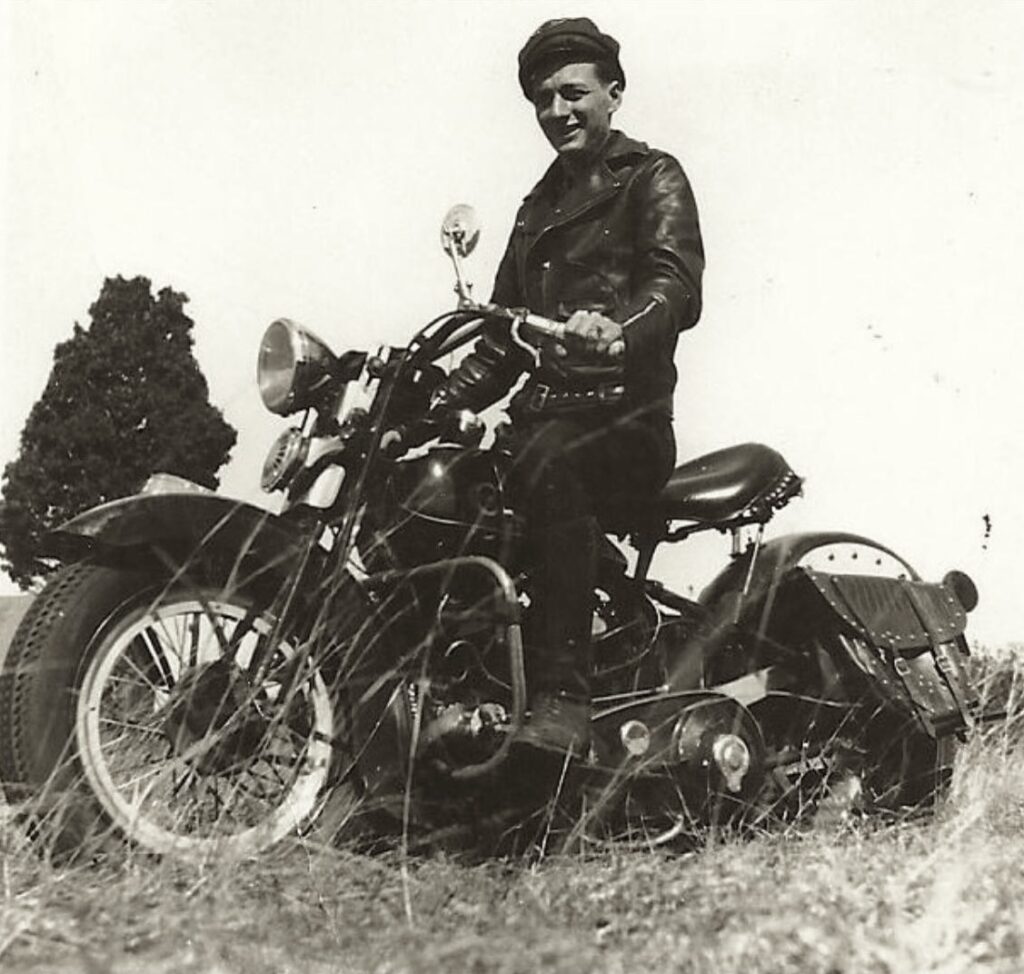
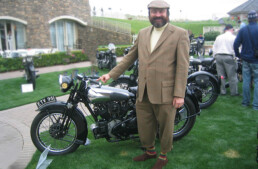
Henry Shaw’s design approach was comprehensive, meticulous, and rider-focused. At the core of his philosophy was the need for a tight but comfortable fit—one that could shield motorcyclists from chafing, wind, rain, and the varied elements of the open road. His garments balanced form and function, rooted in real-world needs and shaped by a sharp eye for detail. Beyond his own riding requirements, Shaw likely drew inspiration from a variety of contemporary garment industries. Aviation, still a relatively new frontier in the early 20th century, appears to have been a key influence. Many of Shaw’s jackets featured double lapels, outer “map” pockets, and epaulets—stylistic and functional hallmarks of aviator attire. Breeches, too, echoed cavalry and horseback-riding gear, with wide peg-style hips narrowing to snug ankles, ideal for tucking into tall leather boots.
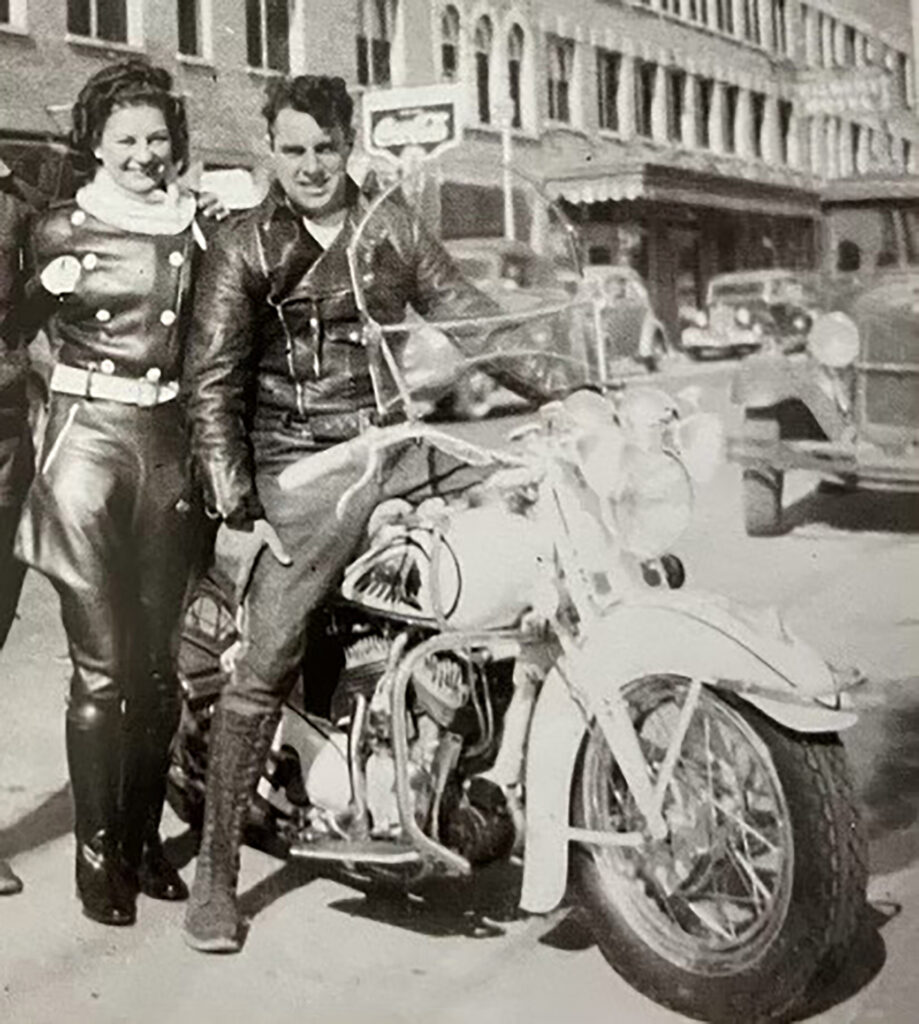
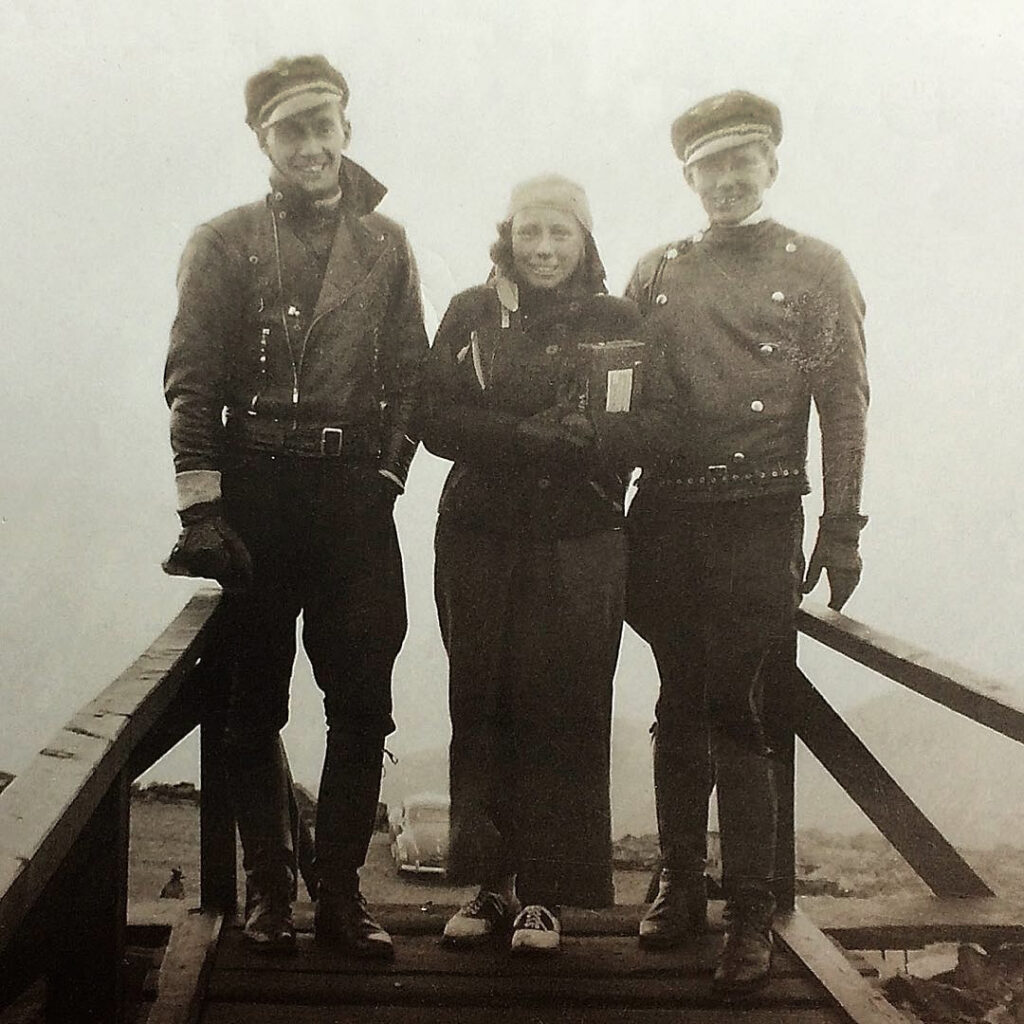
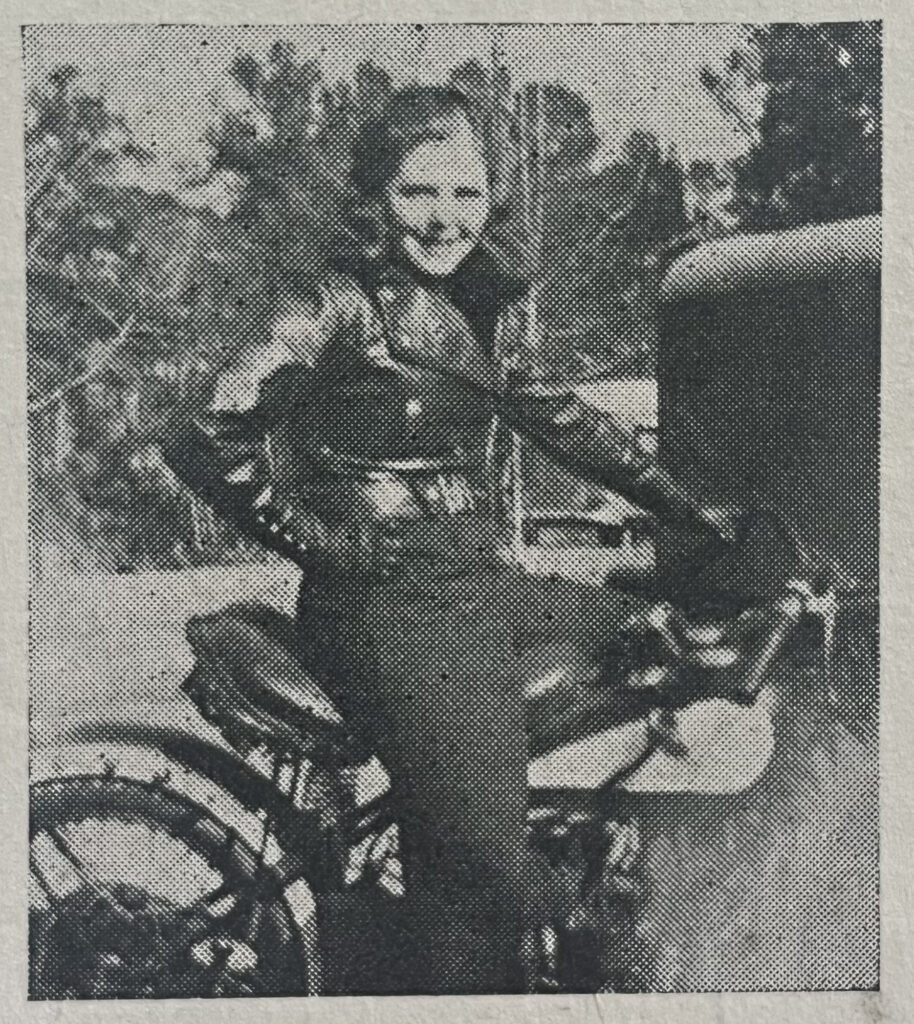
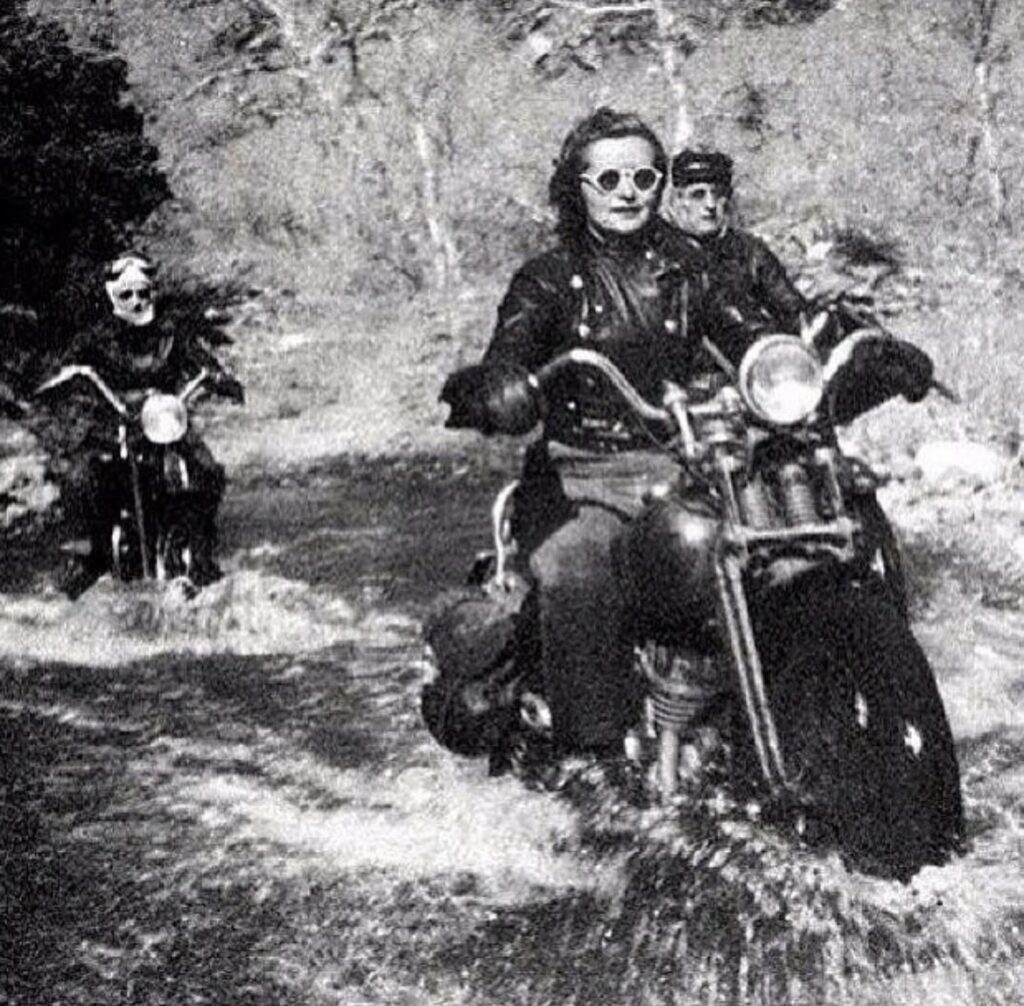
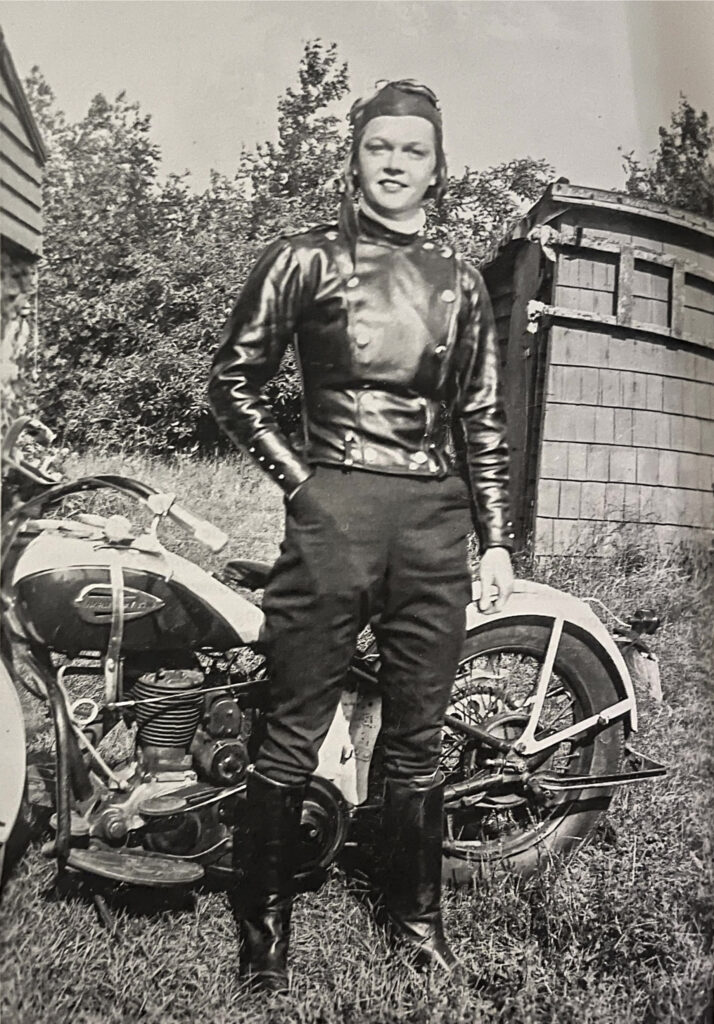
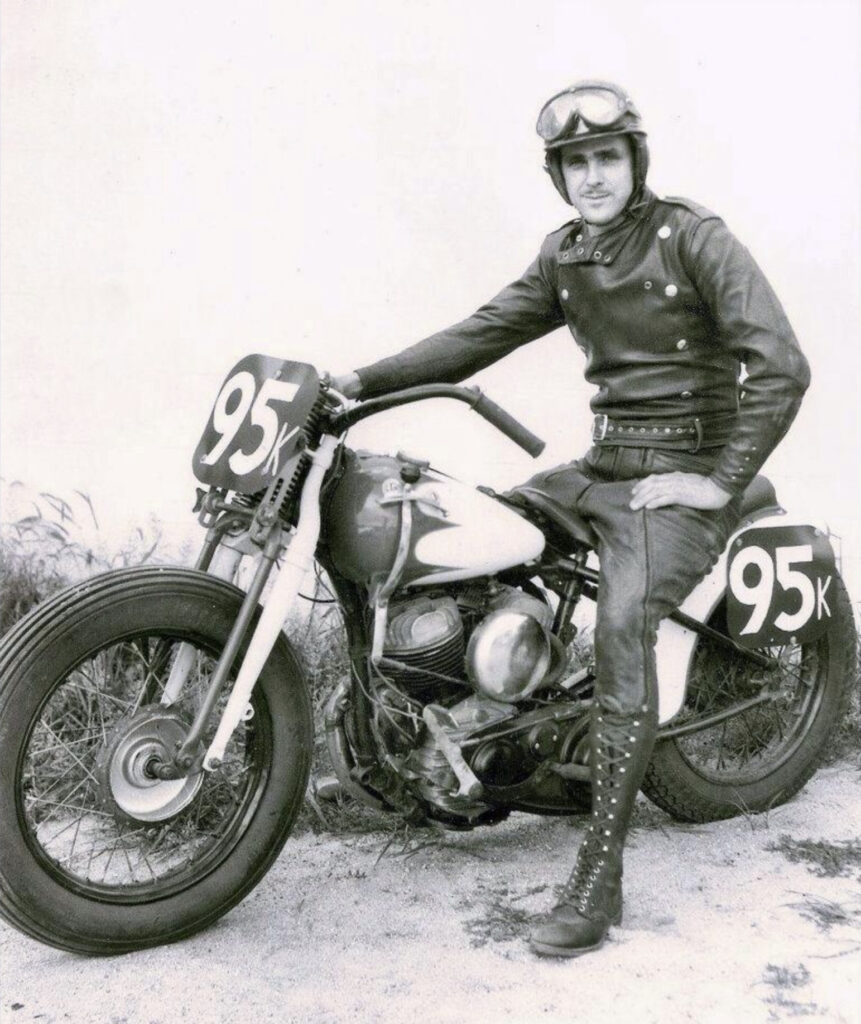
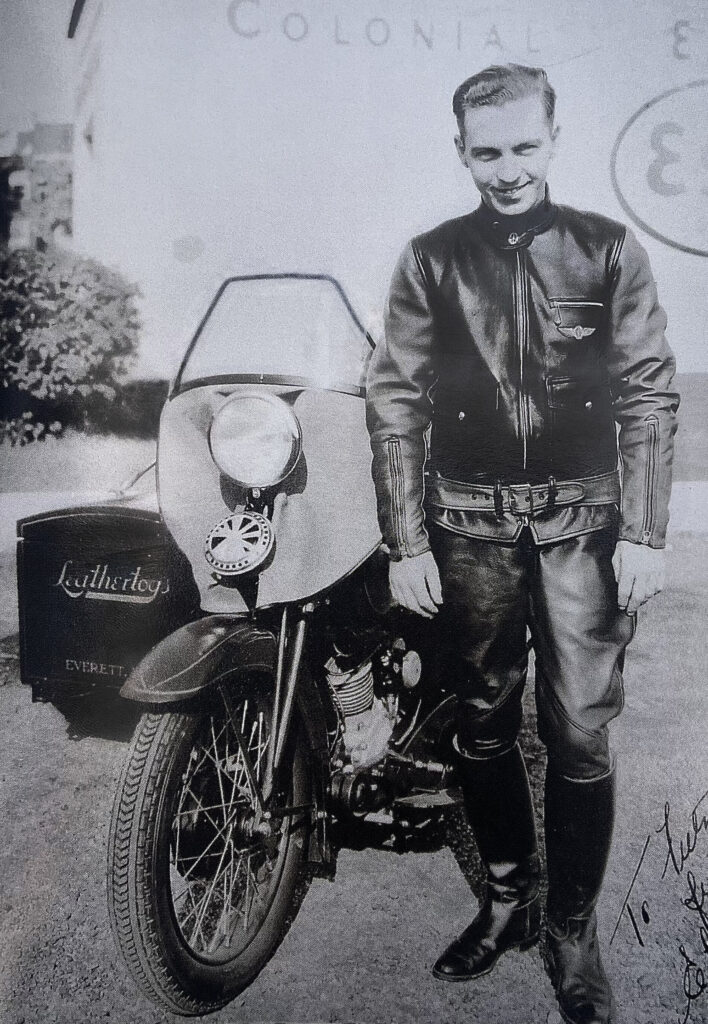
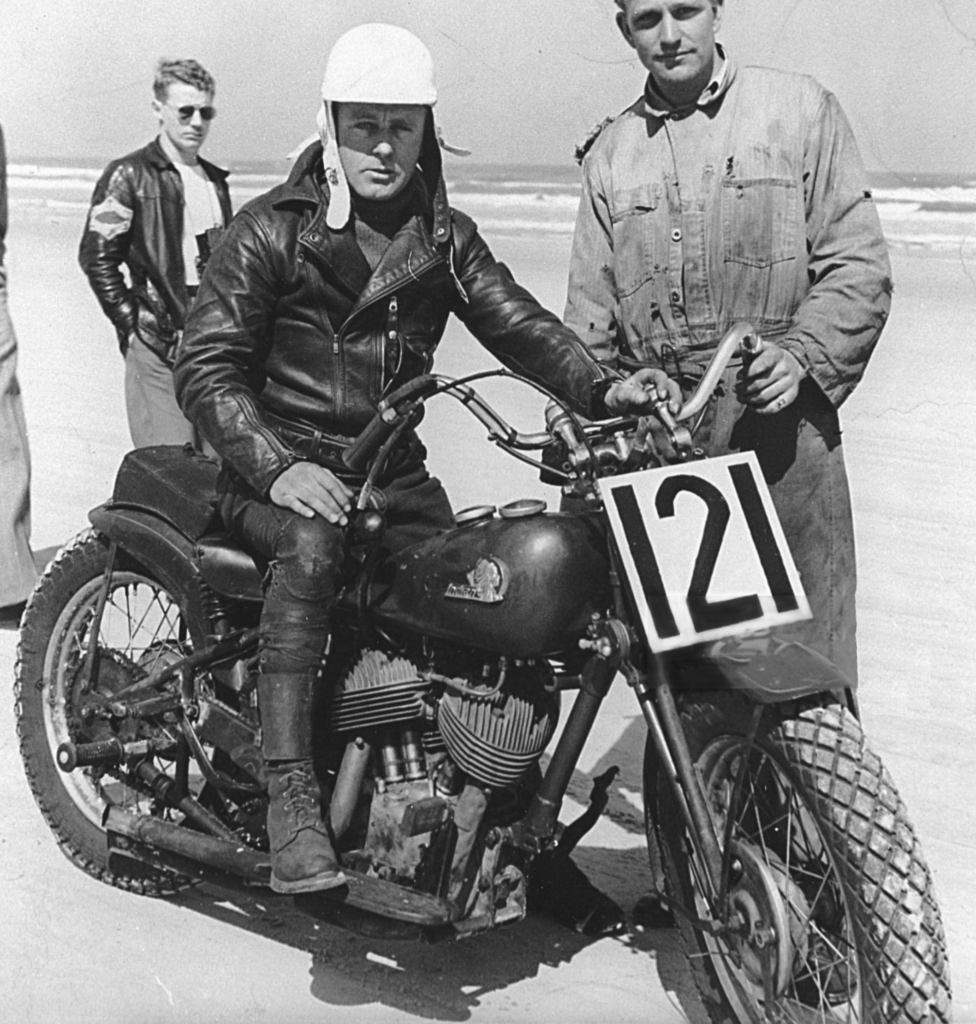
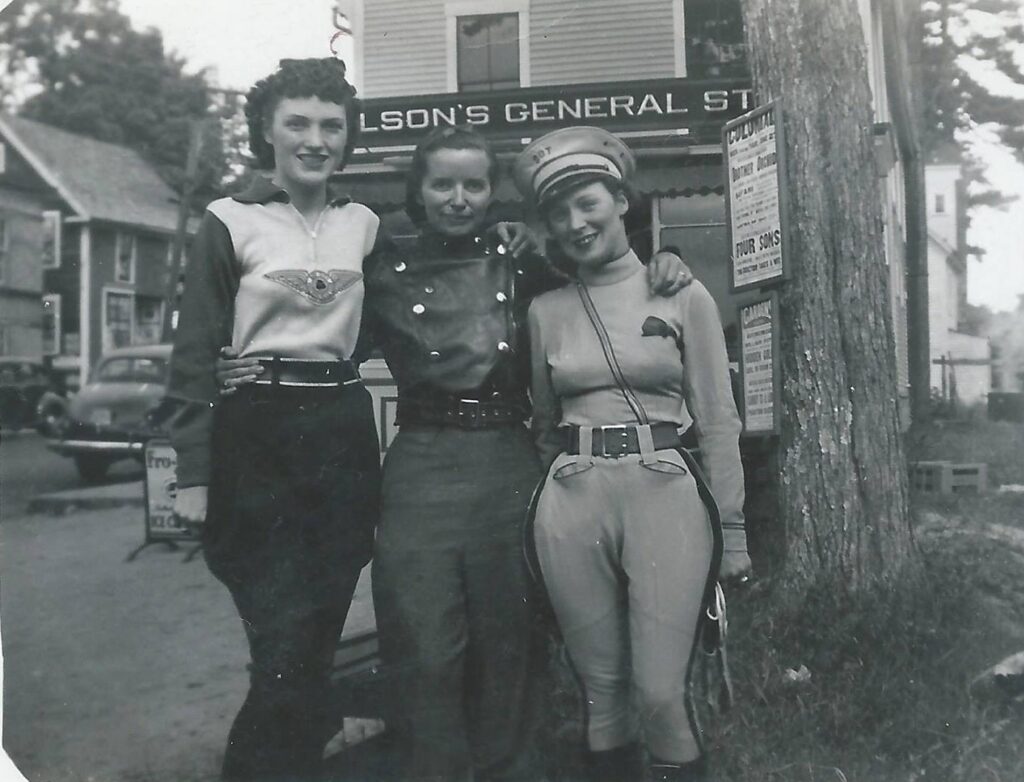
Many top motorcyclists, including Ben “Benny” Campanale (Daytona 200 winner, 1938 and 1939), Arthur “Babe” Tancrede (Daytona 200 winner, 1940), Rod Coates, Johnny Spiegelhoff, and Ray Janelle, wore custom Leathertogs gear. The Motor Maids, a prominent women’s motorcycling club, also favored Leathertogs, as seen in period photographs and in the book Iron Horse Cowgirls by Linda Back McKay and Kate St. Vincent Vogl.
Read the whole Leathertogs saga in Parts 1-5 of The Lost Empire of Leathertogs.
Related Posts

Inside Motorcycle Studies’ 2026 “Motogeek Summer Camp”
Motorcycles endure because they…
The Lost Empire of Leathertogs, Part 2
Leathertogs reached its peak in the…
Legend of the Motorcycle Attire
It was an event that changed the…
Notice how Dot’s pants so fetchingly adhere to her wide juicy hips
” Iron Horse Cowgirls ” … a damn fine oak that belongs in ay intelligent M/C enthusiast’s personal library .
So what killed off LeatherTogs ? The great depression …. unable to compete once everyone else jumped on the burgeoning bandwagon …. lousy internal business practices ? What ?
Or will that be addressed in pt 4 ?
Cause it seems to me they had a damn good product … beating more than a few to the first punch … got some decent endor……… endor ….. en ….. uh oh …. oh $h!t … don’t tell me …. Misogyny once again reared its ugly head in protest of the woman’s M/C club endorsement
Gotta jes loves what ever ‘ spellcheck’ bot this site uses … that occasionally alters words AFTER one has hit the Post Comment icon
e.g .. Oak was BOOK …. and Ay ( ay ay captain ? ) was ANY before the bot got its grub digital claws into it
Welcome to the enshitocene … and oh when that bubble goes pop … well …. you know 😎