The Silent Types
Motorcycles and movies; it's been a winning combination since the dawn of cinema. The Silent era of the early 1900s-1920s relied on pantomime, title cards, and onscreen antics before spoken dialogue arrived with recorded sound, and 'special effects' were edited into scenes. Before 'talkies' became the norm, motorcycles in the real world were racing at over 100mph on board tracks, had circumnavigated the globe under adventurous riders, and played a role in the first global war, yet the big screen had yet to exploit them for anything but their kinetic potential. The motorcycle as a character in itself would have to wait until after WW2, as would the 'Dark Rider' trope - the motorcycle as a vehicle of/for menace - which first appeared as metaphor in Jean Cocteau's 'Orphée' (1950), and as reality in 'The Wild One' (1953).
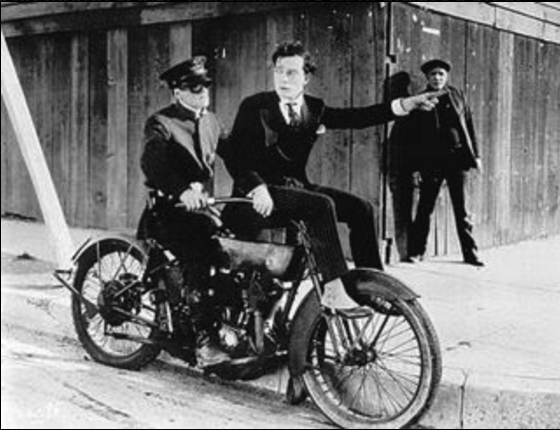
Before the advent of special effects teams using models or double-exposures to mimic dangerous action, a surprising number of silent film actors performed their own stunts 'in-camera' - meaning the events were totally real, although very carefully planned. The premier example of the actor/stuntman was Buster Keaton, who can be seen riding a motorcycle from the handlebars, riding through fences, and making dangerous jumps across moving trucks between gaps in a bridge. It's still great stuff!
Keaton is widely considered the best physical comedian of the silent era, thinking up and executing his own elaborate stunts, and directing himself in wildly popular films during the 1920s. His po-faced expression, which subtly morphs from maudlin to curious to shocked, was a key to his comedy, being a total contrast with the outrageous antics in his films. Keaton included elaborate stunt riding on a 1923 Harley-Davidson 'J' model in the 1924 film 'Sherlock Jr,' which can be seen above. Another scene in 'Sherlock', featuring a moving train and water tower, actually fractured his neck vertebrae - but Keaton didn't realize it until he was x-rayed years later. He had an exceedingly long movie career, successfully making the transition to 'talkies' and then into television. His last film appearance was 'A Funny Thing Happened on the Way to the Forum' (1966), when he was 70 years old.
Larry Semon was another talented actor/director/stunt man, who's nearly forgotten these days, but in the 1920s he was a very successful and wealthy film producer. He directed the first, silent version of the 'Wizard of Oz' in 1925 (in which he played the Scarecrow), and worked with both Stan Laurel and Oliver Hardy, before they created their immortal comedy team. Semon directed and acted in the short 'two reel' film 'Kid Speed', about two auto racers (Semon and Hardy) competing for the same girl ('Lou duPoise', a reference to the duPont family). Semon was known for his elaborate/expensive sets, sometimes building fully functional houses for a film, as well as huge gags - in the case of 'Kid Speed', an entire mountainside slumps onto a road for comic effect. If you want to skip the slapstick and see the cool old racers, jump to the 14-minute mark.
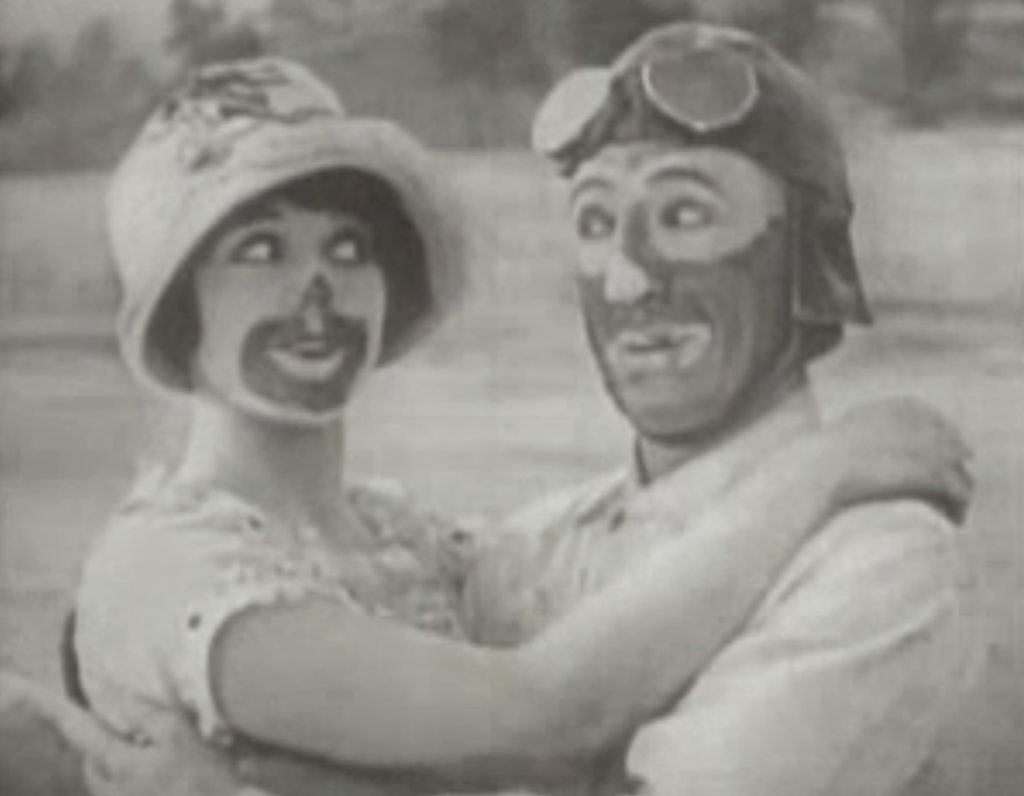
'Kid Speed' is a two-reel film, shortened to 18 minutes; this may be the result of deterioration of the original, highly volatile nitrocellulose film stock. Semon died in 1928 of tuberculosis, and many of his films languished in private collections before being rescued and transferred to more stable 'Safety Film' stock - cellulose acetate, which is much less flammable. Note the words 'Safety Film' on your old 35mm Kodak negatives; previously they would have had 'Nitrate' in dark letters printed. Nitrocellulose is explosive, derived from 'guncotton' and related to smokeless gun powder, and was the foundation of the DuPont chemical fortune.
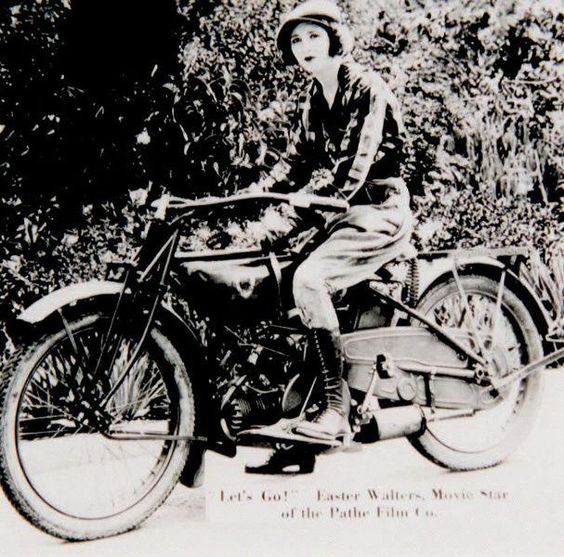
Some of the best motorcycle stunt riding in silent films was done by Easter Walters. She's the real star of this one-reel short 'Taken For a Ride', in which a Larry Seamon lookalike ('Bobby Emmett' - Robert Emmet Tansey) tries to impress a girl by stealing a 1922 Henderson DeLuxe with sidecar, with predictable results - his girlfriend knows more about the workings of a bike than her suitor. This short is a 'one reel' movie, ie the length of a spool of film; 12 minutes, and Walters is clearly capable of handling a motorcycle with verve. The publicity photos of her 'surfing' a 1919 Harley-Davidson Sport Twin are priceless!
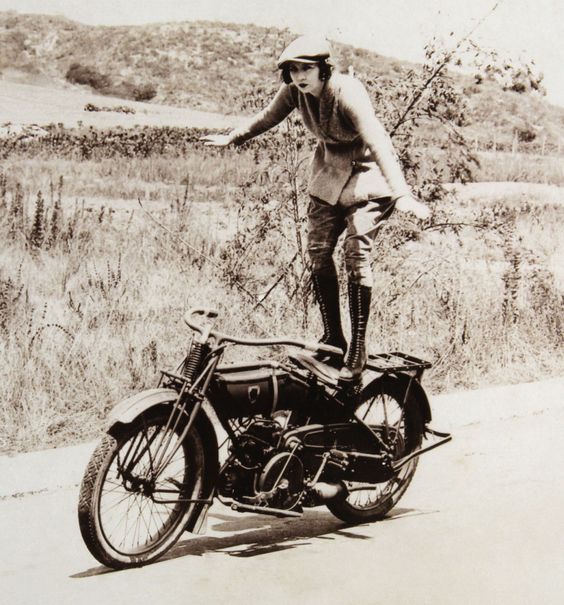
Easter Walters is barely remembered today, but was born in 1894 in Iowa, and moved to Hollywood around 1918. She made some headway as an actress in the silent films ‘Common Clay’ (1919), ‘Hands Up!’ (1918) and ‘The Tiger’s Trail’ (1919). She was known for performing her own stunts, and was a fixture of Hollywood gossip sheets in the 'Teens for riding around town on her motorcycles - perhaps the Indian Model O pictured, and/or the Harley-Davidson Model J in other photos. 'Moving Picture World' in April 1919 ran an article titled ‘Breaking the Speed Laws is Sport for Easter Walters’. Sometime after 1920 she left the film industry; her final film was 'The Devil's Riddle' (1920), and she was married that year to Harry Kinch. She remained in Southern California the rest of her life, and died in San Diego in 1987.
Harold Lloyd was an actor/director on par with Buster Keaton and Charlie Chaplin, and more financially successful than either. He kept control over his image and his films, refusing in later years to allow distribution of his work unless for a very high fee...which meant that by the 1950s and 60s, his work was slowly forgotten, unlike his rivals. In common with other directors of the 1920s, Lloyd found that motorcycles added to the kinetic appeal of a chase sequence. The three-cop pursuit of Lloyd - riding two Harley 'J's and a Henderson 4 - in the 1920 film 'Get Out and Get Under', is a zany early car chase sequence.
Competition between directors for public attention meant increasingly treacherous stunts, and stuntmen were often injured or killed in the era - it was all part of the job description, just as Board Track racers could expect a short career, and considered themselves lucky if they escaped without serious injury. Buster Keaton demonstrated how far stuntmen would go for a laugh in the '20s, while others did spectacular work as well. The following British Pathe film features stuntman Fred Osborne attempting a 25' leap over a cliff on a Henderson 4-cylinder, using a parachute to soften his landing. The parachute essentially fails to open, but Osborne amazingly survived the fall. It was a ridiculously dangerous stunt, and undoubtedly done for self-promotion, in the manner of Evel Knievel decades later. The Silent Types were a strong bunch.

Gallery: Heidi Zumbrun
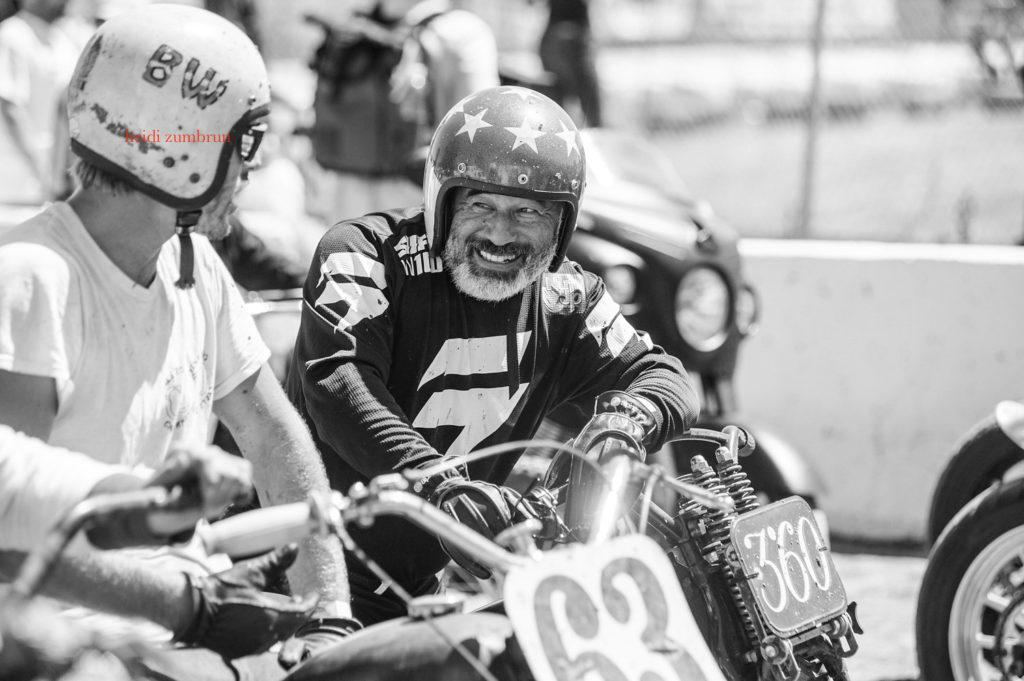
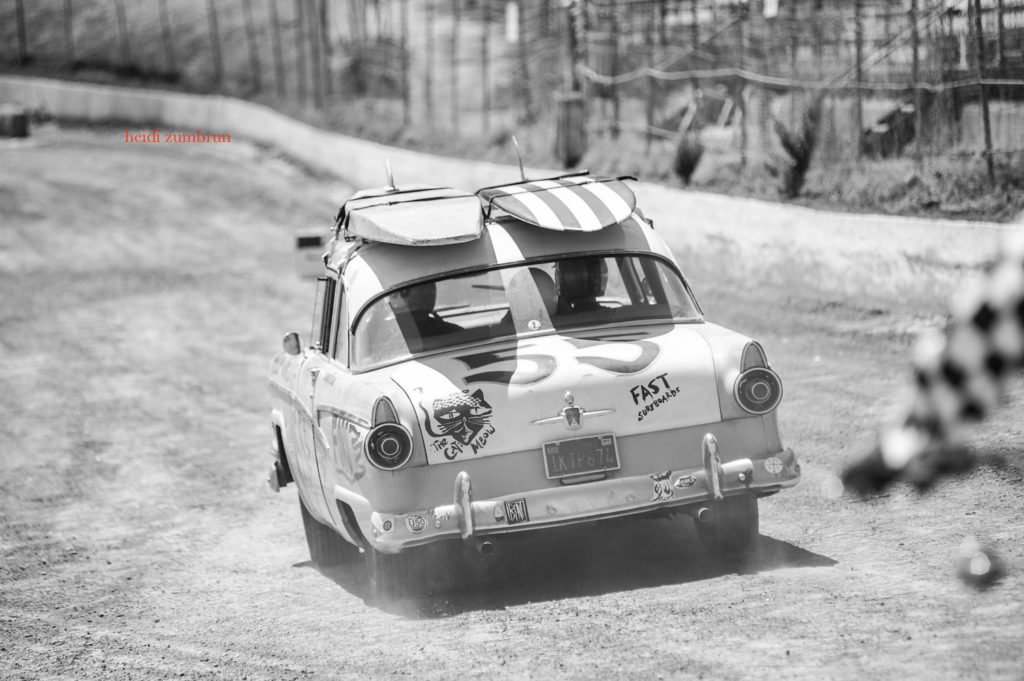
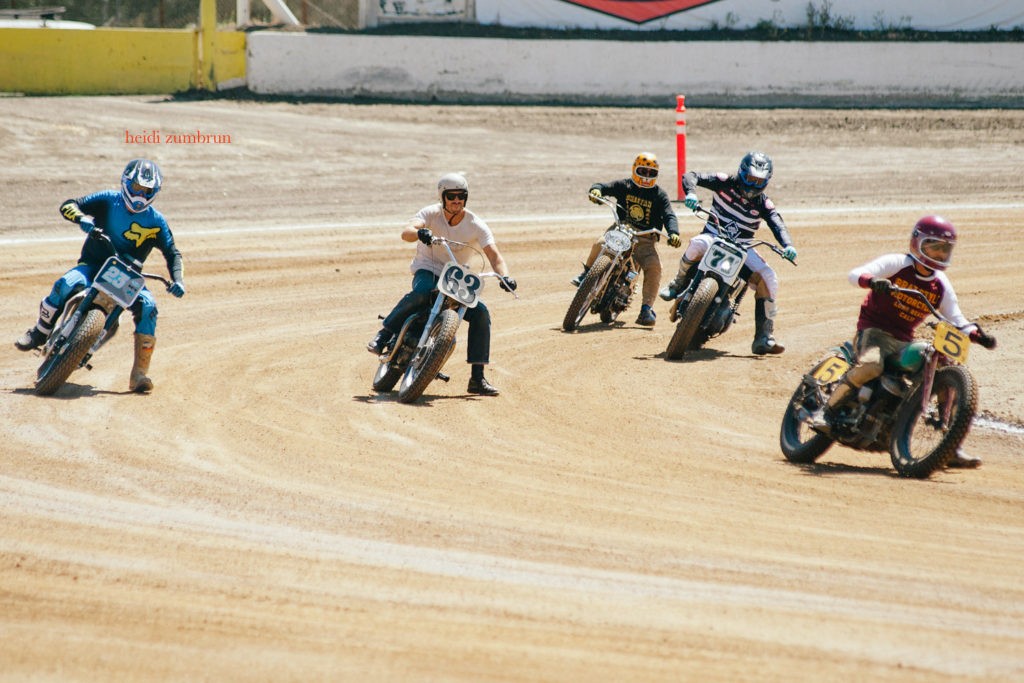
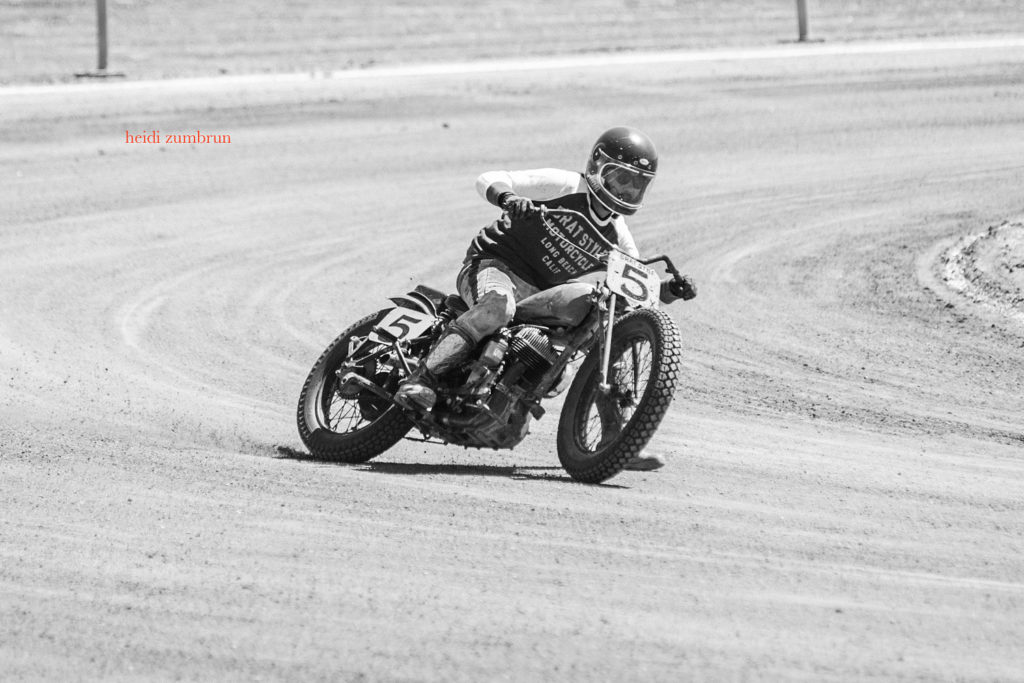
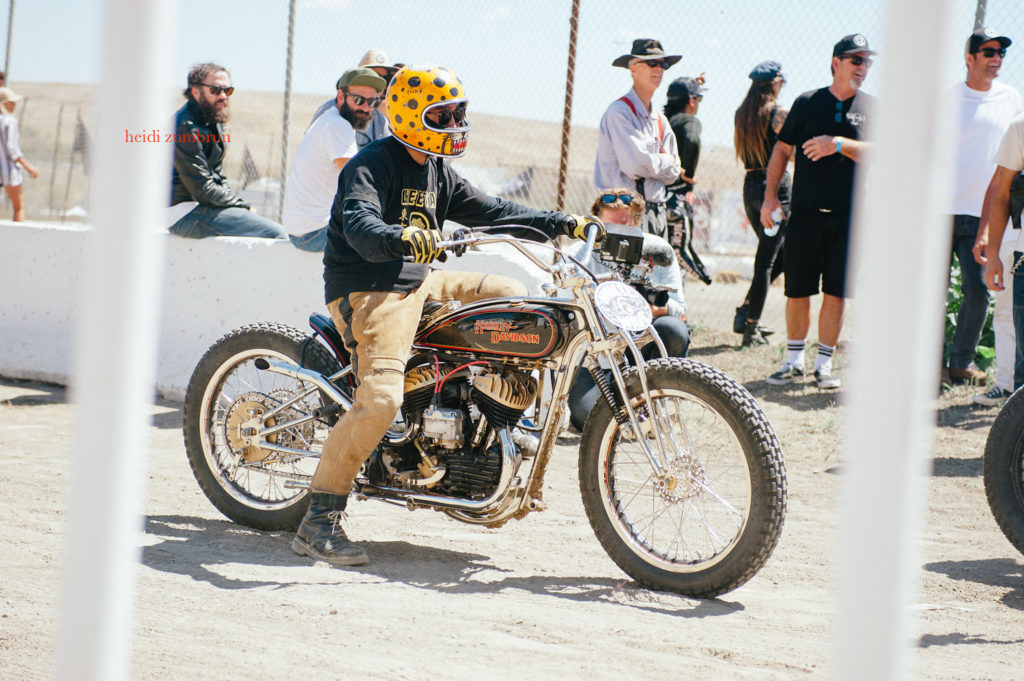
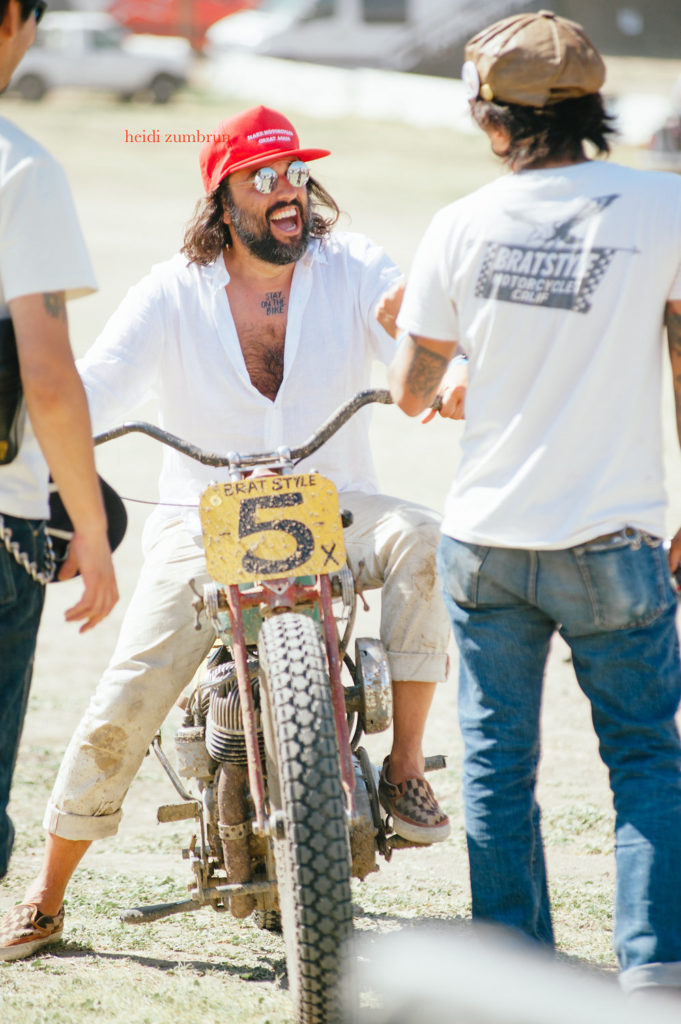
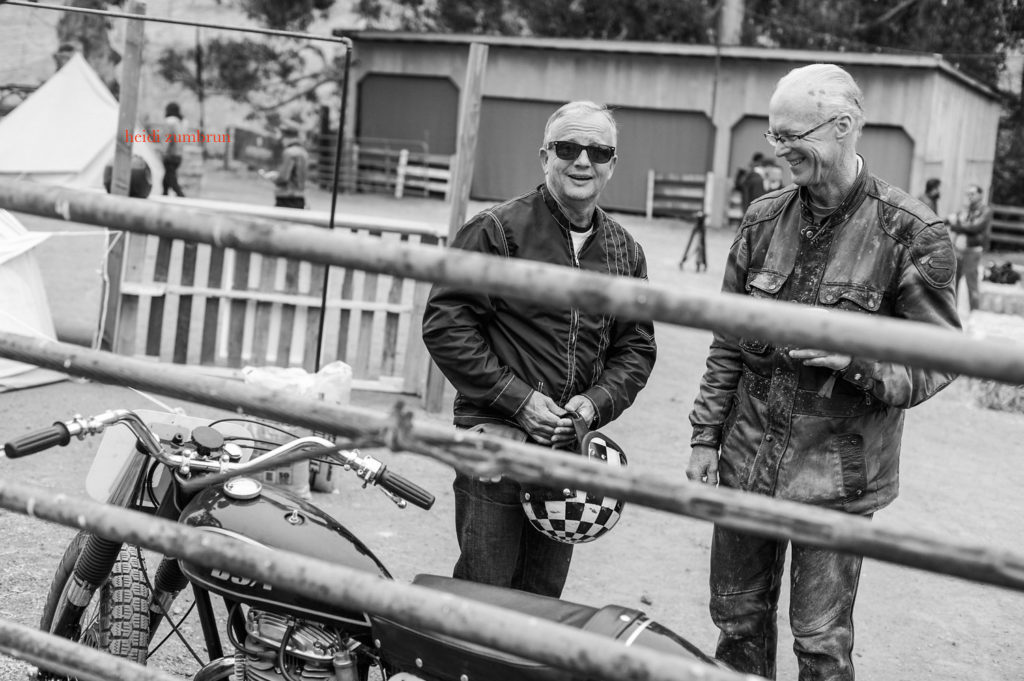
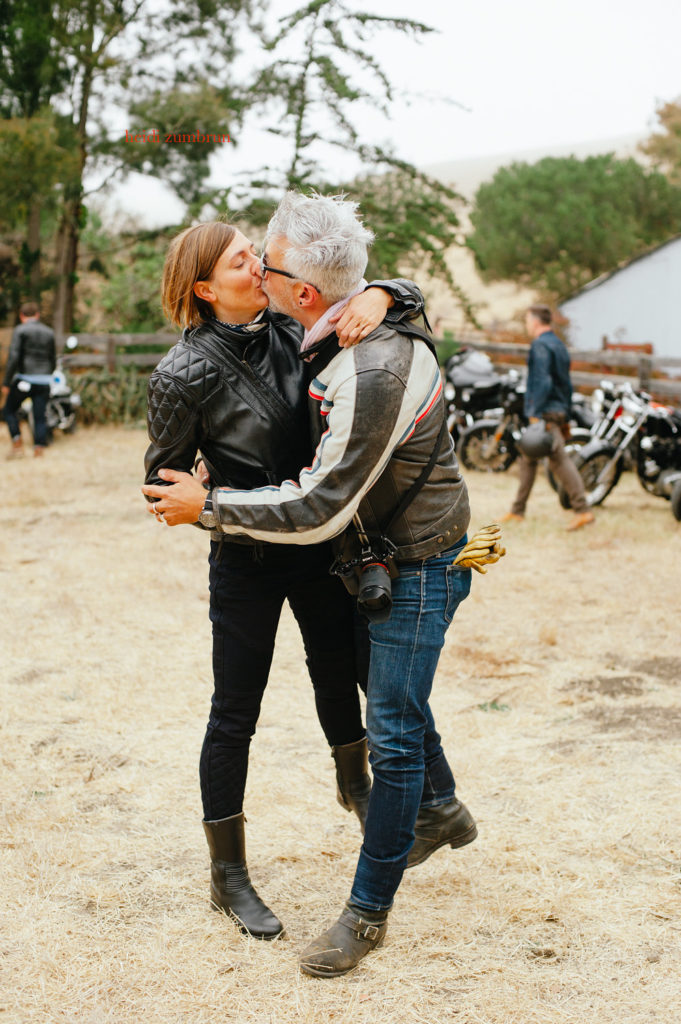
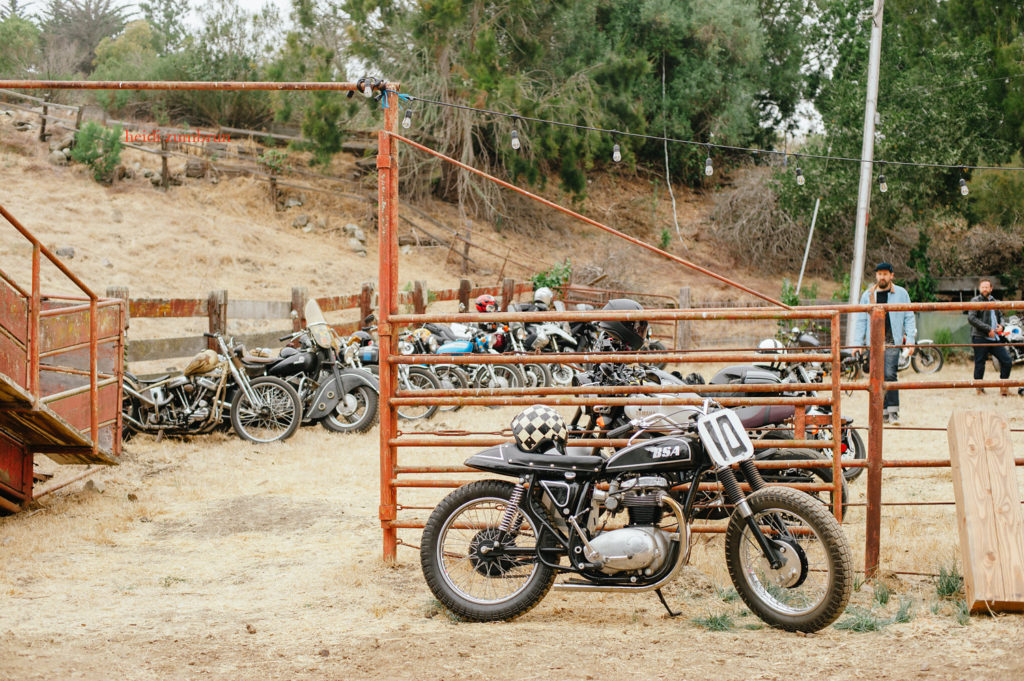
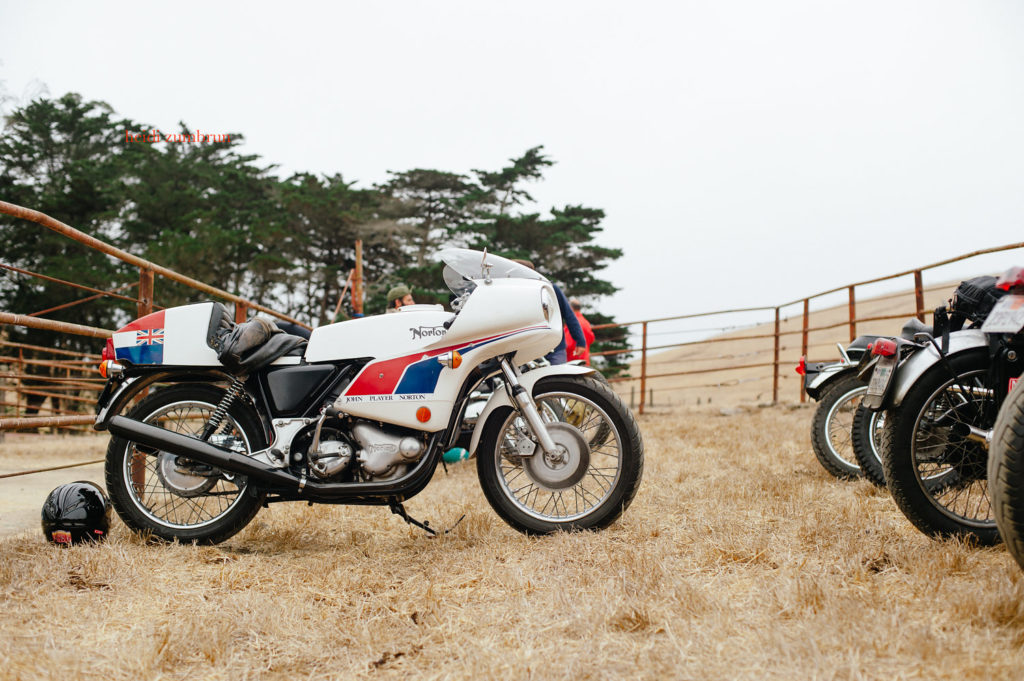
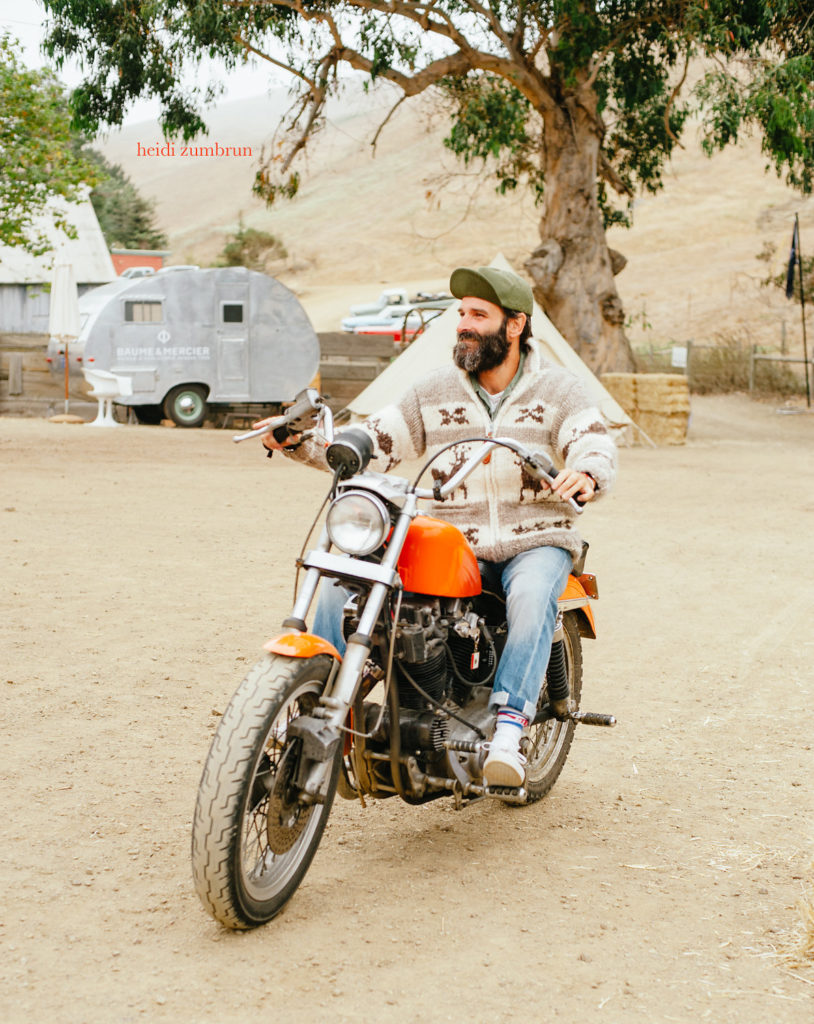
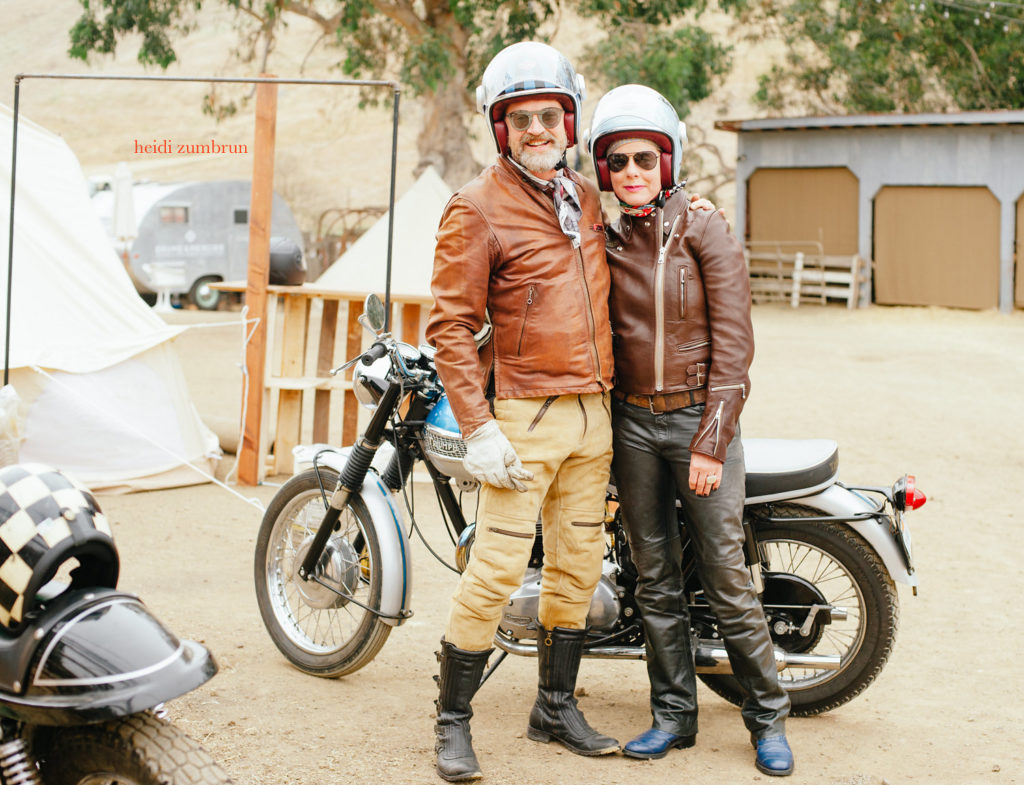
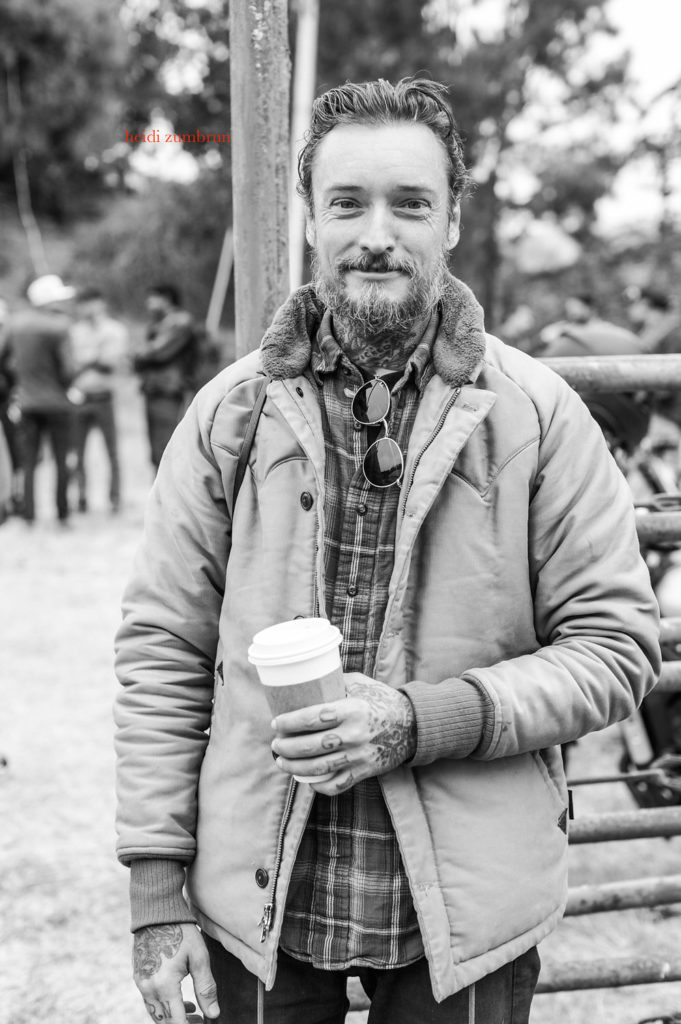
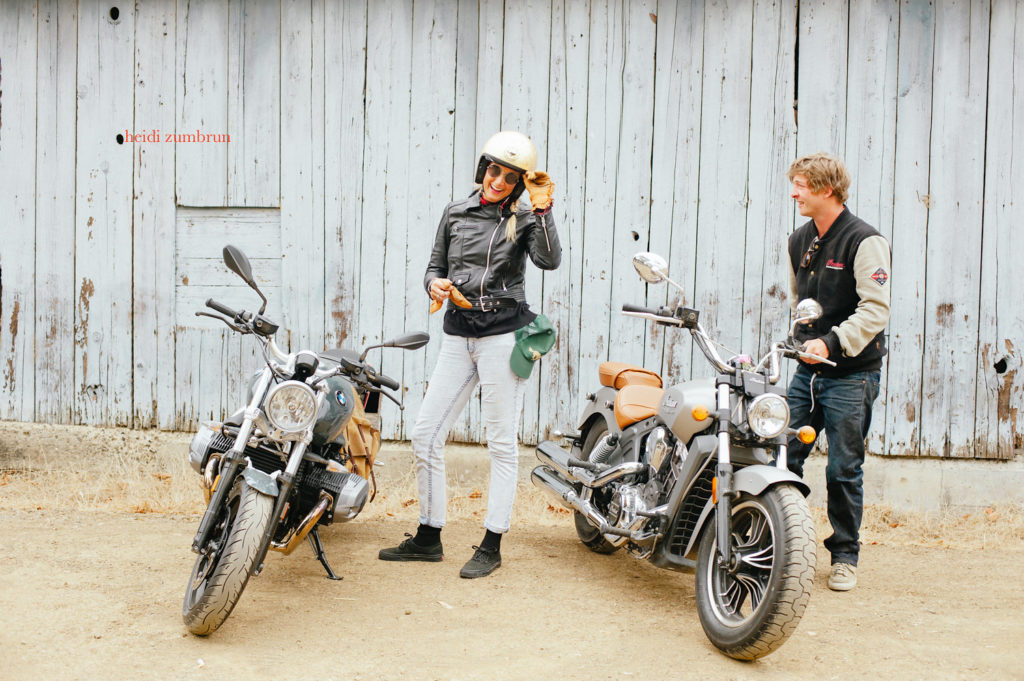
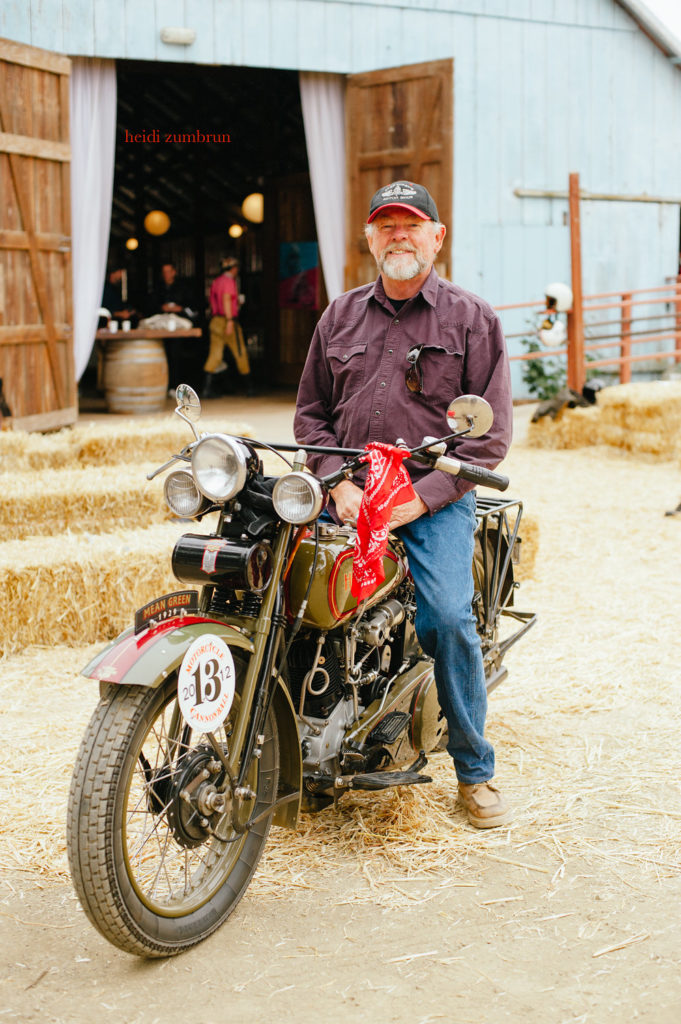
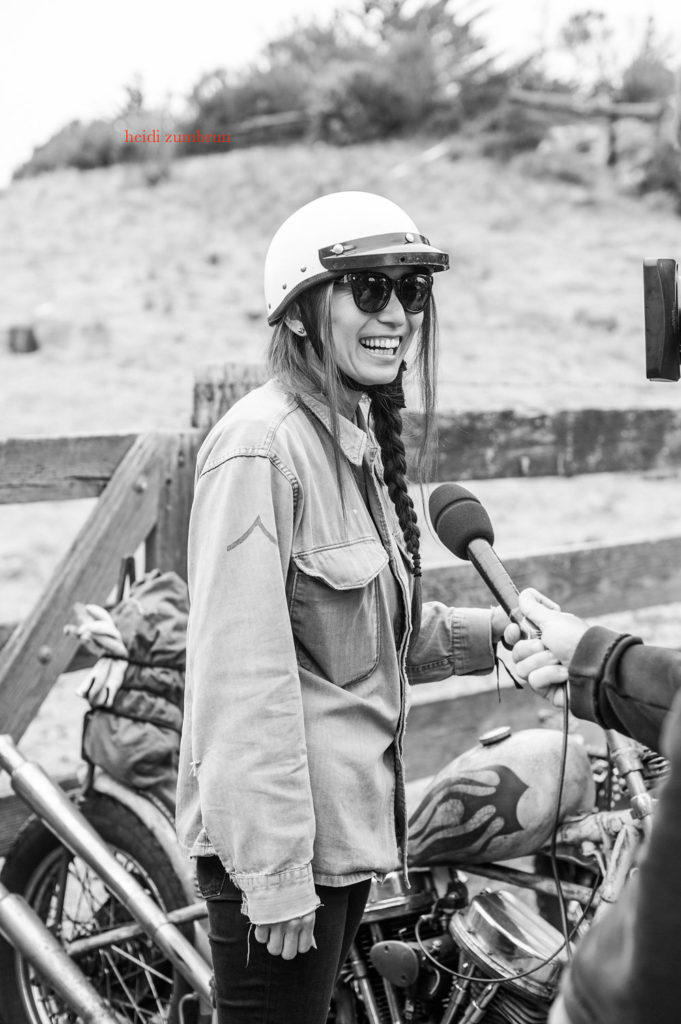
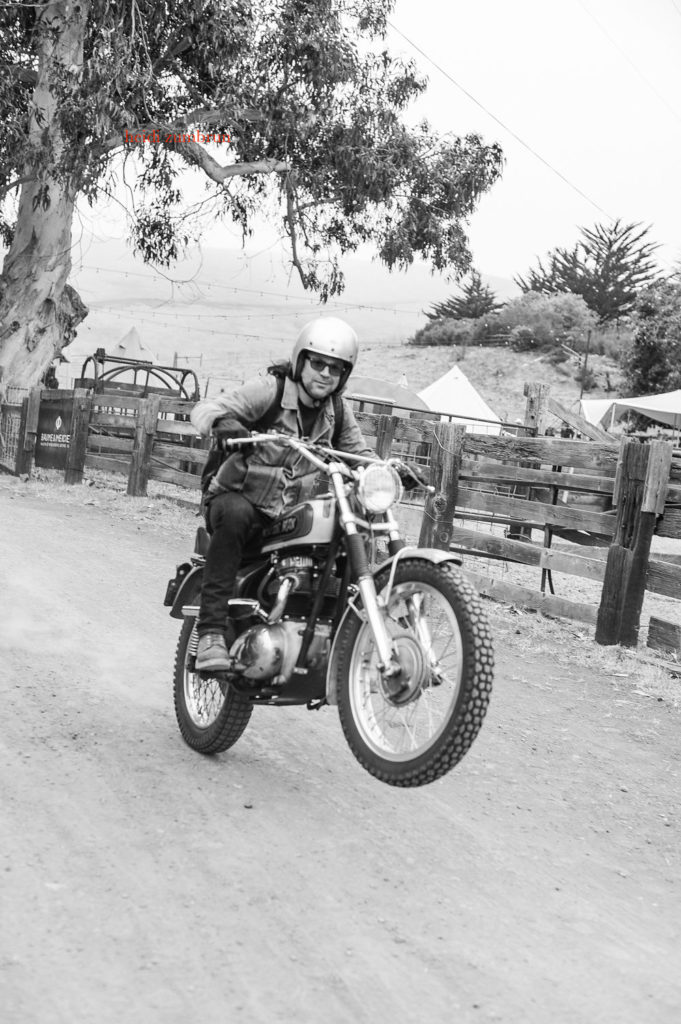
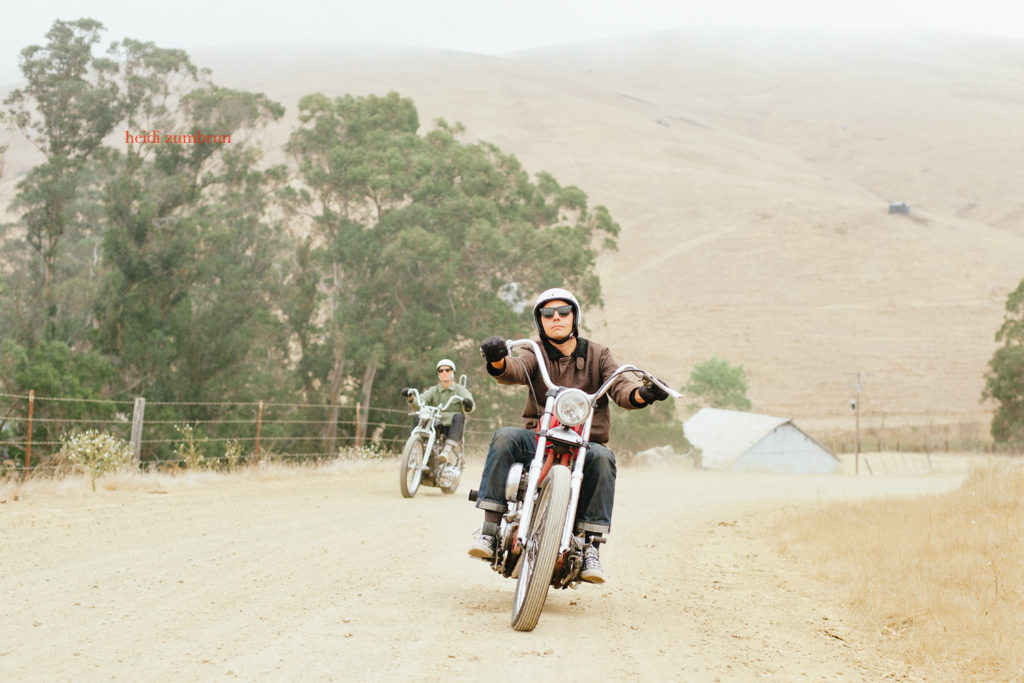
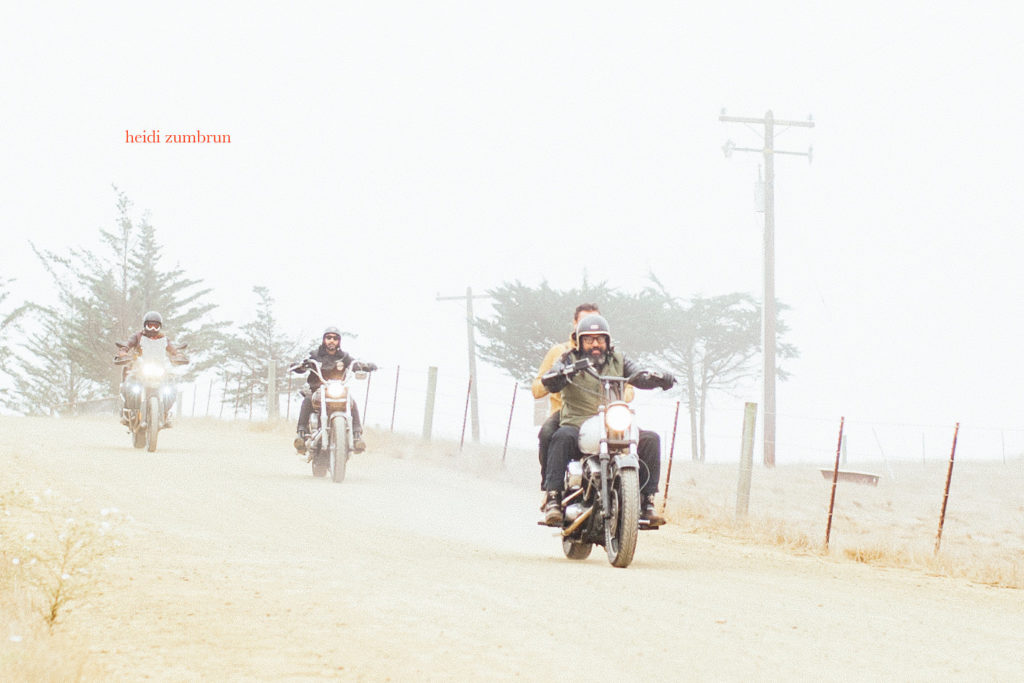
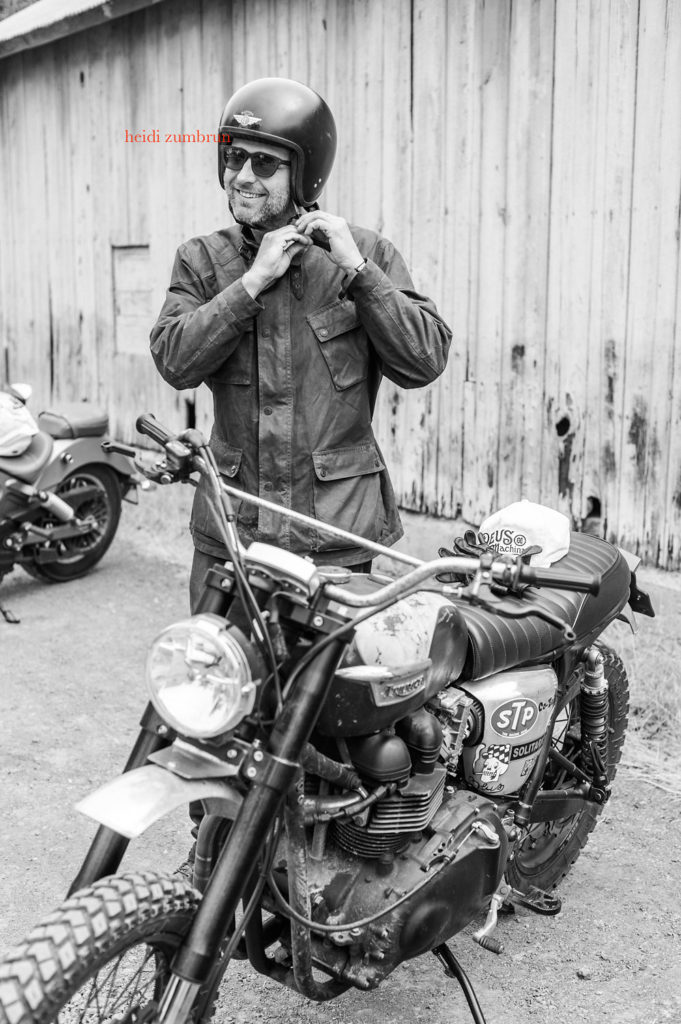
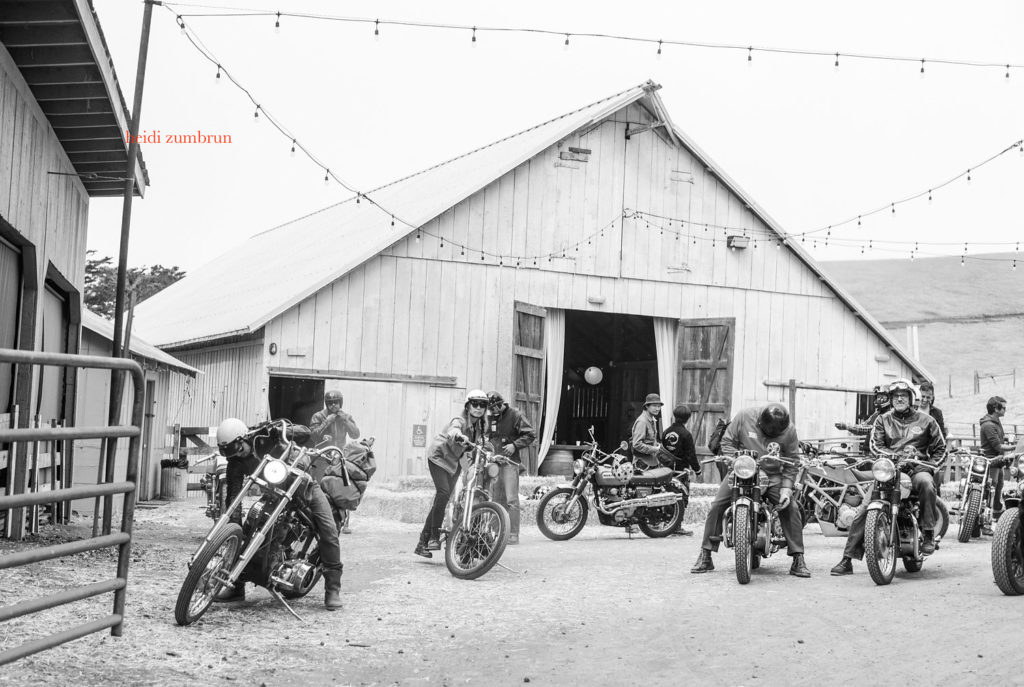
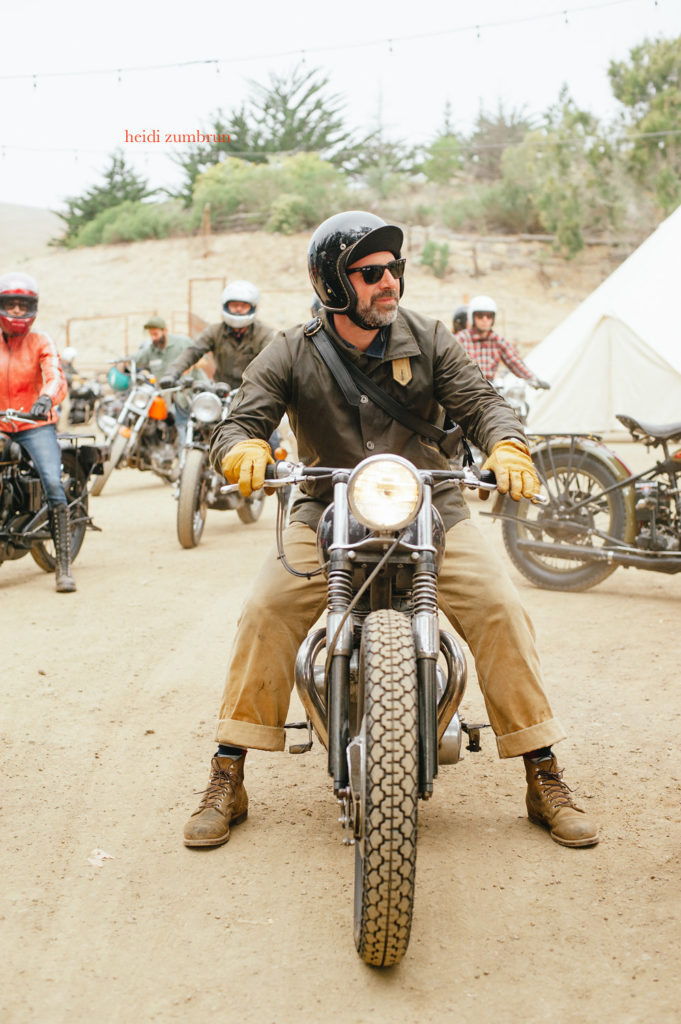
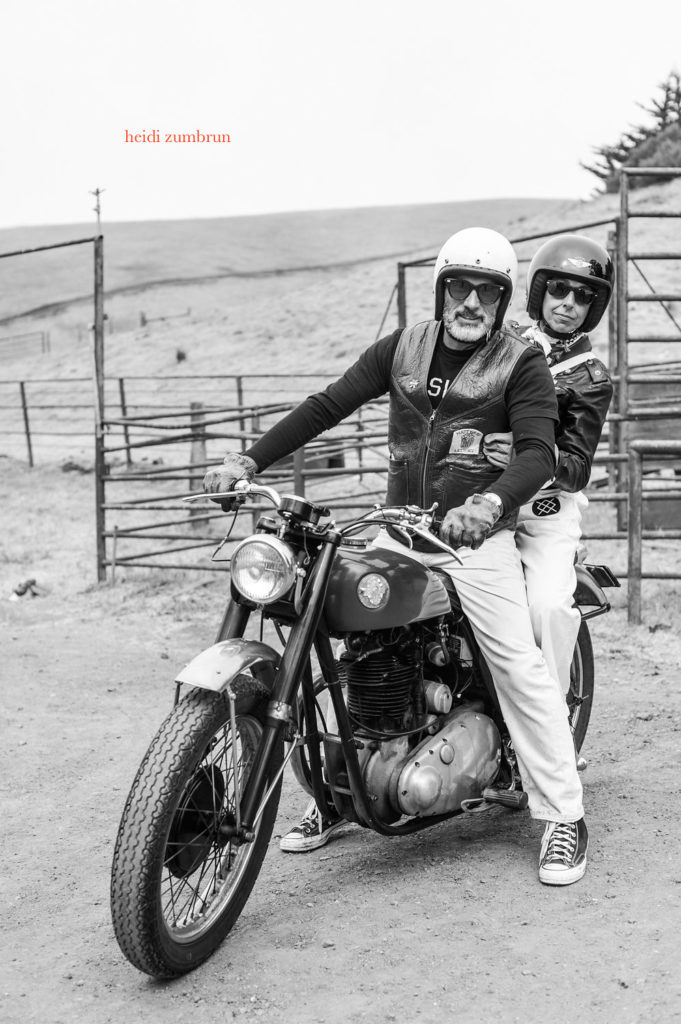
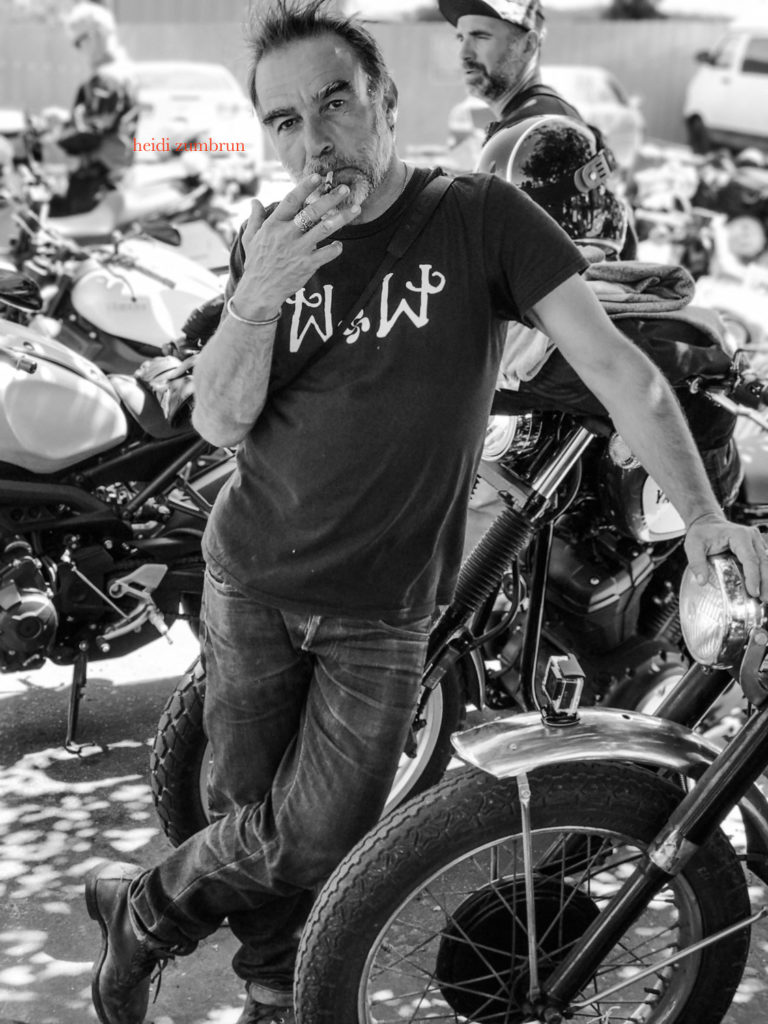
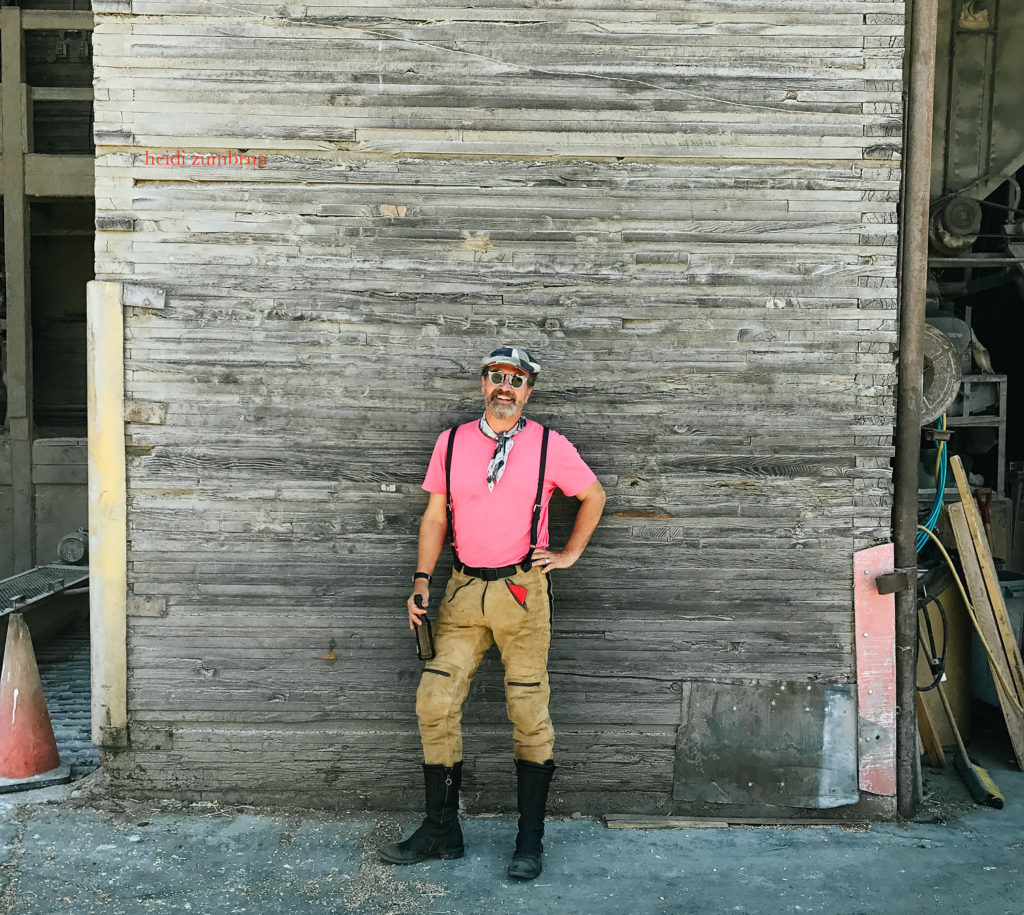
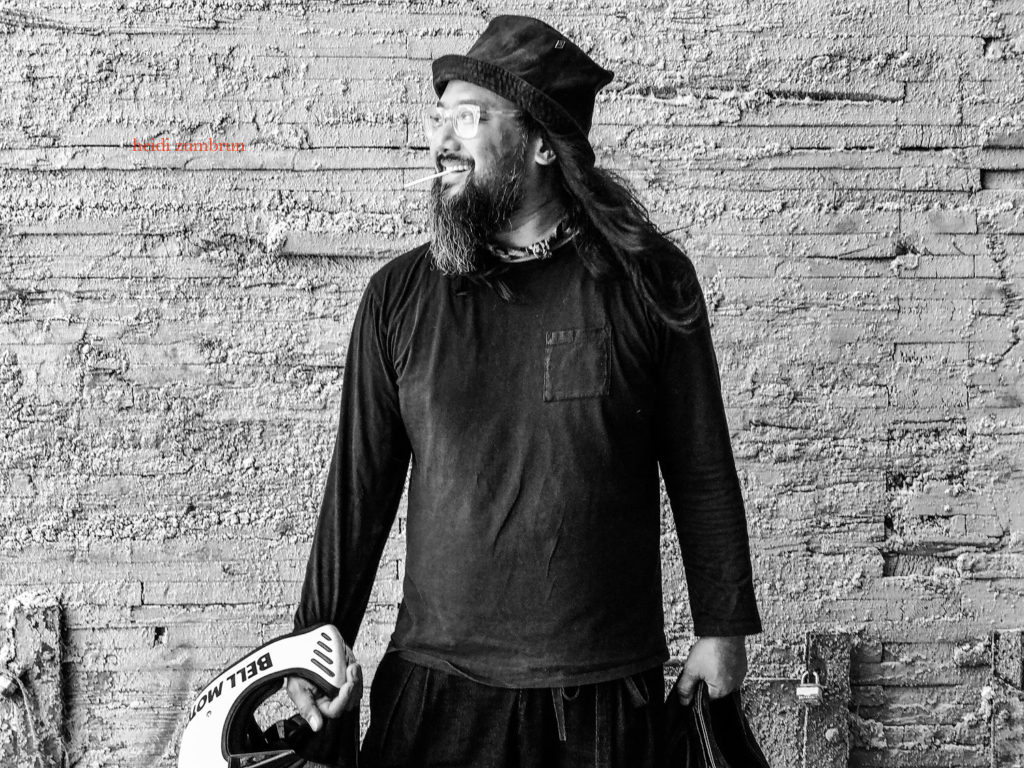
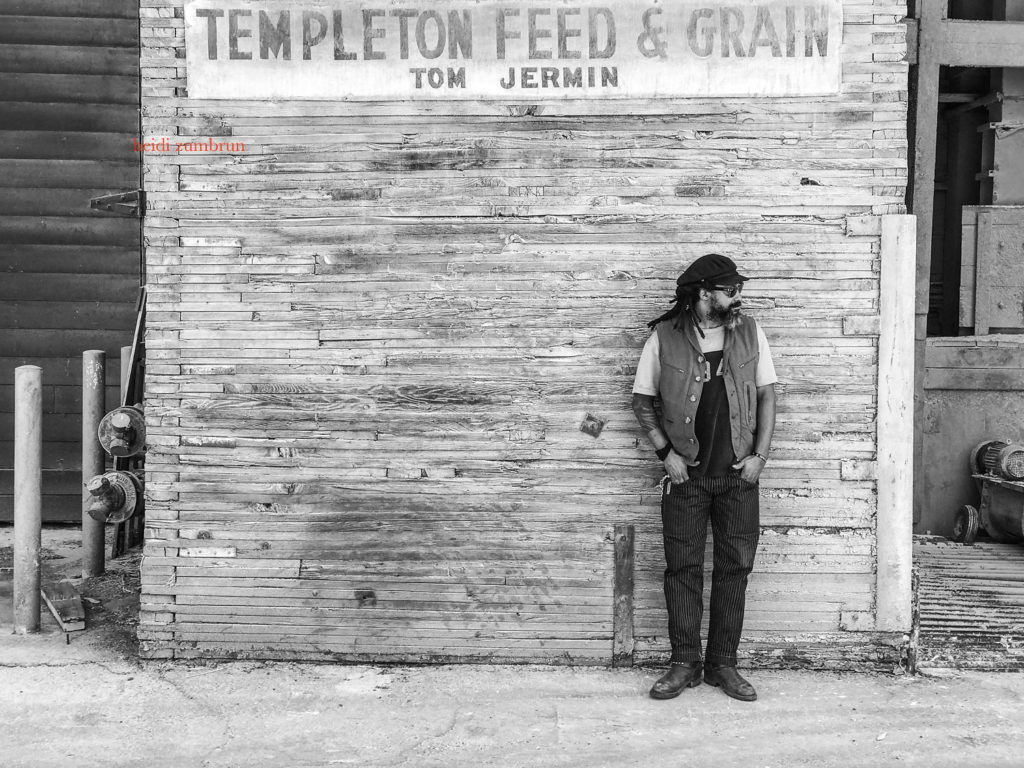
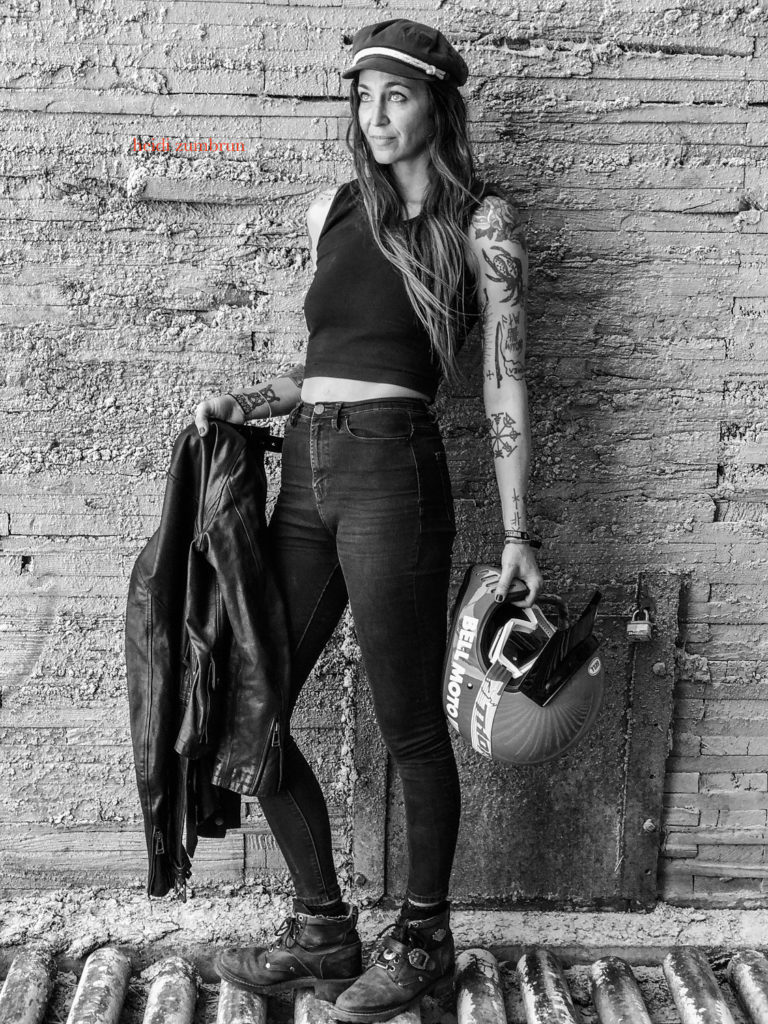
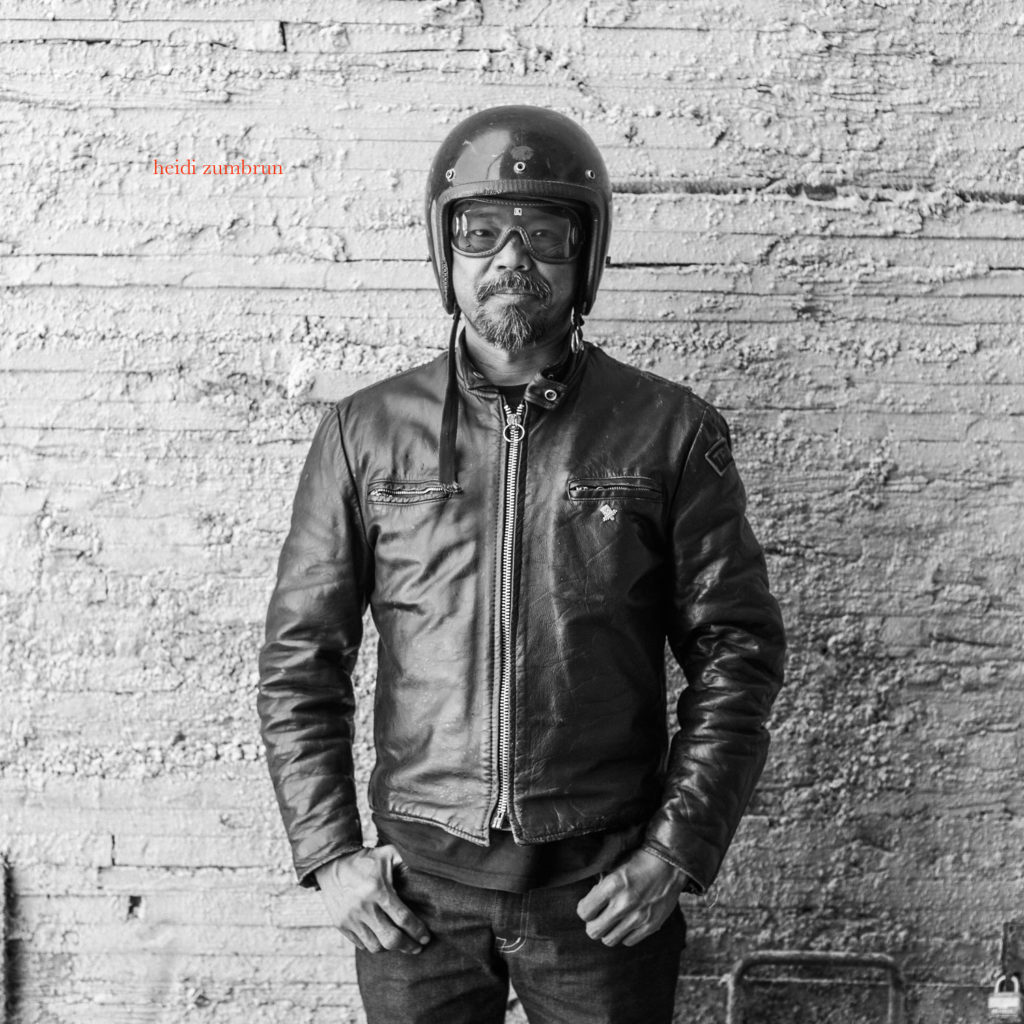
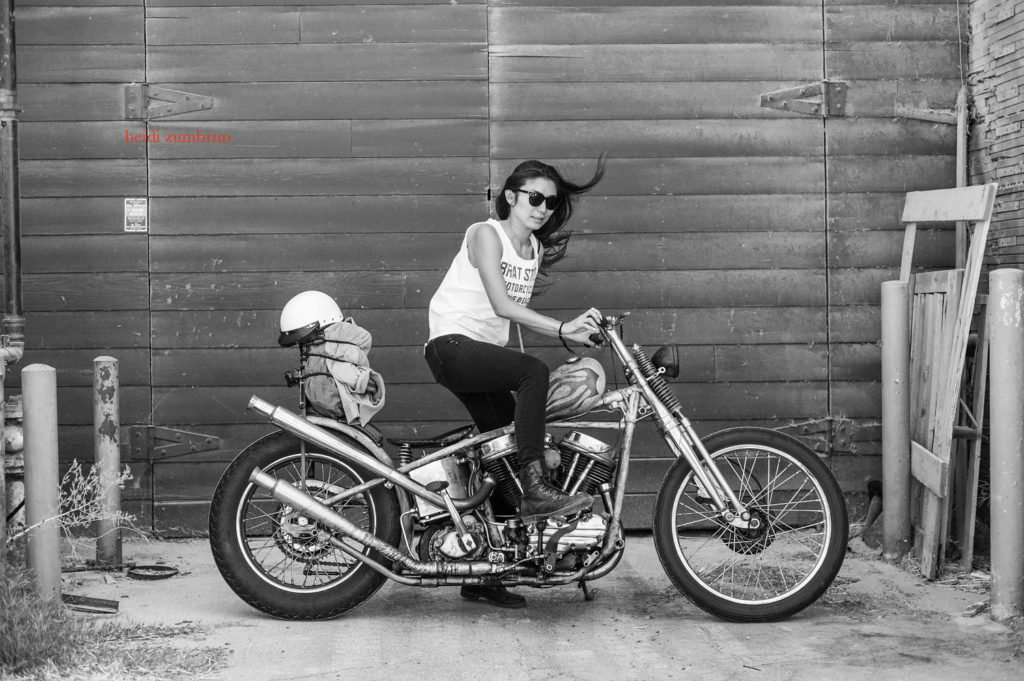
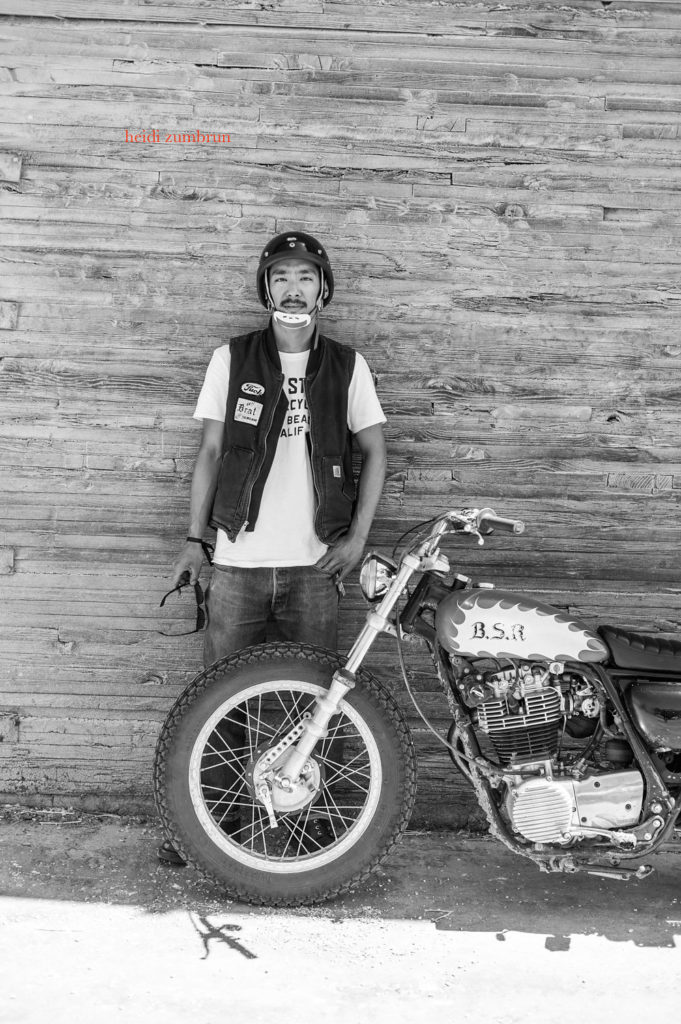
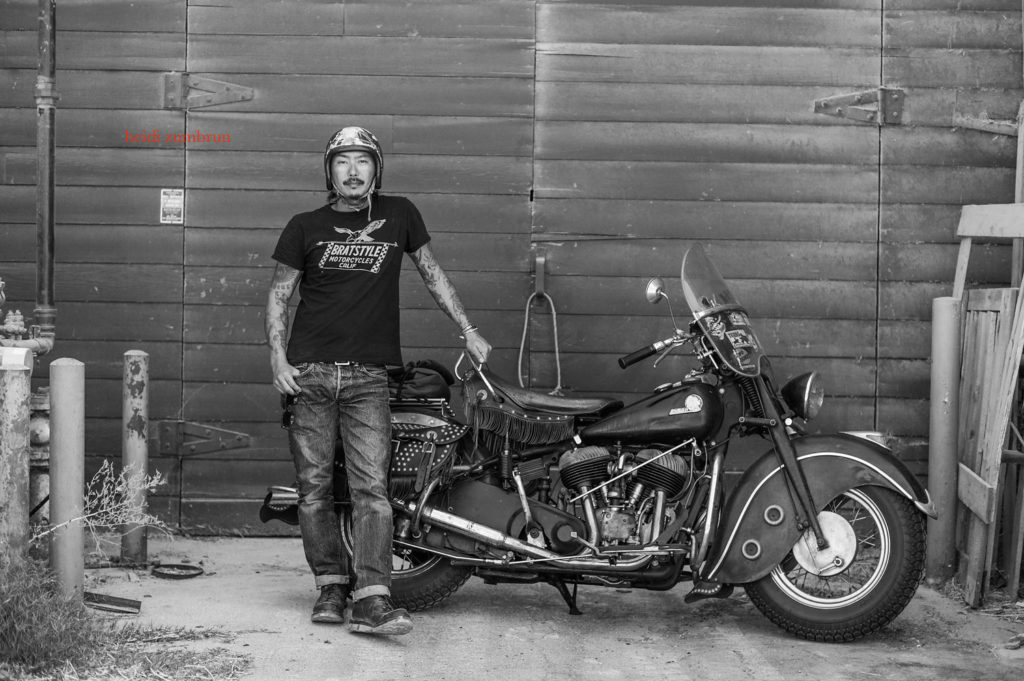
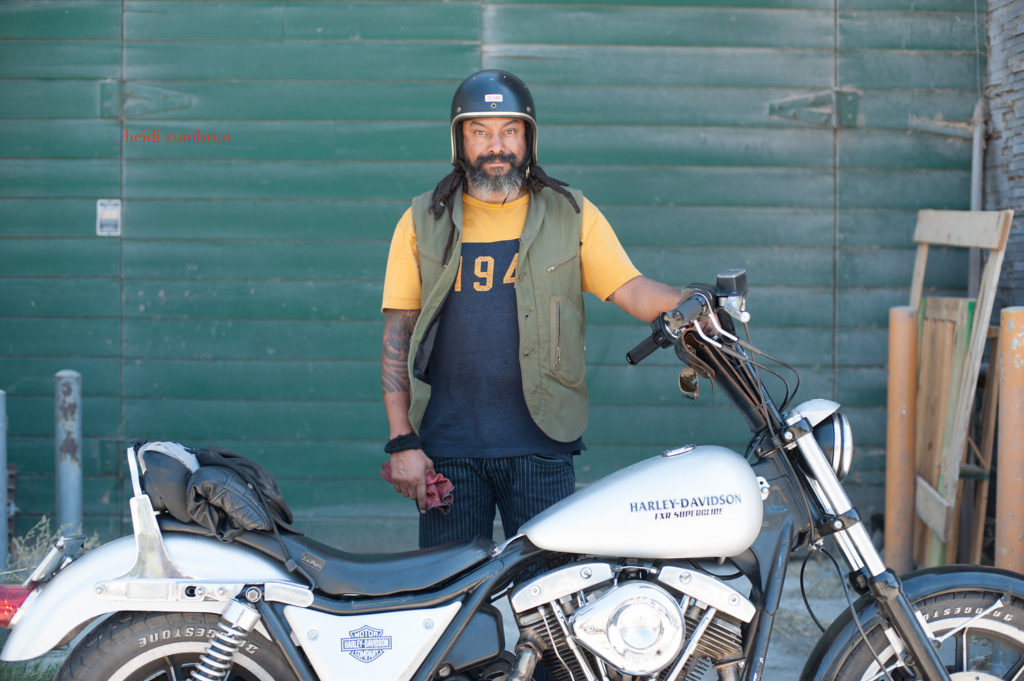
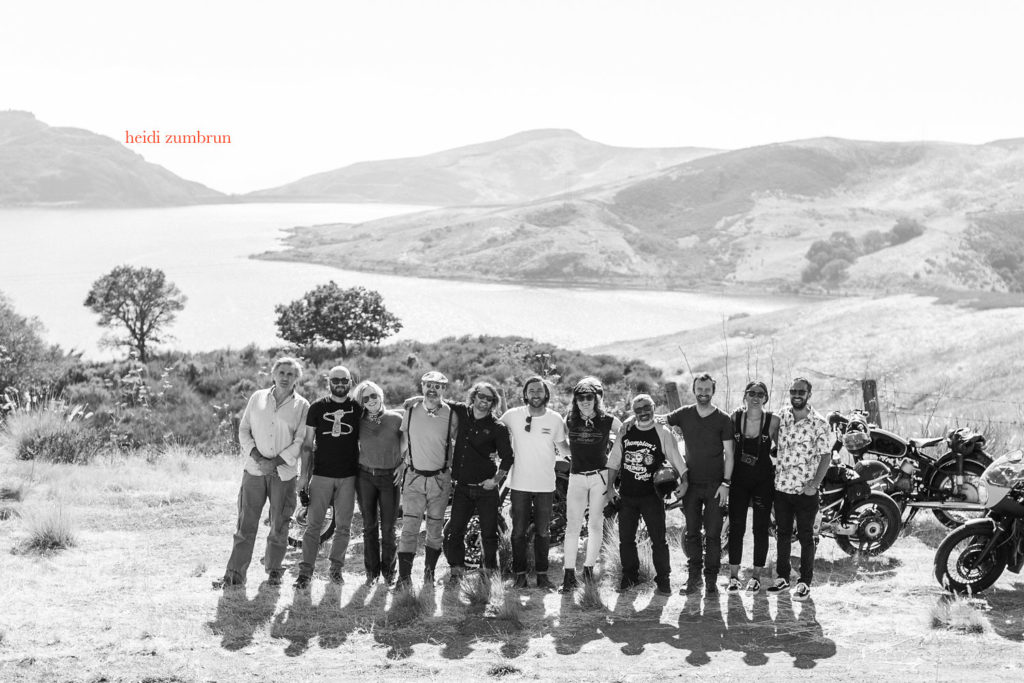
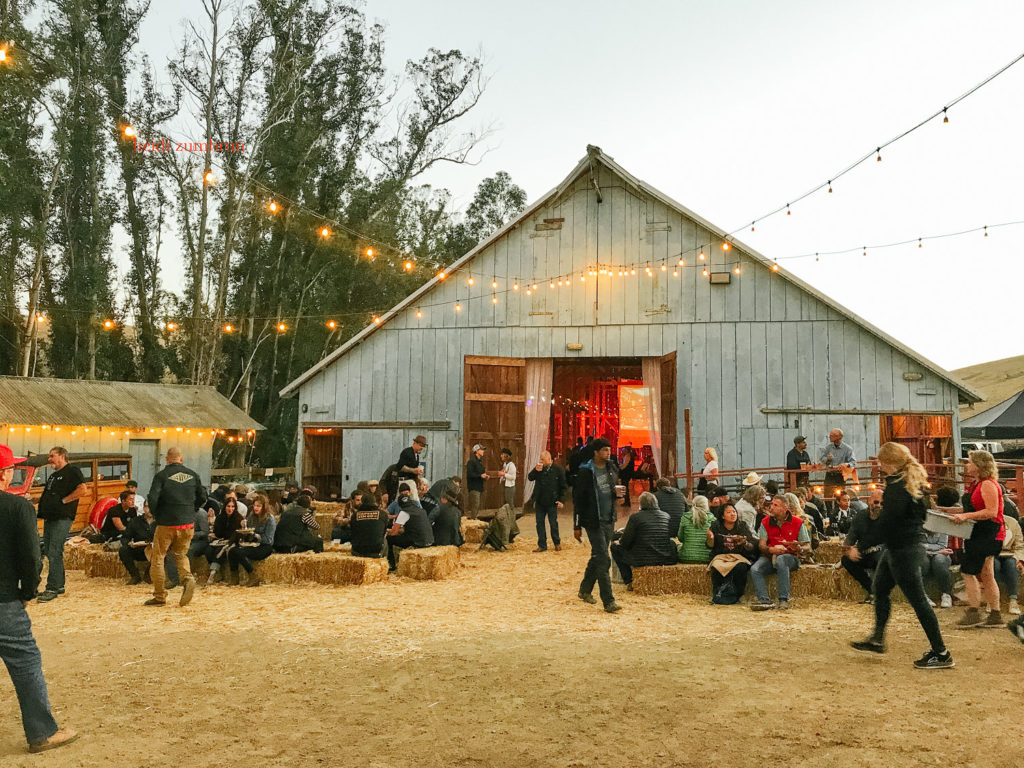
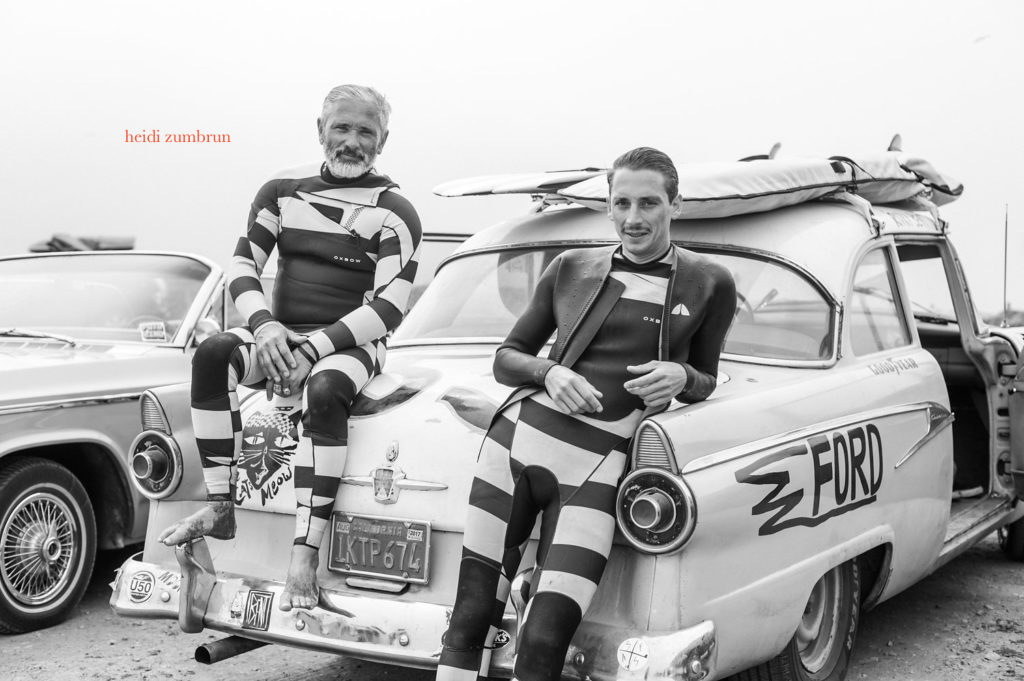
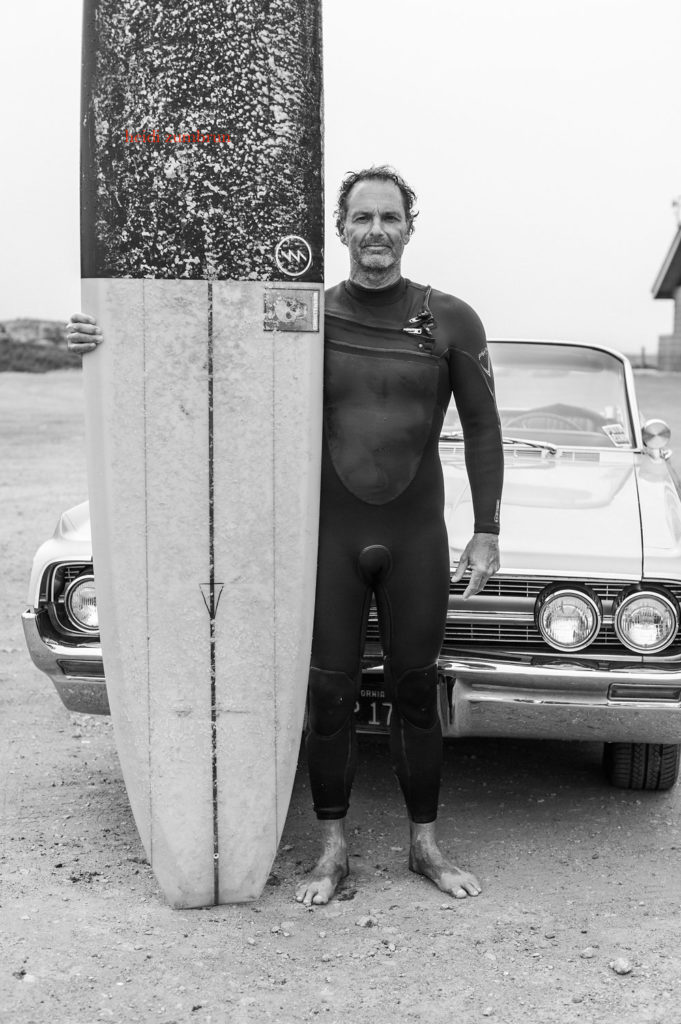
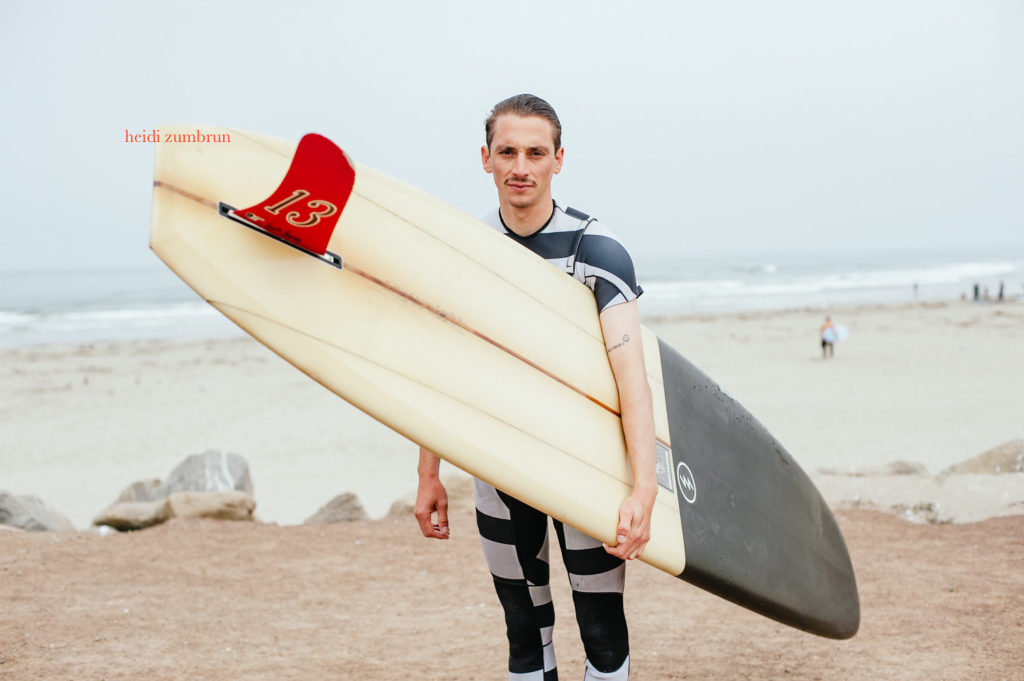
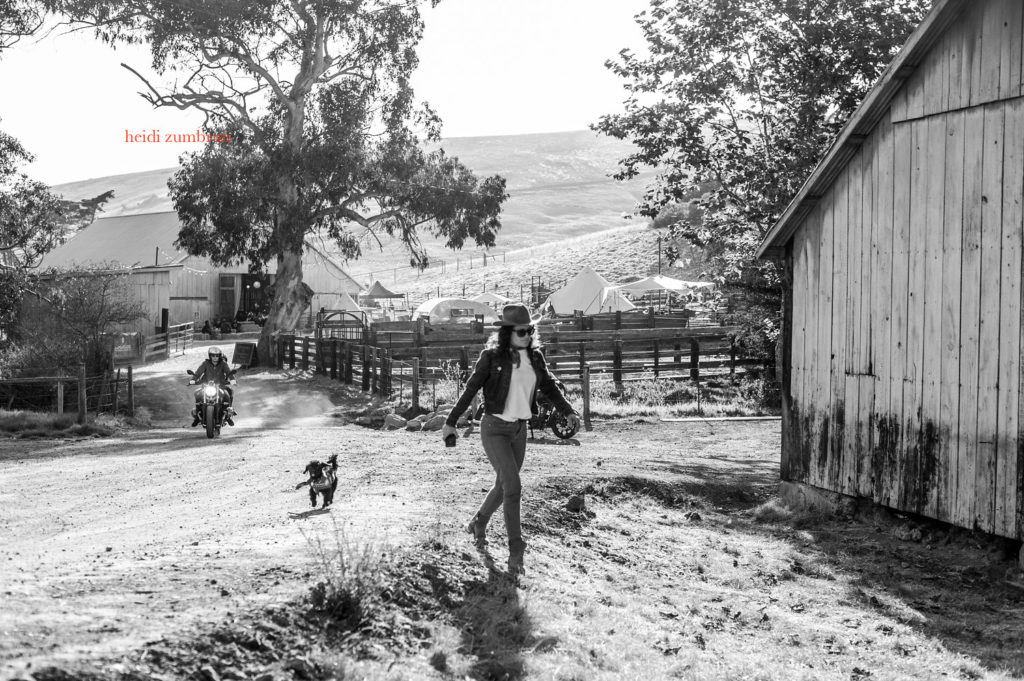
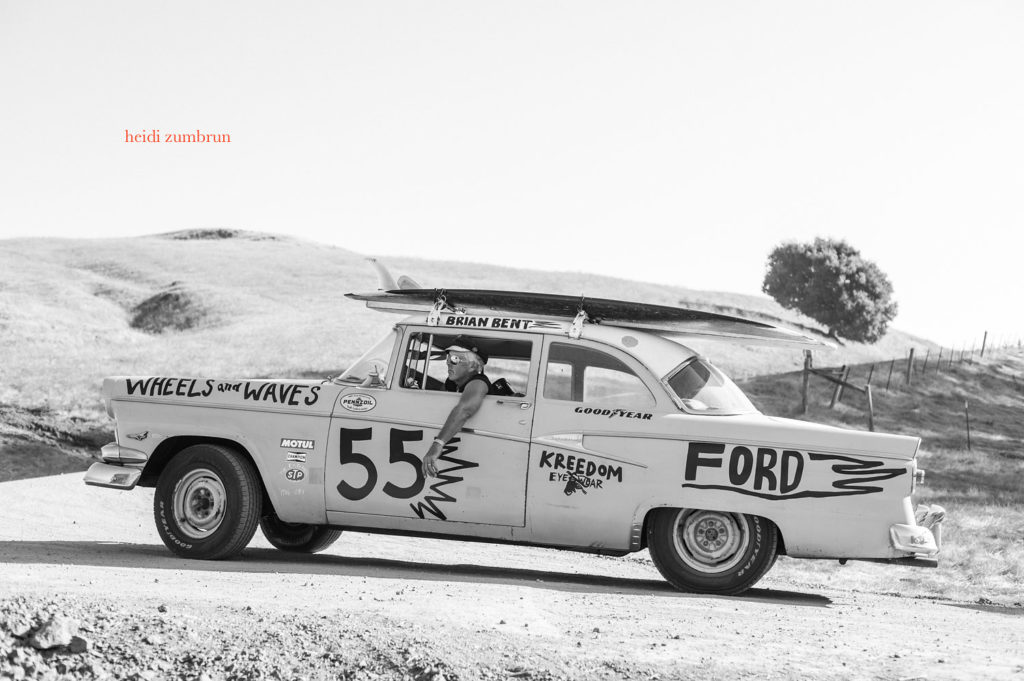
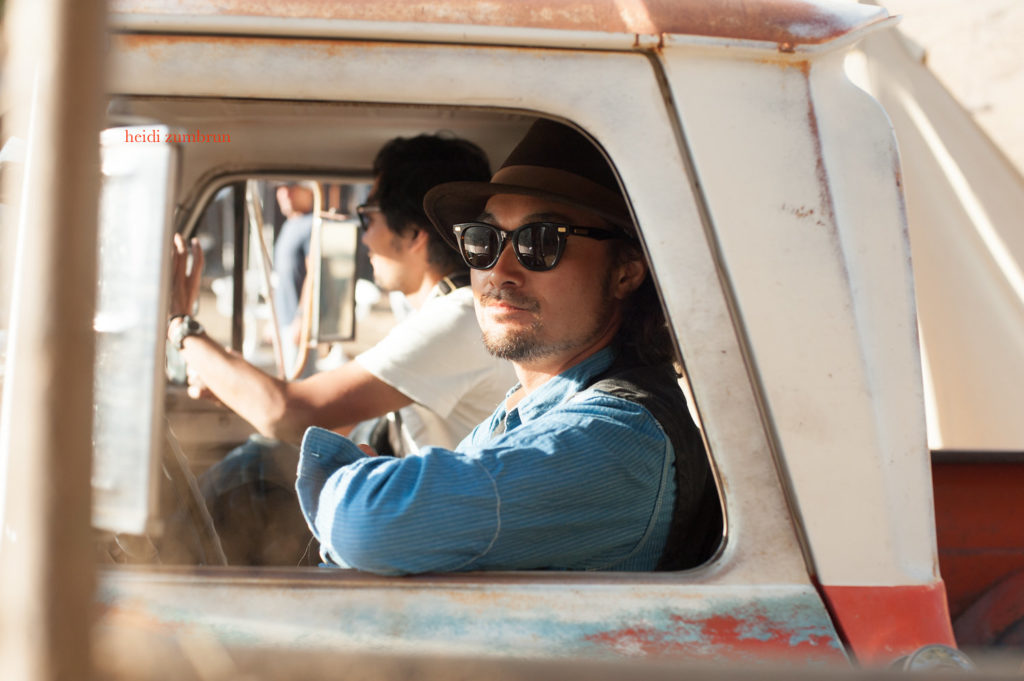
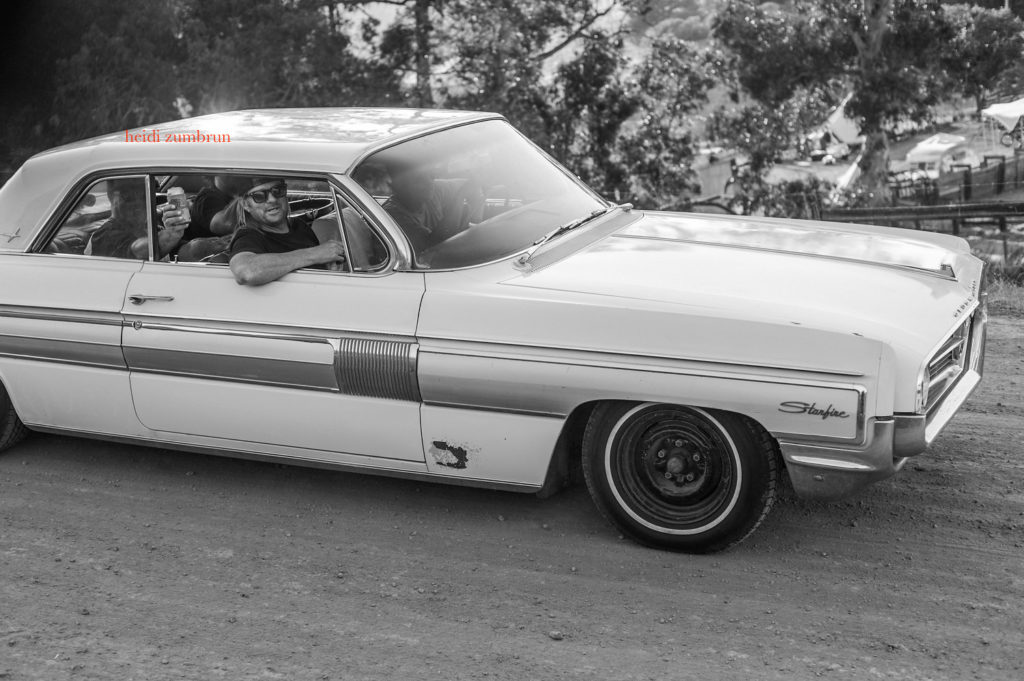
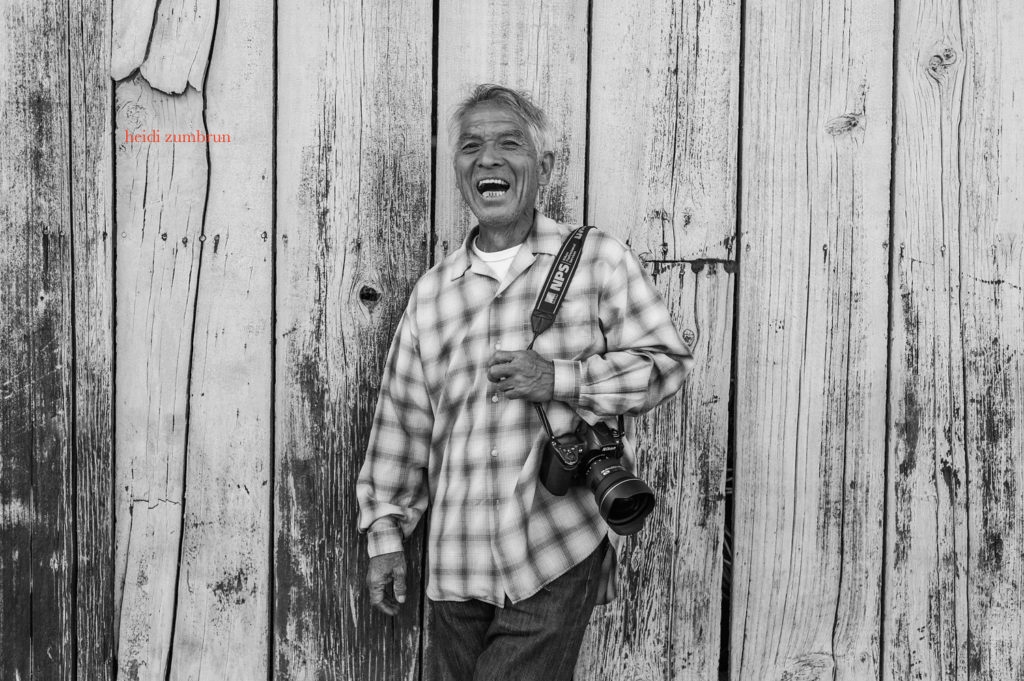
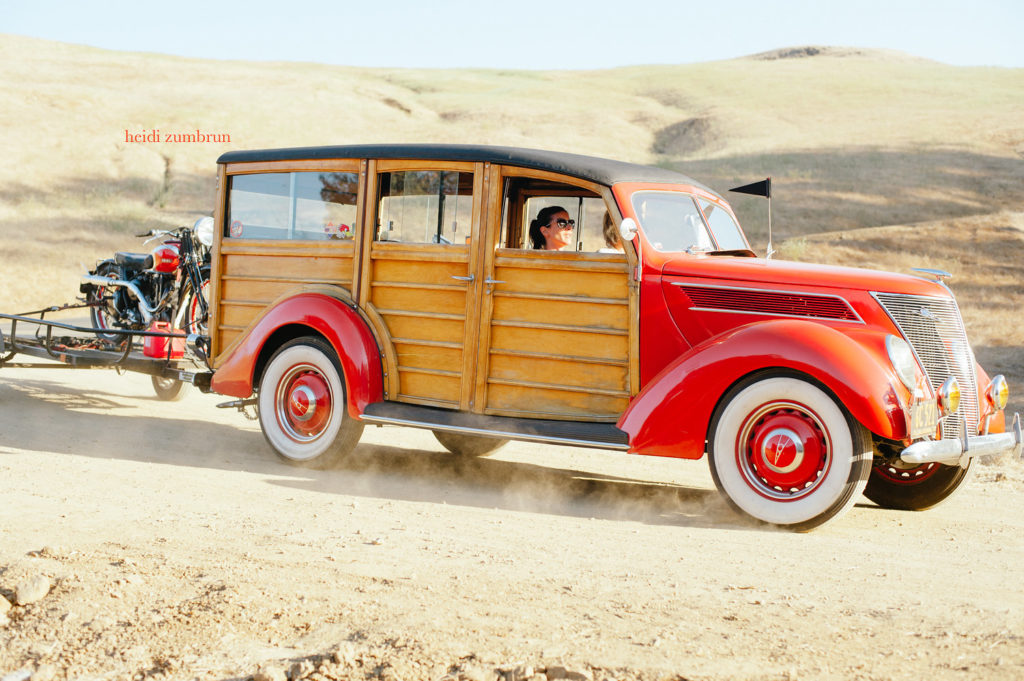
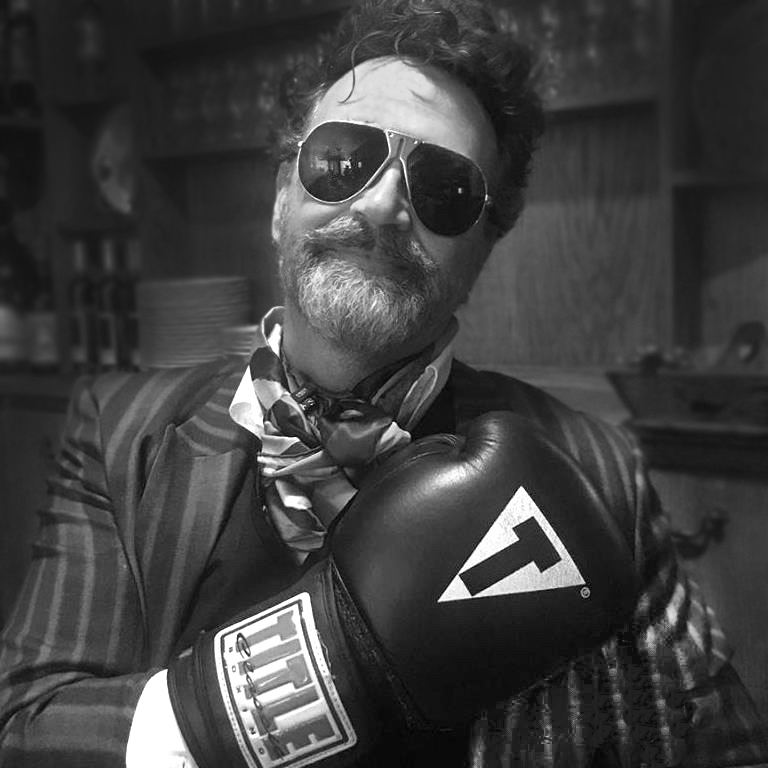
What does it look like when riders on every kind of motorcycle, with ages ranging from their 20s through their 70s, in a mix of genders and colors, get together for a few days of riding, racing, skating, and surfing? It looks a lot like Wheels+Waves. Heidi Zumbrun, a Los Angeles-based photographer (and motorcyclist/surfer) brought her particular vision to the Wheels+Waves California event in Aug 2017. We love her photos of the event, which was part-sponsored by TheVintagent, and organized by Paul d'Orléans with the Southsiders MC of France (who host the Wheels+Waves event in Biarritz, since 2012).
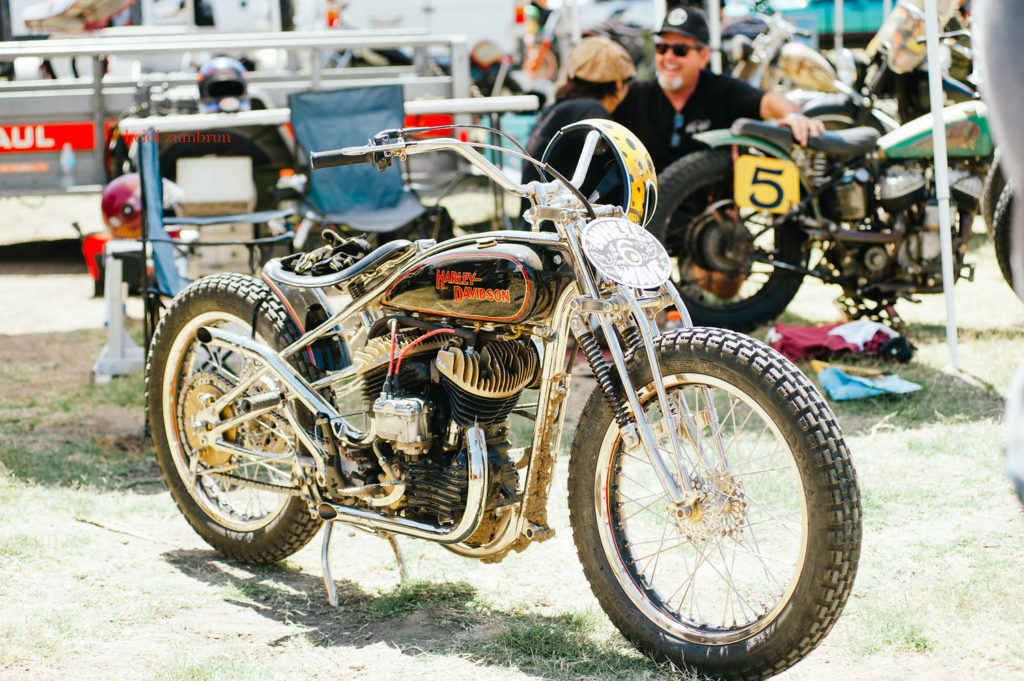
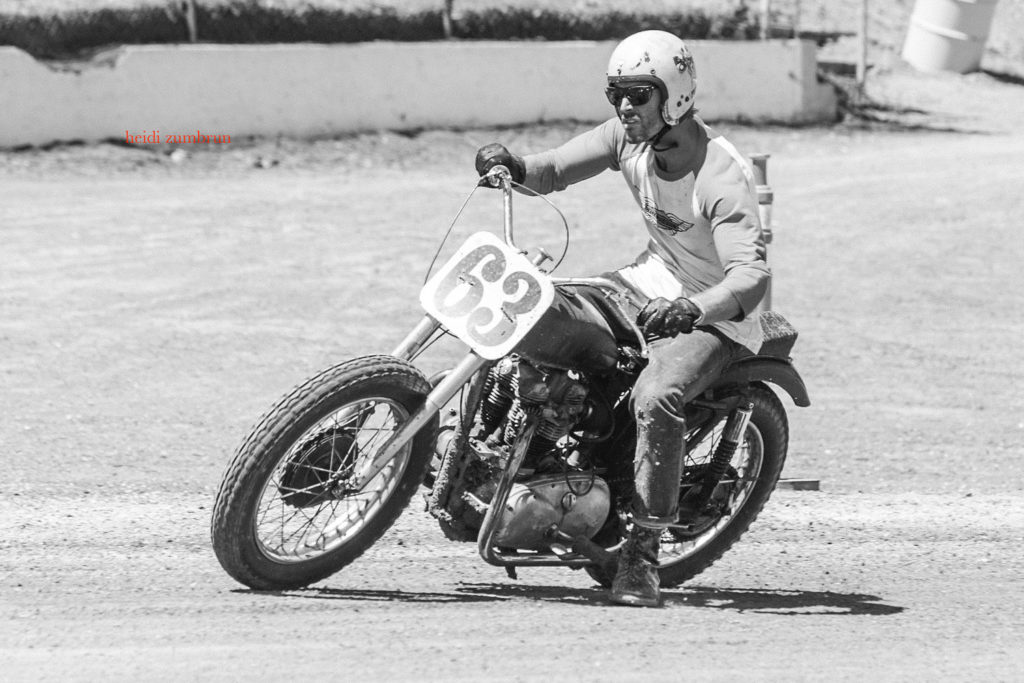
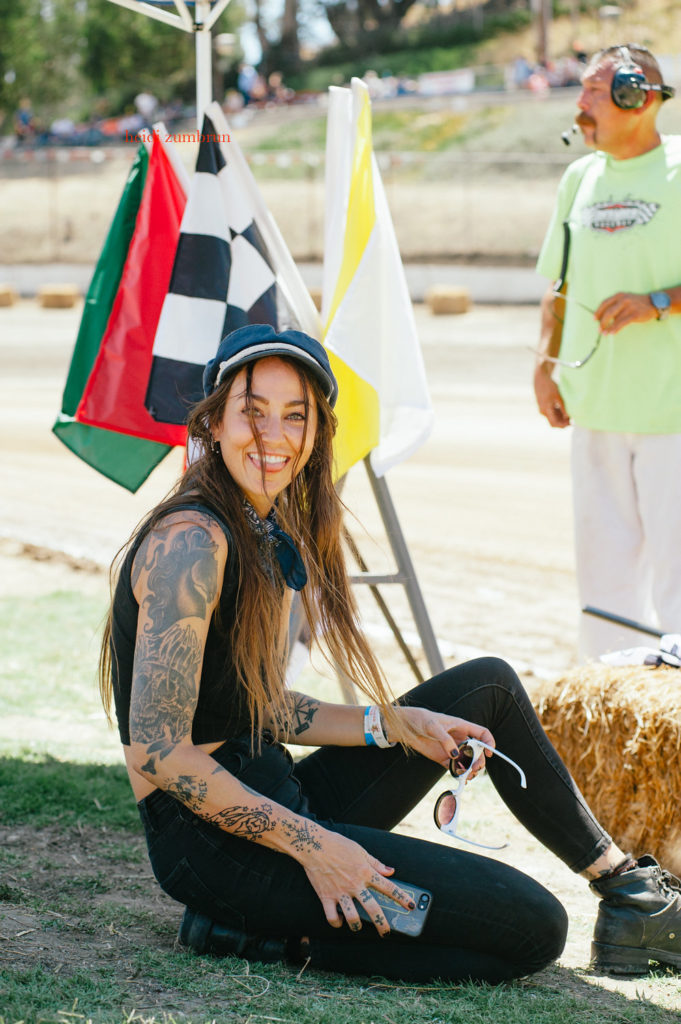
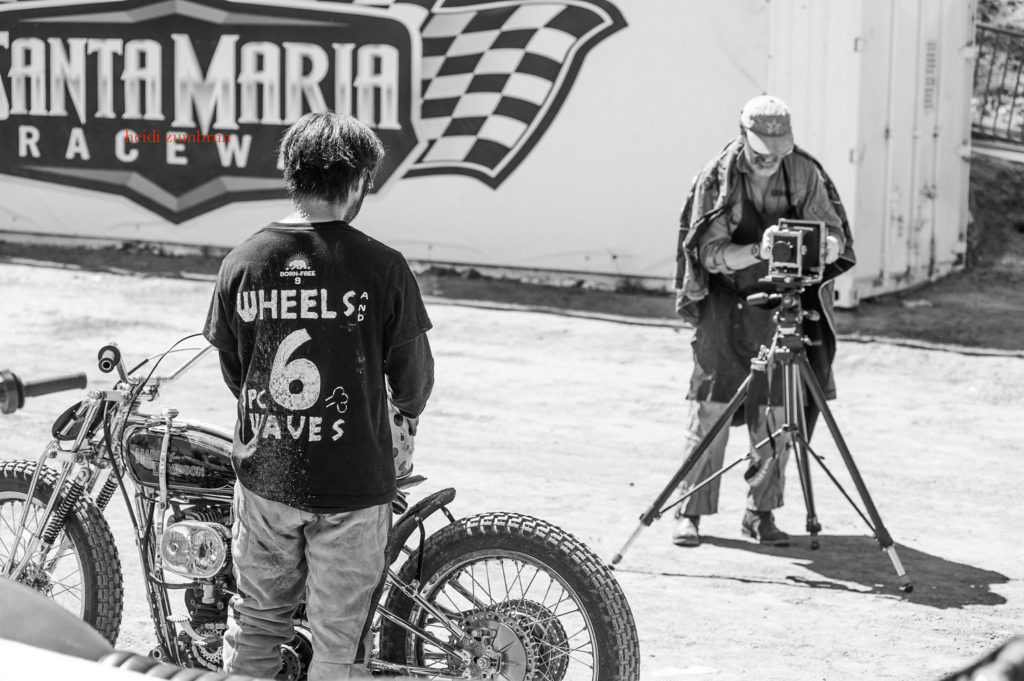
The Ride: Vintagent X Gestalten
Words: Gestalten Photos: David Ferrua, David Finato, Kristina Fender, David Hans Cooke, Brandon La Joie
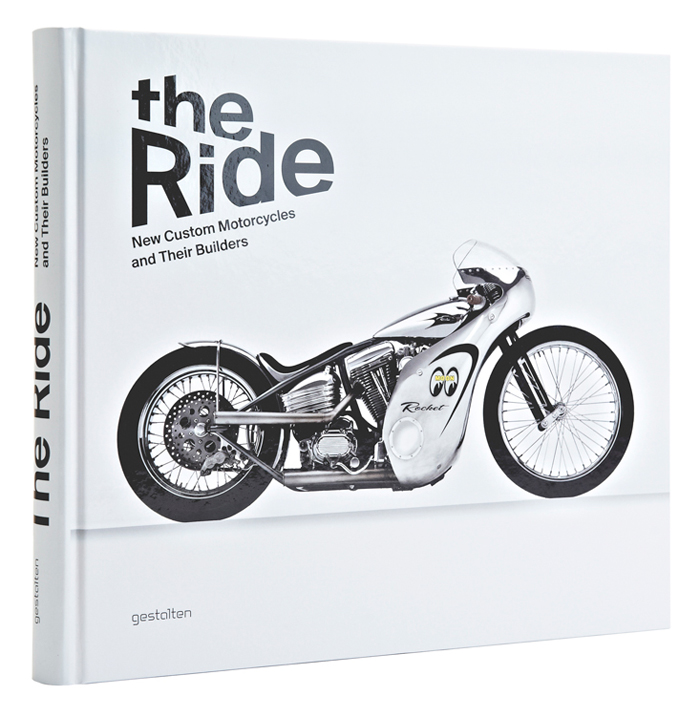
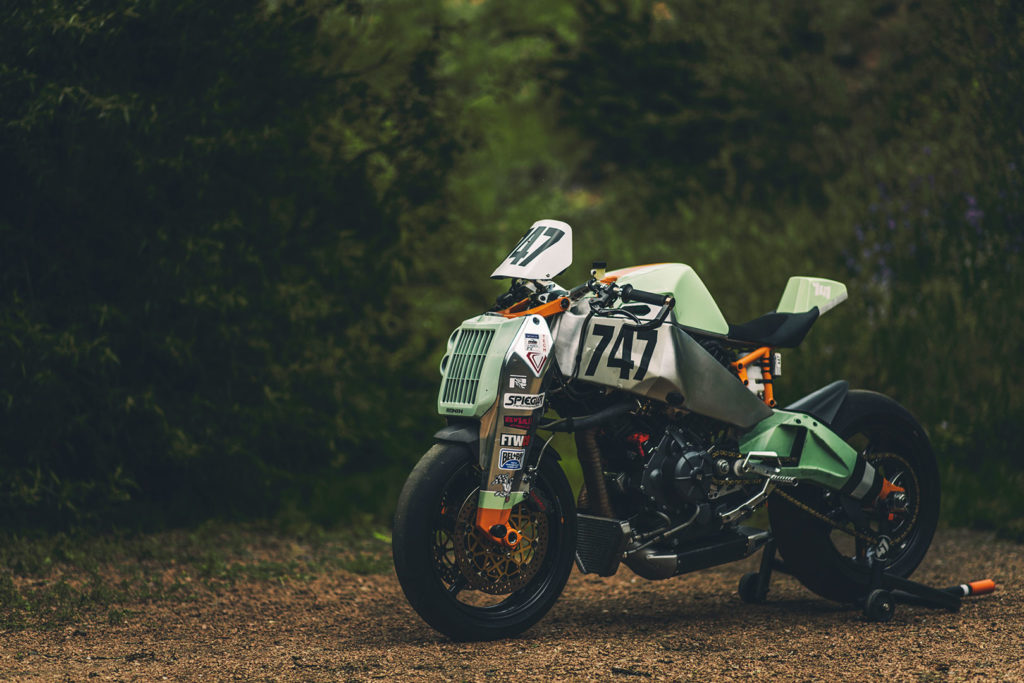
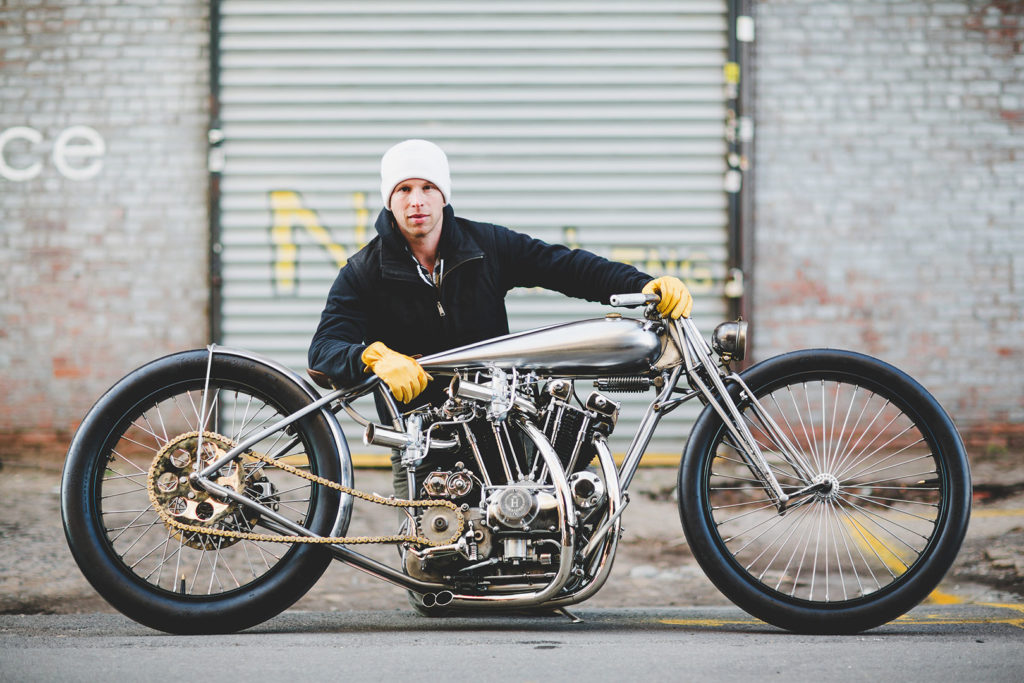
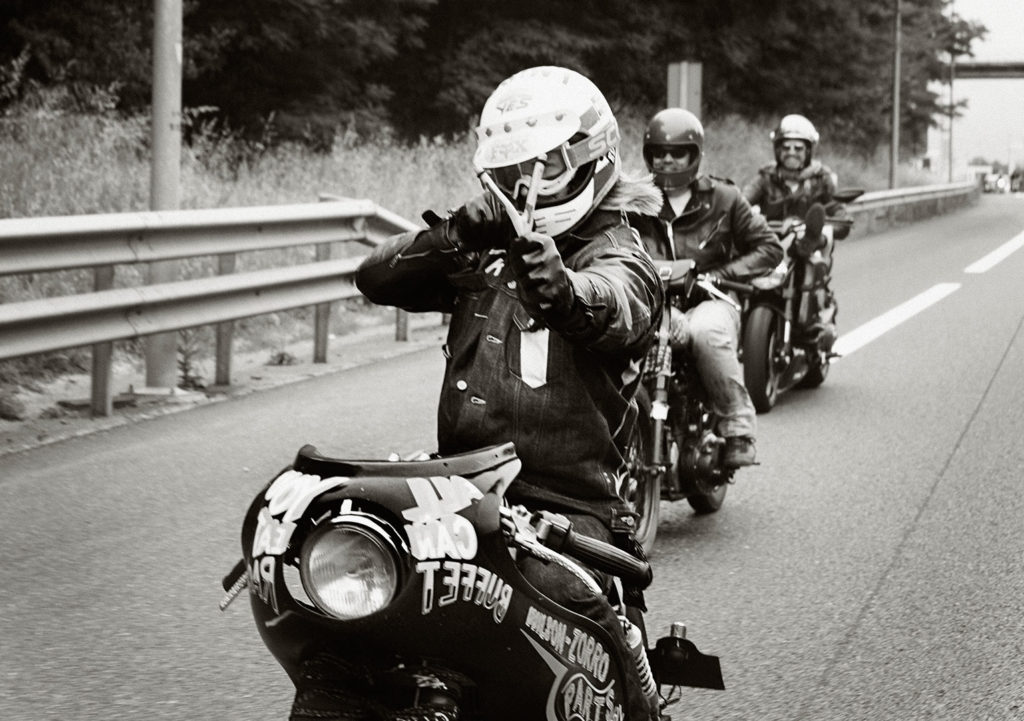
We did the Ride thing. It was during the summer of 2012 that we decided to put pen to paper and document the thriving alt-custom motorcycle scene. With Chris Hunter from BikeEXIF at the editorial helm and contributors ranging from Gary Inman, David Edwards, and Kristina Fender to Maxwell Paternoster and Paul d’Orléans, we created our book The Ride: New Custom Motorcycles and Their Builders, which hit shelves in the autumn of 2013. The book’s 320 pages celebrated unique machines, the people behind them, and the lifestyle they inspired. Riding a motorcycle was at an all-time high and, more importantly, the soul of the pastime had been renewed—it was fun again. It’s no longer about soulless, technology-driven progress that leads to transformer-like fairings, dominating electrical assistant systems, and other complicated additions. Two wheels and an engine – that’s what it’s about: The simplicity of the motorcycle speaks to a younger generation, and there is no end in sight.
Haven’t checked out the books yet? Here is your chance.
California Dunes Riding in the 1960s
[Photos: Bill Greene]
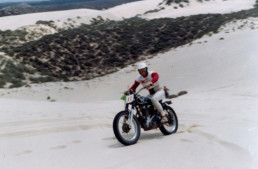
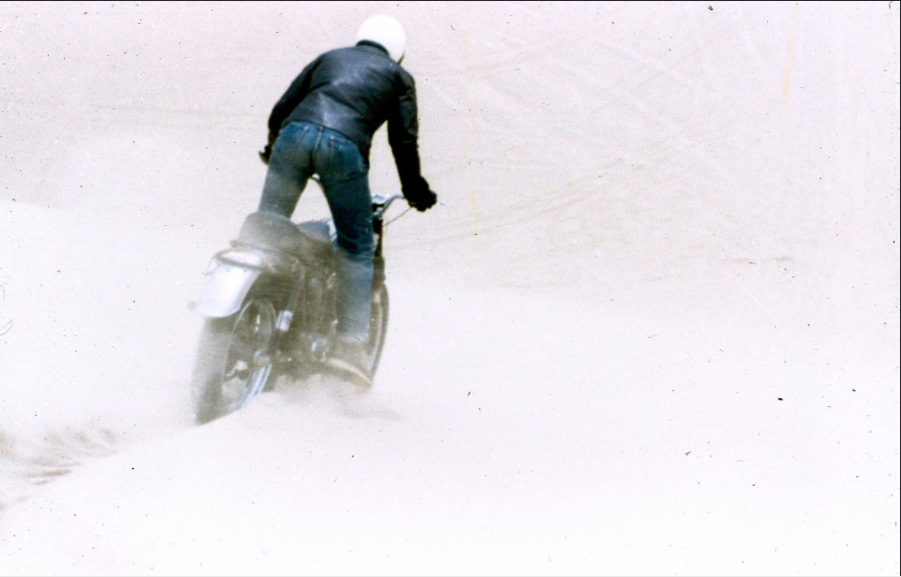
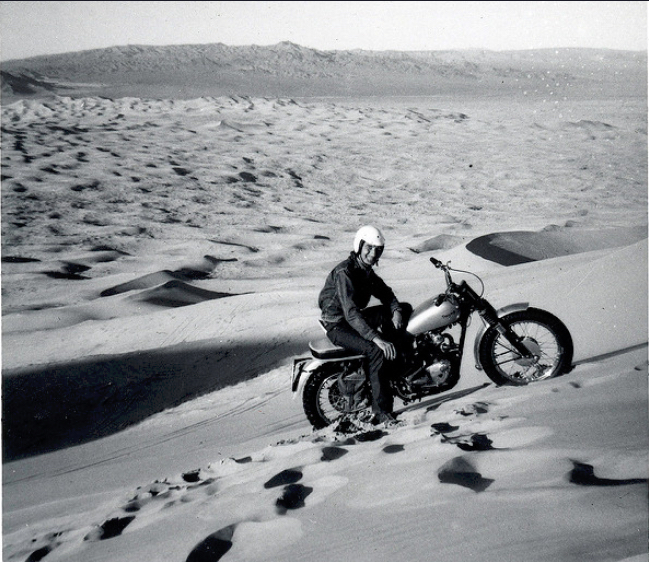
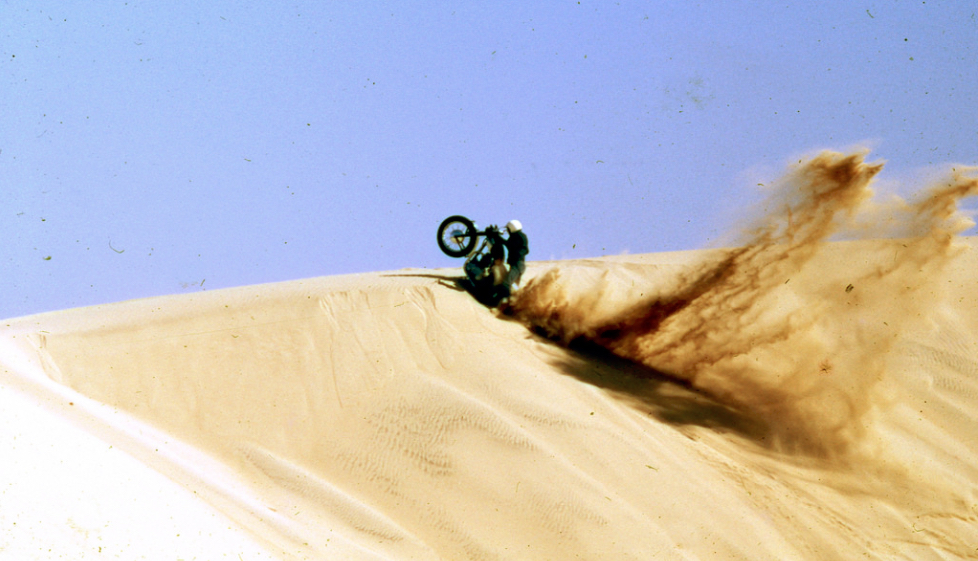
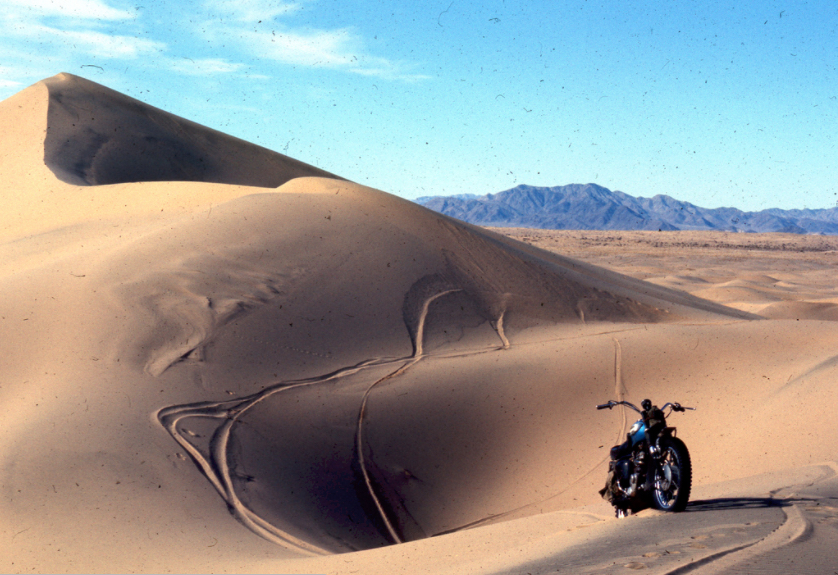
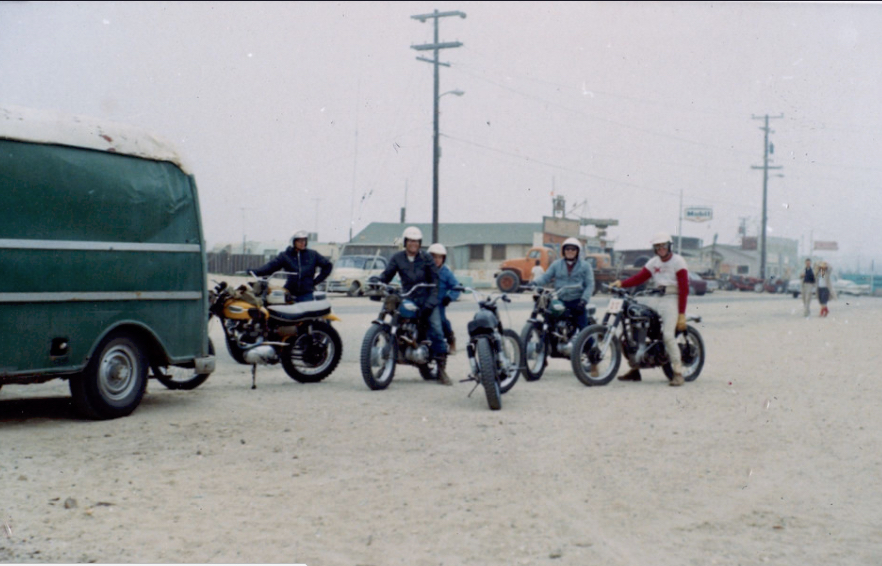
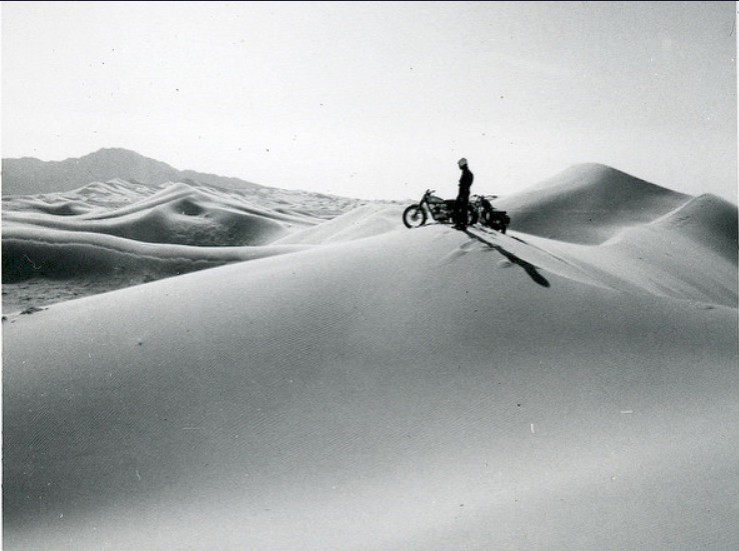
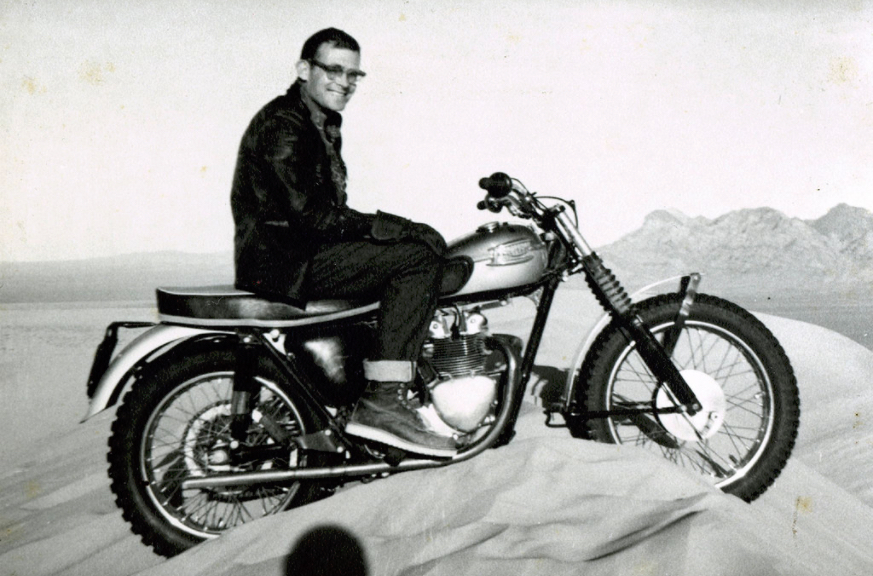
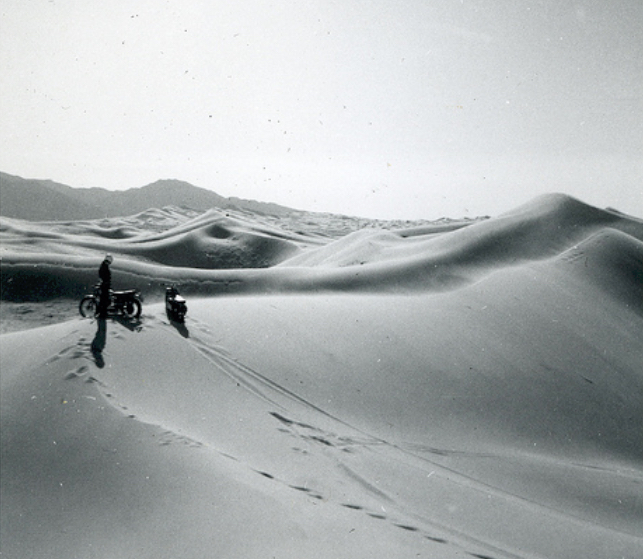
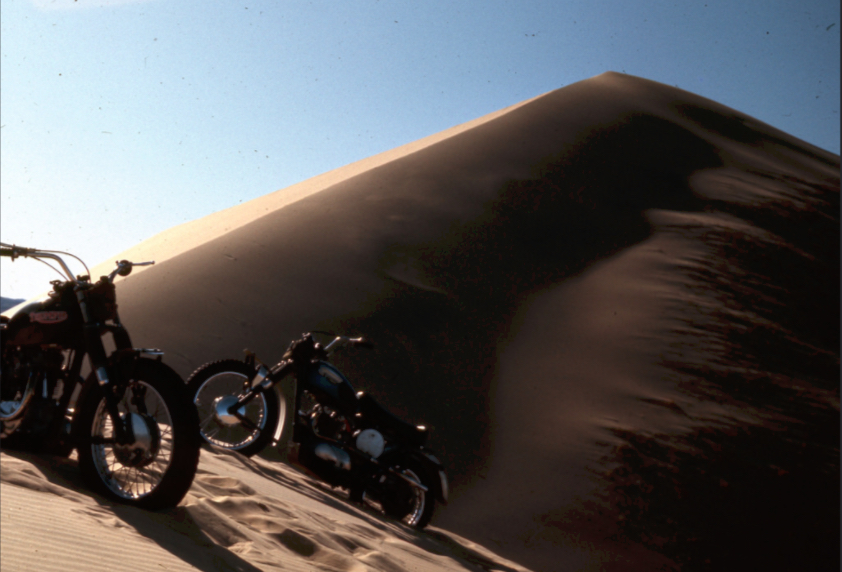
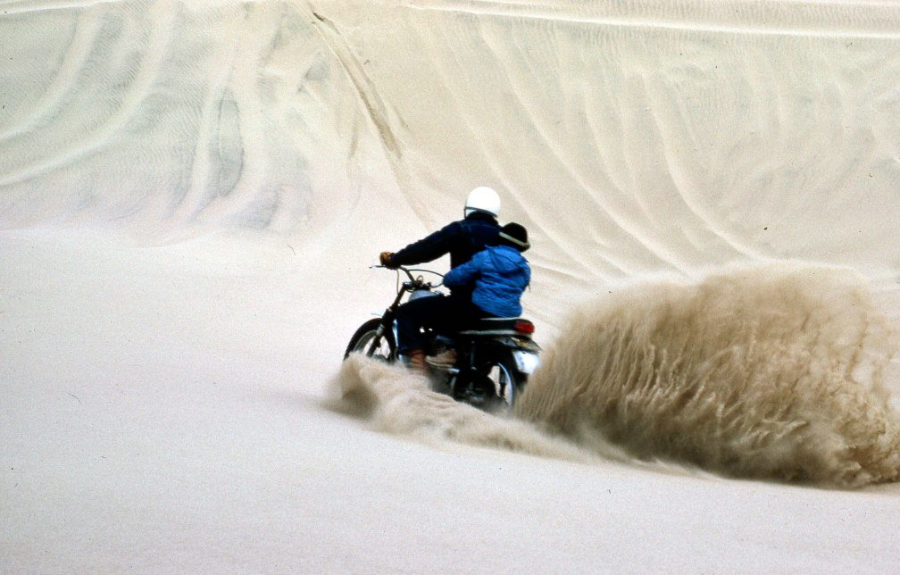
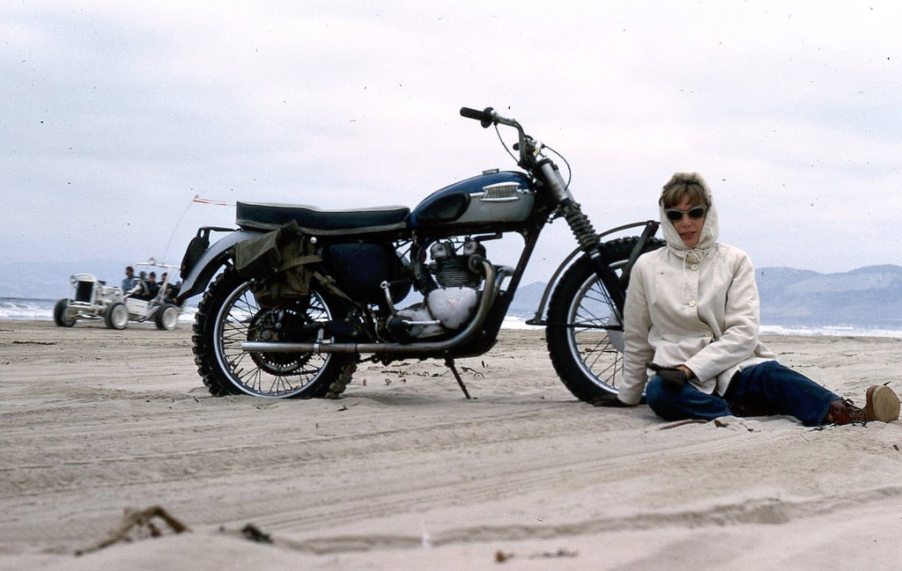
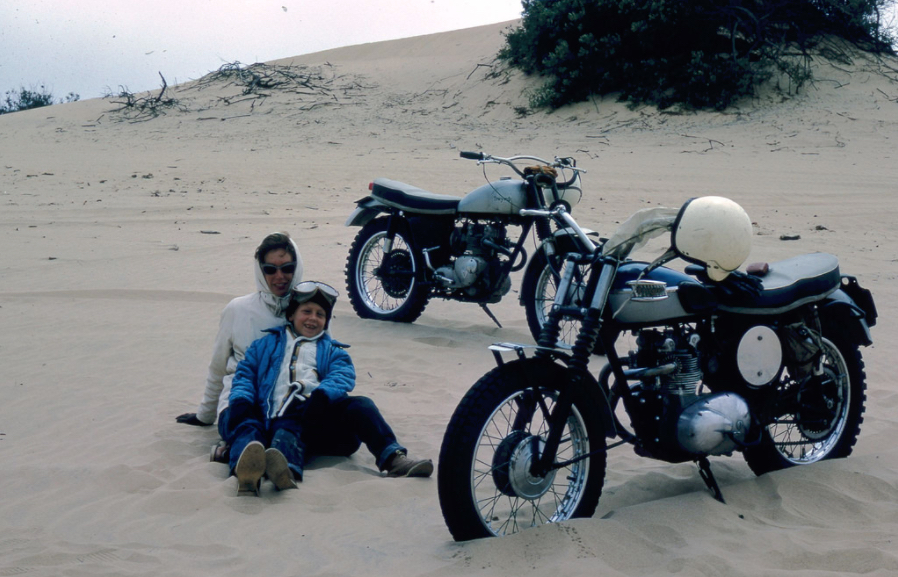
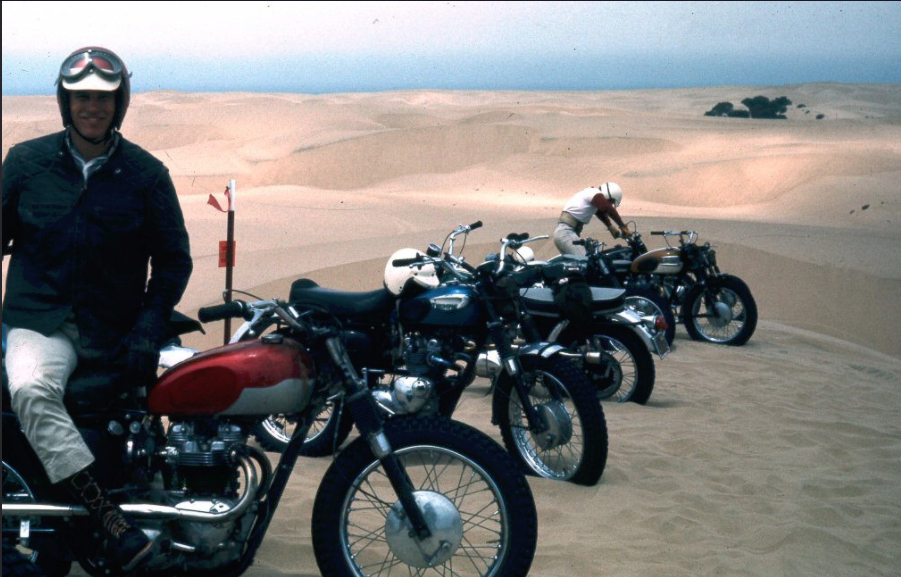
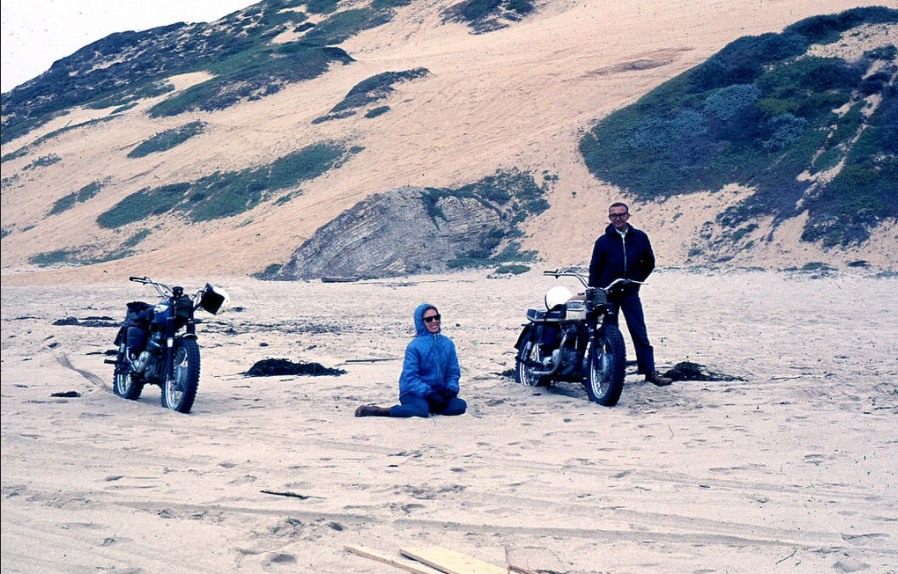
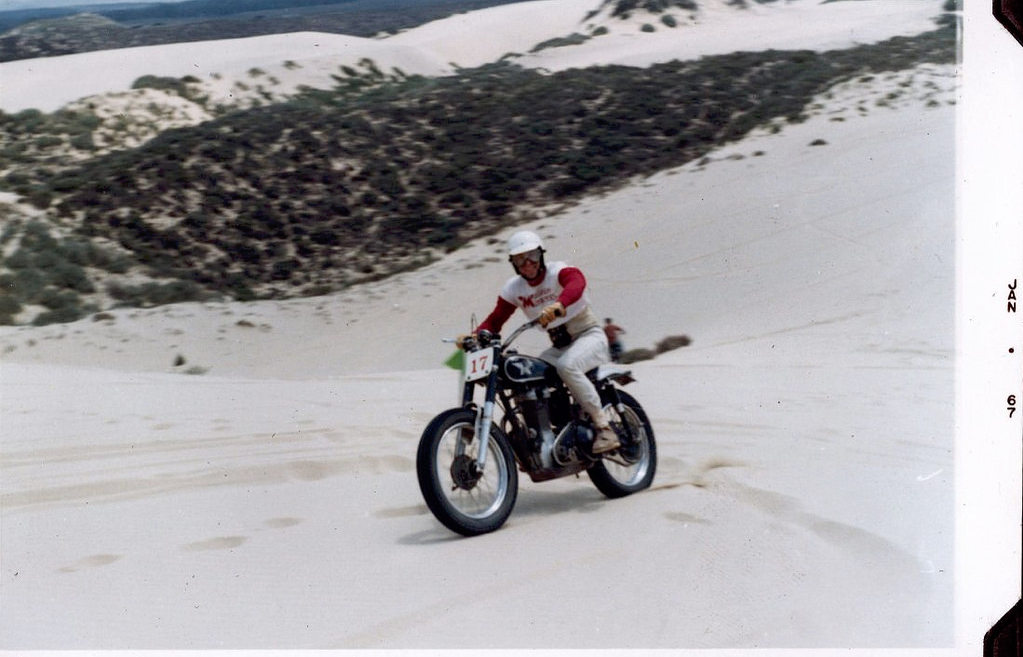
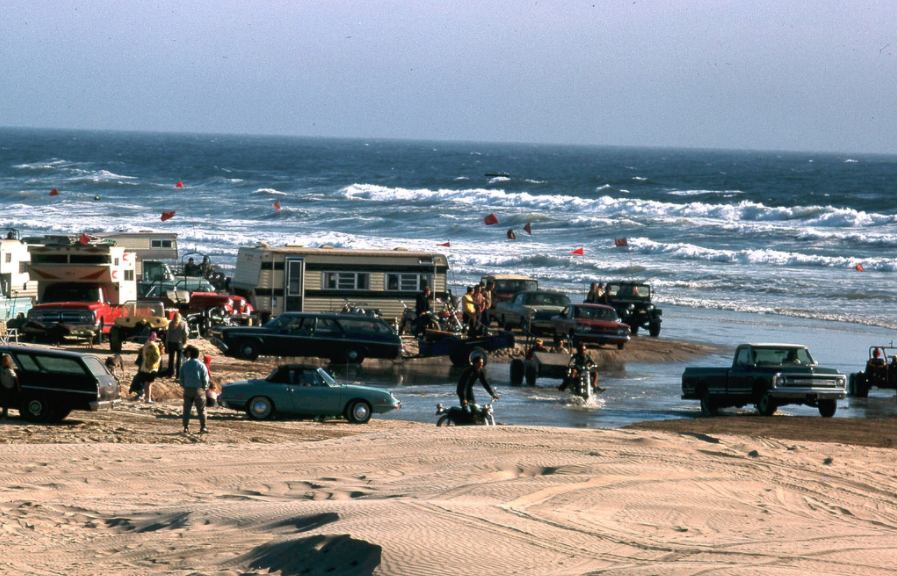
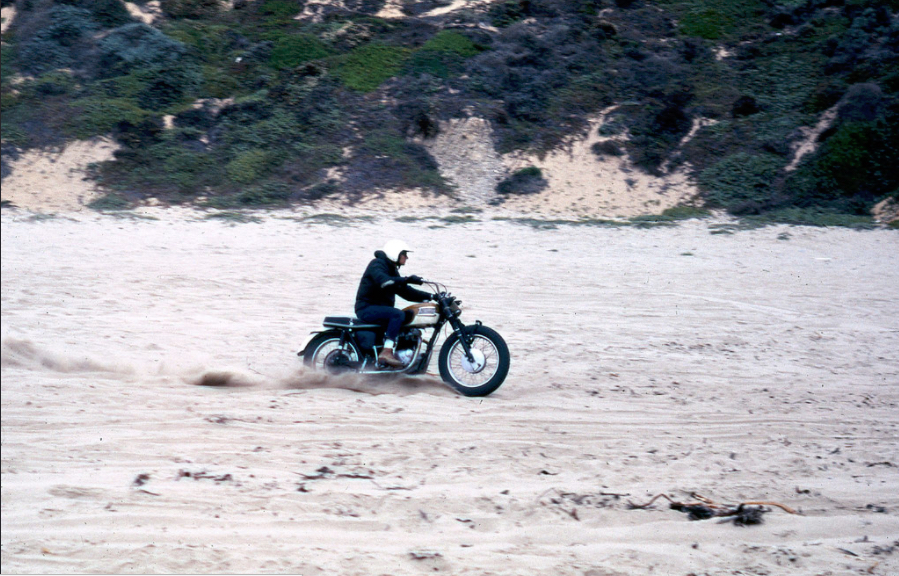
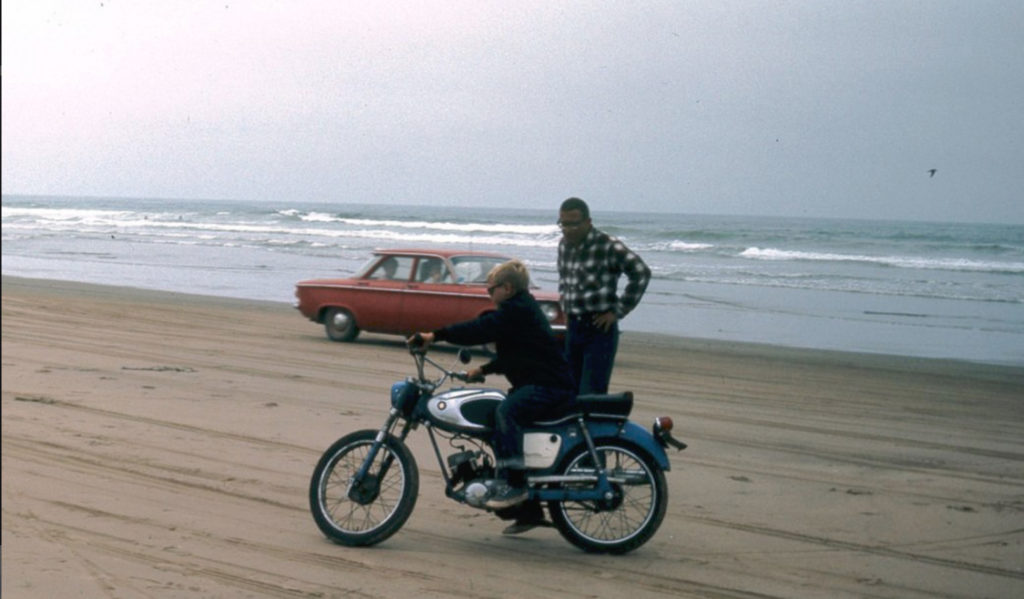
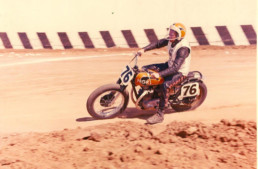
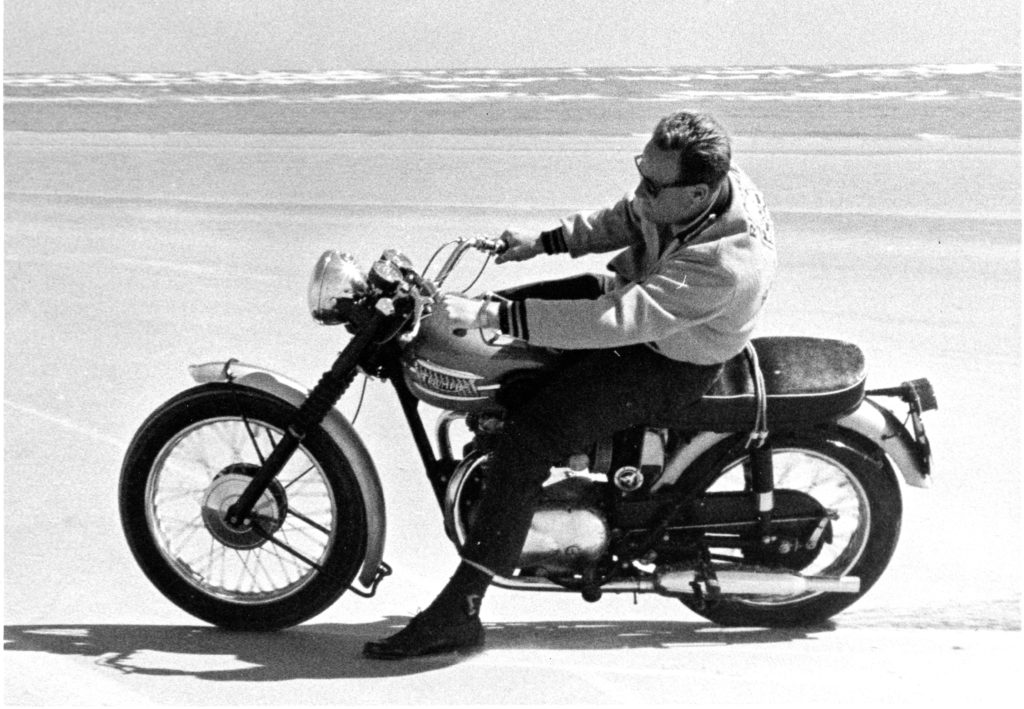
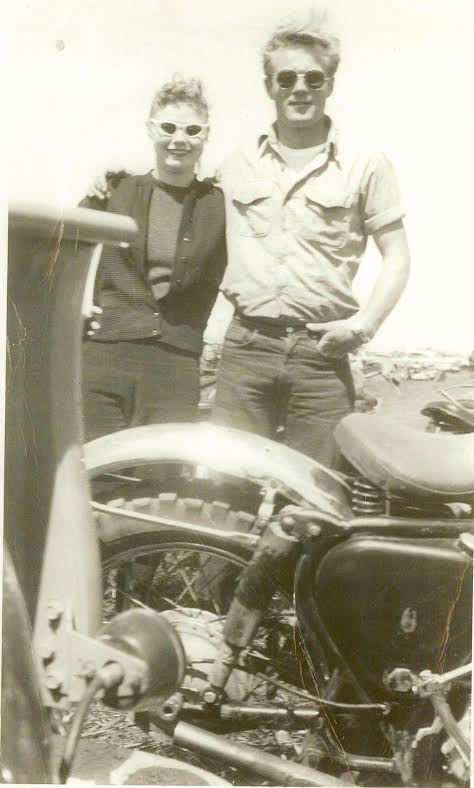
We're grateful to Bill Greene for allowing us to publish these amazing family photos. Bill's father and friends seemed to have a pretty grand time riding around desert and dunes in California during the 1960s and '70s, competing in races, spectating at races, or just having fun with the family in the outback. These photos were taken with a humble Kodak Instamatic camera.
The location of the black-and-white shots is Kelso Dunes, in December 1963, and the slanting midwinter light makes for particularly dramatic shots. Kelso dunes is one of three places in the US which has 'singing sands', or more appropriately, 'booming dunes'. When large masses of sand are shifted down a slope (as from a motorcycle wheel, or a kick from the peak), the movement produces a loud rumble which sounds like a turboprop plane or low-flying B29. This phenomenon has been described for over a thousand years in Arabian and Chinese literature.
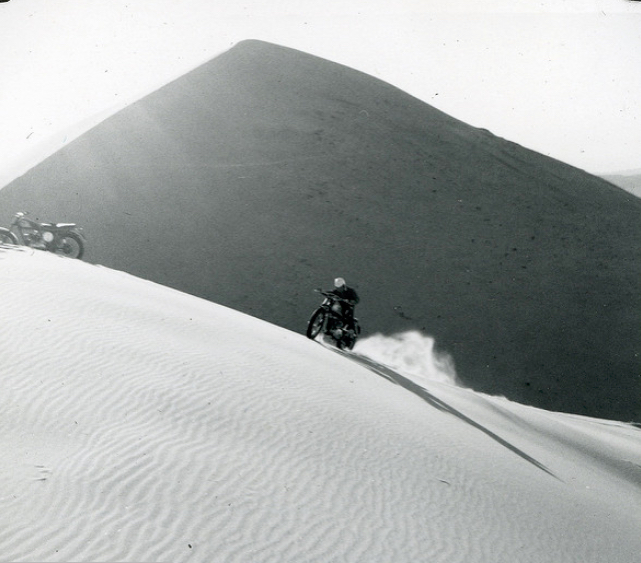
The dunes in this area rise to over 200m (620'), with the tallest reaching 700', and are part of the Mojave National Preserve, a 1.5 million acre area straddling CA and Nevada; the dunes area was closed to motor vehicles in 1973, so these photos can never be repeated.
The color shots were taken with a Pentax SLR with slide film, mostly at Oceano Dunes (formerly Pismo Beach), and are still accessible to motor vehicles. Most were taken in the mid-1960s. The motorcycles are mostly Triumph unit-construction 500cc TR5 models, with little or no modifications from stock. Riding gear consists of light leather jackets, Levi's blue jeans, work boots, and work gloves (0r no gloves), and open face Bell or Buco helmets - classic stuff. Enjoy!
Al(ta) in the Family
Words: Paul d'Orléans. Photos: Derek Dorresteyn / Alta Motors
We're pretty sure Mario Andretti didn’t change Elon Musk’s diapers, but Dick Mann did chaperone Derek Dorresteyn’s mother on her dates. Even better, Derek's uncle Dick, an AMA Hall of Famer, was the cover boy on the very first issue of Cycle World in September 1962. With such a family legacy, a veritable baptism in gasoline, it’s no surprise Derek, the co-founder and Chief Technology Officer of Alta Motors, has entered the motorcycle industry. He learned to ride in the Richmond Ramblers MC back lot at age 4, and spent a few years chasing the family legacy on speedway tracks. Now he and his company are knocking loudly on the doors of the AMA, demanding to race head-on with gas bikes in sanctioned Pro events, and proving a brilliantly designed competition e-bike will shortly make their rivals obsolete.
Motorcycles are Derek’s family story, period. His maternal grandfather co-founded the Richmond Ramblers MC in 1946, mortgaging his home to help buy a clubhouse in Point Richmond, with enough adjacent open space to host club rides and competitions. Derek’s father was a very talented rider, but a stint in Korea with the Marines left his 12-year old brother Rich to take care of his Mustang minibike. Rich used the Mustang with the notorious Richmond ‘paperboy crew’ in company with Dick Mann, delivering newspapers on small motorcycles at a breakneck pace in those lightly-trafficked days. Paper routes cultivating AMA Hall of Famers – what have we lost today? “The paper route was to earn some money, but having the bike was what it was really all about. The paperboys would race around and do stunts.” Two years later, Mann encouraged Rich Dorresteyn to try flat track racing; Rich was 14, but lied about his age, and got his first ride on Dick McAfee’s Triumph Grand Prix flat-tracker.
Dorresteyn’s paternal and maternal family threads merge at the local Belmont ¼ mile dirt track. It was home base for Derek’s grandfather, and family friends like Mann and Joe Leonard. “My mom Ginny knew all the racers, helped collect tickets, and later she was the trophy girl. She met my uncle Rich, and his parents, and Dick Mann was the chaperone on her dates!” But it was Bill Dorresteyn who won the trophy girl (a motorcyclist herself of course), and they raised their two children on two wheels. “As a kid, our whole social scene was around motorcycles. My mom was employee #3 at Cycle Gear, and worked at various cycle shops as I grew up. My dad had talent but raced for fun; he won the National Jackhammer Enduro overall in ’68 on a 650 Triumph. My sister and I grew up riding on dirt; she was 3 and I was 4 when they put us on bikes, it was a fun family thing. My sister raced a little, and while we’ve always ridden off-road, we have street bikes too of course.”
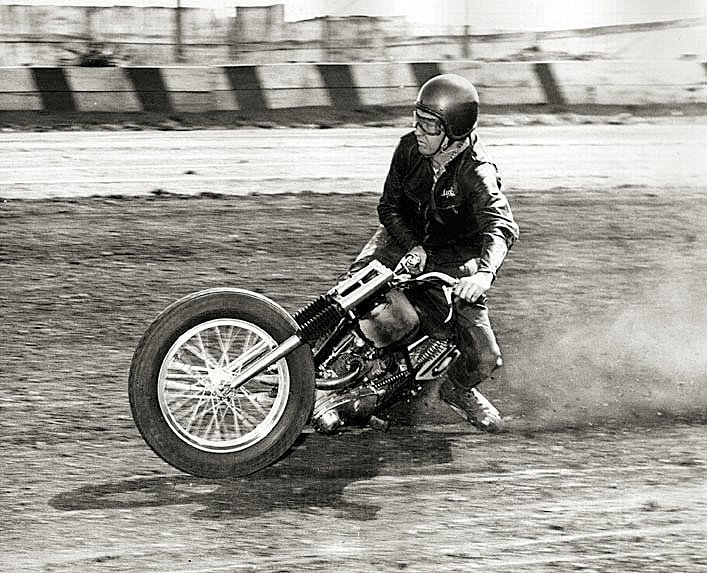
With the Dorresteyn family name, it was expected Derek would take up the family business. “My entire life, our social world asked when I would start racing. Uncle Rich was a popular, well-known rider with a lot of fans - I grew up in awe of him and his accomplishments, with so many stories from my dad.” Rich led a hard life though, and struggled with heart disease even while racing. “At the 1958 Peoria TT, Dick Mann and Gary Nixon had to practically lift him onto his bike, he was so weak, but he won the national! These guys had no athletic rigor, they were working class toughs making a living by winning races. Rich died at 38, in 1976, from heart trouble after rheumatic fever.” While Derek’s family attended perhaps 20 races per year, “there was an understanding racing wasn’t what I should do; they’d seen so many people killed and injured, they didn’t see the point in it.”
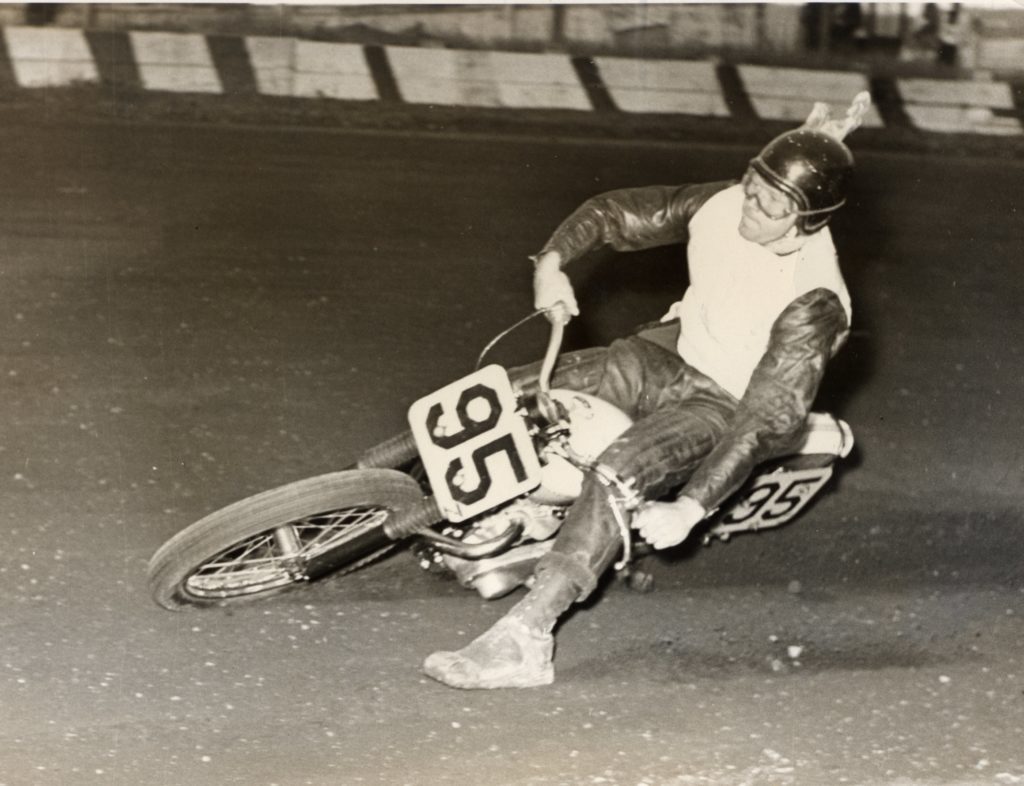
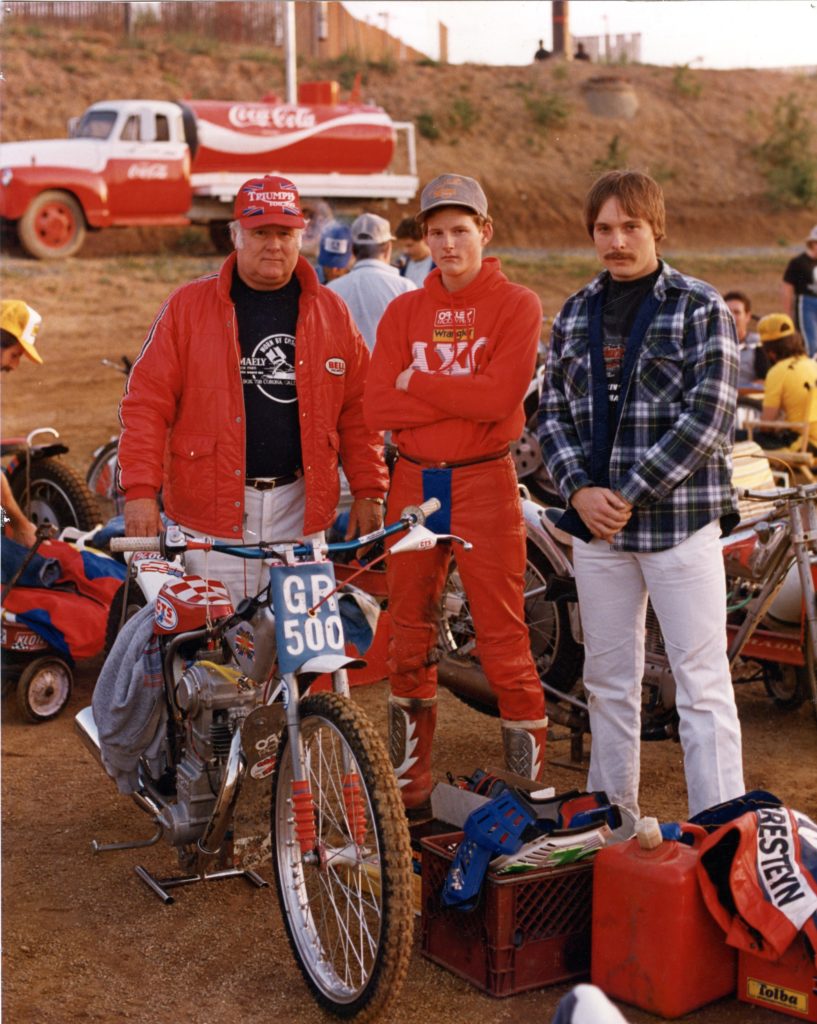
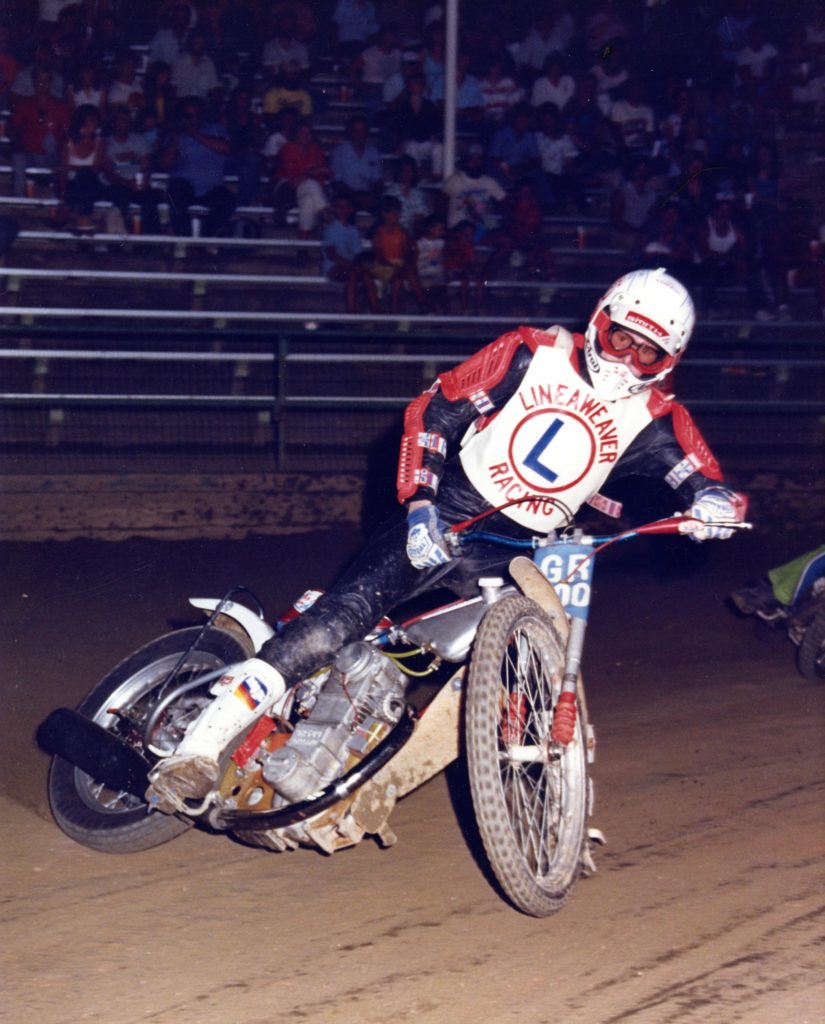
Of course, that didn’t stop Derek from wanting to race, and he chose Speedway as his poison. “My mom worked at a Jawa speedway bike dealer, and one of their riders would become a multi-time national champion. I’d been riding since I was 4, was pretty good at it, and friends I’d grown up with at the Ramblers were racing.” When he told his parents he wanted to race, at 15, they said ‘get a job, finance it yourself, and we’ll see.’ He got a job at Cycle Gear, earned enough to buy a speedway bike, leathers, and a helmet, and “it was like a switch flipped; suddenly the whole family is going to speedway races 3 nights a week, all over California.” He was pretty good too, “I won a few races, and made a little money, but not nearly as much as I put into it.” Derek’s tuner-sponsor was Dale Lineaweaver, a legendary veteran builder of outrageously cool bikes, including a National Championship winning Husaberg, flat-track Ducati and BMW twins, and even dragsters. Lineaweaver garners ‘we are not worthy’ props at Sideburn magazine, but has since abandoned gasoline… to become the principal tech at Alta Motors.
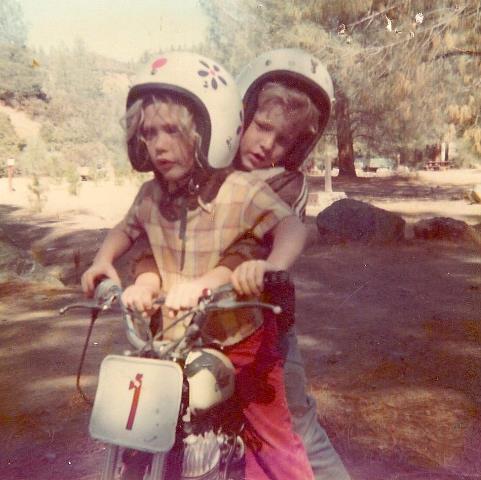
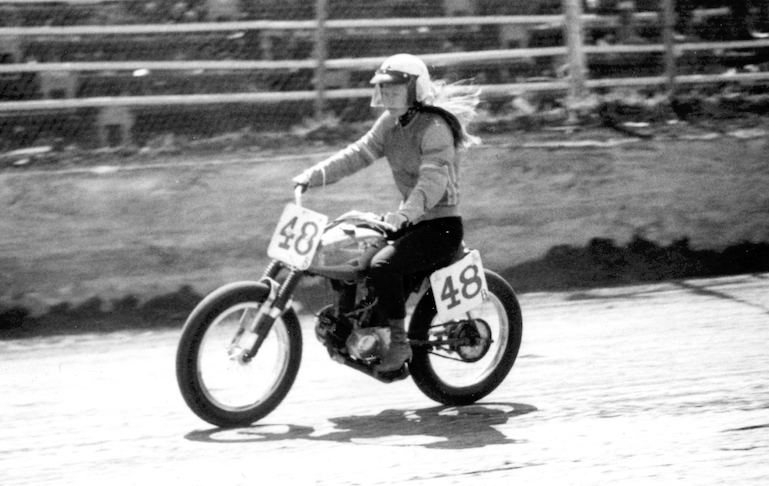
Blame it on San Francisco, a former Bohemian stronghold transformed by the tech industry, for the inspiration to design an off-road competition motorcycle. Dorresteyn gave up racing while in college studying Industrial Design, and supplemented his post-college work in custom fabrication with his Moss Machine Co. and by teaching 3-d CAD design at the California College of the Arts. Keeping on the cutting edge of machining technology meant reading the blog of Tesla’s Martin Eberhard regarding new lithium-ion batteries which made possible a compelling electric car. “I was racing Supermoto for fun in the mid-‘00s, and developed a high powered but really peaky KTM motor with Lineaweaver. Reading Eberhard, I started thinking, ‘if this was an electric motor, I could change its characteristics with software’… I thought ‘if the tech is ready for a car, maybe it’s ready for a motorcycle’.” He tossed the idea to the brilliant industrial designer Jeff Sands, a riding buddy (and inventor of the step-in snowboard binding); the idea stuck and they began modeling an electric racer. They shortly discovered no available components matched their performance targets; they’d have to build it all from scratch.
“We hired an electro-magnetic engineer for a special motor design, which I then built into a mechanical design. At one point the spreadsheet simulation looked great, the CAD design looked great, we had propriety tech in the motor I’d designed, and we thought ‘this is a business’.” That was 2009, and with a rough business plan they sought a CEO to help orient the business and raise capital, and found the like-minded engineer-turned-tech consultant Marc Fenigstein. Still, it was an after-work gig for the 3 principals, and their first $30,000 to build a prototype came from family members. “We built that first prototype in 6 months, and hit our key design metrics within about 5%. But it was just a proof of concept; we built it to look good, and it worked well, but it was not mass producible.” By 2014, they’d secured real investment, and started on a production prototype, which meant a total redesign. “We also had to build a whole company, making key hires like battery expert Rob Sweney, and creating an automotive supply chain; it took 2 years to commercialize the process, to perfect the design, pass all our tests, and develop the machine on the track. Now we have a team of 55, with a wonderful product with great reviews, on a real trajectory to be successful.”
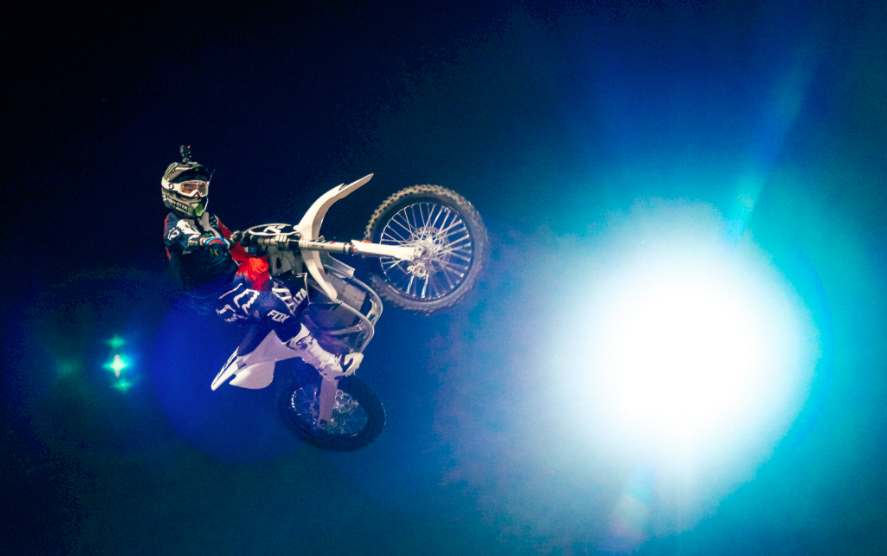
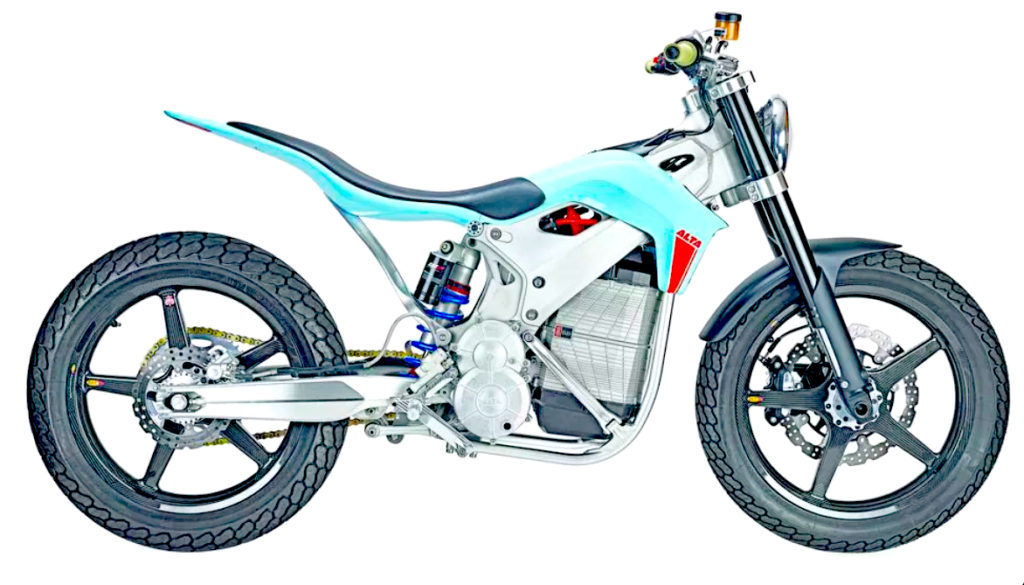
Dorresteyn reflects that “It’s been a hell of a ride, to bring the Redshift into the world.” He notes that world-class racing vehicles aren’t really built in the US; “We have nothing like the F1 or bike industry in Europe, or the depth of the industry in Japan. We’ve had to hire folks from the bicycle world, from Tesla, from tech; none of our designers are from traditional motorcycle building or racing. It’s an interesting commentary on American industry.” Another commentary is the resistance Alta is getting from the racing world, where the Alta Redshift is barred from national and world championship competition. But we’ve already seen a relatively inexpensive electric motorcycle win Pike’s Peak; can an MX GP or Supercross win be far away? “We try to be kind, but our bike and customers are in effect telling the industry, ‘your product is obsolete’.” Alta and other electric competition machines aren’t going away, and we’re entering an uncomfortable phase of co-habitation, not unlike the late 1800s, when steam, electric, and gasoline-powered vehicles all scared the horses. Things will change, and Alta may build the bikes to change them. If so, another Dorresteyn would be a candidate for the AMA Hall of Fame, if that body ever kicks its gas-huffing habit and sees the bright blue spark of the future…
Glenn Curtiss: 136mph in 1906?
Words: Paul d'Orléans. Article and Photo: Scientific American
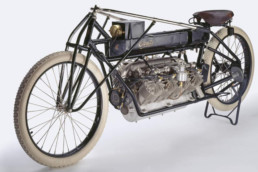
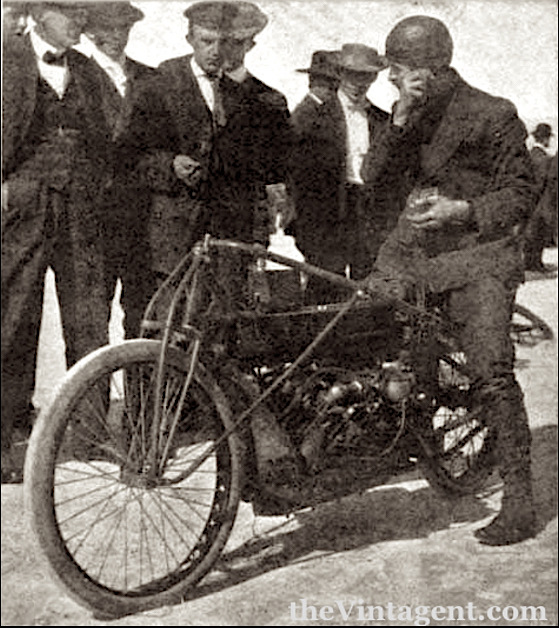
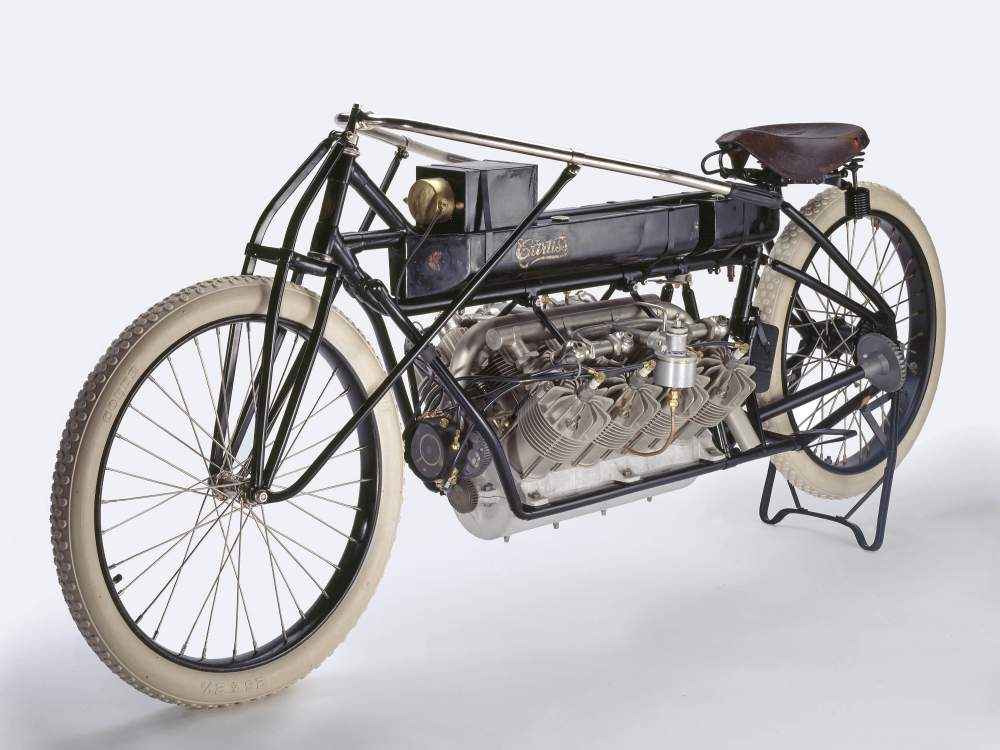
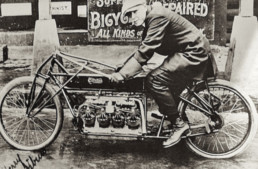
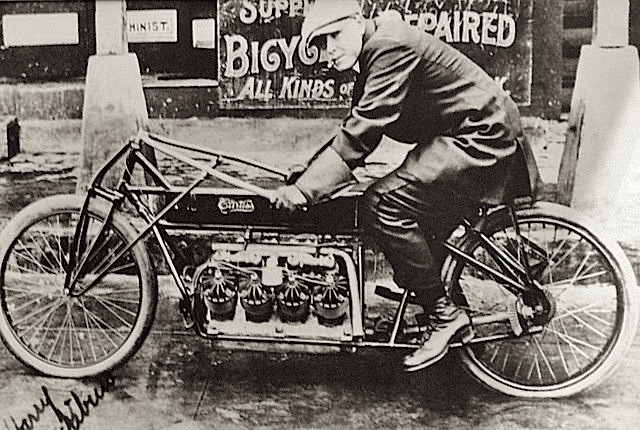
The life story of Glenn H. Curtiss, founder of the American aviation industry and a pioneer motorcycle manufacturer, is peppered with tales of bravery and mechanical inspiration. Curtiss was also no stranger to controversy, as his years-long legal battles with the Wright brothers over their airframe patents did more to impede the progress of the pioneering aviation industry than even technical hurdles! It was all sorted in the end when Curtiss-Wright Aviation was formed in 1929, although aircraft historians still argue 'who did what first' regarding the birth of flight. Another, lesser controversy concerns Curtiss' 1906 speed run on Ormond Beach, Florida, which contemporary accounts claimed reached a one-way speed of 136.3mph. Curtiss used a V-8 engine of his own design and manufacture, housed in the world's first double-loop chassis of his own construction, to tear across the wet sand at Ormond, although as the article below notes, this was not an officially timed speed run. So the question will forever hang, until someone drags the V-8 racer out of the Smithsonian Institution to see what she'll do!
Scientific American, Volume 96, Number 06 (February 1906)
The Fastest and Most Powerful American Bicycle
"What is unquestionably the most powerful, as well as the fastest, motor bicycle ever built in this country made its appearance at the races at Ormond Beach recently; but, owing to the breaking of a universal joint and subsequent buckling of the frame, this machine made no official record. It was built by Mr. G.H. Curtiss, a well known motor-bicycle maker, with the idea of breaking all records. The machine was fitted with an 8-cylinder air-cooled V-motor of 36-40 horse-power. The motor was placed with the crankshaft running lengthwise of the bicycle and connected to the driving shaft through a double universal joint. A large bevel gar on this shaft meshed with a similar one on the rear wheel of the bicycle. The total weight of the complete machine was but 275 pounds, or 6.8 pounds per horse-power."
"In an unofficial mile test, timed by stop watches from the start by several persons who watched through field glasses a flag waved at the finish, Mr. Curtiss is said to have covered this distance in 26 2-5 seconds, which would be at the rate of 136.3 miles an hour – a faster speed than has ever been made before by a man on any type of vehicle. Unfortunately, before this new mile record could be corroborated by an official test, the universal joint broke while the machine was going 90 miles an hour. Fortunately, it was brought to a stop without injury to its daring rider from the rapidly-revolving driving shaft, which was thrashing about in a dangerous manner. Later on, the frame buckled, throwing the gears out of line, and the official test had to be abandoned. With his 2-cylinder machine Curtiss rode a mile in 46 2-5 seconds in a race with Wray on a 2-cylinder 14 horse-power Peugeot motor bicycle, only to be beaten 2 seconds by the latter in a subsequent race, wherein a speed of about 80 ½ miles an hour was obtained. With one of his single-cylinder machines Curtiss made a mile in 1 minute 5 3-5 seconds on January 21."
Bandit9 Steals Fashion Mojo
Words: Paul d'Orléans. Photos: Wing Chan. Originally published in Cycle World
Motorcycles and Fashion; they’re a perfect match, just ask any big fashion house forking out zillion-dollar ad campaigns to the big glossy mags every year. Motorcycles make ideal props for langorous models, as let’s admit it, two wheels push all sorts of romantic buttons in the non-riding public, whether it’s a longing for a nonexistent past (Ralph Lauren’s sepia-toned moto-safaris), or a projection of superpowers on a top model (Chanel’s flying Ducati ‘ridden’ by Keira Knightley).
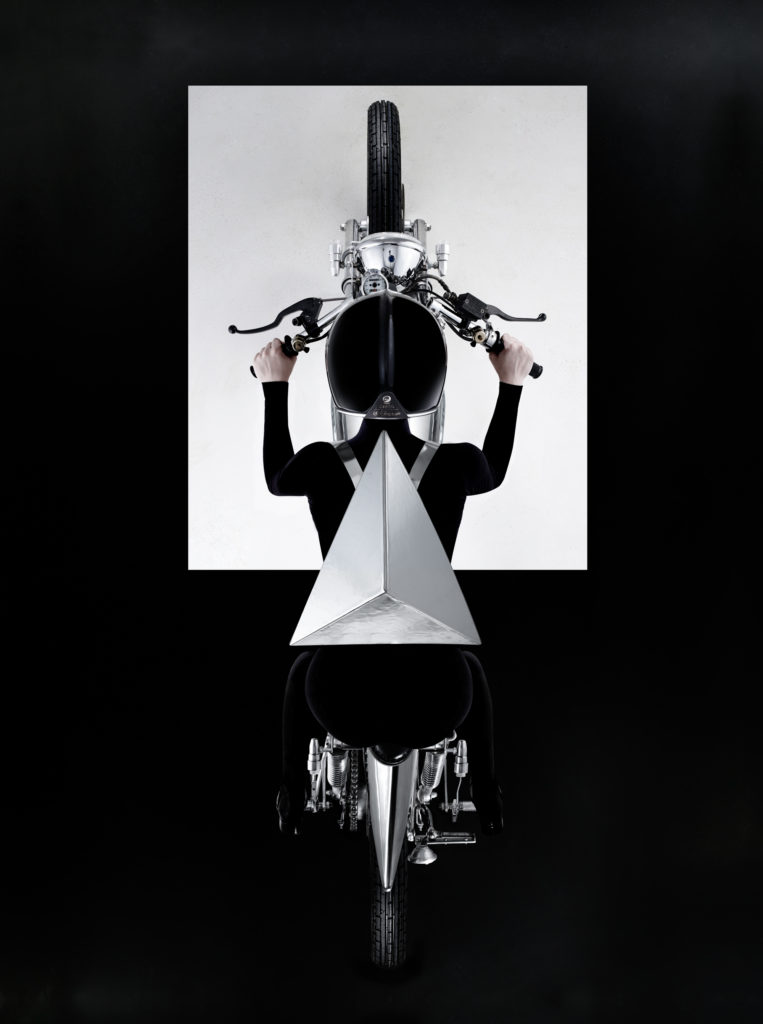
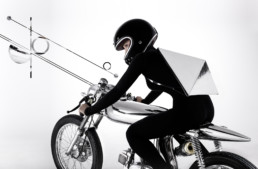
A perfect mashup of designer gear + groovy bike is very rare, unless we’re going retro again with Rocker togs/Triumph or Depression workwear/Harley, which has Been Done Before. From the furthest geographic reaches of both clothing and custom bike design, we have the curiously ideal mix of Saigon’s Bandit9’s silver machine with Ukrainian designer Konstantin Kofta’s rigorously futuristic backpacks, shot with a Modernist/minimalist sensibility by Wing Chan. You may or may not like Bandit9’s ‘Eve’, based on a late ‘60s Honda SS, but you can’t deny the purity of Eve’s lines, and the remarkable transformation of a totally unremarkable and near-universal, super-ordinary commuter machine.
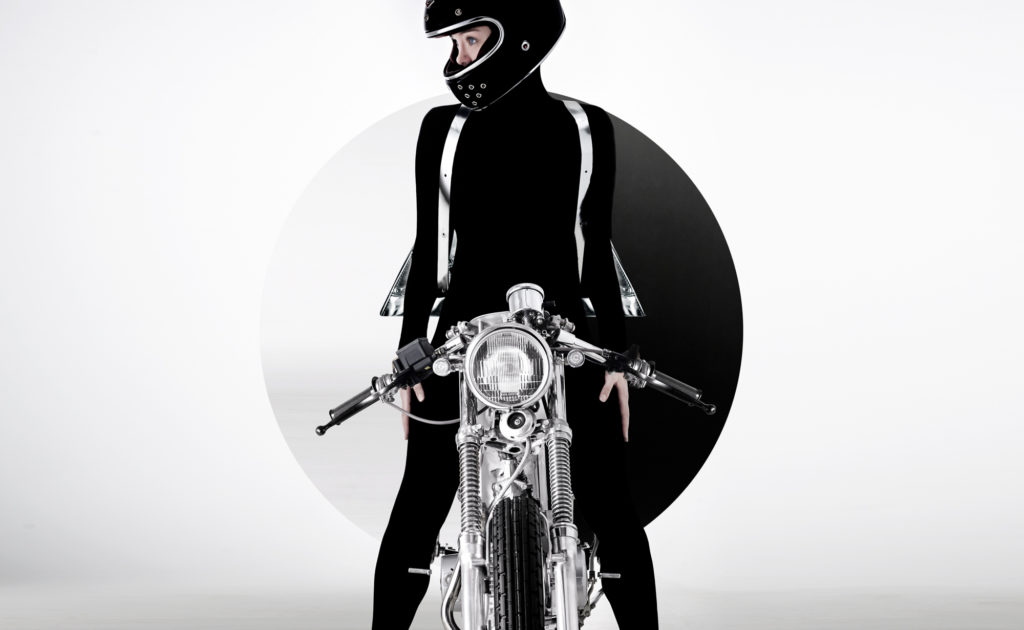
Daryl Villanueva, the Bandit chief, explains the mix: "Konstantin contacted me months ago to acquire an EVE for himself. Because of the conflict in Ukraine, we were unable to ship bikes to his part of the world. But we talked about doing a project together; I saw his work and there is nothing out there like it. I was all over the opportunity of working with him. Bandit9 is really interested in becoming more than custom motorcycle company. Fashion is just one of the many industries we're trying to break into. We're trying to create a different class of bikes that's not just for existing motorcycle lovers. I think there's a world full of people who would be interested in bikes if they understood what a bike can be. And that's why we look at different disciplines for inspiration."
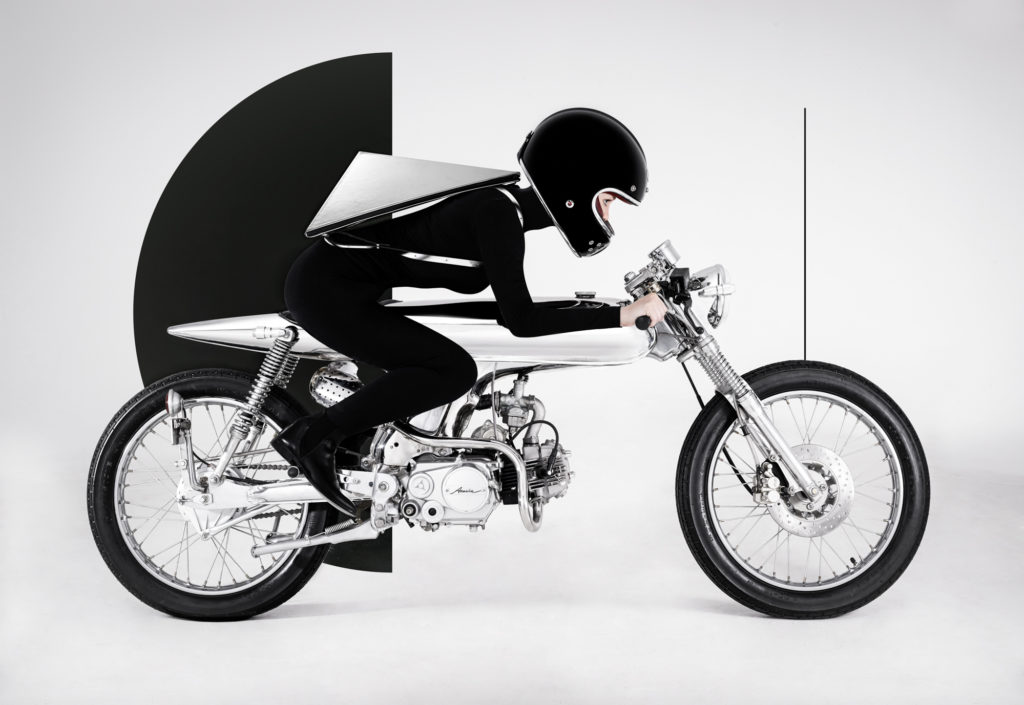
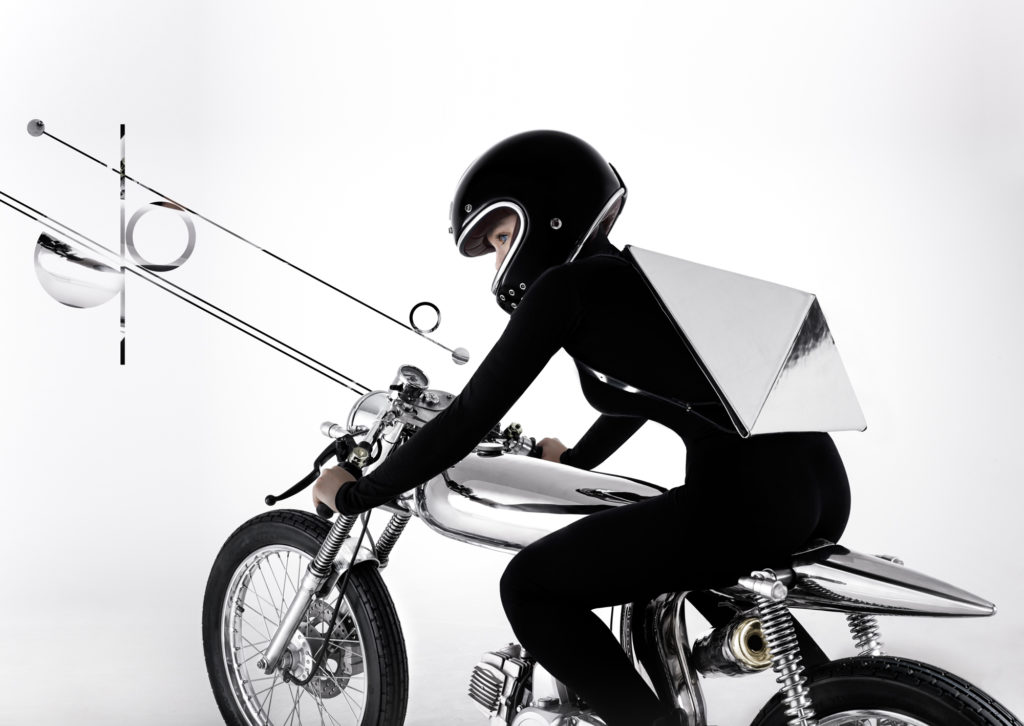
The EVE was inspired by ‘Sci-fi; I'm trying to build bikes that belong in another dimension. I think that's what really excites people . Why not get inspiration from NASA, comics, biology, watches, music? EVE's sleek design is a mix of influences from brass musical instruments to space travel.’ Wing Chan’s photo shoot captures that mood perfectly as a retro-futurist fantasy, complemented by the Ruby helmet (RIP, sniff), and Kofta’s Sci-fi film prop accessories. Fashion and industrial design fans are eager adopters of new and edgy style; bikes like EVE just might open the door for a whole new cadre of motorcyclists.
Lena the Killer
For a moment in the 1930s, sporting contests became a surrogate battleground for rising international tensions. While international-level sports (like the Olympics) have always carried the flag of national pride, in the 1930s the rise of ultra-nationalist politics - Fascism - saw motorsport used as a propaganda tool to bolster new regimes. Everything from foot races to the Grand Prix circuit carried the weight of 'proving' the superiority of an ideology and/or a people. By the mid-1930s Germany and Italy began to subsidize motorsports via cash and technology to particular companies (BMW, DKW, Gilera, etc), while their rival factories were roundly ignored by their home governments. In Britain, for example, racing was the purview of a few factories, and their racing teams backed by wealthy amateurs, using a pre-industrial model of patronage. The contest for World Speed Records were a glaring example, with independent teams in the UK cobbling up land speed racers in sheds, combating increasingly well-funded teams from Germany. It was a romantic story of technocratic teams versus old-boy amateurs, documented in our 'Absolute Speed, Absolute Power' series. Regarding the British teams; while AJS made an occasional attempt on the World Record, in the end only George Brough (Brough Superior) had the will, the connections, and available expertise to make a World Record happen. The Germans and Italians had the engineers, factory backing, wind tunnels, and cash from Adolf and Benito. The Brits had grit and plenty of track experience, and were the best engine tuners and chassis builders in the world. Thus, in 1932, one could witness a group of Australians riding British machinery on Austrian soil, snatching the World Land Speed Record from German hands.
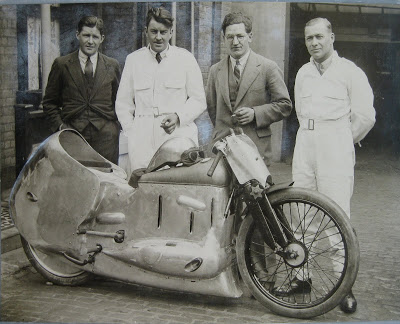
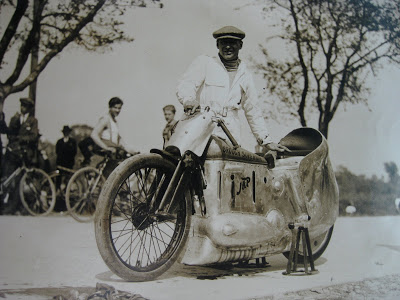
Alan Bruce was well-known in Speedway circles, having set the sidecar lap record at Wembley Stadium in 1931. Australians have a dirty affinity for three-wheeled cinder sliding, then as now, and one commonly sees Vincent-powered crabs even today kicking up dirt Down Under. Bruce got the notion of a sidecar Land Speed Record while watching Paul Anderson take a national record with his Indian outfit, down Sellicks Beach, South Australia, in 1925. It took another 6 years of toil to modify an S.S.100 Brough Superior for a total speed attempt; a supercharger was added to the engine bay, and Alan Bruce hand-pounded a shapely set of aluminum alloy bodywork... which as you can see from the photos addresses the issue of drag by streamlining the rear of the outfit (including the rider's bum!). Which was the current thinking of the 1920s and early 30s, before extensive wind-tunnel testing of aircraft, cars, and lastly motorcycles, revealed that a very small frontal area was the real ticket for piercing the brick wall of wind which hits any vehicle at high speeds.
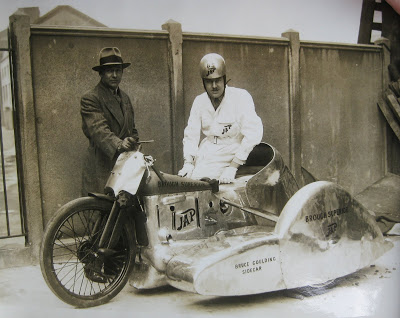
When finished, Bruce named his beast Leaping Lena, and sought a flat, straight road to set his record. In 1931, there were only a few suitable locations for a really fast run; Hungary (Gyon and Tat), Austria (Neukirchner), the U.S. (Daytona/Ormond beach), the U.K. (Pendine or Southport beaches), France (Arpajon), and Germany (Ingolstadt). As speeds increased for record attempts, beaches became increasingly undesirable due to Neptune's fickle road-laying efforts, and attendant delays (read:money) for a perfect surface. As all but the beach venues were public roads, the political machinations (read:money) required to arrange a few days' testing and eventual full speed runs could be daunting to a small and dedicated bunch of amateurs. And amateur is a fitting description for ALL speed-bitten enthusiasts, until National (Socialist) pride began investing in sporting contests, and little swastika roundels appeared on the tails of wingless two-wheeled aircraft. But I'm getting 5 years ahead of our story.
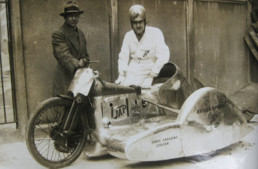
In 1931, Alan Bruce and Englishman Arthur Simcock took Leaping Lena to Tat in Hungary for a series of unsuccessful runs at the Motorcycle Land Speed Record, solo and sidecar. She can be seen at Simcock's side in the top photo, sans third wheel, taken on site at Tat, where various mechanical issues beset them like gremlins, and the pair headed back to England for a winter's work sorting out Issues like supercharged induction, etc. Note the copious oil leakage from the lower bodywork panels; one wonders if the lower 'tub' is in fact filled with oil! Late April 1932 saw our familiar pair of Bruce/Simcock joined by Phil Irving, who must have provided a measure of technical expertise to sort out the troublesome animal that was Lena. Chosen venue was Neukirchner, near Vienna, and local Brough Superior agents Eddy and Kent Meyer lent a hand in any way useful - Eddy being a real champion of the marque in Europe, having won over 80 'firsts' in competitions with his Broughs. Arthur Simcock's record run without sidecar ended abruptly when his goggles were blown off at speed, followed shortly by the supercharger safety valve blowing off. Local support for Lena ended there, as a local wag slipped a steel bolt into her induction tract and shortly ruined the supercharger, cutting their effort short while they frantically sought a new venue, and spares from England.
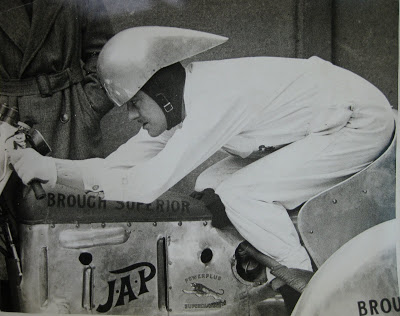
City officials of Tat were successfully cajoled (read:money) into allowing Lena's run on short notice, and our crew high tailed it towards Hungary in their truck, which blew up and delayed their arrival. Meanwhile, Arthur Simcock trained back to England for blower parts, returning to find lousy weather (why April?), but it was decided that April 30th would be The Day, and it dawned with strong winds. Clearly, the slab-sided aluminum body of Leaping Lena wasn't lethally beset by side wind handling anomalies, and a two-way average of 124mph was finally recorded, with a best one-way speed of 135mph... really going some for a rigid-frame bicycle on an iffy concrete surface. Bruce had the scare of his life while aviating the whole outfit at speed after hitting a bump with the chair wheel, the entire plot lurching nearly off the road. While distracted and momentarily shutting off, he didn't realize he had passed the timing strips and carried on at full bore, only to hit a railroad crossing at 135mph! Man, motorcycle, and sidecar shot into the air, split the streamlining on impact, and nearly sheared off the carburettor, but the hard Aussie Bruce kept the animal between the hedges, and their day was done. As he said, "Yes, it felt fast all right!"
The Age of Monsters
Dec. 6, 1903: MOTOR CYCLE MONSTROSITIES, By H. O. Duncan.
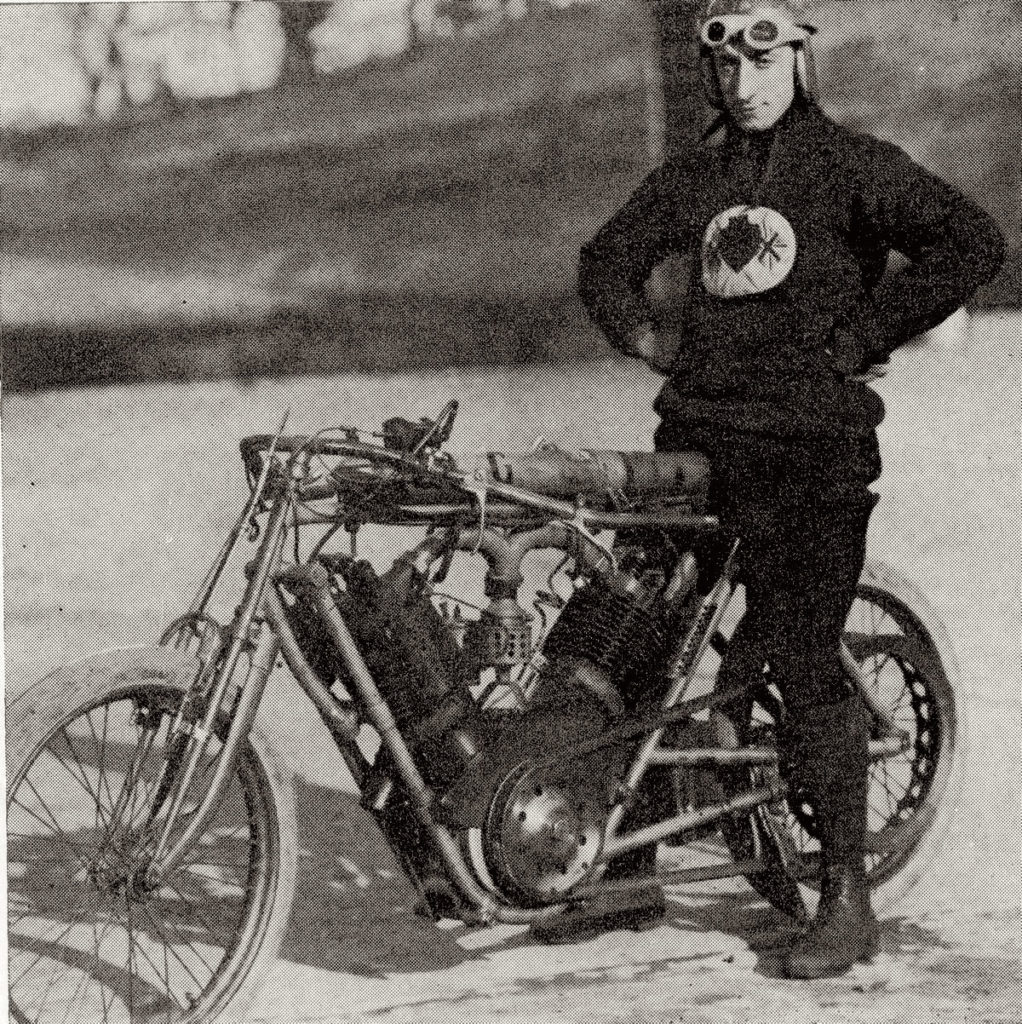
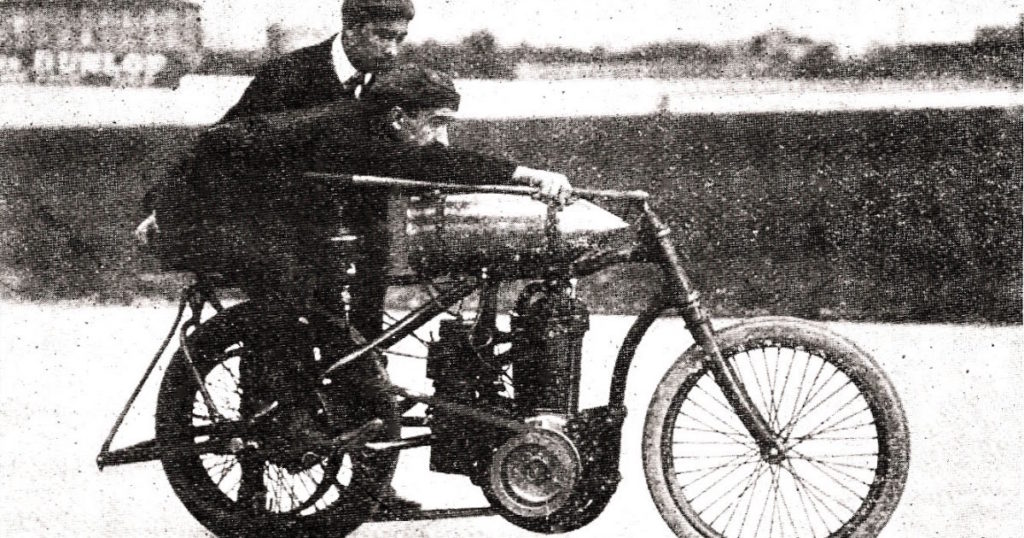

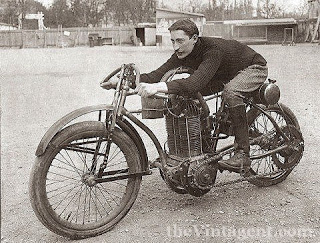
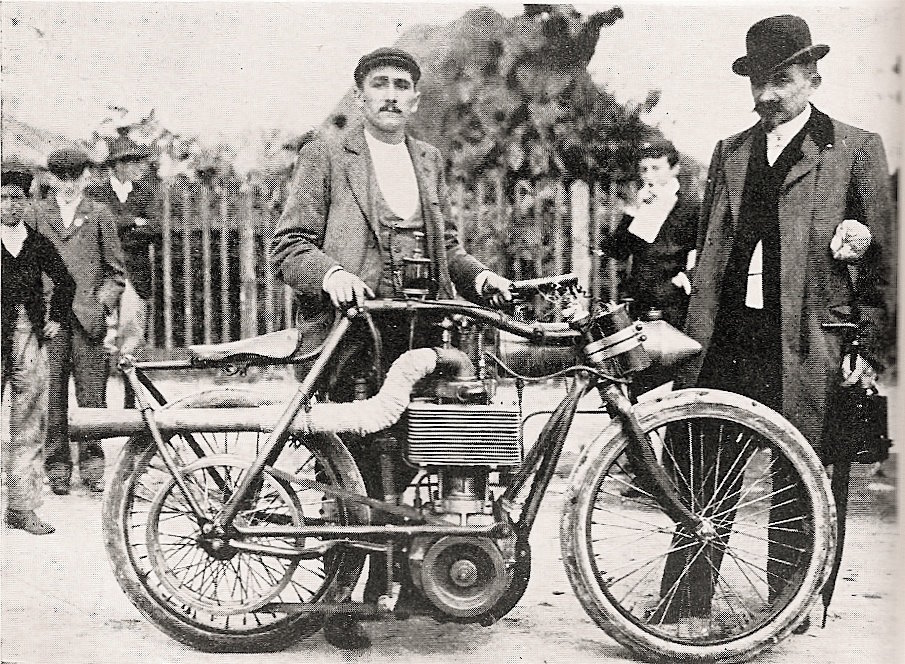
Racing rules in France and Austria (the only European countries which hosted races at that time) gave no restrictions on engine size; one cure for a weak little engine is to incorporate a much bigger (albeit equally inefficient) motor into a motorcycle. During a beautiful period in those pre-1906 days, a free-for-all developed with designers throwing the most unlikely engines between two wheels. Cylinder capacities of over 1 liter EACH were not unheard of - these were steam engine dimensions, which of course, was the common currency of the day, as trains and boats were the first truly 'motorized' vehicles, using steam for motive power since the heady days of James Watt and Robert Fulton.
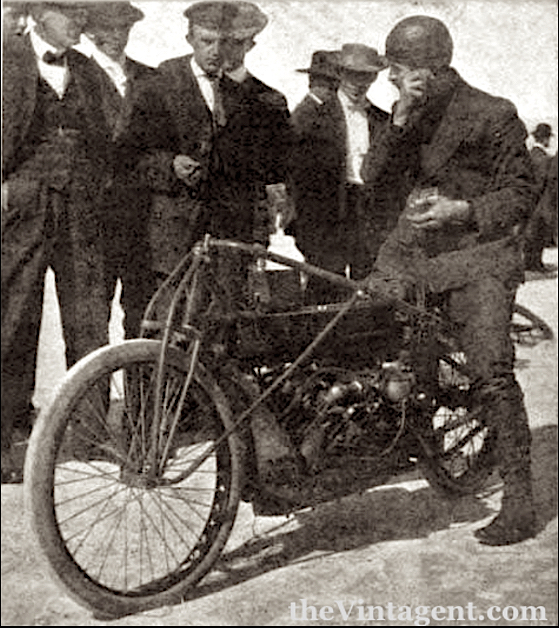
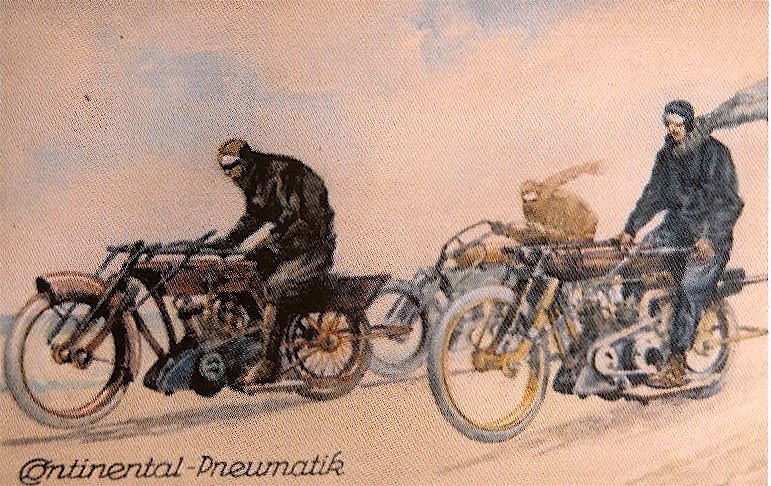
H.O. Duncan decried them as 'Monstrosities', setting a poor example for the public, and arguments such as this have altered the course of motorcycle evolution in the past 100 years in significant ways. When, in the course of racing development, designers have reached for extreme measures in the quest for advantage (ie, enhancements which bore no relationship with 'utility'), the forces of Rationality and Production-Based competition have raised the alarm and banned them. Thus, initially, engine capacity was restricted in racing to standardized formulas. In some areas, 'Works' machines were restricted - racing had to be conducted with 'same as you can buy' motorcycles. Then, as supercharging came to the fore, it was banned as well. When the number of cylinders grew to six and more in GP racing, restrictions on engine complexity were enacted. When the number of gears on lightweight racers reached 12 or more, gearboxes were limited to 6 ratios. Most recently, when the world no longer drove two-strokes, GP racing moved to four-stroke engines.
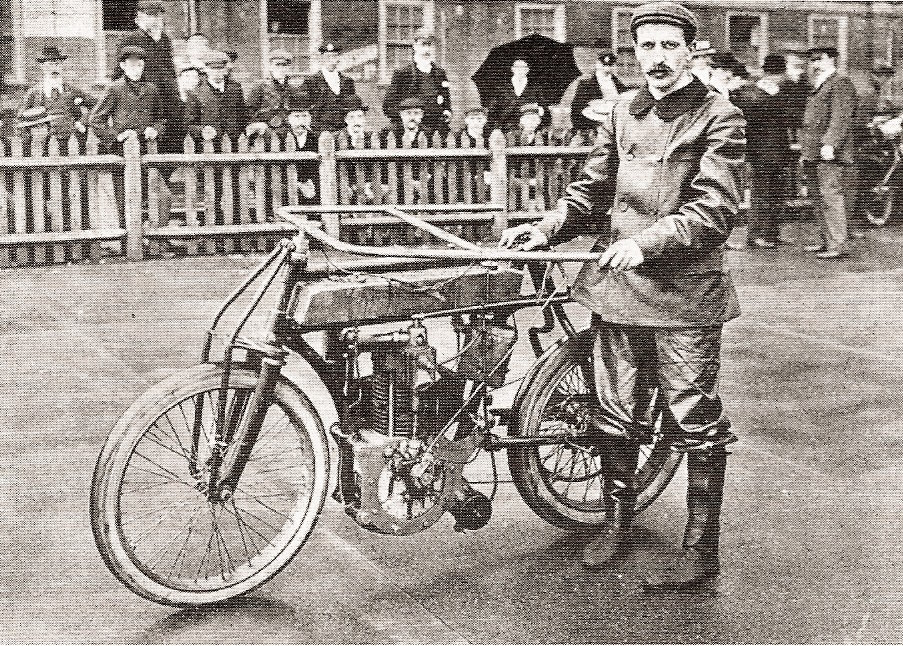
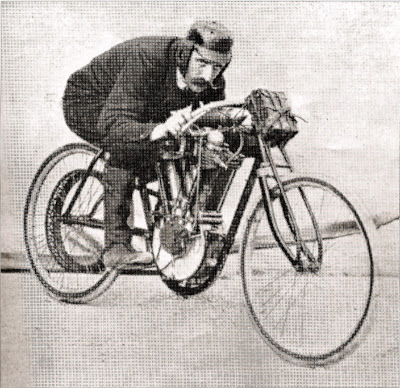
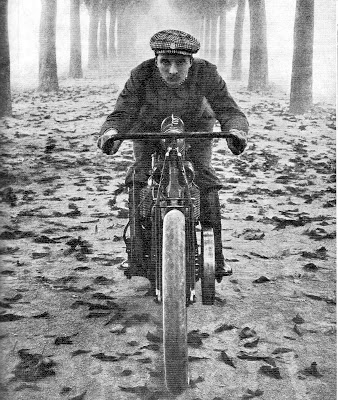
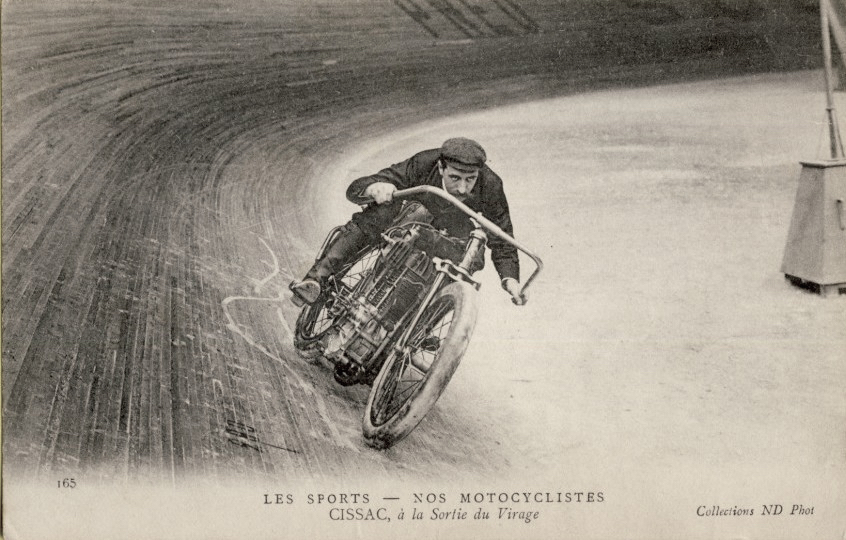
Of course, it wasn't just the French who built Monsters; the American Glenn H. Curtiss installed an experimental 40hp (6,000cc) V-8 aircraft engine of his own make, into what may have been the earliest duplex-loop frame. In 1907, he took his shaft-drive machine to Ormond Beach in Florida, and clocked 136.8mph one-way, making him the fastest man in any vehicle at the time. The shaft broke on the return run, and Curtiss had a heck of a time wrestling the beast to a stop without crashing, but such was his luck (he never crashed his pioneer airplanes either!), he finished the course, and was satisfied. His record remained unbeaten for 23 years, and the machine now sits in the Smithsonian Institution.
Confessions of a Factory Trials Rider
[Words and Photos: Gwen White]
My interest in motorcycles began in 1946, when, as a teenaged Gwen Wickham, I cheered on my heroes every week at Wembley Speedway. A few years later, after my family moved from North London to Southampton, I met Jack White, a great character who taught me to ride a motorcycle, became my best friend, and eventually, in 1958, my husband, although he was 24 years my senior.
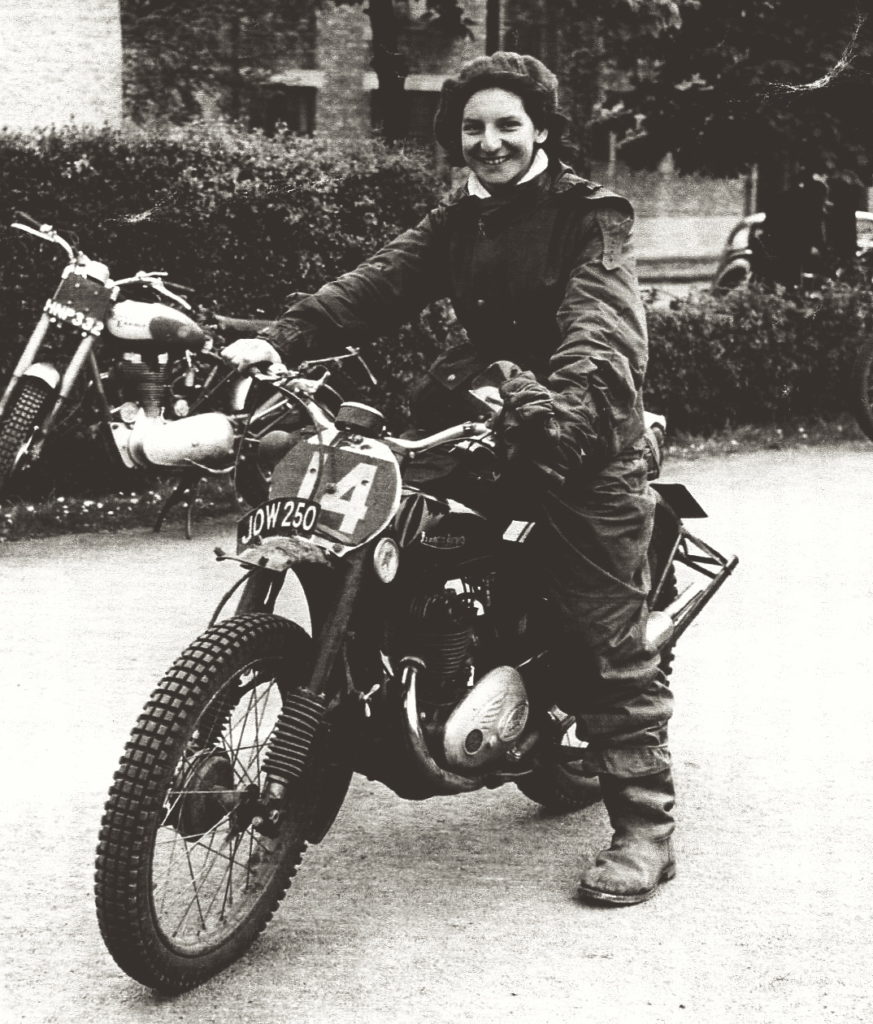
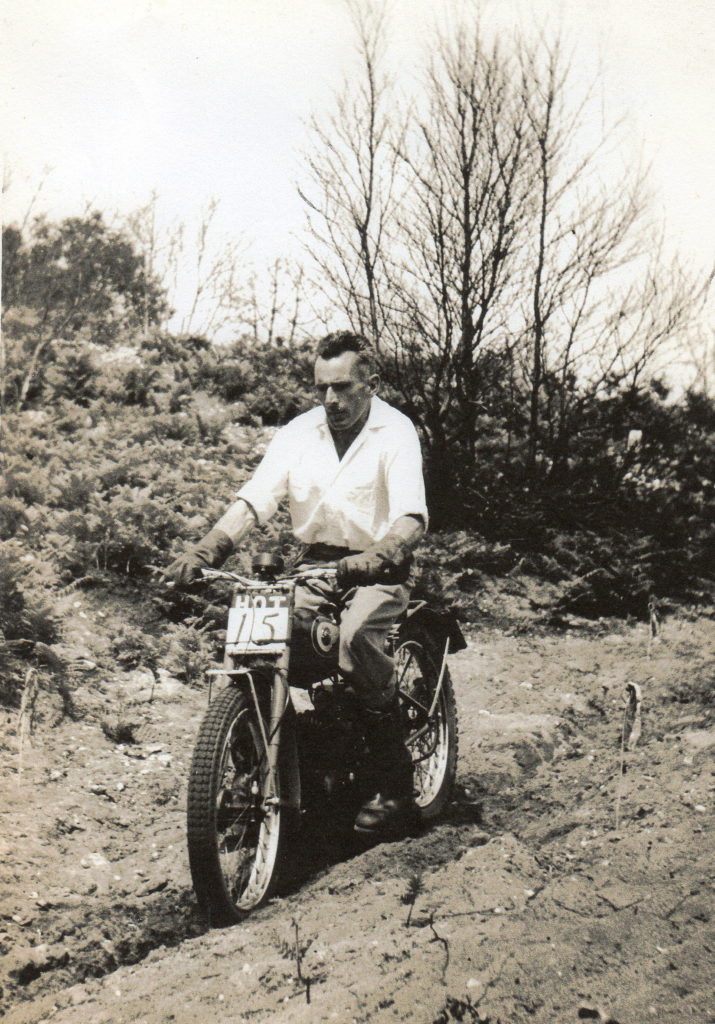
'Jackie' White was a well-known member of the Ariel works trials team just before the war (he'd made 3rd Place in the 1934 Scottish Six Days trial), and he encouraged me to ride in trials with him. My first trial was the Sunbeam MCC's Novice Trial in 1950 on Jack's 'Flying Flea' Royal Enfield. Another competitor that day was Mike Jackson's elder brother John, who at 17 was also competing for the first time! Jack then prepared a 125cc BSA Bantam for me, which I rode in open-to-centre trials most Sundays and a few Nationals when I could get a Saturday off from my job in a hospital.
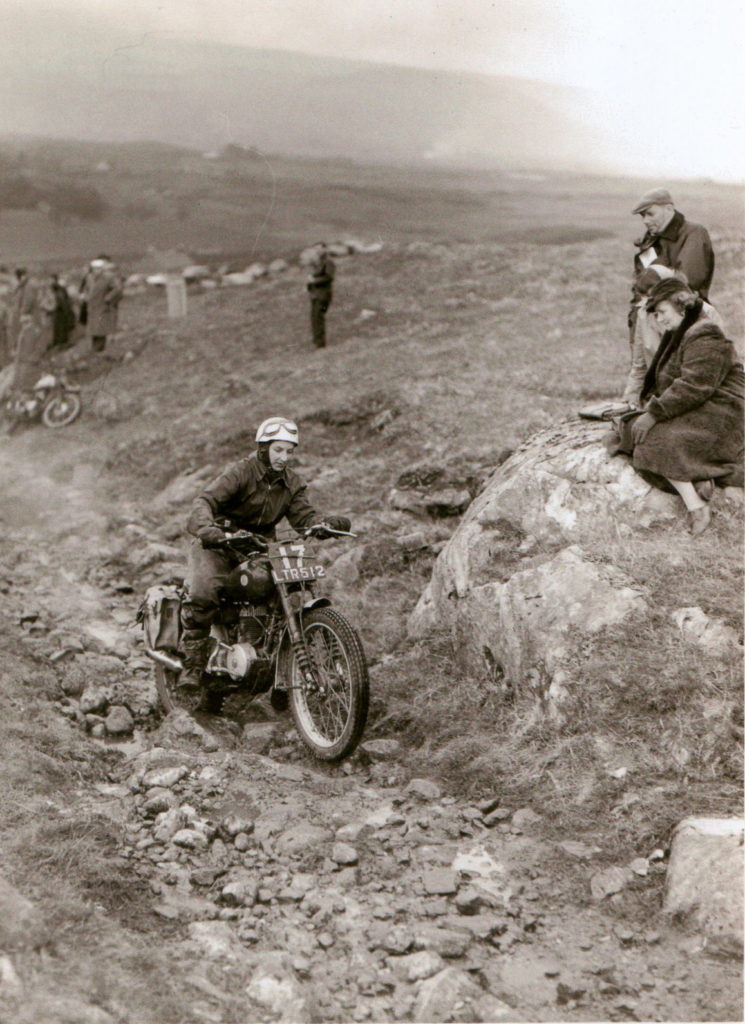
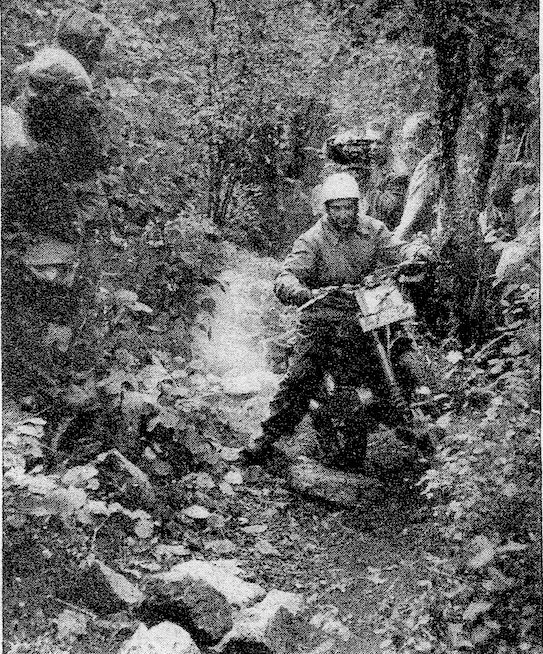
In 1952 I was 21 years old, and progressed to a 197cc Francis Barnett, and rode it in that year's Scottish Six Days Trial. In those days we started from Edinburgh and I remember lying awake in the George Hotel listening to a nearby clock chiming every hour throughout the night - I was too excited and apprehensive to sleep. One of the biggest adventures of my life was about to begin. On a damp, grey morning the Provost of Edinburgh was the starter for our long journey to Fort William. The scenery was breathtaking, with the morning sun turning the snow on the mountain tops a delicate pink. It reminded me of the time I had struggled up Kinlochourn, to arrive at a mirror image of the sunlit mountains and pine trees of Glenelg reflected in the still water between us. I was glad that I was not a leader in the trial, and could afford to squander a little time to drink in the beauty of the scene. Such was the comraderie amongst the riders that almost everyone who passed me asked if I was OK. In 1952, the generosity with which we girls were treated by the other riders was heartwarming. There were 5 of us; Mollie Briggs, Barbara Briggs (no relation), Joan Slack, Leslie Blackburn and me. Needless to say, a fellowship developed between us. Jack had a similar bike in 1952, and had modified both of them by fitting friction dampers to the forks, and had altered the steering head angle, which made them handle well. Unfortunately, Jack's bike developed ignition trouble and he had to retire on the Wednesday, but mine carried me to the finish 'without missing a beat'. The Scottish was an adventure and experience that I shall never forget; the combination of Highland scenery, motorcycles, and old friends is irresistible.
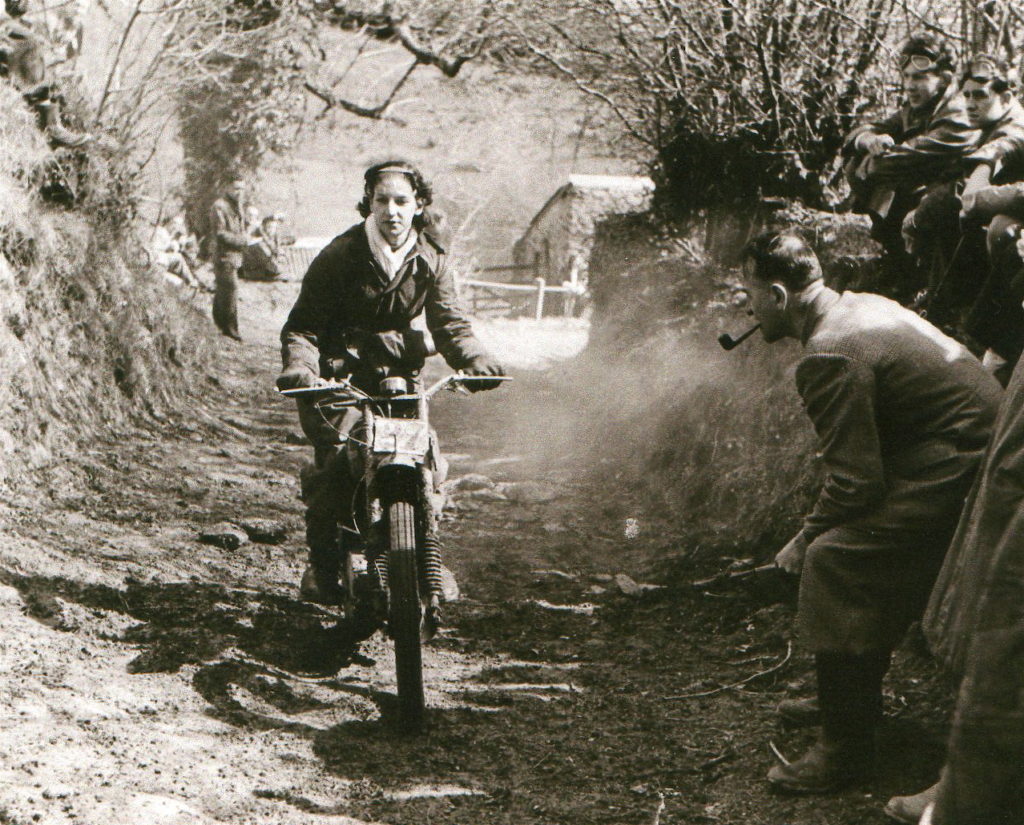
I was lucky enough to ride in it again in 1957, this time on a 197cc James Commando (incidentally, the previous owner was John Jackson - he and Mike were fellow Southampton Club members and were by then very successful trial and moto cross riders). I was privileged to meet people whom I have since realised were legends, including Alan Jeffries, a cheerful, kindly character, who offered to replace the frame of my James if it could not be repaired. It had twisted during a fall on the Wednesday and the chain had run off the sprocket at the slightest provocation for the rest of the trial. The experience of riding a motorcycle in this state over the forbidding Rannoch Moor, which seemed endless, certainly plays its part in preparing me for traveling anywhere on a tarmac road. I managed to finish the Trial, but with a large loss of marks!
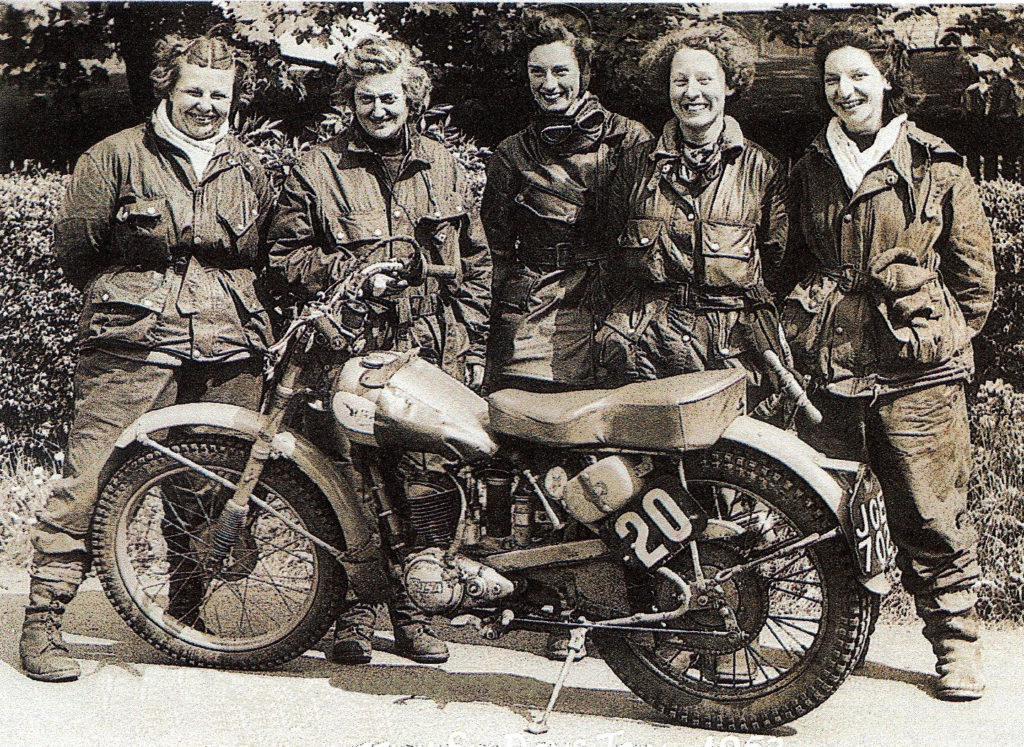
I rode Francis Barnett until 1955, and then the James, in some of the other Nationals including the West of England, The Welsh Two Days, Beggars Roost, Cotswold Cups Trial, the Hoad Trial, and the Perce Simon Trial, the latter being close to home for me and in those days, run on the New Forest. What I loved most about trials was the fun, comraderie, and challenge, all in beautiful surroundings to which one would never normally have access on a standard road vehicle, although most of us in those days rode the same bike to work each day!
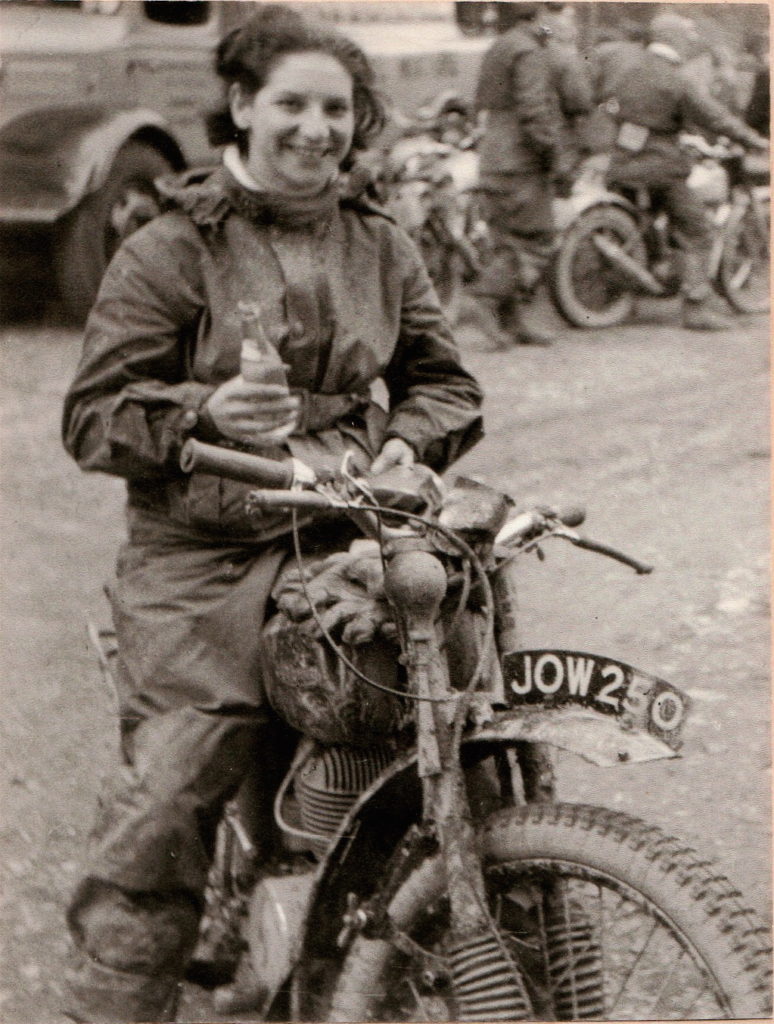
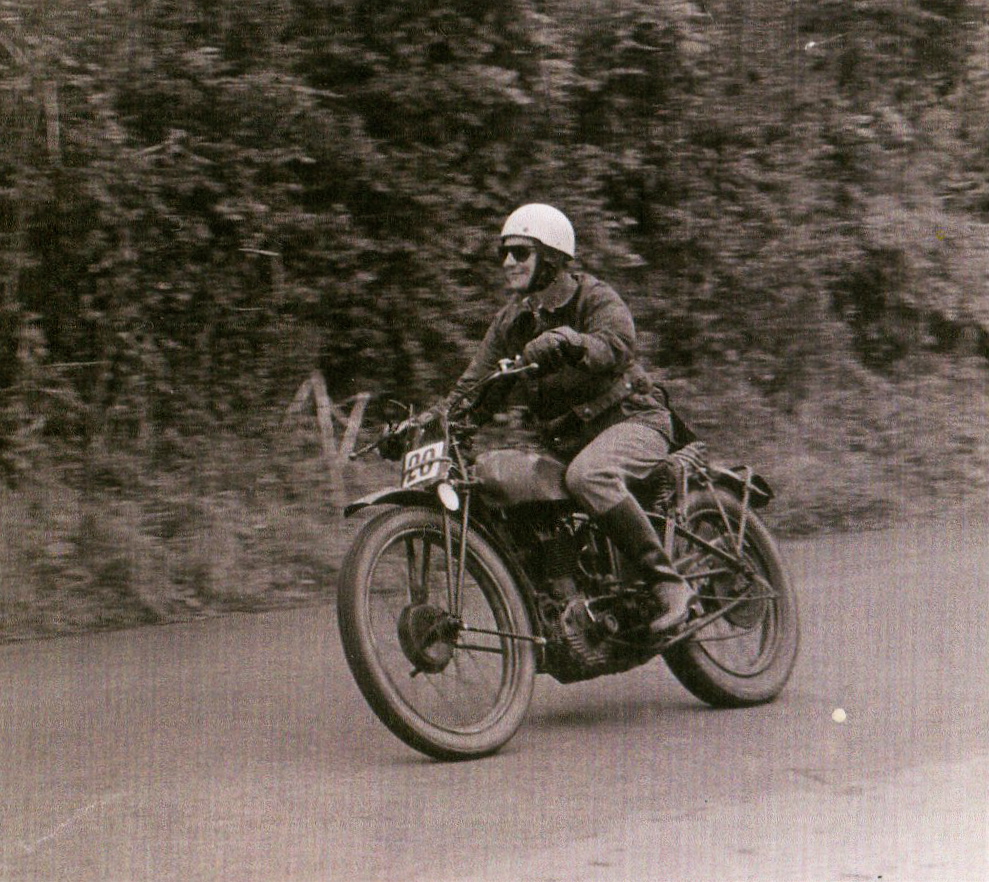
Jack and I were married in 1958 and we set up home together. When our two daughters came along I gave up competition riding, but still rode a bike on the road. I also rode the odd vintage bike, including Jack's 1930 Ariel 250cc Colt in a few club runs. Sadly, Jack died in 1977, but I still have that battered up old Ariel on which he won so much, including third place in the 1934 Scottish Six Days [the photo below shows Gwen riding the Ariel at a Vintage club run in 1995 - Ed.]. Despite advice to the contrary, I refuse to have it restored. To remove all its battle scars and Jack's modifications would rob it of its considerable character! I have never lost my love of motorcycling which, these days, I enjoy as a spectator, along with the great friendships which have survived the years.
Road Test: 1933 Brough Superior 11.50
The Vintagent Road Tests come straight from the saddle of the world's rarest motorcycles. Catch the Road Test series here.
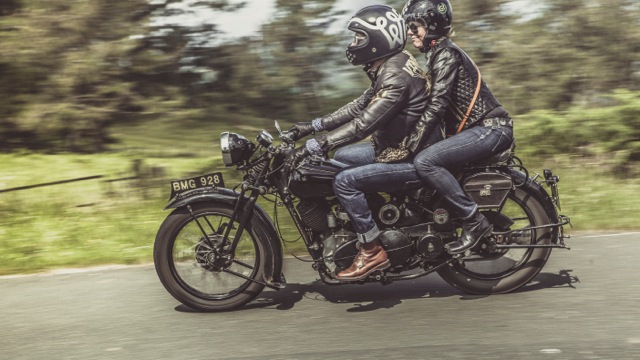
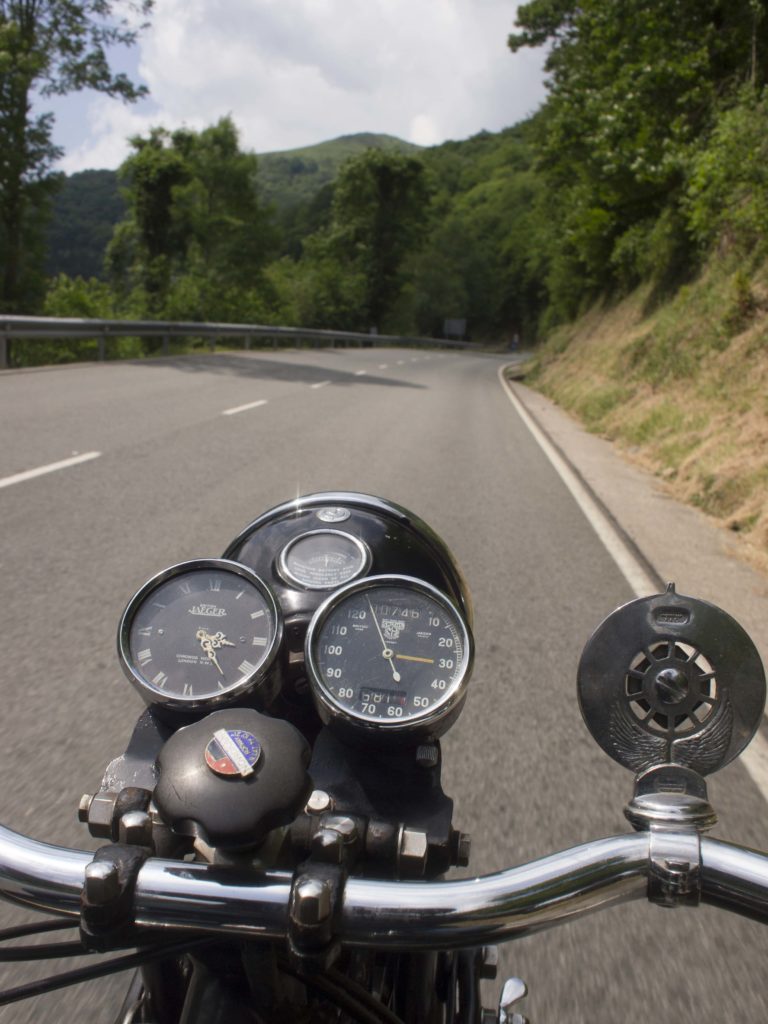
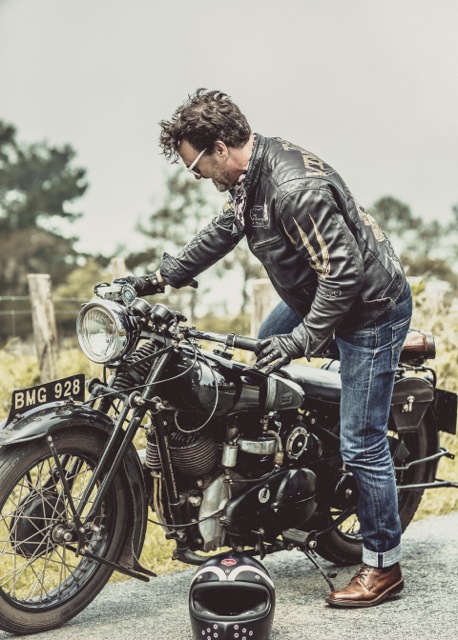
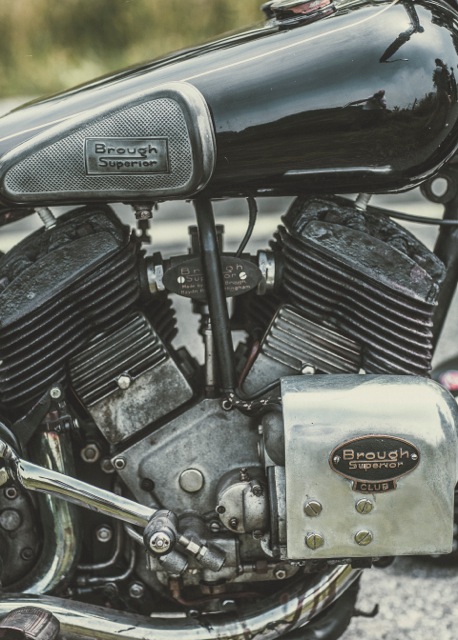
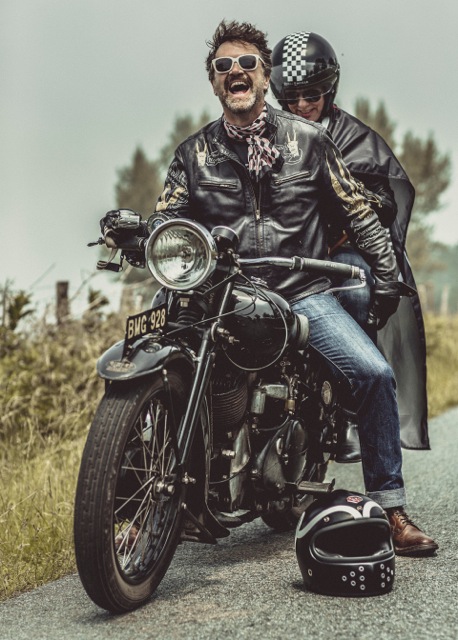
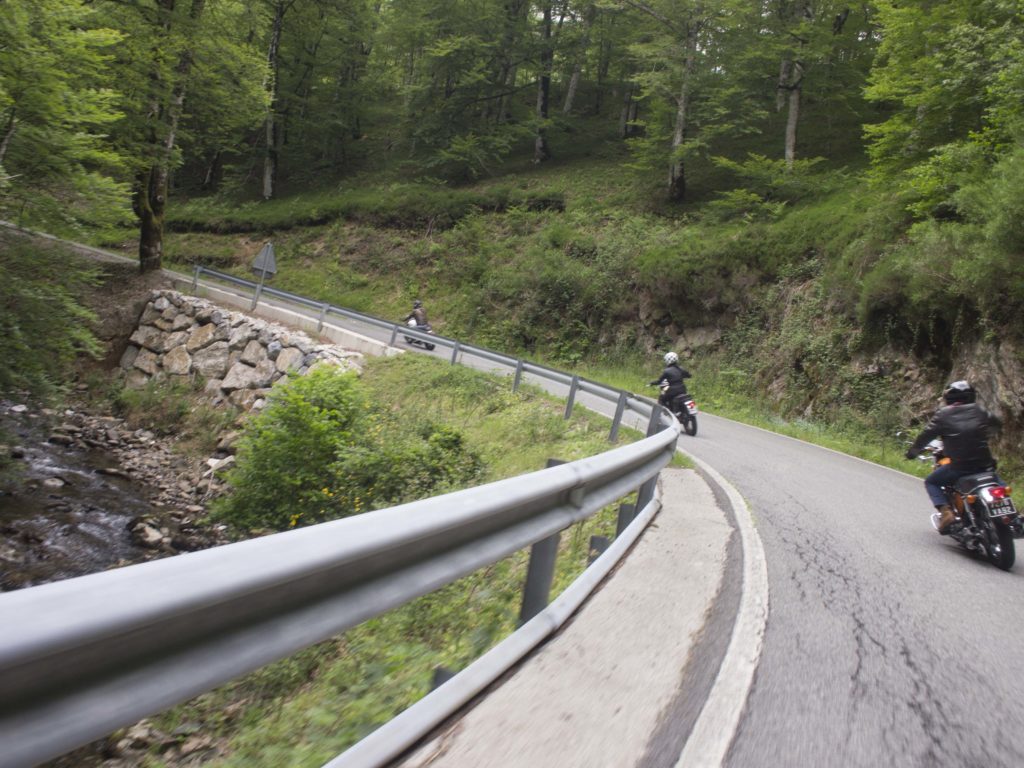
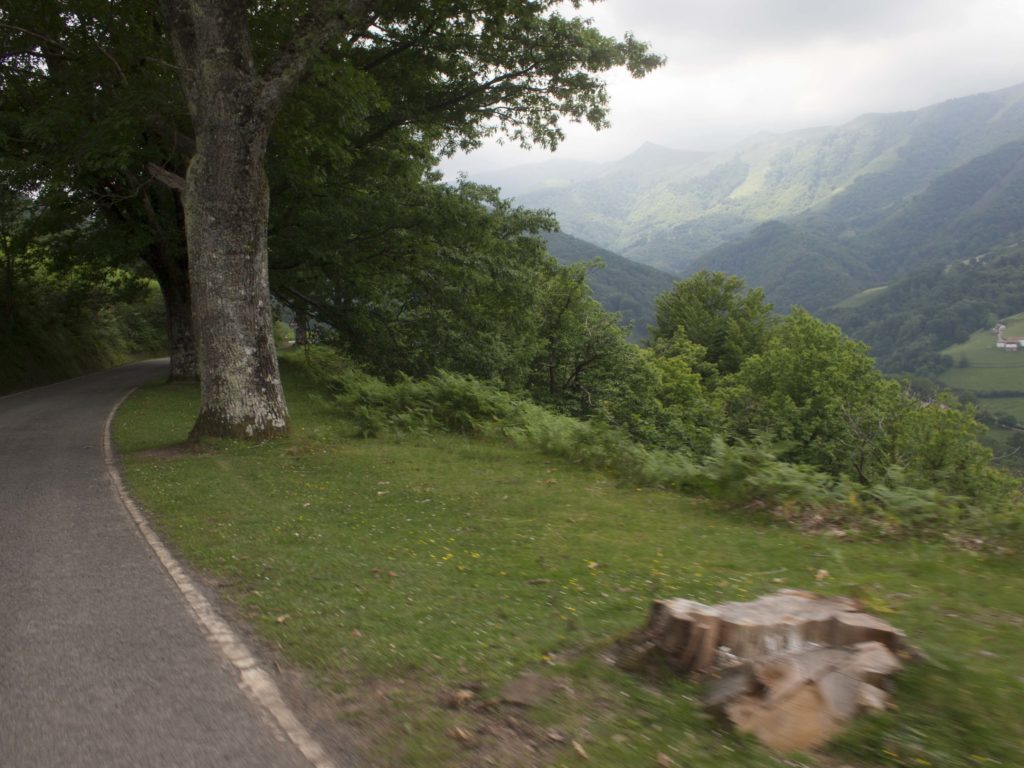
As hypothetical scenarios go, being asked ‘would you like to ride a Brough Superior at Wheels+Waves this year?’ is a pleasant fantasy. I don’t think it was on anyone’s radar that a Brough would actually be ridden through the Pays Basque in June, winding between all the other groovy custom bikes in the mountains. 8 Broughs would be on display at the Art Ride exhibit, but seeing one on the road…that doesn’t happen enough, anywhere. I was asked the question for real in May, but I didn’t totally trust it would happen, because life is like that. People make promises they can’t keep, stuff comes up - you know. But Mark Upham, who owns Brough Superior, is a man of his word, and I unloaded his 1933 ’11-50’ myself in Biarritz, anxious to get to know the beast.
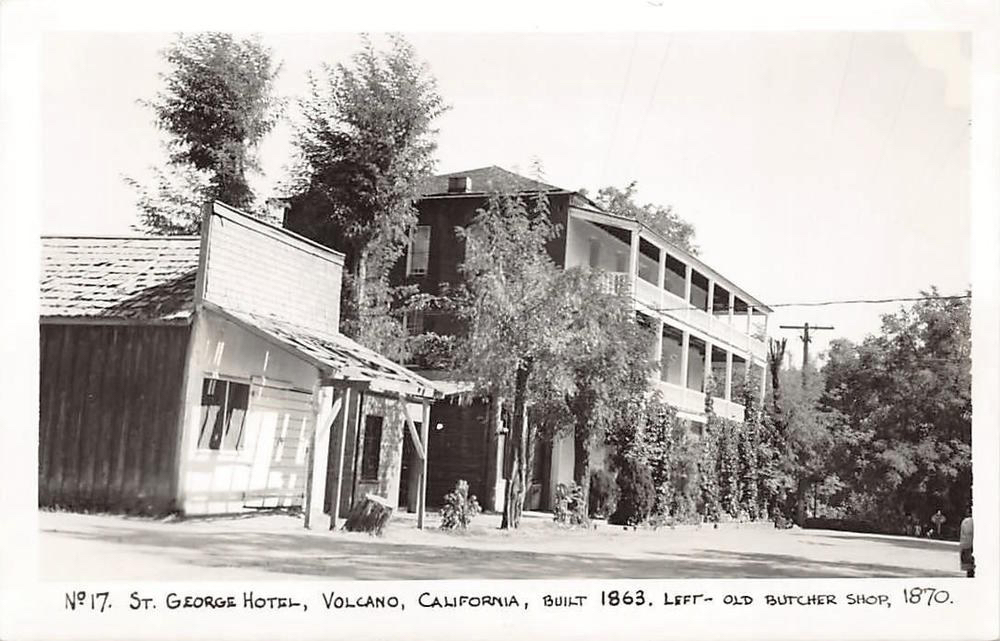
The Ghosts of the St. George Hotel
[Words: Paul d'Orléans. Photos: MotoTintype - Susan McLaughlin and Paul d'Orléans]
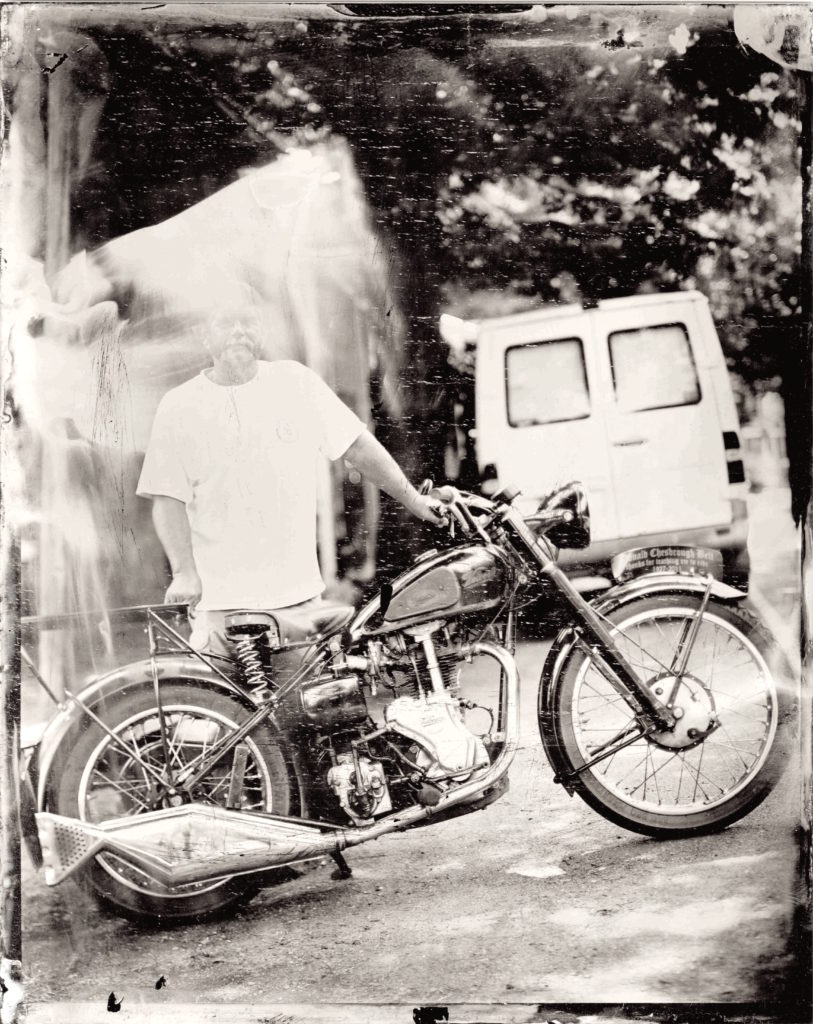
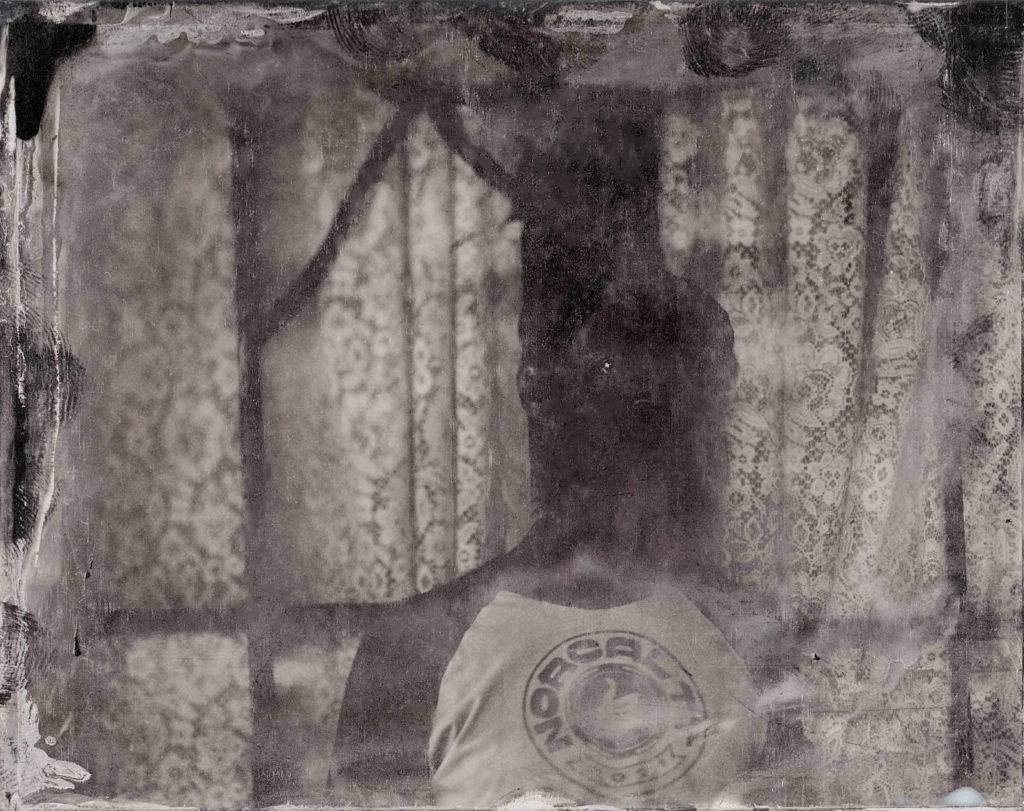
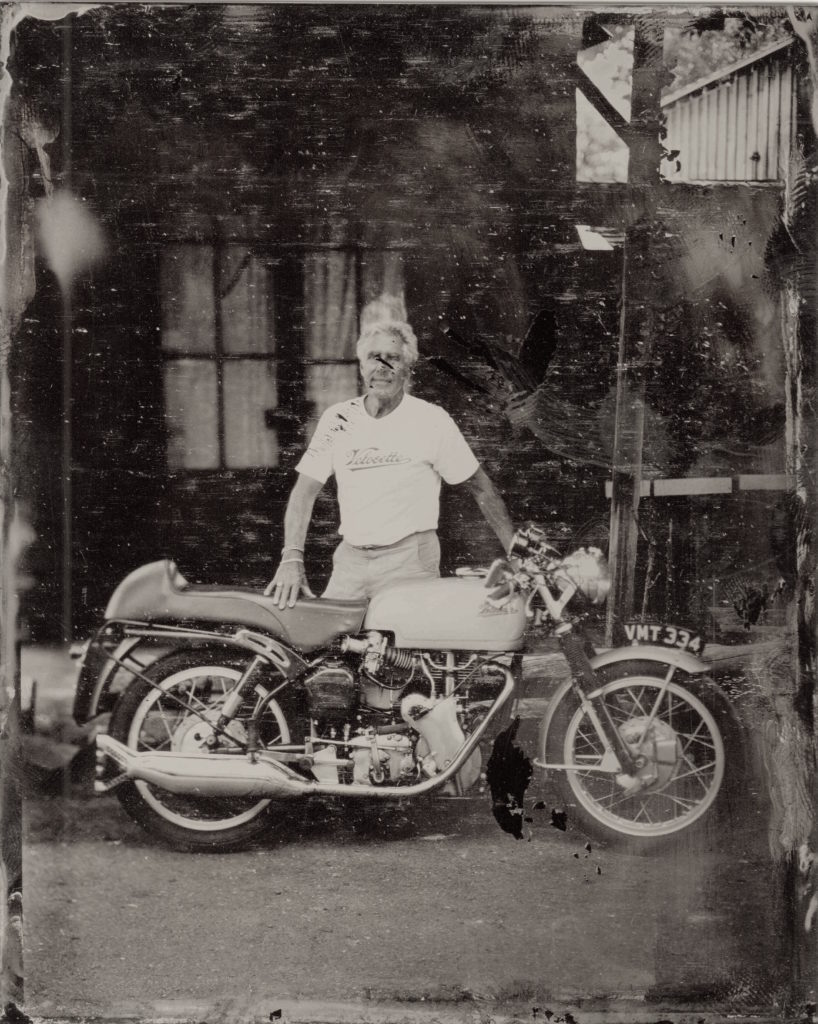
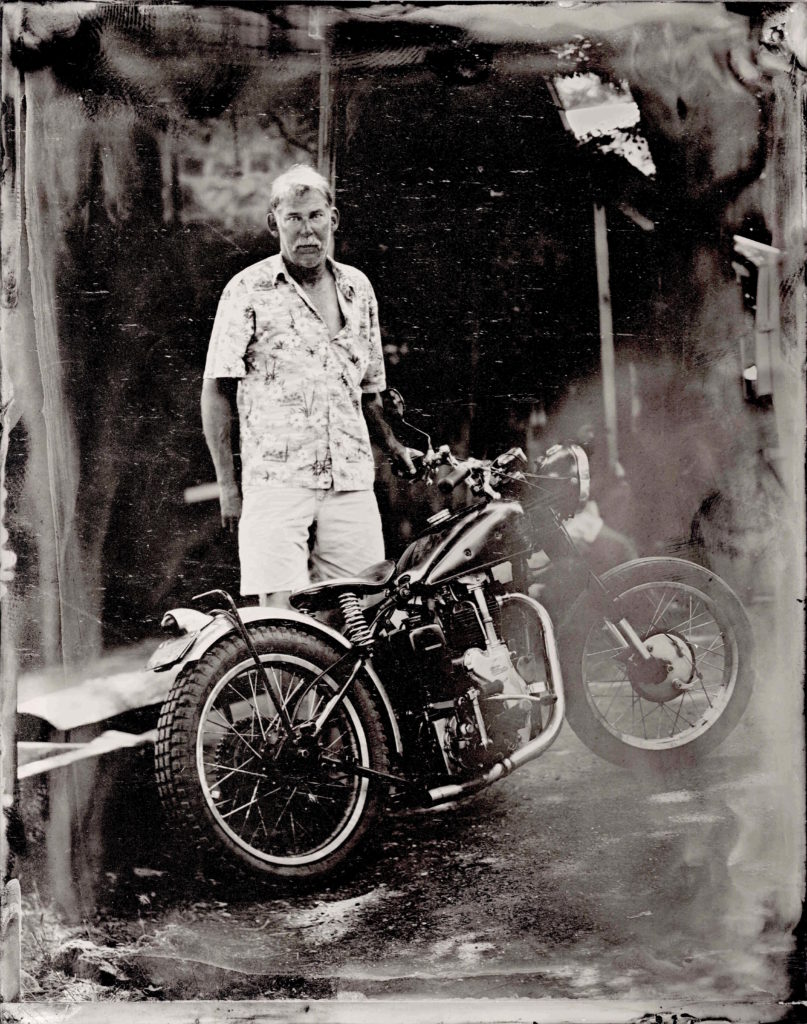
A dazzlingly hot July day in the California foothills is an atypical setting for a ghost story, but we weren't looking for ghosts. Nor did it occur to us we'd been haunted, until our work was finished, and our 'Wet Plate' photographs were sitting to dry on a rack. And when we finally sorted what had happened, we were chilled to the bone.
Auerberg Klassik
[Words: Hermann Köpf. Photos: Hermann Köpf, Sébastien Nunes, Fabian Kirchbauer, Peter Musch, Martin Ratkovic]
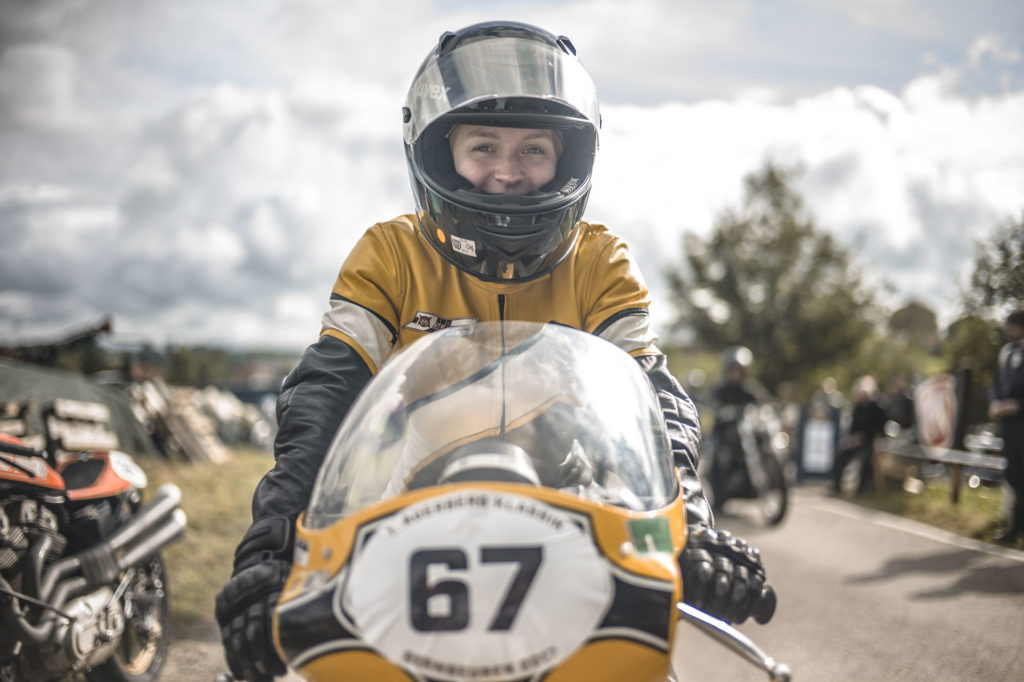
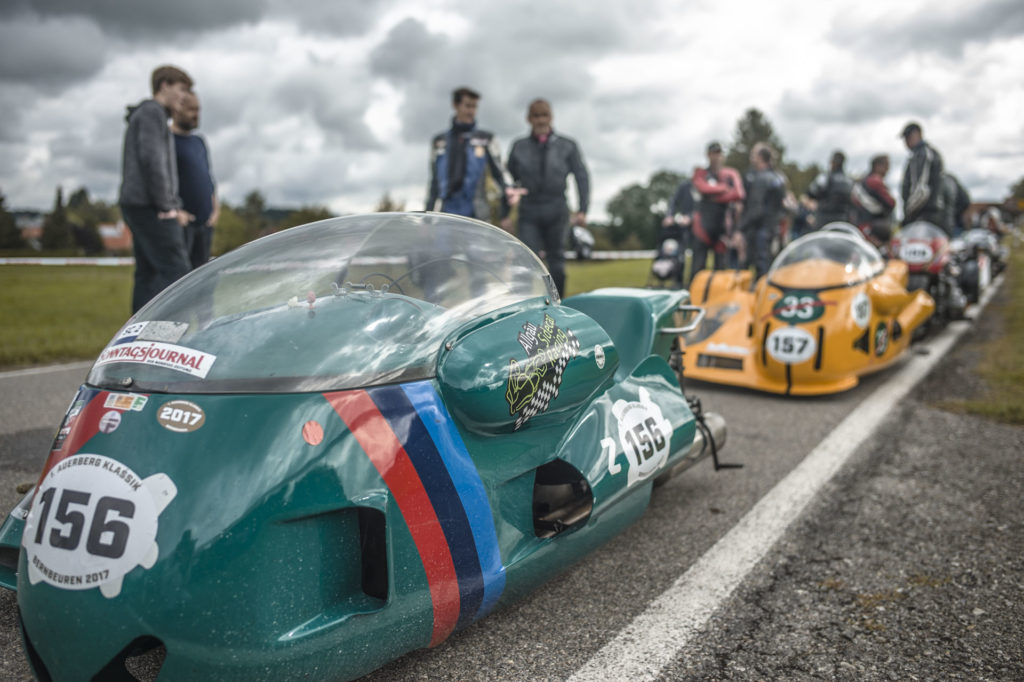
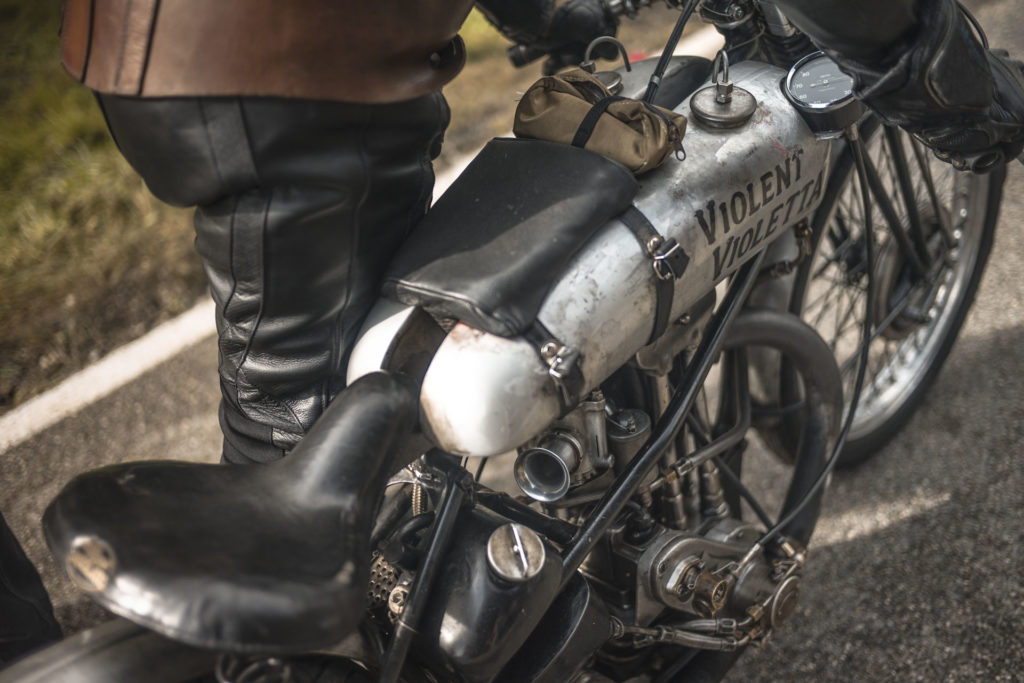
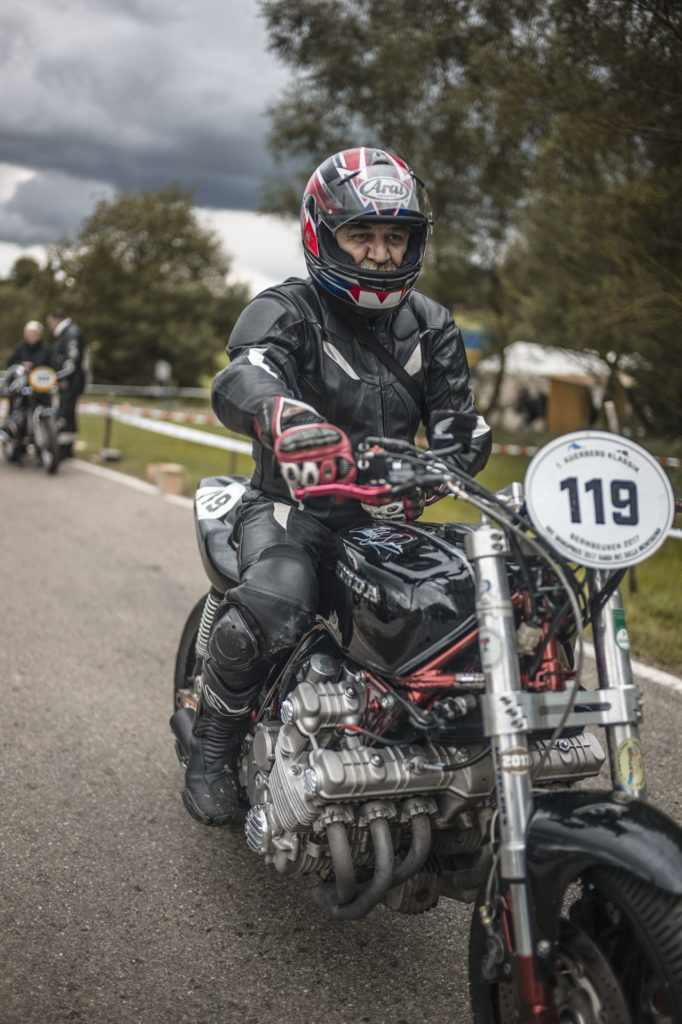
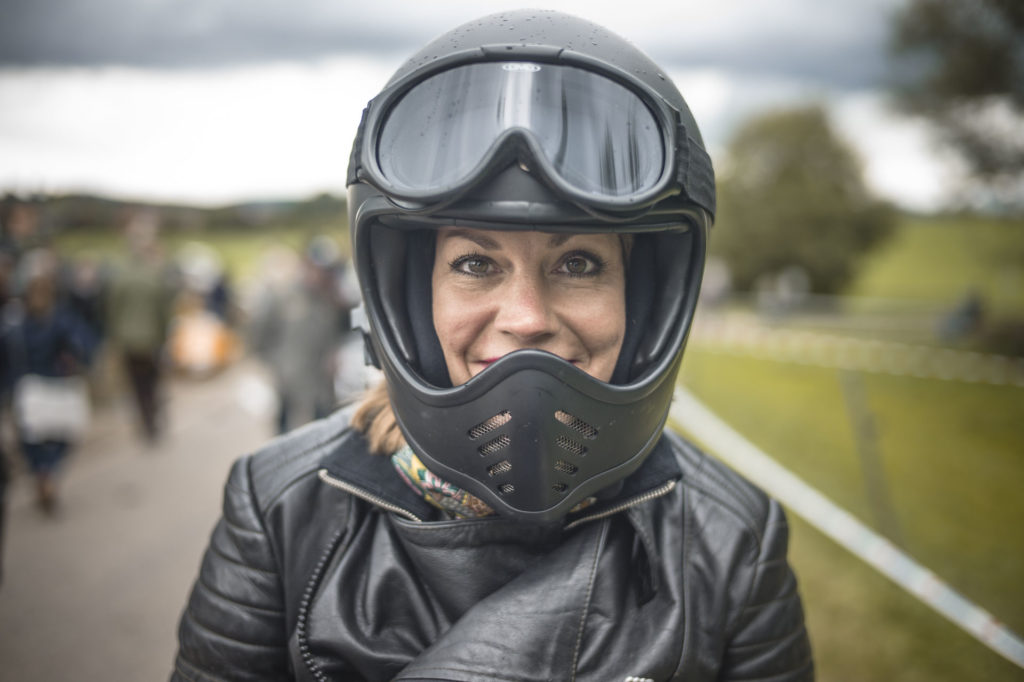
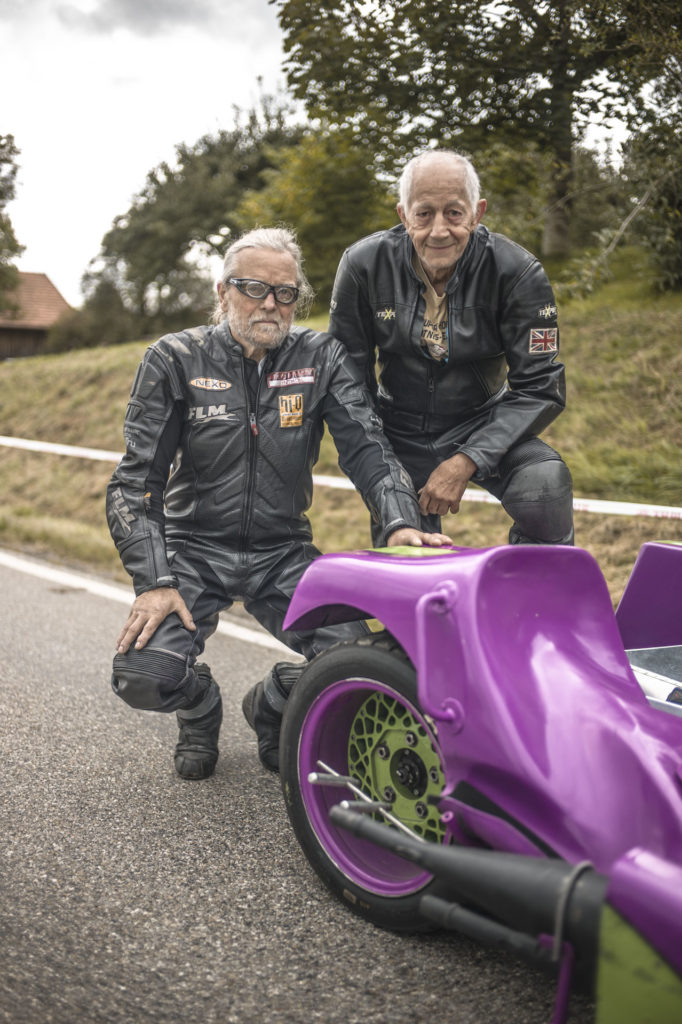
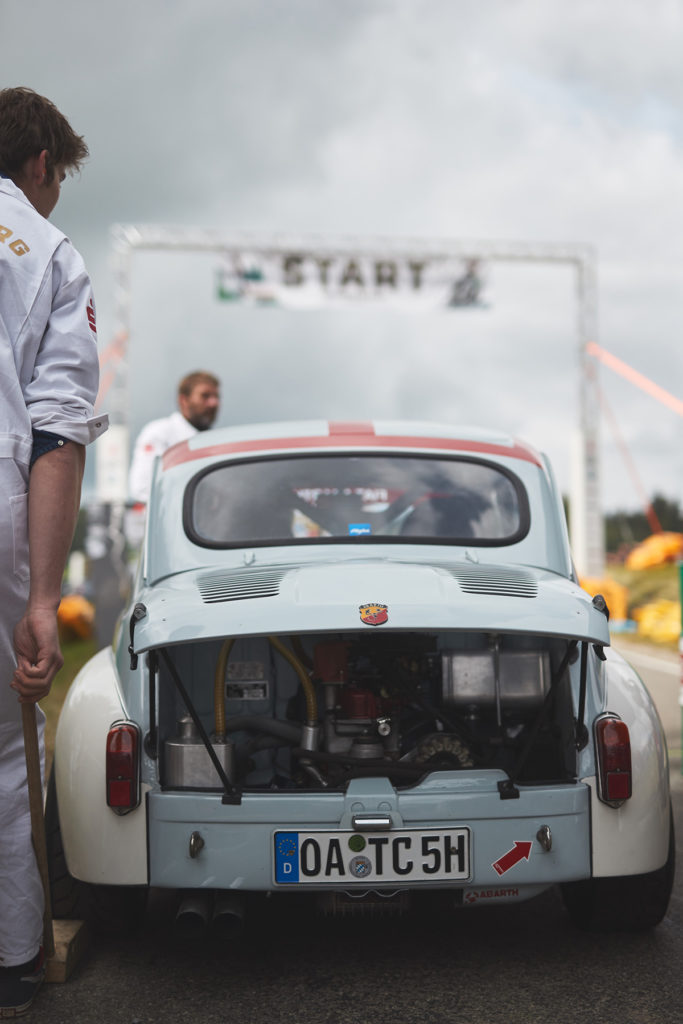
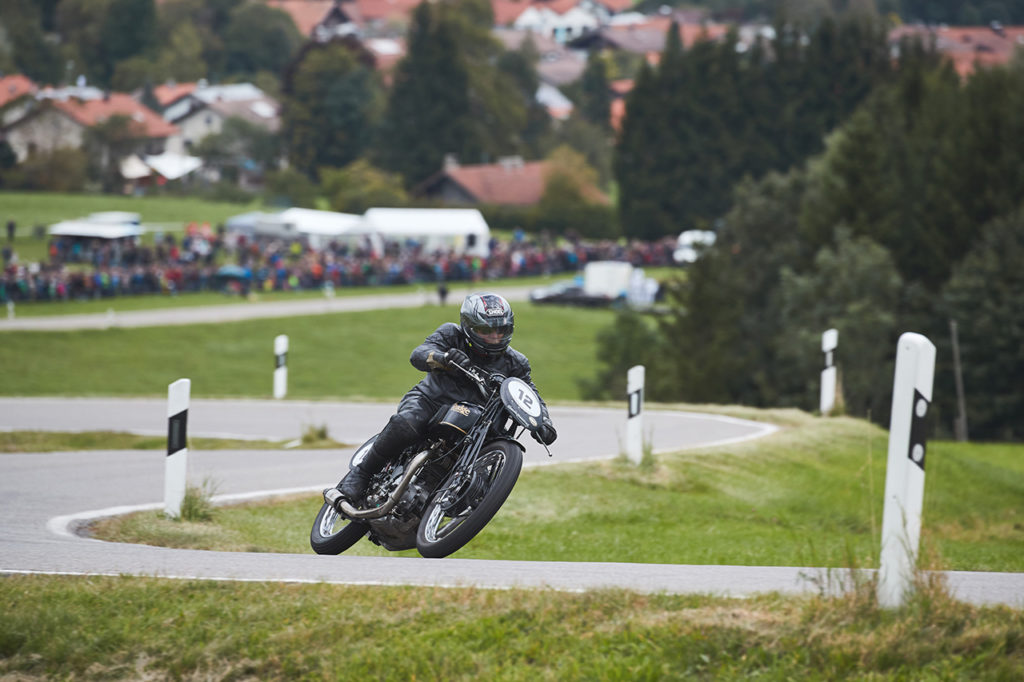
The 1,055m high 'Auerberg' is located an hour south of Munich and 20mins north of Austrian border, close to Neuschwanstein Castle - better known as 'Mad Ludwig's Castle', or the building on which Disneyland is based! At the top of the Auerberg was an old Roman settlement, where they produced coins and other metal parts. The road to the top - the racetrack of the Auerberg hillclimb - begins in small village of Bernbeuren, with about 2300 residents.
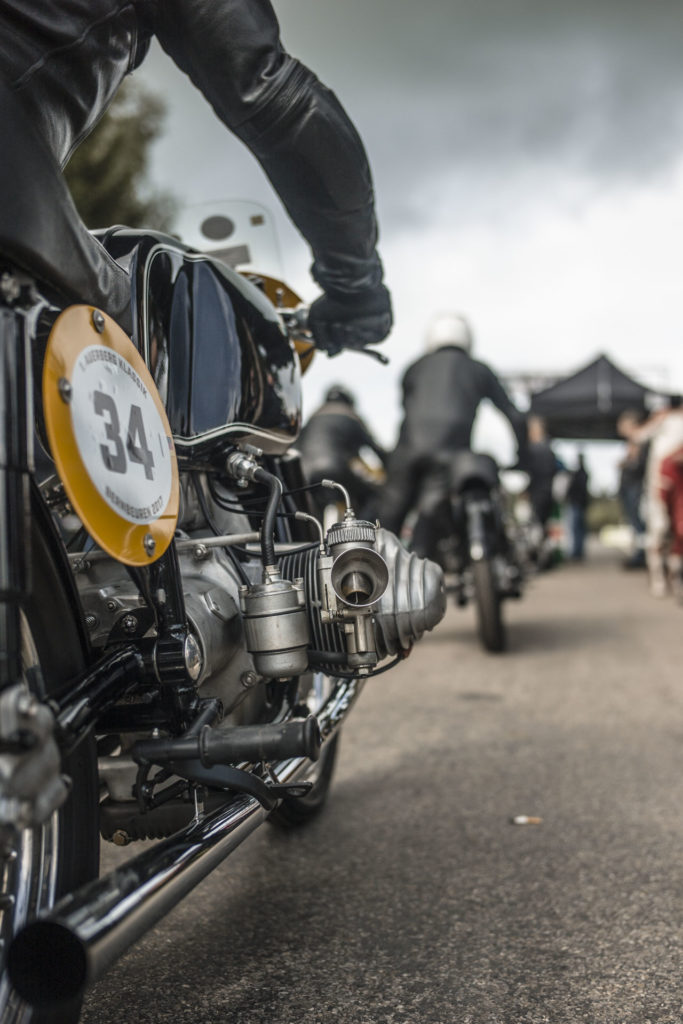
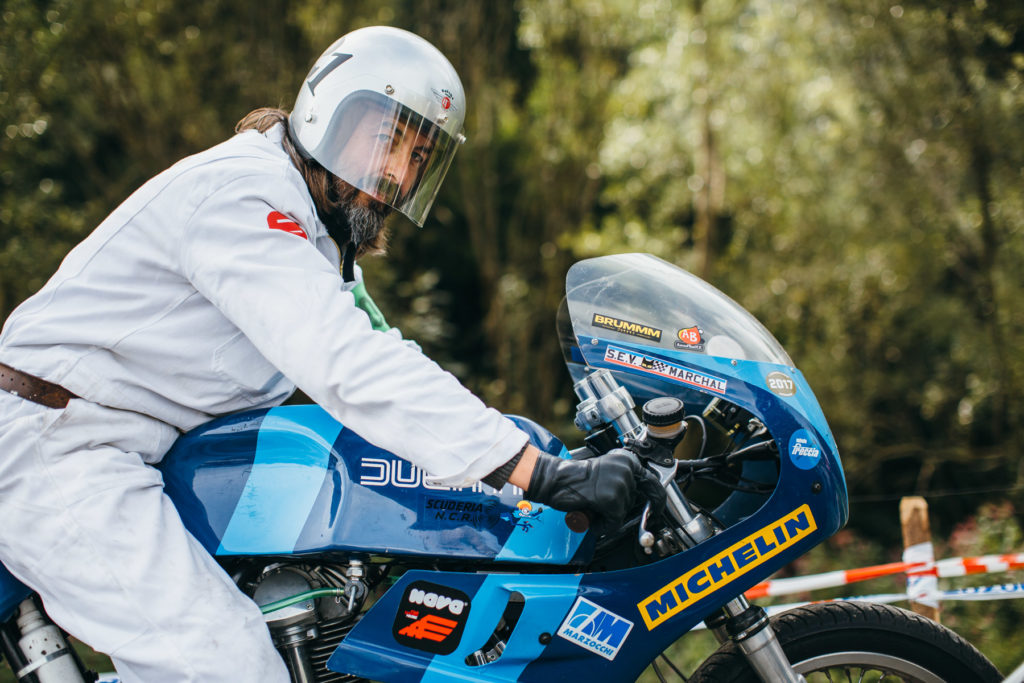
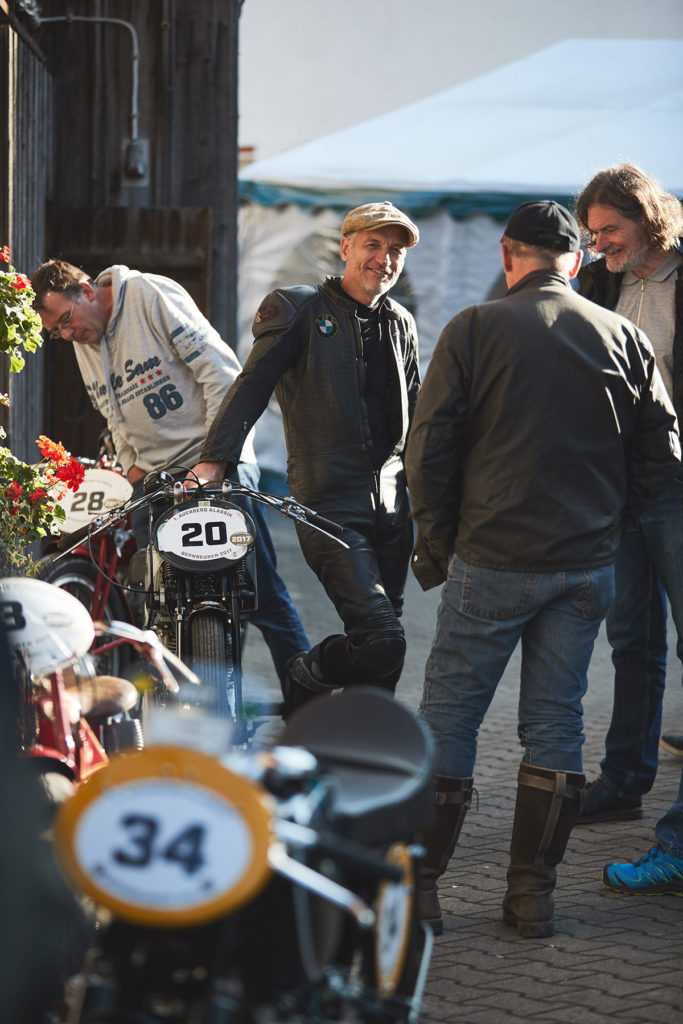
The idea of re-activating the Auerberg race has floated among car and motorcycle clubs for a while now. After break of 30 years now, it seemed a good time to revive the competition, with an updated concept - the Auerberg Klassik. I grew up in the village of Bernbeuren (although I left in 1992 for Munich), so I presented the concept to a few of my local friends, who agreed to form a club (Verein) to sponsor the event, after successfully presenting the idea to the local administration. The new concept was to include the village and all its various clubs/Vereine, with local people working together to create an event with and for the people of the village. Local Vereine/clubs supplied food and drinks to raise funds, and contributed the manpower to install the everything required for a race - banners, safety barriers, booths, pits, etc. We had 350 helpers that weekend, setting up 1.200 straw bales as safety barriers along the course.
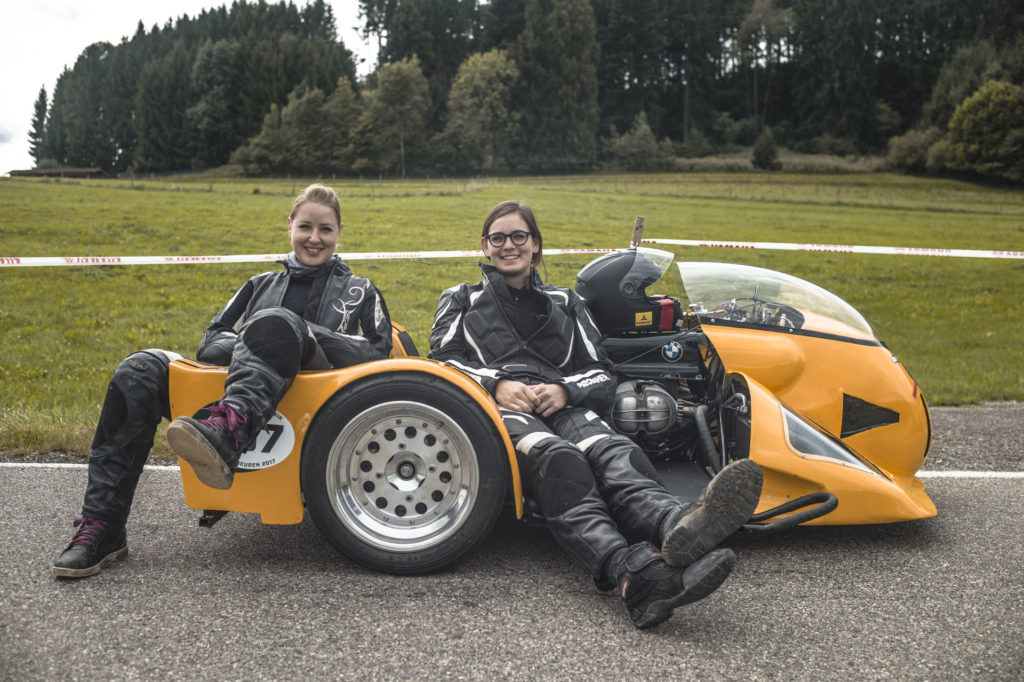
The 'local' angle (an event by and for local clubs) was the key to our success in convincing the district administration, who held to power to authorize the race, and who had denied 17 previous attempts to revive it! Another selling point was turning the race into a 'regularity' event, where the winner has the smallest time difference in between two runs. This made an enormous difference regarding security, insurance and many other requirements, and lowered the expenses dramatically.
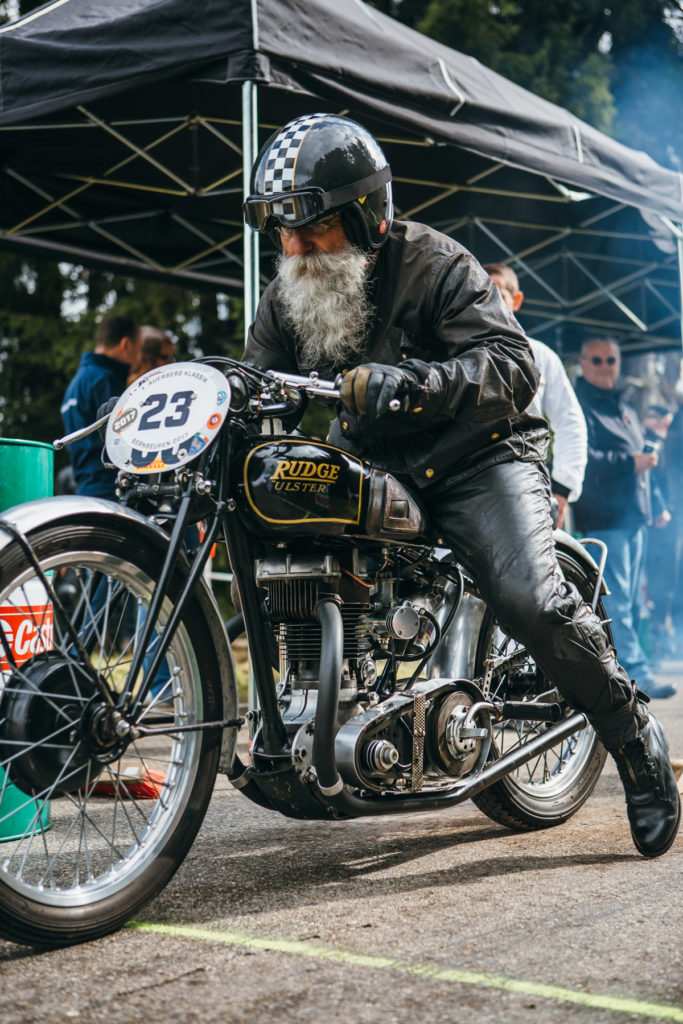
It took many months before we got the final approval, which left us with only 6 months to organize the event. Still, the 5 of us in the organizing committee were fully motivated and gave it our best. And it was a lot of work I can tell you. After going public with our plans, we had to close the entry list a month early, as riders filled our maximum of 170 participants, and we still weren't 100% sure we had enough space for everything - paddocks at the start, and reception on the top of mountain. News that 'the Auerberg is back' created quite an echo in the region - it seemed everyone knew about revival of the race, and local newspapers where happy with a fresh news story, and older people who remembered the original event were happy to see it return to the village they visited as youngsters.
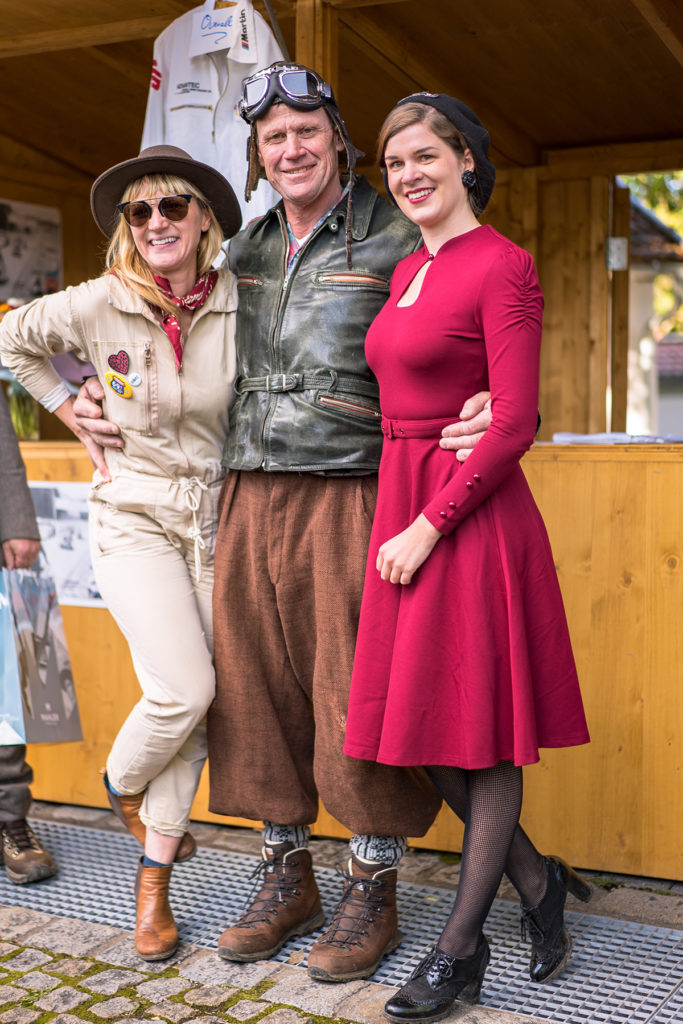
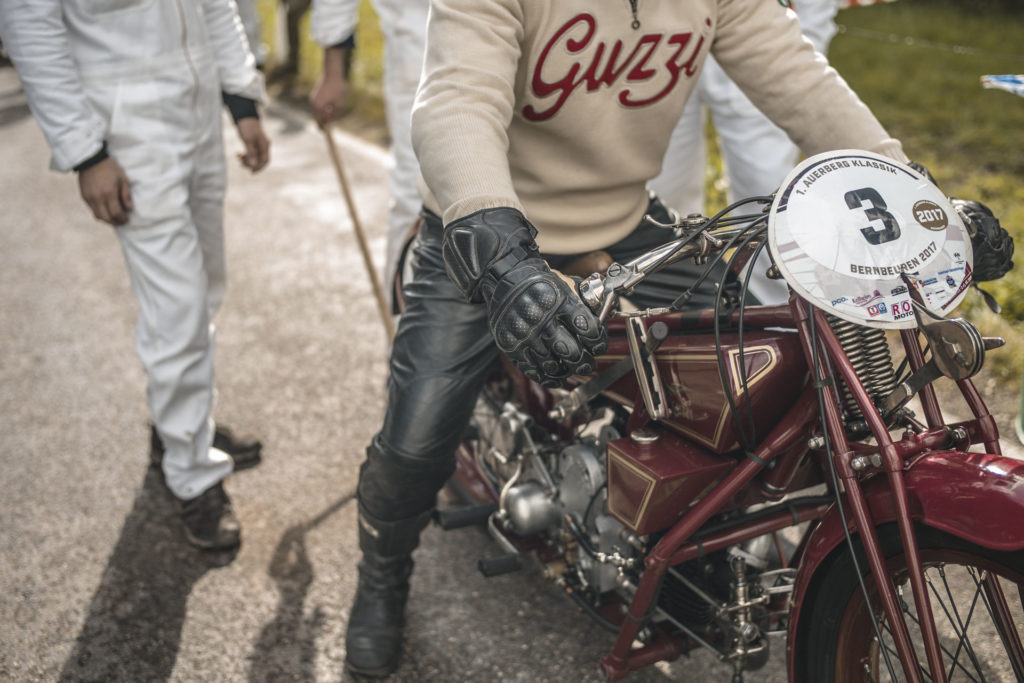
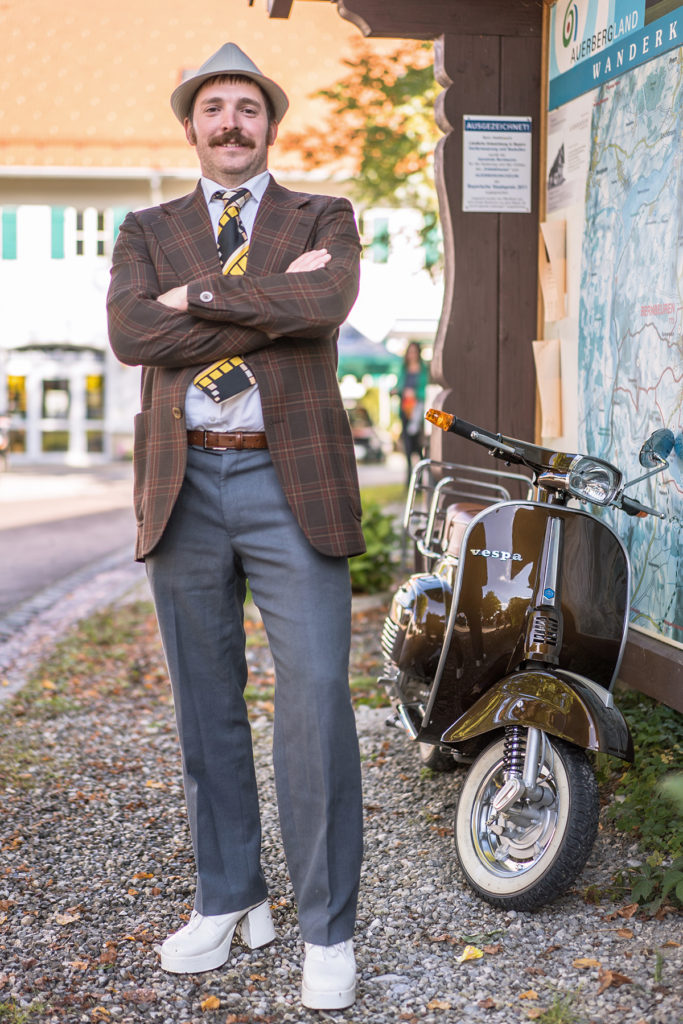
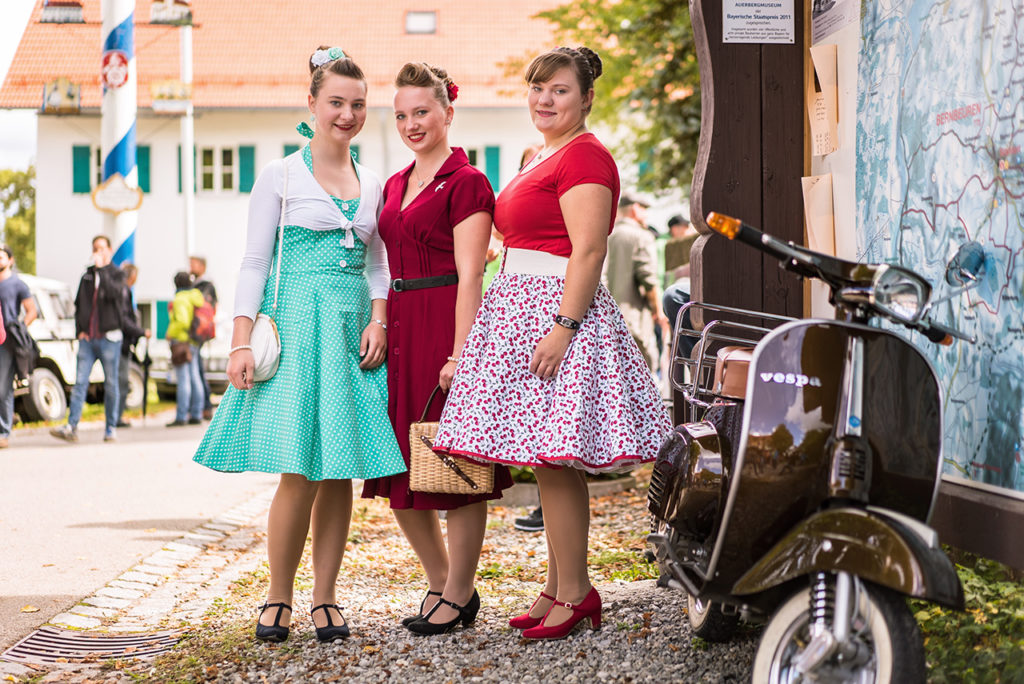
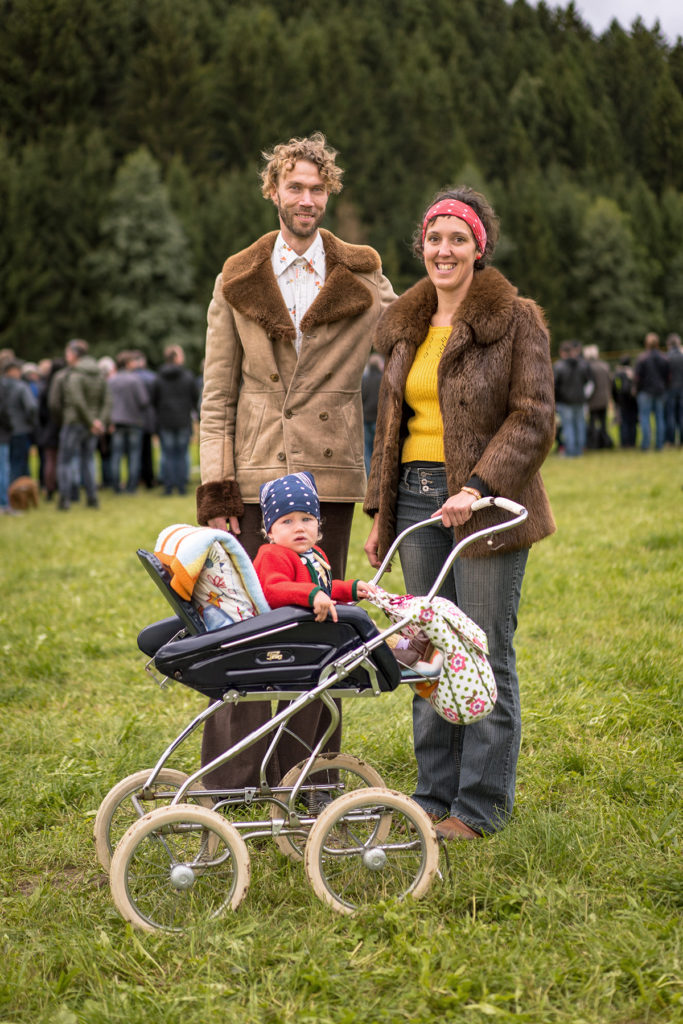
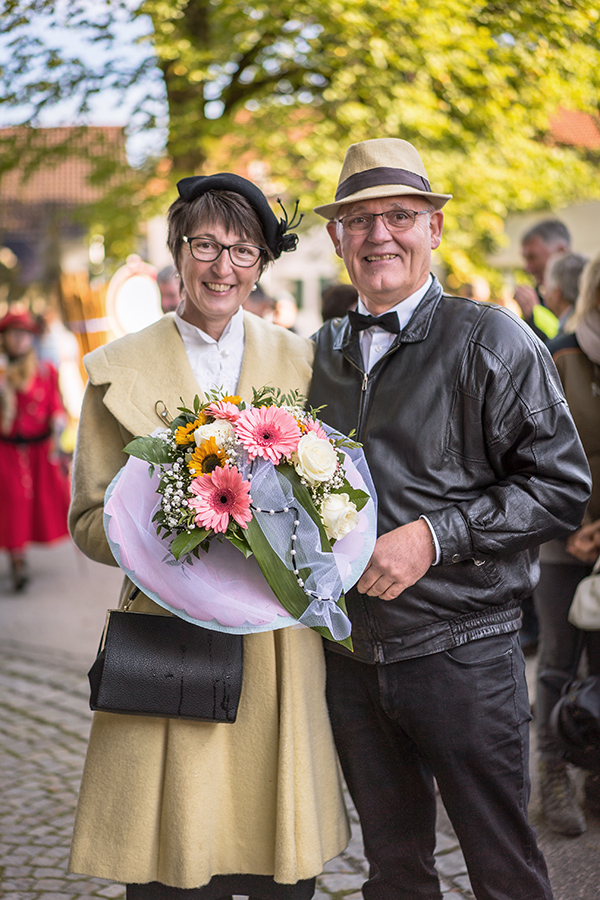
As the weekend approached, the good weather went away, and it was 8 degrees (46F) with constant rain in the morning of first practice on Saturday. It stopped raining in the afternoon, and the mood improved...for both riders and organizers. In the end, everything went really really well, and we had crowded party that evening in the town hall with two bands, and 750 visitors. We'd asked guests in to come in the classic local costume, and encouraged them with a reduced entry fee, and event threw in a 'best-dressed contest'. A good percentage of our guests came in historical outfits, so even women who weren't riding and those with less motorcycle interest had fun.
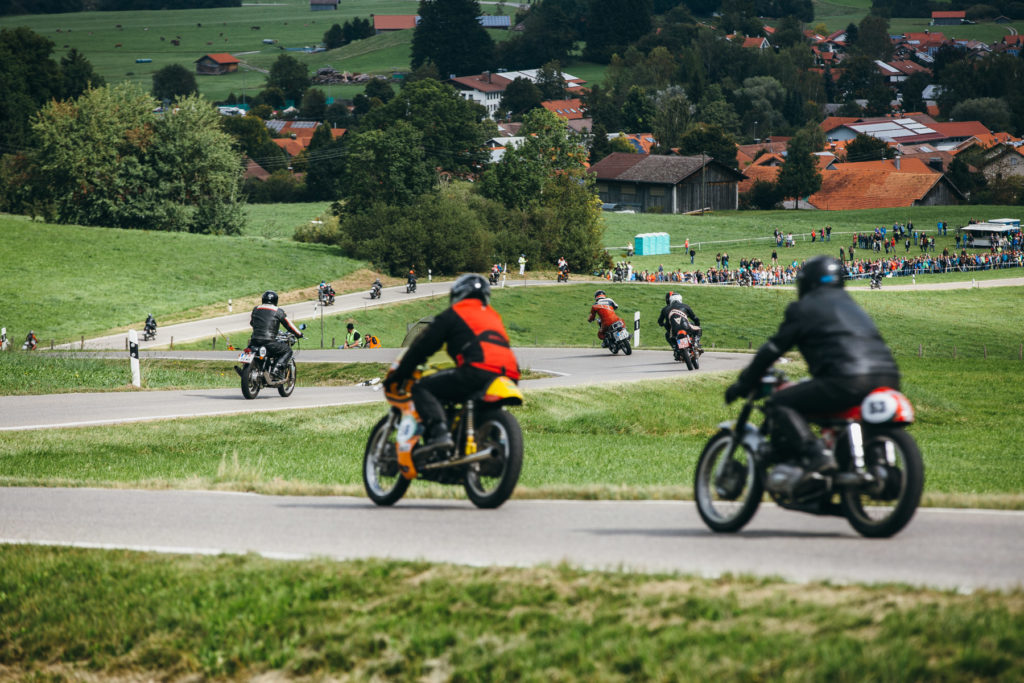
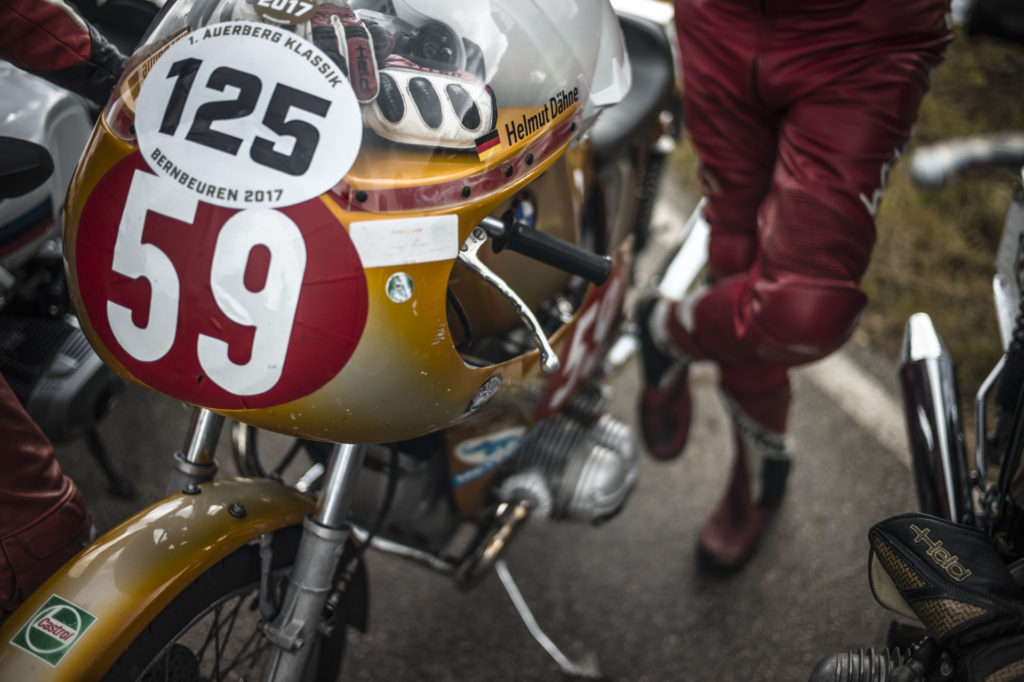
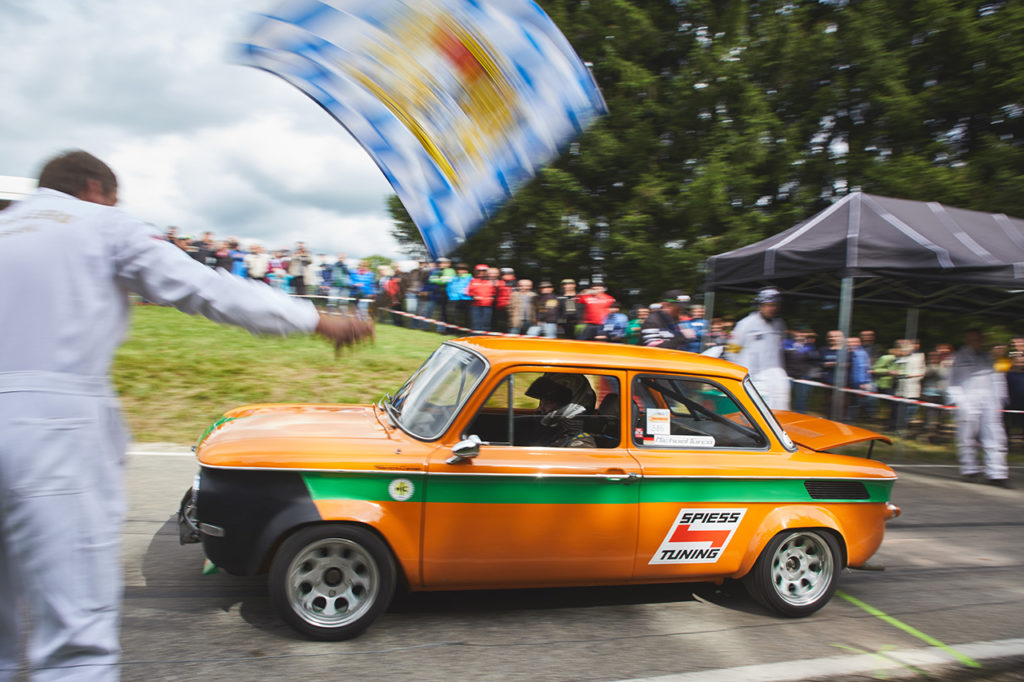
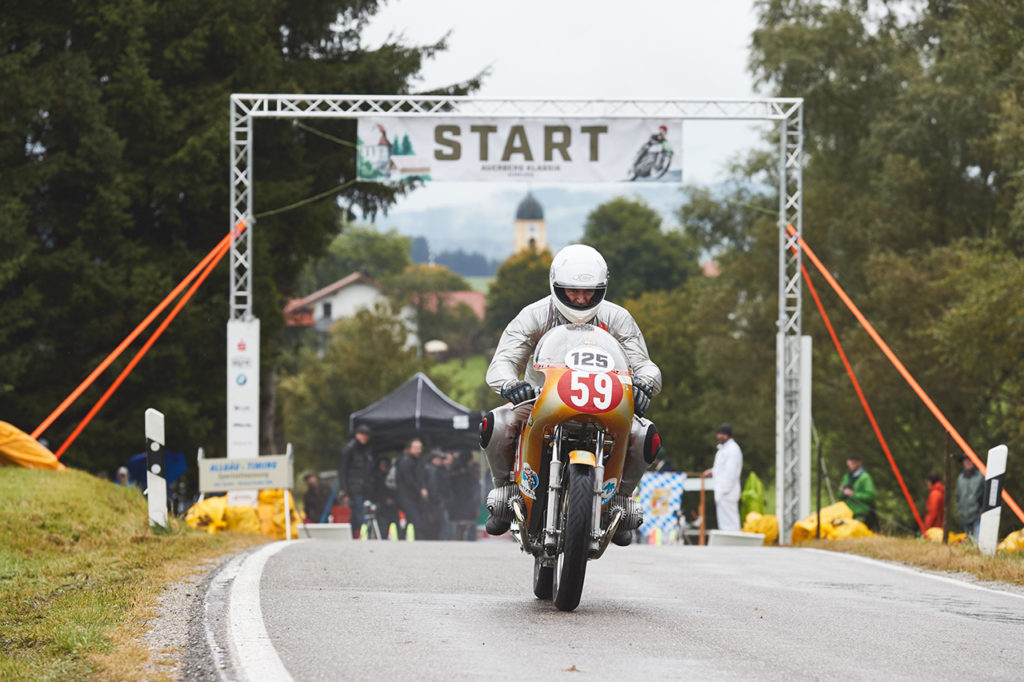
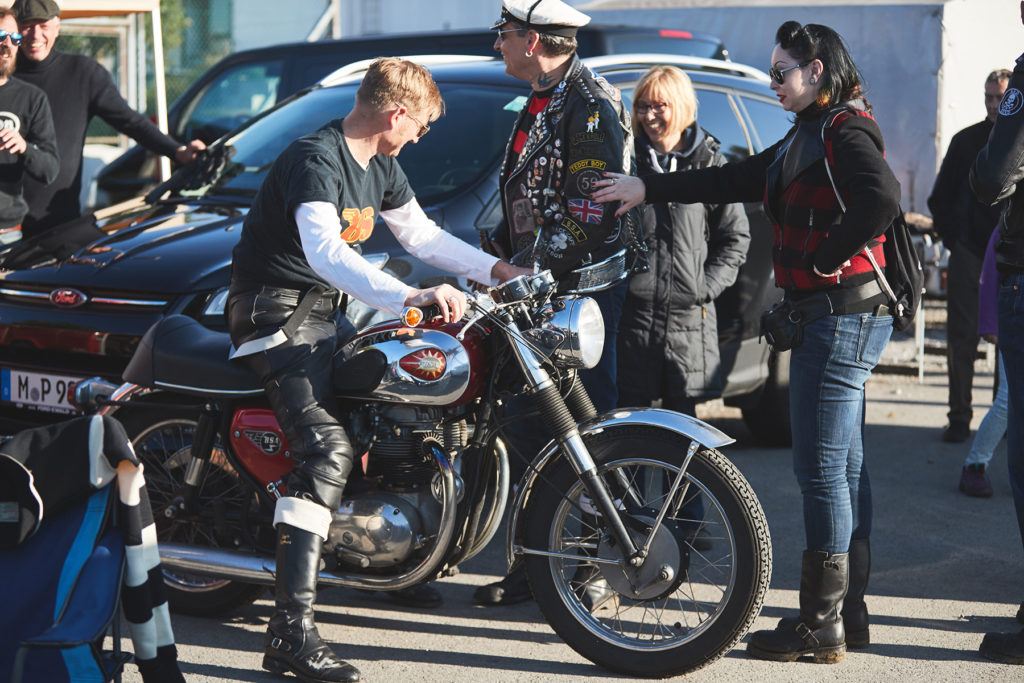
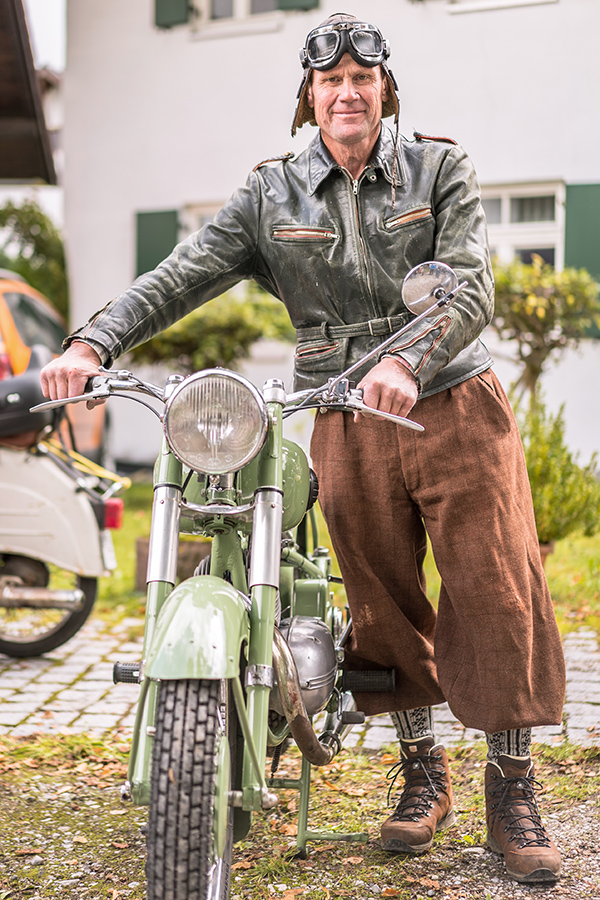
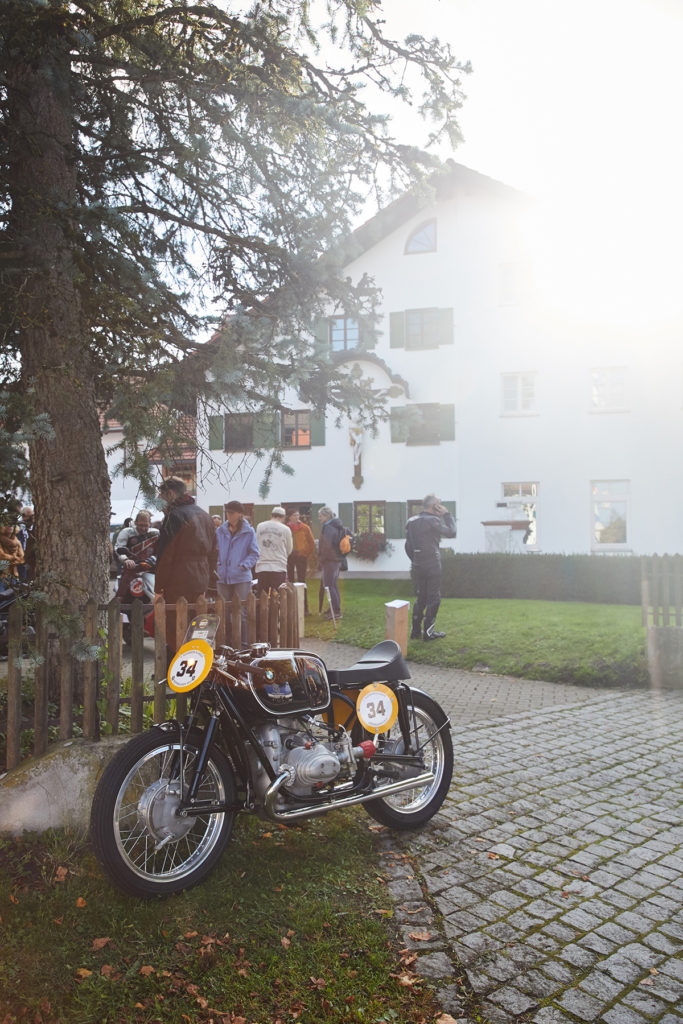
Sunday was special; it was exactly the same day and date as 50 years before on the original race-day. The weather was still rainy in the morning but gradually got better, turning into full sunshine by afternoon. The participation was incredible, almost 7.000 visitors came in total to the track and also into center of village, where we'd organized an oldtimer rally for cars and motorcycles - about 180 vehicles showed up. We also had a few exquisite bikes on display from the BMW Museum and the Hockenheimring Motorsports Museum, even German TT-Legend and Nürburgring record holder Helmut Dähne came to ride on our historic hillclimb track.

Cliff 'Soney' Vaughs and 'Easy Rider'
Adapted from Paul d'Orléans' book 'The Chopper: the Real Story'
It’s the most famous motorcycle in the world, period. Show someone a photograph of the ‘Captain America’ bike from ‘Easy Rider’, and everyone knows what they’re looking at. Show them Rollie Free stretched out in a bathing suit over his Vincent at Bonneville in 1948, and they’ll laugh, but won’t know a thing about the bike or the man. Show them TE Lawrence on his Brough Superior, and they’ll recognize neither the quizzical WW1 hero, nor his Brough Superior. The Captain America chopper transcends its own story; nobody needs to have seen the film, nor recognize Peter Fonda, to understand they’re looking at an icon, a magical talisman of Freedom. Such is the power of the machine’s image, and its place in the cultural history of motorcycling around the world. Far more people idolized that motorcycle than ever saw the film; all they needed was a photograph of Dennis Hopper (on the ‘Billy’ bike) and Peter Fonda, riding through the anonymous landscape of the American West, modern day cowboys roaming the land; free, just free.
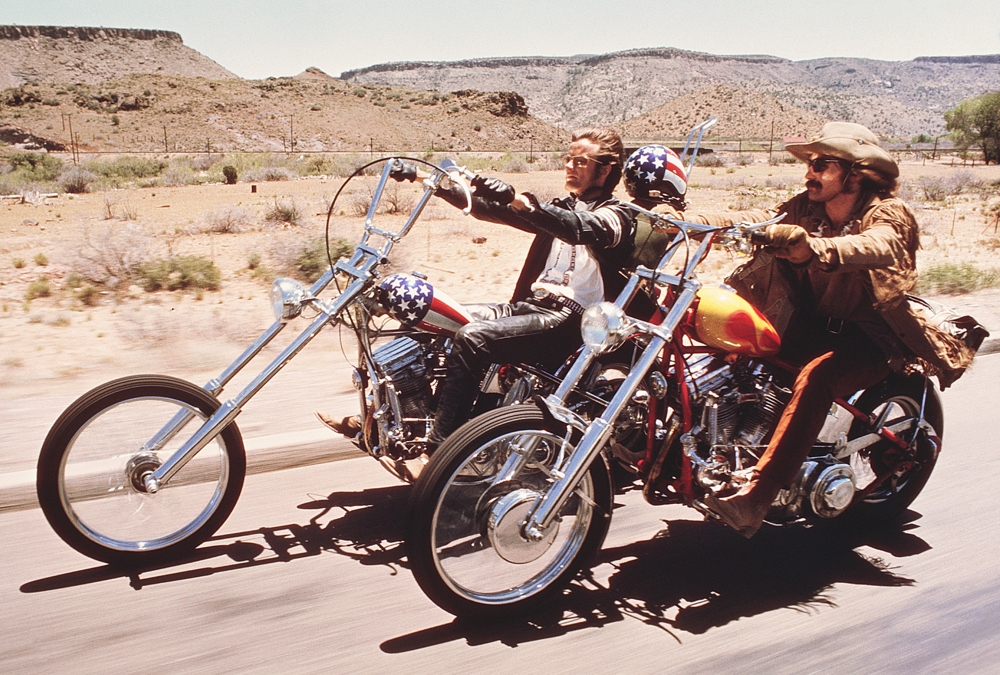
If anyone thought to ask ‘who built that?’ (and few did), they might have assumed Peter Fonda built it, but most admirers of Captain America were simply glad it existed, as if it had been delivered from the gods. Its lines and proportions are perfect, as is the American flag paint job, which slip under one’s skin and electrify subconscious associations: the cowboy, the outlaw, America, freedom, power, speed, sex, drugs and rock music. Those admiring the Easy Rider choppers didn’t want to be Peter Fonda, they wanted to be Captain America. They wanted to own that bike and ride it and eat it and absorb everything the bike stood for into their very beings, to become the gods that bike promised we could become. It is a powerful work of art, a coveted, elusive object, copied a thousand times all over the globe, but it cannot be truly captured, as it exists only in the realm of dreams.
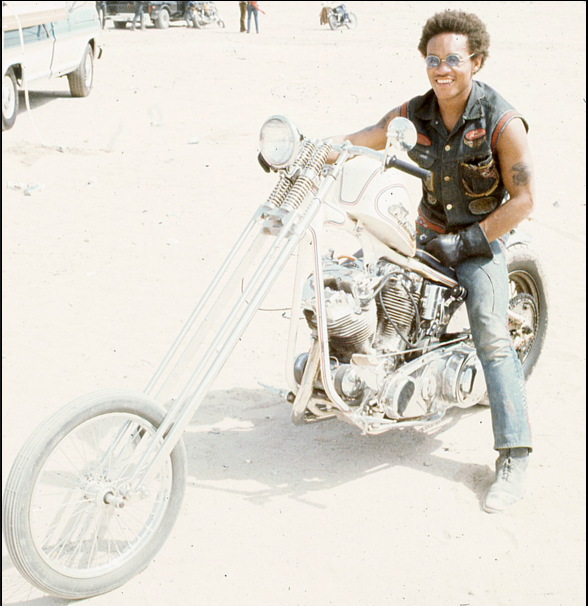
Who Is Soney Vaughs?
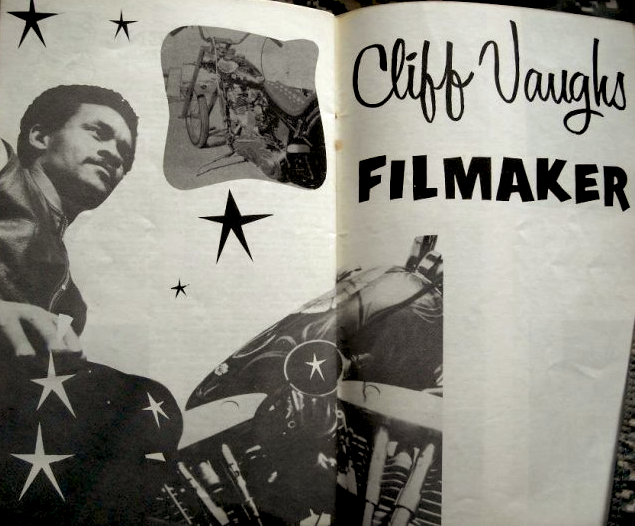
Clifford A. ‘Soney’ (the spelling is his mother’s) Vaughs was born in Boston on April 16th, 1937, to a single mother who was 16 at the time; she’d been kicked out of the family compound in Gibbsboro, New Jersey, for her unwed status, so moved to Massachusetts to be near a more sympathetic aunt. As a boy, Cliff attended the Boston Latin School, from whence he derived a particular pattern of speech, and a facility with language – Cliff was specific about his words, and at times prickly in their usage. In 1953 he joined the Marines, and tested so highly he was scheduled for flight training, and sent to a base Pensacola, Florida. He was immediately rebuffed by the CO of the base, who turned him right back to Boston, refusing the possibility of a black pilot on his watch, and an integrated flight training school. “Things were different in Florida than Boston”, noted Cliff. Instead, he was transferred to Electronics Technician School at Great Lakes NTC. After 3 years of active duty, he worked at the Boston Navy yard on the cruiser ‘Boston’ as a technician on its radar installations for guided missiles. After the USMC he took a job with Raytheon, working on the guidance systems of Sparrow and Hawk missiles. He decided to further his education at Boston University for his BA, then trekked to the University of Mexico in Mexico City for his Masters, driving his Triumph TR3 all the way from Boston. “At the time they offered a progressive Latin American Studies graduate Program. Plus I liked driving my TR3 from Boston to Mexico City. I had family friends living in Cuernavaca; buddies from the ‘Village’. Acapulco on weekends.” He hung out, of course, with future F1 racing legends the Rodriguez brothers (Pedro and Ricardo), who seemed immune from the law’s attention while driving unregistered Formula racing cars on the streets of the District Federal.
1961: First Chopper
By 1961 he “went from Mexico to Santa Monica where, I had a sort of ‘drawing room.’ [An] art, literary cocktail scene just as I had on a regular basis in Boston. Several friends came to visit. In those days we were called Bohemians.” In Santa Monica, living very close the beach, he had purchased an AJS Model 18S enduro for $300 from Motorcycles Unlimited on Pico Blvd, for plonking around town. His 5 uncles all rode Harley-Davidsons back in New Jersey, so motorcycling was in his blood. The Ajay had ‘knobbies’, which led to a slide-out on Dead Man’s Curve on Sunset Blvd; luckily he’d worn a helmet, for he could hear it clonking on the ground as he slid. The AJS took him and his then wife Wendy down to Tijuana for the Tecate Enduro races, and encountered about 2000 other riders, most of whom had ridden from SoCal. “As I rode home two-up on the Ajay, it seemed like all 2000 riders went roaring past us on Hwy 1. So I sold my AJS, and bought a Knucklehead chopper from a friend who needed some money. When I got the Knuck, I knew nothing about motorcycles really. Nobody in Santa Monica knew anything about them, but I’d heard of Ben Hardy in South Central, and another guy named Wes who had a shop too, but was less popular. When I needed parts, Ben Hardy would send me to Jim Magnera of MC Supply; it turned out Jim had subsidized Ben to open his shop. Black shops at the time couldn’t buy parts directly through the Harley-Davidson dealer, so Magnera became the small shops’ conduit for Harley parts.” He met the Chosen Few MC while sleeping by his chopper on the side of Highway 99 en route north; they invited Cliff to join them on a run to Oakland to visit the East Bay Dragons MC, and after they returned, Cliff was presented with his CFMC ‘club cut’, “I didn’t have to prospect, they just made me a member.”
Recruited to the Cause
Vaughs admits that when Dr Martin Luther King Jr led the March on Washington for Jobs and Freedom in 1963, “I was building a chopper in my backyard. I knew it was happening, but I hadn’t been politicized. Boston had nothing going on in terms of race at the time, it was all mixed race among my friends. We were all the American refugees; Italians, Jews, blacks, etc. I’d heard about the Freedom Rides, but, being from Boston, I thought, ‘What could happen?’ Cliff met Civil Rights legend Bob Zelner, the first white field coordinator for the Student Nonviolent Coordinating Committee (SNCC), when he passed through LA in 1963 on a fundraising tour. Vaughs was recruited to the SNCC cause, and drove his 1953 Chevy half-ton pickup to Mississippi. Of course, being Cliff, he laid stainless steel in the truck’s bed, with teak runners, and a white fiberglass tailgate with ‘SNCC’ in big black letters. Outrageous, and an instant target, “In the window I had an ‘Ole Miss’ [University of Mississippi] sticker; I’ve been shot at many times.”
"They took a shot at us from behind and missed."
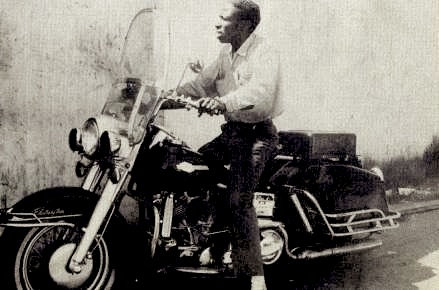
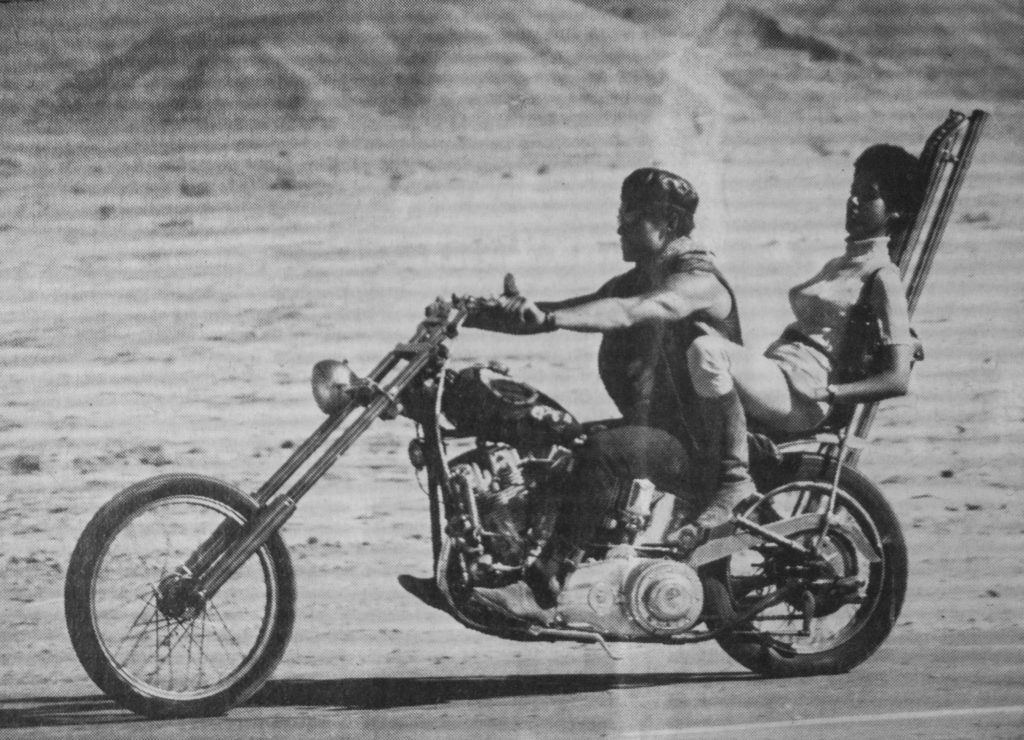
Even more outrageous was riding his blue Knucklehead chopper to Arkansas in 1964, with a white girl on the back. “The fiery ending of ‘Easy Rider’ is an example of art imitating life. I was riding my chopper on the highway between Pine Bluff and Little Rock, pursuing an assignment for SNCC to initiate a school boycott there. I had with me a staff member of the Arkansas Project, a Miss Iris Greenburg. A pickup truck passed us going in the opposite direction, stopped and turned around. They took a shot at us from behind and missed. They didn't pursue us any further...so I lived to tell this tale.” Of all the crazy motorcycle tales one hears about the 1960s, this is perhaps the hairiest story of all, and a sign that Soney was both a civil rights volunteer and a bit of a provocateur. “I may have been naïve thinking I could be an example to the black folks who were living in the South, but that’s why I rode my chopper in Alabama. I’d visit people in their dirt-floor shacks, living like slavery had never ended, and it was very tense; I was never sure if the white landowners would chase me off with a shotgun. But I wanted to be a visible example to them; a free black man on my motorcycle.”
"You are crazy," John Lewis said, "I will not march next to you."
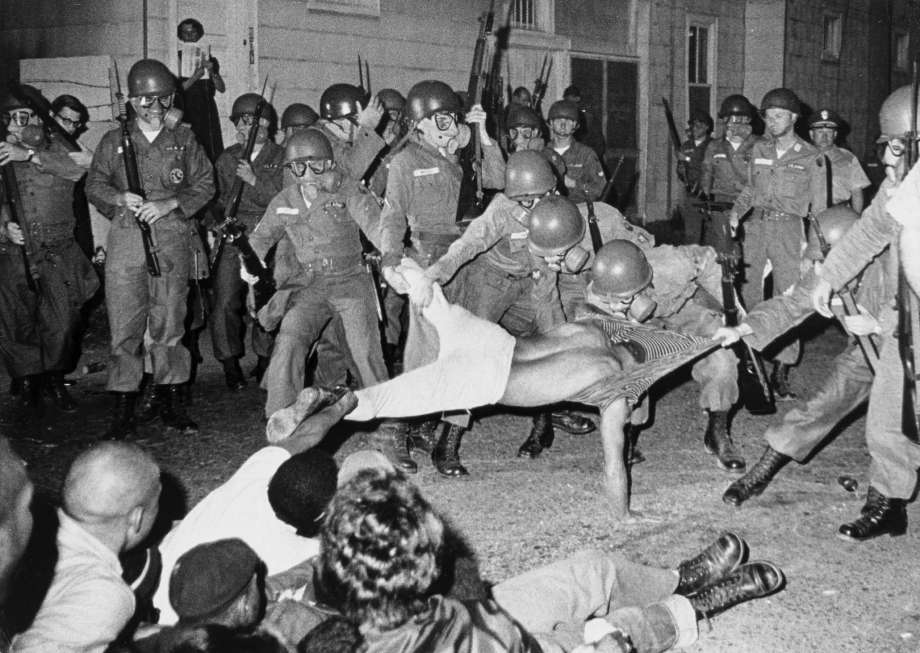
He carried on with SNCC through 1964, which is when he met photographer Danny Lyon (of ‘The Bikeriders’ fame), who snapped the infamous photo of Vaughs being bodily lifted, shirtless and shoeless, by no less than 6 helmeted National Guardsmen in Cambridge, Maryland, on May 2nd, 1964. “Stokely Carmichael is holding my other leg in that photo”, says Cliff. “Later on, Danny Lyon lived next to me in Malibu.”
The Origin of ‘Easy Rider’
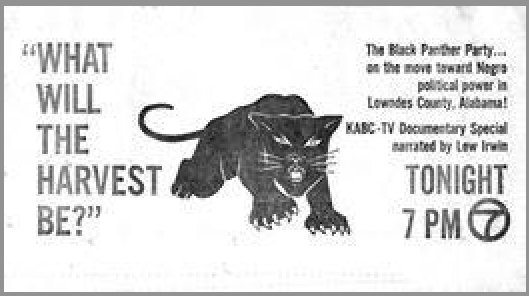
Vaughs began making documentary films with "What Will the Harvest Be?", narrated by Julian Bond, about the rise of Black Power (a term Stokeley Camichael popularized) in the South, which included interviews with Dr Martin Luther King Jr, Carmichael, and Julian Bond, which was aired on ABC-TV in the mid-60s. He was also working at Los Angeles radio station KRLA, which is how he met Peter Fonda. “Peter was arrested for possession of marijuana. I was mildly amused that so much interest was engendered by the incident, considering the number of citizens detained and incarcerated for smoking ‘pot’. We chatted for a while at the courthouse and I called in my story. He was interested in my hobby: designing and building motorcycles. It turned out that we lived in the same neighborhood, West Hollywood. I told him I was usually found in my back yard enjoying my hobby.”
"We ad-libbed a story line: two friends (not quite ‘bikers’), traveling across America seeking adventure"
Elder Pattison de Turk III (henceforth Pat de Turk) remembers,“I moved into Cliff's house in West Hollywood in the fall of '67. I was working full time, and preparing to begin a career in computer programming…I met Cliff in 1961 while I was studying at UCLA and riding Harley 45”, and Cliff had an AJS scrambler. I soon had a lime green Knucklehead chopper that I bought for $300 on Venice Blvd. I was in the living room when Peter [Fonda] and Dennis [Hopper] were visiting. Dennis was slightly mad and a motormouth, he was incessant, so he pretty well dominated the conversation, and I was completely intimidated by the situation, I was just Sonny’s friend and all of the sudden here were these movie stars in the room. They came over several times…and of course, there was the ever-present small tapestry on the wall - "Where has my Easy Rider gone?"
Larry Marcus; the Mechanic
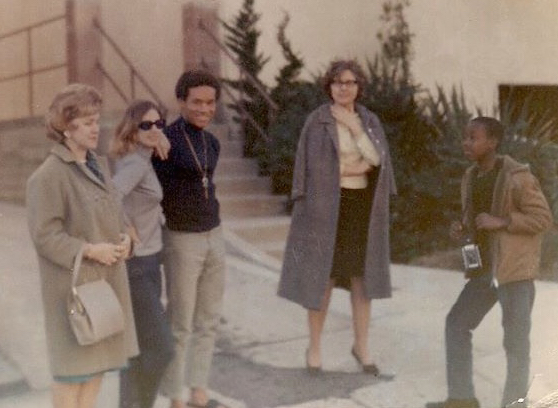
Larry Marcus, mentioned above, was a mechanic, who Vaughs said “knows more about tools than anyone”, and who was also living at Cliff’s house at the time the Easy Rider project began in 1967. “The first time I recall meeting Soney was while I was working as a mechanic at Motorcars by Sutton on Western Ave, the Fiat / Rover/ Jaguar/ Triumph/ Renault dealer, it just a little tiny shop. I used to drive up to Griffith park for lunch. Soney walked in one day to get his Fiat 500 fixed, he was working for KRLA at the time, wearing a hippie shirt and flowered tie. KRLA did a lot of avant garde stuff on TV, things that had never tried before, like Ernie Kovaks. At the shop, he pulled me aside, and said he knew who I was, but didn’t want to acknowledge me as we were both on our jobs; he said we’d met at Goddard College back East, we had mutual friends there. I had been living in Europe in ‘62/’63, but applied to Goddard to stay out of the draft, as I’d been told I’d be drafted immediately if I showed up at a European draft office. After college I moved to Cali in 1966. Anyway, I offered to work after hours on Soney’s Fiat, so he didn’t have to pay the shop rate.”
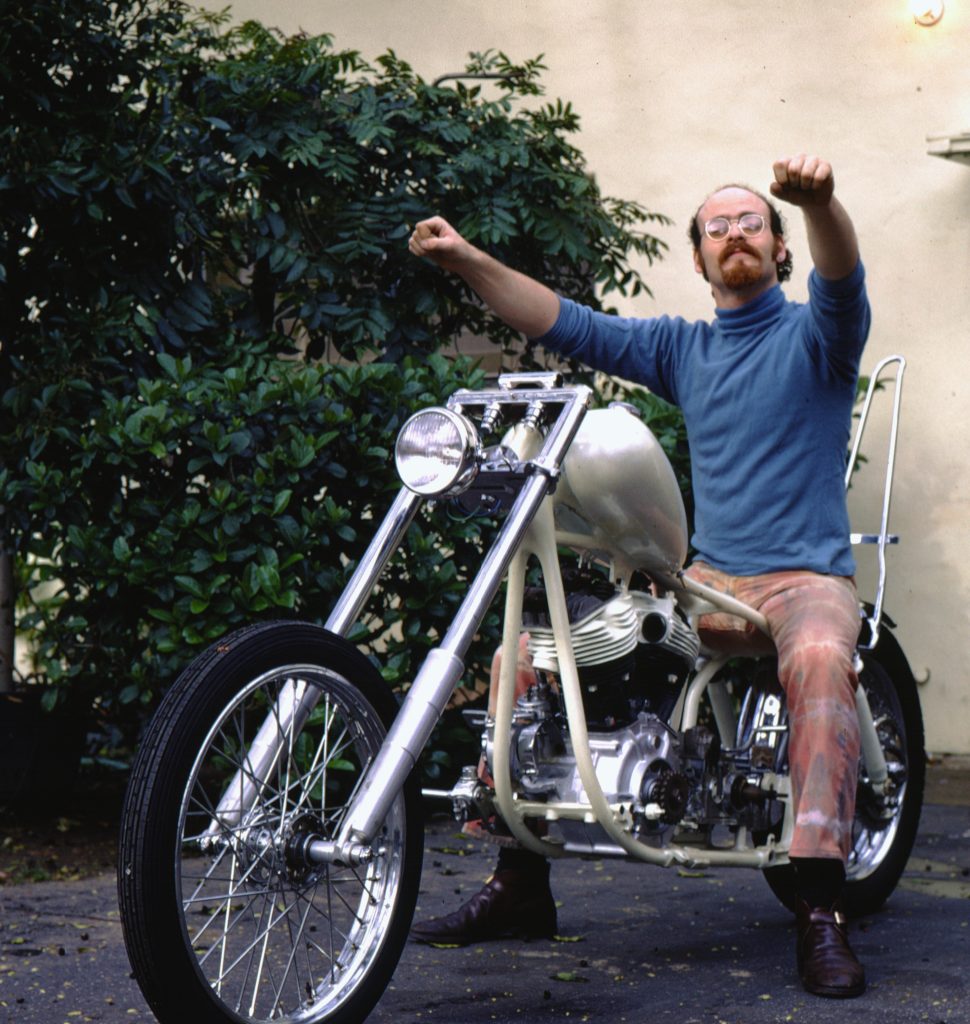
Making ‘Captain America’ and ‘Billy’
Larry Marcus was living with Cliff Vaughs by 1967, when discussion for Easy Rider began. “The title ‘Easy Rider’ was Soney’s idea, taken from a Bessie Smith song from 1928. There was a thing on the wall … a little tapestry hanging, which said ‘Where Has My Easy Rider Gone’ with no question mark, the letters were sewn on, in paper, I’d never seen that kind of art before. A girlfriend of Soney’s made it, long before the film.”
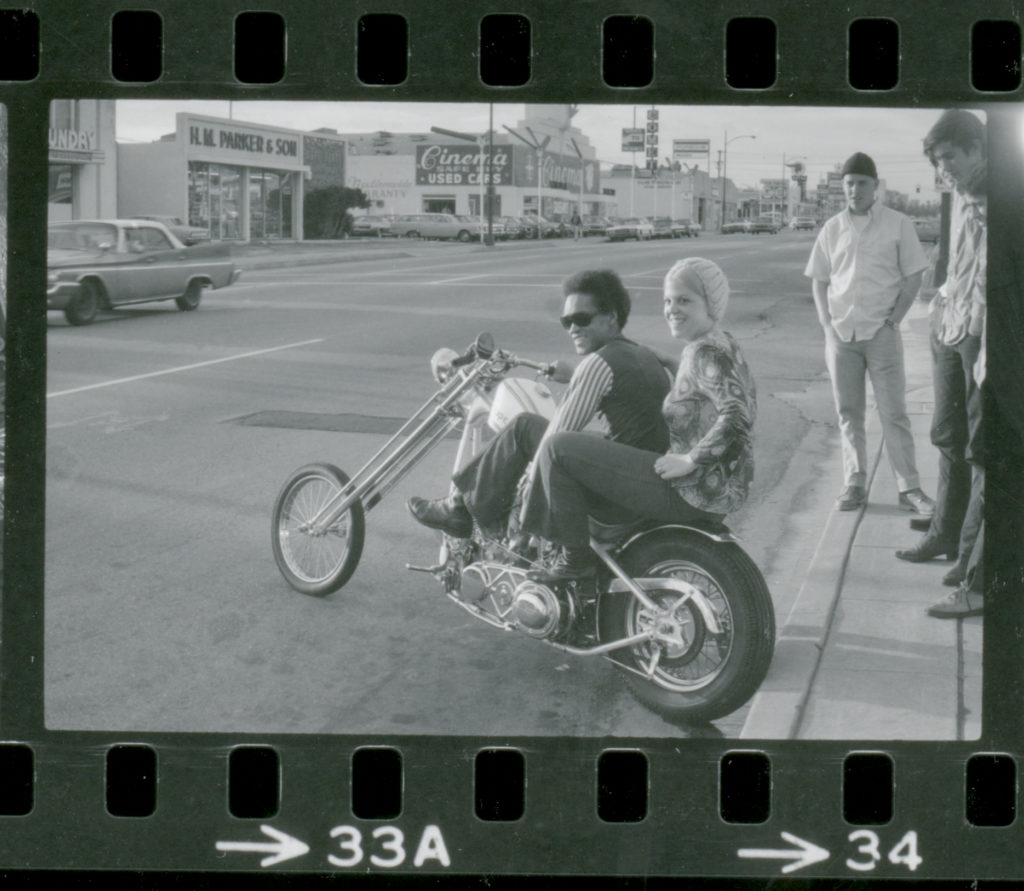
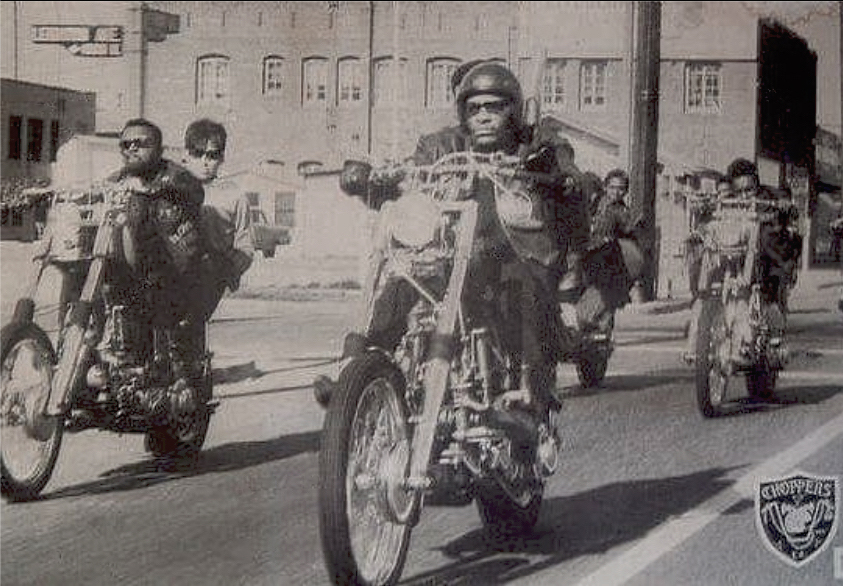
"Ben Hardy built the first two Easy Rider bikes."
Vaughs’ recalls of the Captain America bike, “When we did the first prototype of the bike it had no front brake, as I never used a front brake, which led to some harrowing experiences, especially with a chromed rear brake drum which would heat up quickly and fade. You’re always working the gearbox to slow down. For the movie, I had to put a hand clutch on the bike, as Peter wasn’t used to a suicide shifter. I could assemble a bike after all the parts were finished in about 6 hours, but it took time for Buchanan’s to build the frames, and Dean to do the painting. But with my resources and contacts through Ben Hardy, we got all our parts finished in 3 weeks. I had the money, and they all knew we were working on a film. In the creation of the bikes we used Buchanan’s for frame fabrication, Dean Lanza for the artwork [painting], Larry Hooper for upholstery, using LAPD junkyard engines, which were rebuilt by Mr. Hardy. Mr. Hardy also designed and constructed one of the fine points on the motorcycles; I had wanted something unique and he built the curved tail light brackets. After I had completed the construction of the machines, the registration (pink slip) was in the name of Pando Company.”
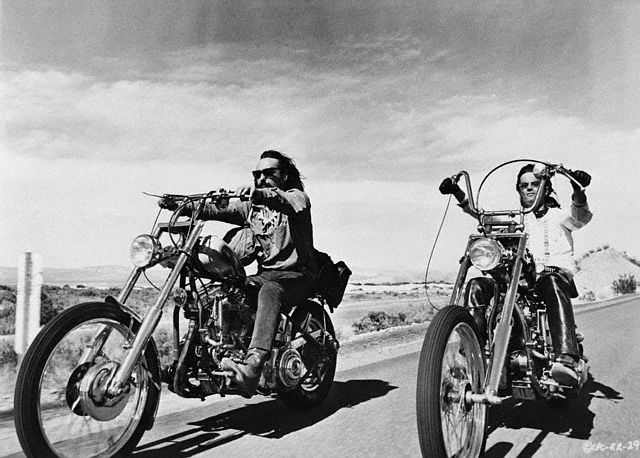
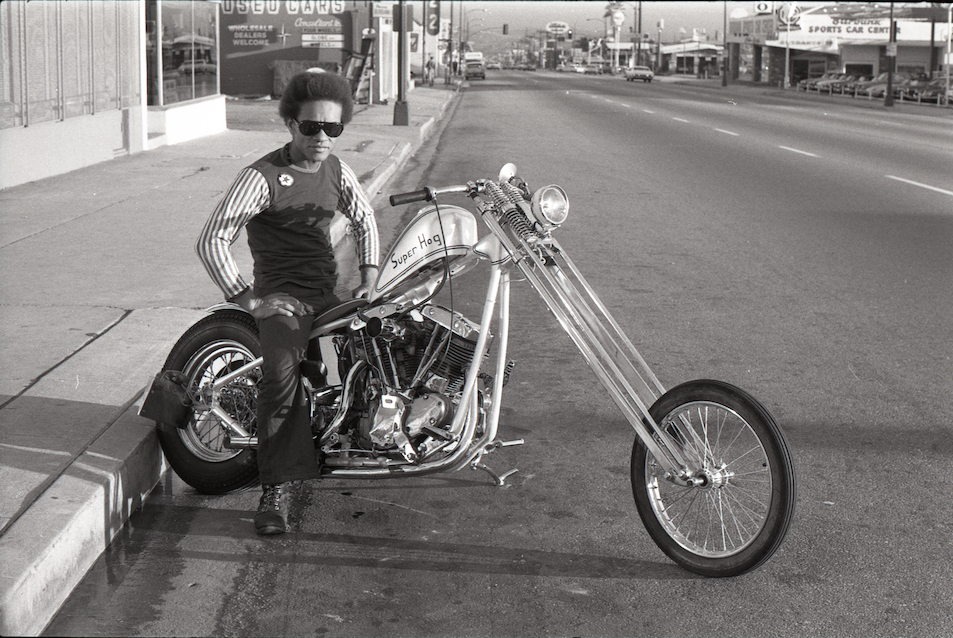
Ad-libbed and Ad Hoc
The actual filming of Easy Rider was notoriously chaotic, with an ad hoc film crew and, as Marcus says, “Terry Southern writing the dialogue on the crew bus between takes!” With Vaughs as co-producer and Marcus working as a sound technician, Marcus recalls his pay rose to $150/week during the actual shooting. “I’m proud to have about a minute of sound in the film, I worked with Les Blank, who was on the second crew with me. When one of our bikes wouldn’t start on the set, we were fired.” He adds, “I worshiped the ground Dennis Hopper walked on, he was an extremely talented guy, but I never got along with Peter.” A deleted scene from the film included Hopper and Fonda, broken down with their choppers on the side of the road, when a black chopper club (members of the Chosen Few) approaches and stops. “We have a situation where the two main characters are riding across country. Their bikes break down and they run into about 50 black cyclists. They are very, very up-tight, scared and shaken up. But, it works out very well because the black cats just say, “Can we help you get some gas?” Everything is very groovy. And that to me seems a real situation. I maintain if that situation can happen and it does in real life there is still some hope. There are many, many people that maintain that it can’t happen. But I’ve seen it happen this way.” But, after Vaughs was fired, this scene was deleted from ‘Easy Rider’, and “there were no African Americans in the film as actors or participants in the production.” Interestingly, Vaughs’ own experience as a black chopper rider echoed the deleted scene; “I never experienced issues around race with bikers. There’s a myth of racism around 1% clubs, but I’ve never experienced it. I was always offered the helping hand of fraternity.” Both Vaughs and Marcus lament the cutting of the ‘Chosen Few’ scene, which to them spoke to the reality of chopper riding in LA at the time. Had that scene not been deleted, it might have altered the perception in the years after ‘Easy Rider’ that choppers were solely a white man’s game, and the cloud of racist associations hovering around this ‘folk art’ motorcycle style might have been cleared away.
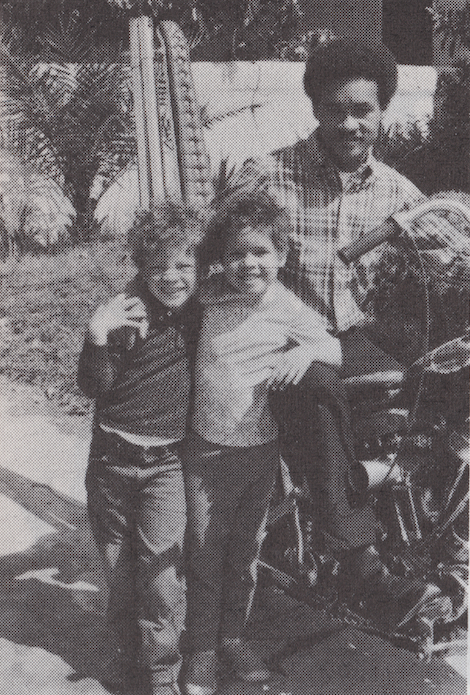
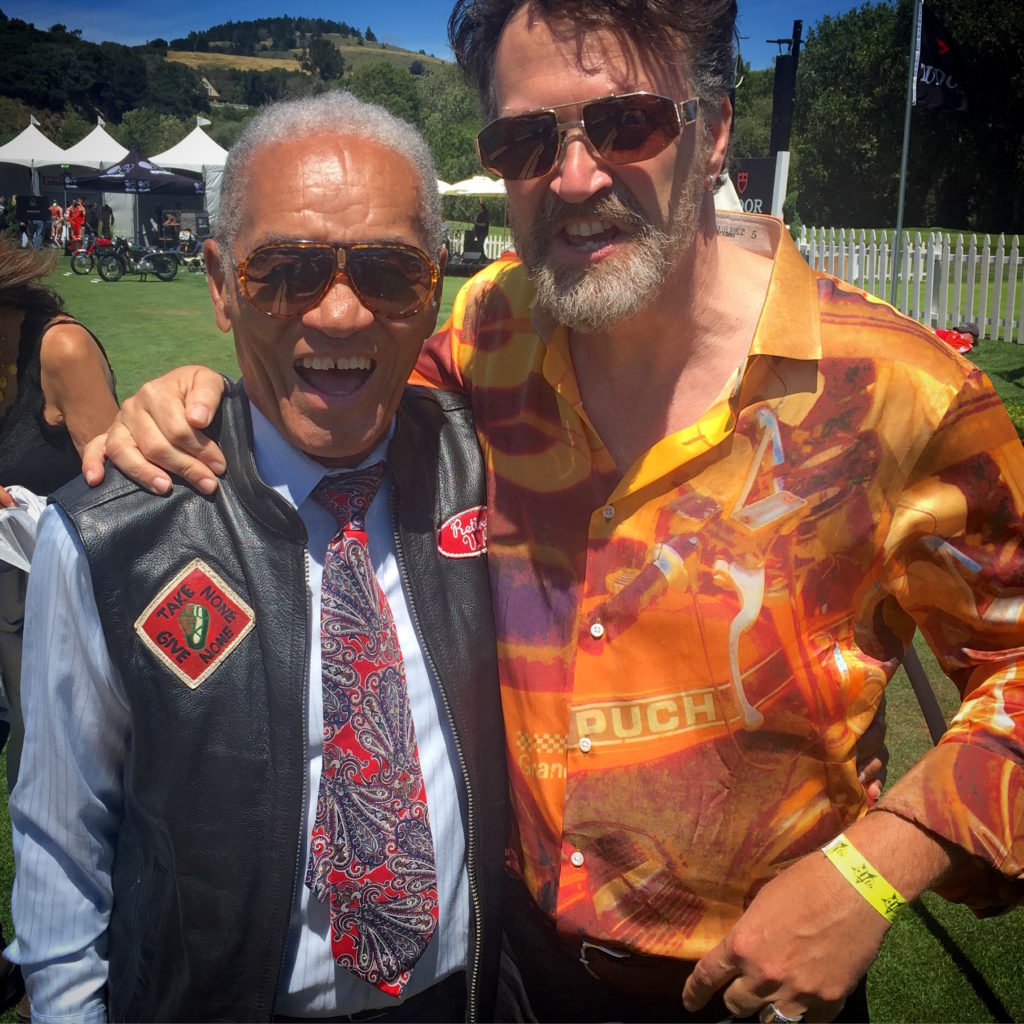
[There are more terrific stories in 'The Chopper; the Real Story' - buy it here!]
DG Manktelow, Cafe Racer
[Words: Paul d'Orléans. Photos: D.G. Manktelow]
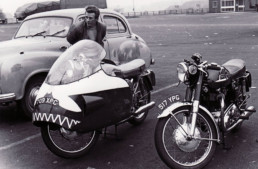
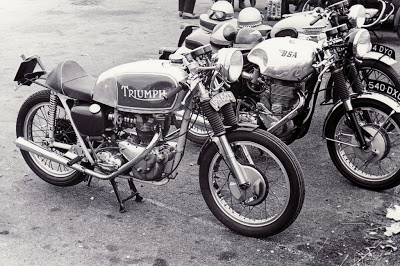
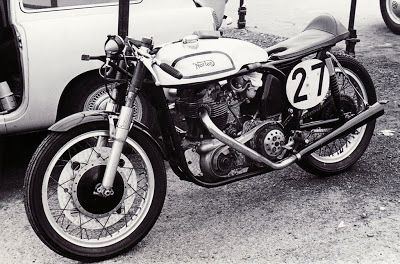
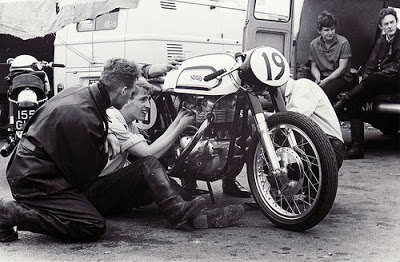
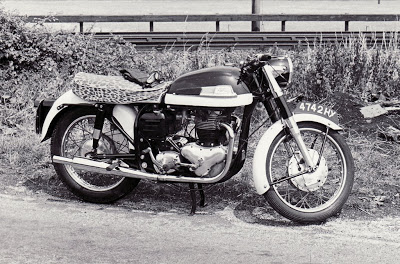
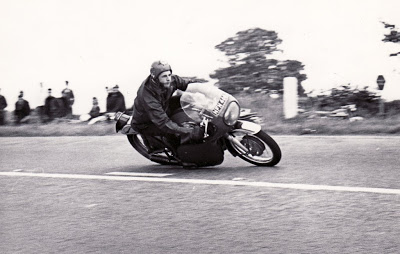
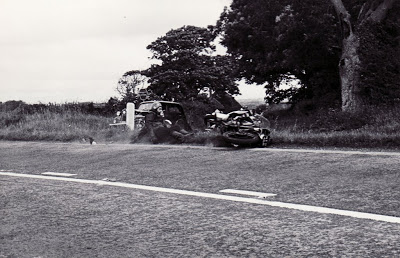
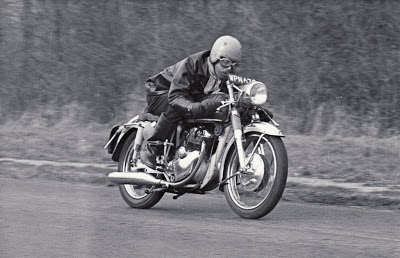
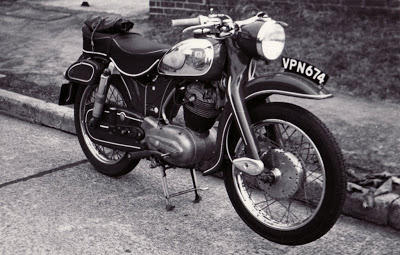
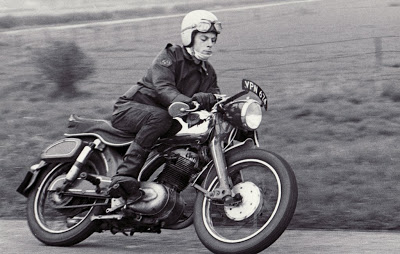
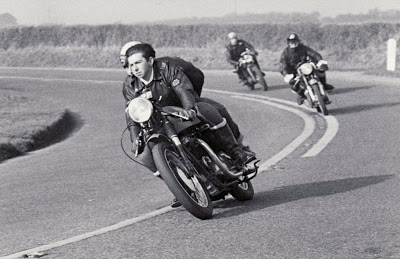
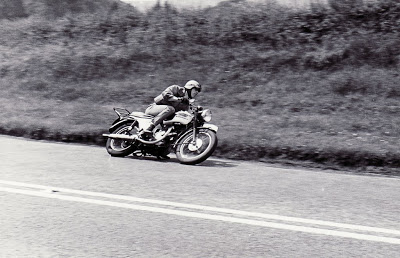
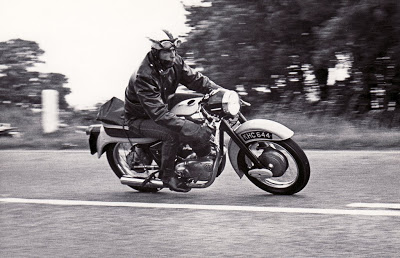
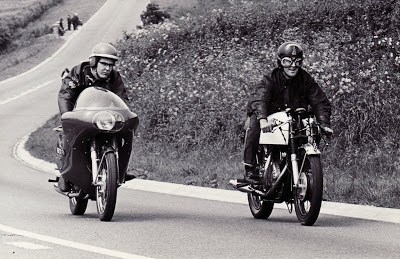
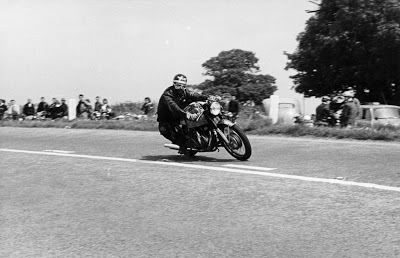
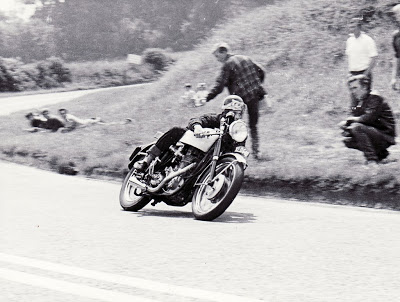
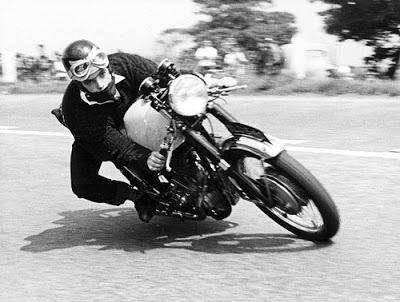
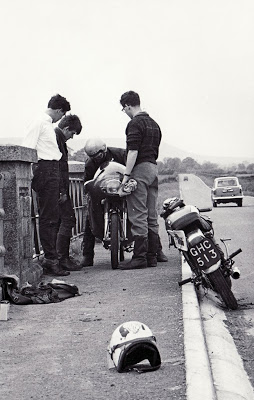
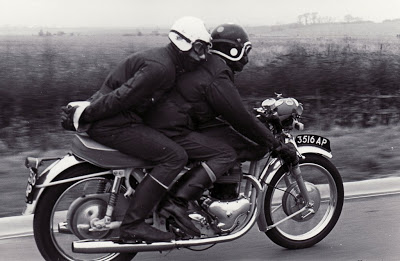
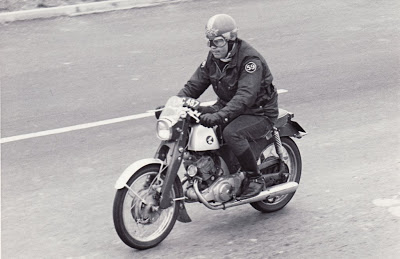
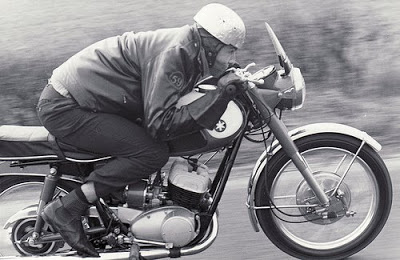
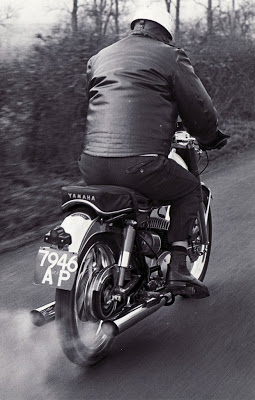
D.G. Manktelow needed a few college credits, and had an interest in photography, so took a photography class in East Sussex, England, in 1960. He documented his friends in the the British Rocker scene from 1960-65. Be careful what you study as an afterthought in college - it's likely to become your career after graduation, as happened with D.G., who became a professional photographer. His son Adrian Manktelow has kindly consented to show some of D.G.'s photos on The Vintagent, as a tribute to his father's skill, and the unique period he documented. Many of the riders remain family friends, although a few didn't pass the trial by fire of the Rocker years...
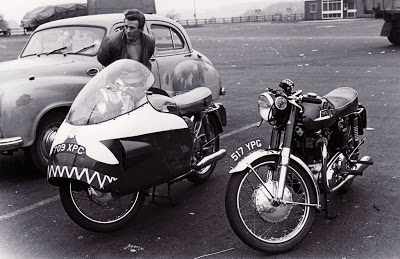
And all the classic Rocker gear is represented; the Goldies, Bonnies, Dommis, dustbin fairings, even a Norvin, and at the end, a couple of Japanese lightweights.... There was always a bit of real racing to inspire the 'go faster' look of the Rocker boys; these shots (above and below) of a racing Dominator 88 were taken at Mallory Park. A very tasty machine indeed, and worthy of imitation.
The Current: Mission Motors Electric Sportbike
In February of 2009, the best designed new-generation electric sportbike was unveiled by Mission Motors of San Francisco - the Mission One. It looked very much like the future of motorcycling, and the design of the chassis was developed by Fuseproject, the studio of industrial design savant Yves Behar. We'd been speaking with Yves and his CEO at Fueseproject, Mitchell Pergola, for over a year prior, about their concept of a zero-emission sports motorcycle with better performance than a gasoline engine. We were certainly intrigued by their vision, and expected something very interesting to come from their studio; Fuseproject makes some of the most advanced industrial designs in the world, their work has been exhibited in many museums - but they'd never before worked on a motorcycle.
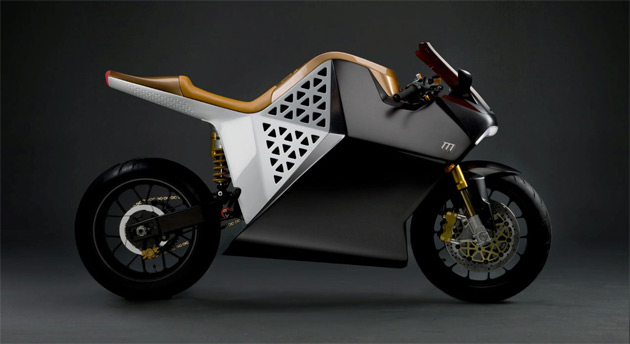
Other high-profile industrial designers have dipped a toe into the motorcycling world, with varying success; on our best-results list goes Phillipe Starck's Moto 6.5 collaboration with Aprilia, and my worst-case has to be Giorgio Guigiaro's ruination of the lovely Ducati bevel-drive twin - the 860GT of 1975. Yves Behar's affinity for organic and unusual shapes seems to fit well with contemporary motorcycle styling, and the Mission One was as forward-looking as it needed to be to sell a new concept and technology.
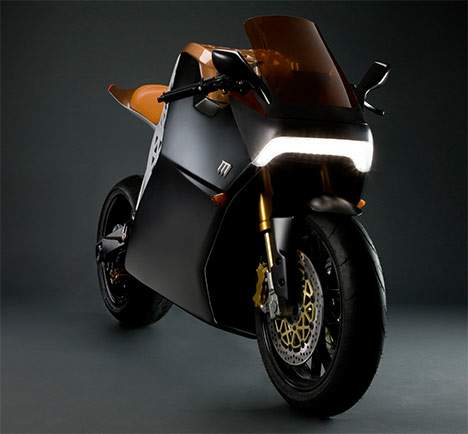
On the technical side, the project included members of the Tesla Motors design team, who helped develop the Mission One's engine, its battery technology, and more importantly, the throttle response algorithm. The electric motor is a liquid-cooled, 3-phase unit developing 100ft-lbs of torque @ 0rpm; 100% of the engine's torque is available from a standstill to its top speed, which is targeted at 150mph. Moderating that power is the trickiest part of the e-bike business, which tames a beast into a civilized machine.
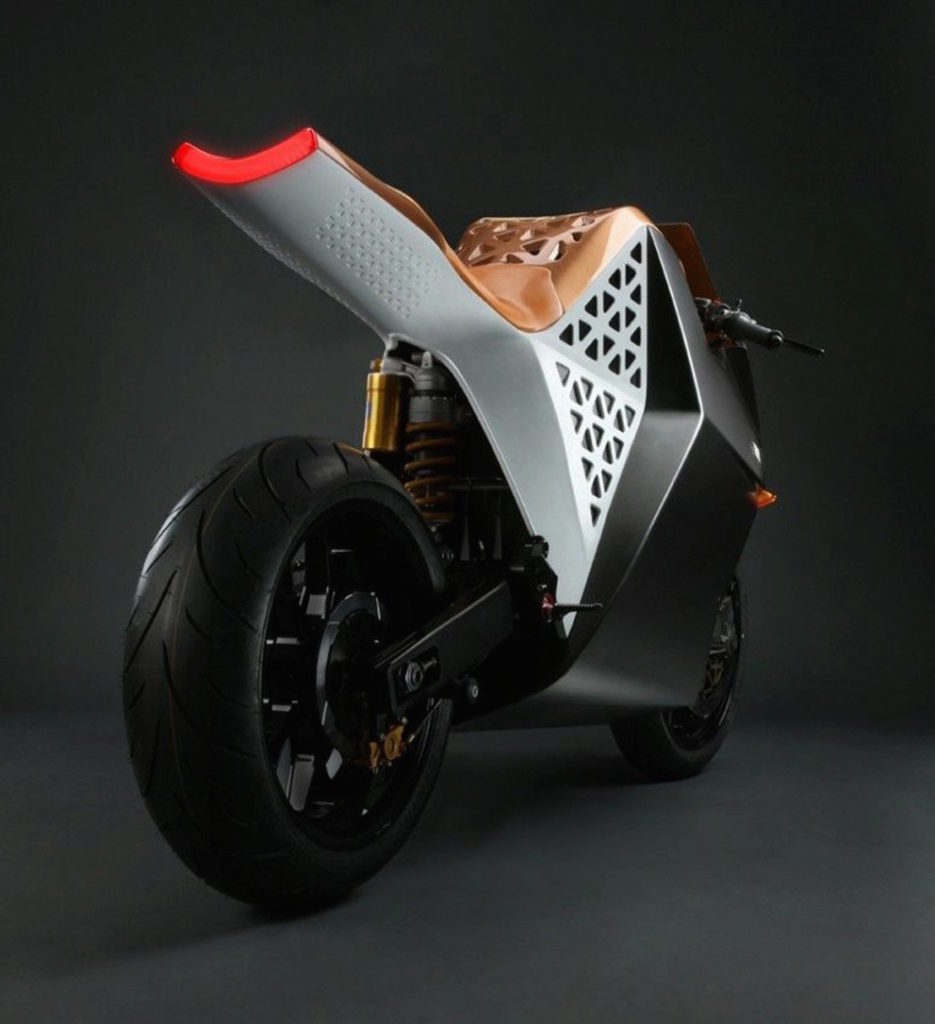
The onboard computer of the Mission One has a data acquisition capacity, meaning you can plug your laptop to your motorcycle and retrieve all your riding data, and 'tune' your bike with your computer. The engine management system is ultra modern, shaping the power curve and throttle response to varying conditions of load and traction and road speed. It's not simply an electric motor, it's a managed power delivery system. The chassis is perhaps the most standard aspect of the bike; top-shelf components like Ohlins inverted forks with TiN coating on the fork tubes, Ohlins rear shocks, Marchesini wheels, Brembo 4-piston monobloc calipers, etc. The brakes have a regenerative charging system - when applied, they send electricity back to the batteries. Recharging takes 2 hours from a 220v outlet, and costs under $2.
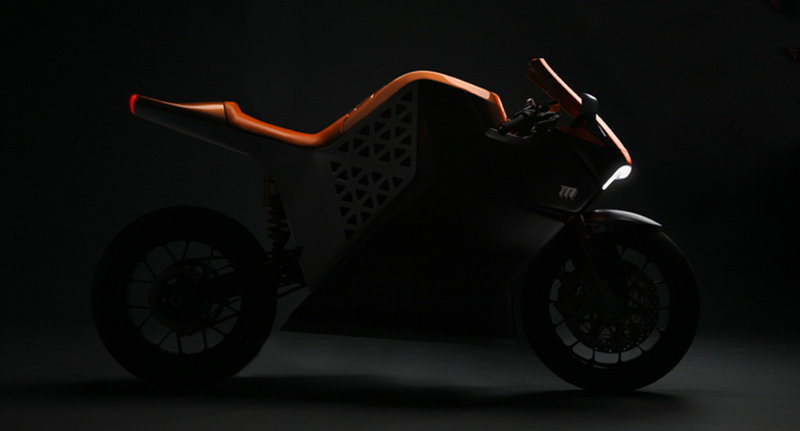
The goals of the Mission One project aren't just performance-oriented, although to be competitive in the real world, the bike must go as well as any available sportbike. The first major test of the Mission was in June 2009, at the Isle of Man TTXGP races for zero-emissions motorcycles, and the Mission One made 4th place. We couldn't imagine a more appropriate testing ground than the oldest race course in the world, to compare and develop a totally new branch of motorcycling. The Tourist Trophy was established in 1907 for exactly this reason - 'competition improves the breed' - and finally, the concept is coming full circle.
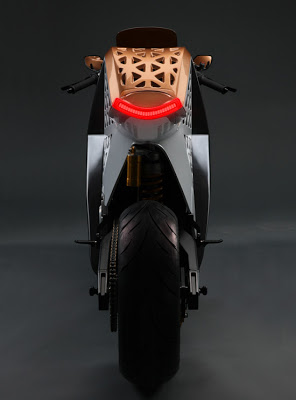
The Mission One was intended to be as 'green' as possible, with regards to the materials used in its construction, and how they might be recycled after use. Lithium-Ion batteries are the most 'friendly' available, and can be chipped and recycled, or the materials can be recaptured and reconfigured into new batteries. The bodywork materials are still being investigated - there is a new type of organic panelling under test, which uses feathers from the poultry industry rather than carbon-fibers, embedded in soy-based resin. The quills are hollow, making the material extremely light. It's intended that as many other components as possible are fully recyclable - no blown foams for the seat or pvc bits; according to Forrest North, one of the development engineers on the project, the goal for non-green materials on the bike was the brakes and tires; quite a lofty goal. Even the coolant for the electric motor will be low-impact, and they researched organic/biodegradable oils which can do the job. Castrol R, anyone?
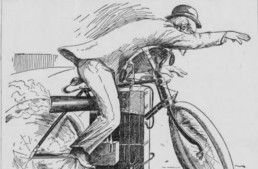
Sylvester Roper's Steam Velocipedes
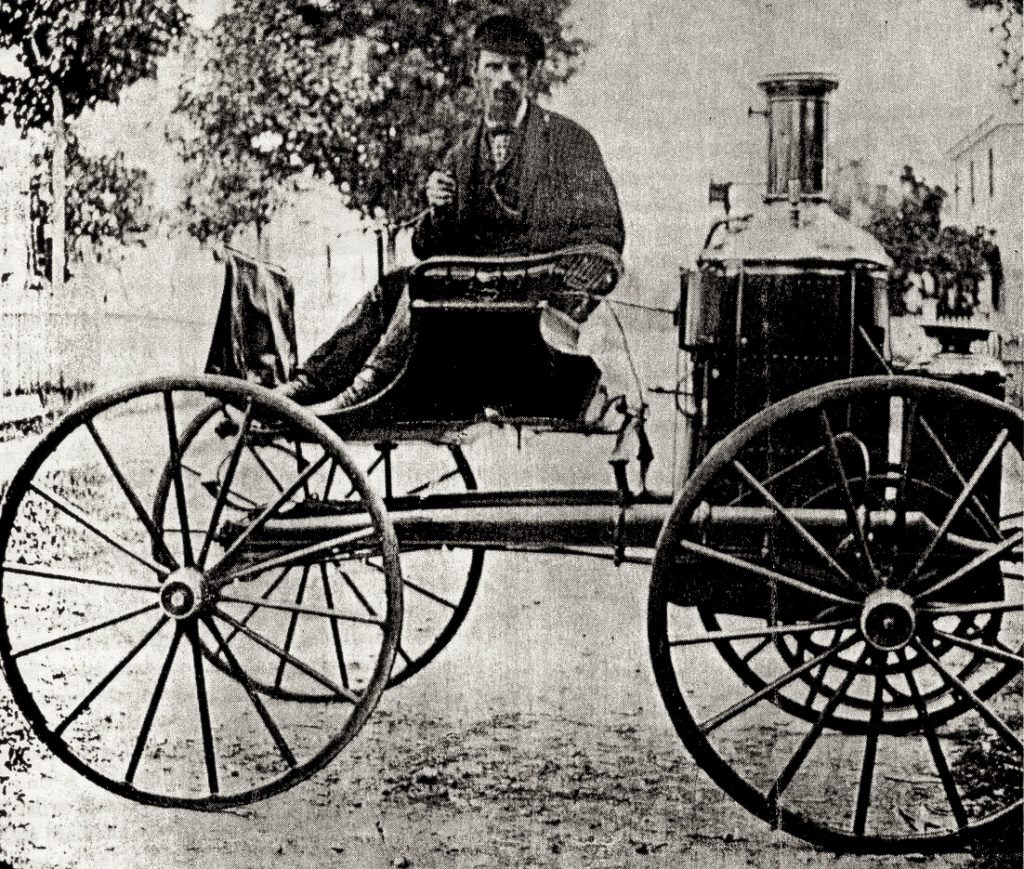
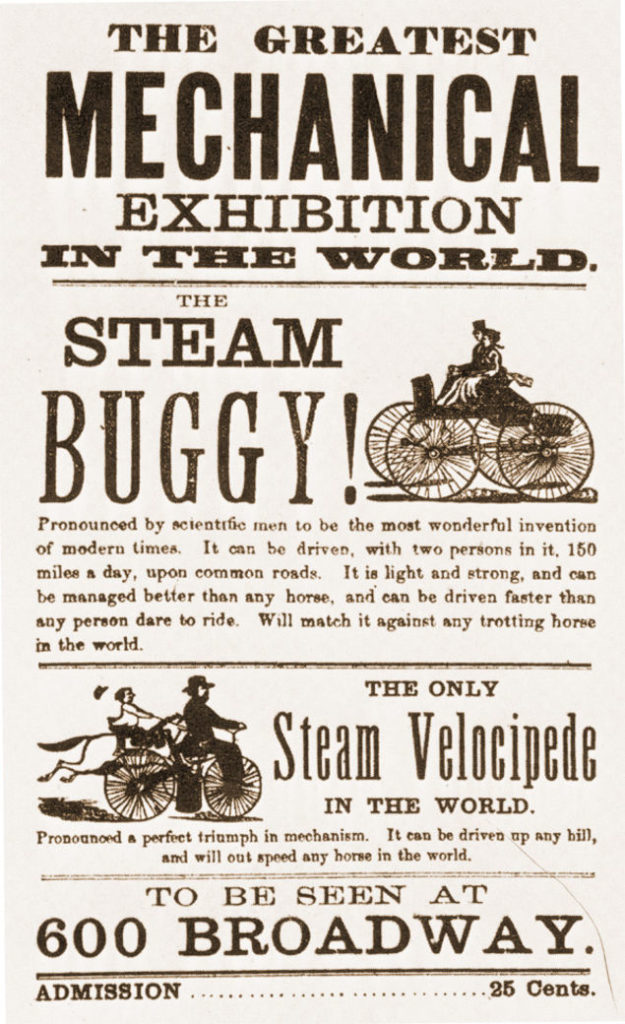
The earliest years of motoring and motorcycling are poorly documented, as inventors were far ahead of the press of the day, and their inventions even predated categories to name their machines. What to call a self-propelled vehicle of 2, 3 or 4 wheels? The first known self-propelled vehicle, Nicolas Josef Cugnot's steam-powered 'Fardier', was built in 1769 by this military engineer, who envisioned it replacing the horse as a heavy-duty hauler. The first known image of a motorcycle was published in 1818, although it's unknown if that steam velocipede was ever built, or was meant as a satire of steam enthusiasts and inventors. Unless another claimant is documented, it appears Sylvester H. Roper invented the motorcycle in 1867/8, in the Roxbury district of Boston. Recent research suggests the 'other' claimant, Louis-Guillame Perreaux, built and patented his own steam velocipede in 1869, in Paris. These 'first' dates are squishy, but what's remarkable about Roper and Perraux is they built their inventions independently, and nearly simultaneously. Small, light, portable power units were nonexistent in the mid-1800s, so both men had to build their own steam engines to attach to the 'boneshaker' bicycles of the day.
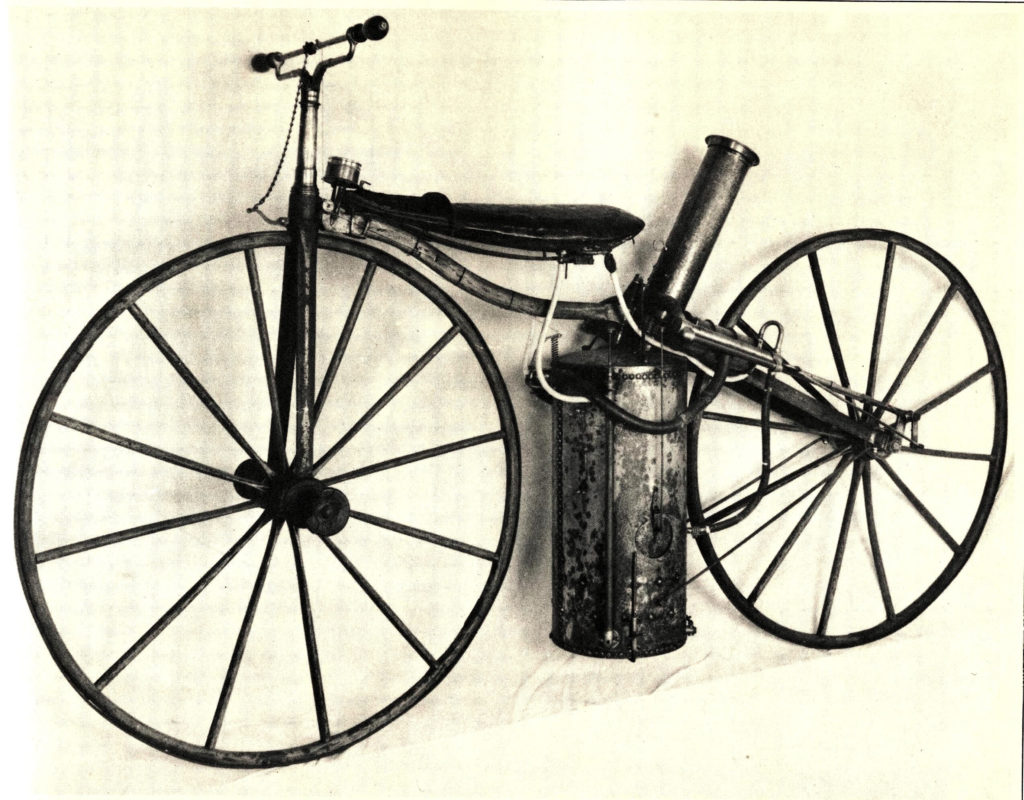
Sylvester Roper, born in Francestown, New Hampshire in 1823, was a singularly brilliant individual, patenting sewing machines, machine tools, furnaces, shotguns, fire escapes, as well as building his steam-powered two, three, and four-wheelers, which he did not patent. His Steam Velocipede was created a few years after building his first Steam Carriage (ie, automobile) in 1863, in the midst of America's Civil War, while he was stationed at the Springfield Armory. His first Velocipede of 1867/8 used a very small steam engine, which Roper built himself. The engine was suspended from a forged iron frame -purpose-built for the machine- on spring steel strips, which absorbed many of the road shocks typical of the 'boneshaker' bicycle chassis. The front fork was also iron, and wheels were wooden with steel 'tires', 34" in diameter. Water for the engine's boiler was carried inside the rider's saddle! The engine had two pistons of 164cc capacity, each connected by a crank-arm and rod to the rear wheel. The total engine capacity was 328cc.
The rider controlled the Velocipede by rotating the handlebars forward - and thus the twistgrip throttle was born, decades before Glenn Curtiss claimed the same with his first motorcycles, which was again before Indian received general credit for this excellent idea! To stop the Roper, the rider rotated the handlebars backward, which pressed a steel 'spoon' onto the front wheel. Water was automatically fed from the seat to the boiler via a water pump actuated by engine rotation. The small firebox at the bottom of the motor was fed with charcoal, and a pressure gauge mounted on the steering-head kept the rider apprised of power, and danger.
The contraption worked, although perhaps not as well as his Steam Carriages, which had space for much larger engines, and carrying capacity for water and fuel, which meant a longer travel range. The harsh ride of the wooden wheels with steel tires must have become tiresome as well, in contrast to his four-wheelers which used buggy springs for rider comfort...Roper postponed work on his Velocipedes for 15 years. In the intervening years, bicycle design had undergone a sea change, as in 1880, the Rover Safety Bicycle was invented, and rubber tires came into general use. These improvements must have spurred Roper to take up two wheels again in 1894, when Albert Augustus Pope commissioned Roper to make a new Steam Velocipede using a modified version of Pope's popular 'Columbia' safety-bicycle frame, with pneumatic 'Dunlop' tires. The intention of Pope (who by 1911 manufactured his own motorcycles) was to use the machine as a cycle-pacer on the incredibly popular bicycle racing velodromes of the day.
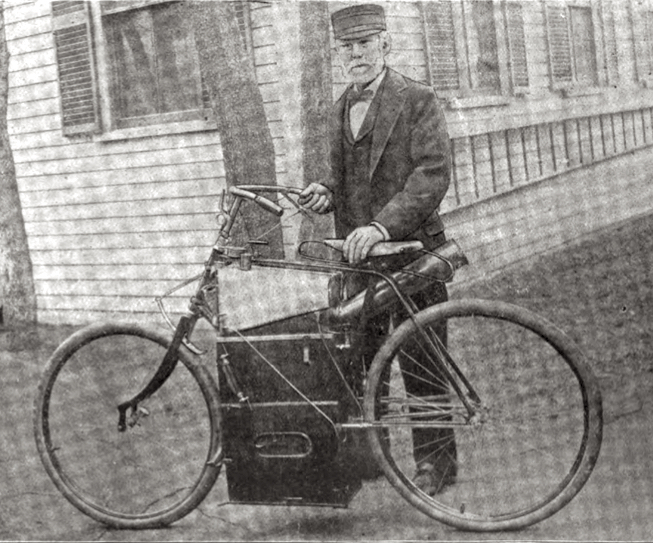
Roper designed a new steam unit weighing about 125lbs, making an all-up weight of the machine 150lbs. The bump absorption capacity of air-filled tires made it possible to solidly mount the engine to the frame, in the 'right' location, with the weight low and centrally between the wheels. A single cylinder and piston of 160cc drove the bicycle via a long connecting rod, and a short crank at the rear wheel. Steam pressure was kept between 160 and 225psi (for hills), although the engine was tested to 450psi. The machine was good for at least 40mph, and carried enough coal for a 7-mile trip. The new machine was compact, light, and very fast, and Roper, pleased with his results, put in quite a few miles on his steamer, regularly riding a round-trip of 7 miles between his home in Roxbury to the Boston Yacht Club. American Machinist magazine noted, "the exhaust from the stack was entirely invisible so far as steam was concerned; a slight noise was perceptible, but not to any disagreeable extent."
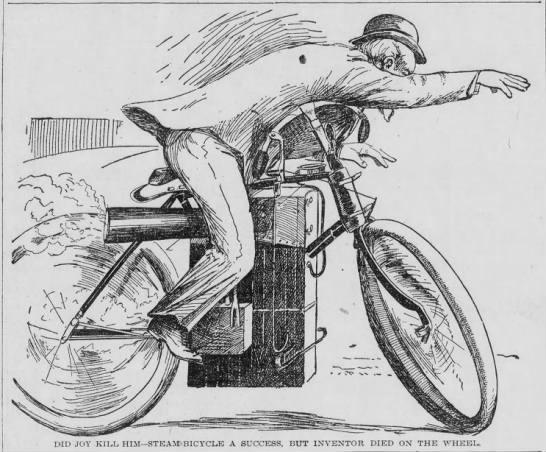
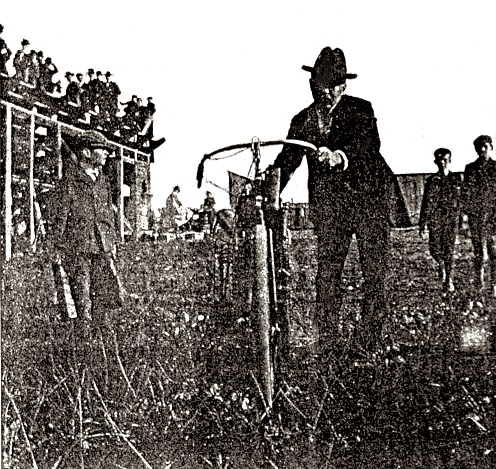
Roper was happy to demonstrate his steam vehicles to the public, at fairs and exhibitions, and claimed his latest Velocipede, or 'Self Propeller' as he called it, could "climb any hill and outrun any horse." On June 1st, 1896, he rode to the Charles River Speedway in Cambridge, to show the local bicycle racers his new cycle-pacer. Several cyclists agreed to keep pace with him on the banked 1/3 mile cement track. The Boston Globe reported on June 2, 1896: "The trained racing men could not keep up with him and he made the mile in two minutes, one and two-fifths seconds. After crossing the line, Mr.Roper was apparently so elated that he proposed making even better time and continued to scorch around the track. The machine was cutting out a lively pace on the back stretch when the men seated near the training quarters noticed the bicycle was unsteady. The forward wheel wobbled badly...", and it seems track-side viewers rushed out to catch the slowing rider, who had died of a massive heart attack while riding, at age 73. As Roper controlled the throttle with a cord around his thumb, steam power shut down as he relaxed into the arms eternal night, having proved himself motorcycling's Speed Merchant, and its first martyr.
Freak Power: Hunter S. Thompson for Sheriff
[Words: Paul d'Orléans. Originally published in At Large Magazine]
He was a bitch from birth, or so said Virginia, the first woman to suffer Hunter Stockton Thompson, by pushing him complaining and bald into this world in 1937. He exited in the same state in 2005, taking a cue from Papa Hemingway and pulling the trigger on his inability to live up to a reputation for drink, drugs, mayhem, and - decades prior - the writing brilliance that secured a place in literary history. Long before a cartoon doppelganger overlapped and sucked the mojo from his real life, Hunter S Thompson was a ballsy and original human, the ‘pole around which trouble would occur’ according to a schoolboy chum. His authenticity was born of character, and not as in –acting; a charismatic little provocateur, he led a local street gang, who all agreed Hunter could ‘out think and out perform you’.
Thompson’s father Jack croaked a week before his 15th birthday, and Virginia washed her pain with booze. Hunter capped his high school career in Louisville with a month in jail for car theft, so never graduated, enlisting in the Air Force instead…but not until shooting every boat in the local marina beneath the waterline, sending most to the Ohio’s muddy bed. His early (but honorable) discharge in June ’58 might have been a summary of his whole life – “this airman, although talented, will not be guided by policy. Sometimes his rebel and superior attitude seems to rub off on other[s].” Reasons to live.
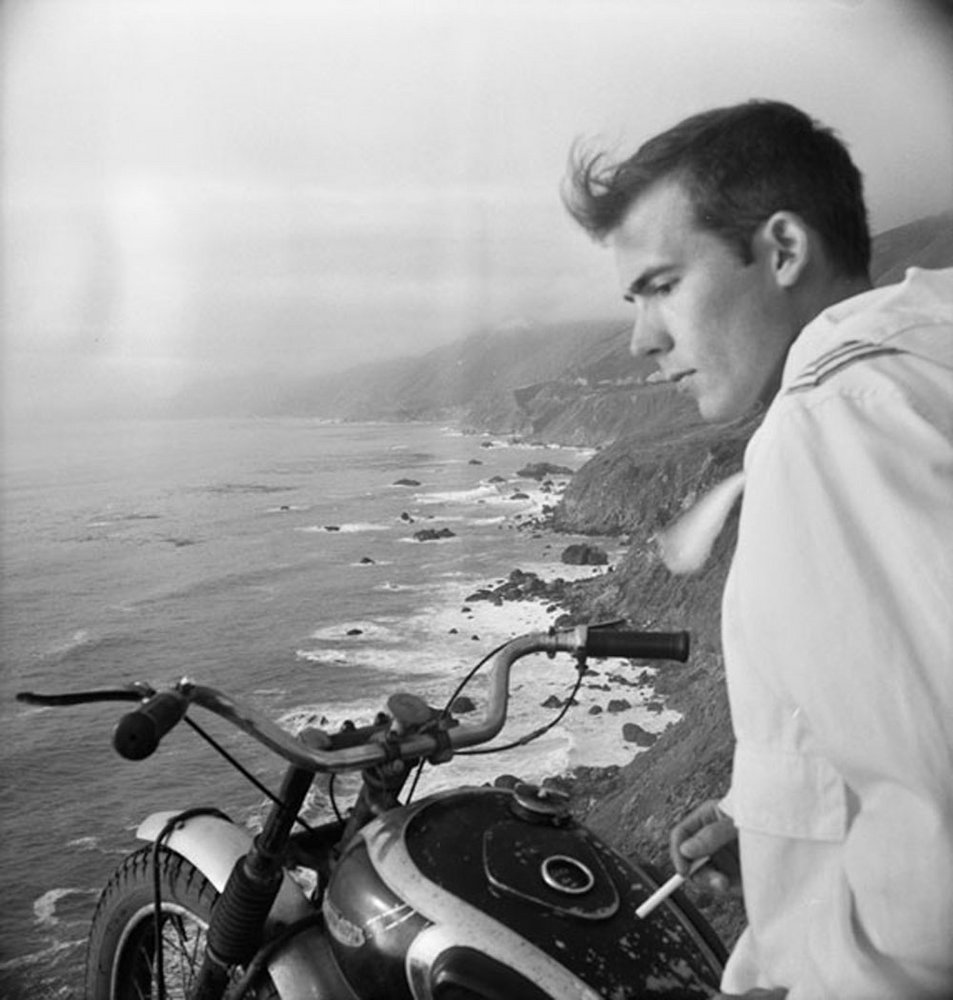
Thompson could ride bikes, shoot guns, and swallow drugs on par with any Angel, and his internal bullshit detector guided the story on this gang of romanticized losers. Motorcycle clubs had been chum to a media frenzy since 1947, when LIFE magazine ran Barney Peterson’s faked-up shot of a badly listing Eddie Davenport aboard a Harley-Davidson in Hollister. A patently false account of the Hollister street party - ‘Cyclist’s Raid’ - followed in Harper’s, which metastasized into ‘The Wild One’ movie. Thus began decades of shitty treatment for bikers, and demonization of the Hell’s Angels and most motorcyclists the press. Angels they were not, but any real societal impact was minimal, barring their glamorization as post-War boogeymen. In the context of such notoriety, ‘Hell’s Angels: the Strange and Terrible Saga of the Outlaw Motorcycle Gangs’ was a huge success, and secured Thompson’s reputation as a journalist, although ‘Gonzo’, and the perfection of his writing style into literature, were as yet a few years away.
By late 1967, his small family decamped yet again from San Francisco, as Thompson envisioned an unpleasantly domesticated future there as ‘a magazine editor with a mortgage’. They headed for the mountains of Colorado. By 1968, royalties from ‘Hells Angels’ brought $15,000 (that’s 100 large today, an enviable sum for any writer), which Hunter turned into a brand new BSA A65 Lightning, ‘the fastest motorcycle ever tested by Hot Rod magazine’, and a few acres – Owl Farm- in the hamlet of Woody Creek, 14 miles outside Aspen.

Hot on the heels of the Thompsons, a significant chunk of the Summer of Love followed in 1969; hundreds of hippies came and stayed in the area. The mountain town buzzed from both hippies digging the spectacular views and clean air, and ‘land rapist’ developers who saw dollar signs in those same features. Older residents were simultaneously seduced by development money and its associated businesses, and mortified by hundreds of dirty hippies swarming their parks. Aspen’s police magistrate, restaurant owner Guido Meyer, decreed “Riots, hippies, beatniks. They are all the same; working from Moscow. Lawlessness and disorder will be our downfall,” and arrested anyone with long hair, handing out 90-day jail terms for vagrancy. The Aspen Times commented on Meyer’s tinpot tyranny, “having long hair, beards, and sandals is not yet a crime in this country. His lack knowledge for, and respect of, the law, make his tribunal a mockery of justice.”
Meyer met his match in Joe Edwards, a 29-year old lawyer (and biker) with a civil rights background, who’d just been hired as counsel by the Snowmass ski resort. Highlighting Guido Meyer’s outrageous and unconstitutional antics in State court was easy pickings for Edwards, as Meyer had neither law nor police training; both Meyer and the bulk of the town council were shortly ejected. Edwards noted, “They got their ears boxed, and the police chief was fired and the entire city council was ousted.” Thus Joe Edwards was an instant hero, and Hunter S. Thompson had a flash of insight: the swelling population of hippies and heads just might elect a new set of politicians. Thompson dubbed this ‘Freak Power’, and became Edwards’ de facto campaign manager for a run for mayor of Aspen in 1969. “The Old Guard was doomed, the liberals were terrorized, and the Underground had emerged, with terrible suddenness, on a very serious power trip. Throughout the campaign I'd been promising, on the streets and in the bars, that if Edwards won this Mayor's race I would run for Sheriff next year … but it never occurred to me that I would have to actually run.”
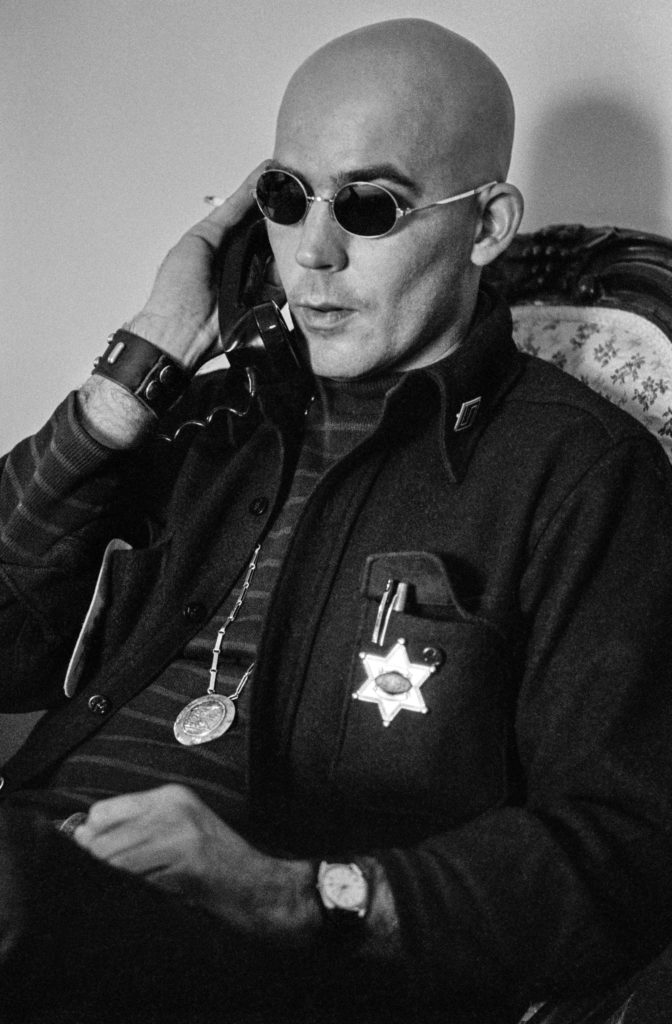
Edwards lost by 6 votes, but Thompson, his personal and artistic powers peaking, ran anyway, on a nationally watched ‘Freak Power’ campaign, whose logo was a double-thumbed fist clutching a peyote button, superimposed over a sheriff’s star. He brought real media savvy to the small town, buying radio time and producing a surreal TV ad of Hunter riding an enduro motorbike along a gravelly mountain road. Novelist James Salter (the best writer you’ve never read) narrated: “Hunter represents something wholly alien to the other candidates for Sheriff: ideas. And, a sympathy towards the young, generous, grass-oriented society which is making the only serious effort to face the technological nightmare we've created. The only thing against him is, he's a visionary. He wants too pure a world.”
Thompson was a well-known journalist for ‘Hell’s Angels’, but his gonzo antics were not yet the stuff of legend. Still, his campaign pointed the way towards his literary future, the start of both his legend and downfall. He knew in his heart his bid for Pitkin County Sheriff would fail, but damned if he wouldn’t go out with a pyrotechnic, psychedelic circus. “Why not run an honest freak and turn him loose, on their turf, to show up all the normal candidates for the worthless losers they are and always have been?" The campaign was a gesamtkunstwerk, with writing, video, radio, posters, and even Thompson’s appearance contributing; he shaved his head to refer to his rival, the crew-cut Sheriff Carrol D. Whitmore, as ‘my long haired opponent’. Now an established resident of the area, he invaded town hall meetings wearing his trademark Converse All-Stars and shorts, but underneath the show and bluster was serious talk about dangers to the local environment from development and hunting and fishing, and railing against the ‘silly’ laws against marijuana. He also promised never to take mescaline on the job.
His campaign promises stretched far beyond the normal parameters of the job, and included building a large parking facility outside Aspen, tearing up all asphalt roads in town in favor of grass, and providing a fleet of public bicycles. Aspen would be re-named ‘Fat City’ to discourage development, and “the Sheriff’s office will savagely harass all those engaged in any form of land-rape." The Sheriff and his deputies would be unarmed in public, to discourage ‘blood-baths by trigger-happy cops’, and would put ‘dope dealers’ in stocks on the courthouse lawn, as ‘no drug worth taking should be sold for money’; marijuana users would be ignored. Hunting and fishing by non-residents would be banned. A police ombudsman would keep track of power abuses, and a new drug treatment center would educate schoolkids on drug abuse. An office would be established to detect environmental crimes. All this was a clear fight against unbridled Capitalism, but the tone of the campaign, its big-pupil teeth gnashing, scared the shit out of the locals. Even worse, Thompson’s energy turned people on, and it was clear he had a lot of support. His ‘straight up Mescaline platform’ was pure druggy Dada, the coyote trickster path to Truth, and enough folks could see the wisdom beneath the madness that he almost won.
It took a cabal of Republicans, Independents, and Democrats (the ‘RID’) to foil the plan; they agreed not to run candidates against each other, and fight Freak Power together. There were threats of violence of course, so Aspen police recommended the Freak Power campaign offices be moved out to Thompson’s ranch, and that they arm themselves. The night of the election, Owl Farm took on the paranoid cast of Fear and Loathing, with stoned, gun-toting Freaks sweeping the property with flashlights, tensed for the imminent attack.
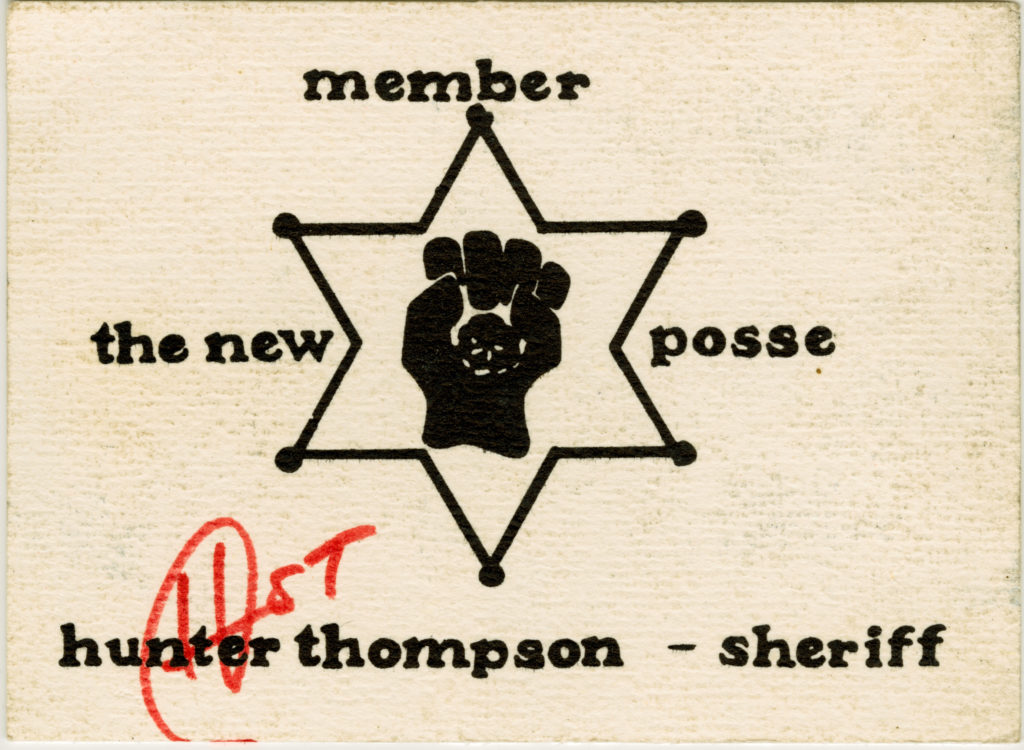
Hunter considered his Aspen antics a failure before he’d even begun, and was too self-absorbed to acknowledge the long-term success of the Freak Power project. He was really a political Johnny Appleseed (who we’ve recently learned intended alcoholic applejack, not snacks for rosy-cheeked schoolkids). In the next election, the entire city council was ousted, and liberal candidates like Joe Edwards took office. The next sheriff, Bob Braudis, overhauled the office and was re-elected 5 times; he was a great admirer of Thompson, and wrote the forward to the book ‘Freak Power’ (where much of this information was sourced). Growth was also severely restricted in Aspen, maintaining its natural beauty and subsequently raising property values significantly. And the final coda, of course, is that Colorado became the first state to legalize recreational use of marijuana, a result dear to Thompson’s heart…the man who threw a pound of dope into a Kinshasa swimming pool rather than watch Muhammed Ali fight George Frazer.
Two years before he kicked his home state in the nuts with ‘The Kentucky Derby is Decadent and Depraved’, incidentally inventing a new form of literature, Hunter S. Thompson’s political lark exposed what was best about the man. He’d taken the hippies to task in ’67 for abandoning the civil rights movement and the New Left in favor of simply getting high, and pulled a political stunt not repeated until punk hero Jello Biafra garnered 7000 votes for mayor of San Francisco. Thompson’s last words were still on the rollers of his IBM Selectric when Juan Fitzgerald discovered him dead in 2005: counselor. It’s the word that sticks in your craw during Handel’s Messiah, that fearful and strange composition of awesome beauty. Beethoven uttered on his deathbed, ‘and he shall be called Wonderful.’ Hunter took the next line. Johnny Depp generously re-created the Freak Power campaign’s double-thumbed mescaline-clutching fist as the cannon from which his ashes were shot over Owl Farm.