Steam Cycles and History
While we think of History as immutable and as reliably solid as the configuration of hydrogen atoms, the 'truth' of our past is constantly shifting, as our individual or collective attitudes move from established belief sets to new paradigms, in which the interpretation of history, and indeed the very 'facts' of events, are seen in totally a new light, and our historic priorities are re-ordered. [For more on that, try Thomas Kuhn's 'The Structure of Scientific Revolutions]


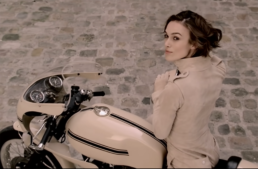
Chanel, Ducati, Revisited
Arch-tastemaker Karl Lagerfeld fully understands the erotic power of old motorcycles, making them essential characters in his short films for Chanel (see the previous film here). At the pinnacle of his long career as a fashion designer and photographer, Lagerfeld frequently uses motorcycle gear - boots, jackets, pants, helmets, and motorcycles themselves - as source material for his edgiest Chanel clothing. His latest film features a buff-colored 1970s Ducati 'square case' 750S, and Keira Knightley. While Ms.Knightley only rides the Ducati while sitting on a trailer, her stunt double certainly looks good in a fawn suede jumpsuit, jumping the Ducati over stairs!
https://youtu.be/aRV-2_Un-kk
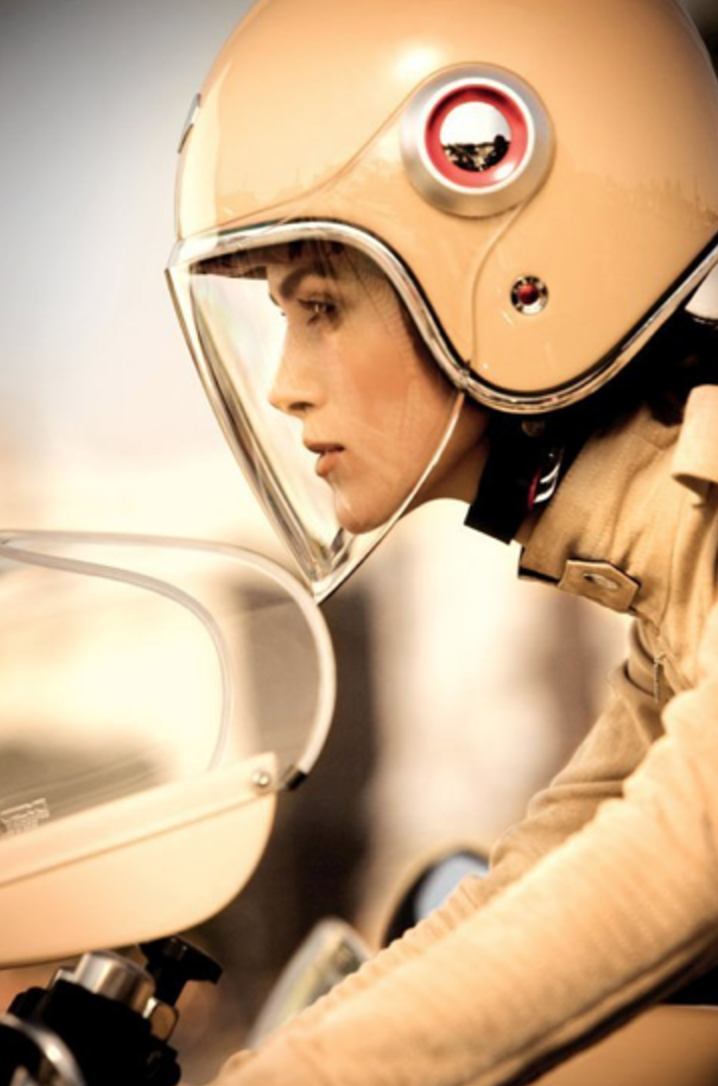
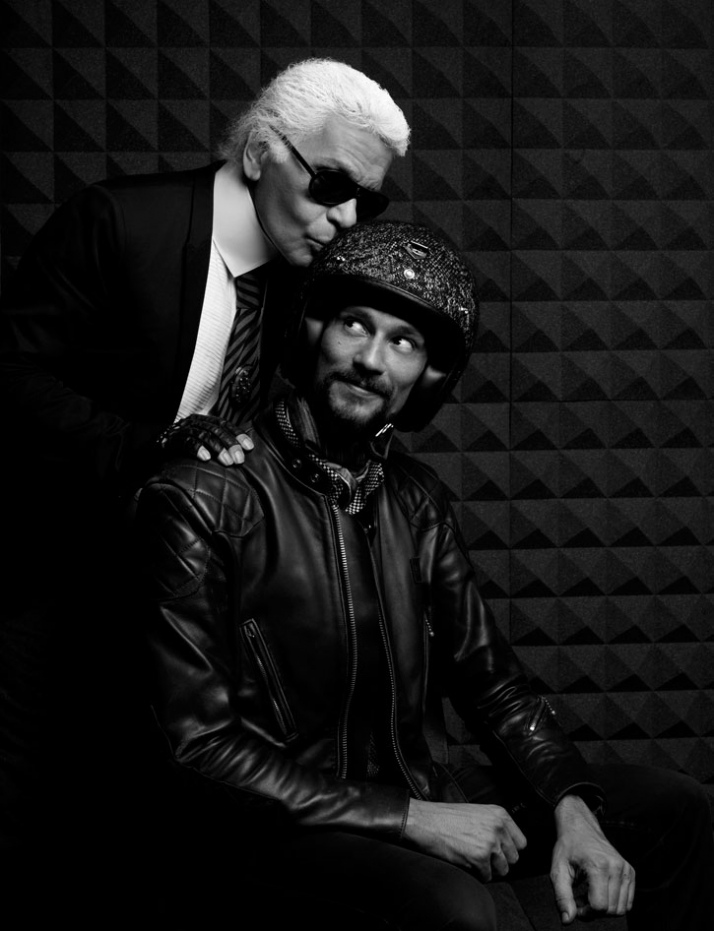
The entire color palette for Knightley's jumpsuit, boots, and the Ducati itself, was created to match an off-the-shelf Ruby 'Belvedere' helmet. Jérome Coste, Ruby's designer, has Karl's literal blessing (see below); revolving the art direction for this film around a non-Chanel product is quite a compliment. For a bit more look at the Ducati, the Ruby, and Keira, here's a 'Making Of' video. Interesting that Keira herself doesn't realize the erotic charge of seeing a woman in a catsuit riding a motorcycle, until she sees her stunt double riding the bike, when she is "almost embarrassed"!
1911: Indians Sweep Isle of Man TT
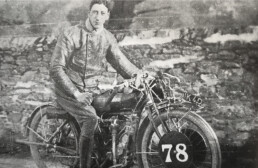
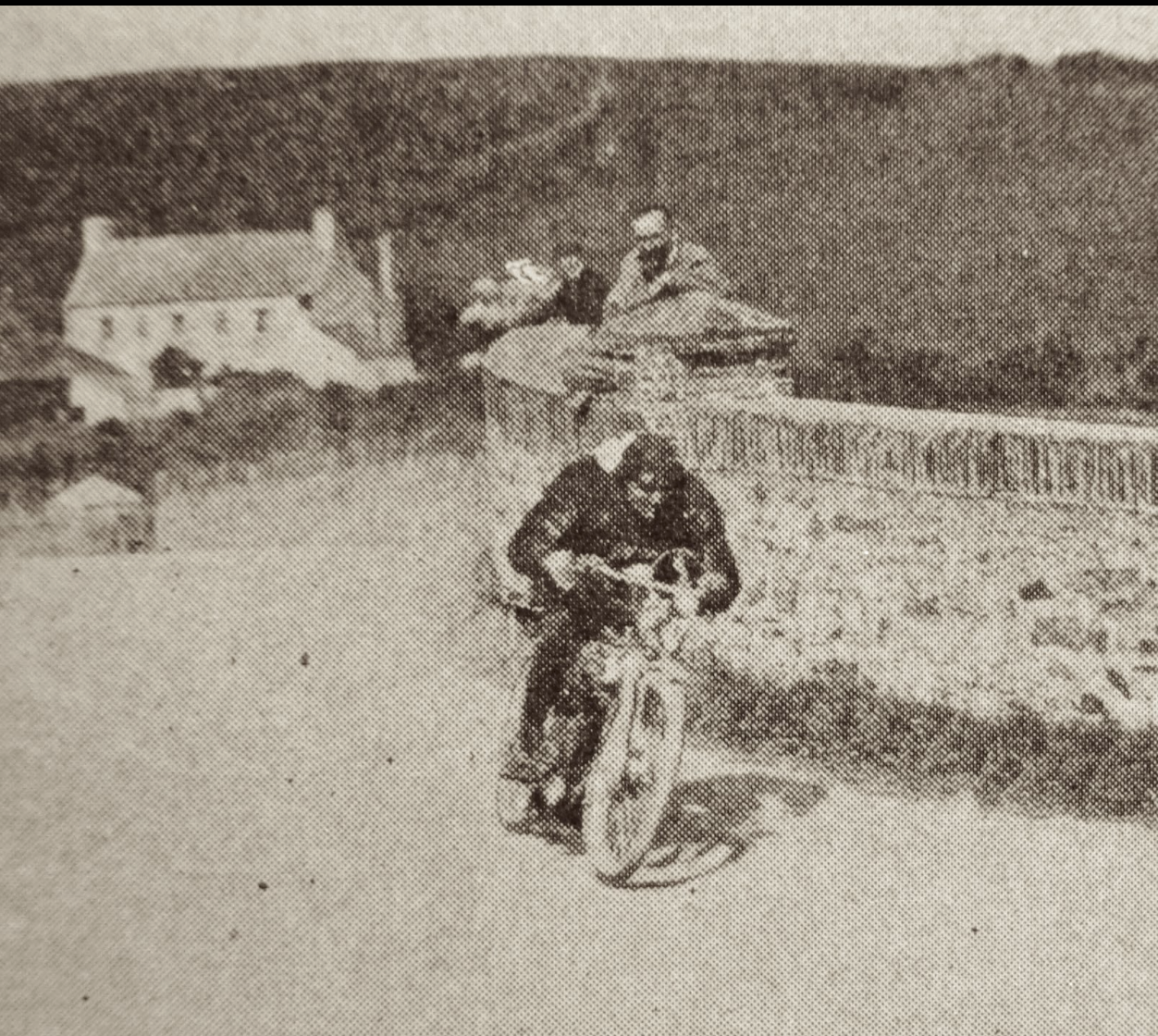
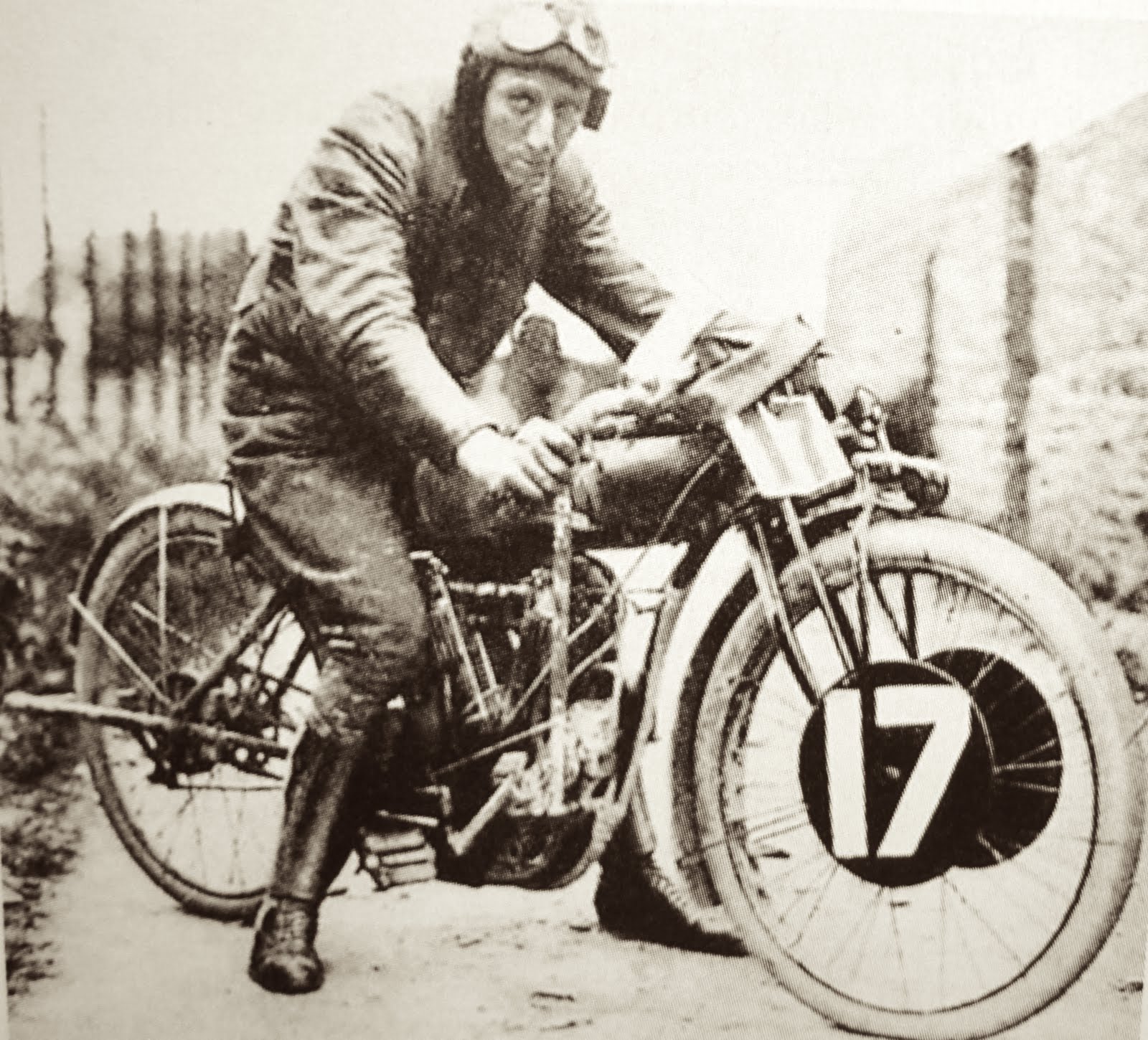
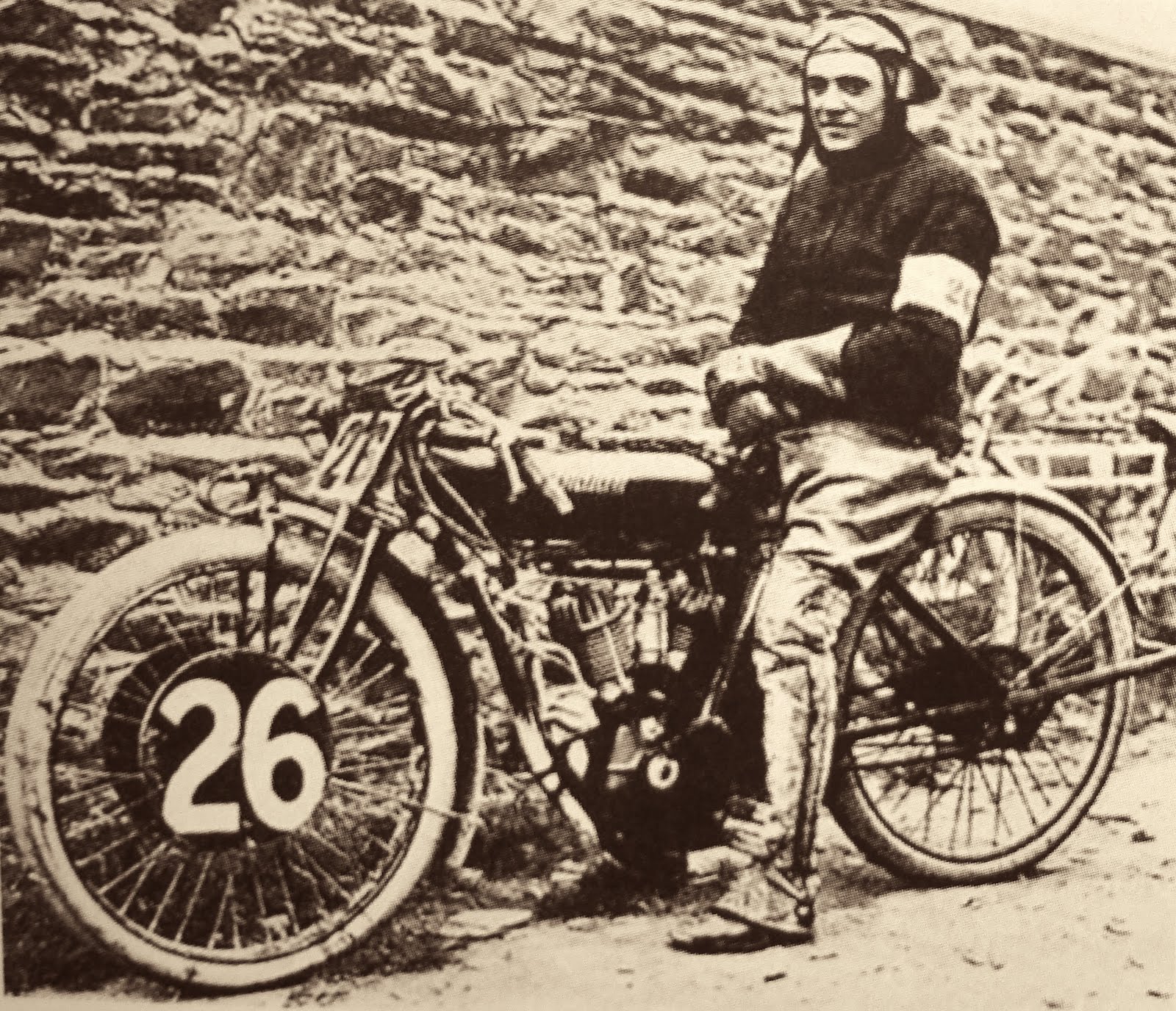
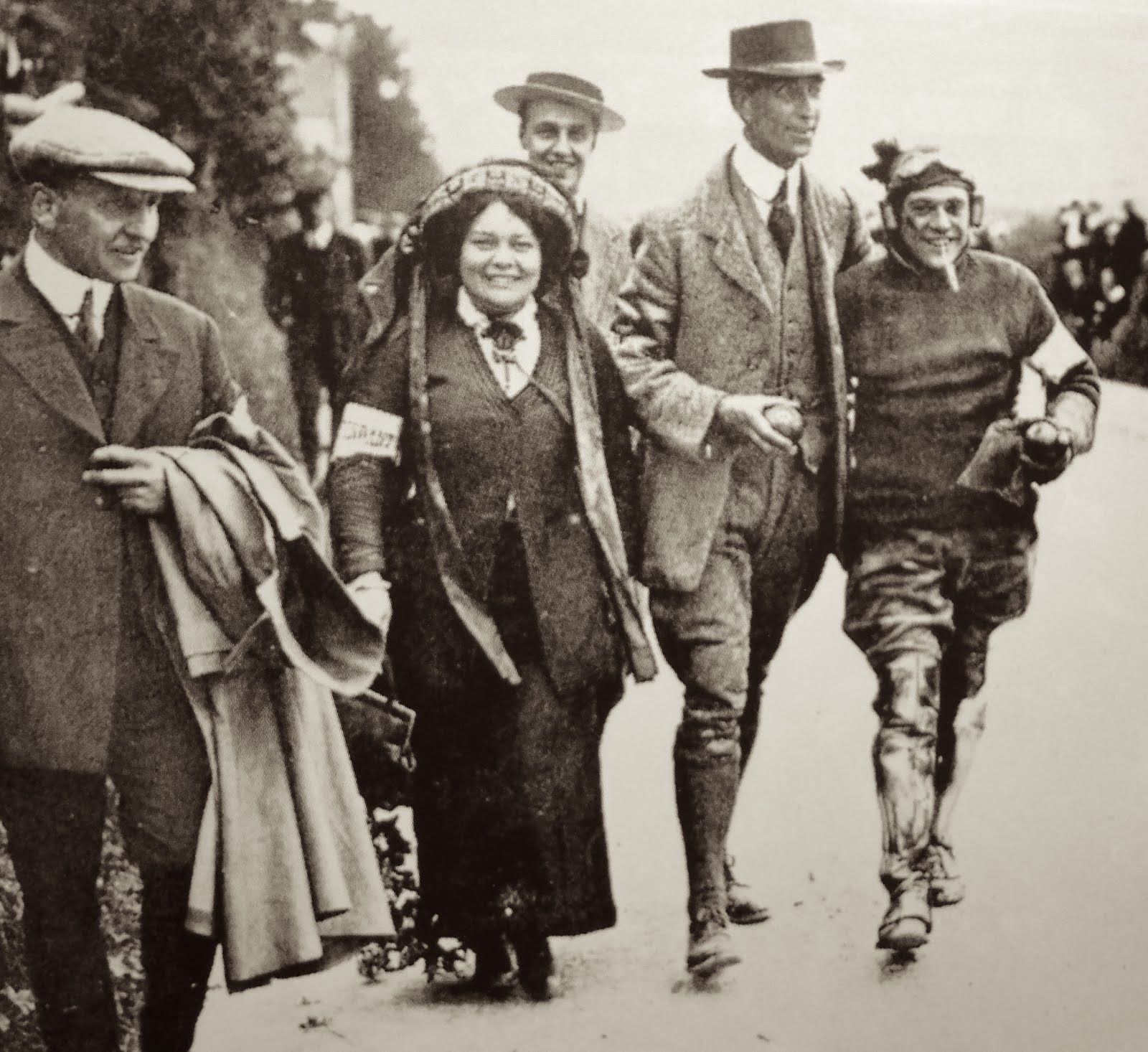
The Hendee Moto-Cycle corporation is over half a century gone, but 100 years ago, they were the largest motorcycle manufacturer in the world (lo, how the mighty do fall...), and originators of many 'firsts' in the business. The first to create a 'works' professional racing team, with the first professional team rider (Jake deRosier), and certainly the first factory racing team sent abroad. In 1910 Oscar Hedstrom (designer of the Indian) sailed to England to supervise the factory effort. An Indian had placed 2nd in the twin-cylinder class in 1909 (Lee Evans aboard), and Hedstrom, mindful of potential export sales, subsidized Billy Wells' London dealership, and racing exploits at Brooklands and the Isle of Man TT.

Building a Norton Four
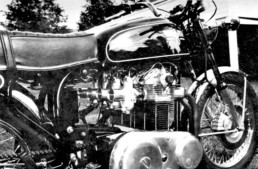
In the mid 1960s an overhead-camshaft four cylinder motorcycle was the object of fantasy and an ideal of red-blooded motorcyclists everywhere. No fast Fours had been available commercially since 1942, when the last Indian 4 rolled out of Springfield, and only the rare (and ugly) MV Agusta 600 was theoretically available for the street. The MV was prohibitively expensive, and wasn't what riders wanted, which was a roadster version of their all-conquering World Championship racing bikes. Four-cylinder bikes had been around since the first FN Four of 1905, but after WW2, only Nimbus offered a four pot bike, and it was a strictly utilitarian holdover from the 1930s, with exposed rocker gear and a strip-steel frame. Creative motorcyclists responded to this void as they always had - by making their own, lashing together a pair of twin-cylinder engines, or fabricating home-designed 'cammy' fours (from Nougier, Marsh, etc), which cropped up in bike magazines like exotic flowers.
Another route to a 'four' was to stuff a small car engine into a motorcycle frame; that was the route of Friedl Münch, who series produced his 'Mammut' - see our test ride here. The most capacious frame in the 1960s was the Norton Featherbed, which had been in production since 1952, meaning plenty of 'loose' frames were available in salvage yards by the 1960s. A four-cylinder car engine with the right 'spec' was hard to find, as most automotive 'fours' were both water-cooled and made of cast iron - guaranteeing a very heavy motorcycle. A few small engines were of more advanced spec, and the two most likely candidates (in Europe at least) had deep motorcycle connections built into their DNA.
The Hillman 'Imp' had a powerful watercooled engine, designed by the unsung Norton hero Leo Kusmicki, the man who touched the 'Manx' with his magic wand and kept it competitive for 10 years after its 'sell-by' date. Kusmicki worked for the automotive industry after Norton shuttered its race shop, and the overhead-camshaft 'Imp' engine he designed was strong and tunable. Its water cooling dissuaded many solo motorcyclists, although plenty of racing sidecar outfits found the need to carry water a small price to pay, given the cheap power an Imp provided. Who needed the money of Count Agusta when a wrecked Hillman provided a readymade power unit?
Another likely donor came from venerable motorcycle manufacturer NSU. The engine from their 'Prinz' automobile, which served long years as a rally competitor, was tuned over the years to ever sportier iterations, with the '1200 TTS' the ultimate mode. The NSU engine was air-cooled and all-aluminum, with handsome finning, and few awkward casting shapes to spoil its looks. The Prinz engine fit into the Norton frame without cutting metal, although a new bolt-on sump needed to be designed to fit a Norton frame. It looked simple, but the reality of mating the NSU engine with a motorcycle gearbox, plus sorting a primary chain, and clutch, and a functioning oil sump, required skilled fabrication. Everything needed to line up and function smoothly, and only a talented stylist could make the result look like a proper motorcycle.

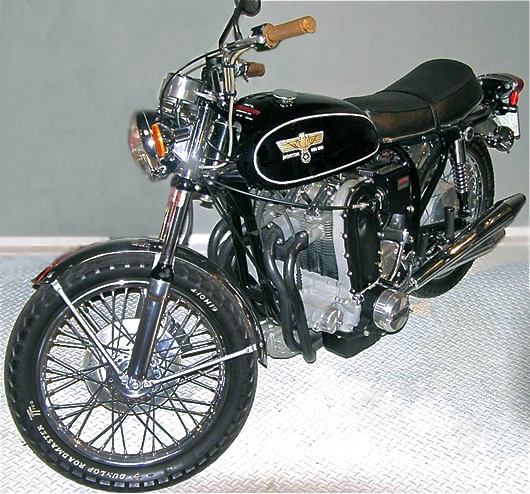
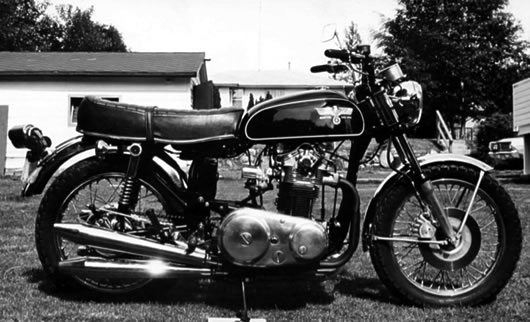
Mick King, owner of Superformance Motorcycles in Vancouver (one of the first performance/custom bike shops in Western Canada) built an interesting special in the late 1960s, using a Norton Featherbed frame and a salvaged NSU car engine. Mick was kind enough to share his process, in photos, of taking a rustbucket NSU Prinz and a 1967 Norton Atlas chassis, to build a successful hybrid. The photos hint at the measuring, drawing, and fabrication time required to bring the elements together; the magic of a successful job is making it easy! The Italians call this 'Sprezzatura' - making the difficult look effortless; the mark of mastery. Mick's build took long enough that both the Honda 'CB750' and the Norton 'Commando' emerged on the market in the meantime, but as his machine was never meant as a production exercise, the Commando contributed useful bits to his Norton/NSU: the front forks and disc brake, mufflers, seat, and clutch.

"In the 1960s, there were no NSU dealers in Vancouver, and the car owners couldn't get them repaired... I had a motorcycle shop, and would fix a few NSU cars because I had managed an NSU dealership in the UK. They were so simple to work on, it was a good revenue source and sideline to my motorcycle business, which was one of the first on BCs west coast. I took in a trade an NSU 1200 TT car for two hundred bucks; due to rat infestation and rust the car was gutted and the wheels and sundry items sold off. I kept looking at the engine thinking it might look good in one of my Norton Featherbed frames, which owed me nothing... I had a couple gathering dust in the attic!"
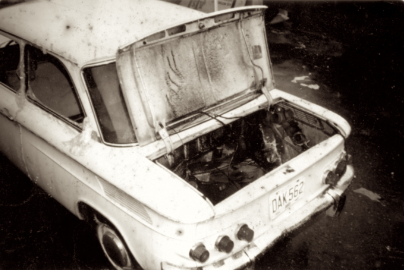
"As winter started in, the bike work stopped; I had just brought over an apprentice from the UK, and a new 9-1/2" South Bend lathe for our custom bike division, and decided to see if we could fit the NSU motor into the Norton frame. This gave the new arrival some valuable turning experience. We wanted the engine to fit the existing Norton engine mounts, as I did not want to mess up the frame for the sake of the NSU engine; I had no input or feedback as to how it may perform. When the Münch showed up in Cycle Canada magazine I thought, "Great timing! Maybe I can find some encouragement from the article!" But there was no data -no speed or bhp- as I recollect, the mag people were not allowed to ride it? So we plodded on, and after a few weeks the engine was roughed-in, and we took it for a ride. I could see why there was no data available - it was a gutless wonder, despite major engine work! I considered buying a twin-cam Japanese car engine but they were all snapped up for mini flat track race cars, as they are today!"
"Trying to draw a comparison with the Münch would be a waste of time in my opinion, considering the amount of money he invested, plus his engineering facilities and so on. Nevertheless I think from the get-go the Münch Mammut was doomed, mainly because D.O.H.C. motorcycle engines [such as Kawasaki Z-1] were already making their debut, and strapping an antiquated and gutless S.O.H.C NSU car engine into such an enormous and costly project baffled me and my mechanics from the get go. Then there was the price... ridiculous!"
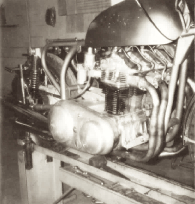
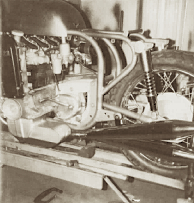
The two 'big' jobs in translating the engine from car to bike were the sump, which Mick cast in shapely aluminum to fit between the Norton frame rails, and the clutch/transmission interface, which he solved via an extended, demountable coupling between the gearbox and clutch, using a 'simple' steel box attached to the engine plates, which holds an outrigger bearing for the extended clutch shaft. This also meant installing the Norton gearbox backwards! Yes, it works fine both ways, but Mick had to reverse the 'pawl' on the kickstart shaft. The photographs should explain his thinking, which seems sound enough - the clutch no longer runs on the gearbox mainshaft but its own stub shaft, connected to the gearbox via a mated pair of pegged plates, similar to BMW shaft-drive practice. All very clever and relatively simple.
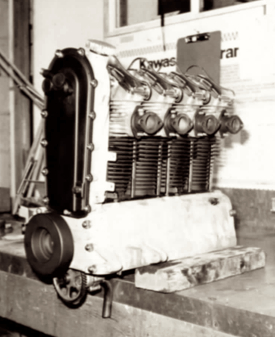
The donor NSU model was the 'Prinz 1000', and had Mick King read the specifications for this model, he might have thought twice about the engine! While an impressive 'spec' the standard Prinz only produced 40hp @ 5500rpm, which is about 10hp less than the Norton Atlas engine which he abandoned to make his 'special'... no wonder then that he was shocked to find his finished hybrid a 'gutless wonder'. If Mick had access to the latest model (1968) NSU TTS, he would have found a 70hp engine, using 10.5:1 compression pistons (not much room for increase there!) and sporting camshaft. But Mick set to work tuning his the motor, and his Norton/NSU was capable of 125mph, so it seems he equaled the NSU factory in hotting up the engine.
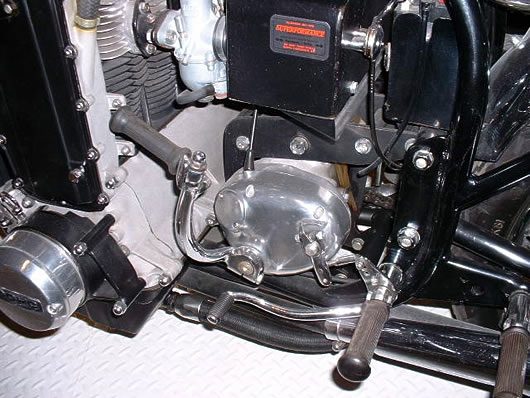
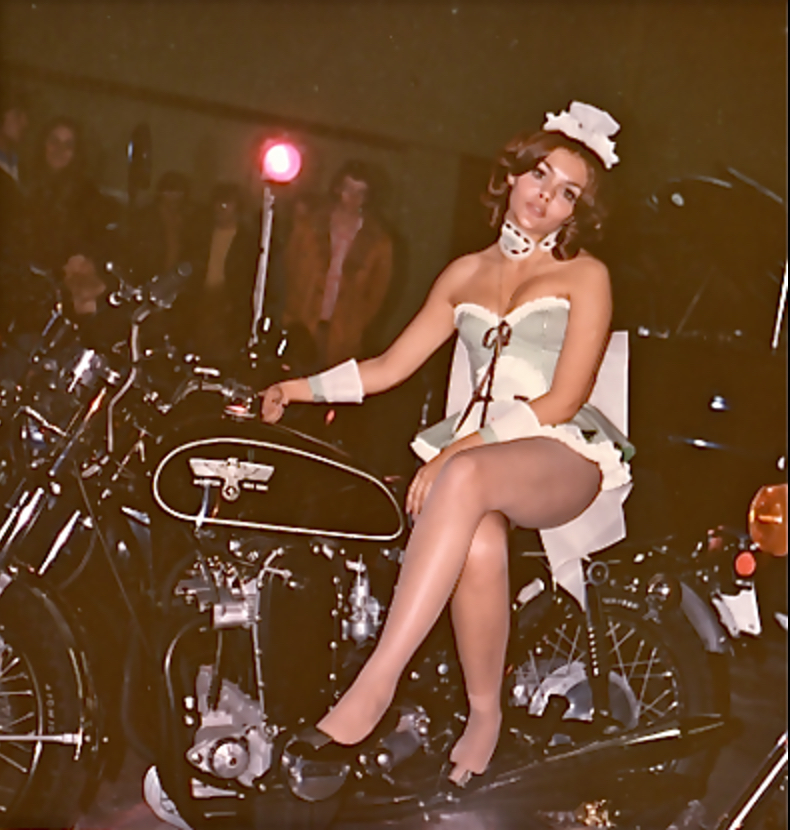
The finished machine did well on the 'show bike' circuit in the early 1970s, garnering Mick many 'Best of Show' wins, and that snapshot with the 1973 Penthouse Pet of the Year, Patricia Barrett. Mick's Norton/NSU special now lives in the Trev Deeley Museum in Vancouver, Canada.
Before the Bandit
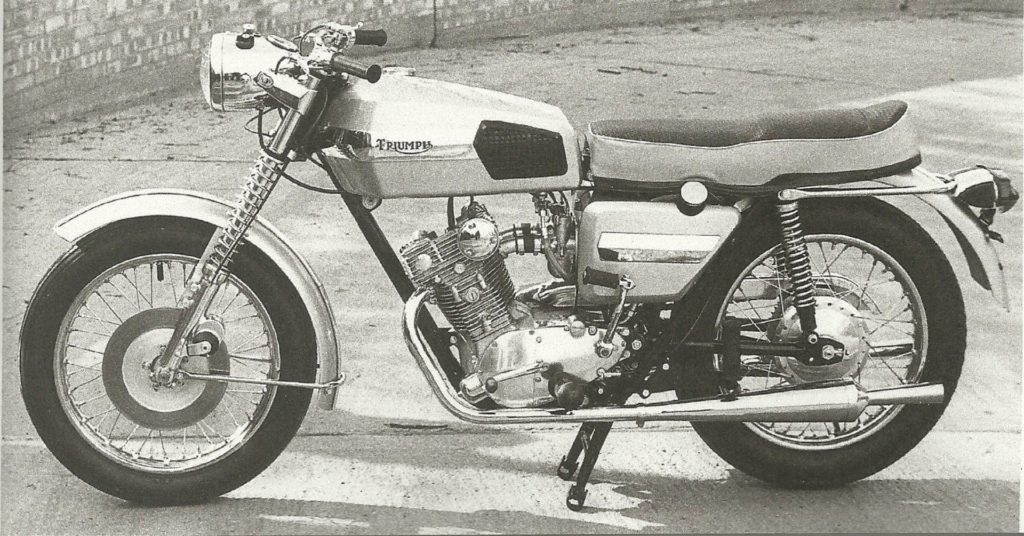
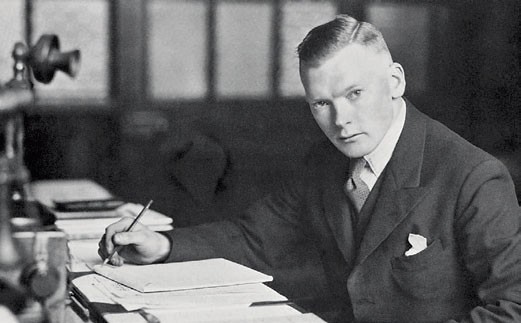
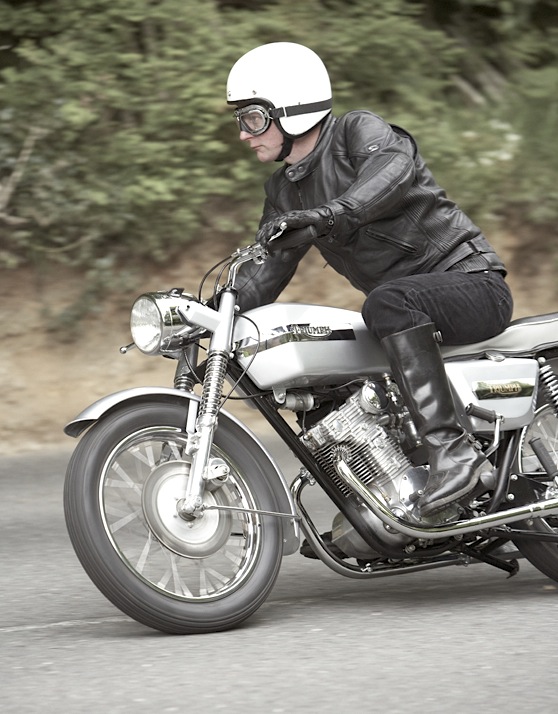
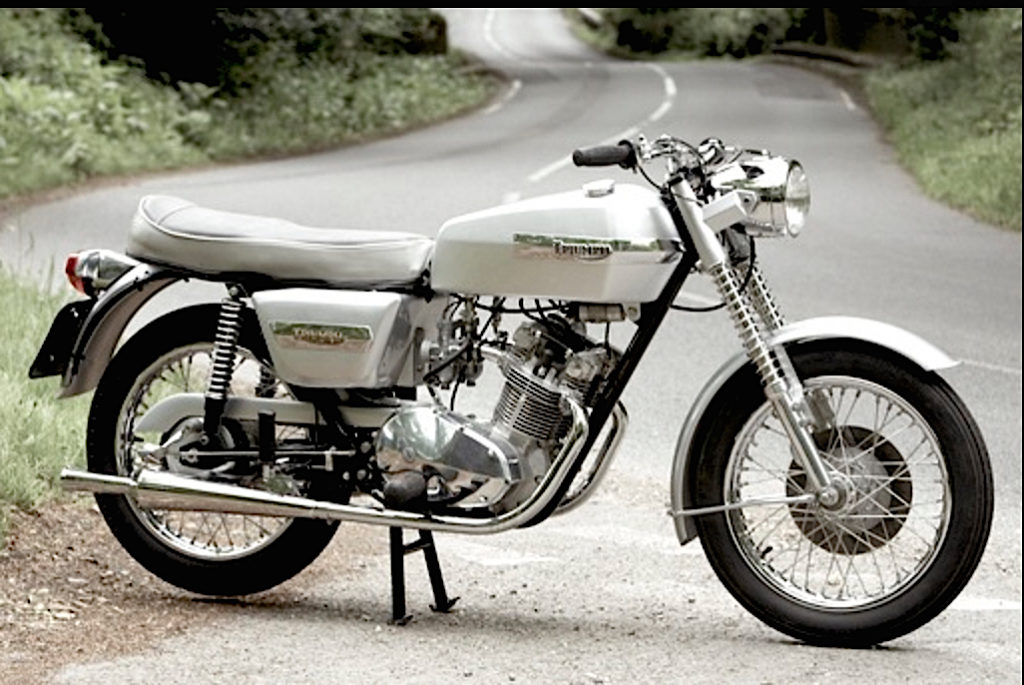
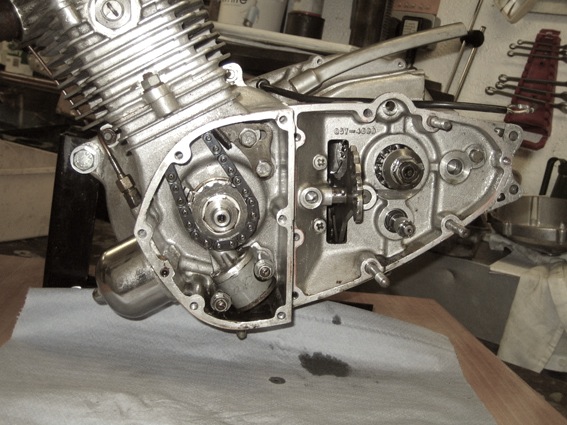
After legendary Triumph boss Edward Turner retired from his motorcycle factory in 1963, he holed up in a BSA subsidiary, CarBodies Ltd of Coventry, but simply couldn't keep his hand off his original passion, two wheels. Having entered the hallowed pantheon of Motorcycle Greats with his popular, stylish, and sometimes avant-garde machines from the 1920s onwards, he is best remembered as the man who made a parallel-twin engine look like a twin-exhaust-port single cylinder machine (the 500cc Speed Twin of 1938), which fit snugly into the existing 'Tiger 90' single-cylinder chassis. This new combination had magic in name, looks, and performance, and set the tone for the British motorcycle industry for the nearly 50 years.
Shinya Kimura: 'I Am A Coachbuilder'
In a tradition which predates the internal combustion engine by several hundred years, a 'coachbuilder' was delivered a wheeled chassis without a body, and worked his artistry for the pleasure of a few customers who appreciated, and could afford, a completely bespoke conveyance, or an expression of the particular artistic vision of that builder. When motorized 'coaches' arrived, some of the same carriage builders worked their magic on the chassis of a Cadillac or Rolls Royce, making an already fine automobile just that bit more special.
In an important sense, the coachbuilt auto was an expression of respect for the original design of the car, a paradoxical situation, but the resultant vehicle was never known simply as a 'Saoutchik' or 'Ghia' or 'Fleetwood', it was always a Delahaye with Saoutchik body, or an Alfa Romeo Ghia, or a Cadillac Fleetwood. The coachbuilder seemed to find another possibility for a respected design, perhaps one too flamboyant for general consumption, or simply too expensive for all but a very special customer.
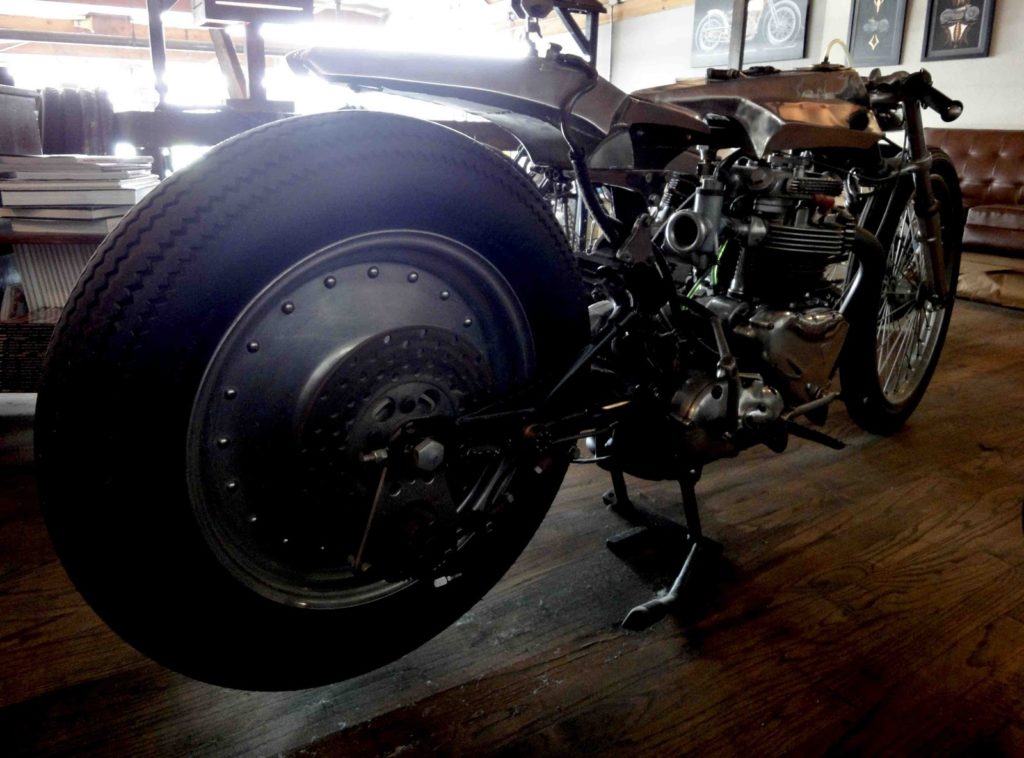
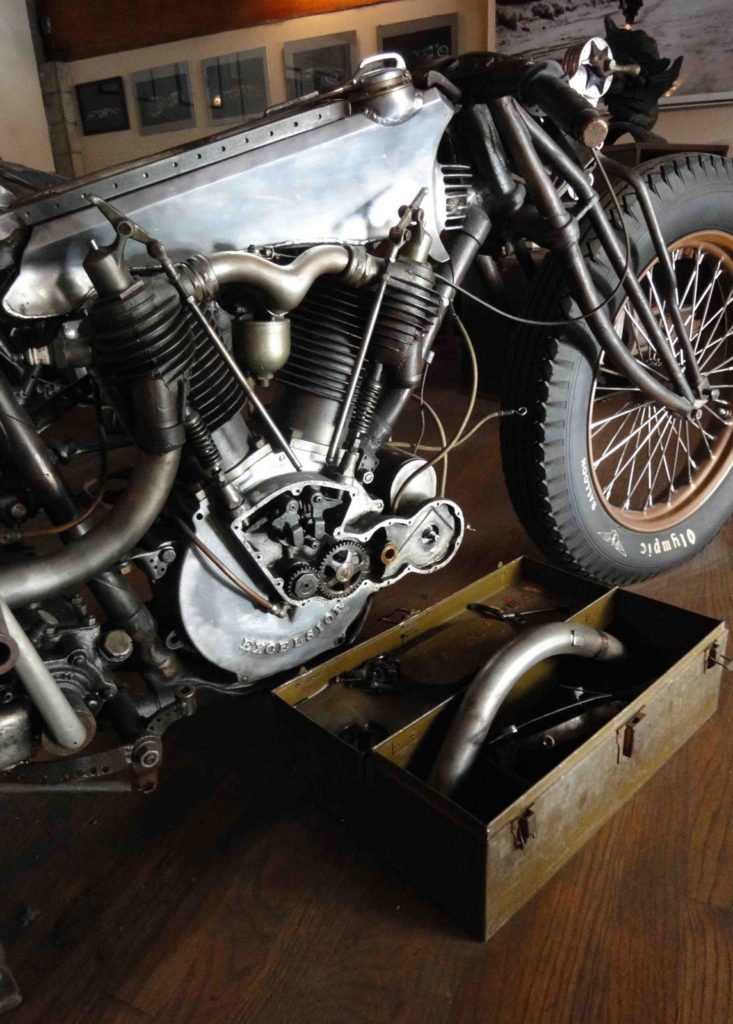
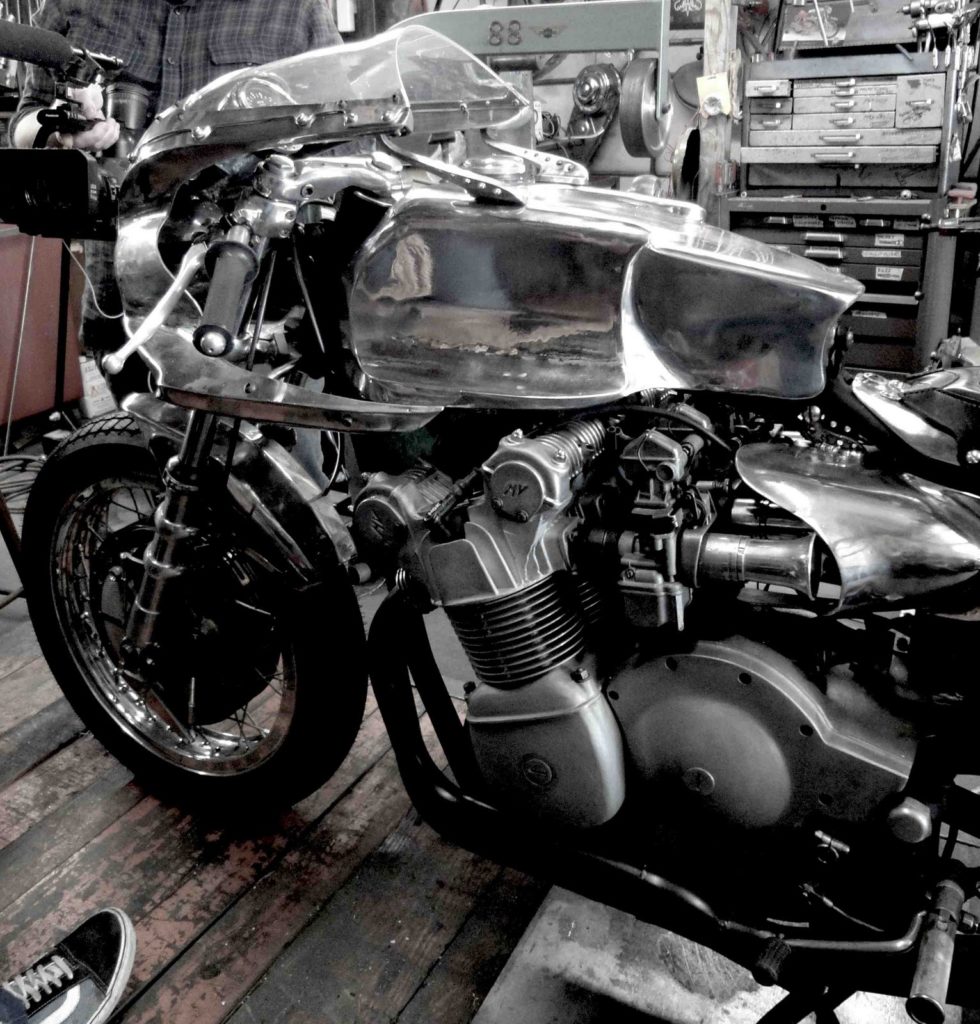
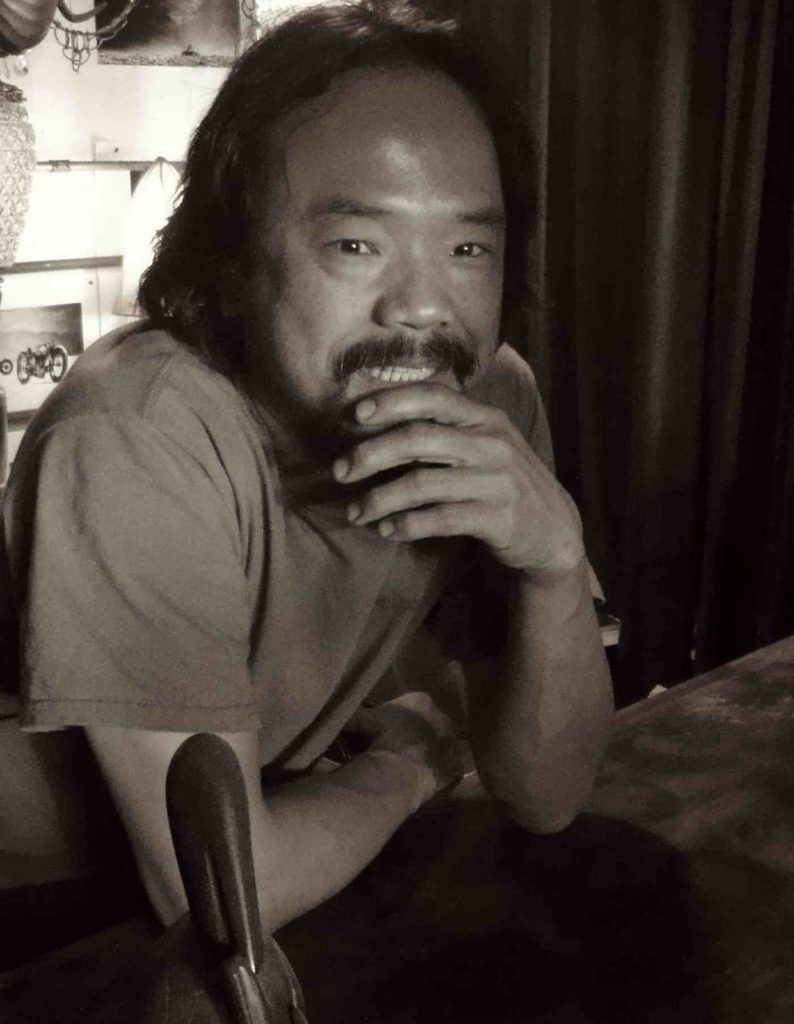
That Shinya Kimura prefers to call himself a Coachbuilder rather than a 'customizer' speaks to his profound love of motorcycles and appreciation for production bikes. The breadth of his interests are evident in the variety of makes which pass through his workshop, Chabott Engineering. Excelsior, Ducati, Triumph, Indian, Harley Davidson, Honda, MV Agusta, Kawasaki, Suzuki, have all been 'Shinyized' in his inimitable style.
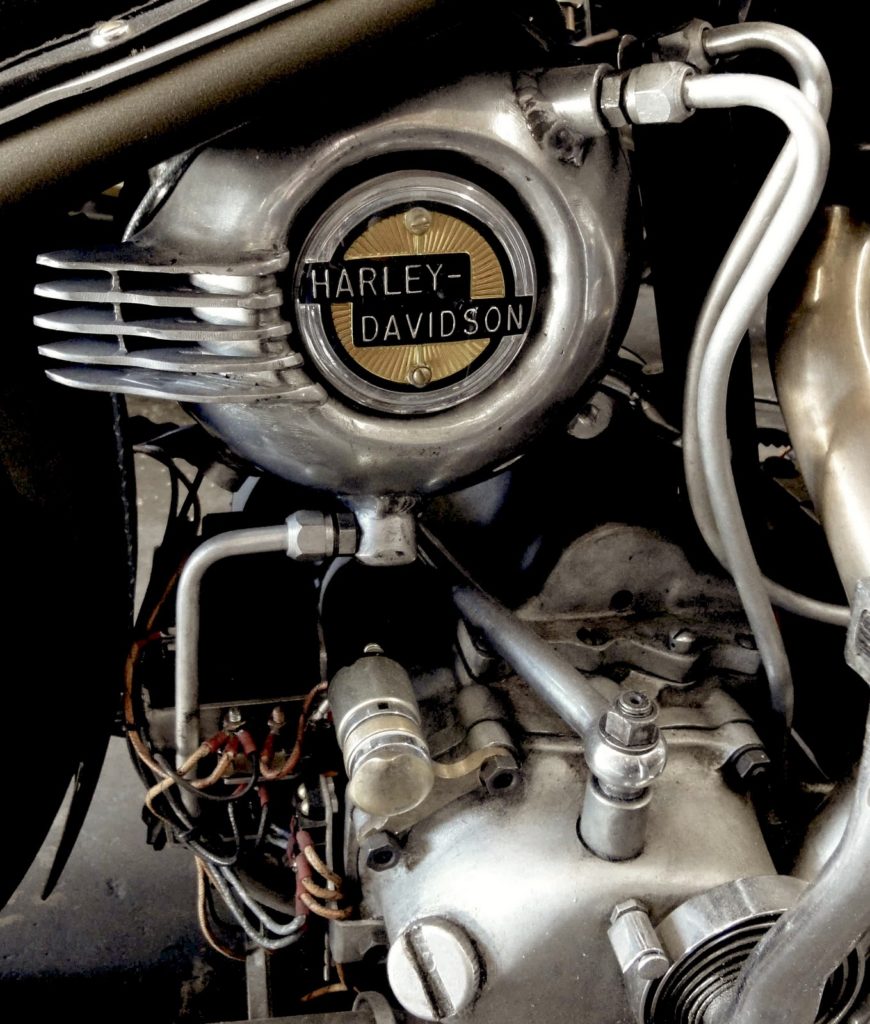
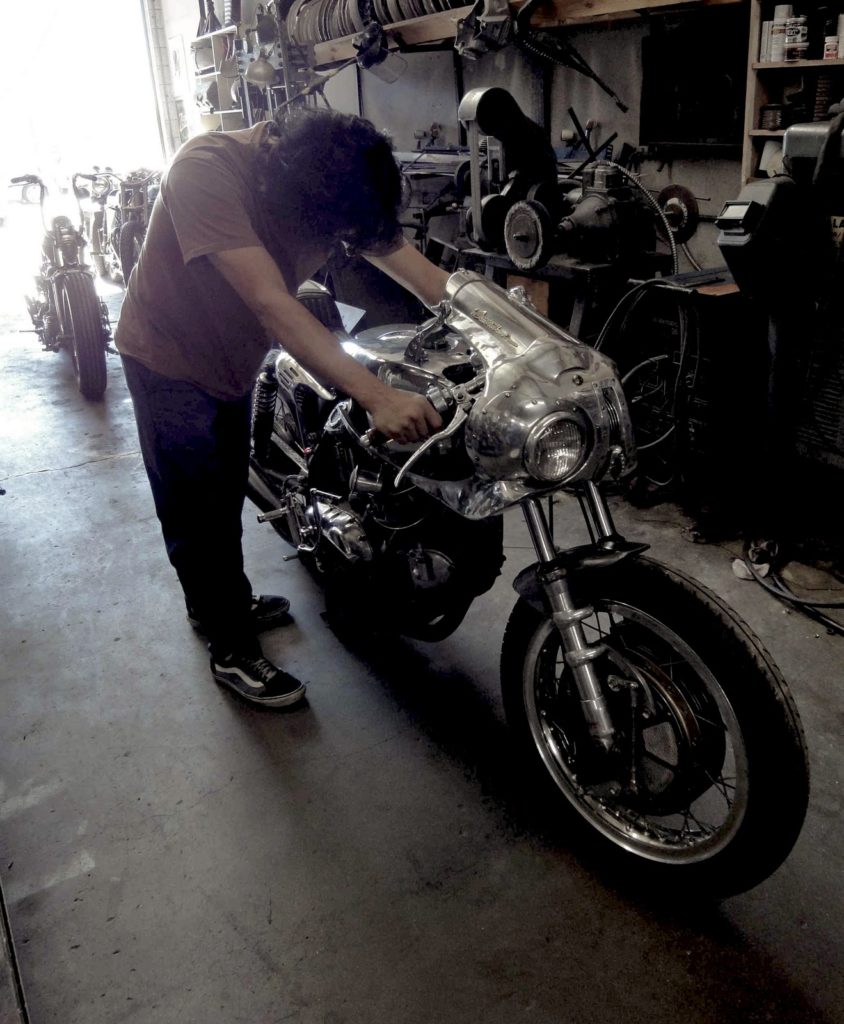
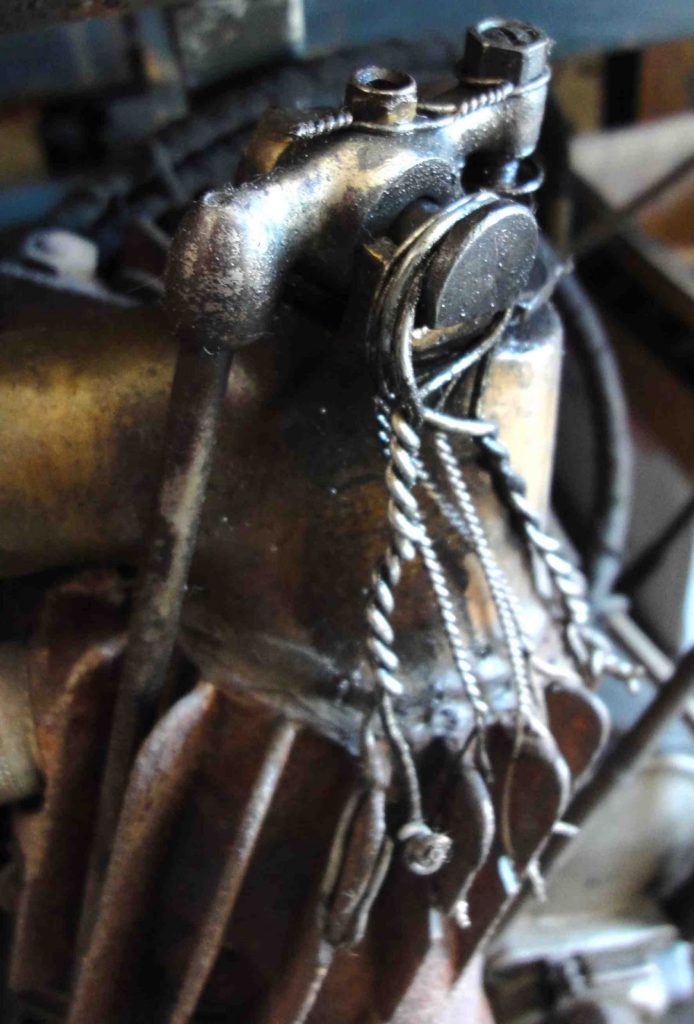
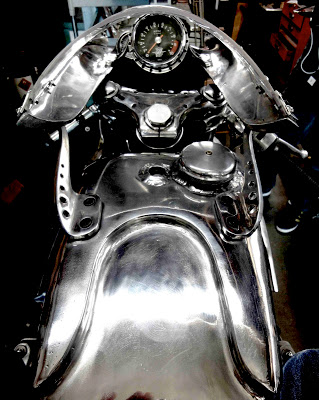
His working process is accretive and completely hands-on; Shinya makes no drawings, preferring to embrace a bike with distinctive lumps of aluminum, steel, brass, iron. A sculptor of motorcycles. While he has an 'English wheel', the usual tool for hand-forming smooth metal body panels, it's only used "twice a year, as I prefer to use a mallet to shape metal." As a result the tanks, seats, fairings, and beaten parts are clearly handmade, artisanal, with character on the surface - ripples, dings, asymmetries, tiny voids - exactly the sort of 'mistakes' a journeyman panel expert would avoid, but which on Shinya's machines are evidence of the maker's hand; a signature, a fingerprint.
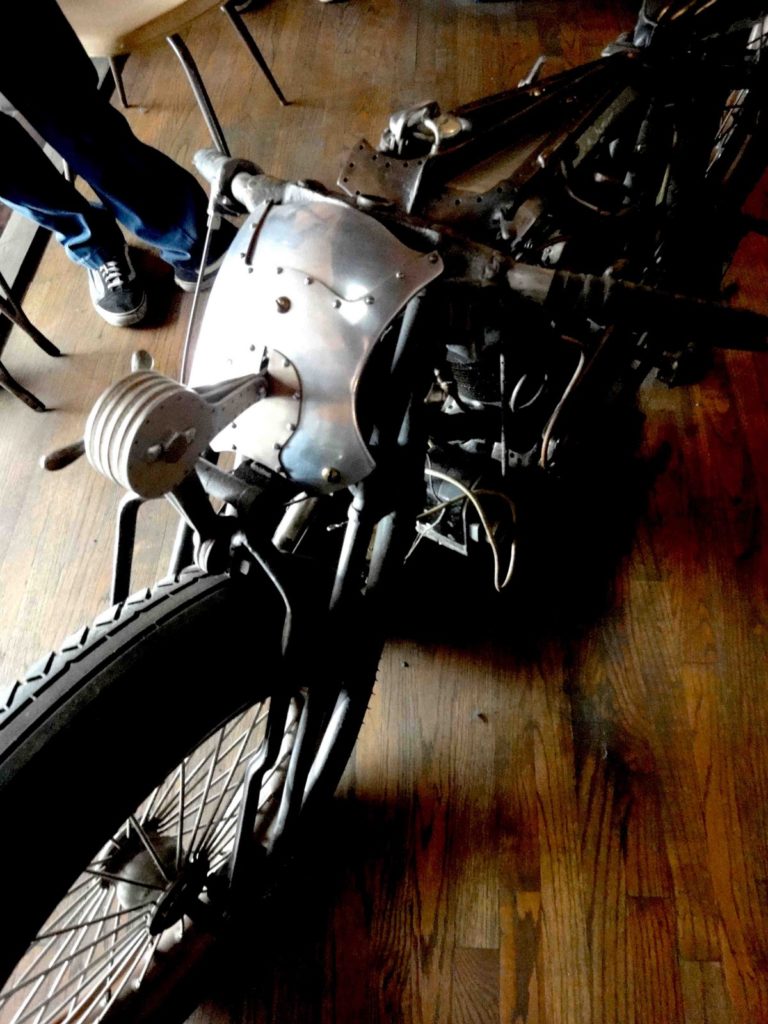
When he was 15, his first motorcycle was a Honda Cub, but it wasn't until his second motorcycle, a Suzuki OR50 two-stroke, that he began making changes, adding a larger tank from a DT1 and smaller seat, plus low handlebars for a café racer look. He wasn't able to move the footpegs; an awkward riding position was the result. He kept making changes over the years to his motorcycles, eventually founding Zero Engineering in Japan, where he customized around 300 Harley Davidsons with a very distinctive look.
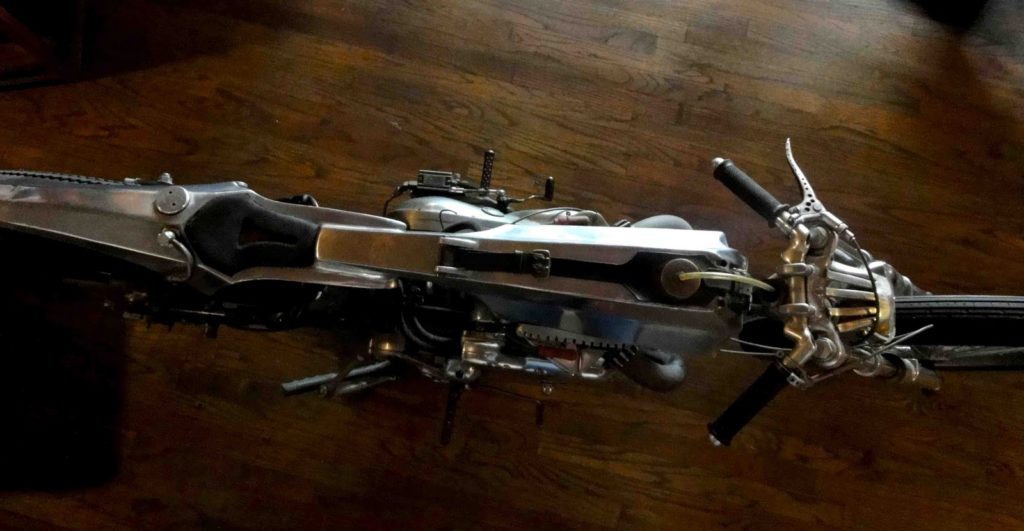
Wishing to branch further into his art, and work with other kinds of motorcycles, he moved to Southern California and founded Chabott Engineering, where the shop is minded by his partner, Ayu. He hoped his move "would make me more accessible to people, as it can be difficult to communicate with Japanese businesses from America and Europe. Now about 60% of my customers are American, the rest in Europe and Japan. The client is very important to me, as there would be no bike without them; I don't make bikes for myself."
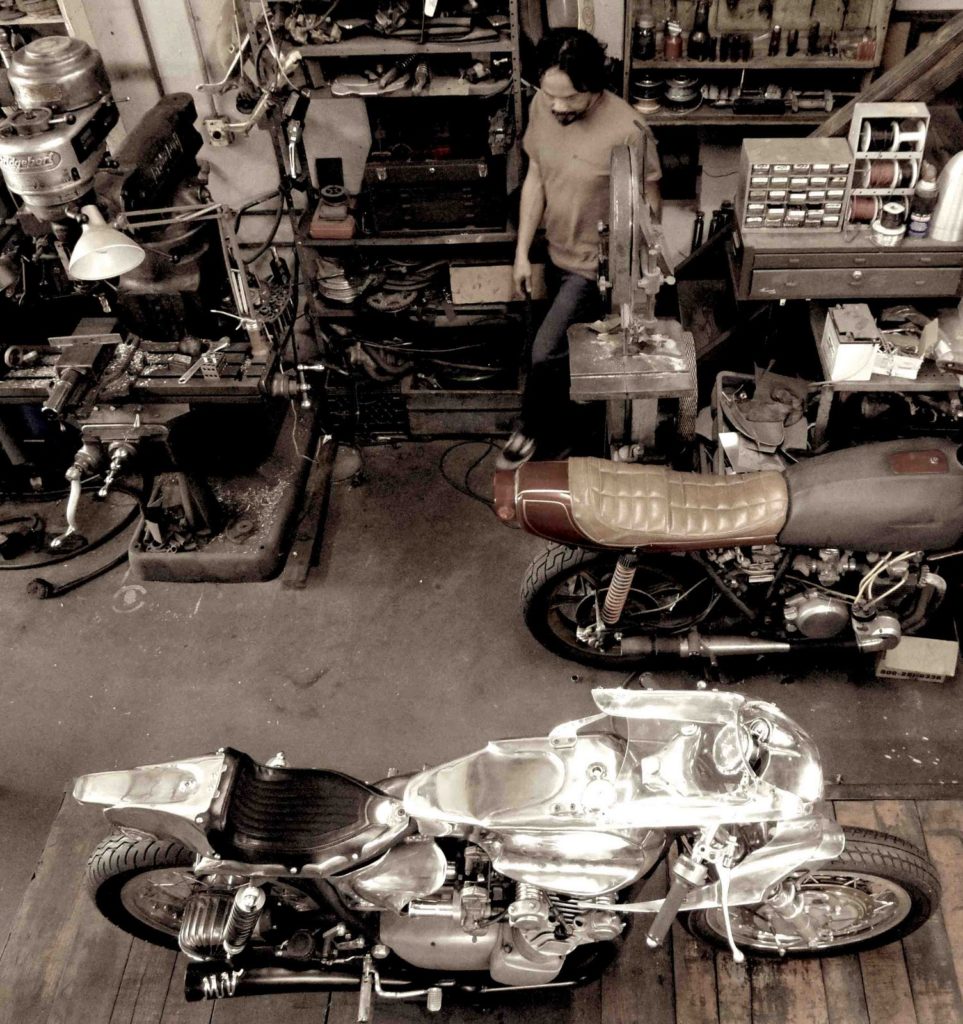
Shinya interviews those who commission his machines, finding what music they enjoy, what they wear, what they eat, but takes no input regarding the direction of his labor. After finding a donor motorcycle and necessary parts, he may ask a client if the particular marque is an acceptable base for their machine, as happened when a friend offered Shinya an MV Agusta 750 to modify. Would that I could have been on the other end of that phone call - 'I have a four-cylinder MV - can I make you a bike from this?' Mind boggling.
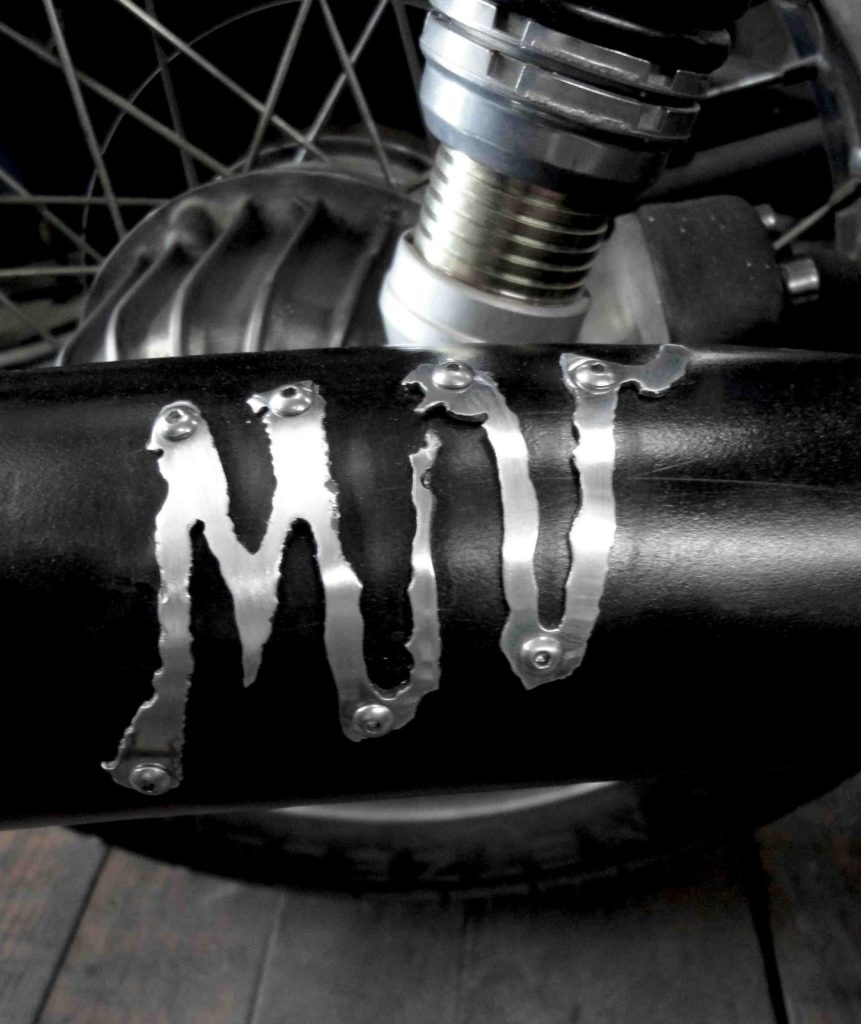
Of his working process, Shinya says, "I don't always know what the bike will look like; I don't imagine the finished design when I begin. I would get bored if I knew what I was going to make. Every time I'm surprised..."
Sale of a 1909 Curtiss V-twin
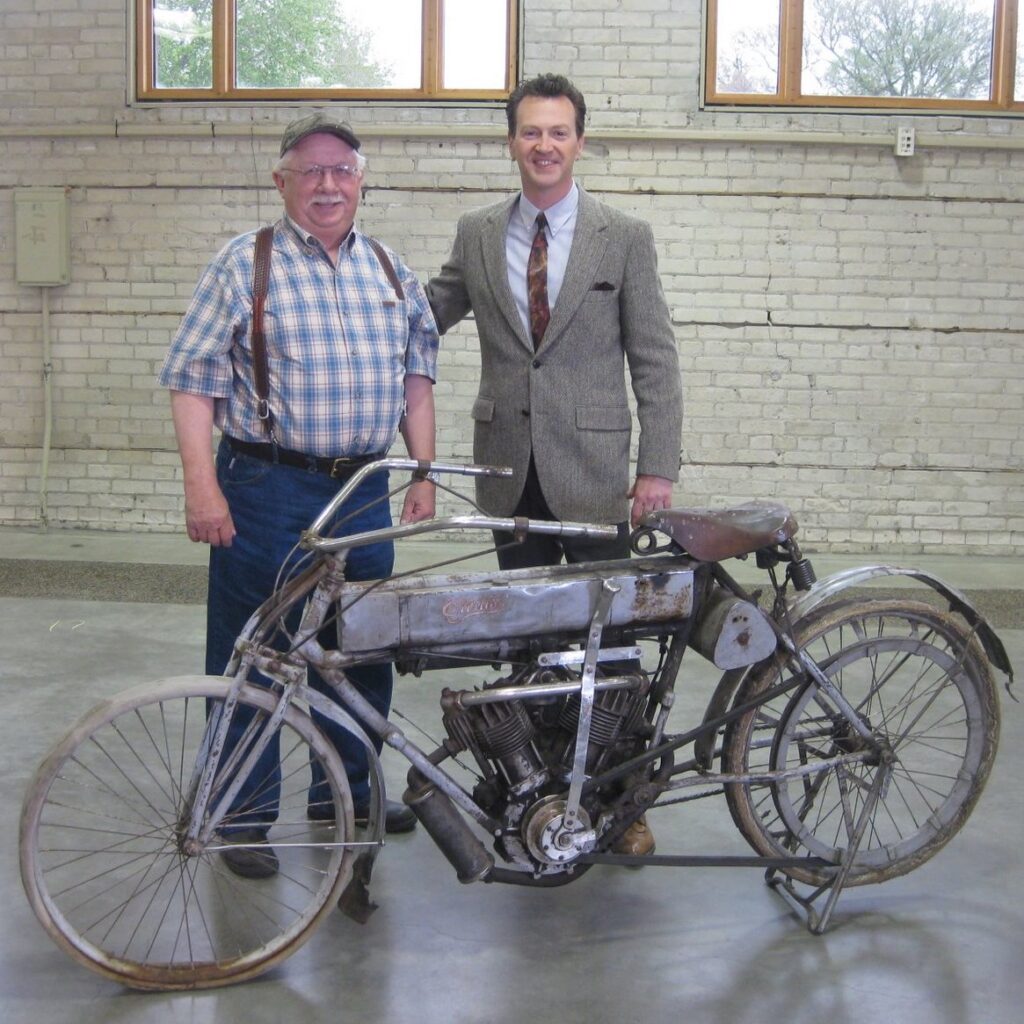
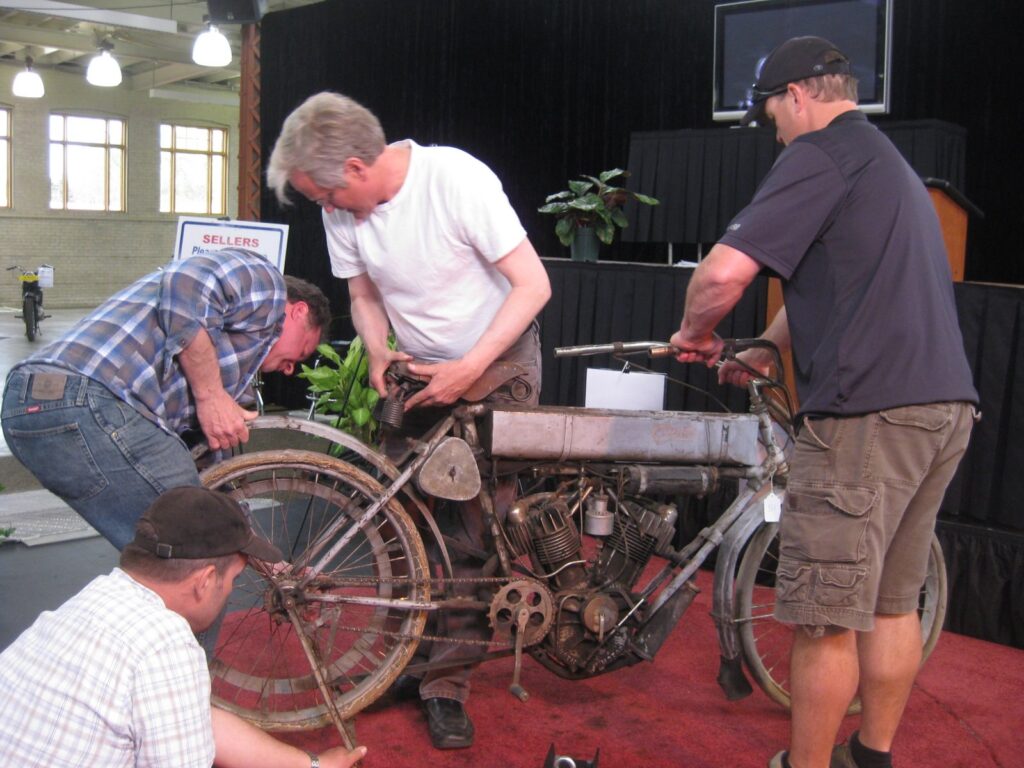
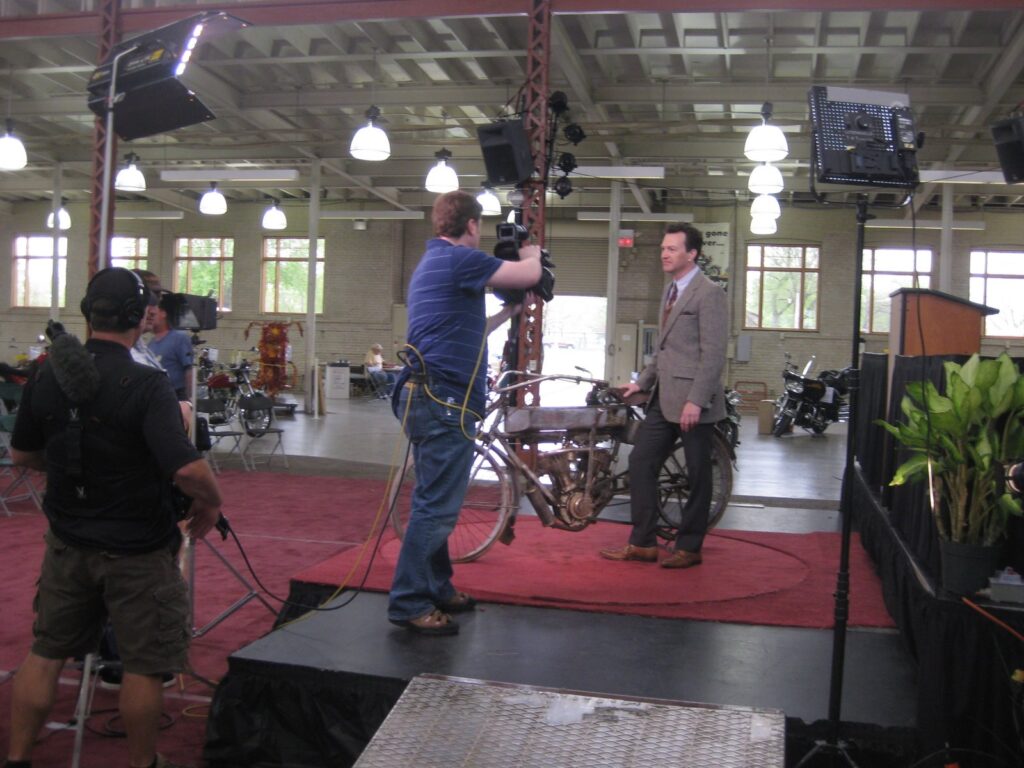
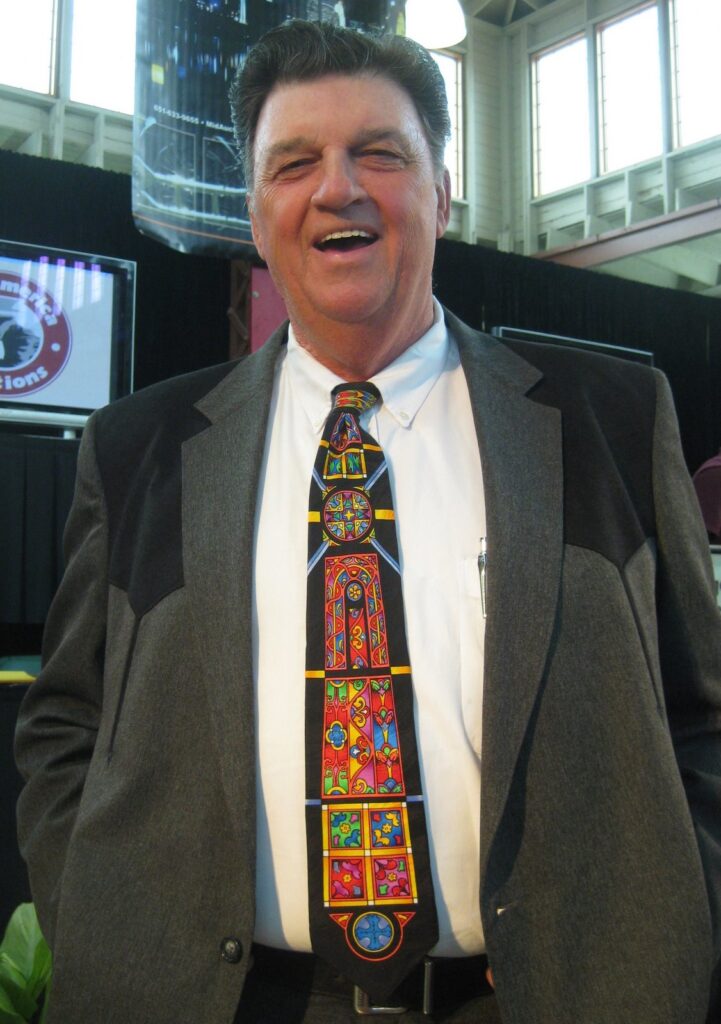
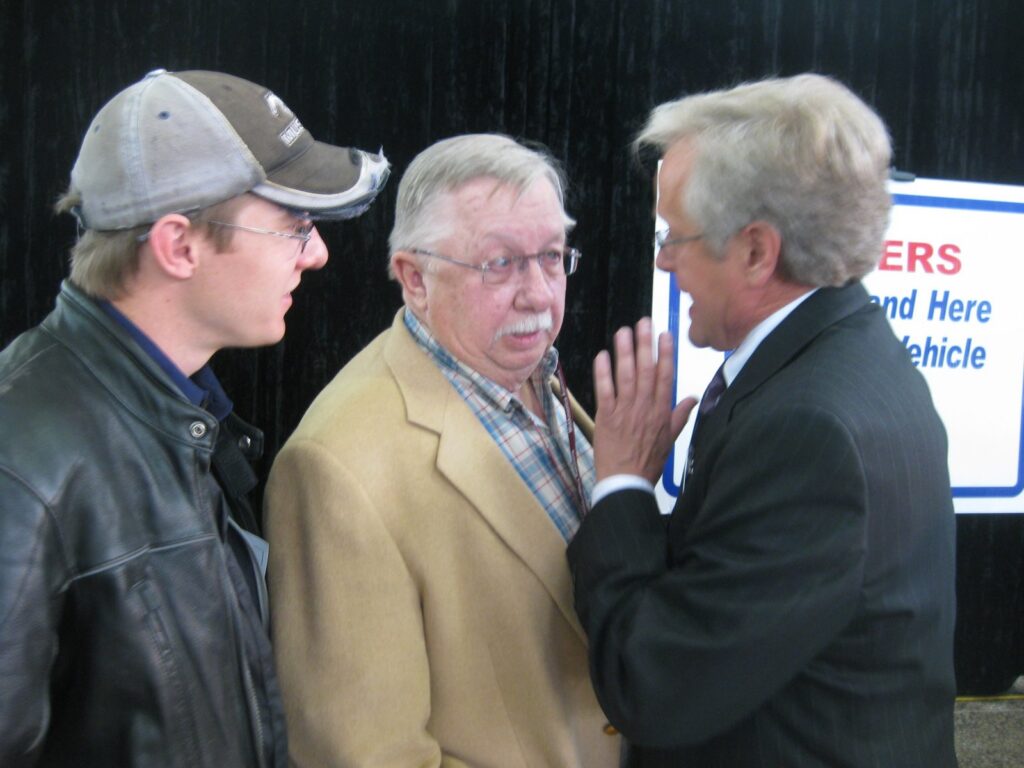
Nilus (and where did this name come from?), claimed owner of a 'barn find' 1909 Curtiss, was straight out of Central Casting; the director of our TV project had joked the night prior that it would be best if the owner of the Curtiss showed up in suspenders, and Nilus obliged, being a quintessential Iowa farmer. The family homestead, and that’s literally what it was, had been left behind in North Dakota many years ago, but family members still live on the property. That original building was described as having been of rough construction, as when the family arrived in the 1800s, North Dakota was still a very rough and basic territory – Nilus mentioned that regular electricity only arrived in the 1950’s! Thus, his Uncle Tom, the original owner of the Curtiss, would have been left basically to his own devices regarding maintenance and repairs to his motorcycle. During its 8 years of active duty, quite a few miles went under those tires, and the motorcycle certainly showed a hard life; both fenders having been repaired multiple times with rivets and patches, and the petrol tank having plenty of dents for character. The grey/white paint was still in good shape though, with a lot of chips from rocks and spills. Spills aplenty there must have been, as the first paved road in North Dakota came many decades after the Curtiss was laid up.
Book Review: 'Illustrated History of the Shickel Motorcycle'
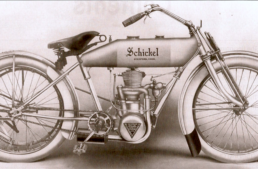
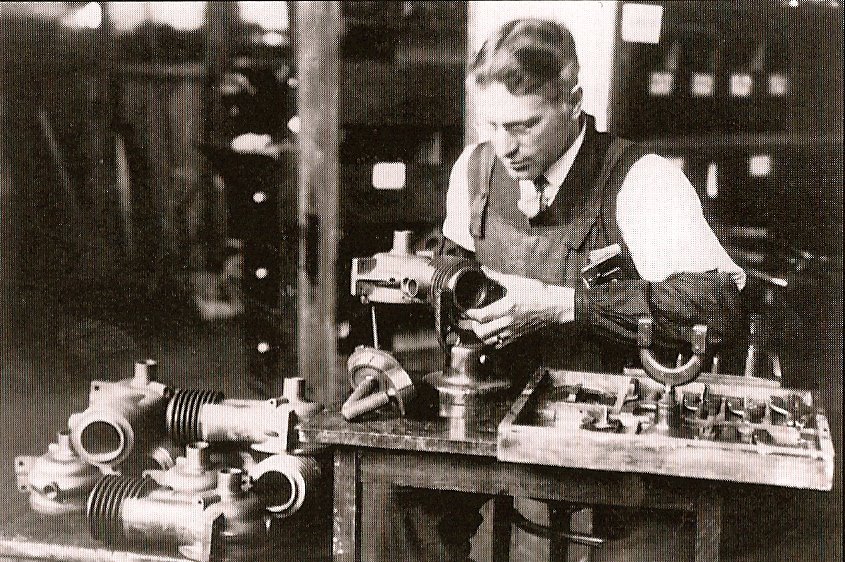
I will confess to never having heard of the Schickel before finding the marque history for the company, written by the grandson of the founder, Ken Anderson. His book is 'The Illustrated History of the Schickel Motorcycle, 1911-1924; The First 2-Cycle Built In America' (Two Cycle Press, 2008), and thankfully his family has preserved a great archive of photographs, patent documents, and various motorcycles and parts, with which Ken was able to compile this most interesting history.
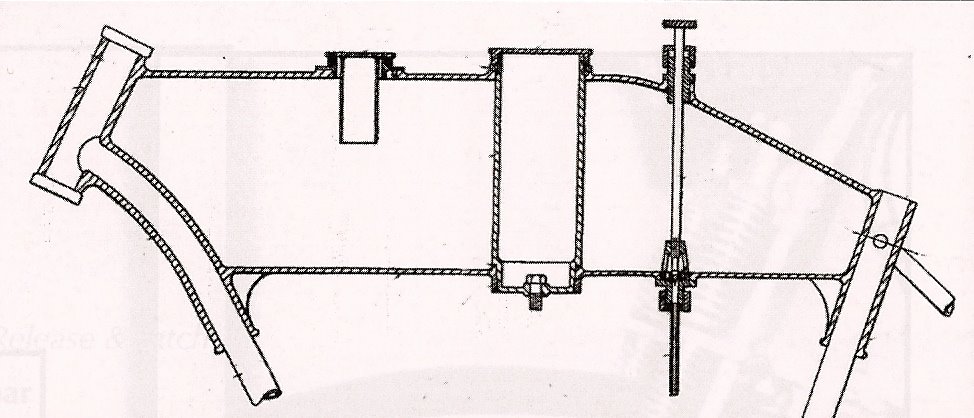
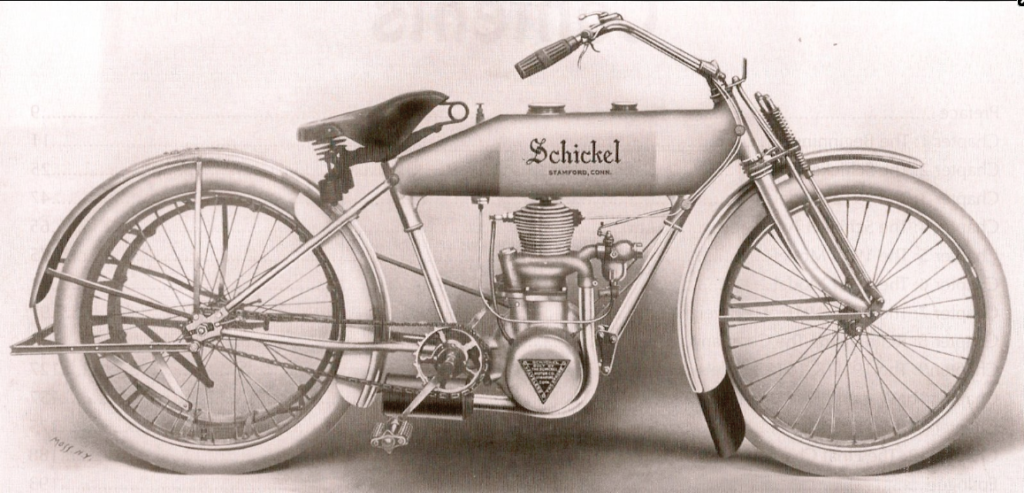
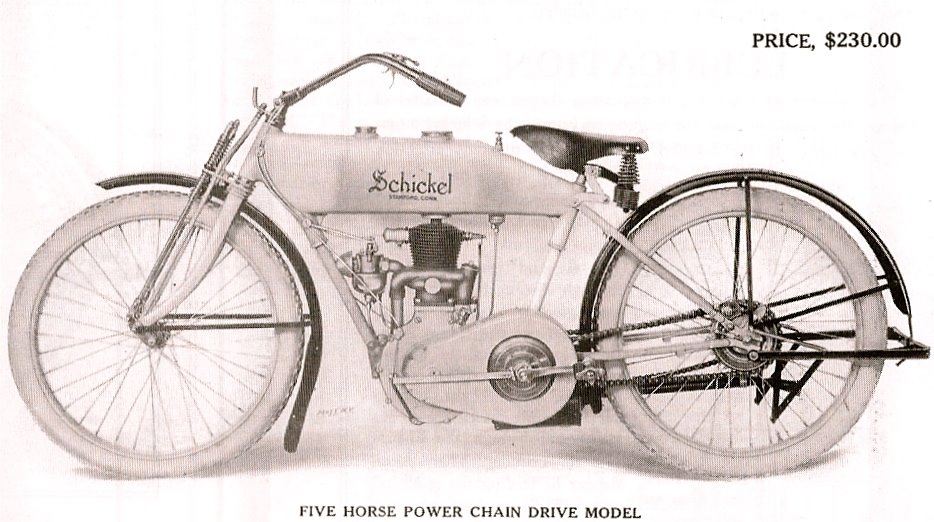
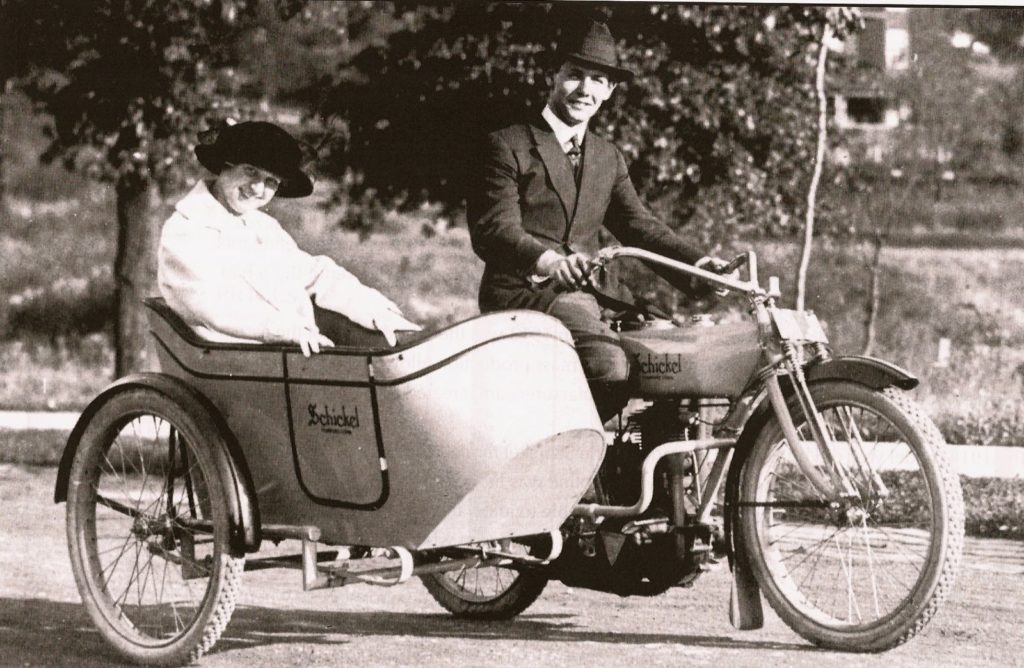
In 1915, the company also introduced a motorized bicycle attachment (stinkwheel!) called the 'Resto Bike-Motor', for $25, utilizing the same engine, which could be attached to any bicycle.
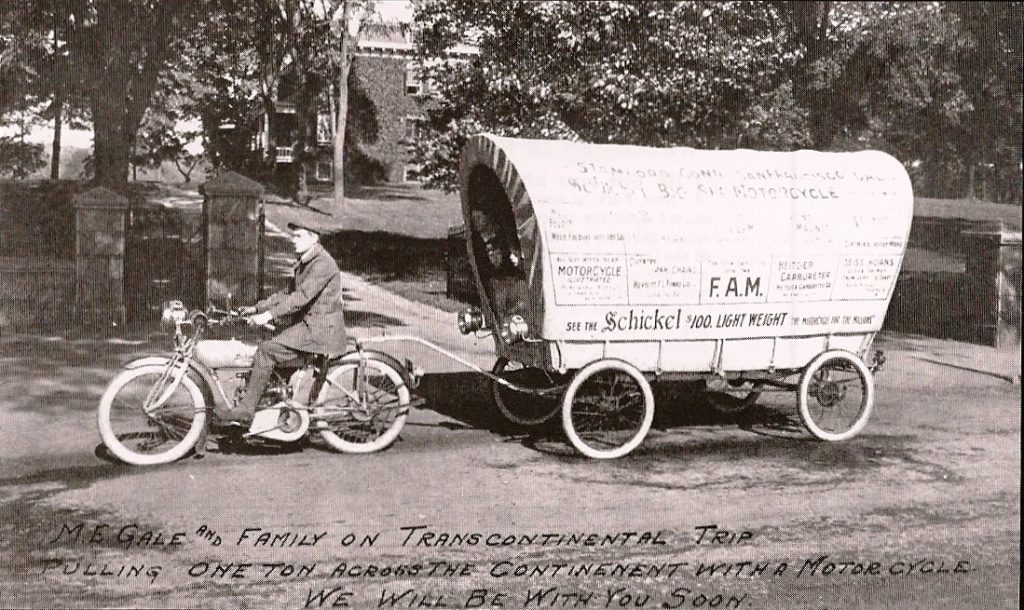
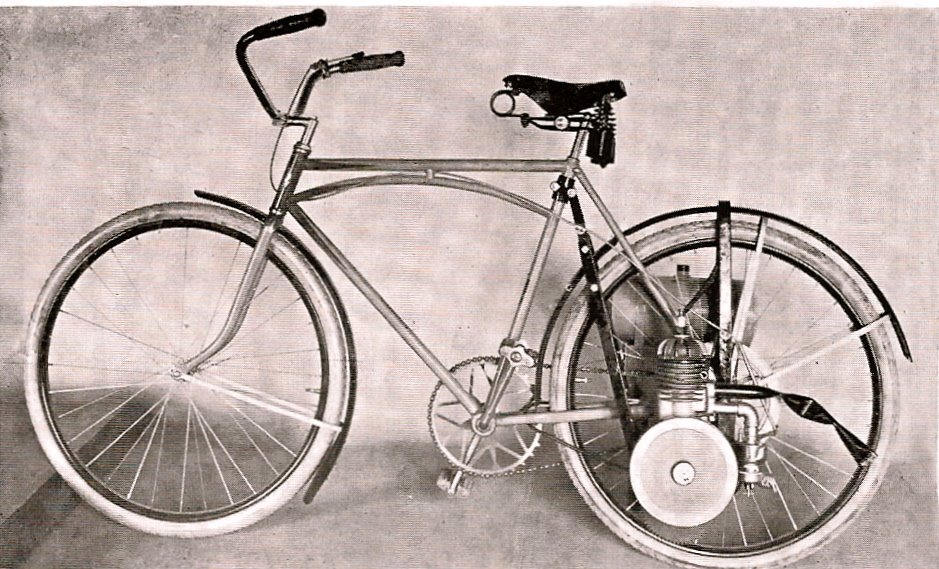
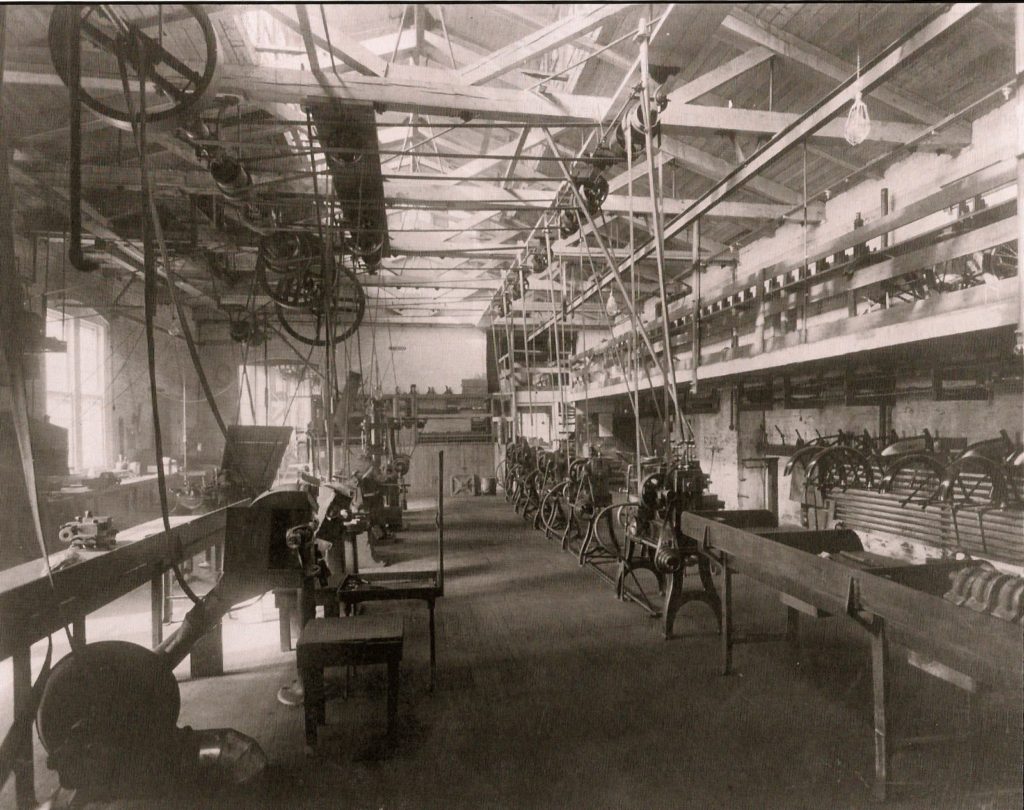
The 'Illustrated History of the Shickel Motorcycle' is available directly from Ken Anderson, and can be ordered here.
Eugene Ziegler - The Kitchen Master
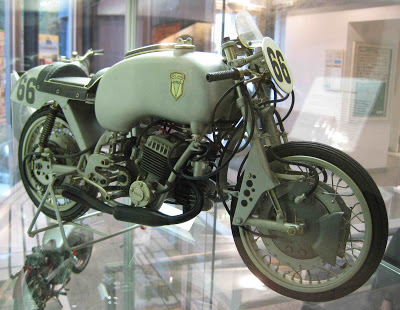
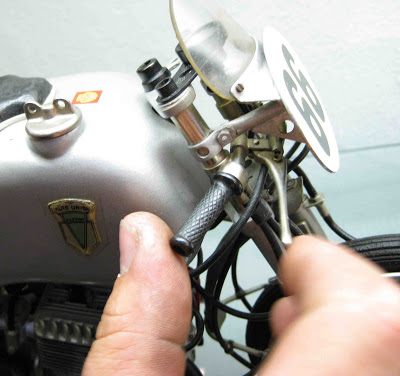
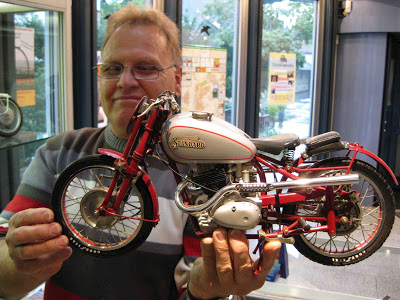
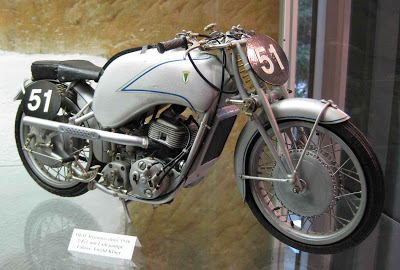
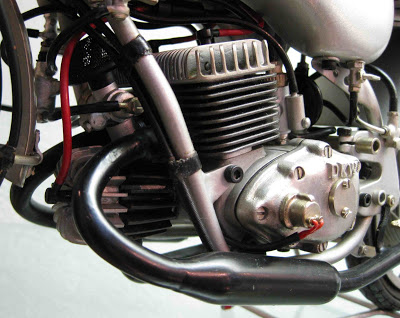
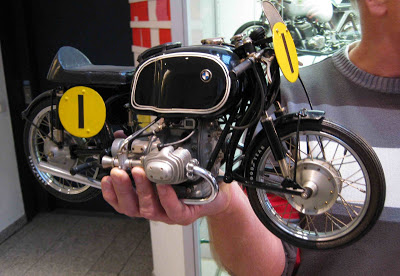
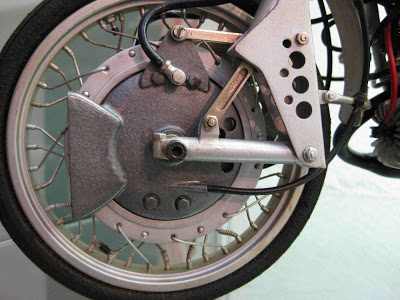
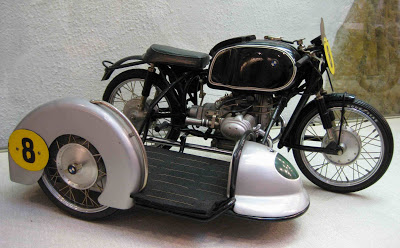
These incredible models were built in Germany by Eugene Ziegler, who worked nightly on the machines in his kitchen, often with his wife's help. He used period technical drawings to create accurate 1:4.5 scale models, built entirely from scratch. They are prominently housed in the Deutsches Zweirad Museum (Neckarsulm); if you visit, the large glass case housing these gems is the first display one sees on entering the museum.
The Blue Box
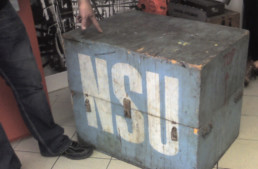
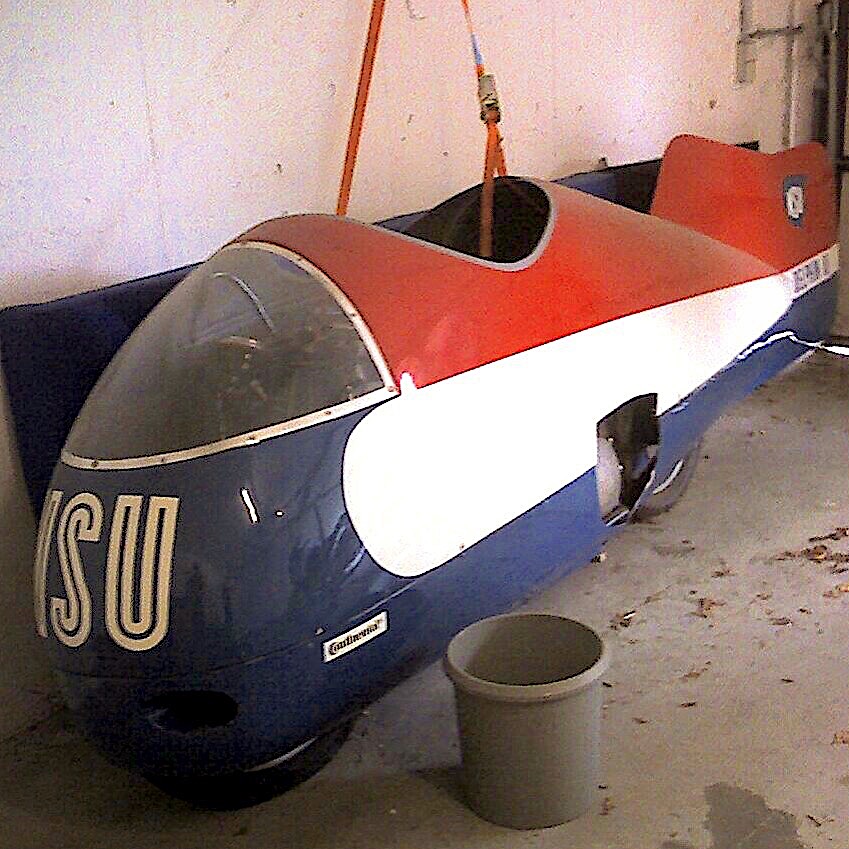
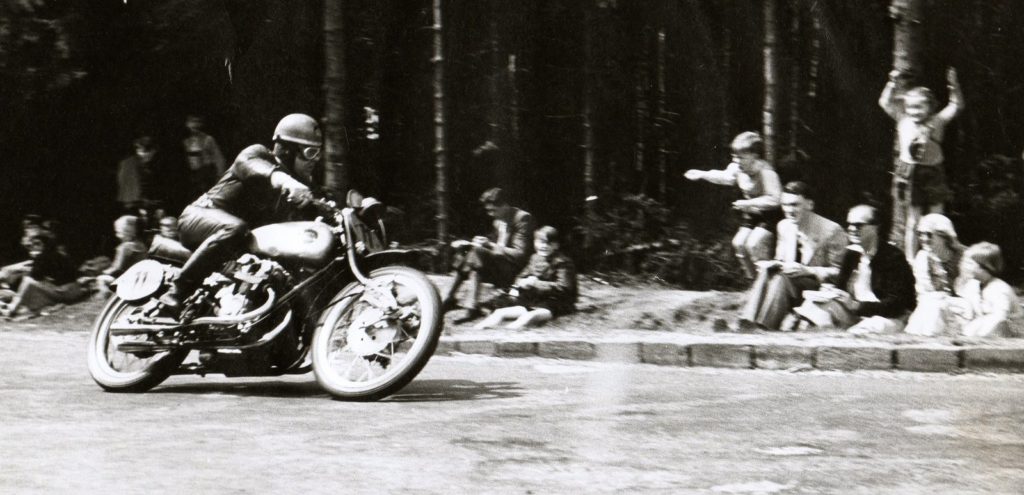
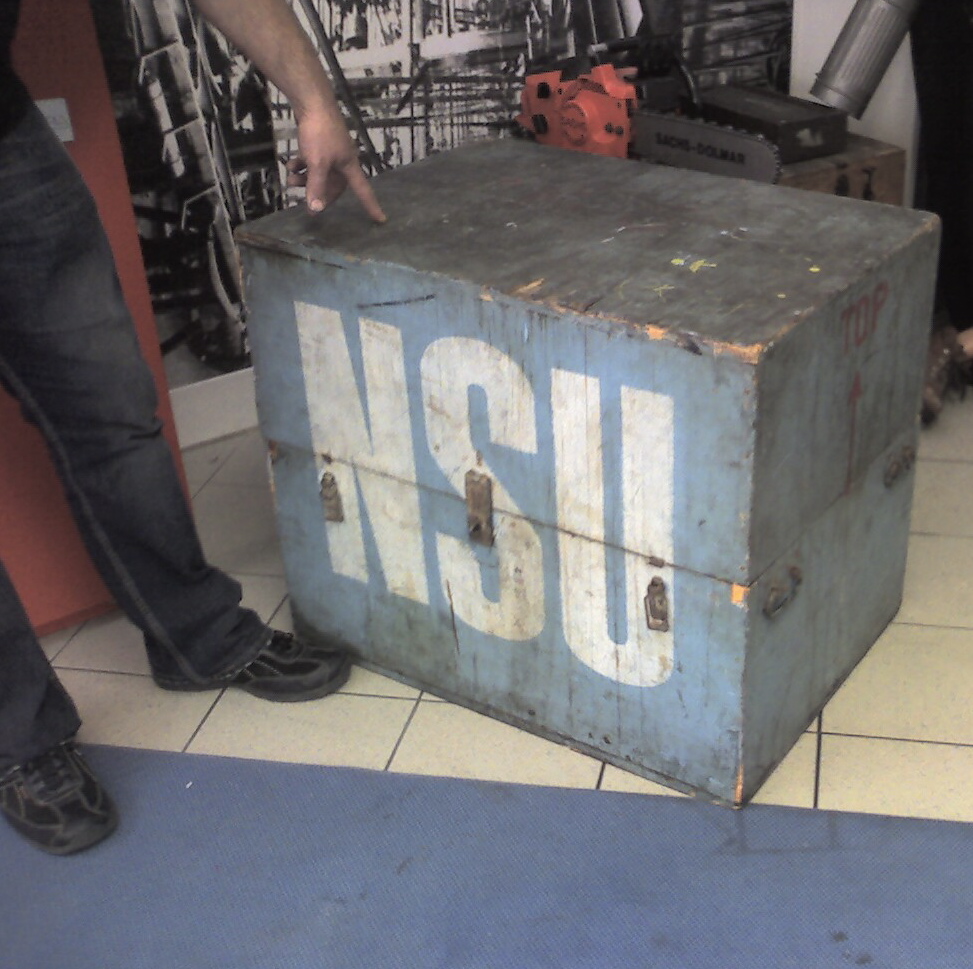
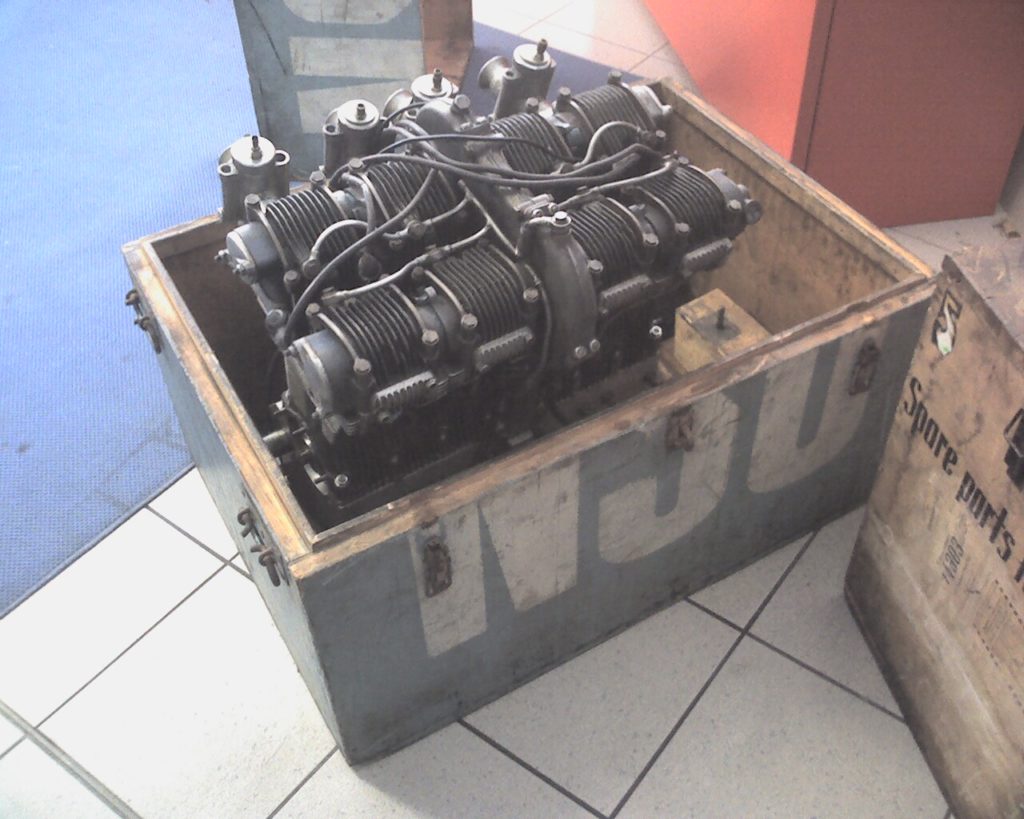
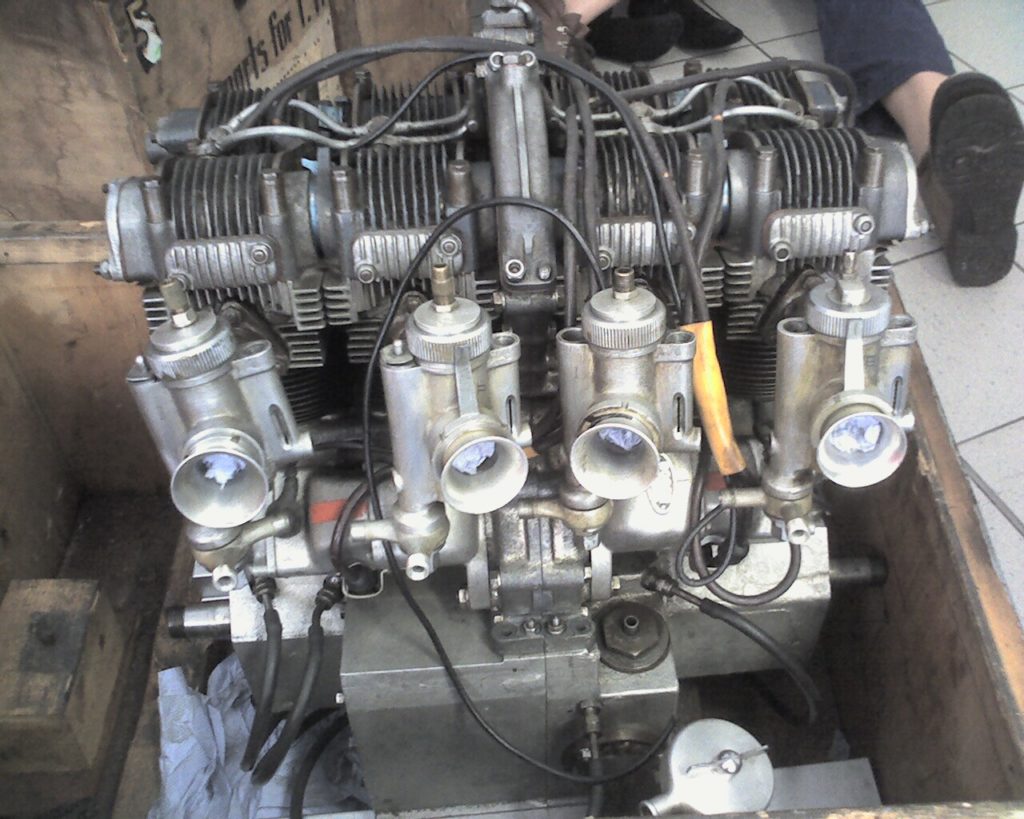
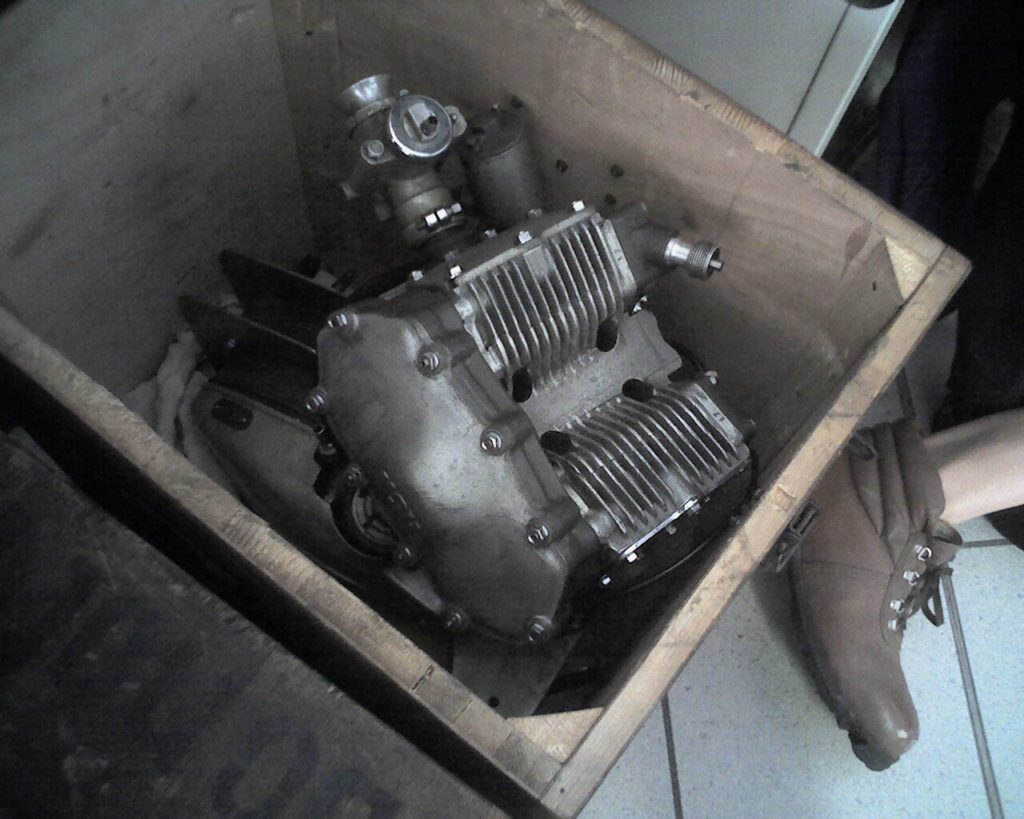
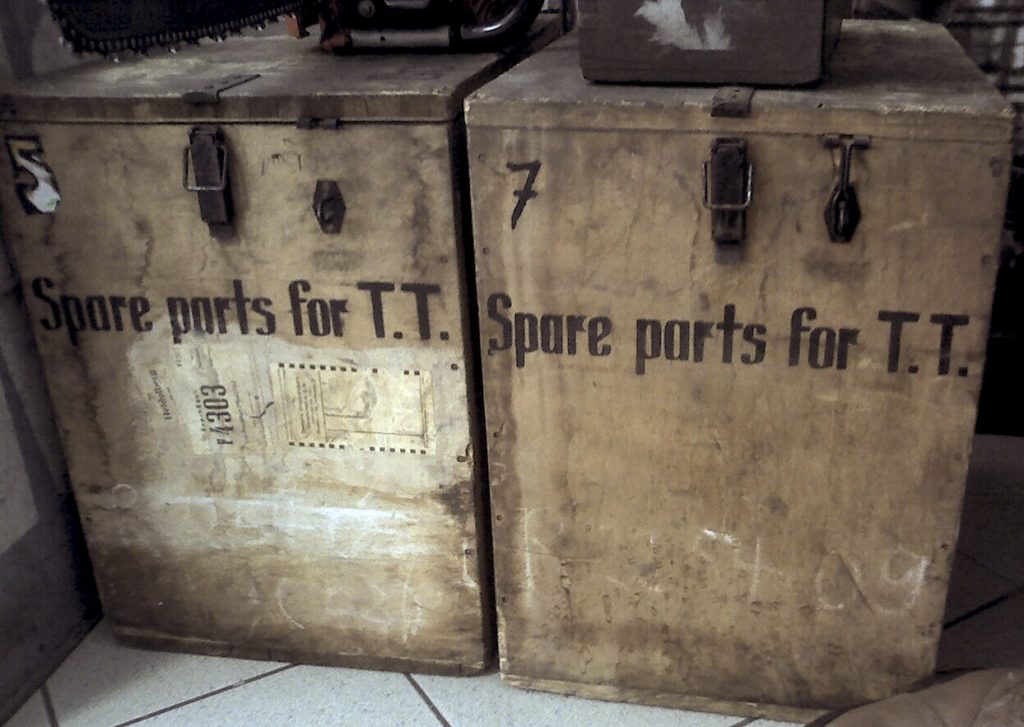
On being granted a private tour of the NSU collection of the Audi Museum, I asked, 'What collection?' In 2009, Audi only exhibited DKW and Wanderer motorcycles in its museum, as these companies were two of the 'four rings' of the Auto Union logo: Audi, Wanderer, Horch, and DKW, who banded together in 1932, during the Depression, as a survival strategy. The four rings logo is now Audi's alone, after Volkswagen purchased Auto Union in 1964, and set about its own re-branding over the years. NSU was merged into VW/Auto Union in 1969, and its designs and research absorbed into group, with NSU effectively disappearing. The purchase of NSU included a considerable stock of the brand's history, including most of their amazing Grand Prix racers, including the all-dominant Rennmax twins that took the World Championship three years in a row from 1952-54 in the 250cc class, and two years in the 125cc class. Even after NSU quit the Grand Prix scene for the 1955 season, and NSU still won the 250cc World Championship, as HP 'Happy' Müller took a private NSU Sportmax production racer to glory - the first privateer to win a World Championship.

Rocket Cycles! Part 2: Archibald Low
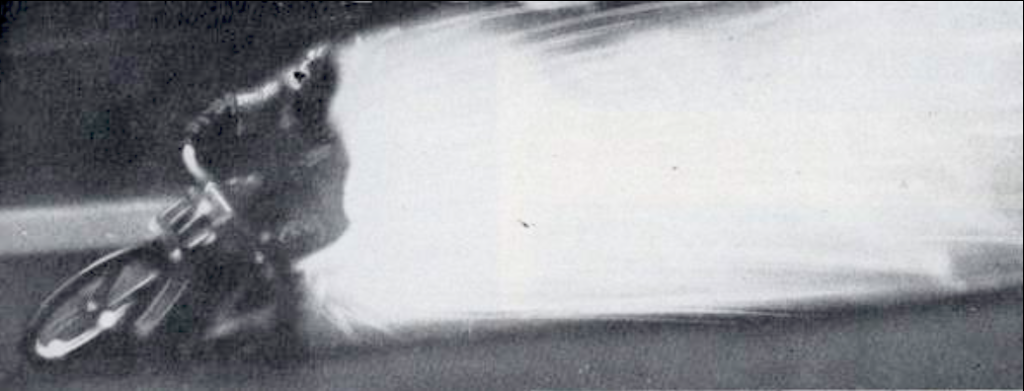
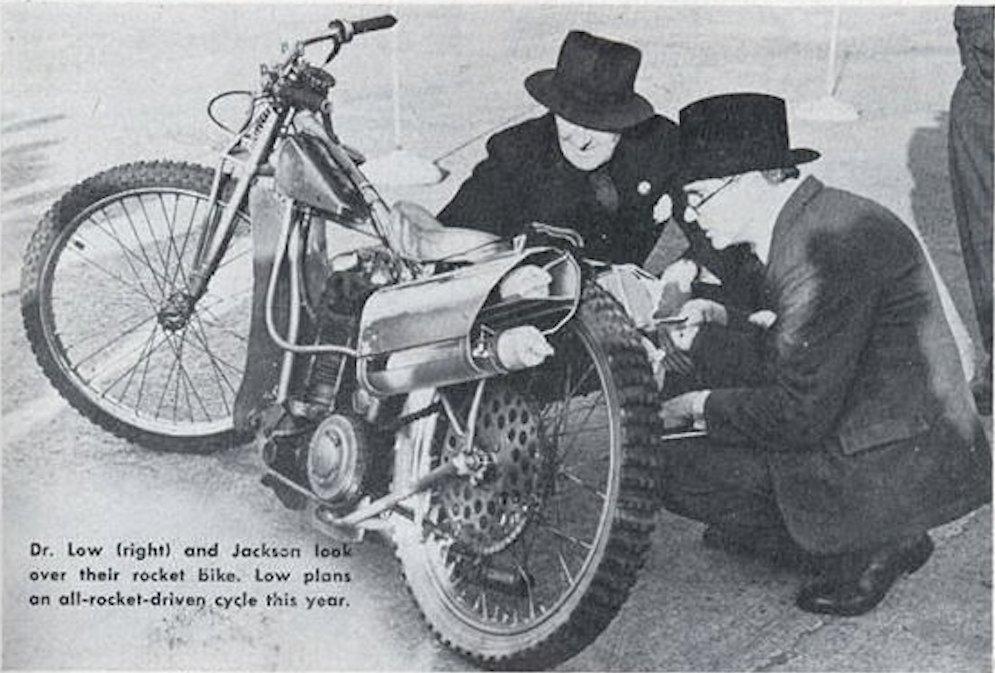
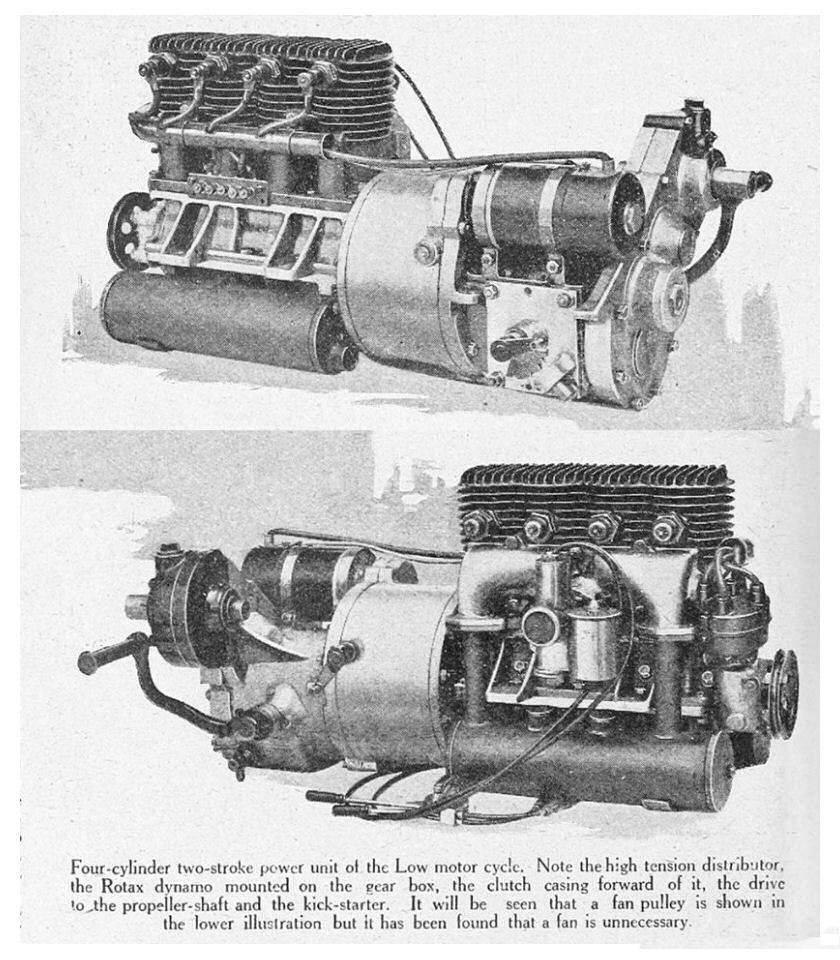
Record-breaking, while a logical use of a rocket-assisted motorcycle, isn't the only possible venue. In 1947 'Professor' Archibald M. Low thought speedway racing in England could use a little boost, and arranged a demonstration at Wembley track, with 90,000 people watching. British motorcycle racer Bill Kitchen was protected by a steel shield over the top of the rocket bodies; the speedway JAP motorcycle used four solid-core rockets, angled downwards (to prevent lift-off, no doubt). Kitchen used switches on the handlebars to ignite the candles, and said 'acceleration was absolutely terrific' when the rockets lit off.
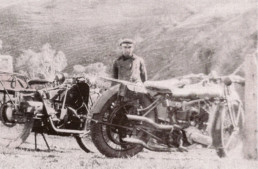
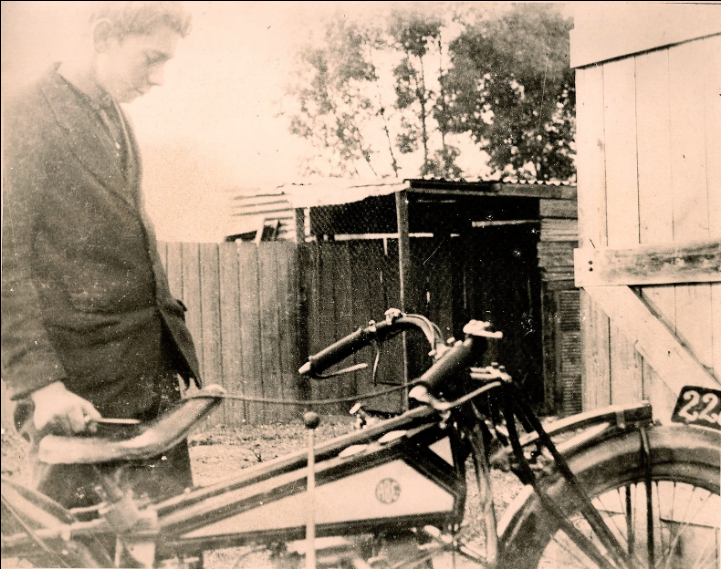
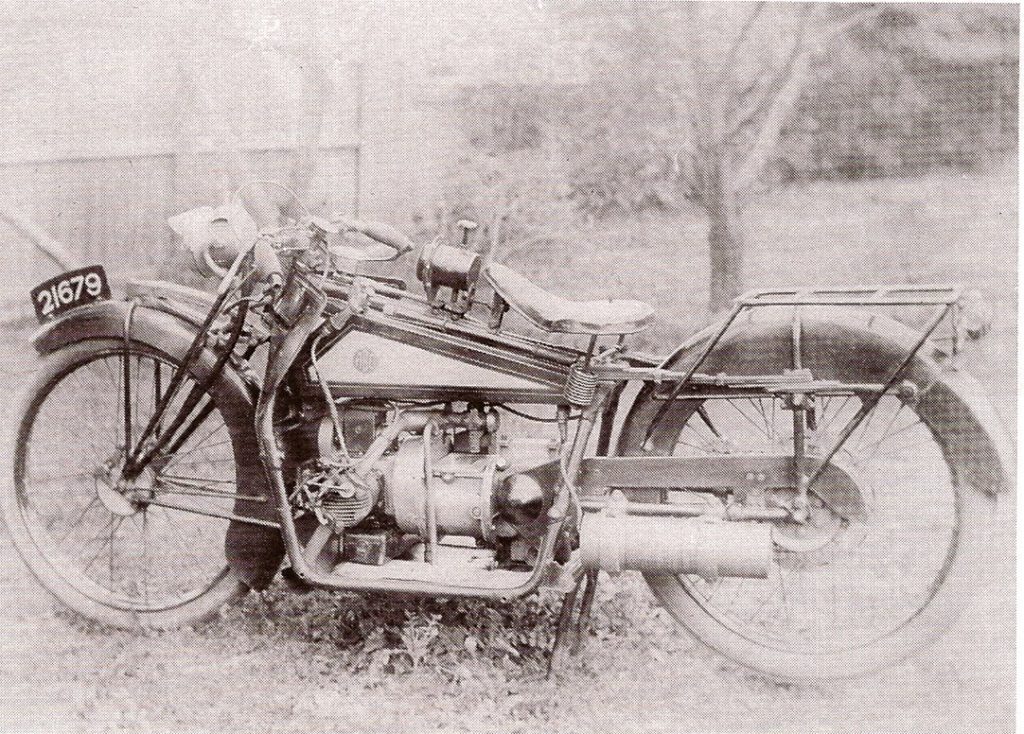
Harry Beanham's Outback ABCs
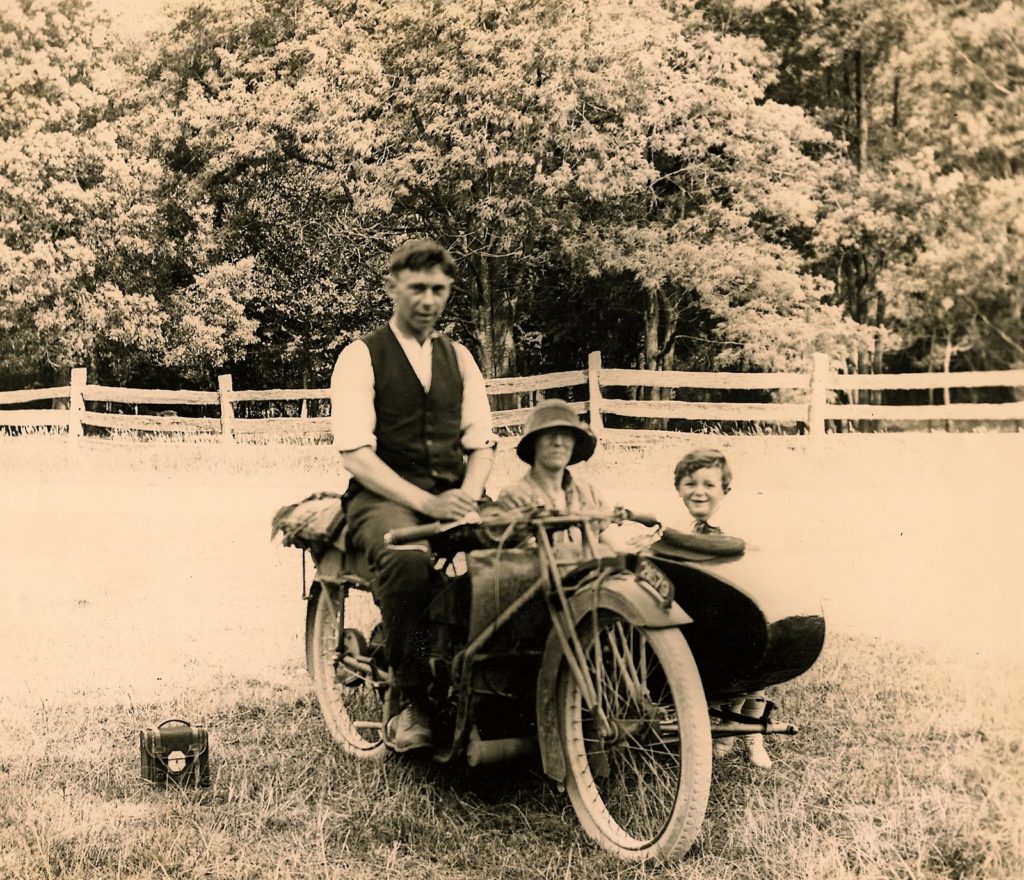
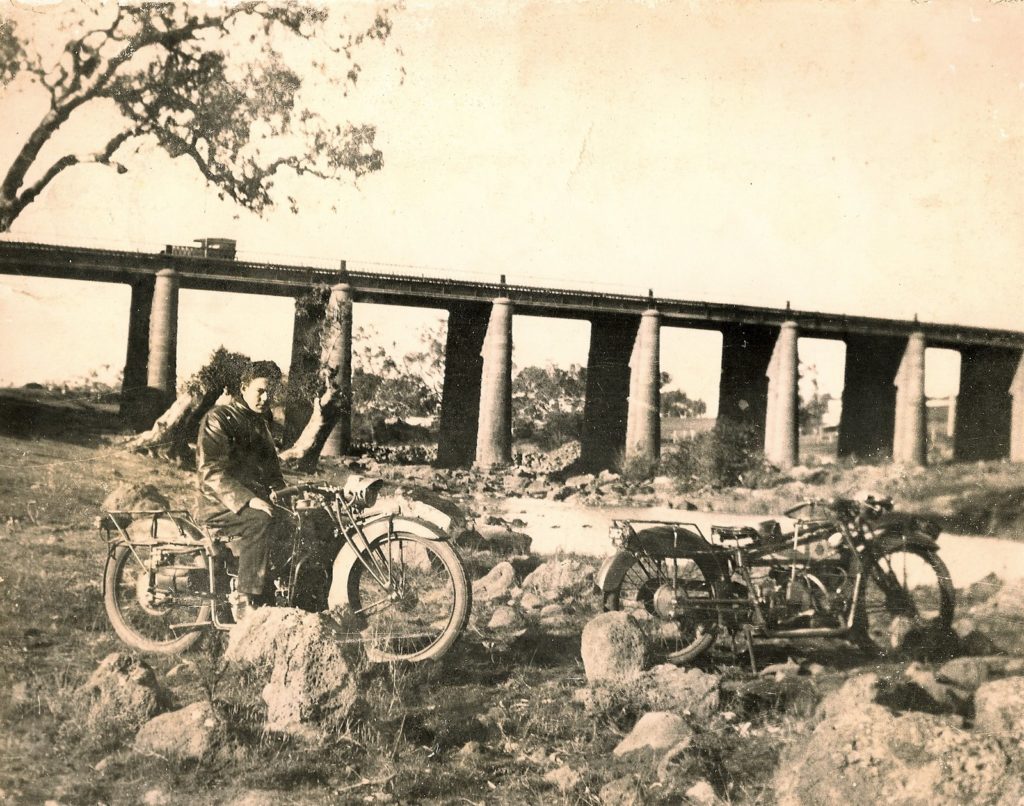
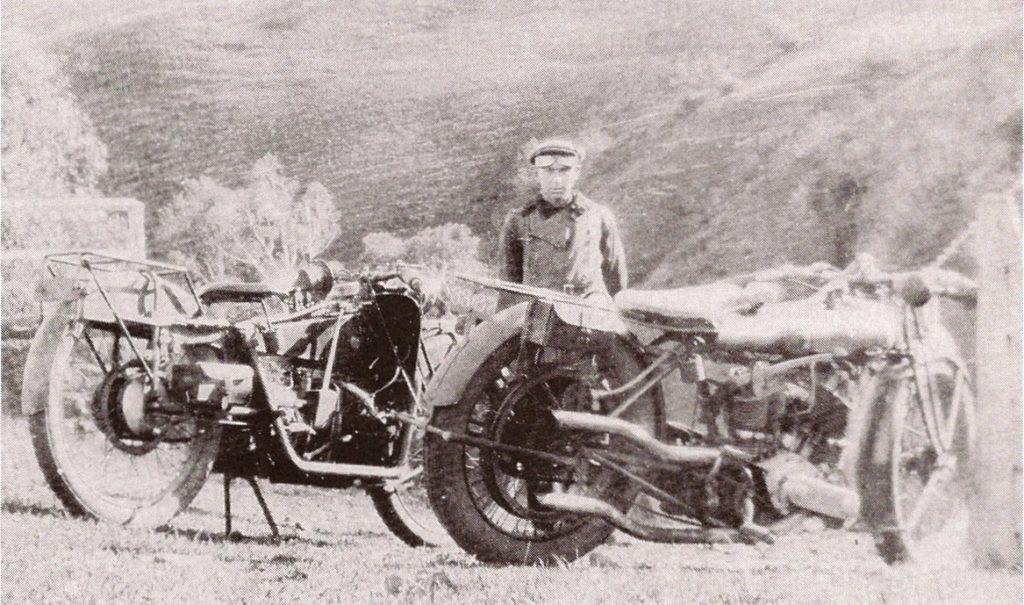
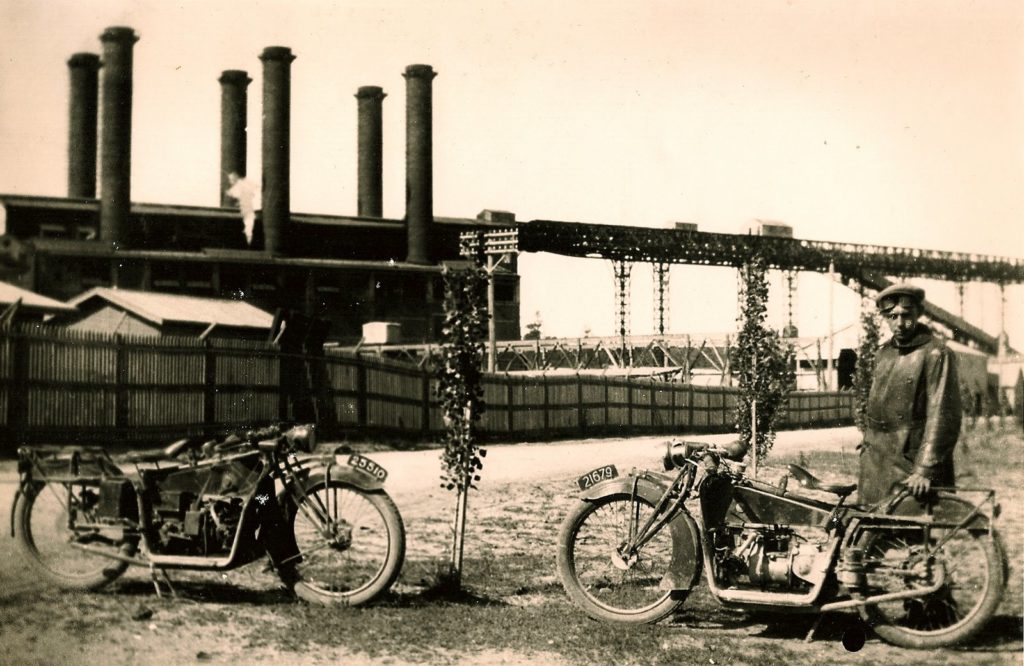
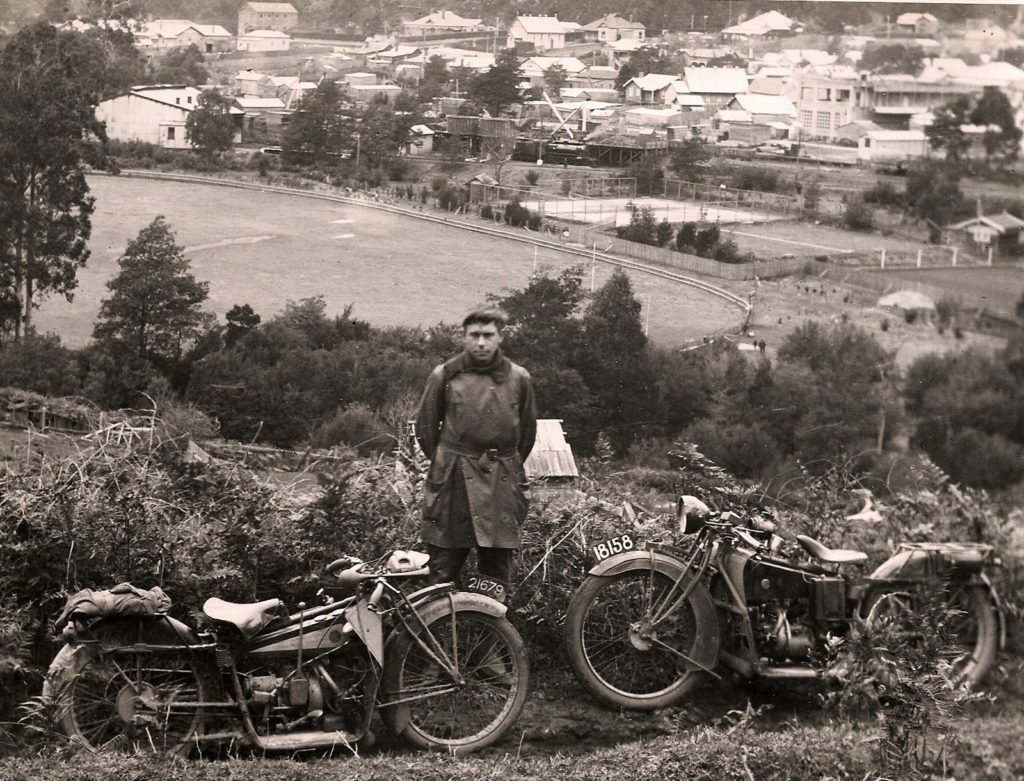
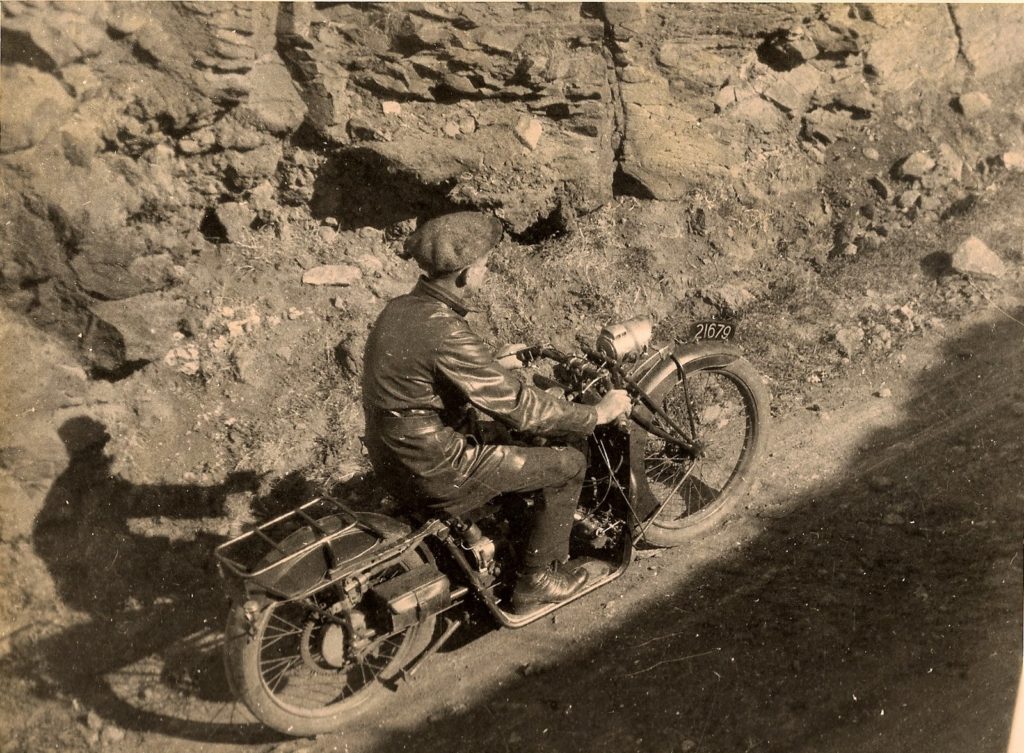
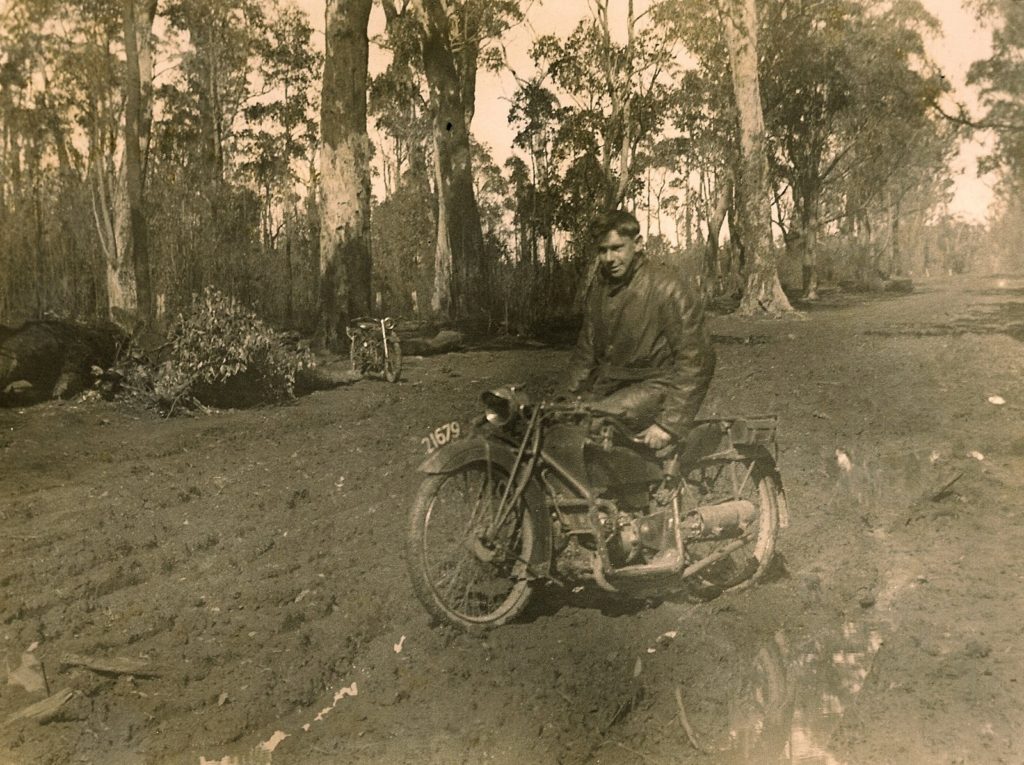
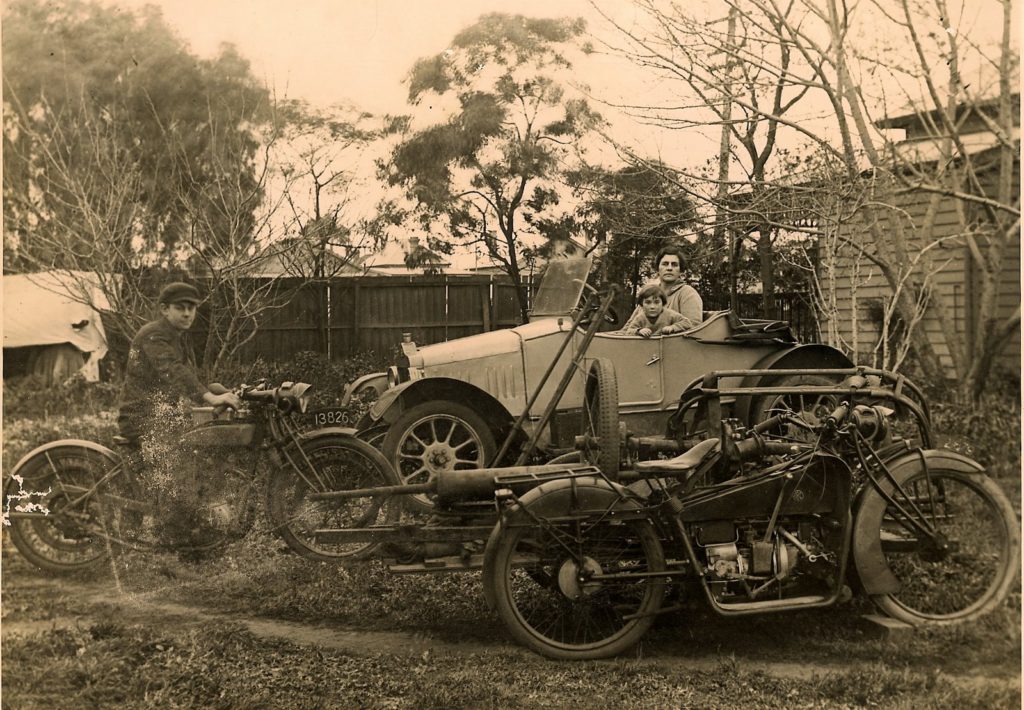
About 10 years ago, I was offered a collection of photographs, totally out of the blue, by a rare books dealer in Australia. I knew nothing about the photos, or the photographer, other than the set contained shots from the 1920s onwards, of a variety of machines, ranging from ABC and Brough Superior to Velocette, all taken by one Harry Beanham. In later years I came to know a bit about this man who lived in Sydney; his quirky ways, his motorcycles, and his undying love of Velocette LEs.
Mod VS Rockers Ride, San Francisco
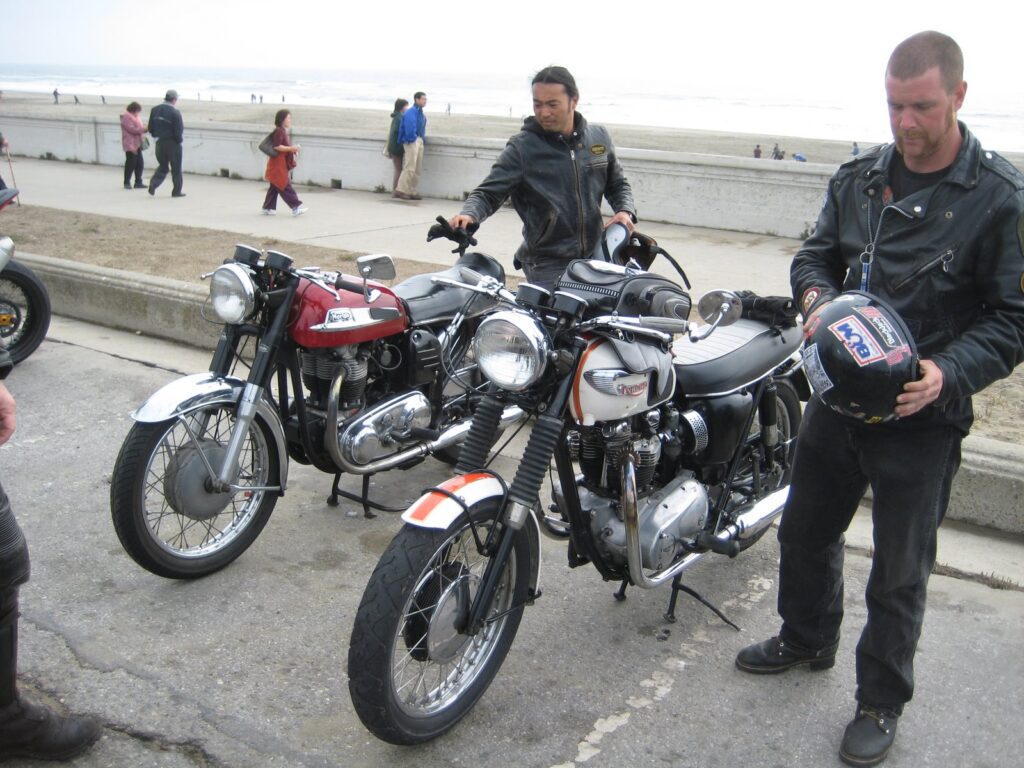
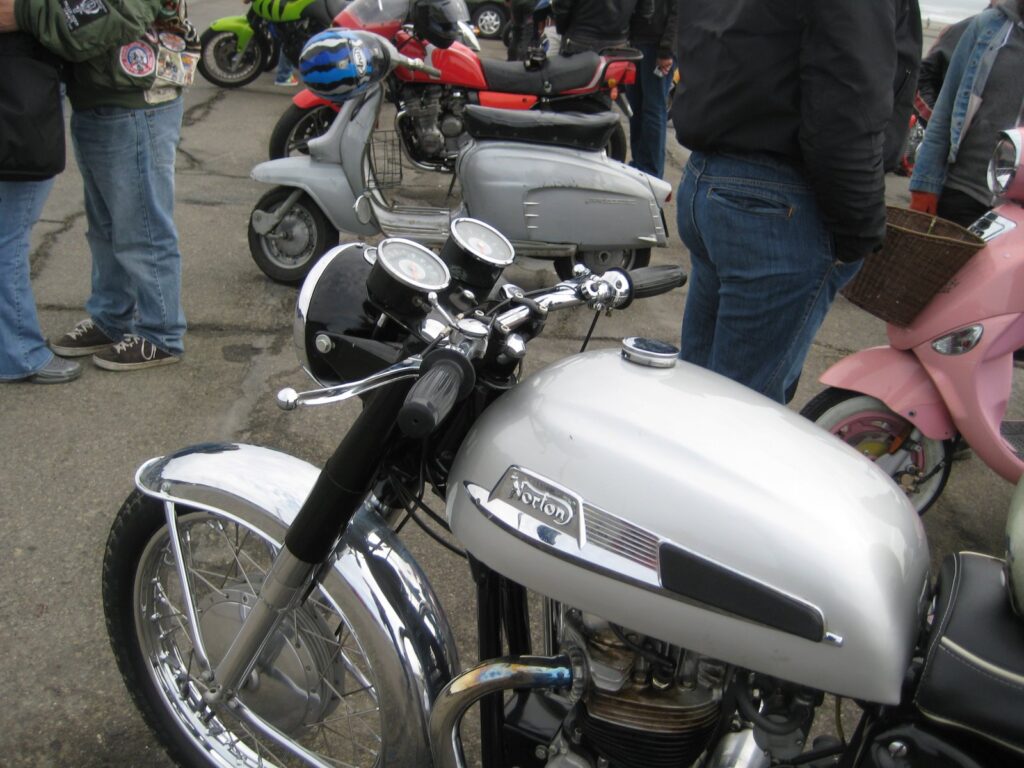
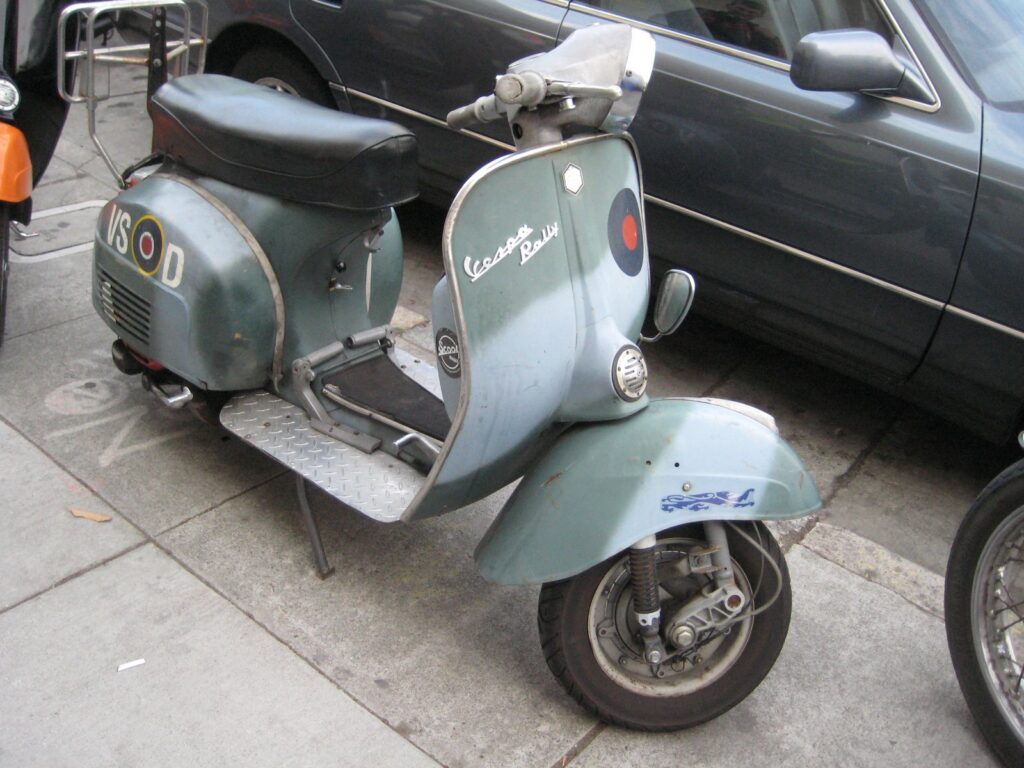
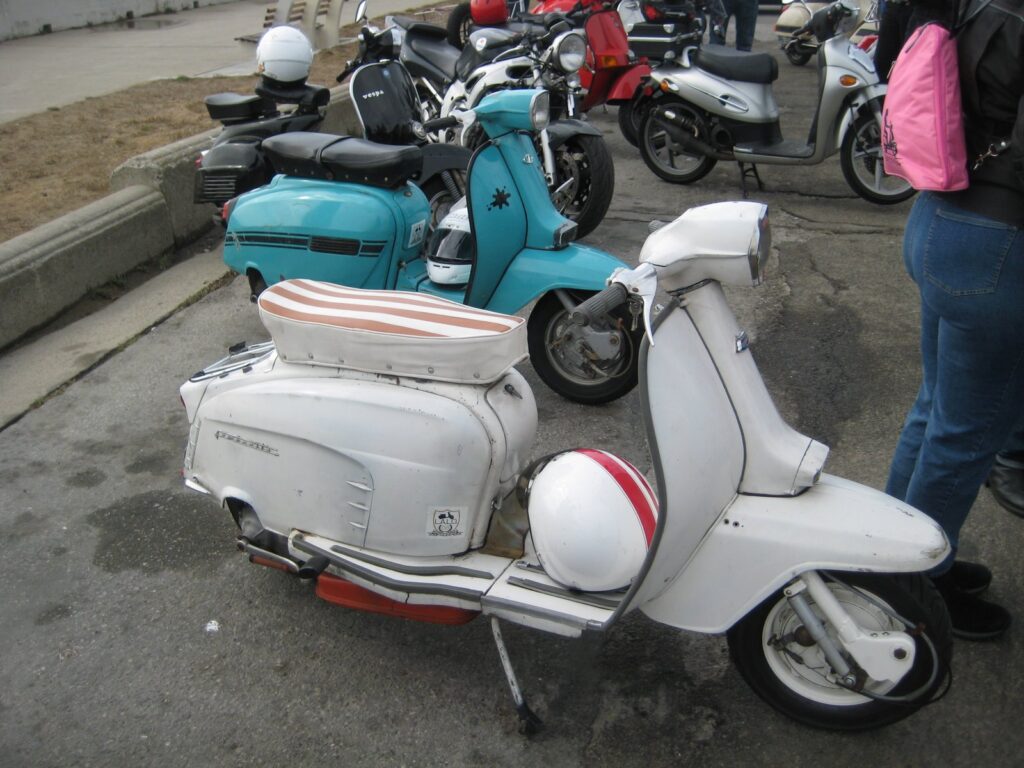
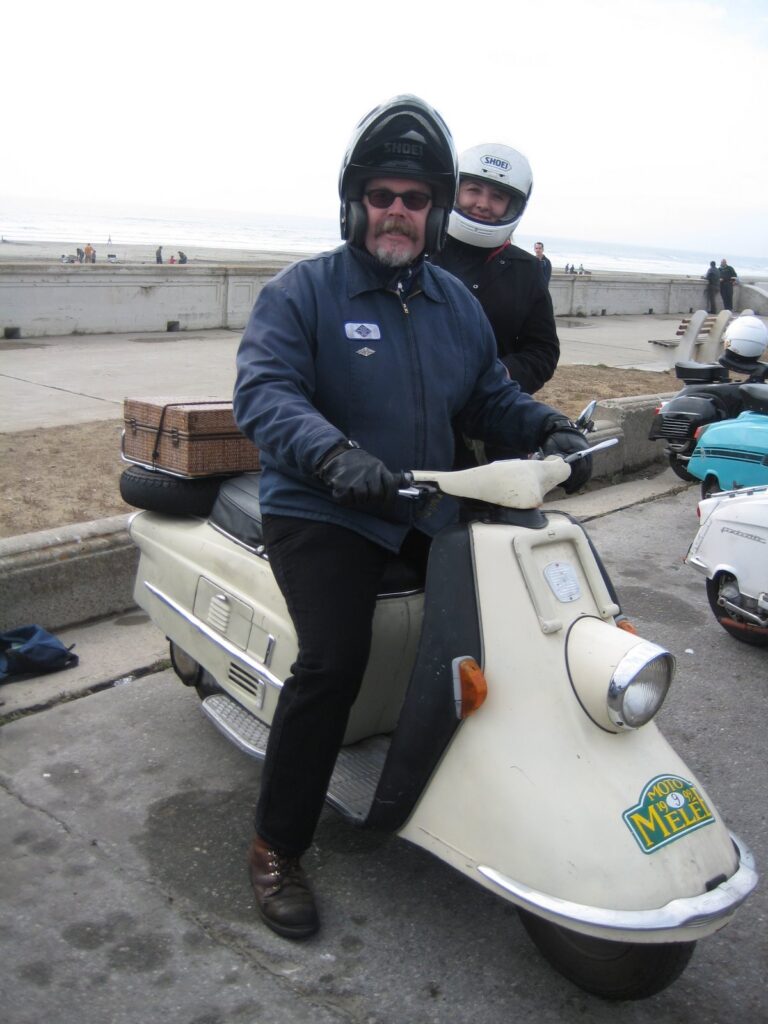
Mods AND Rockers would be a better description of this event, as the animosity between these groups got left behind somewhere in the 1960's, and an awful lot of classic bike owners have scooters in their garage! I've been guilty as well, with Lambretta, Vespa, and Velocette scooters having sat alongside my motorcycles. The charms of a scooter are undeniable, which is why they endure in popularity nearly 100 years after their invention (the 1920 Unibus nailed the form).
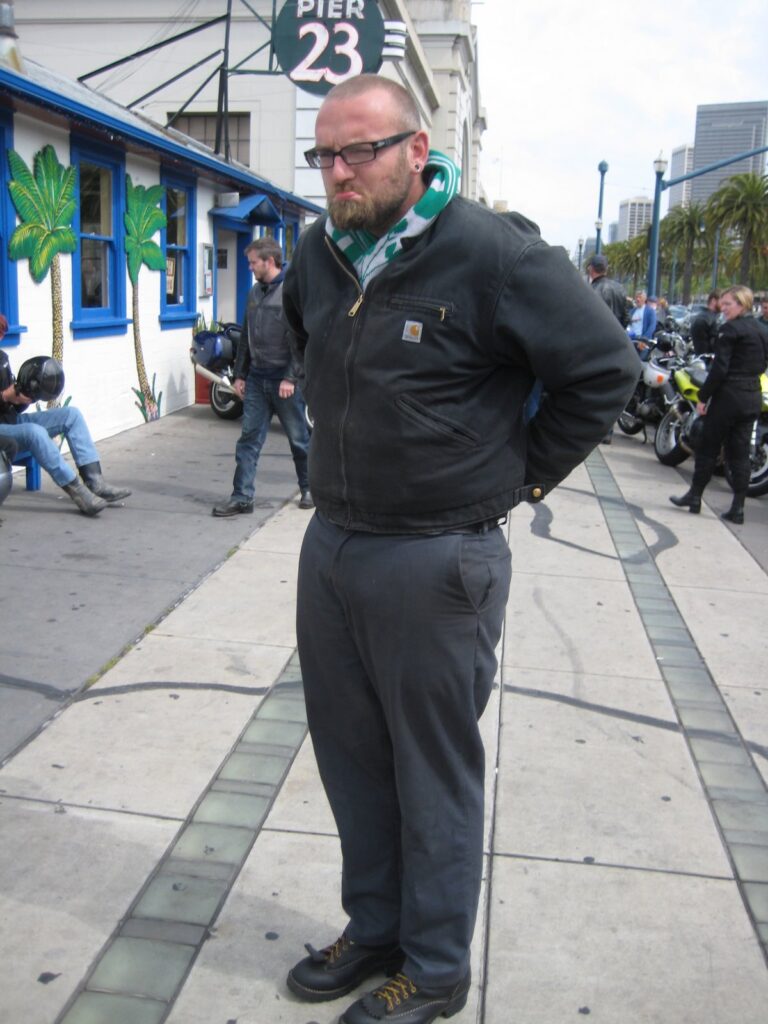
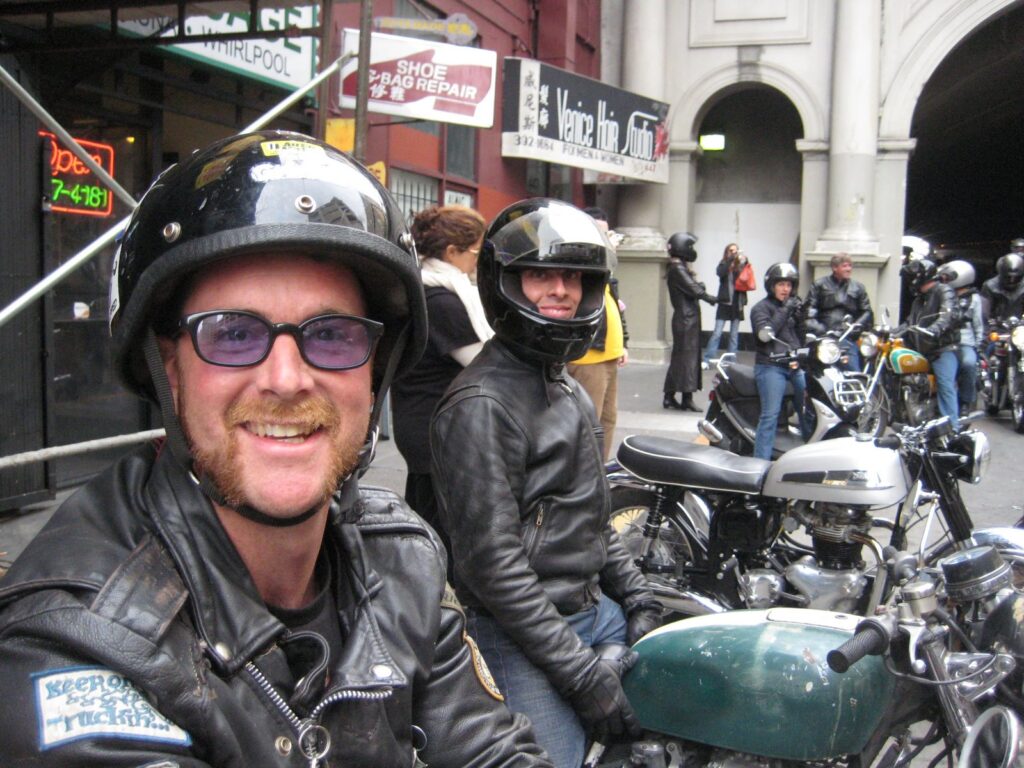
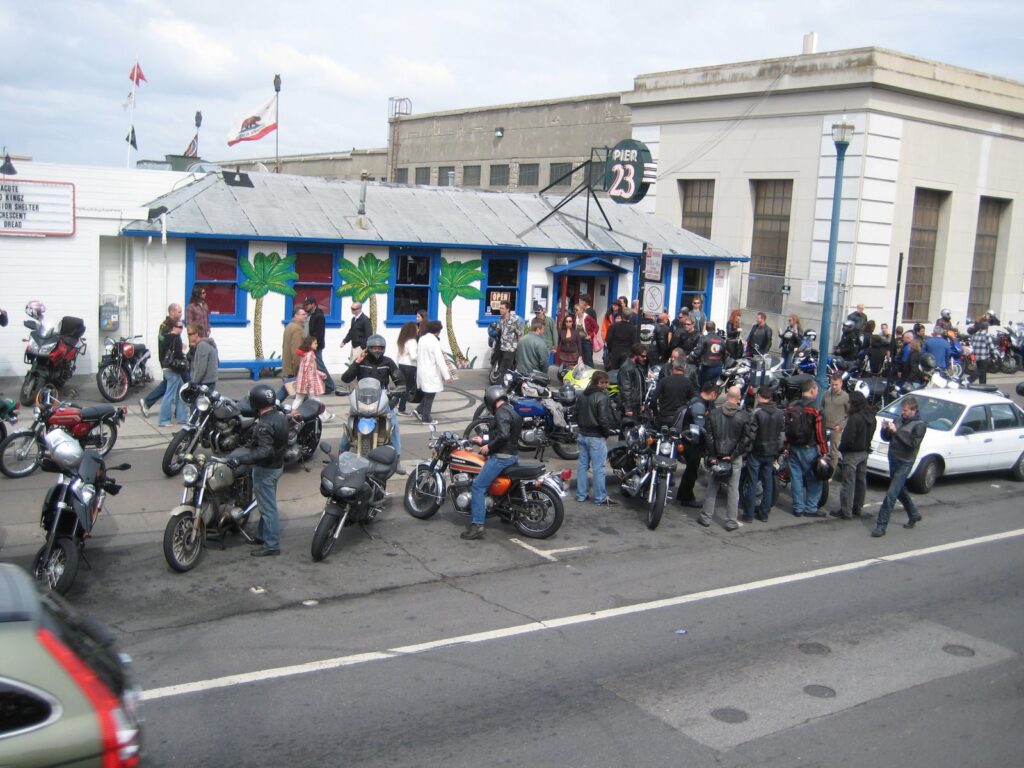
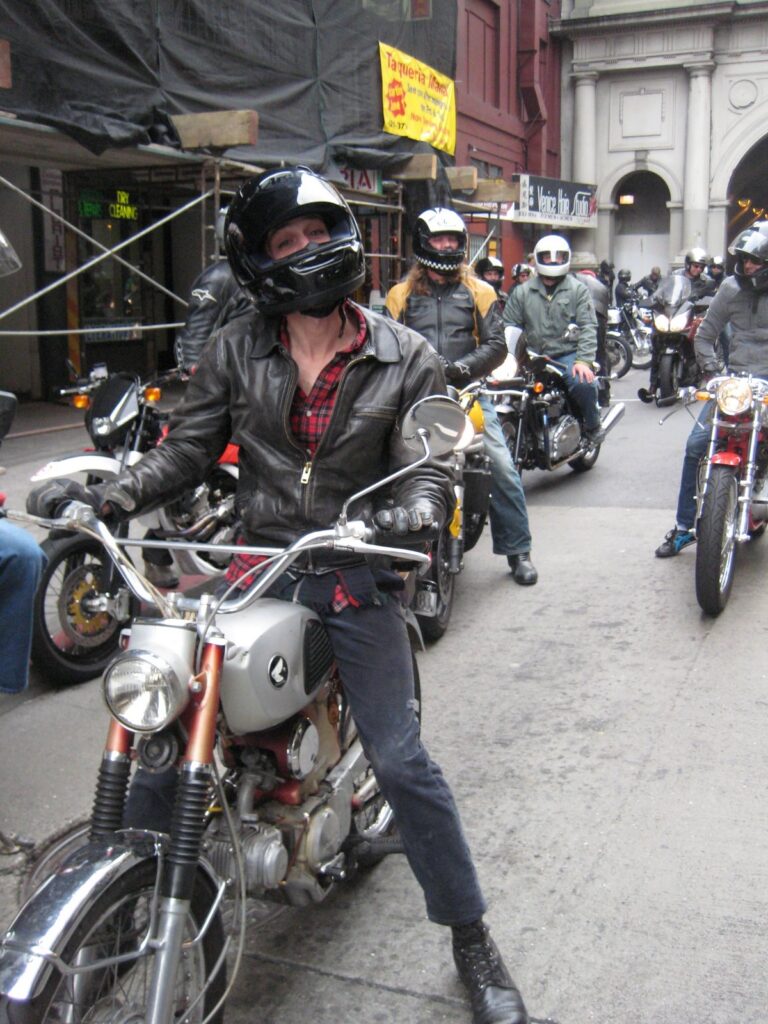
The setup of the Mod VS Rockers Ride is simple; Mods meet at one end of the Embarcadero (Red's Java Hut) in San Francisco, the Rockers congregate at Pier 23. All riders mill around and socialize until the appointed minute, then it's time to GO. We pretty much have traffic our own way for the next couple of hours, blowing off stop signs/lights in a swarm, with our mutual goal a timed meeting in the middle of the Stockton St. Tunnel, where a few minutes of mayhem commences, before the whole troupe dispersed in advance of any police action. Hooligan fun, nobody gets hurt, no fighting no biting!
Here's my video of the Tunnel meetup. Yes illegal and inconveniencing traffic, but only for a few minutes, once a year...
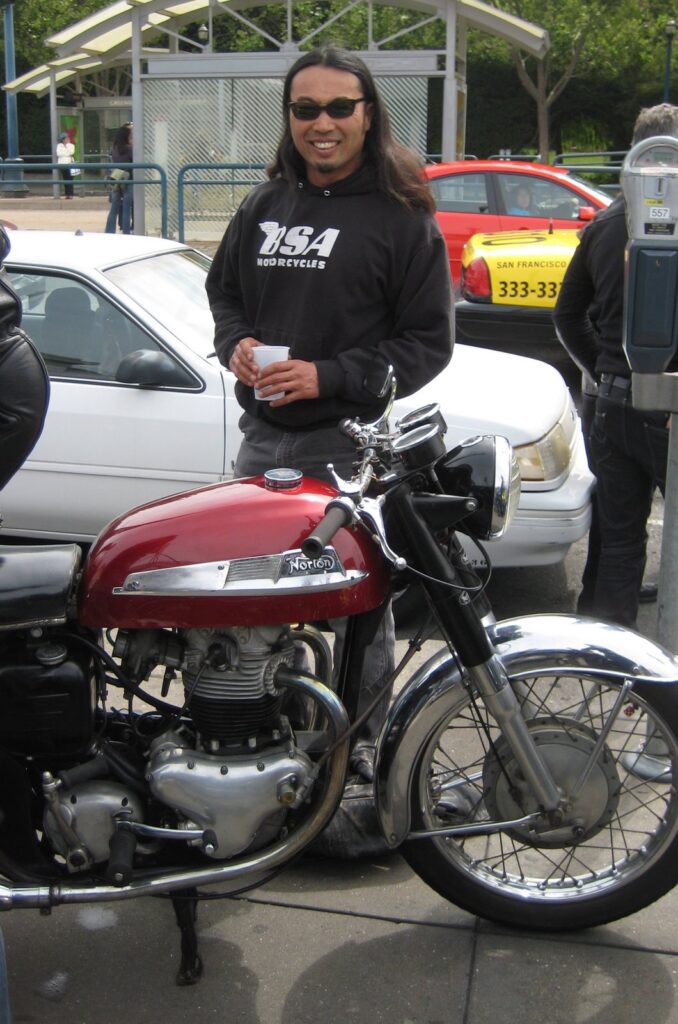
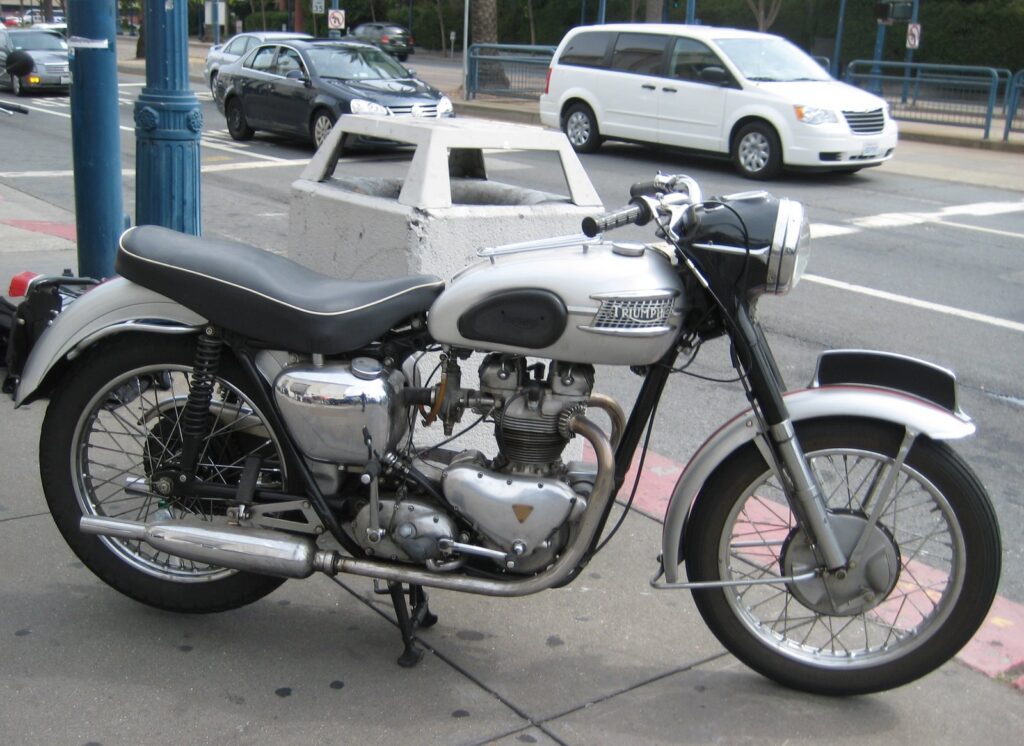
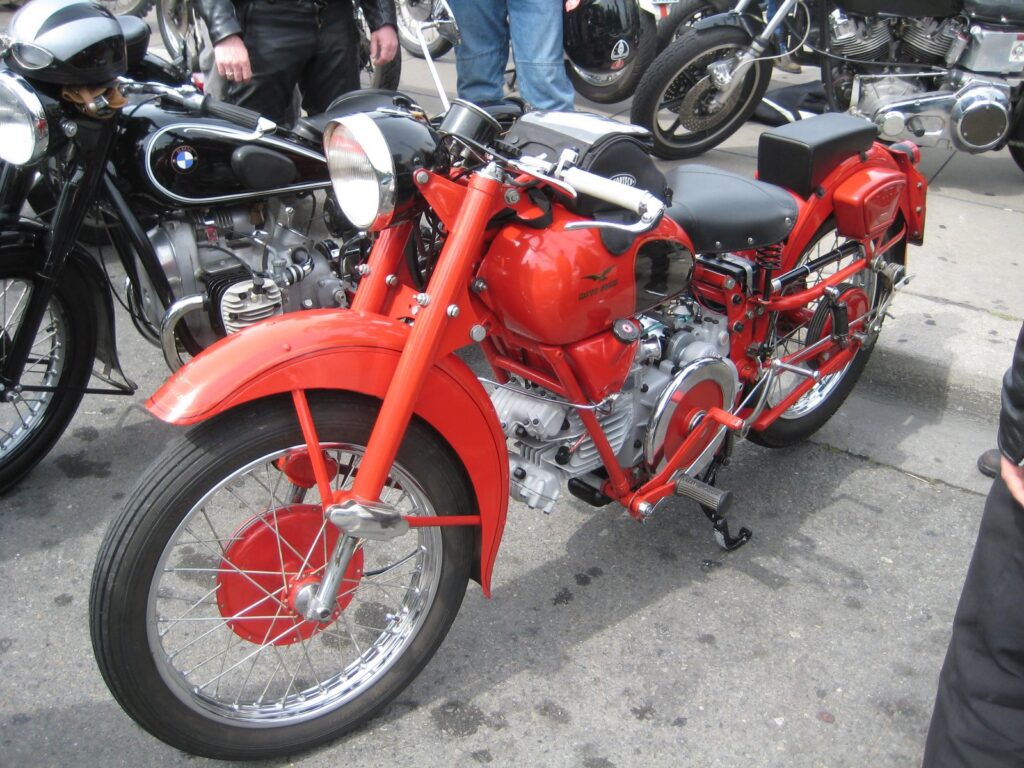
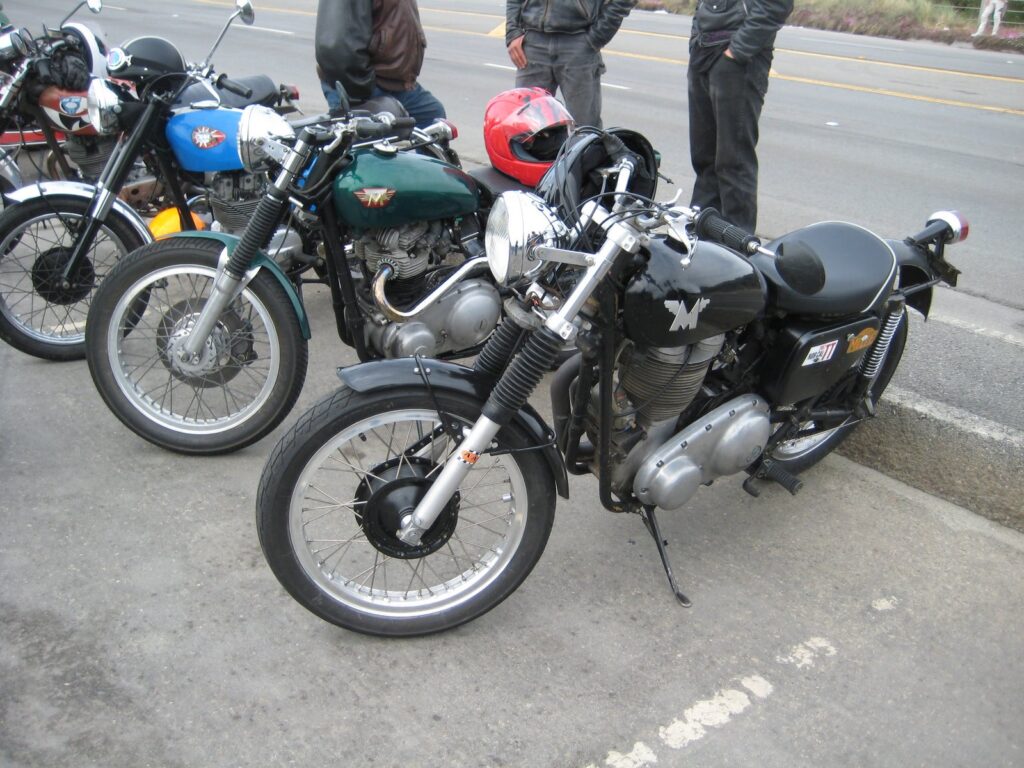
I hadn't seen Danny's Triton before, which is built from a unit Bonneville engine in a Slimline Featherbed frame. Some interesting contemporary features include the plastic rear fender (front from a Ducati?) and Harleyesque headlamp. Sounded great.
Conrad Leach at the Legend of the Motorcycle
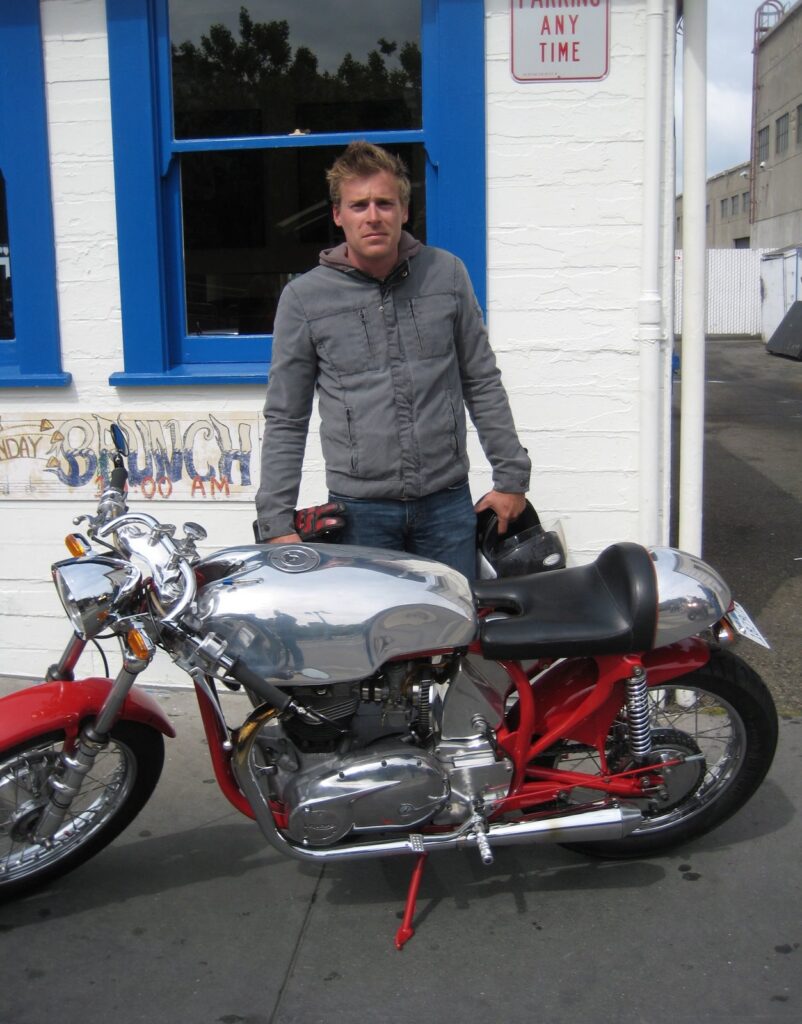
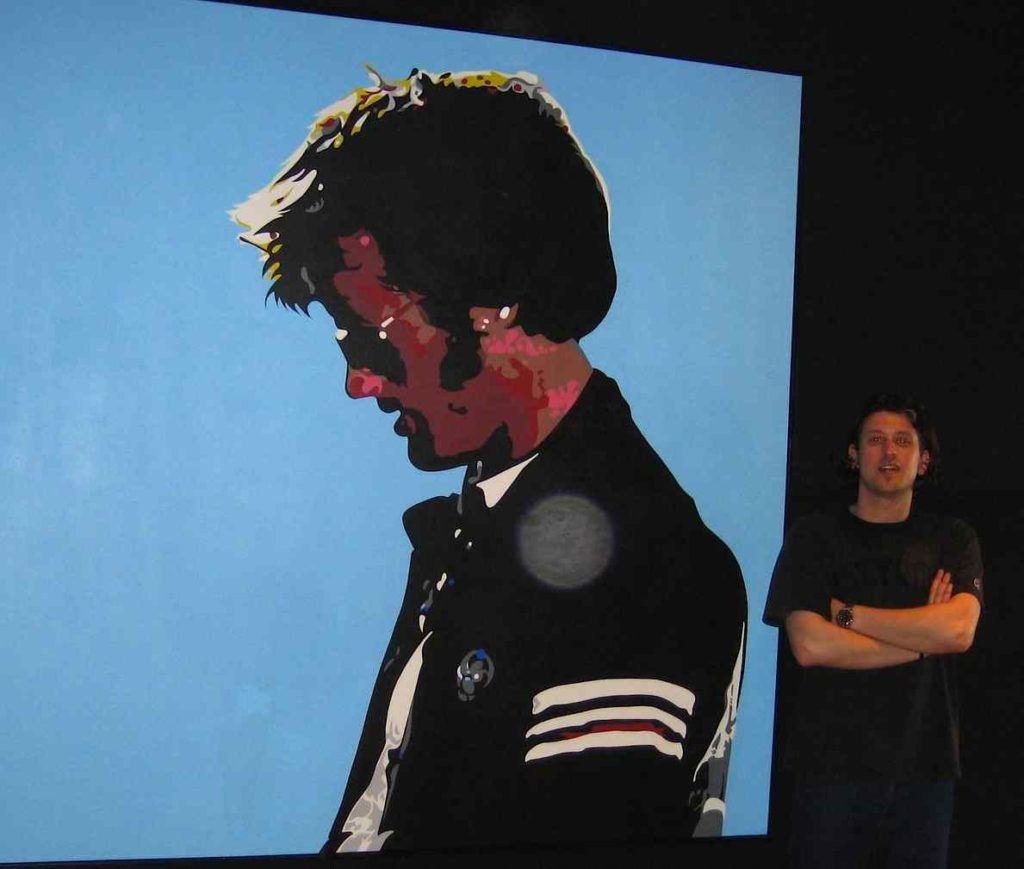
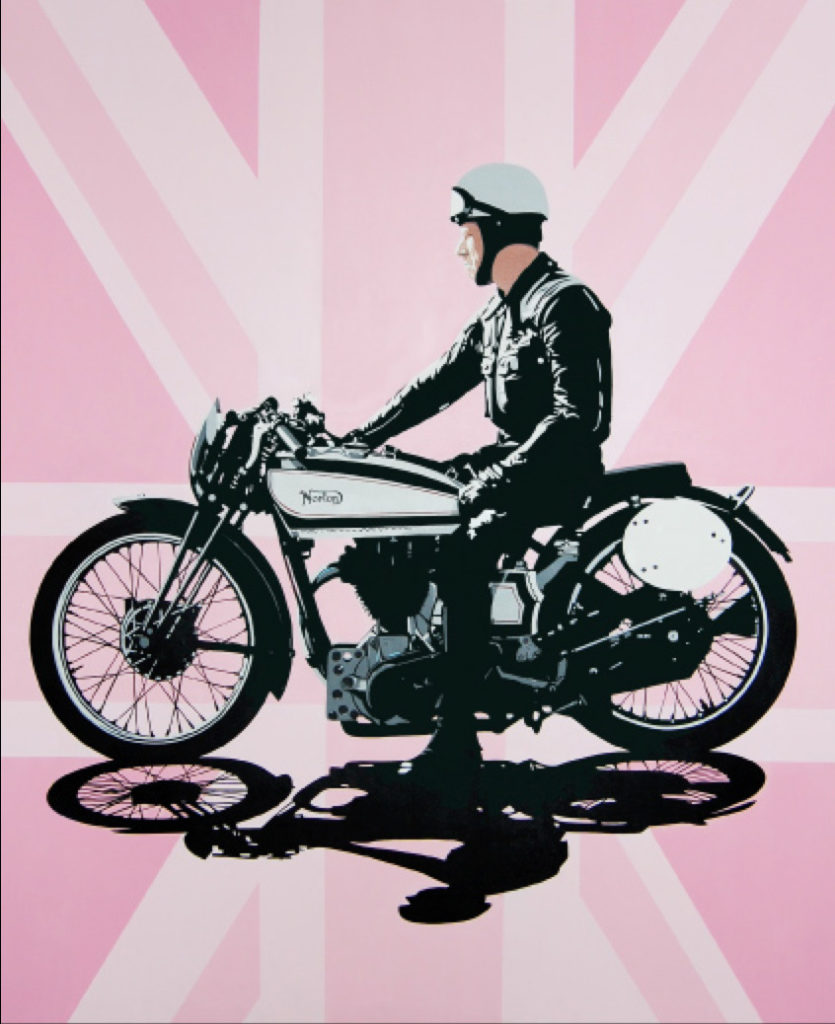
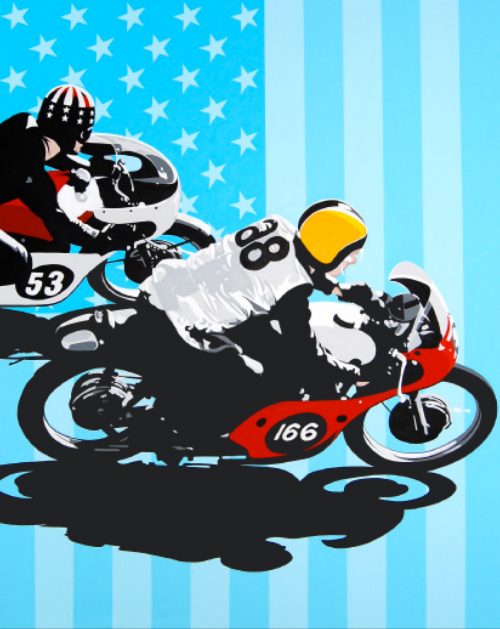
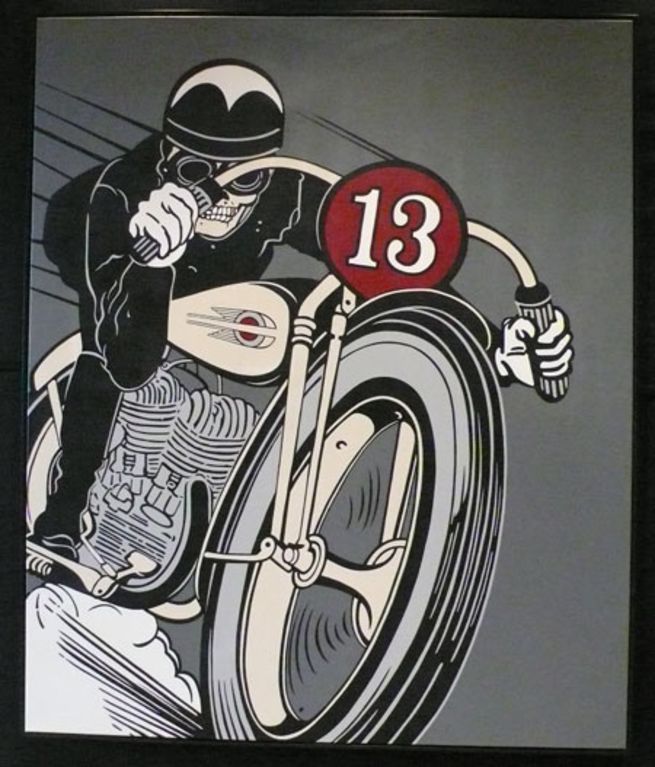
Each year at the Legend of the Motorcycle Concours, an artist is given a conference room at the Ritz to display motorcycle-related paintings or sculpture. Last weekend the room was occupied by the paintings of Conrad Leach, pictured beside his portrait of Peter Fonda (in his Wild Angels role). As you can see, the paintings are large scale (8' - 10' tall), and beautiful; Conrad had a 5-year contract as artist in residence for Louis Vuitton in Tokyo, and is now branching out, and selling his paintings at galleries and at exclusive shows. There is no other artist I know of working today who possesses such a refreshing orientation to motorcycle subject matter. His sensibility is unique, his painting skill exceptional, and his style will undoubtedly impact a generation of young artists tackling the relationship of men to machinery.
Dennis Loveday: Brooklands Racer
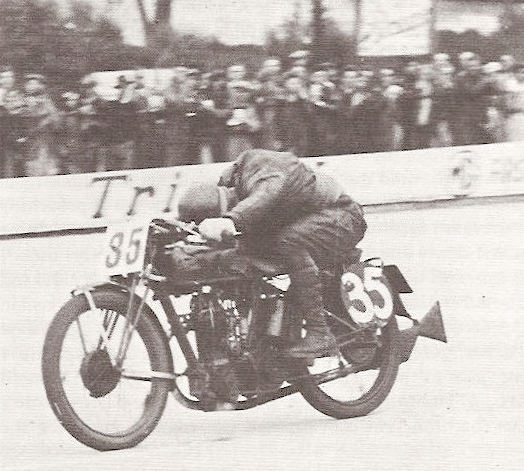
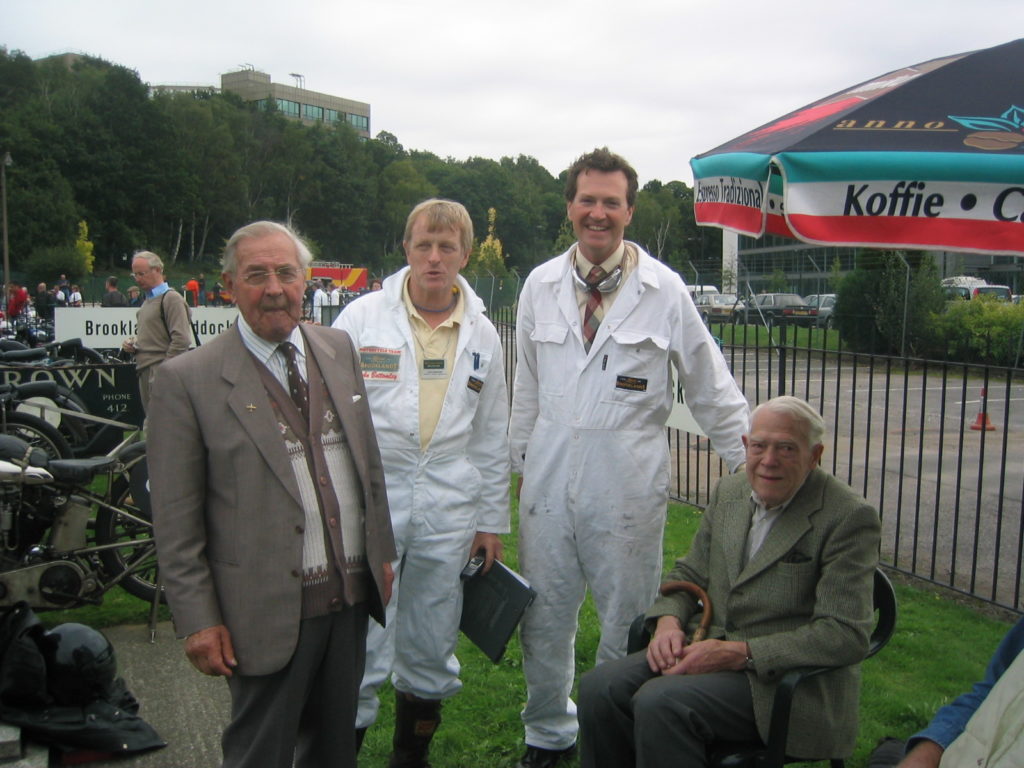
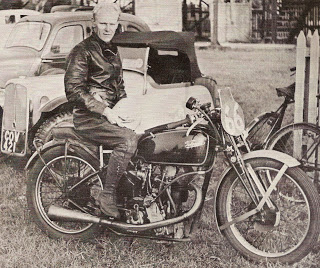
At the Brooklands Velocette Centenary in 2005, I met two surivving Brooklands racers - David Vincent and Dennis Loveday. David Vincent won a Gold Star for recording 100+mph laps at the Brooklands speed bowl during a race, and both men raced 350cc Velocette KTTs. Regardless Dennis Loveday is pictured here on a Velocette, most of his Brooklands racing was on single-cylinder Ariels. Both men were successful riders and race winners in the 1930s, and it was fascinating to hear them talk about the old track.
Book Review: 'Private Owner'
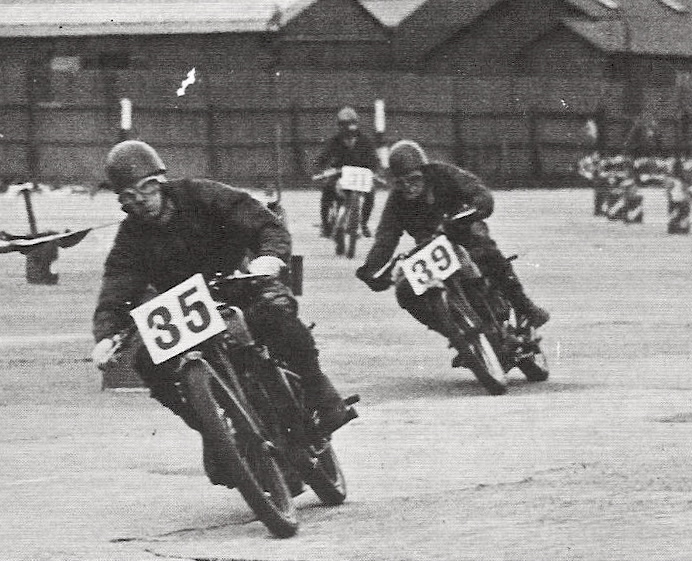
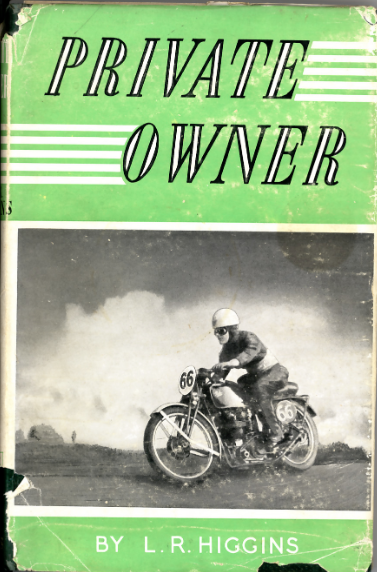
While doing some research on the Velocette MkVII KTT production racer, I was reminded of Les Higgins, who rode one in the 1938 Isle of Man TT, and wrote a book about his racing exploits, 'Private Owner' (Foulis, 1948). He was never in the top ranks of riders, but writes about the life of a typical 'clubman', the arch-enthusiast who spent all his money and free weekends racing at Brooklands, the Isle of Man TT, the Ulster Grand Prix, at Donington Park, etc, filling up the ranks of the 'also rans'. Riders such as Les Higgins were the principal customers for over-the-counter racing machinery, such as the Velocette KTT, Norton Model 30 International /Mans, Excelsior Manxman, etc.
‘Garage Magazine' Photo Shoot
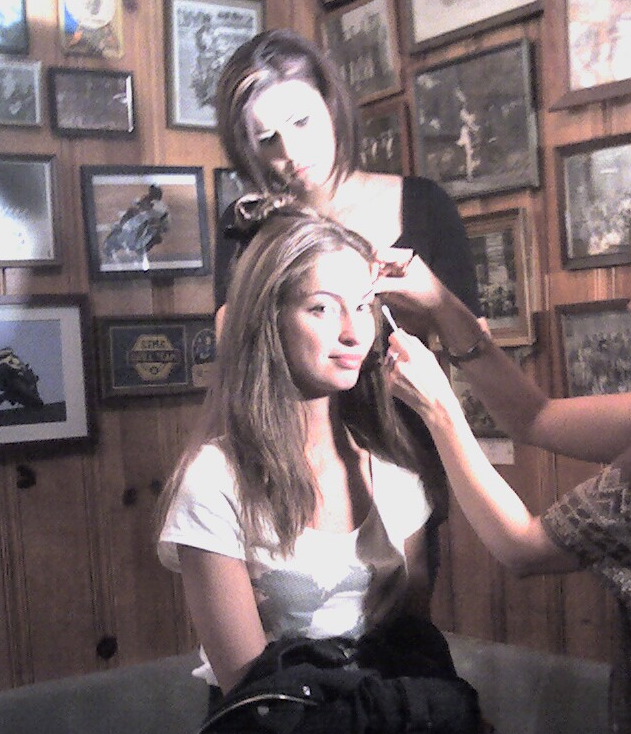
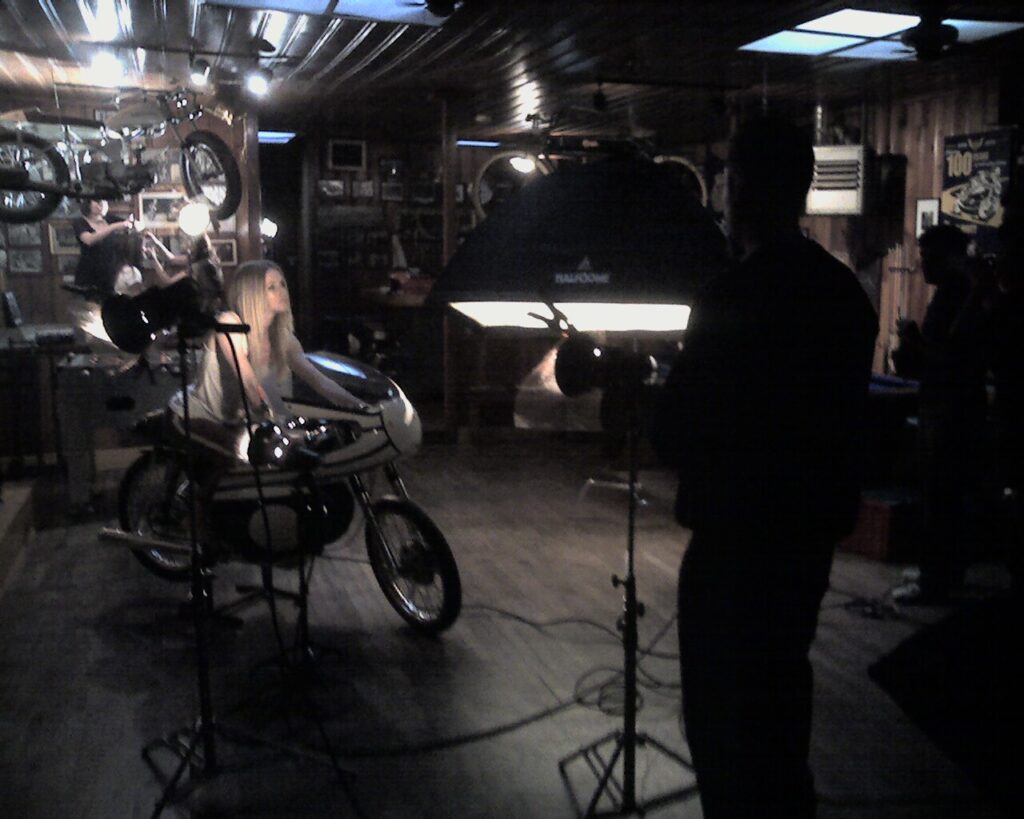
In total contrast to my previous post on a photo shoot, Garage magazine shot a feature spread on 'motorcycling gear through the decades', using the San Francisco Motorcycle Club as their backdrop (the SFMC is the second-oldest m/c in the US, and the oldest continuously operating). This was an expensive studio shoot, with stylists, makeup/hair artists, hired models, a photographer and assistants, lots of lights and camera eqp't, and several vintage bikes as props. It hurt to be relegated to 'prop' status, but I'm always happy to help encourage the old bike scene.
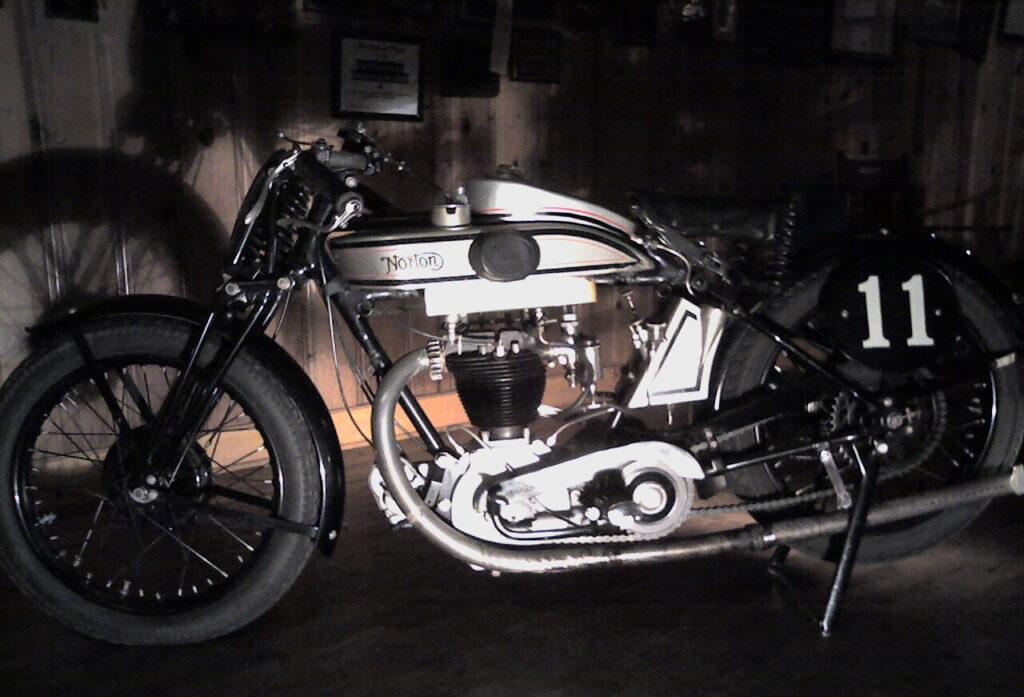
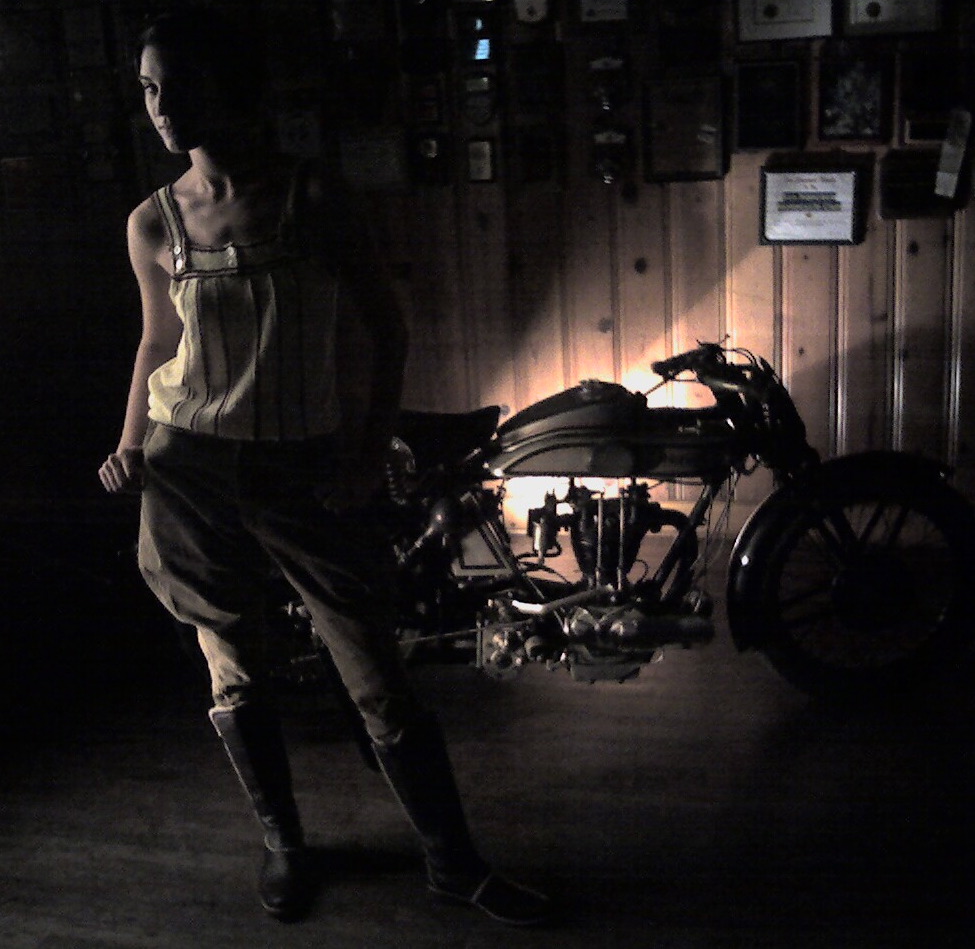
Top pic is my 1926 Norton Model 18 racer, looking spooky in the dark with some up- and back-lighting on wall of the SFMC. This was 'Jimmy's bike' - it has a history going back to Jimmy Shaw (a 'works' rider for Norton in the 'teens thru '30's), and was claimed to be a factory race machine. It was restored about 15 years ago by Ken Blake in England, then my friend Ken Boulter purchased it to settle the unpaid restoration bill(!), and he sold it to me about 8 years ago (after much needling, I assure you). It's a bit of a bear currently, as I need to rebuild the carb and replace the magneto (very hard to start), and the soldered-up gas tank is a little leaky. Still, the bike is fast, having been timed at 94mph, and handles beautifully.
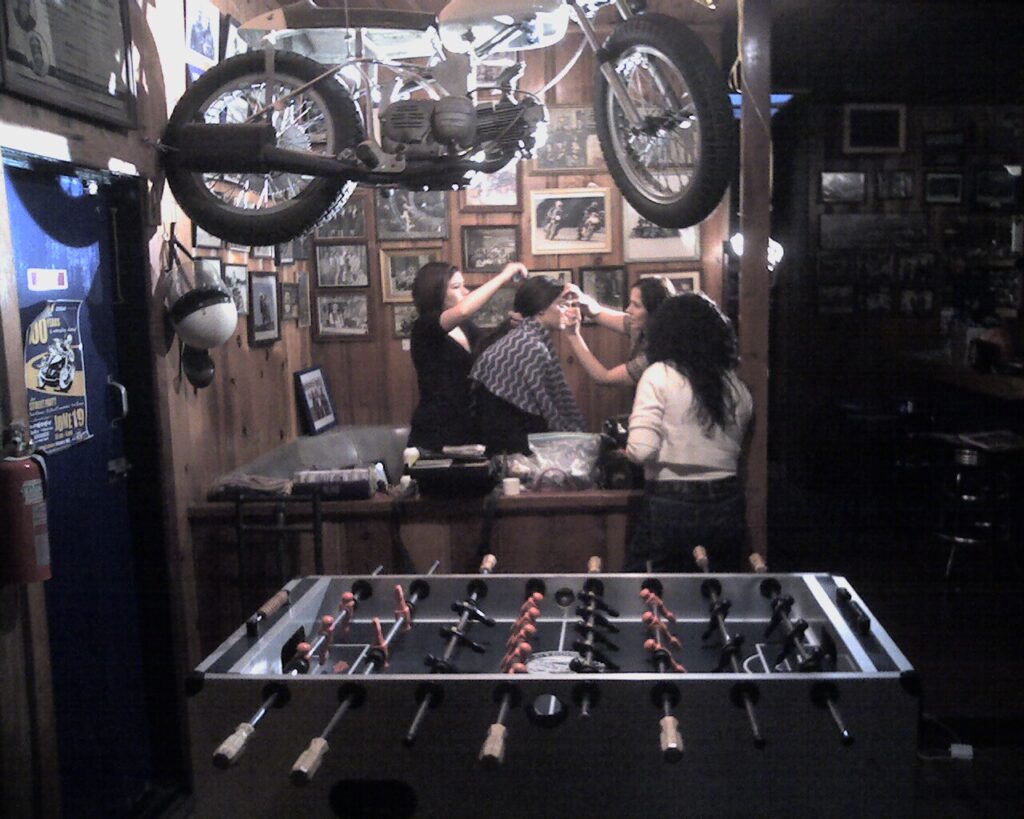
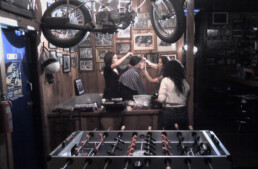
The interior of the SFMC is packed full of photos, memorabilia, and trophies on the walls, with two bikes hanging from the ceiling - an Aermacchi/Harley Davidson CR flat-tracker with a custom chrome-plated frame, and 1904 Curtis v-twin in original condition. Plus, there are pool and foosball tables, and a full bar. Pretty much ideal, really.
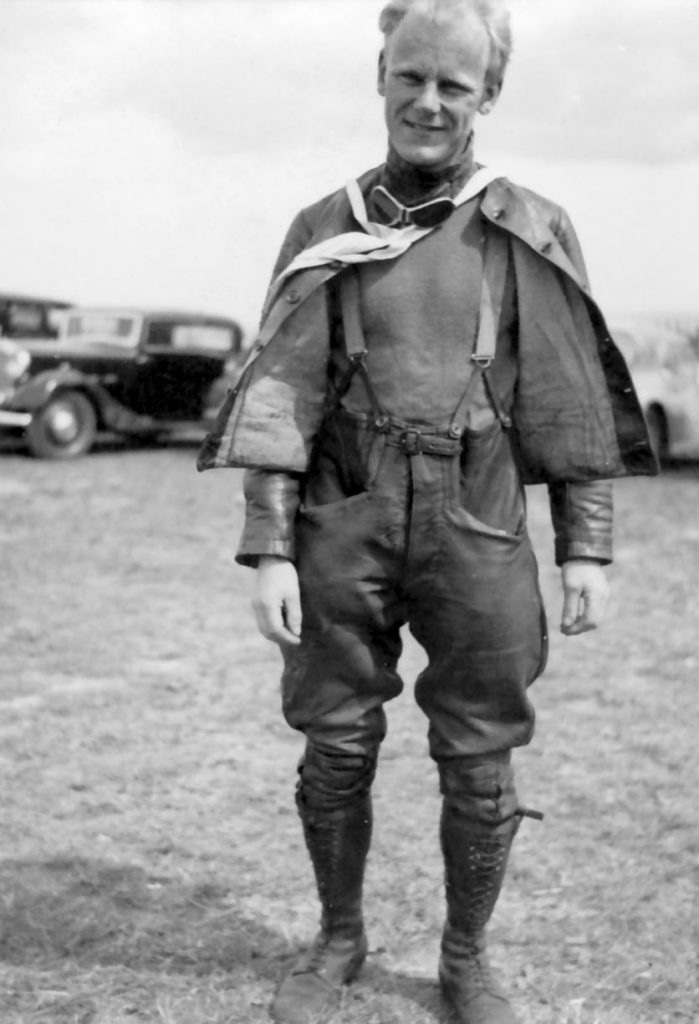
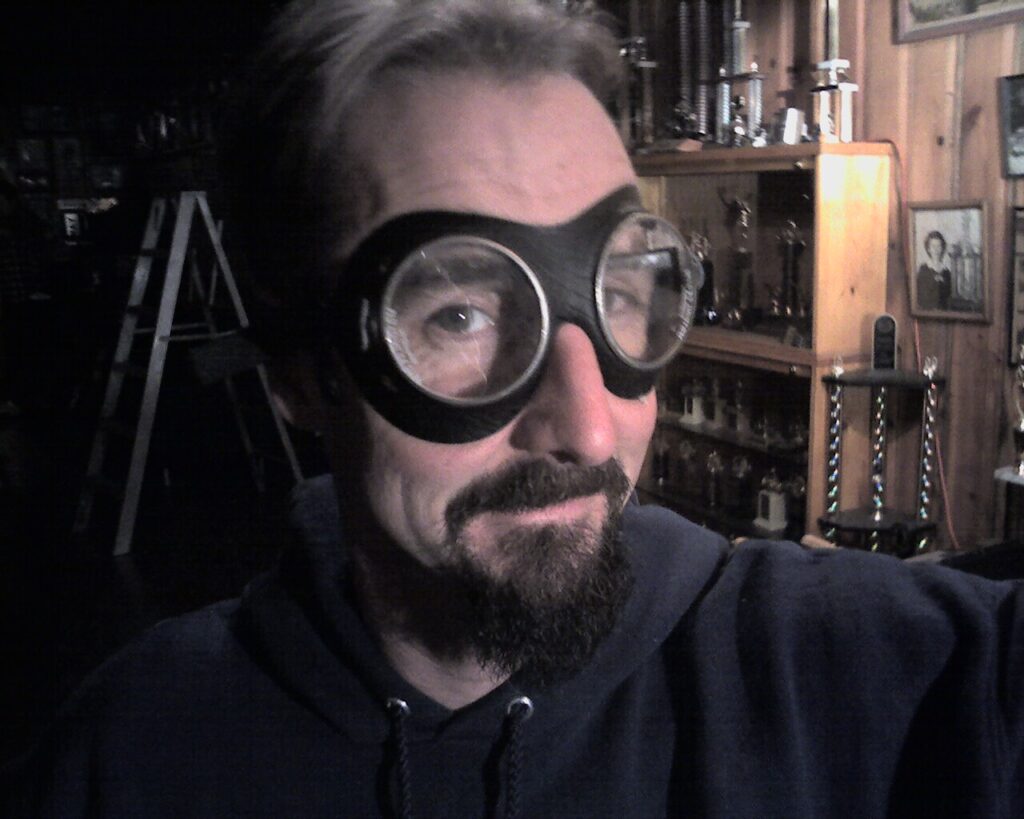
'Slim' Jim Hoogerhyde, SFMC member and vintage racer, who's modeling a pair of odd German goggles I found on ebay. Slim let everyone into the building and hung around all day during the shoot...which might be seen as tough duty, but there were 3 beautiful women changing clothes there all day. He doesn't look bothered at all.
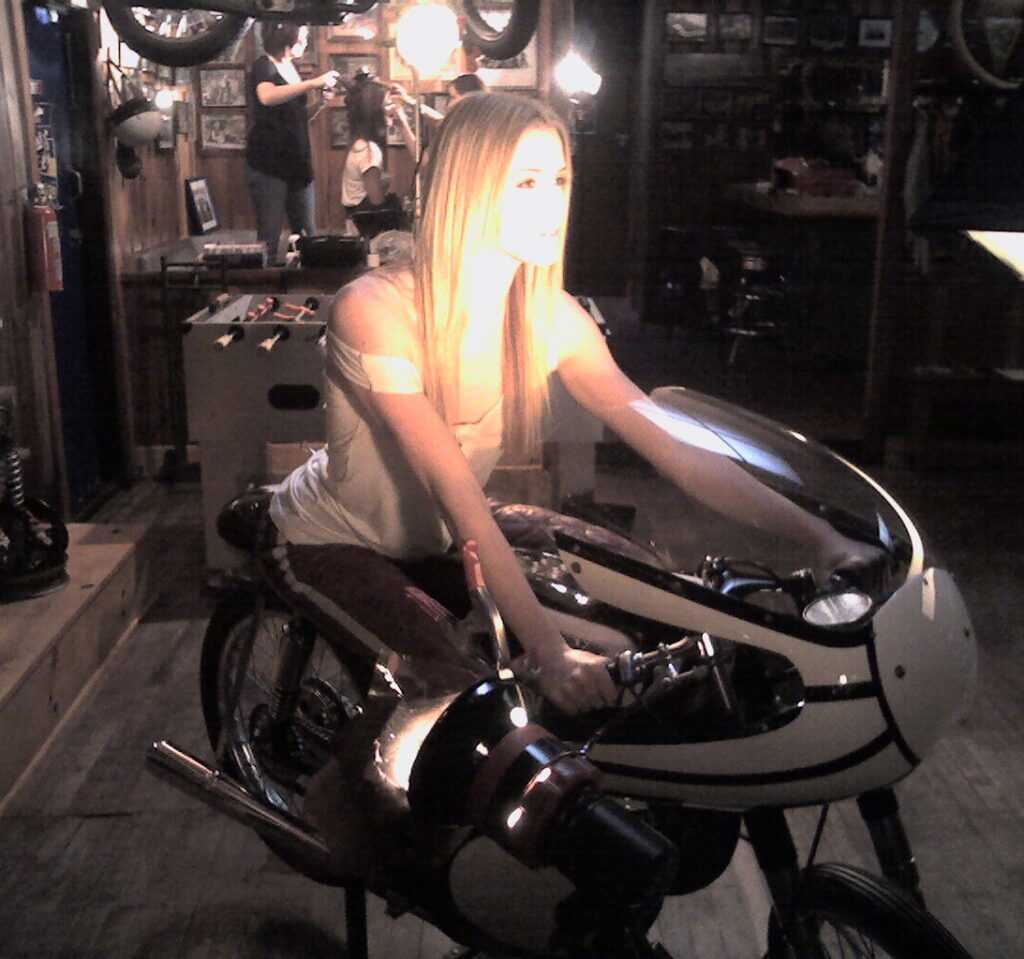
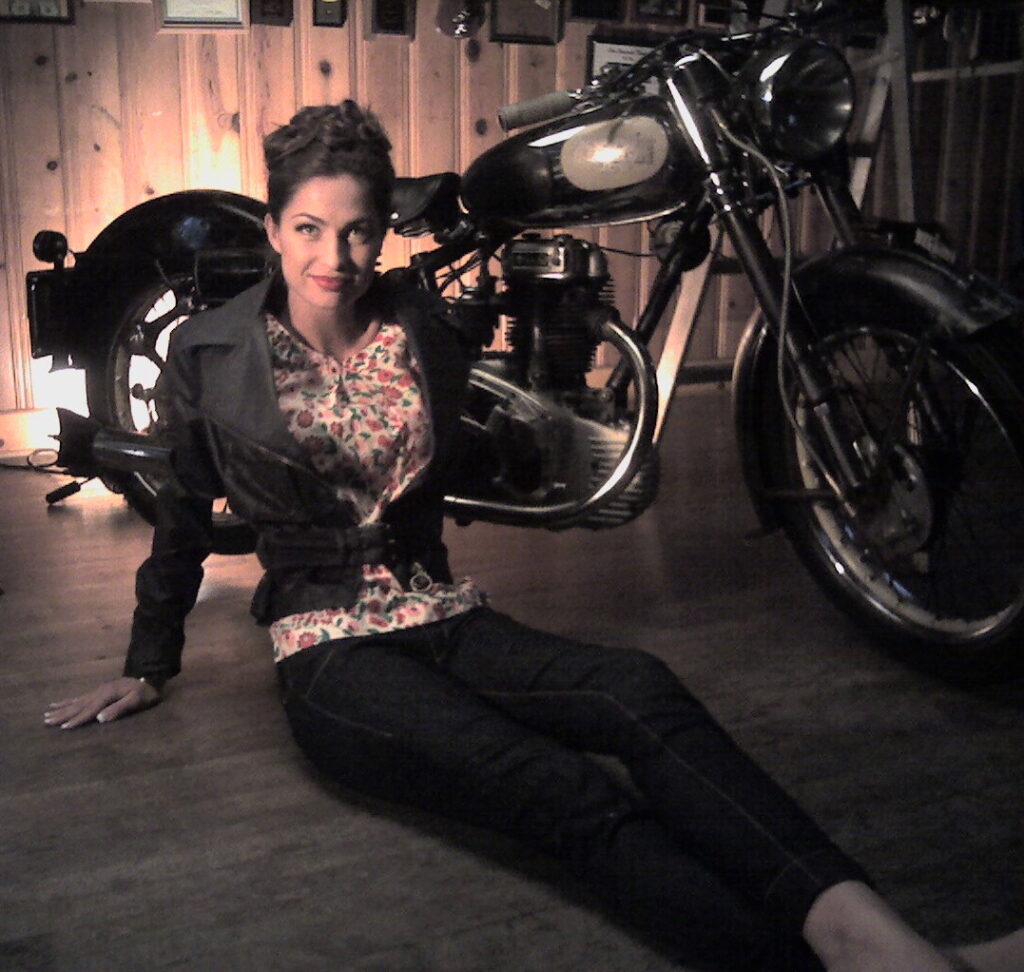
another Belstaff in white cotton, which was very chic but looked pretty useless for a bike, as it wasn't waxed cotton or particularly waterproof. [Paul d'Orléans]
I've owned Belstaff rain gear before - once it's been ridden in the rain for a few weeks, you don't want it anywhere near nice clothing, as it will leave dirty streaks! It also tends to collect cold water in the crotch after about an hour in a steady downpour... I have bitter memories of a ride through the Tatra mountains in Czechoslovakia, after leaving communist Poland (1987), being completely soaked through despite my waxed cotton gear... even the MZ I was riding (which breathed through its frame backbone!) was gasping for air and choking on the waves of muddy water thrown over us by trucks passing the other way. Luckily, I was young, and arrived safely in Vienna after 12 hours, whereupon I KISSED THE GROUND. No kidding. Then I had a beer at a MacDonalds (and I hate Mickey D - that's how bad the food was in the 80's Eastern Bloc). Sorry for the digression!
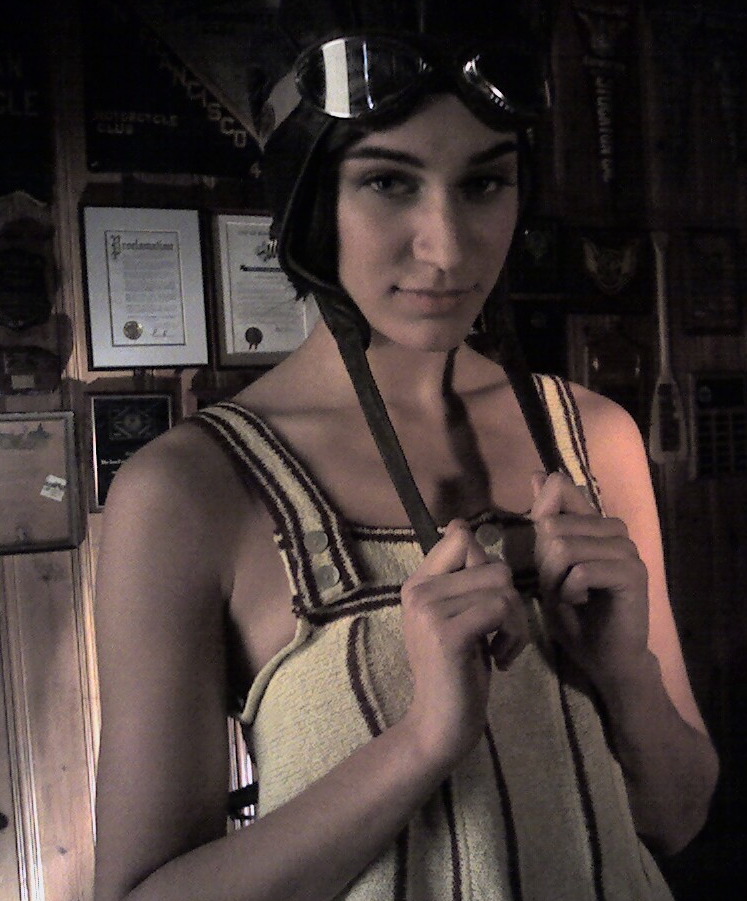
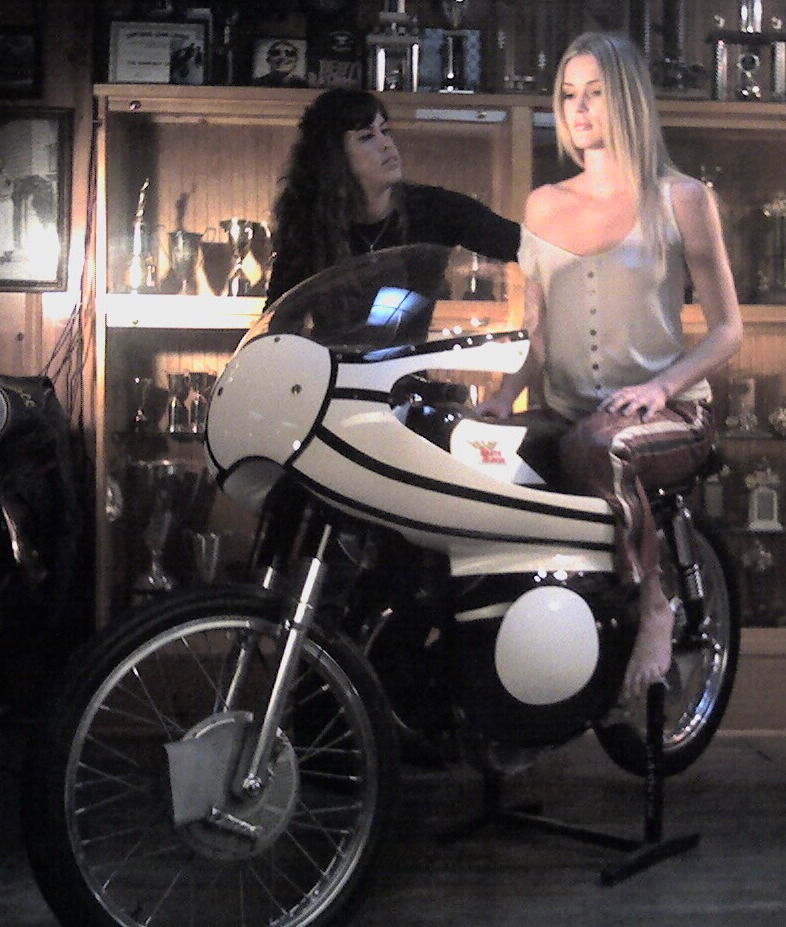
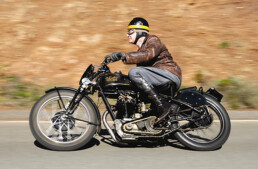
The last set of photos involves Nicole (don't ask for her phone number, as I don't have it!) with my Norton. Top photo shows the setup with Nicole silhoutted against the dome light. Dan Stoner, editor of Garage, stands to the left. Second pic shows Nicole wearing a leather helmet and my Avionix goggles (contemporary, from France), and a sort of Art Deco blouse. The bottom pic shows her outfit better; jodhpurs, Deco blouse, leather helmet, tall boots - a nice look... motorcycles do look better with a beautiful woman next to them!
Shooting 'The Mule'
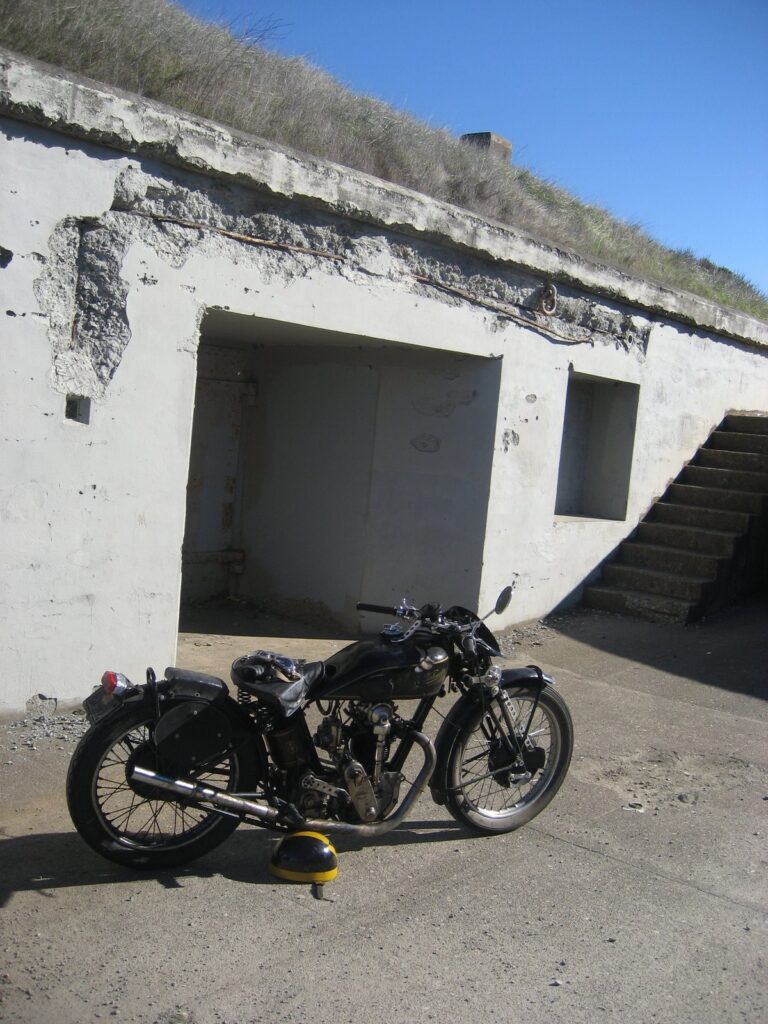
Nick Cedar, a photographer with many books, magazine articles, and calendars to his credit, arranged a photo shoot of my Velocette MkIV KTT (better known as 'The Mule') this weekend, for an upcoming article in 'Motorcycle Classics' magazine (Margie Segal will be writing the text).
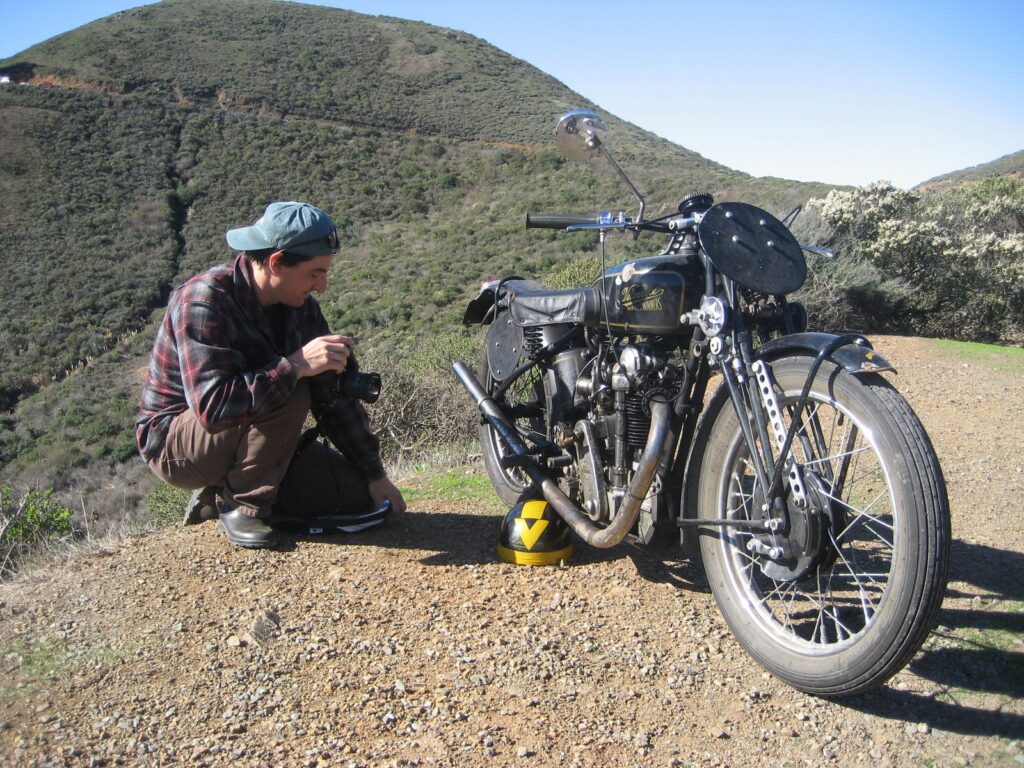
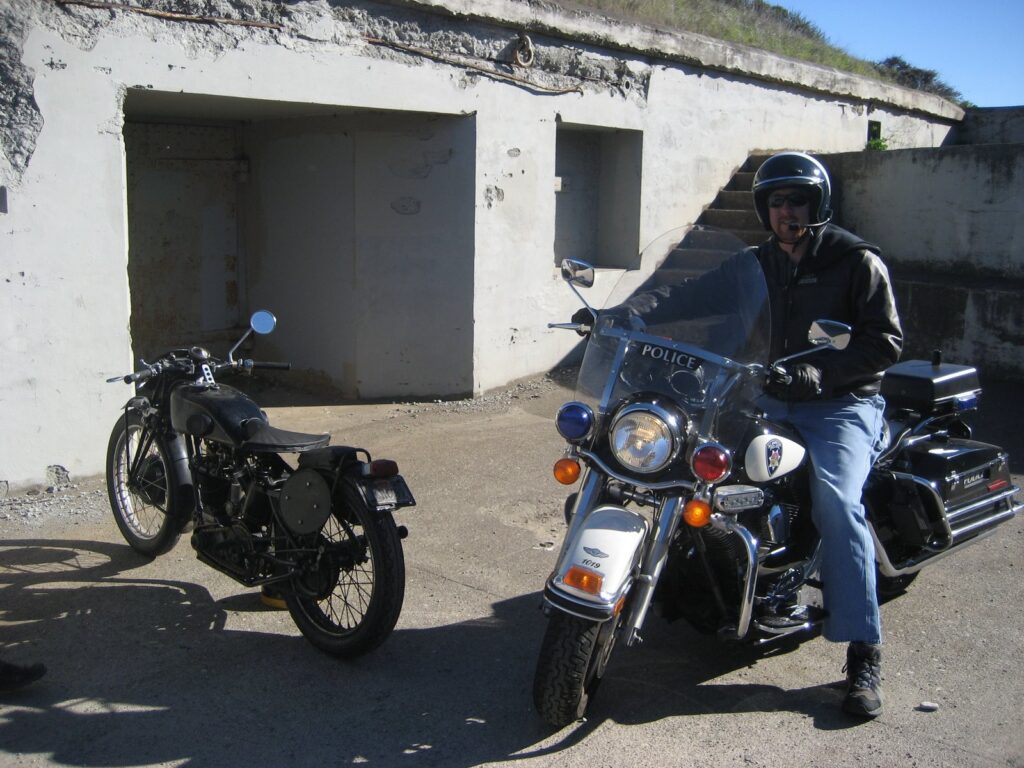
He chose the Marin Headlands as the backdrop; the day was crystal clear and warm, almost too warm for the vintage outfit they requested from the rider! The view from the headlands is directly over the Golden Gate Bridge, back towards San Francisco, as can be seen over my handlebars in the second photo. The Headlands is a State Park, and used to be part of the greater military defenses of SF bay, which have all been decommissioned since the 1970's. Thus, there are many gun emplacements and concrete batteries along the cliffs, making for dramatic backdrops, with stunning overlooks.
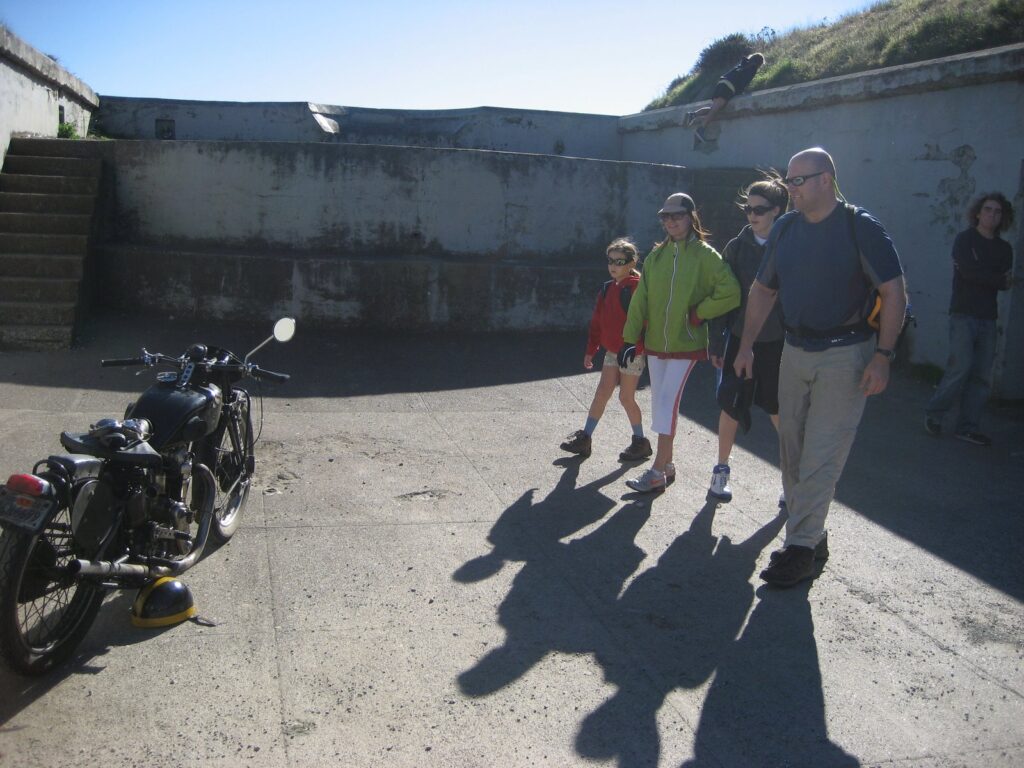
Apparently a $200 fee is required to take commercial photographs in the Golden Gate National Recreation Area, to help deal with the congestion caused by a photo shoot (there are always a zillion tourists clogging the first 1/4 mile of the road into the park, who all take three photos of the GG Bridge, but very few venture further into the hills). A park ranger stopped and quizzed us about the photo setup, but I told the truth and said I would be posting them on my blog (Nick kept mum).
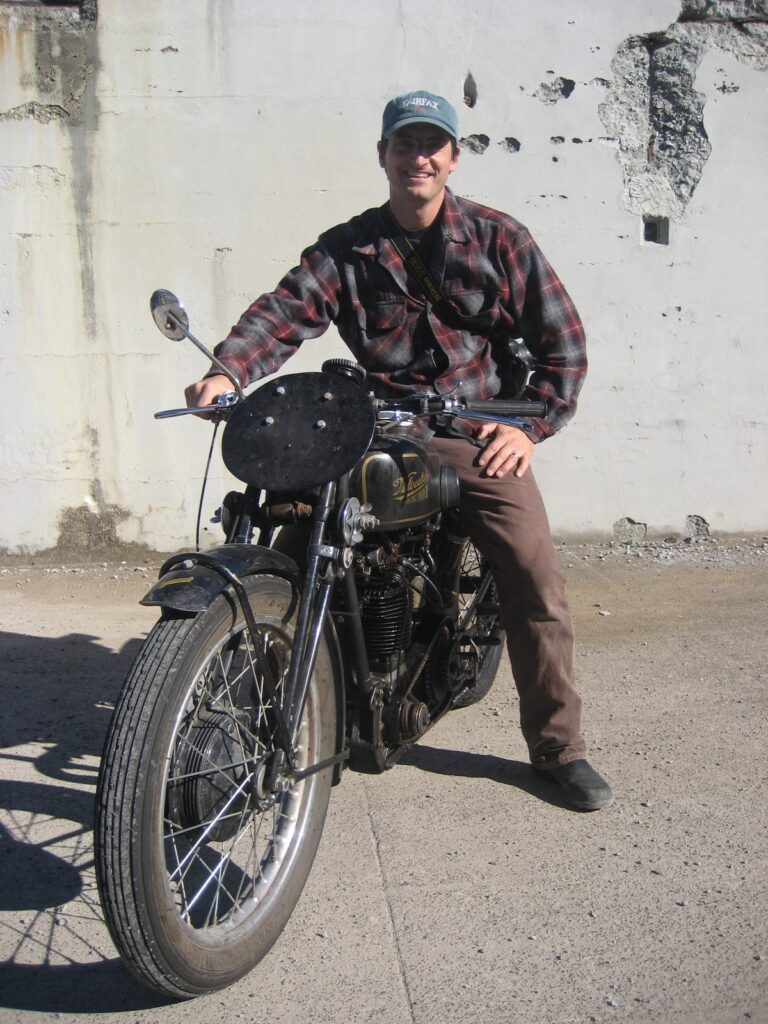
Nick's getup was completely minimal - not tripods or lighting rigs, just a camera and the occasional fold-out reflector, to cut through the oily gloom around my engine! And, as you can see in the pix, I haven't washed the Mule in 18 mo's (I do wipe it down to check for loose bolts), which is how they wanted it for the article.